At 18, She Moved to Thailand to Save Elephants. She Wasn’t Prepared for What She Found.
Meet Emily and Burm, the conservationists who helped redefine ethical elephant tourism in Thailand.
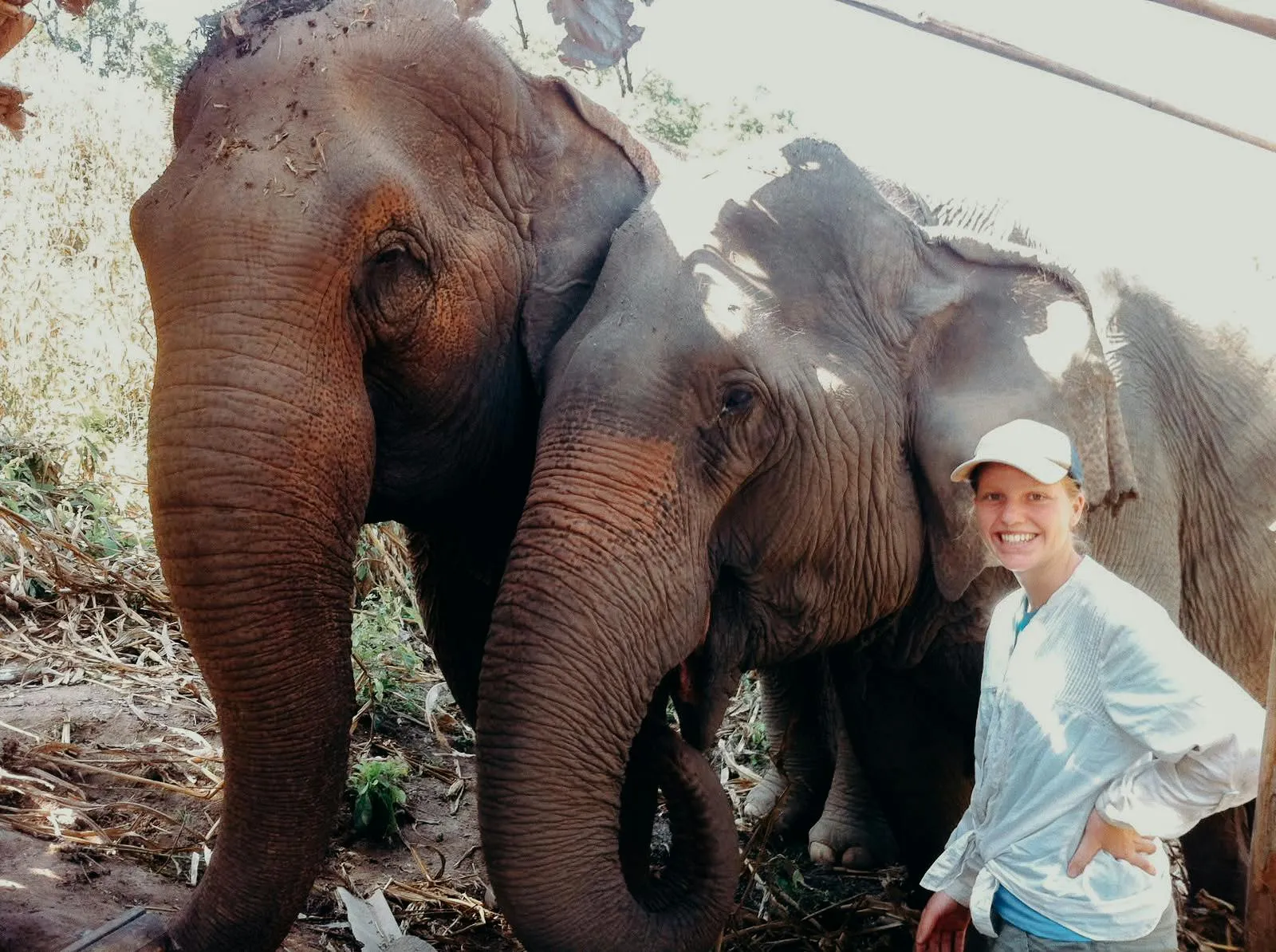
Thailand has a complicated relationship with elephants. They’re deeply revered in Thai culture and religion, and have been part of the country’s identity for centuries. But elephants have also long been used by people — first for logging and farming, and now most commonly, in tourism, at a cost to their welfare.
Emily and Burm are one of the top elephant conservationists in Thailand and the have spent the last two decades trying to change the way people think about how we should interact with elephants. In fact, they were the first sanctuary to go fully hands-off in Thailand - no touching, feeding, or bathing. Their approach has since helped pave the way for a different kind of elephant tourism.
But getting there wasn't so simple.
Emily's first visit to Thailand
Growing up in Australia, Emily loved wildlife, and had always dreamt of seeing elephants. So at 15, she flew to Thailand to volunteer. What she saw shocked her.

She saw elephants swaying back and forth while tourists laughed, convinced they were dancing. But Emily knew they weren't. It was repetitive behaviour caused by years of stress.
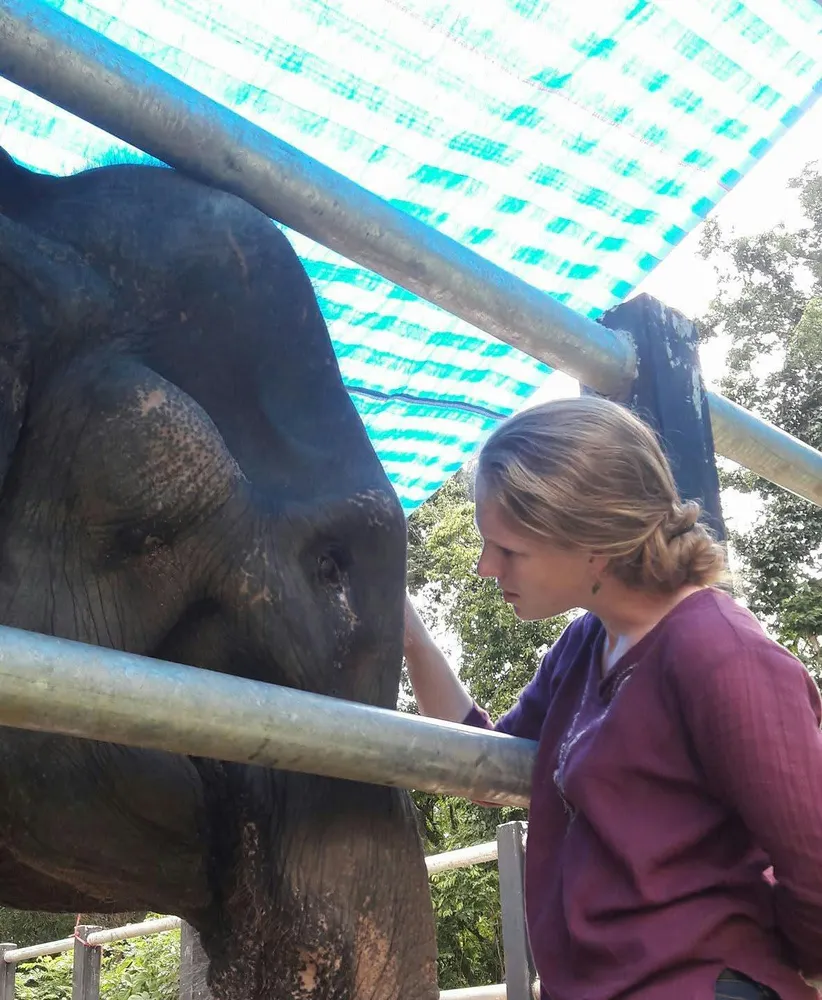
Right then she promised herself: “One day, I'll give elephants a better life.”
Meeting Burm and starting their own elephant sanctuary
During that trip, she met Burm, a local guide who shared a similar dream: to give elephants a better life.
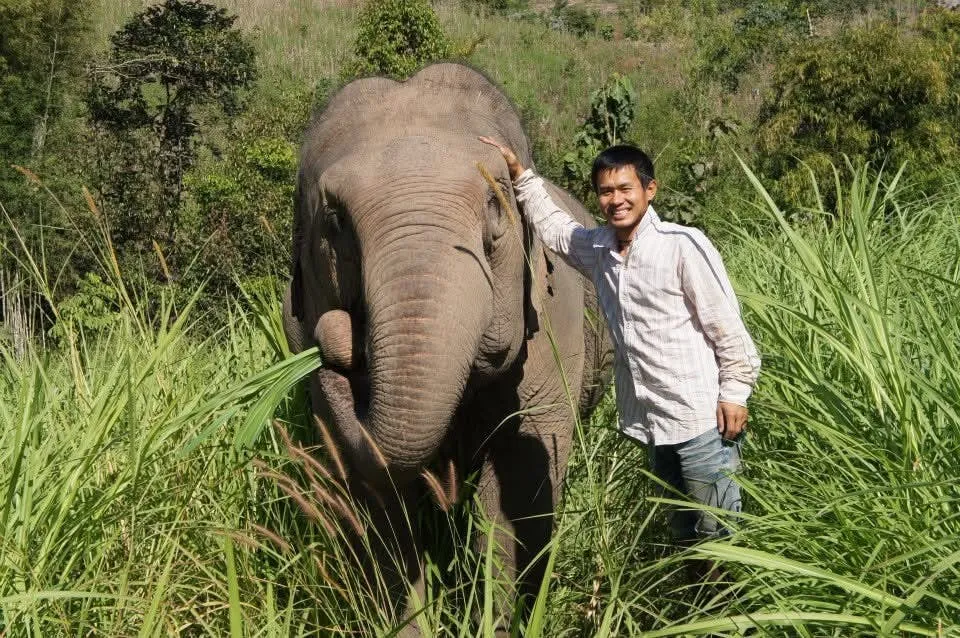
For the next three years, Emily and Burm kept talking about one idea: Could they build a sanctuary where elephants could live without performing for tourists?
So at 18, Emily packed up her life in Australia and moved to Thailand. Together with Burm, they started BEES — Burm & Emily's Elephant Sanctuary. But she soon became very angry.
Emily's anger
"I was angry at every elephant owner. They were all bad to me. They're all terrible. They're all horrible people. How could they keep their elephants like this?”
Many of these families had worked with elephants for generations in the logging industry. When logging disappeared, the elephants still needed food and care. Many families turned to tourism to make a living.
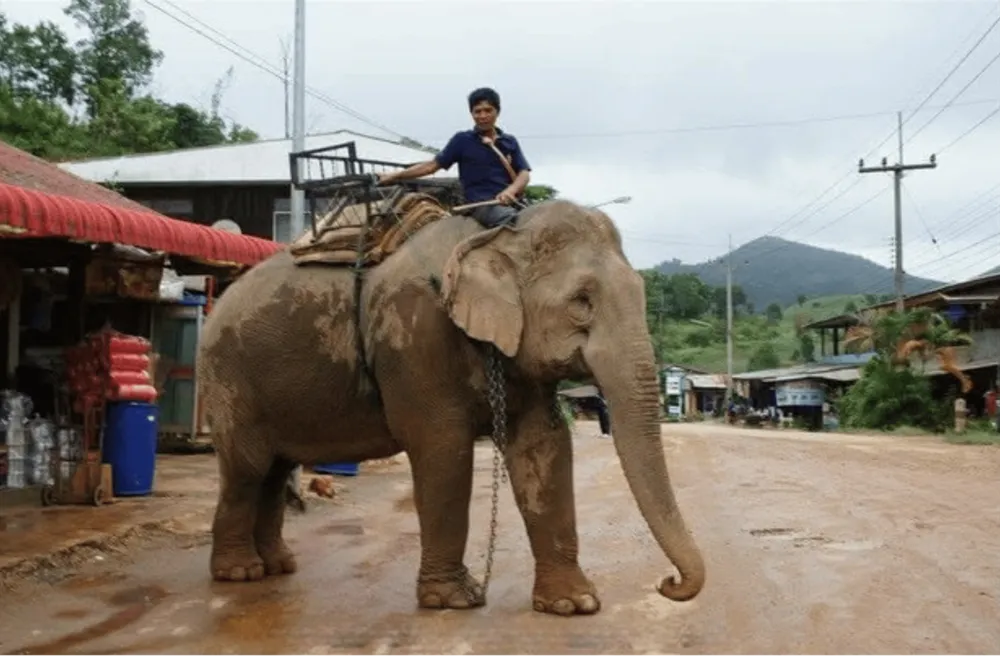
Many of these families had worked with elephants for generations in the logging industry. When logging disappeared, the elephants still needed food and care. Many families turned to tourism to make a living.
"I realised these elephants were family to them. The owners don’t wake up wanting to abuse their elephants. It’s just all they’ve ever known. This is how they survived.”
The elephant who changed everything
One of the elephants they rescued was Fluffy. She had spent her life working in logging, farming and tourism before BEES retired her.
But Fluffy was in poor health. When she was dying, they called her former owner so he could speak to her one last time.
"Fluffy was sniffing the phone. It was very emotional. It was as if her owner was saying to her, ‘It's okay to go now. It's okay.’”
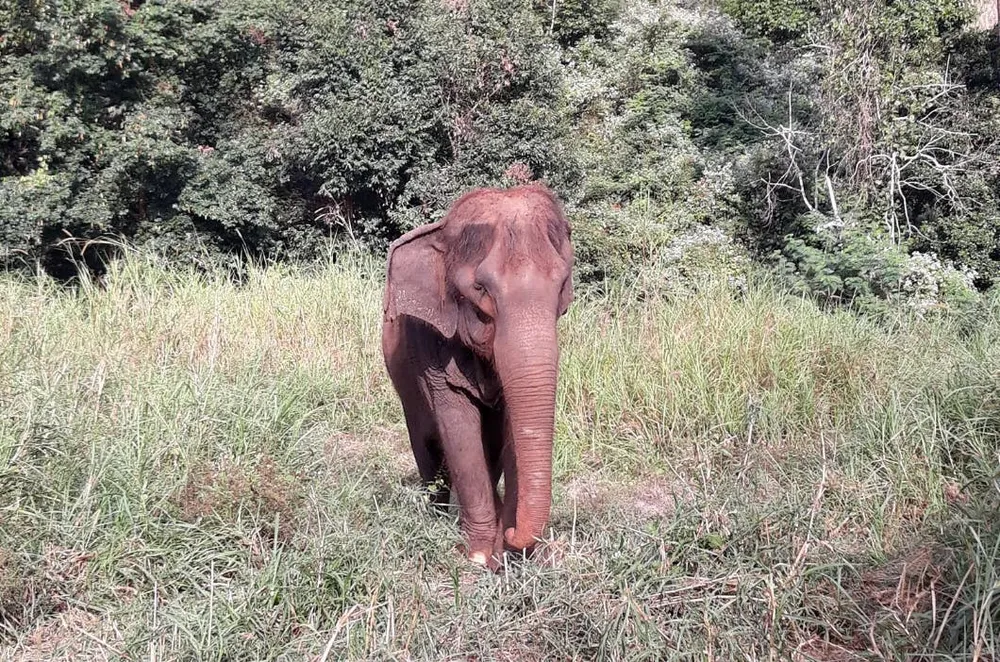
“So they used her for logging. They did. They probably used her for farming. They probably used her the last 20 years of her life carrying tourists around as a taxi elephant and in weddings. They did. But that doesn't mean they didn't love her. And if they had had other opportunities to make an income to survive, would they have chosen them? I think they would. But that's not the world we live in yet.”
Emily and Burm realised the problem wasn’t just the owners. As long as tourists kept paying to ride, bathe and touch elephants, those harmful experiences would continue. Emily and Burm wanted to show there was another way - just let elephants be elephants.
Going fully hands-off
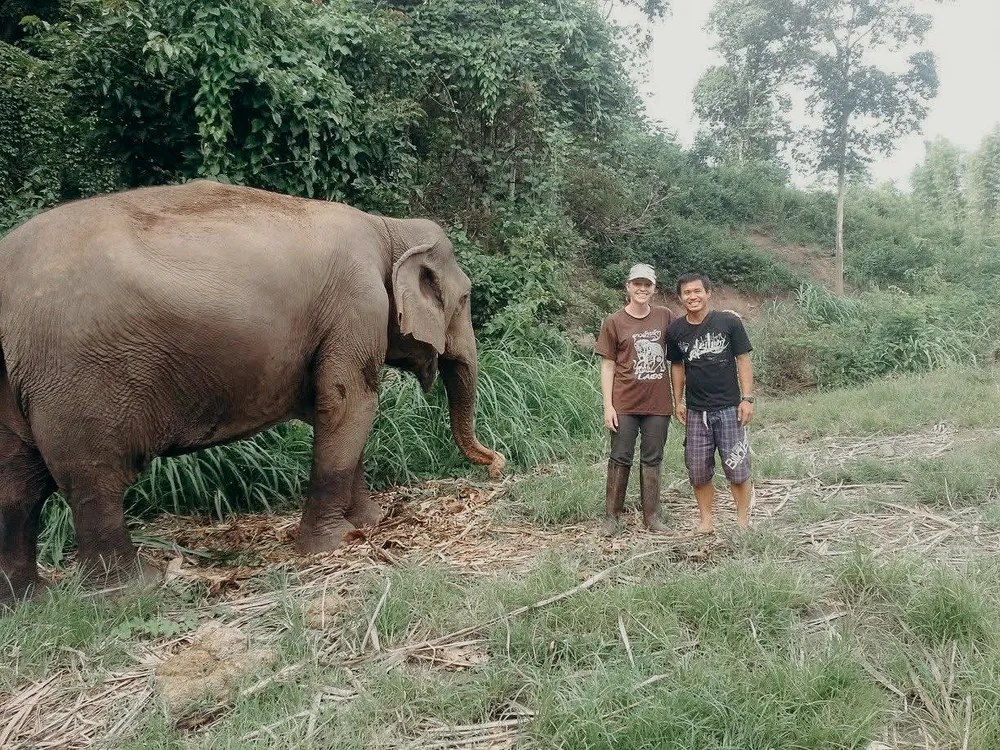
So in 2018, BEES became the first elephant sanctuary in Thailand to go fully hands-off. No touching. No feeding. No bathing.
But back then, that wasn’t what tourists wanted. They lost 75% of their bookings.
Burm said to Emily, "I think we've made a mistake." But Emily held her ground. “We have to wait and see.” Slowly, travellers started coming just to watch elephants be elephants.
Emily came to Thailand wanting to save elephants. What she learnt was that you couldn’t help the elephants without helping the people who loved them too.
Today, that idea is still at the heart of BEES:

Three retired elephants spend their days roaming the forest. The sanctuary creates jobs and income for local families. And travellers come simply to watch elephants be elephants.
Want to meet the elephants of BEES? Join Burm and Emily on their 2D1N ethical elephant experience, or go deeper with their 4D3N elephant sanctuary and community immersion.


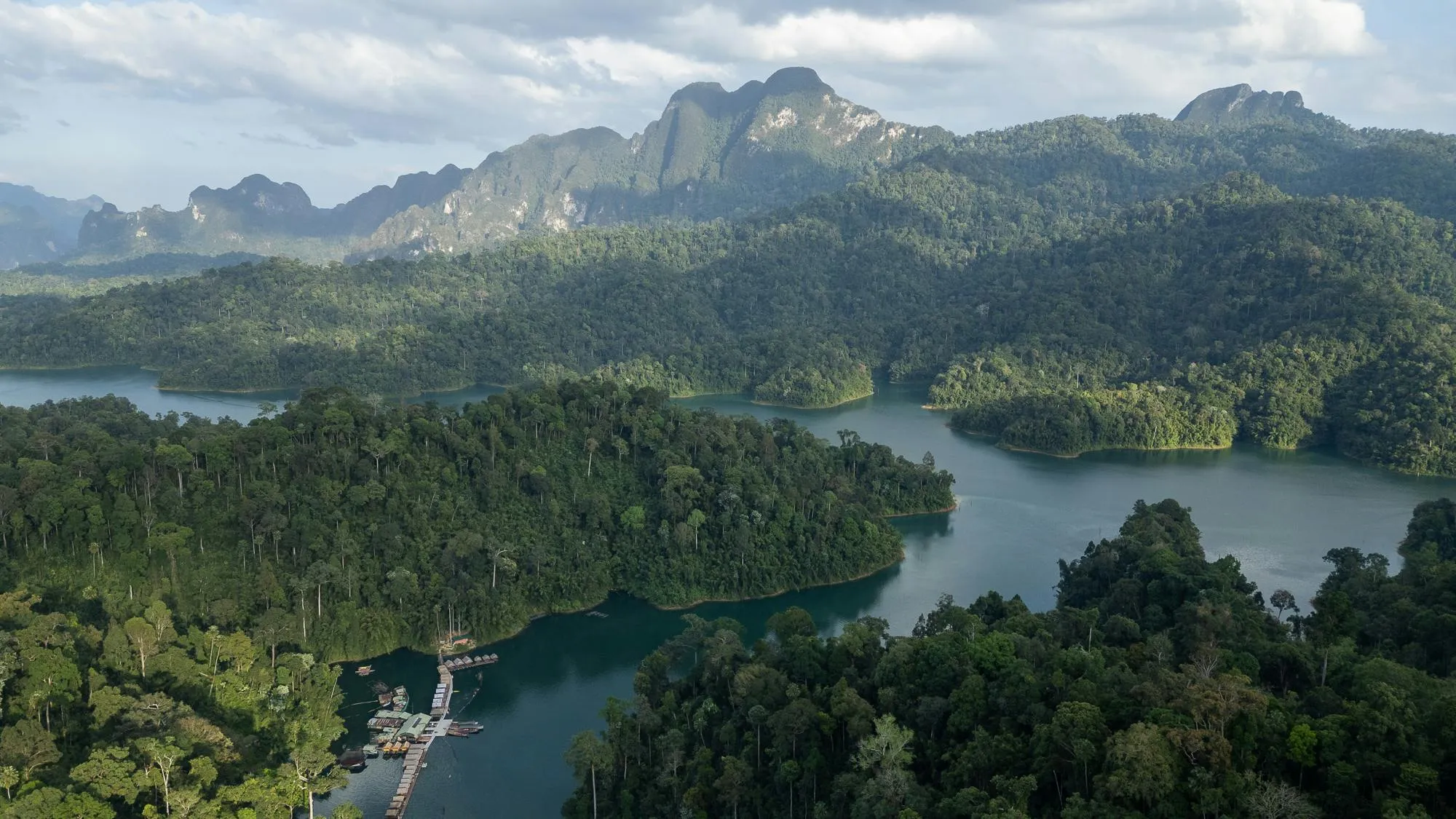
![Khao Sok National Park: Everything You Need to Know + Avoid the Crowds [2026]](https://d18sx48tl6nre5.cloudfront.net/webp_xl_81349ae7e66f5be9a834e25821c3fb71.webp)


![Khao Sok National Park: Everything You Need to Know + Avoid the Crowds [2026]](https://d18sx48tl6nre5.cloudfront.net/webp_md_5fd961d030508c11bdf205f9f3952ca4.webp)