She's Not a Bad Elephant. She's Fighting For Her Freedom.
How a former logging elephant refused to give up even after a lifetime of abuse
In Thailand, elephants have lived alongside humans for thousands of years. They're sacred. They're symbols of strength, of blessing, of luck. They're painted onto temple walls, paraded through ceremonies, woven into the country's idea of itself.
And they've been put to work for almost as long.
In warfare. In royal processions. In the logging camps that stripped Thailand's forests for most of the 20th century. And when commercial logging was finally banned in 1989, the elephants who'd hauled timber their entire lives didn't get to retire. They got rented to tourist camps, where the chains were swapped for trekking baskets, the forests for crowds, the weight of logs for the weight of holidaymakers asking to ride them.
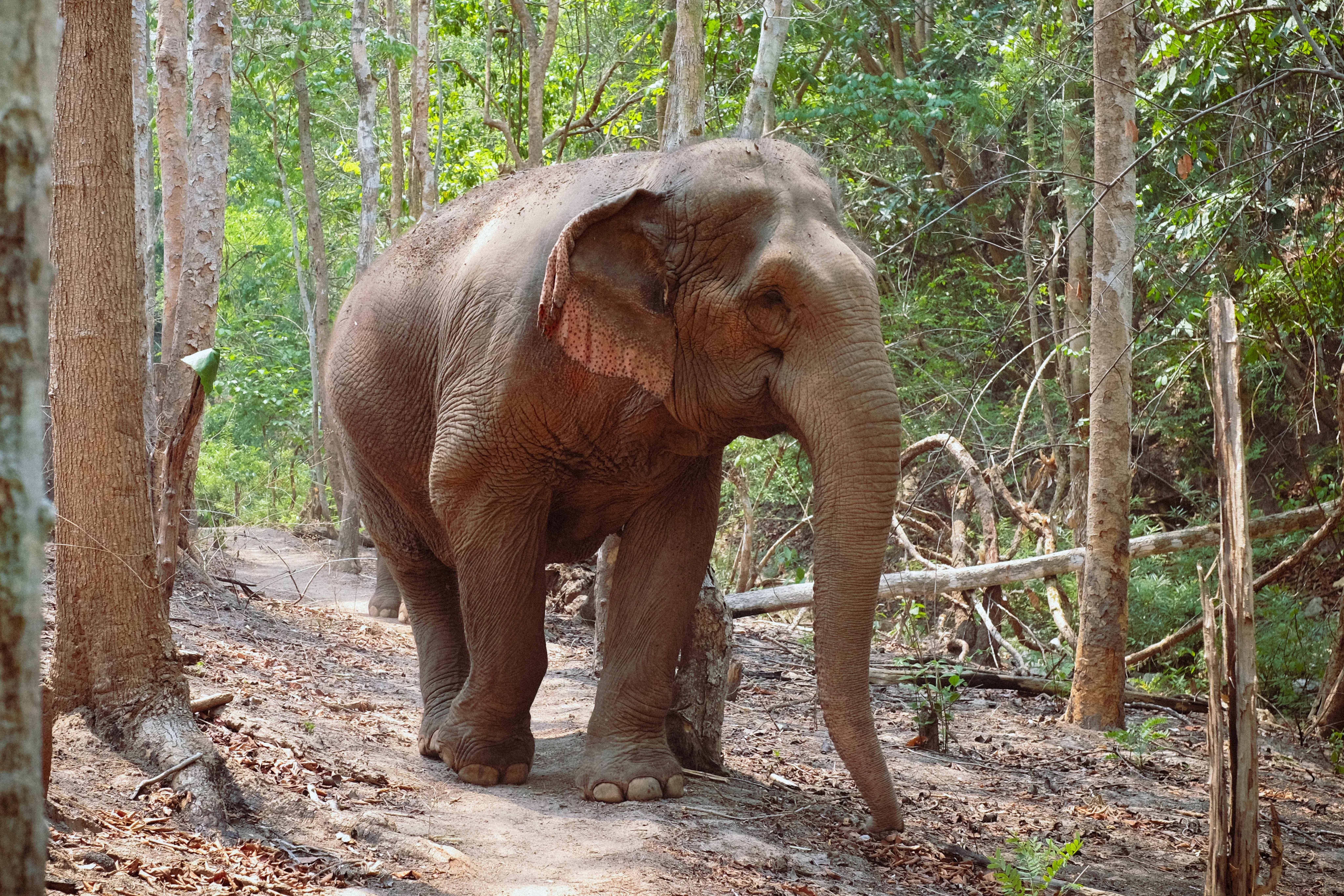
This is the story of Mae Kam, a former logging elephant who fought for her freedom.
A lifetime of labour
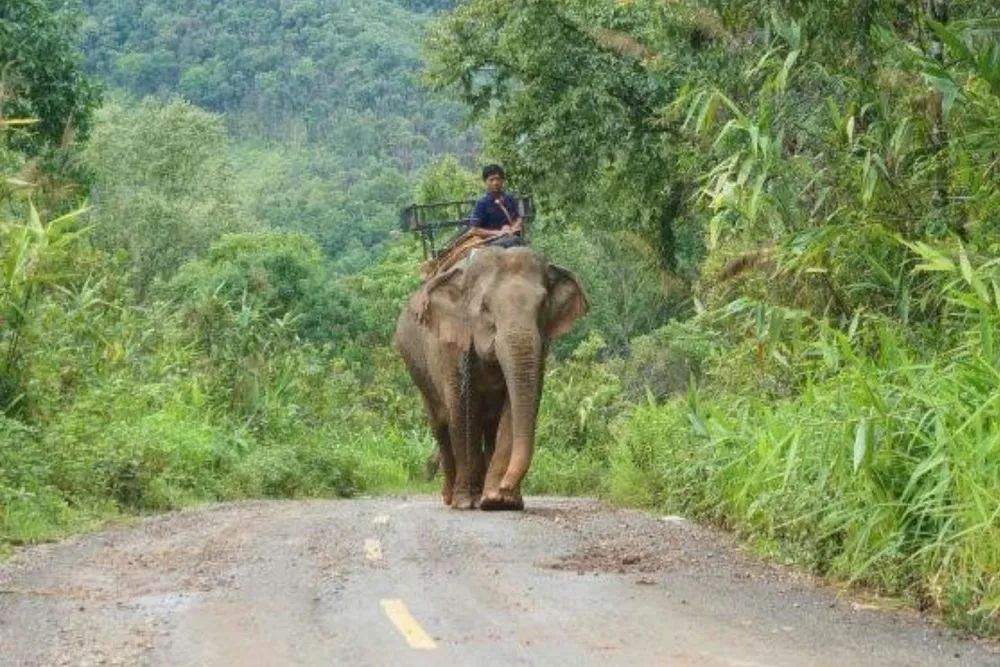
Mae Kam was a logging elephant for her entire working life. By the time the ban came in 1989, she was already broken — scarred, depressed, carrying the weight of decades of pulling timber through the forests of northern Thailand.
She'd also lost both of her babies. Her first calf was stillborn during her logging years. Her second was killed by a King Cobra bite.
The logging ban should have been the end of her suffering. Instead, it was the start of a new chapter of it. Her owner couldn't afford to keep an elephant who wasn't earning, so he rented her out to a tourist camp. After a lifetime of pulling logs, she was put back to work — this time carrying tourists on her back.
She couldn't take it anymore
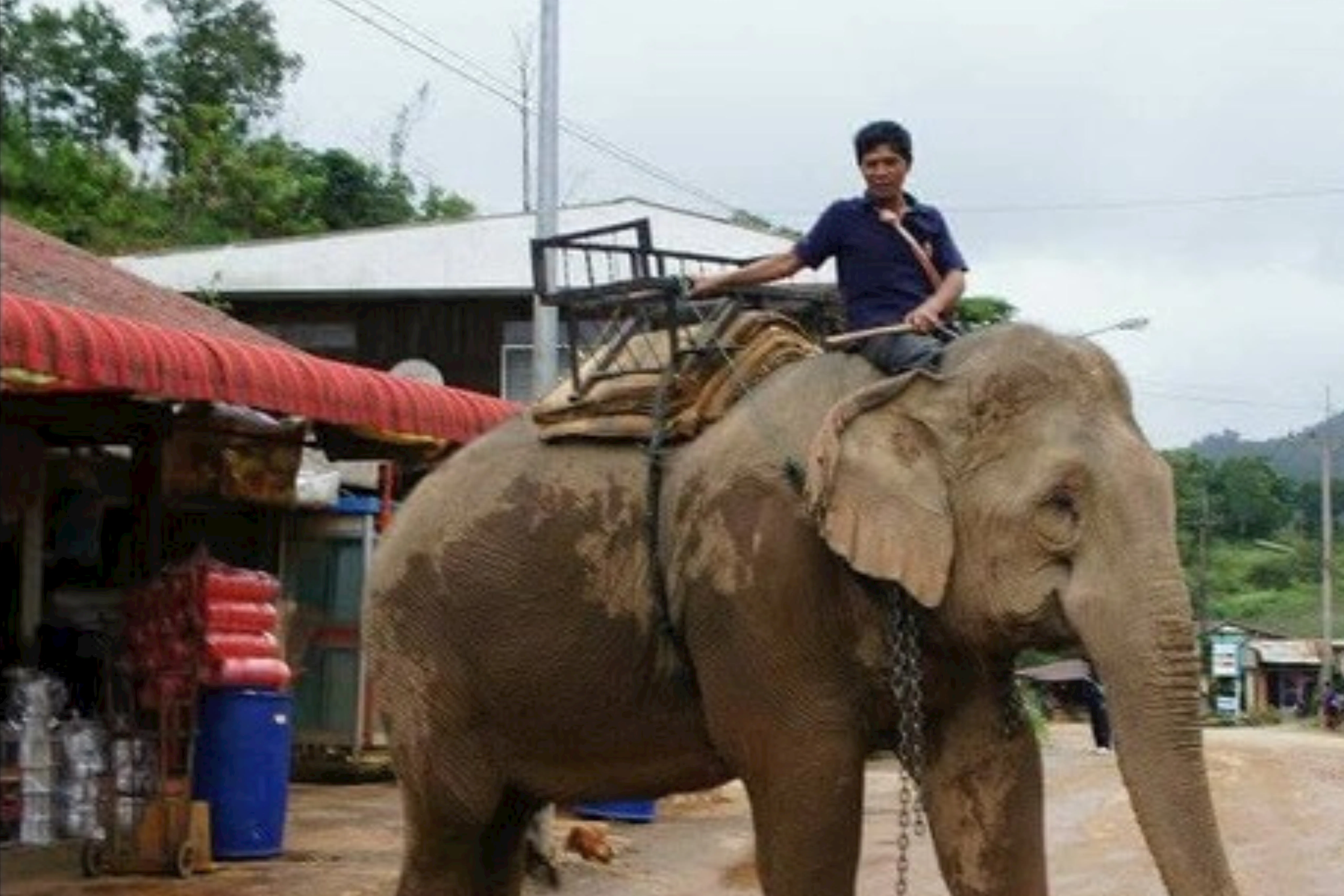
Mae Kam started shaking mahouts and tourists off her back. Over and over. It was the only way she had to say no. And she said it loudly enough that they couldn't ignore her for long.
The camp punished her for it. She was beaten badly enough that her owner had no choice but to take her home. And then, for nearly two years, she stood chained above his farm. No work. No forest. No company.
A wild idea
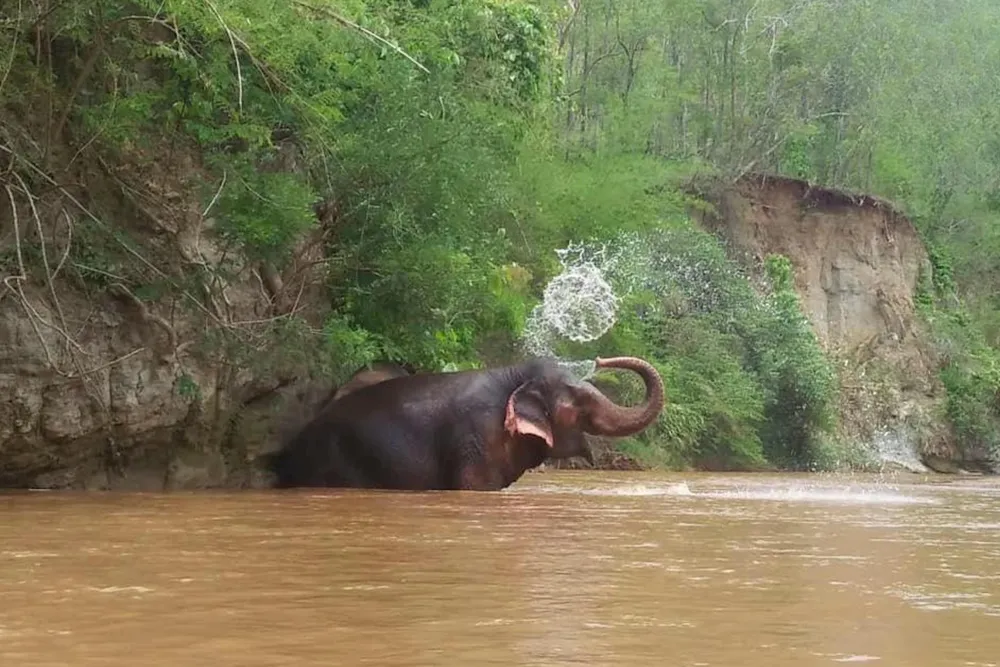
That might have been the end of it, except for two people with what at the time sounded like a wild idea.
Burm and Emily — a Thai-Australian couple and local conservationists — were building a different kind of place in the mountains of Chiang Mai. No riding. No performances. No tourists climbing on for photos. They called it Burm and Emily's Elephant Sanctuary, or BEES, and the idea behind it was almost radical for the elephant tourism world: what if an elephant who'd worked her entire life simply… didn't have to anymore?
What if Mae Kam could retire?
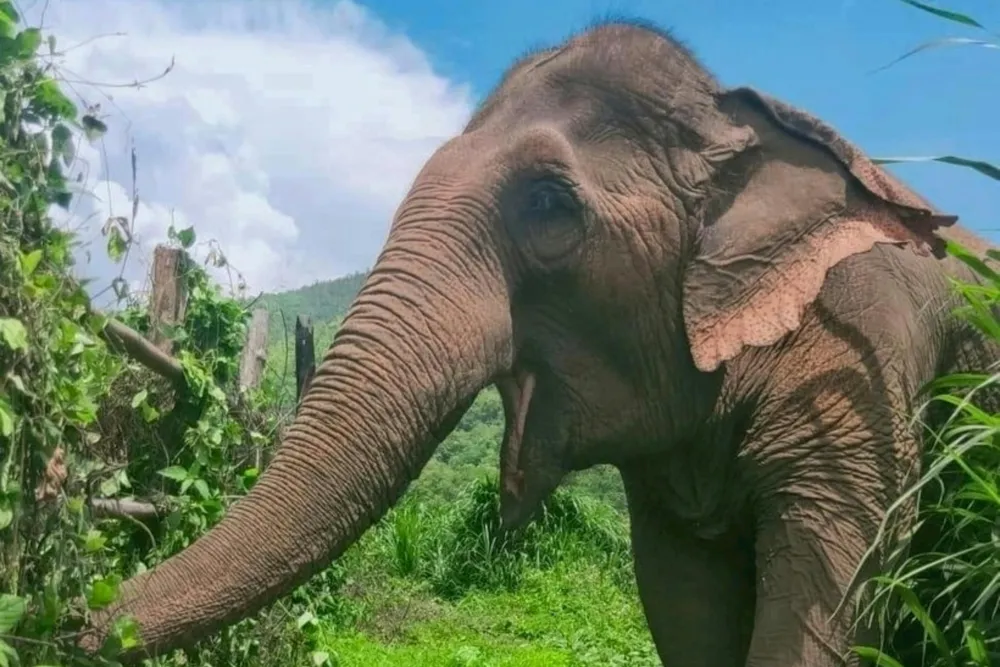
Her owner agreed to a one-year contract. In 2012, after a 75-kilometre journey through the mountains, Mae Kam arrived at BEES. For the first time in her life, she got to be an elephant. She spent her days foraging in the forest. She wasn't ridden. She wasn't chained. She wasn't earning anyone an income.
Just an elephant, finally
Her owner liked the arrangement. The rental money came in without him having to feed or house her, and after a few years he agreed to renew the contract. By the standards of elephant tourism in Thailand, this was a real win.
And then he showed up to take her back.
He insisted on bringing Mae Kam to a blessing ceremony. The team at BEES asked him not to ride her. He did anyway. He strapped a trekking basket onto her back and climbed on.
She threw him off, instantly. The injuries were serious enough to send him to hospital with head trauma and broken vertebrae.
He decided Mae Kam was a bad elephant. A bad omen. He didn't want to work with elephants anymore — and he gave Burm and Emily one month to buy her outright, or he'd sell her back into labour.
13 days to save her life
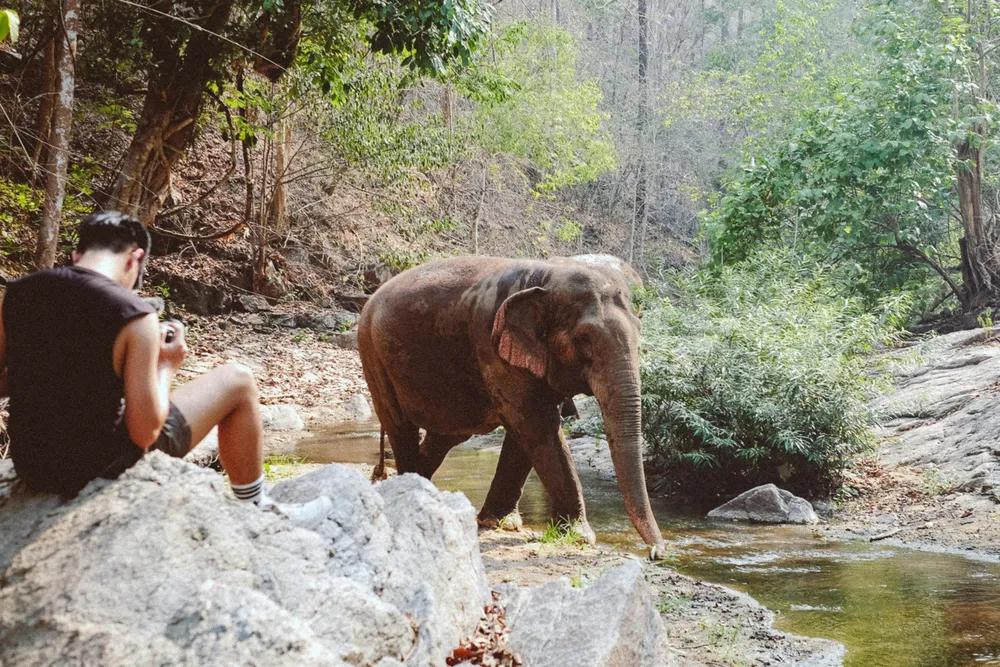
Friends of BEES from all over the world raised the money in 13 days.
Mae Kam was free. Permanently. No more rental contracts, no more being someone's asset, no more chance that the next ceremony would put her back on a logging truck.
She is not, by the way, a bad elephant. She is an elephant who spent five decades being used, and who, when given the chance, said no.
Happy, flappy and thriving
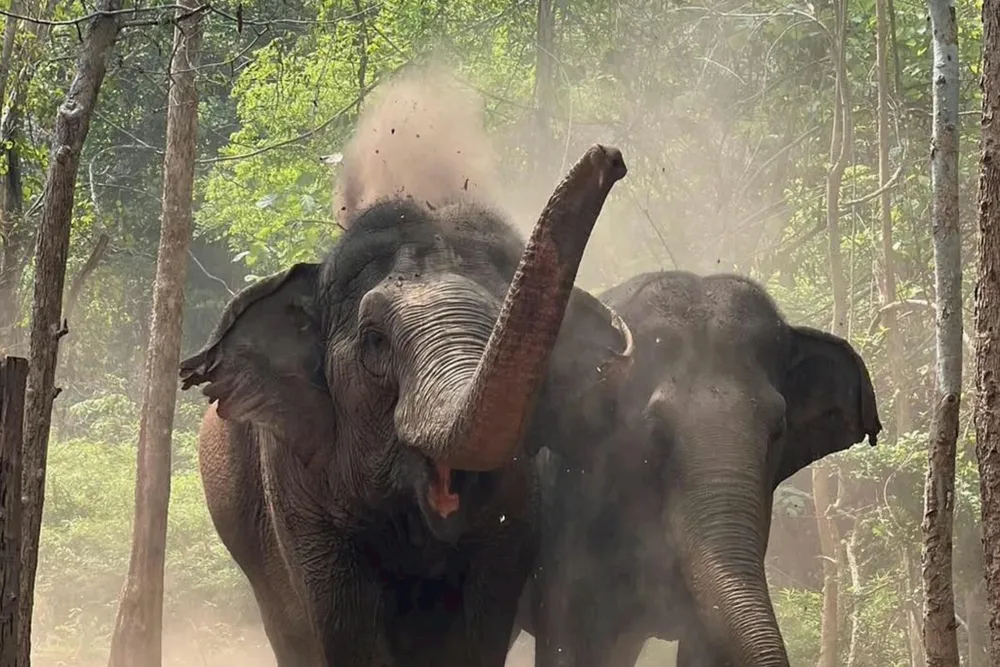
It's been 13 years since Mae Kam arrived at BEES. She's still there, in the forest she's earned. Her best friend is another rescued elephant called Mae Dok. They forage together. She's happy, flappy and thriving.
Her story is one of many in Chiang Mai, where hundreds of elephants still work in tourist camps — still being ridden, still being bathed for photos, still made to perform tricks. The demand keeps the industry alive.
If you'd like to meet Mae Kam, Mae Dok, and the rest of the BEES herd — no riding, no bathing, no tricks, just elephants being elephants — you can book our ethical elephant retreat in Chiang Mai.


![Khao Sok National Park: Everything You Need to Know + Avoid the Crowds [2026]](https://d18sx48tl6nre5.cloudfront.net/webp_xl_81349ae7e66f5be9a834e25821c3fb71.webp)
Ethical Elephant Experiences in Chiang Mai FAQs
Why can’t I bathe elephants?
Bathing with elephants may look fun on IG, but it’s usually really stressful for elephants. Elephants are wild animals and normally bathe when they want, with their herd. In tourist camps, they may be made to bathe many times a day for different groups of visitors. This is really stressful for them, and it also disrupts their natural grooming behaviours.
Also, elephants are ultimately wild animals. For people to get this close safely, elephants need to be tightly controlled, which often means harsh training behind the scenes. So the “friendly” elephants you see in bathing photos have been abused to tolerate constant human interaction.
Ethical sanctuaries avoid this and simply let elephants bathe naturally when they choose.
How do I know you're not just pretending to be ethical?
Good question, and you shouldn’t just take our word for it either. When wildlife are involved, it’s always worth asking how experiences are checked and verified. In our case, we speak with conservationists on the ground, read deeply into reviews and visit the sanctuaries ourselves. We only list places with strict no touching, no bathing and no direct interaction. And if anything we list ever doesn’t feel right to you, please talk to us about it - ethical wildlife tourism is complicated and we’re always open to learn more!
If I can’t touch or feed the elephants… what do we actually do?
You’ll walk through the forest to where the elephants roam and watch them just be elephants - grazing, splashing in mud! The guides will tell you cute stories about their personalities, like little dramas between them and their favourite snacks. At some sanctuaries you might even help prepare their food (sometimes given through a feeding tube, not by hand).
We promise it's way more fun this way - because you get to see elephants really be themselves, instead of performing for tourists.


![Khao Sok National Park: Everything You Need to Know + Avoid the Crowds [2026]](https://d18sx48tl6nre5.cloudfront.net/webp_md_5fd961d030508c11bdf205f9f3952ca4.webp)