Ethical Elephant Experiences in Chiang Mai


All you need to know

Why these Sanctuaries Made Our List
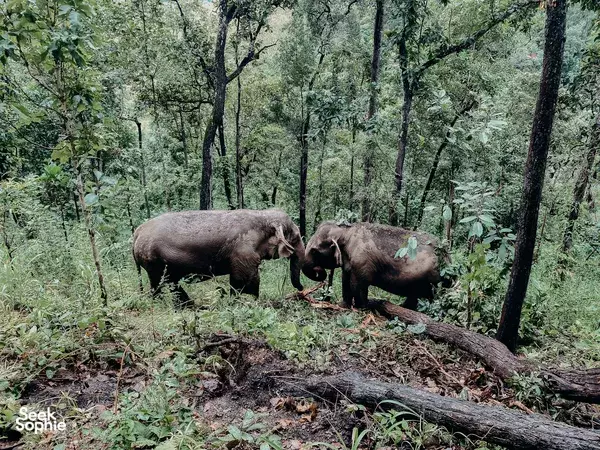
We’re very careful about wildlife experiences. In Thailand, almost every elephant sanctuary calls itself ethical, and it’s hard to know the truth. Some places have powerful connections, so no one dares to expose them.
So we had to do lot of digging - speaking with conservationists, reading reviews and visiting multiple times. These are the few that are truly no touch, no bathe, no feed, with no harmful training behind the scenes. They're run by people who genuinely care about the elephants.
What Makes an Elephant Sanctuary Ethical
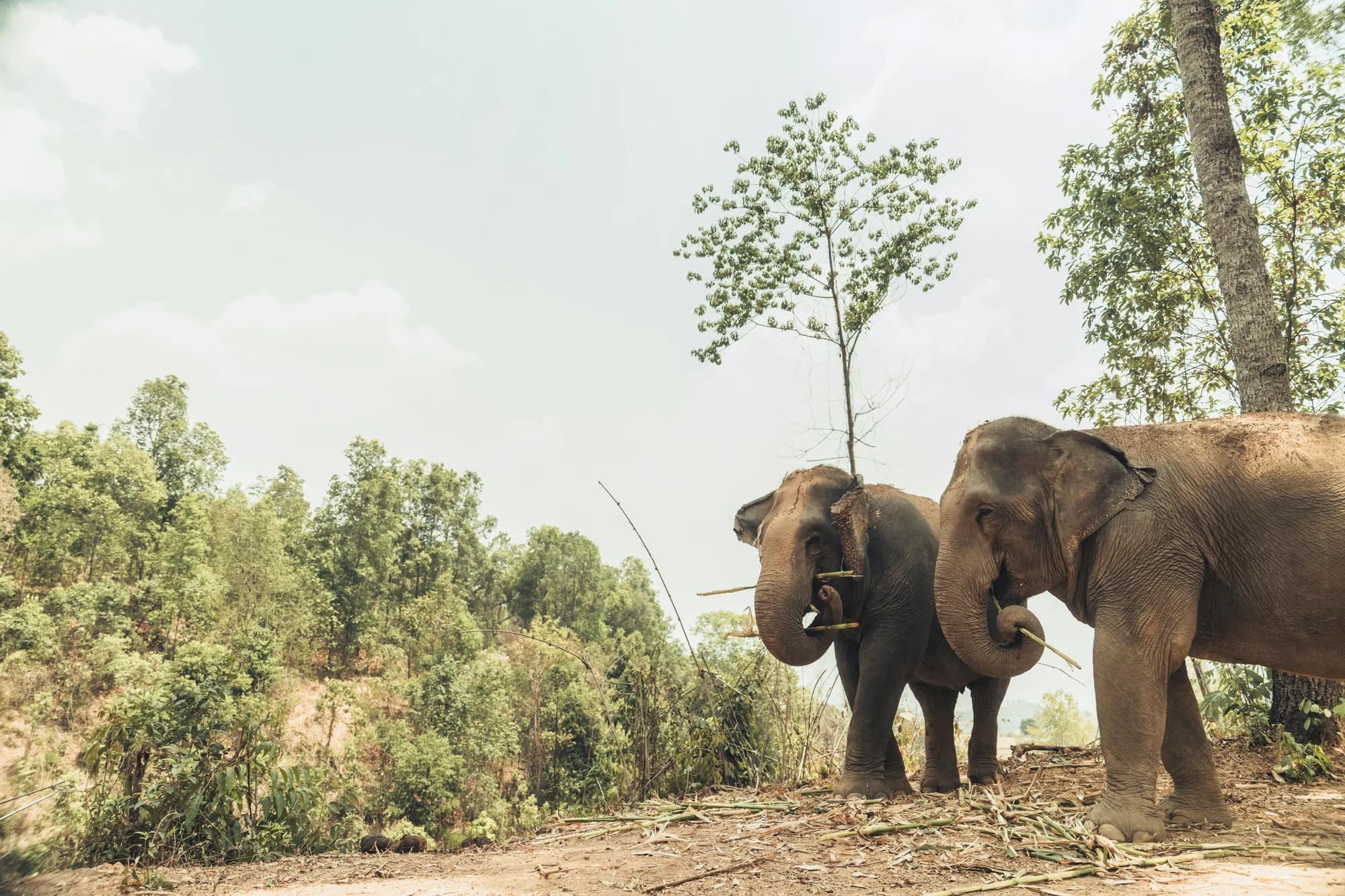
Ethical elephant tourism balances the needs of elephants and the people who care for them. In Thailand, many mahouts rely on tourism to feed their elephants and believe tourists want selfies and close interaction, so they feel they must offer it. But touching or bathing elephants is stressful and often involves harmful training behind the scenes. Ethical sanctuaries use tourism to fund care, while letting visitors observe from a distance and allowing elephants to live as naturally as possible.
Best Time to Go
You can visit these sanctuaries year-round since the elephants live there, so sightings are very reliable.
However because you'll need to walk through the forest to see the elephants, we'd recommend avoiding these couple of months:
- March - because of burning season, when smoke from crop burning makes Chiang Mai hazy.
- September - the wettest month, so trails can get muddy. Still very doable as the trails are not hard, but just less comfy for you!
Top things to see & do
Helpful Questions
Why can’t I bathe elephants?
Bathing with elephants may look fun on IG, but it’s usually really stressful for elephants. Elephants are wild animals and normally bathe when they want, with their herd. In tourist camps, they may be made to bathe many times a day for different groups of visitors. This is really stressful for them, and it also disrupts their natural grooming behaviours.
Also, elephants are ultimately wild animals. For people to get this close safely, elephants need to be tightly controlled, which often means harsh training behind the scenes. So the “friendly” elephants you see in bathing photos have been abused to tolerate constant human interaction.
Ethical sanctuaries avoid this and simply let elephants bathe naturally when they choose.
How do I know you're not just pretending to be ethical?
Good question, and you shouldn’t just take our word for it either. When wildlife are involved, it’s always worth asking how experiences are checked and verified. In our case, we speak with conservationists on the ground, read deeply into reviews and visit the sanctuaries ourselves. We only list places with strict no touching, no bathing and no direct interaction. And if anything we list ever doesn’t feel right to you, please talk to us about it - ethical wildlife tourism is complicated and we’re always open to learn more!
If I can’t touch or feed the elephants… what do we actually do?
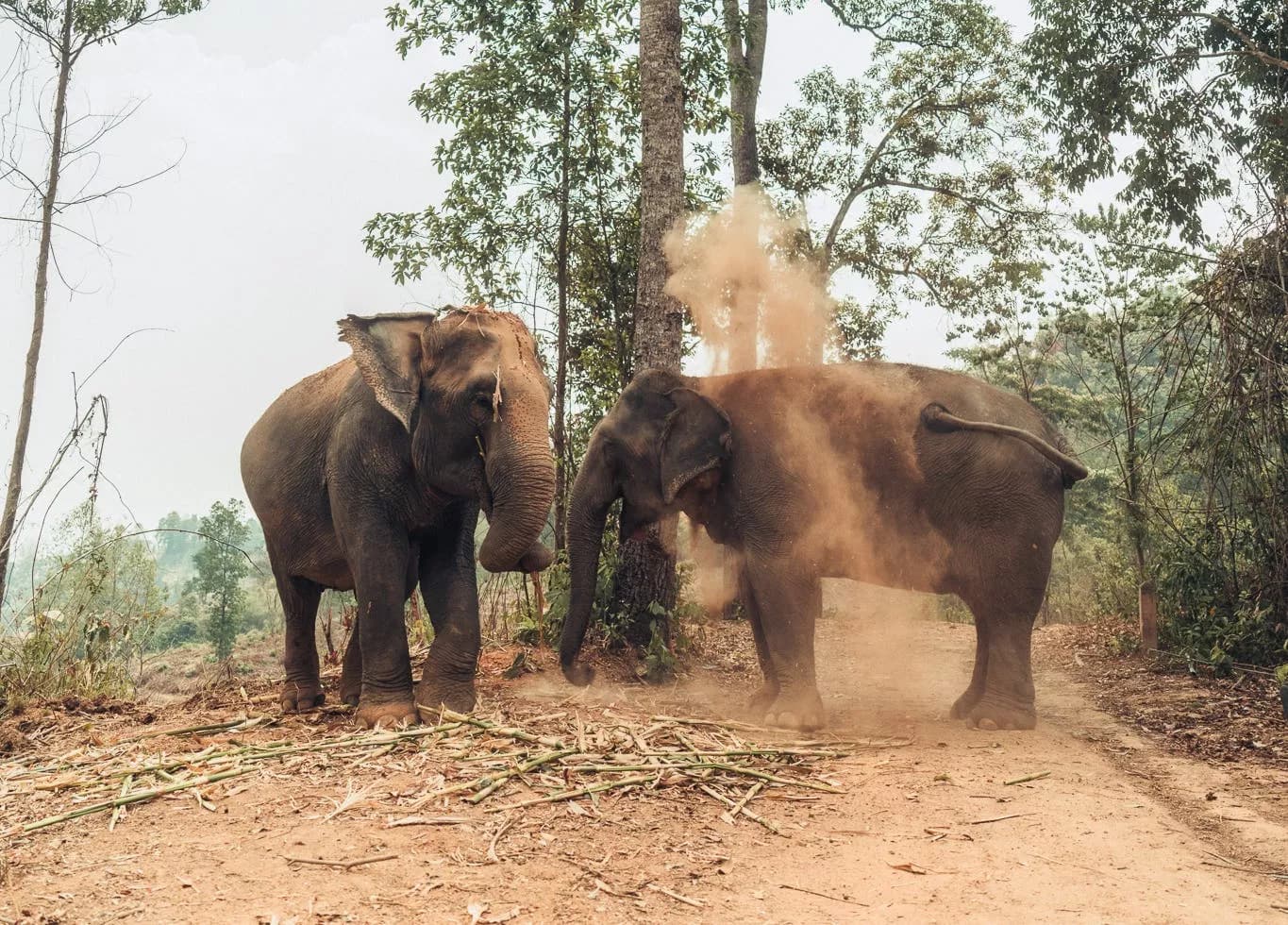
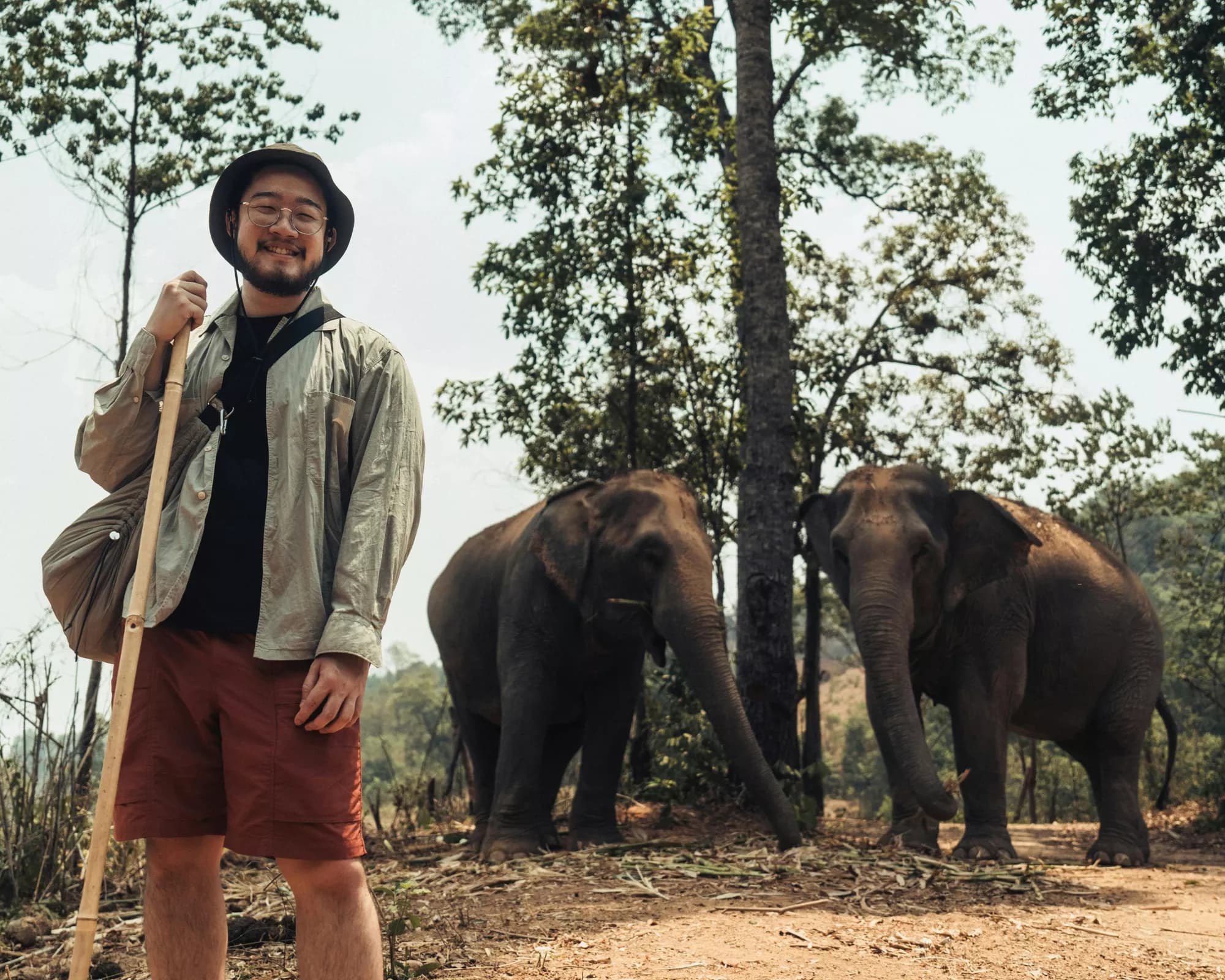
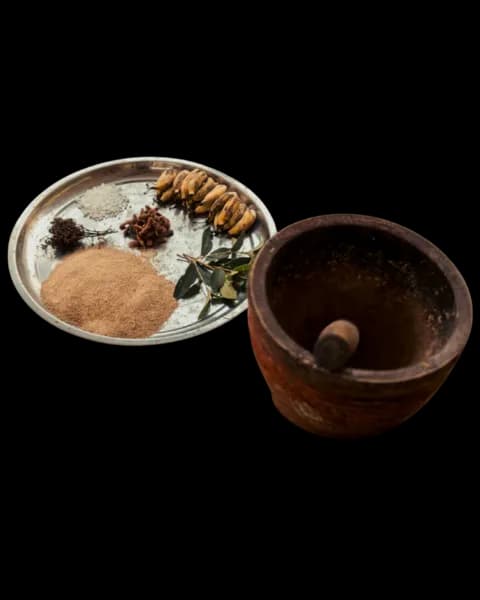
You’ll walk through the forest to where the elephants roam and watch them just be elephants - grazing, splashing in mud! The guides will tell you cute stories about their personalities, like little dramas between them and their favourite snacks. At some sanctuaries you might even help prepare their food (sometimes given through a feeding tube, not by hand).
We promise it's way more fun this way - because you get to see elephants really be themselves, instead of performing for tourists.