Your bag
Bag whispers: "Fill me!"
Order Total
$0 USD
Checkout
FAQs
Question #1: What is the best time to visit Chiang Mai?
Answer #1: The best time to visit is November to February , when the weather is cool, dry, and perfect for exploring. January is peak season, so expect more tourists. If you prefer fewer crowds, visit in November , when the weather is still great but less busy. March to May is hot and hazy due to burning season, making outdoor activities less enjoyable.
Question #2: How many days should I spend in Chiang Mai?
Answer #2: A 4-5 day trip is ideal to experience Chiang Mai’s main highlights, but for those who want to go beyond the usual tourist spots, 7 days is perfect. A 7-day itinerary for a well-rounded trip: Days 1-2 : Explore the Old City, visit night markets, and discover Chiang Mai’s artist scene. Days 3-4 : Join an ethical elephant experience and hike to see rescued gibbons in Mae Kampong. Day 5 : Take the hidden trail to Doi Suthep or visit Doi Inthanon, Thailand’s highest peak. Days 6-7 : Unplug in Chiang Dao, a hidden retreat with art festivals, glamping, and foraging. This is our fave place near Chiang Mai!
Question #3: What are the must-see attractions in Chiang Mai?
Answer #3: Ethical Elephant Sanctuaries – Choose a no-touch, no-bathe sanctuary to see elephants naturally. Only two sanctuaries in Chiang Mai meet international ethical standards. Hidden Doi Suthep Trail – Skip the crowds and hike a local route that passes through a coffee village before reaching Chiang Mai’s most sacred temple. Chiang Dao – A hidden escape an hour from Chiang Mai, with artist festivals, glamping, and nature trails. Perfect for a peaceful break from the city. Mae Kampong Village – A tranquil mountain village where you can see rescued gibbons and experience traditional Thai life. Sticky Waterfalls – A natural wonder where you can climb up the rocks using their unique limestone grip. Bamboo Rafting on the Teang River – A wild jungle adventure that takes you through remote mountain scenery and a Lahu tribal village. Jing Jai Market & Artist Village Bann Kang Wat – A must-visit for pottery, handmade crafts, and local art markets.
Question #4: Are all elephant sanctuaries in Chiang Mai ethical?
Answer #4: No. While many places call themselves "ethical," most still allow tourists to touch, feed, or bathe elephants, which is just as harmful as riding. According to World Animal Protection, elephants that tolerate human interaction have undergone cruel training. A true ethical sanctuary follows these rules: ✔️ No riding or tricks ✔️ No touching or selfies ✔️ No direct feeding ✔️ No bathing ✔️ No captive breeding
Question #5: How do I get to Chiang Mai from Bangkok?
Answer #5: By Flight – The fastest option. Direct flights take about 1 hour 15 minutes . By Train – A scenic but long journey (10-12 hours). The overnight sleeper train is the best option. By Bus – The cheapest option, taking 9-11 hours. Choose a VIP bus for more comfort.
Question #6: Is Chiang Mai safe for travellers?
Answer #6: Yes, Chiang Mai is one of the safest cities in Thailand. Petty crime like bag snatching can happen in crowded markets, so keep valuables secure. At night, avoid quiet alleys and unlicensed taxis.
Question #7: What is the best area to stay in Chiang Mai?
Answer #7: Old City – Best for first-time visitors. Close to temples, markets, and cultural spots. Nimmanhaemin – A trendy area with cool cafés, boutique hotels, and an artsy vibe. Chiang Dao (30-45 minutes outside the city)– Our fave spot! Perfect for a nature retreat, with glamping, hiking, and coffee farms.
Question #8: How do I get around Chiang Mai?
Answer #8: Grab – The easiest way to get around the city. Songthaews (red trucks) – Shared taxis that operate like minibuses. Tuk-tuks – Fun but more expensive than Grab. Bicycle or motorbike rental – Best for independent exploring but drive cautiously. Get a motorbike only if you have an international licence or you may get stopped by the police!
Question #9: What is Chiang Mai famous for?
Answer #9: Chiang Mai is known primarily for being a cool city with elephants! It’s a really cool mix of nature, arty culture, ancient temples, night markets and ethical (& unethical!) elephant sanctuaries. It’s got something for everyone! We’d highly recommend it for solo travellers, couples, families and friends!
Question #10: Is Chiang Mai an expensive place to visit?
Answer #10: Chiang Mai is more affordable compared to Bangkok or Phuket. You can eat at street markets for less than $5 per meal, and budget accommodation starts at $10 per night.
Question #11: What are the best temples to visit in Chiang Mai?
Answer #11: Wat Phra That Doi Suthep – The most famous temple, best visited via the hidden hiking trail. Wat Chedi Luang – A striking temple with a partially ruined but impressive chedi. Wat Phra Singh – A classic Lanna-style temple home to a revered Buddha statue. Wat Umong – A peaceful forest temple with a unique tunnel system. Wat Suan Dok – Known for its beautiful white stupas and golden pagoda.
Question #12: Is it worth visiting Doi Inthanon National Park?
Answer #12: Yes, but expect it to be touristy. Doi Inthanon is Thailand’s highest peak, with stunning pagodas, nature trails, waterfalls, and Karen and Hmong villages. There’s enough to do for a full-day trip, and the cooler climate makes it a refreshing escape from the city.
Question #13: What are the best day trips from Chiang Mai?
Answer #13: Chiang Dao – Our fave! It’s 30 minutes out from Chiang Mai and it’s where local artists have annual festivals. It’s a hipster haven with glamping, foraging, hiking, and artist festivals. Mae Kampong – A hidden mountain village with gibbon rescue projects and coffee farms. Sticky Waterfalls – A unique natural experience where you can climb the rocks. Lampang & Chiang Rai – A longer trip for those who want to explore northern Thailand’s lesser-known regions. You’ll need 2-3 days to do these spots.
Question #14: Where can I see elephants ethically in Chiang Mai?
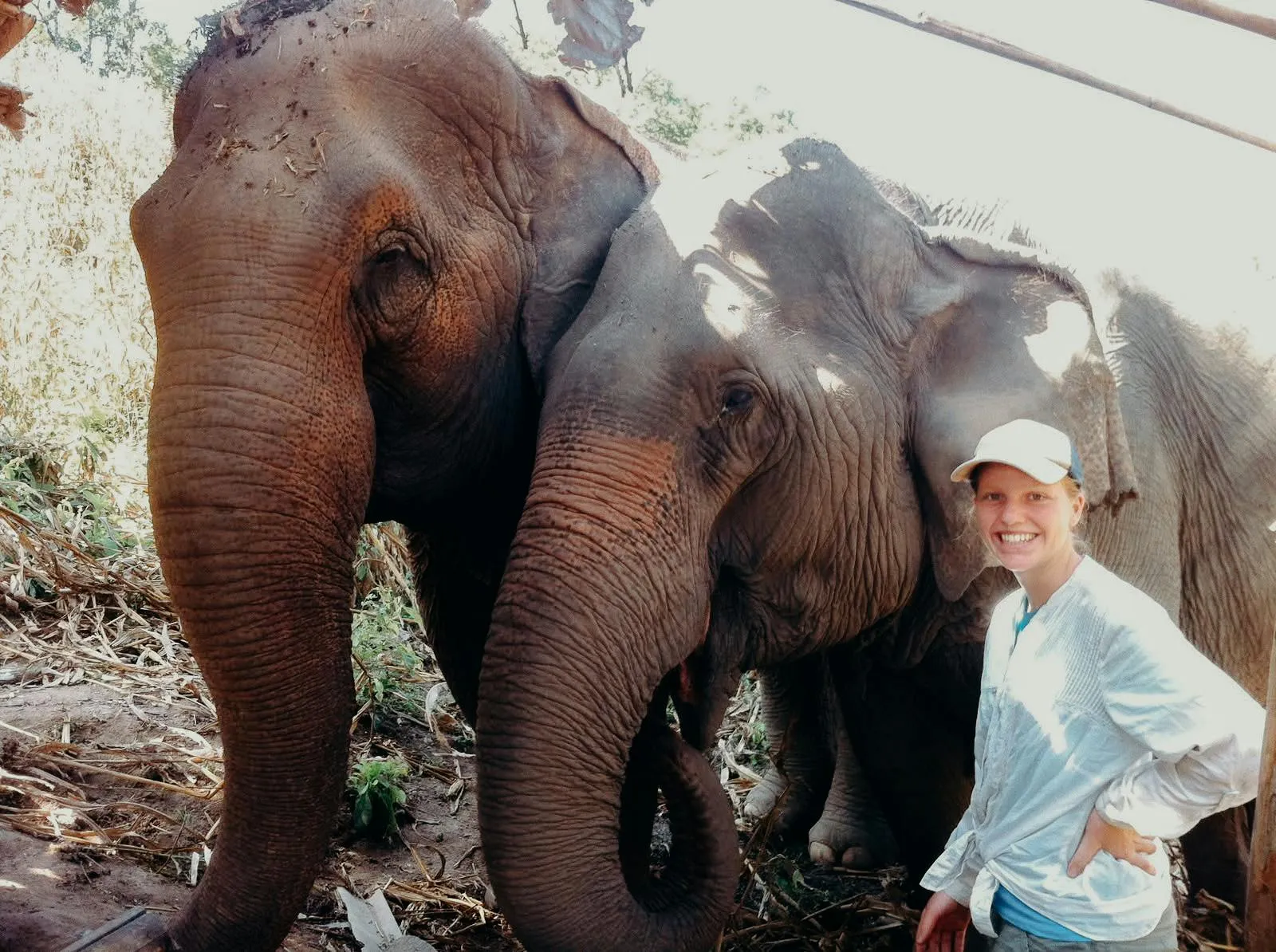
Answer #14: There are quite a lot elephant sanctuaries in Chiang Mai but only a couple that meet international welfare standards. Note that this means no-touch, no-bathe, and no-feed - any ‘sanctuary’ that allows these activities are not true sanctuaries. The ones we’d highly recommend are: Chang Chill – A fully ethical sanctuary where you observe elephants in their natural habitat. BEES Sanctuary – A multi-day experience where you support rescued elephants.
Question #15: What are the best night markets in Chiang Mai?
Answer #15: Sunday Night Market – The biggest and most famous, though very crowded. Chiang Mai Night Bazaar – A lively mix of souvenirs and street food. Jing Jai Market – A local artist market with handmade crafts and pottery. Hidden Night Market in Chinatown – A more local, less touristy experience.
Question #16: What is there to do in Chiang Mai at night?
Answer #16: Explore the night markets. Visit a speakeasy like The White Rabbit or The Continental. Take a twilight cycling tour to discover hidden temples and rooftop dining spots.
Question #17: Are there any hidden gems or off-the-beaten-path places in Chiang Mai?
Answer #17: Chiang Dao – A really cool hipster retreat with local artist festivals and foraging. Spend a night at least here! Mae Kampong Village – A quiet mountain village where you can see rescued gibbons. Bamboo Rafting on the Teang River – A remote jungle adventure with a Lahu tribe visit. Artist Village Bann Kang Wat – A creative community of artists and makers.
Question #18: How do I book an ethical elephant experience in Chiang Mai?
Answer #18: Choose a no-touch, no-bathe sanctuary. Avoid any place that allows touching, feeding, or bathing. Do your research—ethical sanctuaries will always emphasize observation over interaction. By visiting a hands-off sanctuary, you’re supporting elephant welfare and helping shift tourism toward ethical, conservation-focused experiences.
Question #19: Why is it important to avoid touching, feeding, or bathing elephants?
Answer #19: Elephants in the wild naturally avoid human interaction. If they are comfortable being touched or bathed, it means they have been trained through fear and control. Touching and selfies – Elephants must be trained to suppress their instincts to tolerate close human contact. Direct feeding – Encourages aggression and disrupts their natural foraging behaviours. Bathing – Forces elephants into repeated, unnatural bathing sessions to entertain tourists. Even if a sanctuary claims to be “ethical,” if they allow these activities, they are still exploiting elephants for tourism.
Question #20: What is “The Crush” and why is it important to know?
Answer #20: "The Crush" (Phajaan) is a brutal training method where baby elephants are: Taken from their mothers at a young age Chained, beaten, and psychologically tortured Forced into submission until they follow human commands This is how elephants are made docile enough for human interaction, whether it’s riding, feeding, or bathing.
Question #21: What should I look for in a truly ethical elephant sanctuary?
Answer #21: No riding, bathing, or direct feeding. Elephants should be free to roam, not kept in enclosures. No baby elephants (unless it’s an orphan rescue). Observation-only experiences where visitors watch from a safe distance.
Question #22: What are the only truly ethical elephant sanctuaries in Chiang Mai?
Answer #22: 1. Chang Chill A former elephant-riding camp that transformed into an ethical sanctuary. Visitors trek into the forest to observe elephants in their natural environment. No touching, feeding, or bathing—just observation and learning. 2. Burm & Emily's Elephant Sanctuary (BEES) Offers a 2D1N or longer stay for a more immersive experience. Visitors can observe elephants from a safe distance while learning about conservation. One of the most hands-off, ethical sanctuaries in Thailand.
Question #23: What is the best area to stay in Chiang Mai for first-time visitors?
Answer #23: Old City – Best for history, temples, and cultural experiences . Everything is within walking distance, and it has a charming, slow-paced vibe. Nimmanhaemin (Nimman) – Best for trendy cafés, boutique hotels, and nightlife . Ideal for digital nomads and younger travellers. Chiang Dao (30-45 mins drive from the city) – If you want a quiet, nature-filled retreat, this is the best escape from the city. Spend 1-2 nights here if you want to get away to nature and really see local life.
Question #24: Is it better to stay in the Old City or Nimmanhaemin?
Answer #24: It depends on your vibe: Old City : Traditional, temple-hopping, cultural experiences, and quiet nights. Nimmanhaemin : Trendy cafés, co-working spaces, nightlife, and a younger crowd. If it’s your first time in Chiang Mai, stay in the Old City . If you’re returning or working remotely, Nimman is a better choice .
Question #25: What is the best way to get from Chiang Mai Airport to the city?
Answer #25: Grab – The most convenient and affordable option. Airport Taxi – Fixed-price fares at the official taxi counter. Songthaews (Red Trucks) – Cheaper but less comfortable, especially with luggage.
Question #26: Do I need to rent a motorbike in Chiang Mai?
Answer #26: Not necessary unless you plan to explore outside the city (e.g., Chiang Dao, Mae Kampong). Pros : Flexible, cheap, good for day trips. Cons : Risky for inexperienced riders, police often stop foreigners for license checks.
Question #27: How reliable is public transport in Chiang Mai?
Answer #27: Chiang Mai doesn’t have a public bus or metro system . Transport options include: Grab – The easiest and safest choice. Songthaews (Red Trucks) – Shared taxis that run like minibuses. Cheap but routes are inconsistent. Tuk-tuks – More expensive and mostly for tourists.
Question #28: Can I use Grab or Uber in Chiang Mai?
Answer #28: Grab works well in Chiang Mai. Uber does not operate in Thailand.
Question #29: What is the weather like in Chiang Mai throughout the year?
Answer #29: November - February : Cool, dry, best time to visit. March - May : Hot and smoky, avoid if possible. June - October : Rainy season, lush green landscapes but occasional flooding.
Question #30: What should I pack for a trip to Chiang Mai?
Answer #30: Light, breathable clothes (cotton/linen). A scarf or shawl for temples. A light jacket (November - February mornings can be chilly). Comfortable walking shoes.
Question #31: Are there any dress codes for temples in Chiang Mai?
Answer #31: Yes. Dress modestly when visiting temples: Shoulders and knees must be covered. Avoid tight, revealing clothes.
Question #32: Does it get cold in Chiang Mai?
Answer #32: Yes, November to February mornings and nights can be chilly (around 14-18°C). If visiting Doi Inthanon, temperatures can drop to 5°C at the summit.
Question #33: How bad is the air pollution in Chiang Mai during burning season?
Answer #33: From March to May, air pollution can be severe due to slash-and-burn agriculture. Avoid this period if you have respiratory issues.
Question #34: What are some cultural dos and don’ts in Chiang Mai?
Answer #34: ✔️ Do : Greet people with a wai (palms together, slight bow). Remove shoes before entering homes, temples, and some cafés . Show respect to monks—avoid direct eye contact or touching them. ❌ Don’t : Touch anyone’s head—it’s considered sacred. Point your feet at people or religious objects. Raise your voice in public—it’s considered rude.
Question #35: Is tap water safe to drink in Chiang Mai?
Answer #35: No, but filtered water stations are available across the city. Bring a reusable bottle to refill.
Question #36: How can I avoid tourist scams in Chiang Mai?
Answer #36: Beware of tuk-tuks offering “cheap” tours —they usually include forced shopping stops. Always check restaurant menus for prices before ordering. Avoid “special” entry fees to temples—official temples do not charge extra for tourists.
Question #37: Is it safe to walk around Chiang Mai at night?
Answer #37: Yes, Chiang Mai is one of the safest cities in Thailand. Stick to well-lit areas and avoid quiet alleys when alone.
Question #38: Is Chiang Mai safe for solo female travellers?
Answer #38: Yes, Chiang Mai is one of the safest cities in Thailand for women. Violent crime is rare, and the city has a relaxed, friendly vibe. However, like anywhere, it’s important to stay aware and take precautions.
Question #39: What are common Thai phrases that are useful for travellers?
Answer #39: Hello : Sawasdee kha (if female) / Sawasdee krub (if male). Thank you : Khop khun kha/krub. How much? : Tao rai? No spicy : Mai phet. Where is…? : Yoo tee nai?
Question #40: What are the best local dishes to try in Chiang Mai?
Answer #40: Khao Soi – A rich, coconut-based curry noodle dish. Sai Ua – A northern Thai herb-filled sausage. Khanom Jeen Nam Ngiao – A spicy noodle soup with tomato and pork. Kaeng Hang Le – A Burmese-influenced pork curry.
Question #41: Is Chiang Mai good for vegetarians and vegans?
Answer #41: Yes! Chiang Mai is one of the most vegan-friendly cities in the world. With a thriving plant-based food scene, you’ll find everything from vegan Khao Soi and Thai curries to smoothie bowls and plant-based cakes. Many restaurants also offer Jay (เจ) options, which are Buddhist vegan meals that exclude garlic and onions.
Question #42: What are the best vegetarian Thai dishes to try?
Answer #42: Khao Soi Jay – A northern-style curry noodle dish, usually made with tofu. Pad Thai Jay – A classic stir-fried noodle dish, made without fish sauce or eggs. Tom Yum Hed – Spicy and sour mushroom soup. Kaeng Karee Jay – Thai yellow curry with tofu and vegetables. Som Tam Jay – Green papaya salad (ask for no fish sauce).
Question #43: How do I ask for vegetarian food in Thai?
Answer #43: I’m vegetarian – "Chan gin jay" (ฉันกินเจ) (for women) / "Pom gin jay" (ผมกินเจ) (for men). Vegetarian please – "Gin jay na kha" (กินเจนะคะ) (for women) / "Gin jay na krub" (กินเจนะครับ) (for men). No fish sauce – "Mai sai nam pla" (ไม่ใส่น้ำปลา). No meat – "Mai sai neua sat" (ไม่ใส่เนื้อสัตว์). No egg – "Mai sai kai" (ไม่ใส่ไข่).
filters

Chiang Mai

Hipster haven with a ton of heart. Chill with rescued giants and uncover artist villages.
Book your Chiang Mai
Handpicked experiences, all vetted by us.
All
All
Adventure
Adventure
Creative Workshops
Creative Workshops
Do Good
Do Good
Food & Drink
Food & Drink
Hiking
Hiking
Transport
Transport
Wellness
Wellness
Wildlife
Wildlife
superhost
4.9 (126)
|
5 hrs
|Up to 16 guests
“It is our honor to get to witness them like this.”
5.0 (5)
|
2D1N
|Up to 8 guests
“This was the highlight of our trip”
4.8 (26)
|
7 hrs
|Up to 10 guests
“See gibbons learn about plants easy Chiang Mai trek ”
5.0 (8)
|
4 hrs
|Up to 100 guests
“Everything we made was INCREDIBLE”
5.0 (5)
|Up to 6 guests
“Sun made our Chiang Mai trip unforgettable with her kindness and help ”
Private trip
Instant book
5.0 (8)
|
7.5 hrs
|Up to 12 guests
“Learned to be more grounded and appreciated slowing down”
4.9 (45)
|
9 hrs
|Up to 5 guests
“the views were super amazing during the rafting”
5.0 (8)
|
3D2N
|Up to 6 guests
“Loved the natural farming community experience!”
superhost
4.9 (45)
|
2.5 hrs
|Up to 8 guests
“Unforgettable Chiang Mai bike tour with a fantastic local guide”
5.0 (33)
|
2D1N
|Up to 12 guests
“If you care about animal welfare, this is the sanctuary to visit.”
4.9 (45)
|
8 hrs
|Up to 10 guests
“Fun biking stunning scenery delicious lunch top guides”

Have a burning question?

No sweat, we’ve got you covered.

What is the best time to visit Chiang Mai?

...see more

How many days should I spend in Chiang Mai?

...see more

What are the must-see attractions in Chiang Mai?

...see more
view all questions

Helpful Questions

What is the best time to visit Chiang Mai?

The best time to visit is November to February, when the weather is cool, dry, and perfect for exploring. January is peak season, so expect more tourists.

If you prefer fewer crowds, visit in November, when the weather is still great but less busy.

March to May is hot and hazy due to burning season, making outdoor activities less enjoyable.

How many days should I spend in Chiang Mai?

A 4-5 day trip is ideal to experience Chiang Mai’s main highlights, but for those who want to go beyond the usual tourist spots, 7 days is perfect.

A 7-day itinerary for a well-rounded trip:

  • Days 1-2: Explore the Old City, visit night markets, and discover Chiang Mai’s artist scene.
  • Days 3-4: Join an ethical elephant experience and hike to see rescued gibbons in Mae Kampong.
  • Day 5: Take the hidden trail to Doi Suthep or visit Doi Inthanon, Thailand’s highest peak.
  • Days 6-7: Unplug in Chiang Dao, a hidden retreat with art festivals, glamping, and foraging. This is our fave place near Chiang Mai!

What are the must-see attractions in Chiang Mai?

  1. Ethical Elephant Sanctuaries – Choose a no-touch, no-bathe sanctuary to see elephants naturally. Only two sanctuaries in Chiang Mai meet international ethical standards.
  2. Hidden Doi Suthep Trail – Skip the crowds and hike a local route that passes through a coffee village before reaching Chiang Mai’s most sacred temple.
  3. Chiang Dao – A hidden escape an hour from Chiang Mai, with artist festivals, glamping, and nature trails. Perfect for a peaceful break from the city.
  4. Mae Kampong Village – A tranquil mountain village where you can see rescued gibbons and experience traditional Thai life.
  5. Sticky Waterfalls – A natural wonder where you can climb up the rocks using their unique limestone grip.
  6. Bamboo Rafting on the Teang River – A wild jungle adventure that takes you through remote mountain scenery and a Lahu tribal village.
  7. Jing Jai Market & Artist Village Bann Kang Wat – A must-visit for pottery, handmade crafts, and local art markets.

Are all elephant sanctuaries in Chiang Mai ethical?

No. While many places call themselves "ethical," most still allow tourists to touch, feed, or bathe elephants, which is just as harmful as riding. According to World Animal Protection, elephants that tolerate human interaction have undergone cruel training.

A true ethical sanctuary follows these rules:

✔️ No riding or tricks

✔️ No touching or selfies

✔️ No direct feeding

✔️ No bathing

✔️ No captive breeding

How do I get to Chiang Mai from Bangkok?

  • By Flight – The fastest option. Direct flights take about 1 hour 15 minutes.
  • By Train – A scenic but long journey (10-12 hours). The overnight sleeper train is the best option.
  • By Bus – The cheapest option, taking 9-11 hours. Choose a VIP bus for more comfort.

Is Chiang Mai safe for travellers?

Yes, Chiang Mai is one of the safest cities in Thailand. Petty crime like bag snatching can happen in crowded markets, so keep valuables secure. At night, avoid quiet alleys and unlicensed taxis.

What is the best area to stay in Chiang Mai?

  • Old City – Best for first-time visitors. Close to temples, markets, and cultural spots.
  • Nimmanhaemin – A trendy area with cool cafés, boutique hotels, and an artsy vibe.
  • Chiang Dao (30-45 minutes outside the city)– Our fave spot! Perfect for a nature retreat, with glamping, hiking, and coffee farms.

How do I get around Chiang Mai?

  • Grab – The easiest way to get around the city.
  • Songthaews (red trucks) – Shared taxis that operate like minibuses.
  • Tuk-tuks – Fun but more expensive than Grab.
  • Bicycle or motorbike rental – Best for independent exploring but drive cautiously. Get a motorbike only if you have an international licence or you may get stopped by the police!

What is Chiang Mai famous for?

Chiang Mai is known primarily for being a cool city with elephants! It’s a really cool mix of nature, arty culture, ancient temples, night markets and ethical (& unethical!) elephant sanctuaries.

It’s got something for everyone! We’d highly recommend it for solo travellers, couples, families and friends! 

Is Chiang Mai an expensive place to visit?

Chiang Mai is more affordable compared to Bangkok or Phuket. You can eat at street markets for less than $5 per meal, and budget accommodation starts at $10 per night.

What are the best temples to visit in Chiang Mai?

  1. Wat Phra That Doi Suthep – The most famous temple, best visited via the hidden hiking trail.
  2. Wat Chedi Luang – A striking temple with a partially ruined but impressive chedi.
  3. Wat Phra Singh – A classic Lanna-style temple home to a revered Buddha statue.
  4. Wat Umong – A peaceful forest temple with a unique tunnel system.
  5. Wat Suan Dok – Known for its beautiful white stupas and golden pagoda.

Is it worth visiting Doi Inthanon National Park?

Yes, but expect it to be touristy. Doi Inthanon is Thailand’s highest peak, with stunning pagodas, nature trails, waterfalls, and Karen and Hmong villages. There’s enough to do for a full-day trip, and the cooler climate makes it a refreshing escape from the city.

What are the best day trips from Chiang Mai?

  • Chiang Dao – Our fave! It’s 30 minutes out from Chiang Mai and it’s where local artists have annual festivals. It’s a hipster haven with glamping, foraging, hiking, and artist festivals.
  • Mae Kampong – A hidden mountain village with gibbon rescue projects and coffee farms.
  • Sticky Waterfalls – A unique natural experience where you can climb the rocks.
  • Lampang & Chiang Rai – A longer trip for those who want to explore northern Thailand’s lesser-known regions. You’ll need 2-3 days to do these spots.

Where can I see elephants ethically in Chiang Mai?

There are quite a lot elephant sanctuaries in Chiang Mai but only a couple that meet international welfare standards. Note that this means no-touch, no-bathe, and no-feed - any ‘sanctuary’ that allows these activities are not true sanctuaries. 

The ones we’d highly recommend are: 

  • Chang Chill – A fully ethical sanctuary where you observe elephants in their natural habitat.
  • BEES Sanctuary – A multi-day experience where you support rescued elephants.

What are the best night markets in Chiang Mai?

  • Sunday Night Market – The biggest and most famous, though very crowded.
  • Chiang Mai Night Bazaar – A lively mix of souvenirs and street food.
  • Jing Jai Market – A local artist market with handmade crafts and pottery.
  • Hidden Night Market in Chinatown– A more local, less touristy experience.

What is there to do in Chiang Mai at night?

  • Explore the night markets.
  • Visit a speakeasy like The White Rabbit or The Continental.
  • Take a twilight cycling tour to discover hidden temples and rooftop dining spots.


Are there any hidden gems or off-the-beaten-path places in Chiang Mai?

  • Chiang Dao – A really cool hipster retreat with local artist festivals and foraging. Spend a night at least here! 
  • Mae Kampong Village – A quiet mountain village where you can see rescued gibbons.
  • Bamboo Rafting on the Teang River – A remote jungle adventure with a Lahu tribe visit.
  • Artist Village Bann Kang Wat – A creative community of artists and makers.

How do I book an ethical elephant experience in Chiang Mai?

  1. Choose a no-touch, no-bathe sanctuary.
  2. Avoid any place that allows touching, feeding, or bathing.
  3. Do your research—ethical sanctuaries will always emphasize observation over interaction.

By visiting a hands-off sanctuary, you’re supporting elephant welfare and helping shift tourism toward ethical, conservation-focused experiences.

Why is it important to avoid touching, feeding, or bathing elephants?

Elephants in the wild naturally avoid human interaction. If they are comfortable being touched or bathed, it means they have been trained through fear and control.

  • Touching and selfies – Elephants must be trained to suppress their instincts to tolerate close human contact.
  • Direct feeding – Encourages aggression and disrupts their natural foraging behaviours.
  • Bathing – Forces elephants into repeated, unnatural bathing sessions to entertain tourists.

Even if a sanctuary claims to be “ethical,” if they allow these activities, they are still exploiting elephants for tourism.

What is “The Crush” and why is it important to know?

"The Crush" (Phajaan) is a brutal training method where baby elephants are:

  • Taken from their mothers at a young age
  • Chained, beaten, and psychologically tortured
  • Forced into submission until they follow human commands

This is how elephants are made docile enough for human interaction, whether it’s riding, feeding, or bathing.

What should I look for in a truly ethical elephant sanctuary?

  1. No riding, bathing, or direct feeding.
  2. Elephants should be free to roam, not kept in enclosures.
  3. No baby elephants (unless it’s an orphan rescue).
  4. Observation-only experiences where visitors watch from a safe distance.

What are the only truly ethical elephant sanctuaries in Chiang Mai?

1. Chang Chill

  • A former elephant-riding camp that transformed into an ethical sanctuary.
  • Visitors trek into the forest to observe elephants in their natural environment.
  • No touching, feeding, or bathing—just observation and learning.

2. Burm & Emily's Elephant Sanctuary (BEES)

  • Offers a 2D1N or longer stay for a more immersive experience.
  • Visitors can observe elephants from a safe distance while learning about conservation.
  • One of the most hands-off, ethical sanctuaries in Thailand.


What is the best area to stay in Chiang Mai for first-time visitors?

  • Old City – Best for history, temples, and cultural experiences. Everything is within walking distance, and it has a charming, slow-paced vibe.
  • Nimmanhaemin (Nimman) – Best for trendy cafés, boutique hotels, and nightlife. Ideal for digital nomads and younger travellers.
  • Chiang Dao (30-45 mins drive from the city) – If you want a quiet, nature-filled retreat, this is the best escape from the city. Spend 1-2 nights here if you want to get away to nature and really see local life.

Is it better to stay in the Old City or Nimmanhaemin?

It depends on your vibe:

  • Old City: Traditional, temple-hopping, cultural experiences, and quiet nights.
  • Nimmanhaemin: Trendy cafés, co-working spaces, nightlife, and a younger crowd.

If it’s your first time in Chiang Mai, stay in the Old City. If you’re returning or working remotely, Nimman is a better choice.

What is the best way to get from Chiang Mai Airport to the city?

  • Grab – The most convenient and affordable option.
  • Airport Taxi – Fixed-price fares at the official taxi counter.
  • Songthaews (Red Trucks) – Cheaper but less comfortable, especially with luggage.

Do I need to rent a motorbike in Chiang Mai?

Not necessary unless you plan to explore outside the city (e.g., Chiang Dao, Mae Kampong).

  • Pros: Flexible, cheap, good for day trips.
  • Cons: Risky for inexperienced riders, police often stop foreigners for license checks.

How reliable is public transport in Chiang Mai?

Chiang Mai doesn’t have a public bus or metro system. Transport options include:

  • Grab – The easiest and safest choice.
  • Songthaews (Red Trucks) – Shared taxis that run like minibuses. Cheap but routes are inconsistent.
  • Tuk-tuks – More expensive and mostly for tourists.

Can I use Grab or Uber in Chiang Mai?

Grab works well in Chiang Mai. Uber does not operate in Thailand.

What is the weather like in Chiang Mai throughout the year?

  • November - February: Cool, dry, best time to visit.
  • March - May: Hot and smoky, avoid if possible.
  • June - October: Rainy season, lush green landscapes but occasional flooding.

What should I pack for a trip to Chiang Mai?

  • Light, breathable clothes (cotton/linen).
  • A scarf or shawl for temples.
  • A light jacket (November - February mornings can be chilly).
  • Comfortable walking shoes.


Are there any dress codes for temples in Chiang Mai?

Yes. Dress modestly when visiting temples:

  • Shoulders and knees must be covered.
  • Avoid tight, revealing clothes.


Does it get cold in Chiang Mai?

Yes, November to February mornings and nights can be chilly (around 14-18°C). If visiting Doi Inthanon, temperatures can drop to 5°C at the summit.

How bad is the air pollution in Chiang Mai during burning season?

From March to May, air pollution can be severe due to slash-and-burn agriculture. Avoid this period if you have respiratory issues.

What are some cultural dos and don’ts in Chiang Mai?

✔️ Do:

  • Greet people with a wai (palms together, slight bow).
  • Remove shoes before entering homes, temples, and some cafés.
  • Show respect to monks—avoid direct eye contact or touching them.

❌ Don’t:

  • Touch anyone’s head—it’s considered sacred.
  • Point your feet at people or religious objects.
  • Raise your voice in public—it’s considered rude.


Is tap water safe to drink in Chiang Mai?

No, but filtered water stations are available across the city. Bring a reusable bottle to refill.

How can I avoid tourist scams in Chiang Mai?

  • Beware of tuk-tuks offering “cheap” tours—they usually include forced shopping stops.
  • Always check restaurant menus for prices before ordering.
  • Avoid “special” entry fees to temples—official temples do not charge extra for tourists.

Is it safe to walk around Chiang Mai at night?

Yes, Chiang Mai is one of the safest cities in Thailand. Stick to well-lit areas and avoid quiet alleys when alone.

Is Chiang Mai safe for solo female travellers?

Yes, Chiang Mai is one of the safest cities in Thailand for women. Violent crime is rare, and the city has a relaxed, friendly vibe. However, like anywhere, it’s important to stay aware and take precautions.

What are common Thai phrases that are useful for travellers?

  • Hello: Sawasdee kha (if female) / Sawasdee krub (if male).
  • Thank you: Khop khun kha/krub.
  • How much?: Tao rai?
  • No spicy: Mai phet.
  • Where is…?: Yoo tee nai?

What are the best local dishes to try in Chiang Mai?

  • Khao Soi – A rich, coconut-based curry noodle dish.
  • Sai Ua – A northern Thai herb-filled sausage.
  • Khanom Jeen Nam Ngiao – A spicy noodle soup with tomato and pork.
  • Kaeng Hang Le – A Burmese-influenced pork curry.

Is Chiang Mai good for vegetarians and vegans?

Yes! Chiang Mai is one of the most vegan-friendly cities in the world. With a thriving plant-based food scene, you’ll find everything from vegan Khao Soi and Thai curries to smoothie bowls and plant-based cakes. Many restaurants also offer Jay (เจ) options, which are Buddhist vegan meals that exclude garlic and onions.

What are the best vegetarian Thai dishes to try?

  • Khao Soi Jay – A northern-style curry noodle dish, usually made with tofu.
  • Pad Thai Jay – A classic stir-fried noodle dish, made without fish sauce or eggs.
  • Tom Yum Hed – Spicy and sour mushroom soup.
  • Kaeng Karee Jay – Thai yellow curry with tofu and vegetables.
  • Som Tam Jay – Green papaya salad (ask for no fish sauce).

How do I ask for vegetarian food in Thai?

  • I’m vegetarian – "Chan gin jay" (ฉันกินเจ) (for women) / "Pom gin jay" (ผมกินเจ) (for men).
  • Vegetarian please – "Gin jay na kha" (กินเจนะคะ) (for women) / "Gin jay na krub" (กินเจนะครับ) (for men).
  • No fish sauce – "Mai sai nam pla" (ไม่ใส่น้ำปลา).
  • No meat – "Mai sai neua sat" (ไม่ใส่เนื้อสัตว์).
  • No egg – "Mai sai kai" (ไม่ใส่ไข่).

We've done the homework
So.. who's Sophie?
We get asked that a lot! There’s no one on the team actually named Sophie. Sophie means wisdom in Greek. We wanted Seek Sophie to be about travel that helps you discover more about yourself and the world—travel that fills your heart and leaves you feeling more connected.
Let’s be friends!
Get the scoop on secret spots and hidden gems delivered straight to your inbox.
English
USD
English
USD
© Seek Sophie 2026PrivacyTerms
Travel Agent Licence TA03435