Apa yang Kami Pelajari dari Seorang Konservasionis Gajah
Dan mengapa wisata gajah yang etis lebih rumit dari yang terlihat
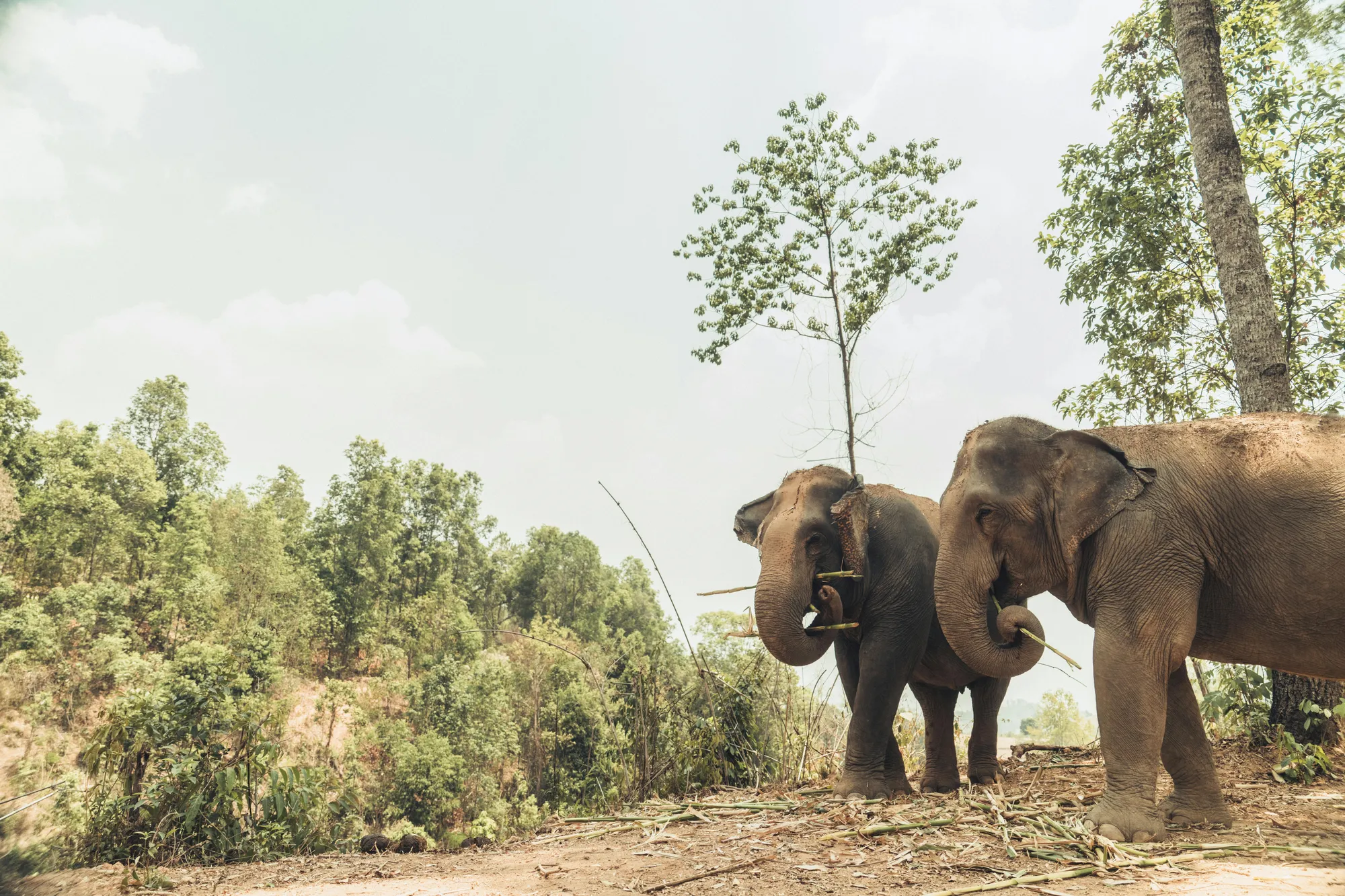
Sebelum kami memulai Seek Sophie, kami pikir ekowisata gajah yang beretika hanya berarti tidak menyentuh, tidak menunggangi, tidak berendam. Kami tidak menyadari betapa rumitnya ekowisata gajah yang beretika sebenarnya.
Kami tidak tahu bahwa rantai bisa diperlukan dalam situasi tertentu. Kami tidak tahu betapa berisikonya berbicara tentang ekowisata gajah yang beretika di beberapa negara, atau mengapa begitu banyak orang tetap diam. Dan kami tidak menyadari bahwa banyak tempat yang dipasarkan sebagai 'beretika' sebenarnya tidak, tetapi didukung oleh anggaran pemasaran besar dan koneksi lokal yang kuat.
Untuk memahami ekowisata gajah yang beretika lebih baik, kami berbicara dengan salah satu konservasionis gajah paling berpengalaman di Thailand. Mereka meminta tetap anonim. Bicara terbuka tentang ekowisata gajah, terutama saat menantang praktek umum, bisa menyebabkan intimidasi, atau jauh lebih buruk.
Percakapan ini memberi kami gambaran tentang betapa kompleksnya ekowisata gajah yang beretika sebenarnya. Kami membagikannya di sini untuk siapa saja yang ingin memahami apa yang sebenarnya terjadi di balik layar.
Mengapa pendekatan tanpa sentuhan penting di suaka gajah?
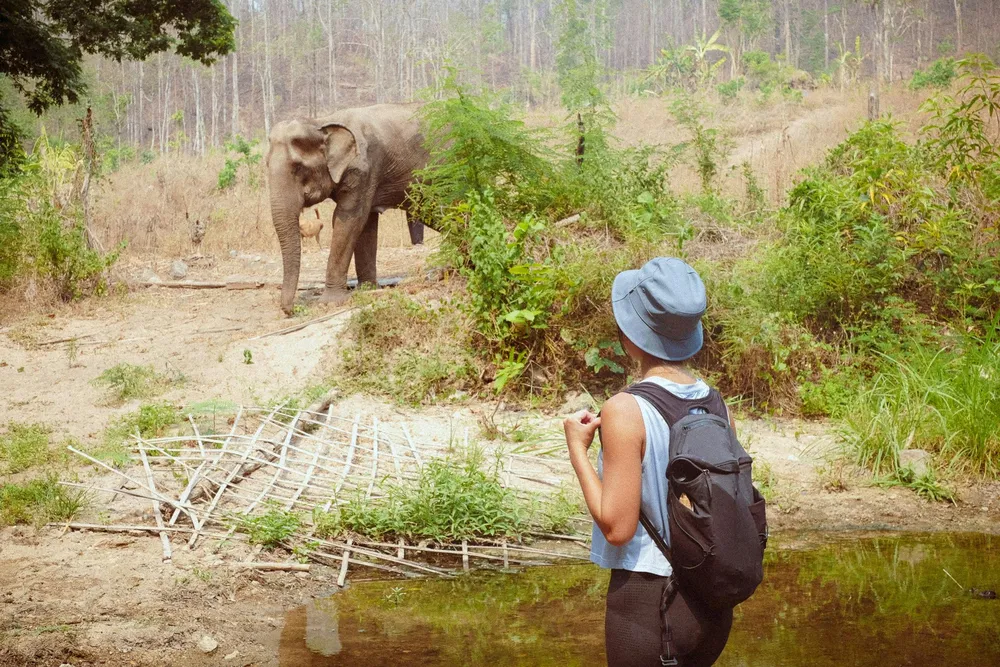
Konservasionis Gajah: Interaksi fisik dengan wisatawan bisa berbahaya bagi baik orang maupun gajah. Menjaga jarak yang hormat memberi ruang bagi gajah untuk mengekspresikan perilaku alami tanpa stres atau paksaan. Pendekatan tanpa sentuhan juga mendukung hubungan yang lebih sehat dan hormat antara gajah dan pengasuhnya (mahout), mengurangi kebutuhan akan dominasi dan kontrol.
Mengapa mandi turis tidak etis?
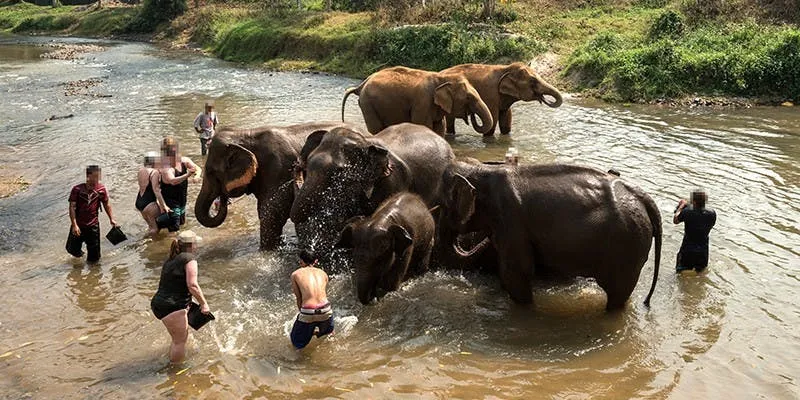
Pengalaman mandi bersama turis bisa sangat stres bagi gajah, terutama saat kelompok besar mengelilinginya, memanjat atau membatasi geraknya. Membiarkan gajah mandi secara alami, sesuai waktu mereka sendiri, menghormati kemandirian dan kesejahteraan mereka. Memandikan sebaiknya dilakukan oleh penjaga berpengalaman saat diperlukan untuk kebersihan atau alasan medis, bukan untuk kesenangan turis.
Mengapa memberi makan turis bisa menjadi tanda bahaya?
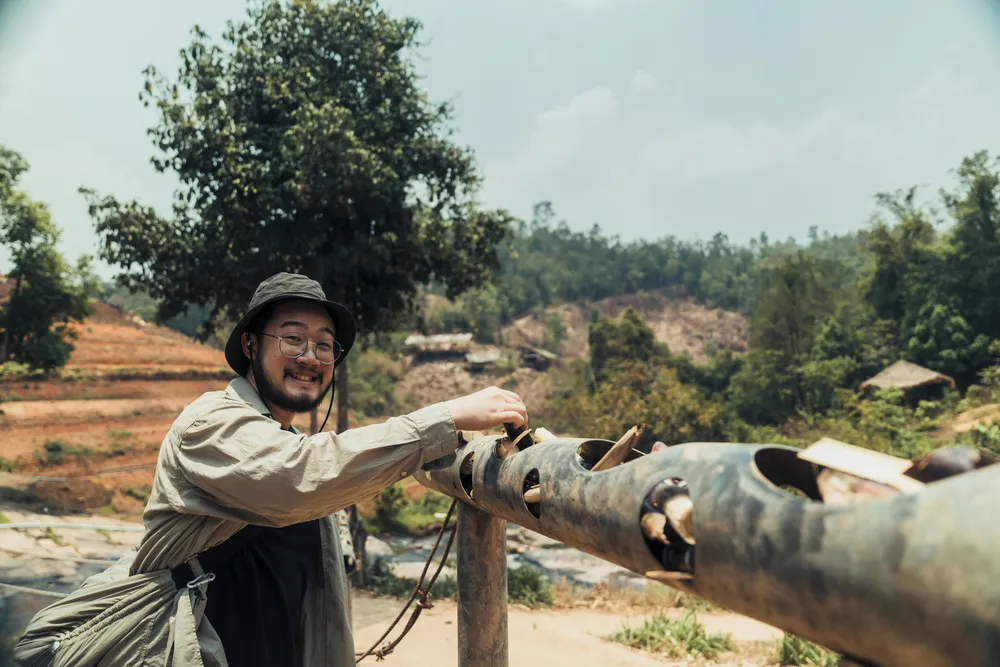
Konservasionis Gajah: Memberi makan langsung oleh turis dapat mengganggu perilaku mencari makan alami dan dinamika sosial gajah. Ini juga dapat mendorong kompetisi dan agresi, meningkatkan risiko cedera. Jika ada makanan, harus disiapkan dan ditempatkan oleh penjaga sebagai stimulasi, tanpa interaksi langsung atau selfie dekat.
Apakah ini masih berlaku untuk gajah yang diselamatkan setelah tumbuh di penangkaran?
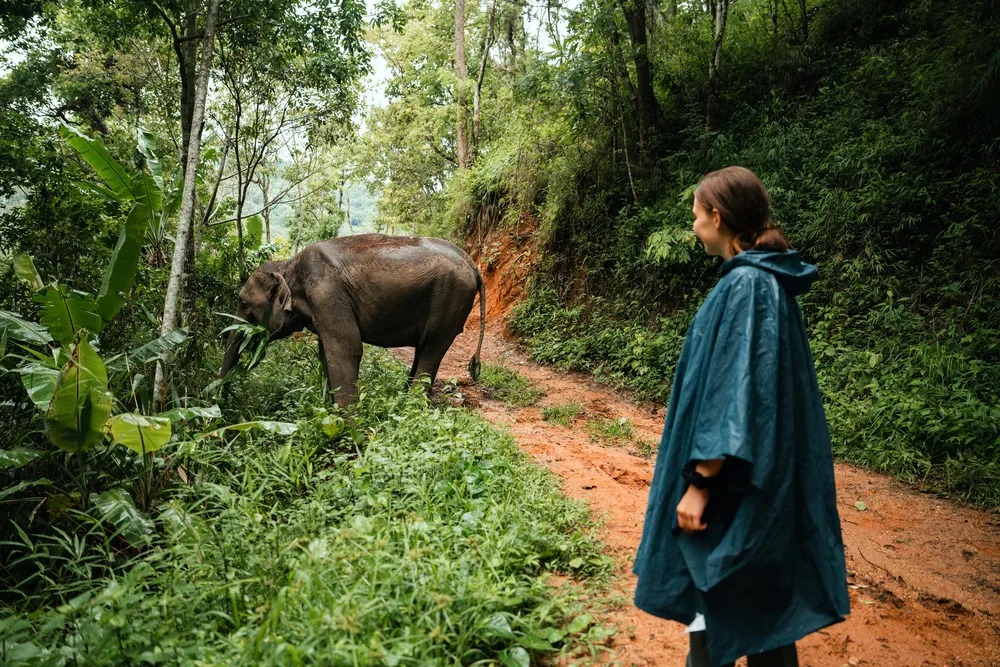
Elephant Conservationist: Ya. Sebagian besar gajah di tempat perlindungan lahir di penangkaran dan akan tetap di sana, tetapi itu tidak berarti mereka harus terus digunakan untuk interaksi dekat dengan manusia. Fasilitas etis fokus pada rehabilitasi, kemandirian, bersosialisasi dengan gajah lain, dan hidup dalam kondisi yang lebih alami — bukan menciptakan pengalaman
Are there cases where elephants are so domesticated that close contact is safe?
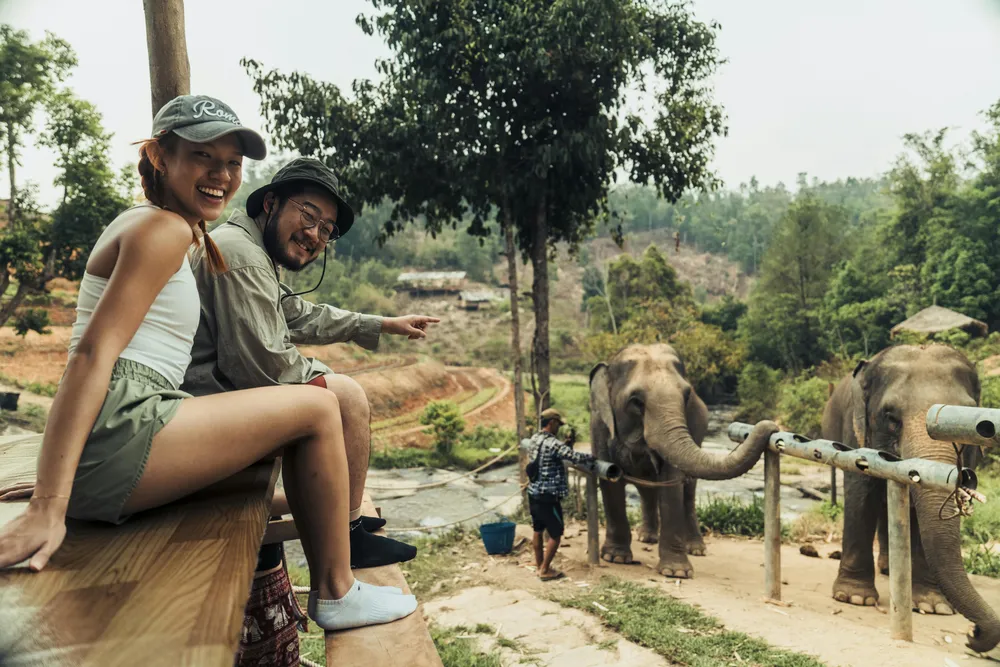
Penggiat Konservasi Gajah: Even elephants accustomed to humans remain large, powerful, and unpredictable animals. Close interaction always carries risk and often requires control measures if something goes wrong. Injuries and fatalities involving captive elephants do happen, though they are rarely publicised. Keeping distance protects both elephants and people, and reduces the need for force or restraint.
Apa saja tanda bahaya umum saat meneliti tempat perlindungan gajah?
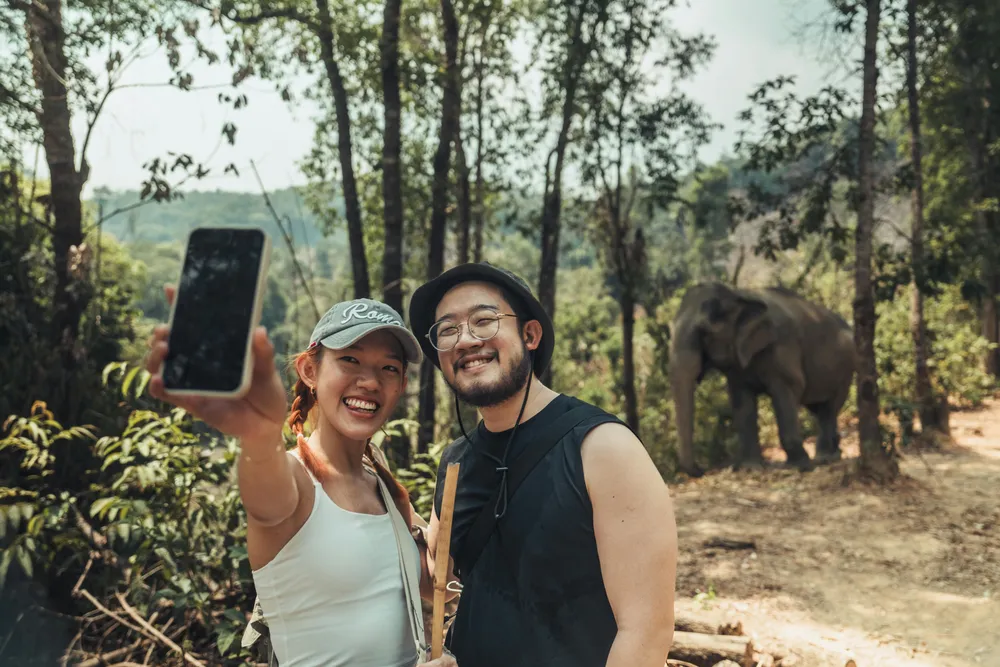
Penggiat Konservasi Gajah:
- Gajah berpose untuk berswafoto
- Gajah melukis atau melakukan trik
- Gajah menyajikan sarapan atau mengizinkan tamu duduk di atas atau di bawah mereka
- Turis bermain lumpur bersama gajah, terutama anak gajah
- Induk dan anak sapi dipelihara di kandang kecil tanpa privasi atau ruang
Kegiatan ini __placeholder_44__ __placeholder_42__ memerlukan pelatihan dan pengendalian yang memaksa.
Apa yang mungkin mengejutkan orang tentang tempat yang memasarkan diri sebagai etis?
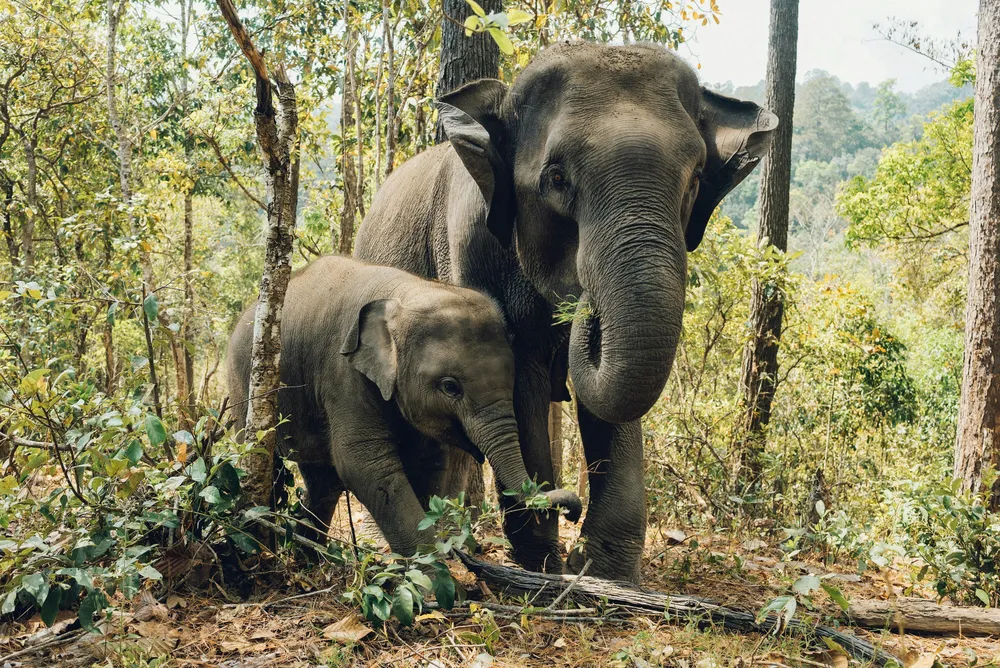
Konservasionis Gajah: Banyak pengunjung tidak menyadari bahwa gajah secara alami tidak mencari kontak dekat dengan manusia. Interaksi ini biasanya hasil dari latihan dan pembiasaan, sering kali melibatkan dominasi dan kekerasan, bukan pilihan.
Mengapa berkunjung ke tempat perlindungan yang etis penting?
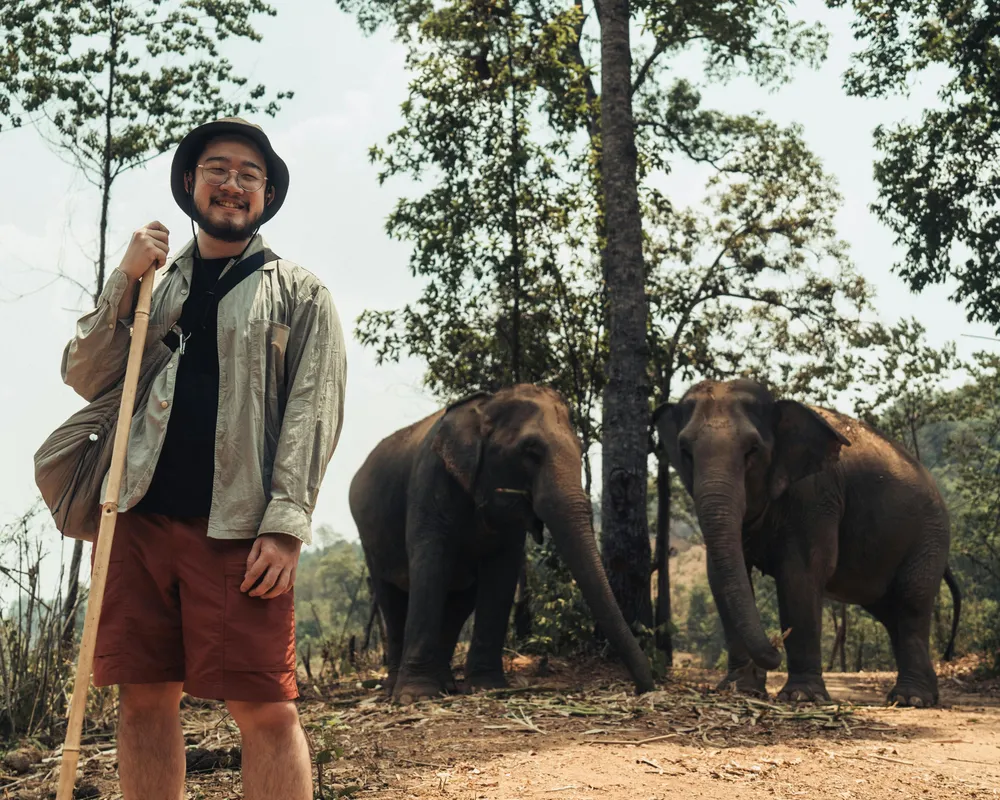
Konservasionis Gajah: Tempat perlindungan yang beretika mendukung kesejahteraan gajah dengan mengutamakan perilaku alami, kebebasan, dan perawatan manusiawi. Mereka juga membantu mendanai perlindungan jangka panjang dan usaha rehabilitasi, serta mendorong standar yang lebih baik di seluruh industri.
Benarkah bahwa penjaga gajah kadang-kadang membawa alat seperti bullhook?
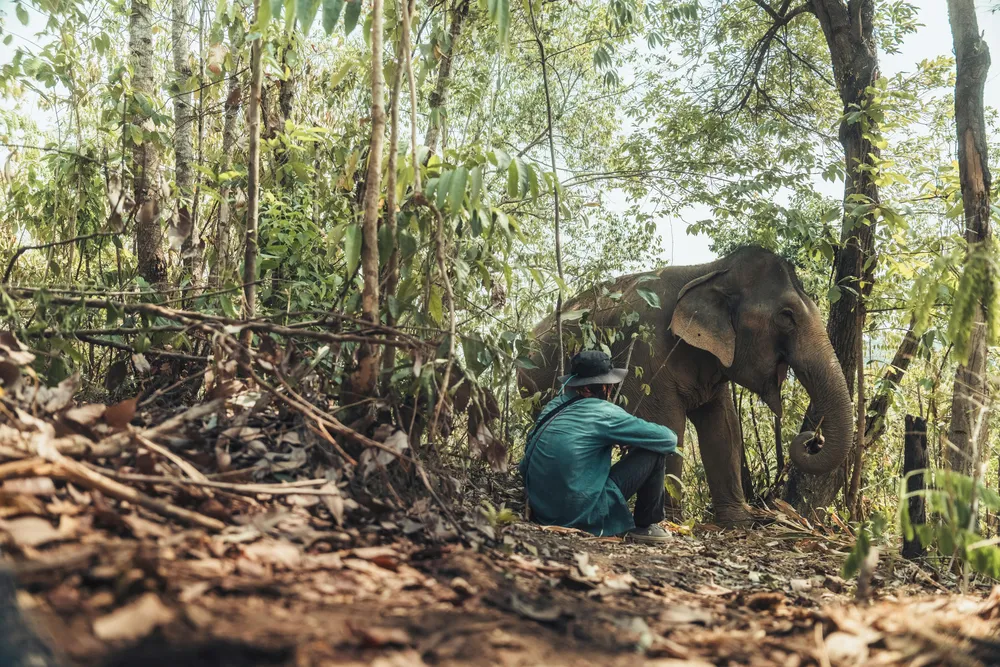
Konservasionis Gajah: Di beberapa fasilitas, penjaga mungkin membawa alat seperti bullhook atau tongkat hanya untuk situasi darurat. Gajah bisa sangat berbahaya, dan penjaga memikul tanggung jawab besar. Namun, alat ini juga bisa disalahgunakan atau disembunyikan (misalnya, dengan paku atau duri) untuk memaksa gajah melakukan kegiatan yang eksploitatif. Oleh karena itu, transparansi dan batasan yang ketat pada penggunaannya sangat penting.
Apakah gajah pernah menjadi agresif terhadap wisatawan?
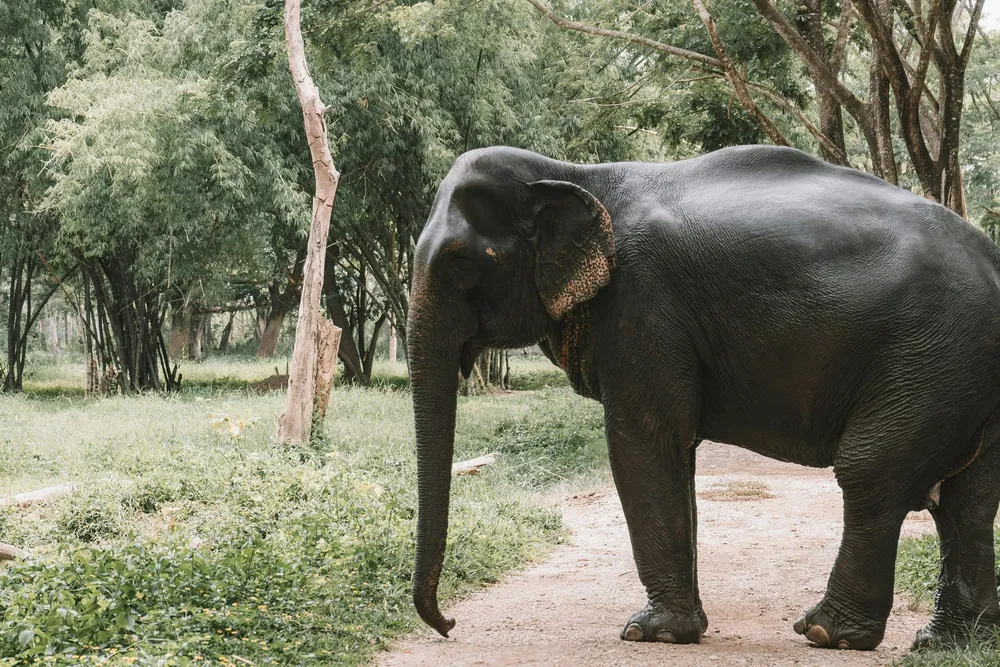
Konservasionis Gajah: Ya. Sudah banyak kejadian, terutama di mana gajah merasa stres, dikurung, kepanasan, atau terlalu lelah. Ini membuktikan pentingnya menjaga jarak dan menghormati ruang gajah.
Apakah rantai selalu tidak etis?
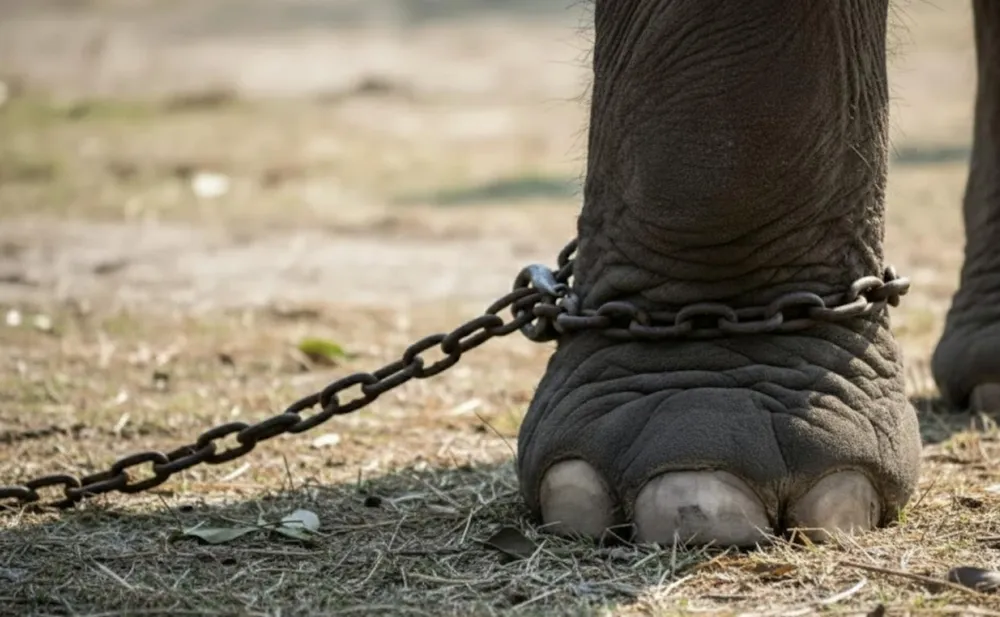
Pelestari Gajah: Tidak selalu. Rantai bisa digunakan sementara untuk keselamatan, pengobatan, atau saat penjaga tidak ada, biasanya malam hari. Saat digunakan, rantai harus cukup panjang (setidaknya lima meter) agar gajah bisa bergerak dan beristirahat, dan gajah harus memiliki akses harian ke ruang terbuka untuk berjalan-jalan. Meskipun kandang lebih disukai jika memungkinkan, rantai bisa menjadi kompromi penting dalam situasi tertentu.
Beberapa fasilitas etis menggunakan apa yang disebut rantai tarik, yaitu seutas rantai yang dipasang di pergelangan kaki gajah tetapi tidak diikat ke pohon atau titik jangkar. Rantai tarik memungkinkan gajah bergerak bebas di hutan dan menjelajah area luas untuk mencari makan, dan jejak rantai ini memudahkan penjaga melacak dan mengamankan mereka jika diperlukan.
Apa aturan utama yang harus diingat saat berwisata?
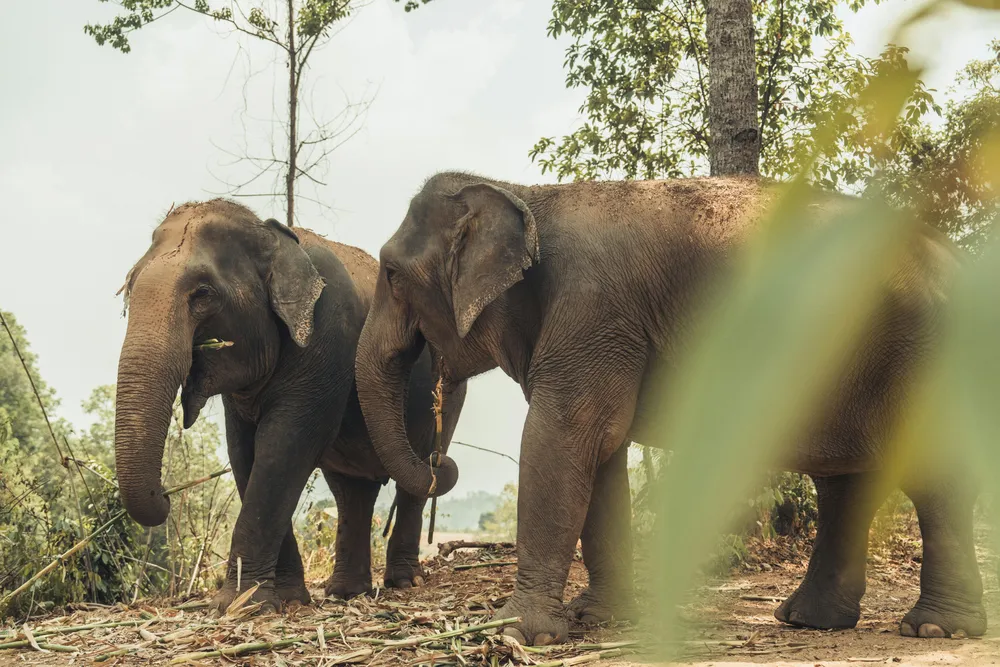
Pelestari Gajah: Jika pengalaman alam liar memungkinkanmu naik, mandi, menyentuh, atau berfoto selfie dengan hewan, kemungkinan besar itu tidak etis. Cari pengalaman yang membiarkan hewan hidup secara lebih alami, sementara kamu mengamati dari kejauhan dengan hormat, mengikuti pedoman kesejahteraan hewan yang diakui


![Taman Nasional Khao Sok: Semua yang Perlu Kamu Ketahui + Cara Hindari Kerumunan [2026]](https://d18sx48tl6nre5.cloudfront.net/webp_xl_81349ae7e66f5be9a834e25821c3fb71.webp)
Pertanyaan seputar Pengalaman Gajah Etis di Chiang Mai
Mengapa saya tidak bisa memandikan gajah?
Memandikan gajah mungkin terlihat menyenangkan di IG, tapi biasanya sangat membuat stres gajah. Gajah adalah hewan liar dan biasanya mandi saat mereka mau, bersama kawanan mereka. Di tempat wisata, mereka bisa dipaksa mandi beberapa kali sehari untuk kelompok pengunjung yang berbeda. Ini sangat membuat stres, dan juga mengganggu kebiasaan alami mereka dalam membersihkan diri.
Selain itu, gajah sebenarnya adalah hewan liar. Agar orang bisa dekat dengan aman, gajah harus dikontrol ketat, yang seringkali melibatkan pelatihan keras di balik layar. Jadi, gajah yang terlihat “ramah” di foto mandi sebenarnya sudah disalahgunakan agar mereka bisa mentolerir interaksi manusia terus-menerus.
Sanctuary yang beretika akan menghindari ini dan membiarkan gajah mandi sesuai keinginan mereka secara alami.
Bagaimana saya tahu Anda tidak sekadar berpura-pura menjadi orang yang beretika?
Pertanyaan bagus, dan kamu sebaiknya tidak hanya percaya begitu saja pada kata-kata kami. Saat melibatkan satwa liar, selalu penting untuk menanyakan bagaimana pengalaman tersebut diperiksa dan diverifikasi. Dalam kasus kami, kami berbicara langsung dengan konservasionis di lapangan, membaca ulasan secara mendalam, dan mengunjungi sendiri tempat perlindungan tersebut. Kami hanya menampilkan tempat yang ketat melarang menyentuh, mandi, dan interaksi langsung. Jika ada sesuatu yang kami tampilkan terasa tidak benar bagi kamu, jangan ragu untuk bicara kepada kami — wisata satwa liar yang etis itu rumit dan kami selalu terbuka untuk belajar lebih banyak!
Kalau saya nggak bisa menyentuh atau memberi makan gajah… apa yang sebenarnya kita lakukan?
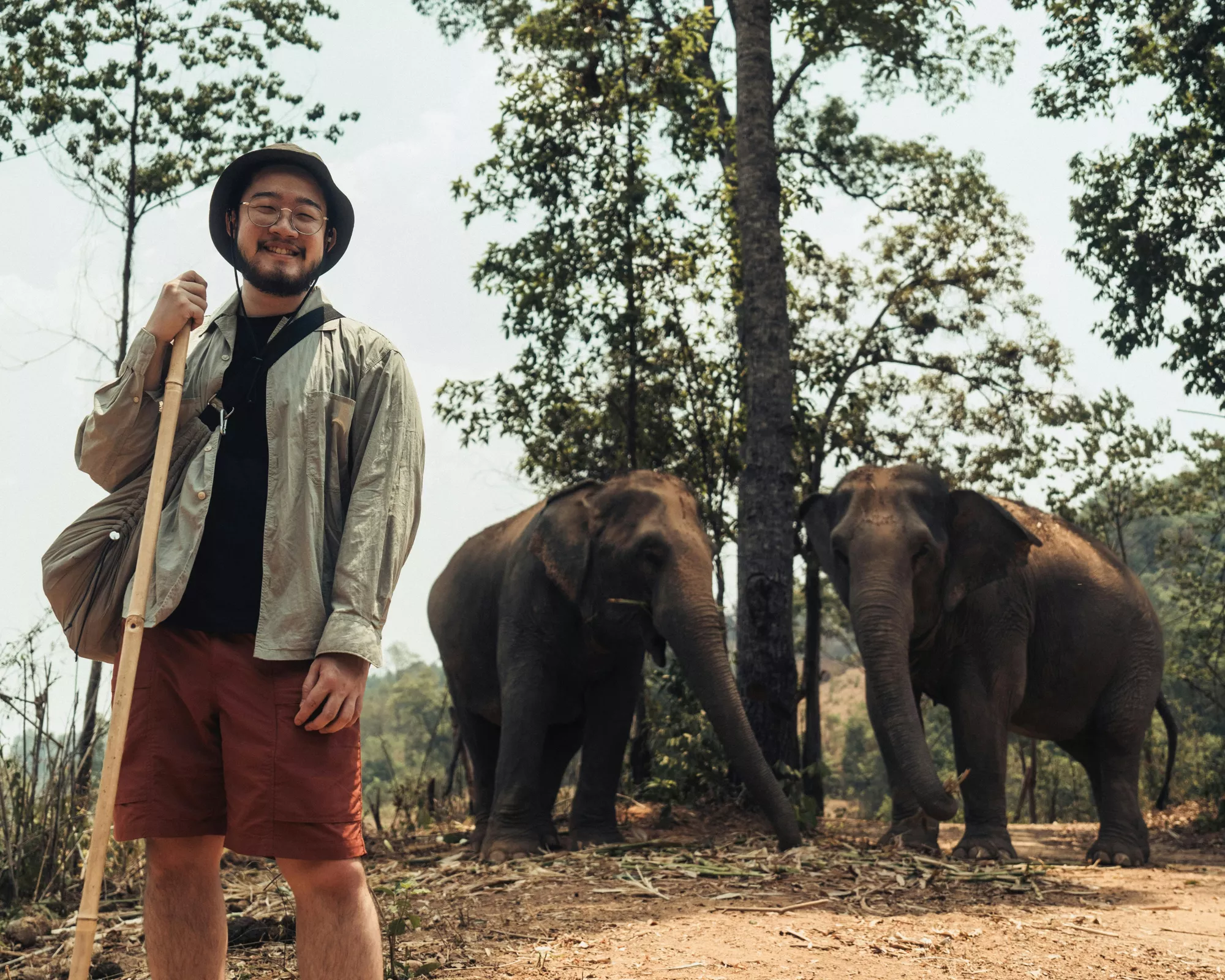
Kamu akan berjalan melewati hutan ke tempat gajah berkeliaran dan menyaksikan mereka apa adanya - merumput, cipratan lumpur! Pemandu akan cerita lucu tentang kepribadian mereka, seperti drama kecil antara mereka dan camilan favorit mereka. Di beberapa tempat perlindungan, kamu bahkan mungkin membantu menyiapkan makanan mereka (kadang diberikan lewat pipa makan, bukan dengan tangan).
Kami jamin ini jauh lebih seru - karena kamu bisa melihat gajah benar-benar jadi diri mereka sendiri, bukan tampil untuk wisatawan.


![Taman Nasional Khao Sok: Semua yang Perlu Kamu Ketahui + Cara Hindari Kerumunan [2026]](https://d18sx48tl6nre5.cloudfront.net/webp_md_5fd961d030508c11bdf205f9f3952ca4.webp)