Borneo's Big Five: The Wildlife You Can Spot on the Kinabatangan River
You've heard of Africa's Big Five. Borneo has its own — and you can spot all of them from a boat.
Everyone knows Africa's Big Five. But did you know that Borneo has it's own version of the Big Five too?
Along the Kinabatangan River, a protected strip of rainforest has become a refuge for some of the island's most incredible wildlife. From orangutans and pygmy elephants to crocodiles and hornbills, these are the five animals that most travellers come hoping to spot.
Borneo's Big Five
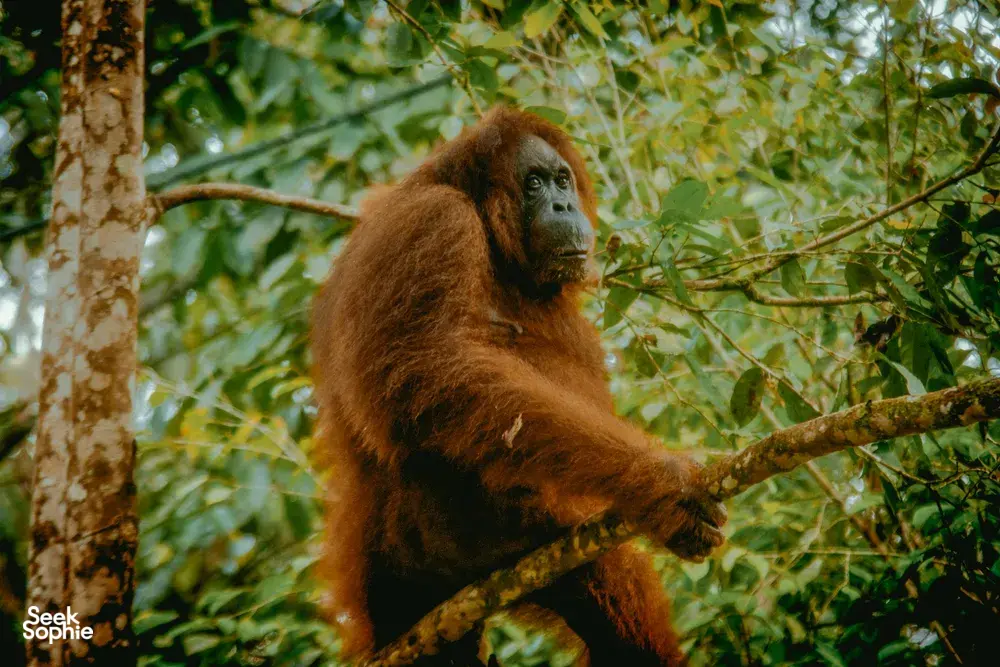
Bornean Orangutan
The name literally means "person of the forest" in Malay — and once you've watched one, you'll understand why. They share 97% of our DNA. They use tools. They build a fresh sleeping nest every single night before bed. They have long-term memories, distinct personalities, and even their gestation period is very similar to a human pregnancy at 8.5 months.

Borneo Pygmy Elephant
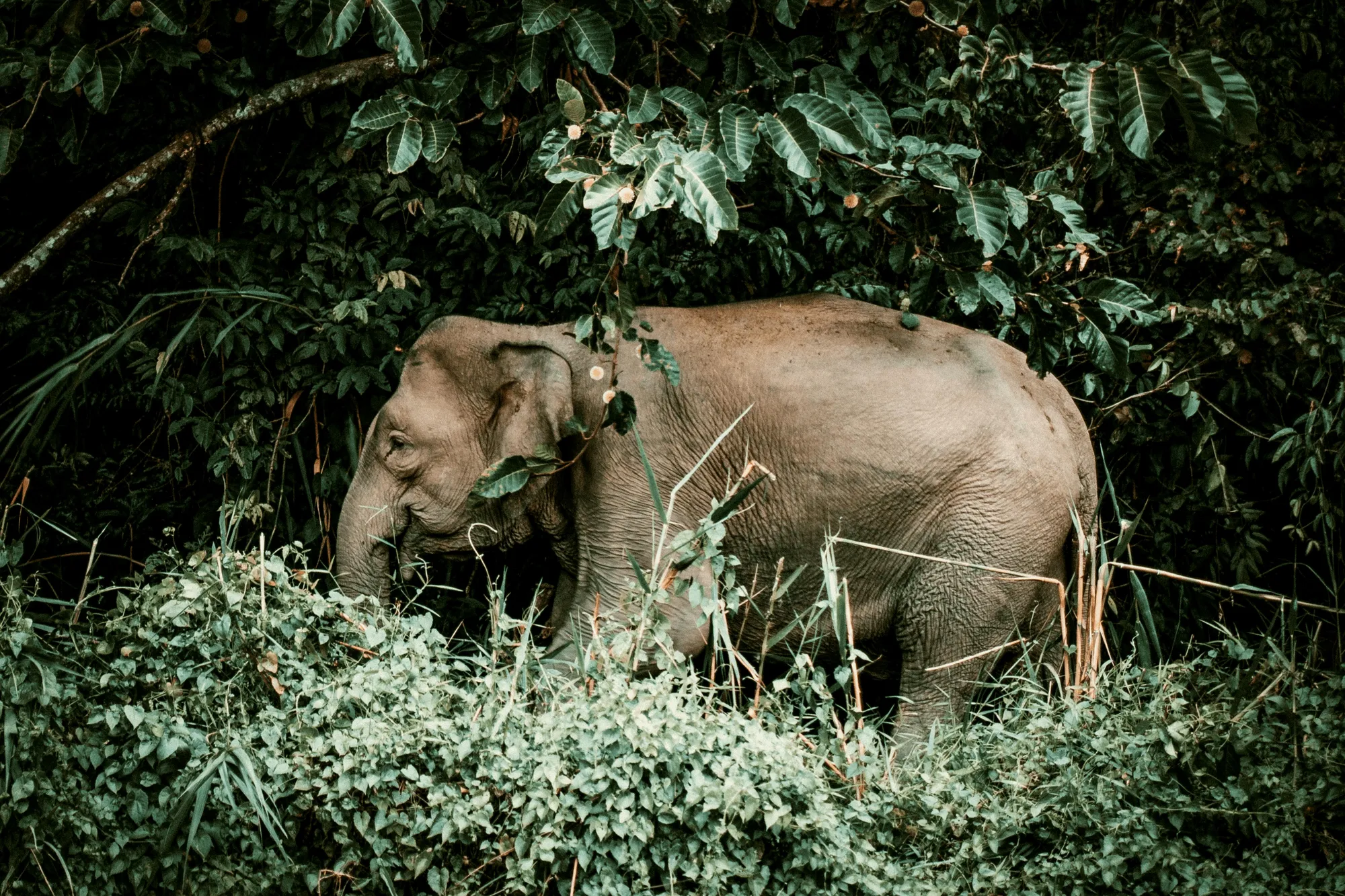
Found only in Borneo, these are the smallest elephants in the world. Rounder faces, bigger ears, longer tails relative to their body — and, notably, a temperament that's considerably gentler than their African or Asian cousins.
With only 1,000 of them left in the wild, these endangered gentle giants are the most elusive of the Big Five. If you're lucky enough, you might spot them!

Proboscis Monkey
Hard to miss, impossible to forget. Male proboscis monkeys have enormous, bulbous noses — and females actually prefer larger ones. They're found only in Borneo, and you'll often spot them leaping between trees at dusk with their distinctive honking calls echoing across the river.

Saltwater Crocodile
The largest reptile in the world, and the river's apex predator. Saltwater crocs were once widely hunted across Southeast Asia, but the Kinabatangan population has recovered strongly — it's now one of the healthiest in the region.
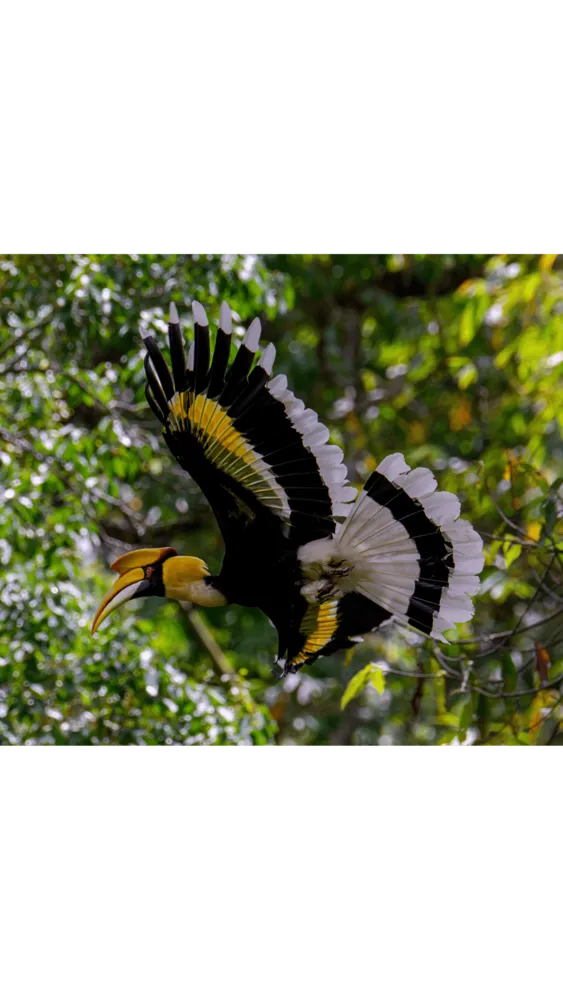
Rhinoceros Hornbill
The locals consider hornbills as sacred. They are guardians of the forest, king of birds and messenger of gods, and seeing one is said to bring good luck. You'll often hear them before you see them — a very loud whoosh of their enormous wings. Kinabatangan is home to over 200 bird species, and these rhinoceros hornbills are the undisputed showstoppers.
How to Spot Them?
Go on a Kinabatangan River Safari
Unlike a traditional safari, wildlife viewing here happens from the river. Most travellers will stay in a rainforest lodge and do wildlife river cruises along the Kinabatangan River. All lodges will offer morning and evening river safaris to spot wildlife.
Seek Sophie tip: The standard boat cruise is 2D1N. But the longer you spend here, the better your chances of spotting more wildlife! We recommend staying for 3D2N, or even 4D3N if you have time. If you're going during peak season (Jun- Aug) and want to avoid crowds, choose a quieter lodge located away from the main busy strip.
Check out our ultimate guide to Kinabatangan here - it has everything you need to know from how to get there, which part of the river to stay at and which lodges are best.
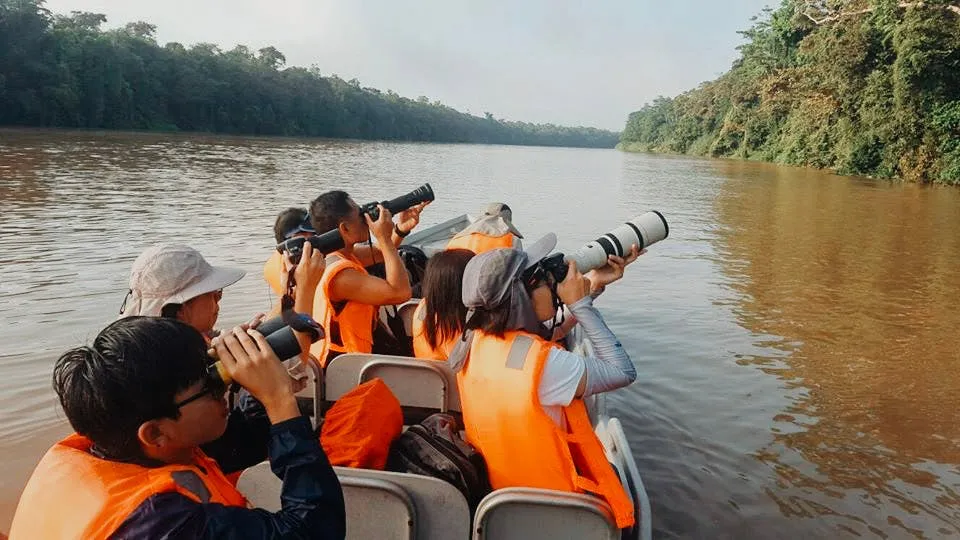
Is it ethical?
Yes, but the story is complex.
Wildlife is relatively easy to spot here because much of the forest has been cleared for palm oil plantations, leaving only a narrow strip of jungle along the river. As a result, animals tend to gather along the riverbanks — making this one of the best places in Asia to see wildlife.
The good news? The remaining forest is now protected and river safaris are generally low-impact since they stay on the river and don’t disturb the forest.
This is also where tourism can make a real difference. Wildlife tourism creates an economic reason to keep this forest standing, helping protect it from further development while supporting the local communities who live, depend and care for it.

So if you want to see Borneo's Big Five, check out these Kinabatangan River Safaris and our ultimate guide.


![Ethical Places to Spot Orangutans in Southeast Asia [2026]](https://d18sx48tl6nre5.cloudfront.net/webp_xl_2e78af4a2c06449cbda3a3d258d4dac1.webp)
![Kinabatangan River: Your Essential Guide + Best Things to Do [2026]](https://d18sx48tl6nre5.cloudfront.net/webp_xl_0a6da485cc2066c02bab1ae6d248d7ba.webp)
![Your Cheat Sheet to Planning a Mount Kinabalu Climb [2026]](https://d18sx48tl6nre5.cloudfront.net/webp_xl_4f7a99703162889f64480dfe3c00a2a5.webp)

![Ethical Places to Spot Orangutans in Southeast Asia [2026]](https://d18sx48tl6nre5.cloudfront.net/webp_md_26a1e349373ffec8569b965090d516ed.webp)
![Kinabatangan River: Your Essential Guide + Best Things to Do [2026]](https://d18sx48tl6nre5.cloudfront.net/webp_md_dcc56889a94e5e32c30396074dd12c16.webp)
![Your Cheat Sheet to Planning a Mount Kinabalu Climb [2026]](https://d18sx48tl6nre5.cloudfront.net/webp_md_a10c55f3056c54ea5b7ba426705a0b23.webp)