Beg anda
Beg anda berbisik: "Isilah saya!"
Jumlah Tempahan
$0 USD
Checkout
Jelajahi petualangan liar di

Hewan & Satwa Liar di Malaysia

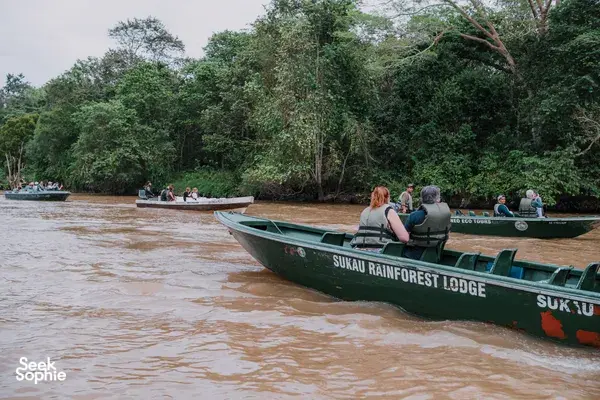
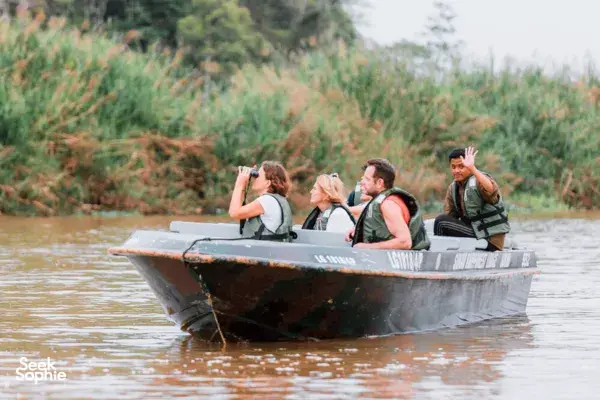
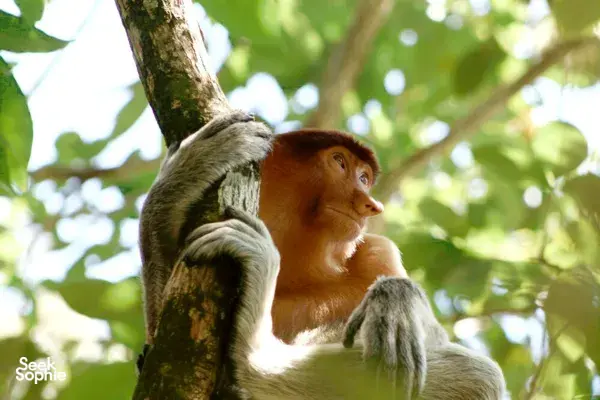
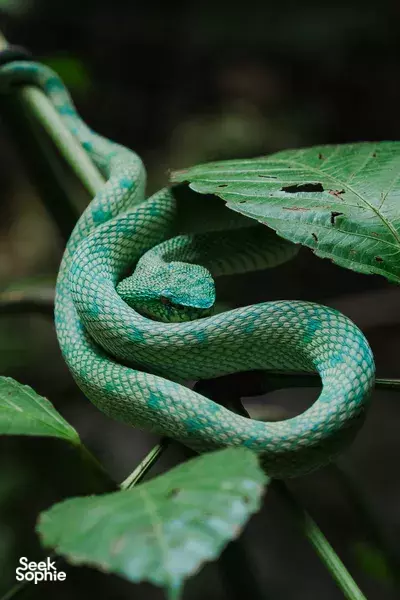
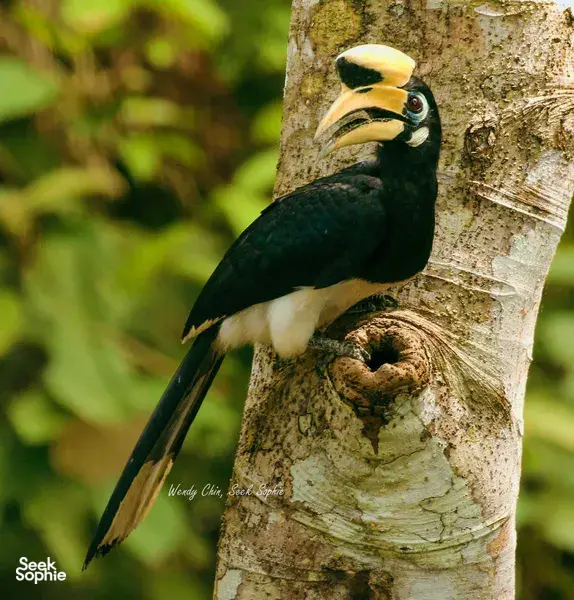
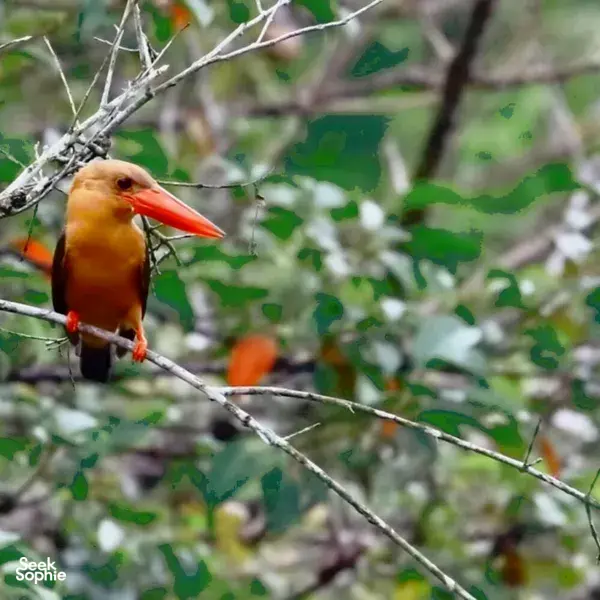
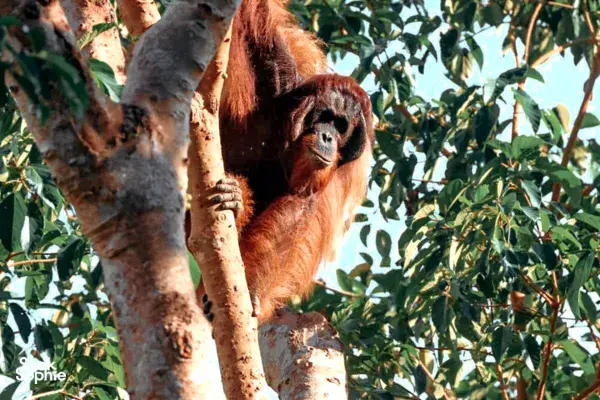
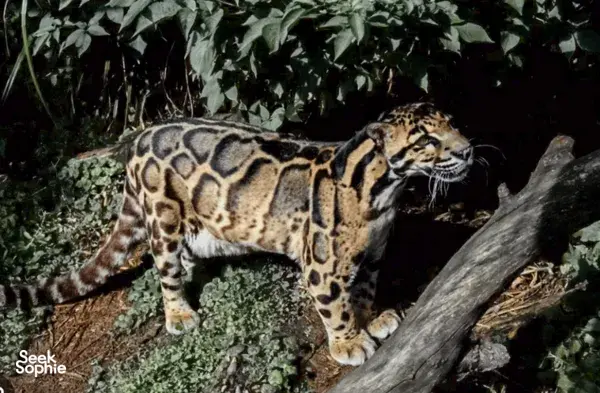
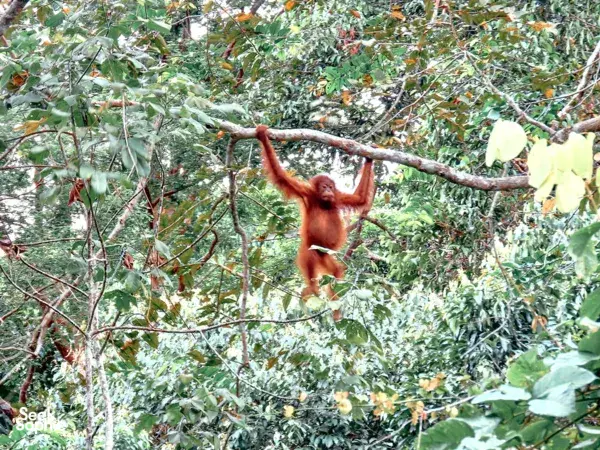
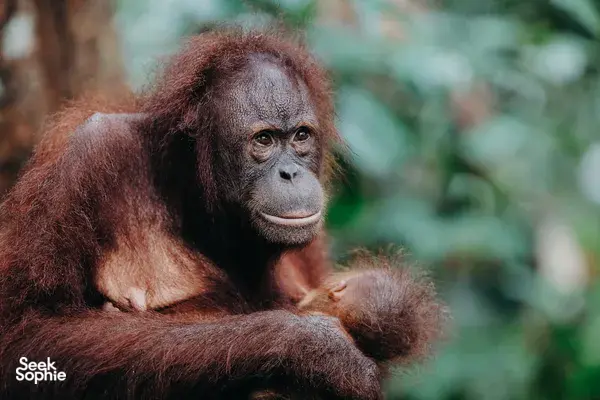
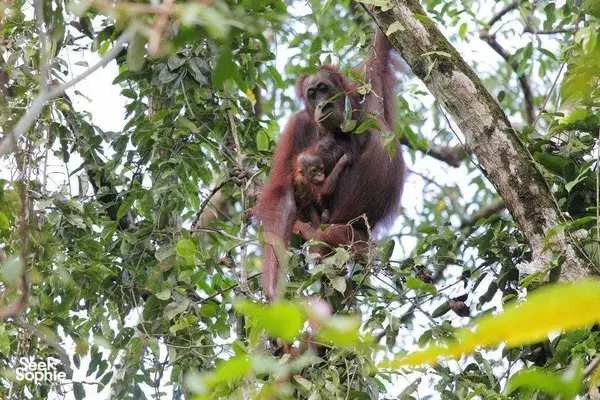
Dari orangutan hingga gajah, semuanya bisa kamu temukan di Malaysia

Semua Hewan & Satwa Liar di Malaysia

Sedang dimuatkan...

Lihat Koleksi


Kata-kata manis dari tetamu kami

4.7
|
951 ulasan
It has been a wonderful experience. The staff’s attention and the services offer good value for money.
Rocío
All the guides were amazing and the private room was great- very well worth the money
Jack
Pemandu yang sangat berpengetahuan. Kebanyakan dari mereka lahir di kawasan sekitar dan mempunyai hubungan dengan masyarakat suku tempatan. Sangat disyorkan. Sangat teratur dengan baik.
Carole Jones

Soalan Lazim Hewan & Satwa Liar di Malaysia

What are some lesser-known wildlife spots in Malaysia for nature photography?

For travellers seeking unique wildlife photography opportunities away from crowded tourist spots, consider exploring the Mulu Caves in Sarawak, home to elusive bats and rare cave-dwelling creatures. Another gem is the Ulu Temburong National Park in Brunei, accessible via river tours, offering pristine rainforest and diverse flora and fauna. Kampung Kuantan in Pahang provides a chance to photograph the famous fireflies in their natural habitat. To enhance your experience, visit these locations during early mornings or dusk when wildlife is most active, and always respect local conservation guidelines to protect these fragile ecosystems.

Are there any native Malaysian animals that travellers can observe in local villages?

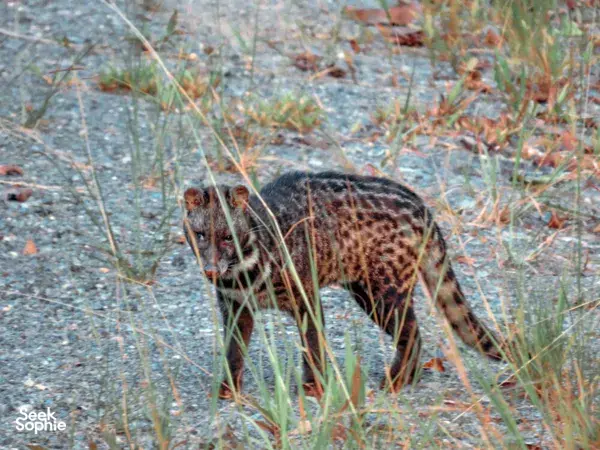
Yes, many local villages in Malaysia, especially in rural Sarawak and Sabah, offer opportunities to observe native animals like orangutans in rehabilitation centres or in their semi-wild habitats. Additionally, the Malayan civet and slow loris can sometimes be spotted in the vicinity of traditional kampungs, especially with local guides who know wildlife patterns. Travellers should always go with experienced guides to ensure both safety and minimal disturbance to the animals. Visiting these sites provides a deeper understanding of Malaysia’s rich biodiversity and supports local conservation efforts.

What should I consider when photographing wildlife in Malaysia's national parks?

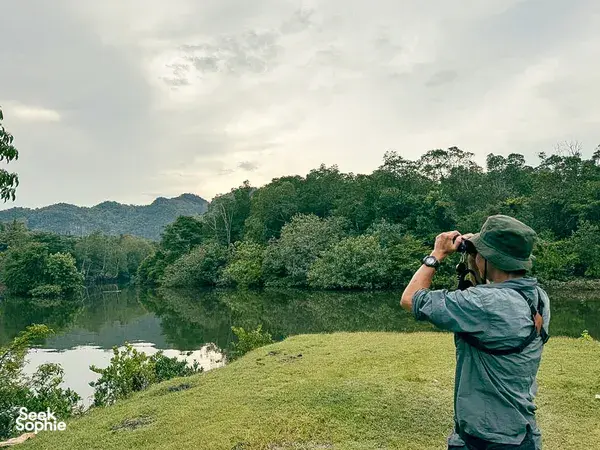
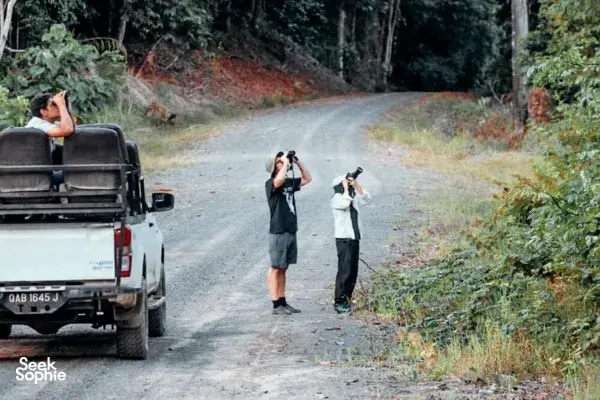
When photographing wildlife in Malaysia’s national parks such as Taman Negara or Borneo’s Danum Valley, it's vital to use a DSLR or telephoto lens (at least 300mm) to capture distant animals without intrusion. Be patient and move slowly to avoid startling wildlife; dawn and dusk are peak activity times. Bring a good pair of binoculars and a tripod for stability during long exposures. Remember to keep noise levels to a minimum, wear neutral colours to blend into the environment, and always adhere to park rules. Respect animals' habitats by not disturbing nests or feeding wildlife, helping to preserve the natural ecosystems for future photography opportunities.

Are there any conservation projects I can visit or volunteer with during my trip?

Absolutely! Malaysia hosts several conservation projects that welcome visitor participation. The Semenggoh Forest Reservation in Sarawak offers orangutan rehabilitation programmes where travellers can learn about the efforts to protect and rehabilitate this endangered species. In Sabah, the Bornean Sun Bear Conservation Centre allows visitors to observe and support sun bear rescue efforts. Volunteering opportunities often include habitat restoration, wildlife monitoring, and educational outreach; booking in advance through trusted organisations is recommended. Participating in these projects provides invaluable insights into local conservation challenges and helps support the preservation of Malaysia’s unique biodiversity.

What tips do you have for responsible wildlife watching in Malaysia?

To ensure responsible wildlife watching in Malaysia, always prioritise eco-friendly operators who adhere to strict guidelines; this minimises disturbance to animals and their habitats. Maintain a respectful distance—use binoculars or zoom lenses instead of getting too close. Never feed or attempt to touch wildlife, as this can harm their natural behaviours and diets. minimise noise and avoid sudden movements, especially during dawn and dusk when animals are most active. Support local conservation initiatives by choosing eco-tourism options and leaving no trace of your visit. Embracing these practices helps preserve Malaysia’s incredible biodiversity for future travellers and promotes sustainable tourism development.
Jadi.. siapa Sophie ni?
Ramai yang tanya soalan tu! Sebenarnya, tiada siapa dalam pasukan kami bernama Sophie. Sophie bermaksud kebijaksanaan dalam bahasa Greek. Kami pilih nama Seek Sophie sebab kami nak perjalanan ini bantu korang kenali diri & dunia dengan lebih mendalam—perjalanan yang buat hati rasa penuh & lebih terhubung.
Jom berkawan!
Dapatkan info tempat rahsia & lokasi best terus ke inbox korang.
English
USD
English
USD
© Seek Sophie 2026PrivasiTerma
Lesen Ejen Pelancongan TA03435