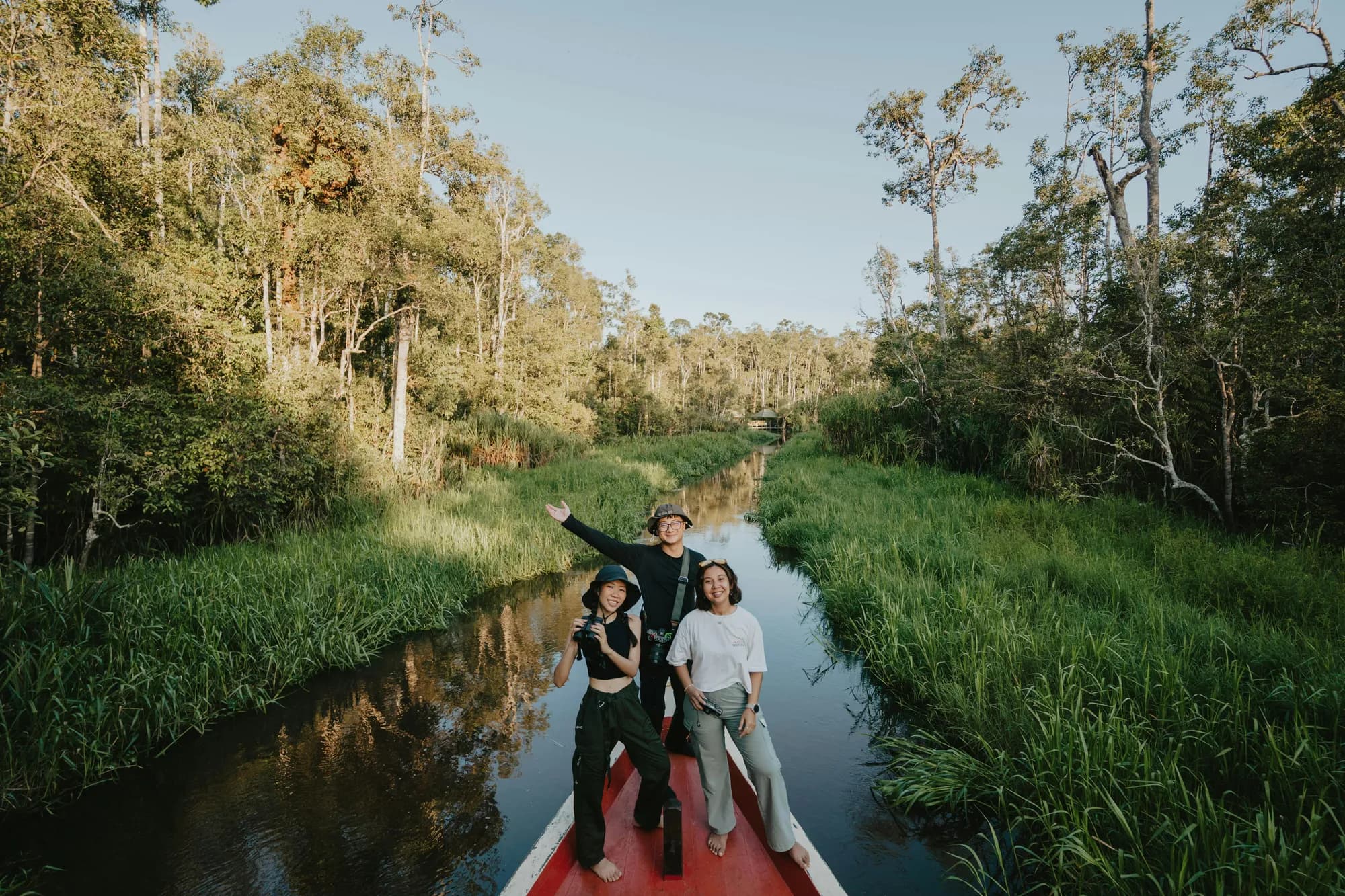
Tanjung Puting National Park

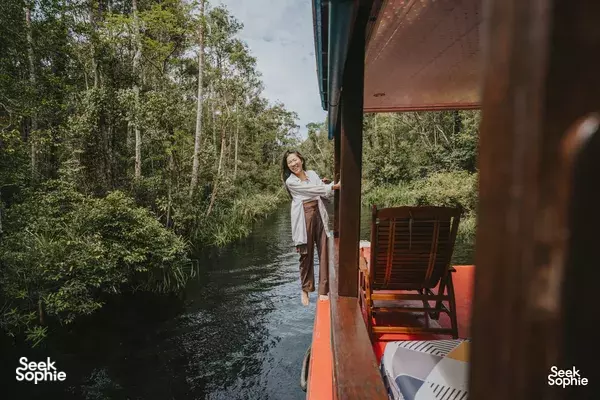
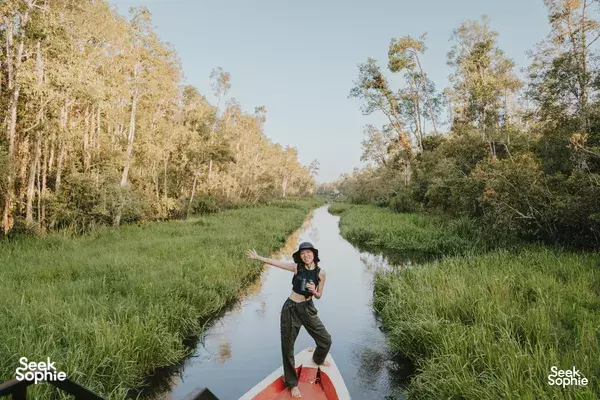

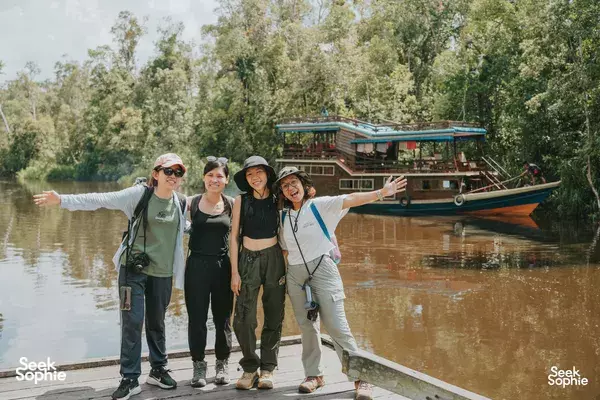
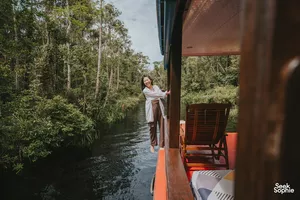
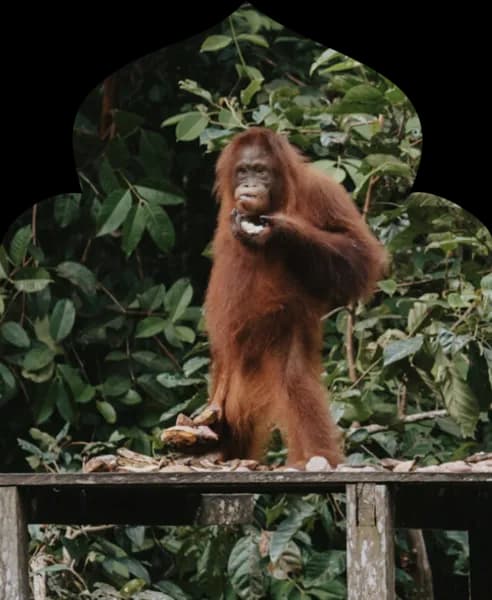
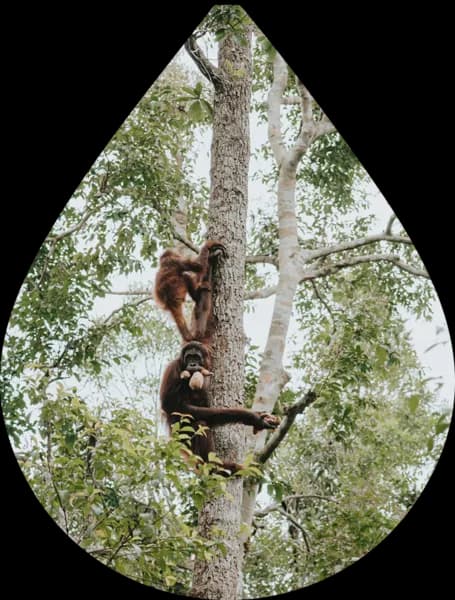
If you love wildlife, you have to visit Tanjung Puting - it’s one of the world’s most important places for orangutans. Cruise by houseboat to see them in the wild and hear their stories from the best conservationists guides.
Best Tanjung Puting trips

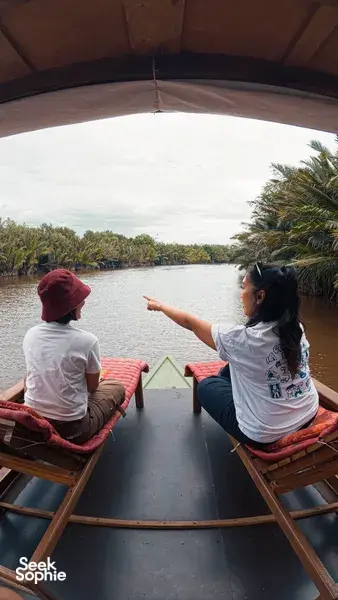
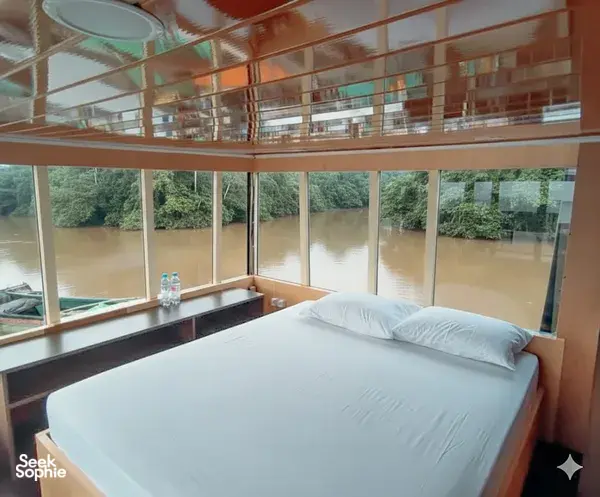
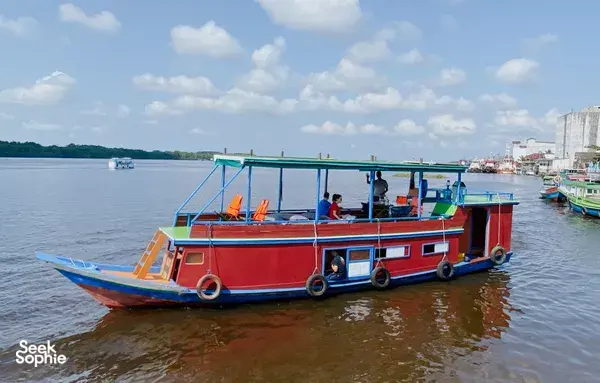
All Tanjung Puting National Park Experiences


All Experiences
Visiting Tanjung Puting National Park

Why these Houseboats Made Our List
As this is a wildlife experience, we're extra careful. The first thing we looked for were hosts with good wildlife practices. We visited Tanjung Puting many times and spoke with conservationists to understand which hosts treat wildlife responsibly.
We also looked for houseboats that offered something more differentiated - whether that’s the itinerary, boat comfort, or giving back to conservation and local communities. The houseboats you see here are the ones we trust most in Tanjung Puting.
How to Choose a Houseboat
Choose based on comfort level, and your host.
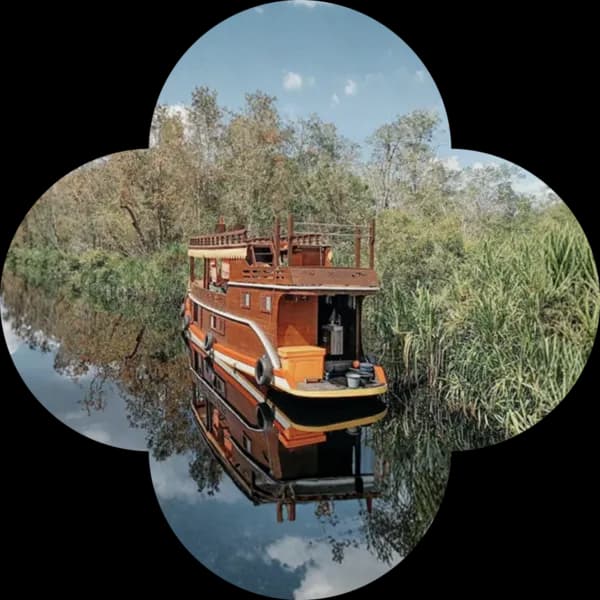
- Comfort level: Most houseboats (klotoks) are basic, with fairly similar facilities. Only a few have air-conditioning.
- Host: The main thing to look at is the host - they shape the entire experience. Choose a host whose mission you connect with, whether that’s conservation, reforestation or supporting local communities.
- Activities: Boats usually visit the same orangutan sites, but some boats include extra activities like village visits or cooking.
How Many Days to Plan For
Most visitors do a 3D2N river cruise, which is enough to visit the main orangutan feeding stations and experience the jungle. If you have time, we’d recommend 4D3N - it feels less rushed and gives you more time to cruise deeper along the river, spot wildlife and hear cute orangutan stories!
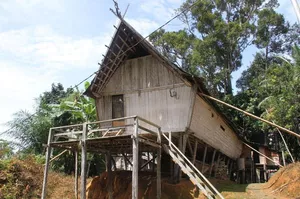
If you’d also like to visit a Dayak village, plan about 6 days to travel further upriver and spend time with the community.
Most trips can start the day you fly in and end on the day you fly out.
Best Time to Go
The dry season (June–September) is peak season here, with better weather and good wildlife spotting. If you go then, book your houseboat in advance!
If you want fewer crowds, try March–May. This is often fruiting season, when orangutans gather near the river to feed so it's easier to spot them!
The rainy season (December–February) can be very wet, but you can still see orangutans, and there are far fewer visitors.
Top things to see & do

Helpful Questions
How to get to Tanjung Puting?
Fly into Iskandar Airport (Pangkalan Bun). There are daily flights from Jakarta and Surabaya — Batik Air is usually the most reliable, though NAM Air also flies this route. If you’re connecting, leave a generous buffer. Domestic flights in Indonesia are often delayed
From the airport, your guide will usually pick you up, or you can take the official taxi into town. Most orangutan trips start from the nearby port of Kumai, and your tour operator will arrange the transfer from your hotel to the boat.
Is there aircon on the houseboat?
Most klotok houseboats don’t have air-conditioning. You’ll usually sleep on the open upper deck, under a mosquito net, with jungle views and river breeze.
A few boats offer enclosed cabins with AC. If you prefer a cooler, more private sleeping space, it’s best to choose one of these AC houseboats.
Are the feeding stations ethical?
We’re generally against feeding wildlife. In fact, we didn’t list Tanjung Puting on Seek Sophie for years because we were uncomfortable with the idea.
We only reconsidered after visiting several times and speaking directly with conservationists to understand the situation. Tanjung Puting is a very unusual case where feeding stations are used as a survival tool, not a tourist gimmick.
First, many orangutans here were rescued from the pet trade decades ago and never properly learned how to forage in the wild.
Second, large-scale habitat loss from palm oil plantations has reduced the number of fruiting trees. Without some supplemental feeding, food shortages could lead to more competition, injuries and declining numbers.
Finally, the feeding stations are linked to rehabilitation programmes run by the Orangutan Foundation International. Rescued orangutans go through “forest school” where they relearn survival skills before returning to the wild.
So while feeding wildlife is usually a red flag, this is one of the rare places where it’s part of a long-term conservation strategy to help a vulnerable population survive.
It’s not a perfect system. But from what we’ve seen on the ground, it’s a genuine attempt to protect orangutans in a landscape already heavily shaped by humans.
What are the toilets like on the houseboat?
They're pretty simple, but clean. And don’t worry - no squatting required! Most boats have a regular toilet (not squat) and a simple cold-water shower in the same space, with no separate wet and dry area. There are no toilets at the orangutan feeding stations, so you’ll use the boat’s toilet throughout the trip.
Is there wifi on the boat?
Nope - it’s a good time to switch off and enjoy the jungle! Once you’re on the boat, you’ll mostly be offline. Mobile data works in Pangkalan Bun and Kumai, but signal usually disappears once you cruise past the first feeding station (Tanjung Harapan), sometimes even earlier depending on your provider.