He left his village. Now, he's coming back to build a guesthouse.
Nongbu grew up wanting a way out. Guiding taught him to see what he'd left behind.
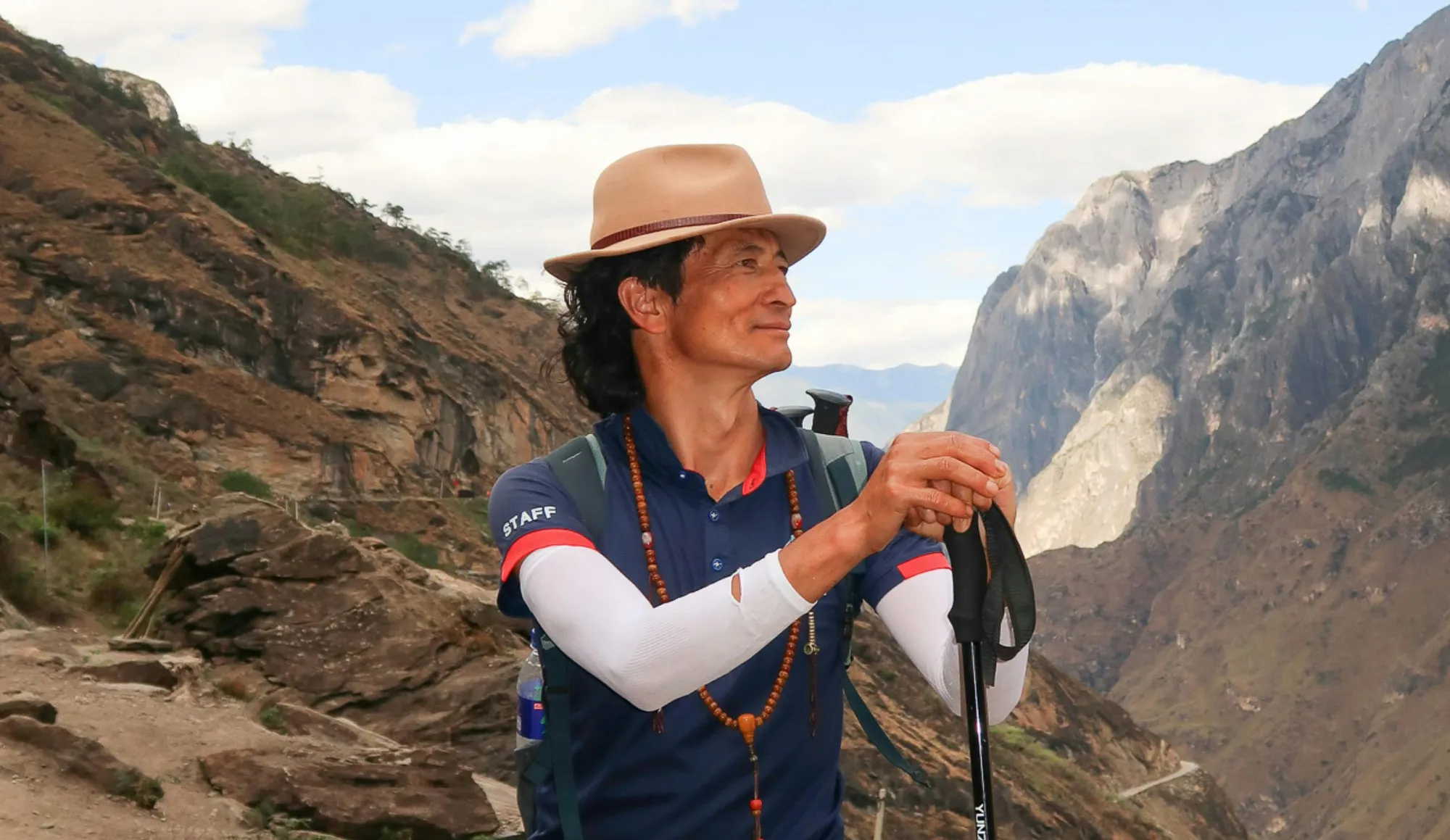
When Nongbu was young, he had dreams of leaving his hometown and moving to the city.
He grew up in a village in Yunnan, China, where there wasn't always rice at home. His family mostly ate corn porridge, corn buns and vegetables, with very little meat, and his parents hoped he would study, leave and find a stable job. So he did. Nongbu went to school in Kunming, the capital city of Yunnan, and later found a job there.
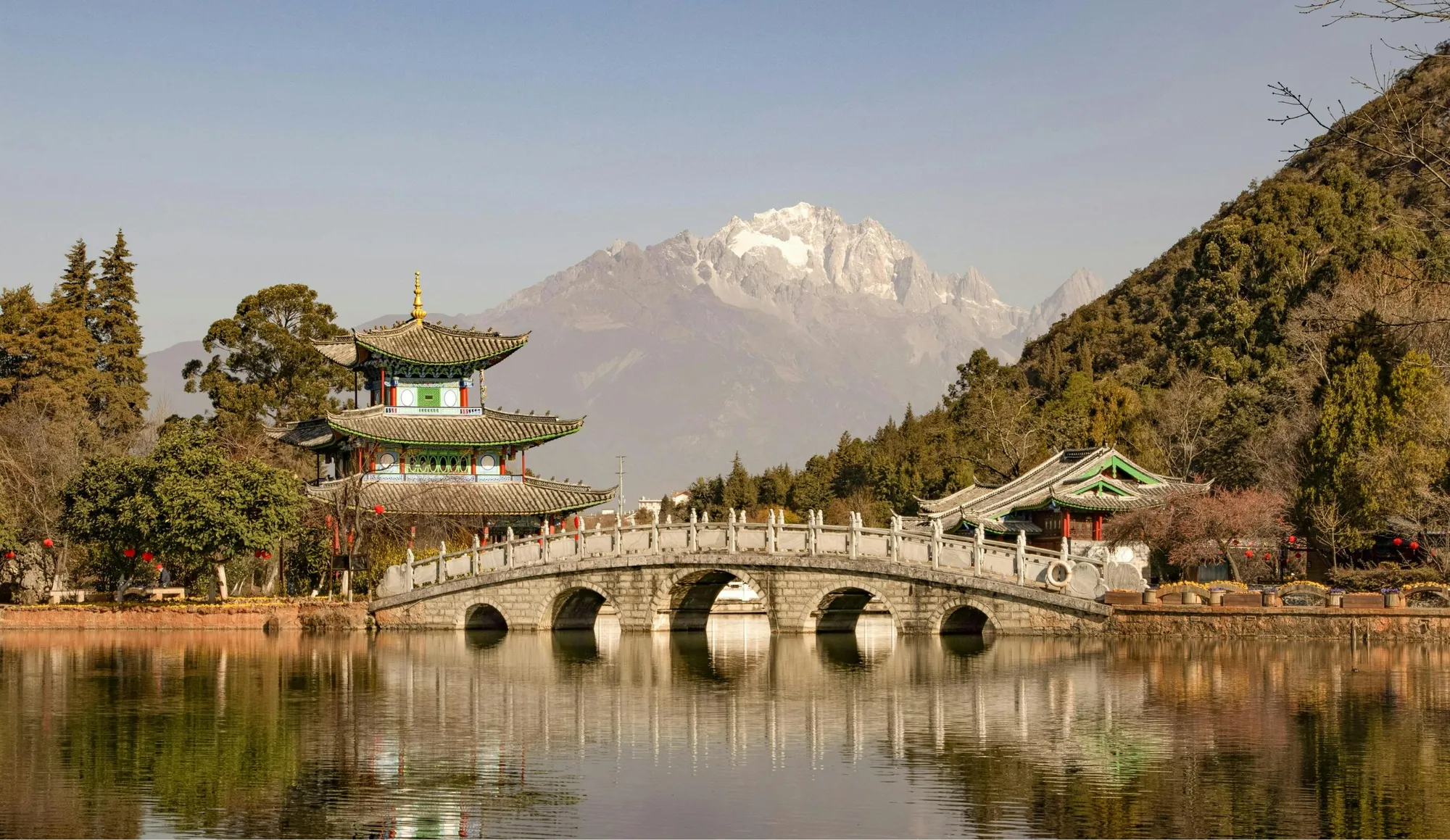
Then, on a bus back to his village one day, he met several travellers who needed help with their luggage and directions. They were heading to Jade Dragon Snow Mountain. Nongbu remembers thinking: people are coming all this way to explore where I'm from. Why am I the one running away?
A friend told him guides in Lijiang were earning far more than he was. Maybe he could try it. So he came back.
Guiding wasn't quite what he imagined
Nongbu's first guiding job was with a travel agency running large tour groups around Lijiang. The days could start at 4am, taking guests between Jade Dragon Snow Mountain, Lijiang Old Town and Black Dragon Pool. Sometimes close to midnight, his phone would ring because someone had got lost. "He Da, come find us." And he'd go.
But what bothered Nongbu most was the shopping. The agency pressured guides to steer tourists into shops everywhere they stopped, and even the storytelling could feel like part of the performance. You had to keep a whole bus entertained. "I didn't feel good about that," he says.
Nongbu thought improving his English might open up a different kind of guiding. There was a café in Lijiang Old Town where backpackers came for coffee and Western food, so he started spending time there, practising his English through conversations with travellers.
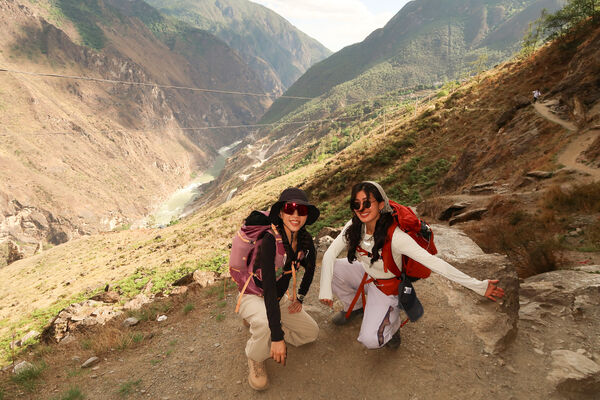
One day, two of them asked if he could take them hiking through Tiger Leaping Gorge. Nongbu had never actually hiked it. But he'd read about the route, and that was enough for him to say yes. "I grew up in the mountains, so I wasn't afraid," he says. "As long as I knew the general direction, I was willing to go."
Whenever he wasn't sure where to turn, he asked people along the route. He got both travellers safely through the gorge, they gave him a tip, and what began as a fairly improvised first trek became a 15-year career.
He became the guide people sought out
Over time, Nongbu found himself attracting travellers who were interested in the same things he was.
"They don't need a long list of places," he says. "They're interested in the flowers and plants along the trail. They want to know the small details about Lijiang, about Naxi culture, about the countryside life."
Those details come naturally to Nongbu because he grew up with them. As a kid, he and his friends picked wild berries in the mountains and learnt which plants were edible, which were poisonous and what different plants could be used for.
Today, that's part of what people seek Nongbu out for. He guides travellers through Tiger Leaping Gorge and Lijiang Old Town — two places that are easy enough to explore without a guide, but very different with him. On the gorge, he points out medicinal plants and shares stories about the people who live in the mountains and the old Tea Horse Road; in Lijiang, he explains the Naxi history and culture among the streets that can otherwise feel dominated by shops and photo stops.
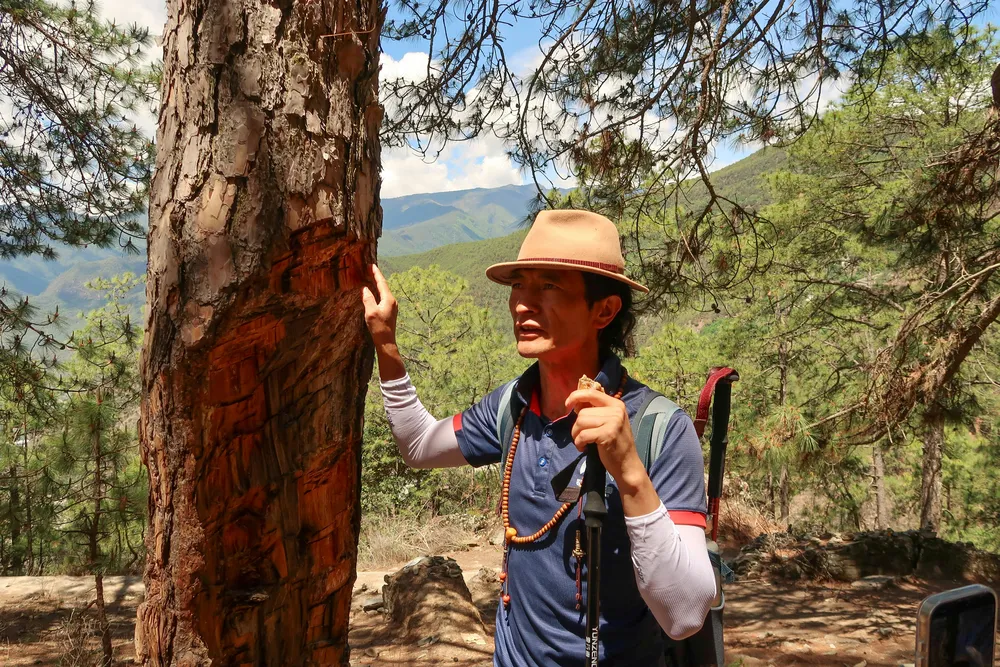
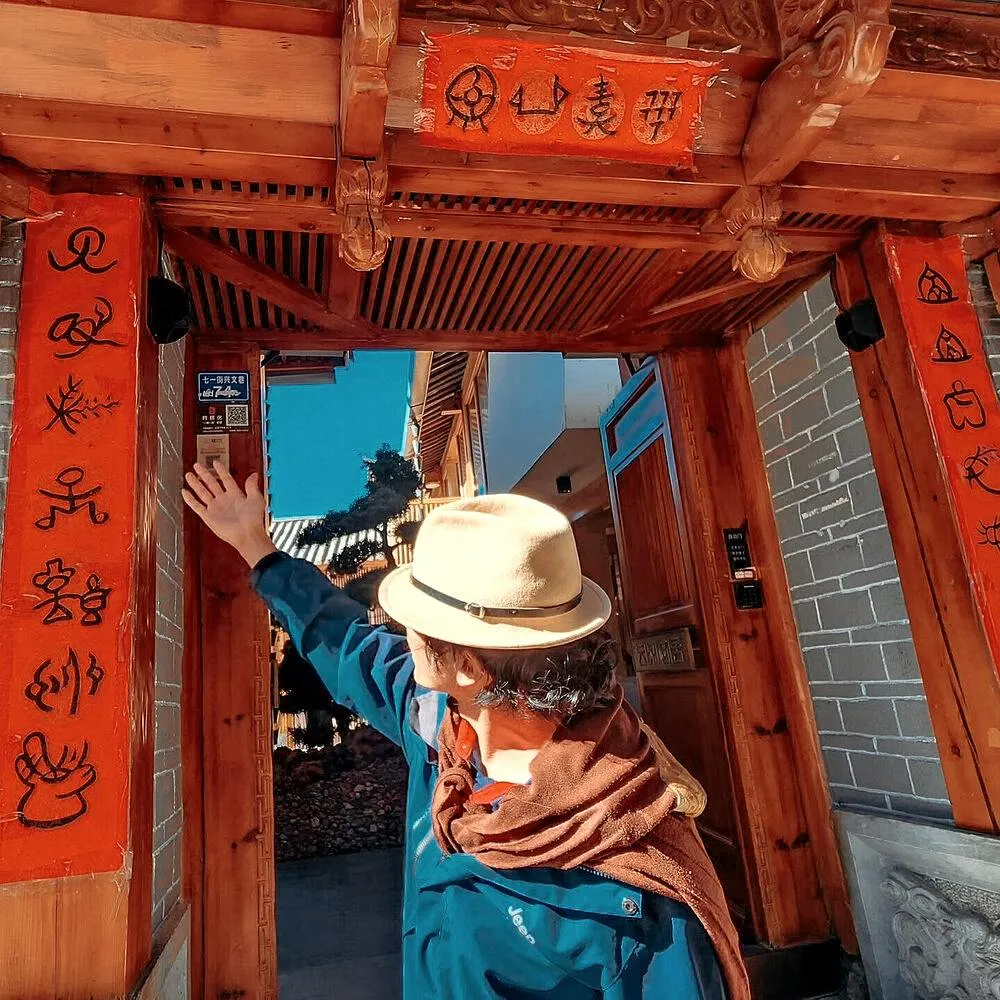
His connection to that history is personal too: Nongbu is Naxi, his grandfather was a Dongba priest, and he can read hundreds of Dongba pictograms — part of one of the last surviving pictographic writing systems still in use today.
Nongbu isn't really there to show people where to go. He's there to help them understand what they're already looking at.
I don't need to dress things up. I just tell the story as it is, and they appreciate it.
And after 15 years of watching travellers become fascinated by the plants, traditions and ordinary details he'd grown up around, Nongbu began to look at his own hometown differently.
He realised what he had at home was precious
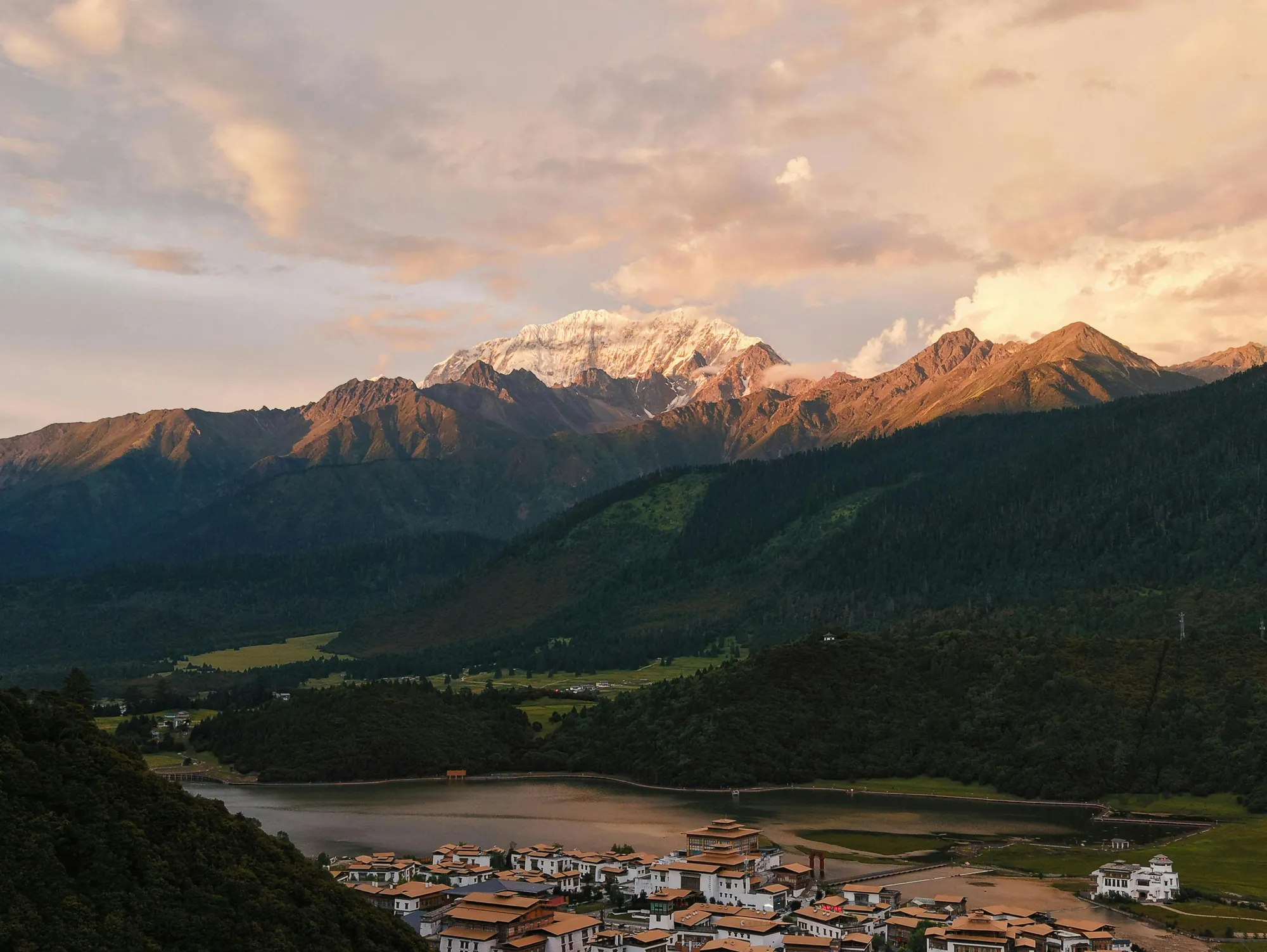
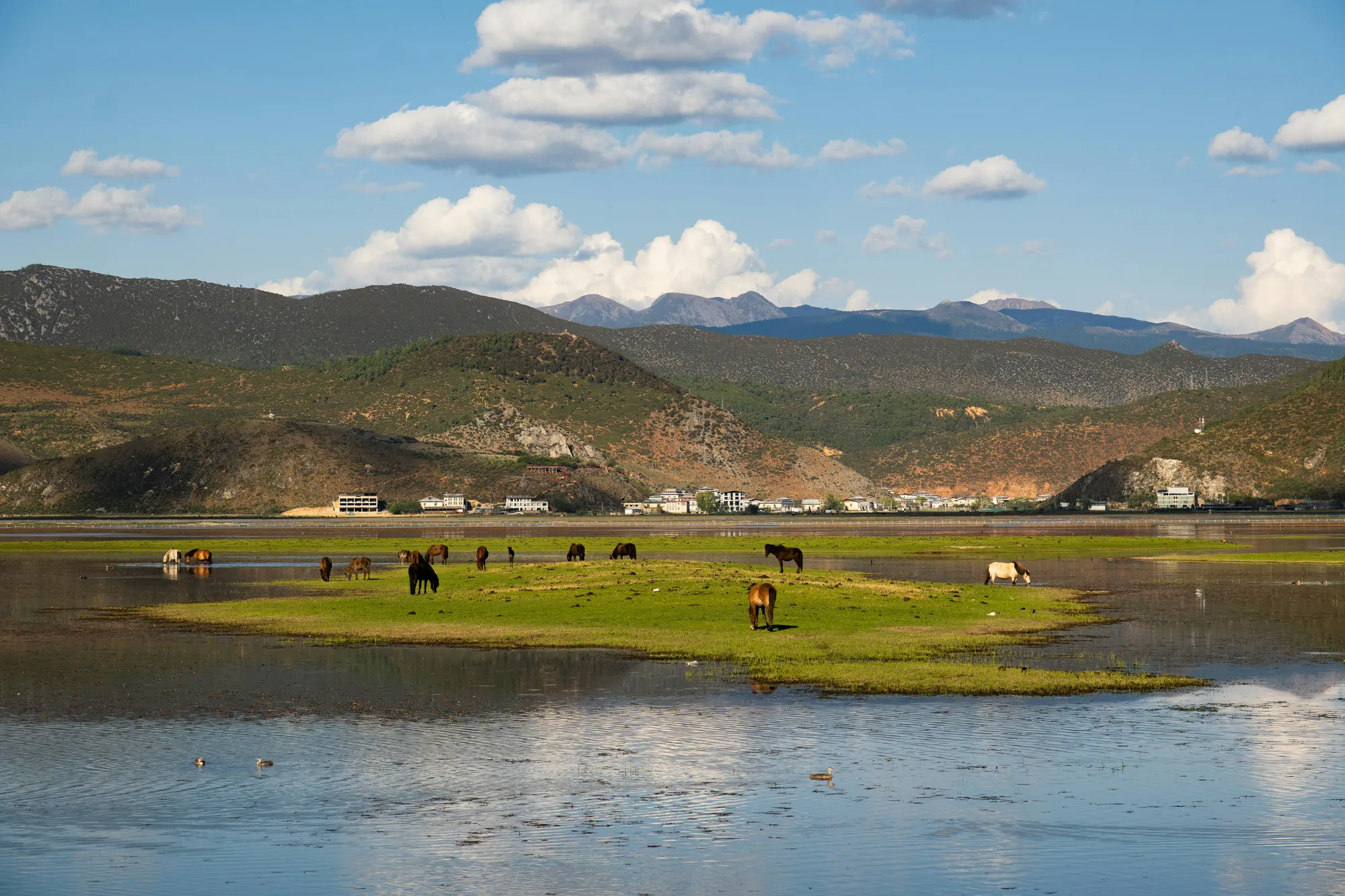
There are no famous attractions in Nongbu's village. Tourists don't come here. Families in the surrounding area make much of their living growing and harvesting medicinal herbs, as they have for years.
When Nongbu was young, that lack of opportunity was exactly why he wanted to leave. Now, it's part of why he wants travellers to come.
I keep noticing that the guests don't just look for famous sights. They want quiet. They want to learn.
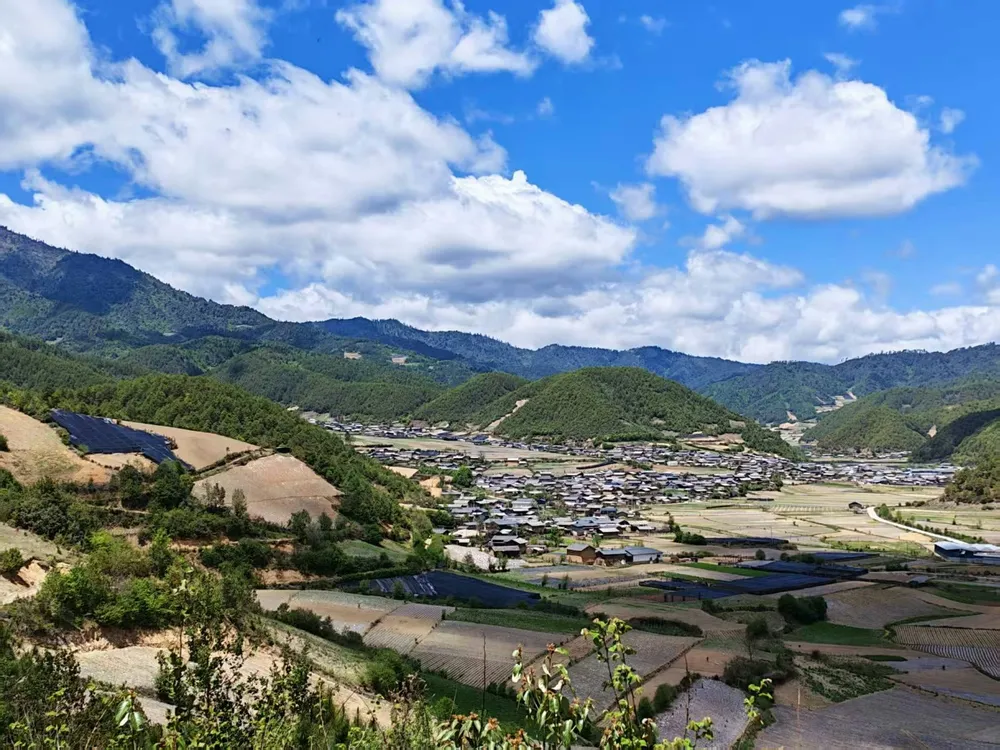
He's now building a small guesthouse at his farm, which he hopes will be ready within the next three years. He imagines keeping bicycles for guests to ride through the countryside and into the hills to pick mushrooms. During harvest season, they could help farmers pick corn or learn how medicinal plants are cultivated.
Eventually, he wants to create a small exhibition room filled with old furniture and farming tools, explaining what each was used for and how people in the village lived.
It's almost the opposite of the tourism Nongbu started his career in. There are no packed itineraries or famous sights to race between. The things he wants visitors to notice are the things he once barely thought of as remarkable at all: the plants, the fields, the knowledge and wisdom people carry.
It took leaving home — and 15 years of showing other people around Yunnan — for Nongbu to see how much was already there.
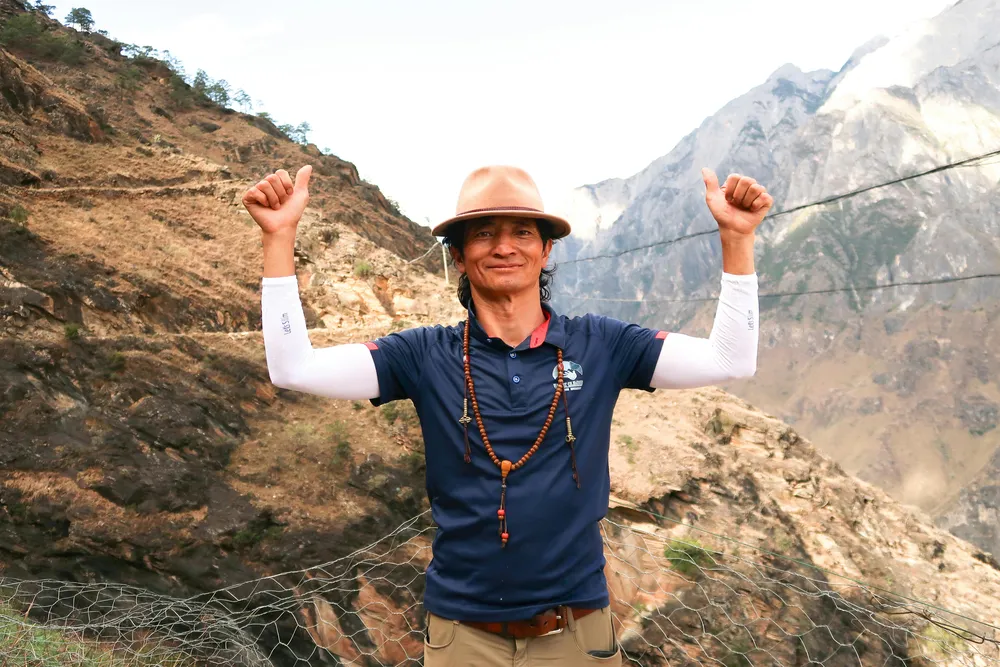
Explore Lijiang with Nongbu
Nongbu's guesthouse isn't ready yet, but you can already spend time with him exploring Lijiang from his lens.
On Seek Sophie, Nongbu leads a 2D1N Tiger Leaping Gorge High Trail trek, where the trail itself is well marked but his knowledge makes the landscape much more interesting. He also guides walks through Lijiang Old Town, unpacking the Tea Horse Road, Naxi culture and the history beneath one of Yunnan's most touristy places.
If you want to explore Lijiang's deeper side, definitely do it with Nongbu!