Ze stopte toeristen met het aanraken van olifanten, en verloor 75% van de boekingen
Maak kennis met de natuurbeschermers die hebben meegeholpen om ethisch olifantentoerisme in Thailand opnieuw vorm te geven.
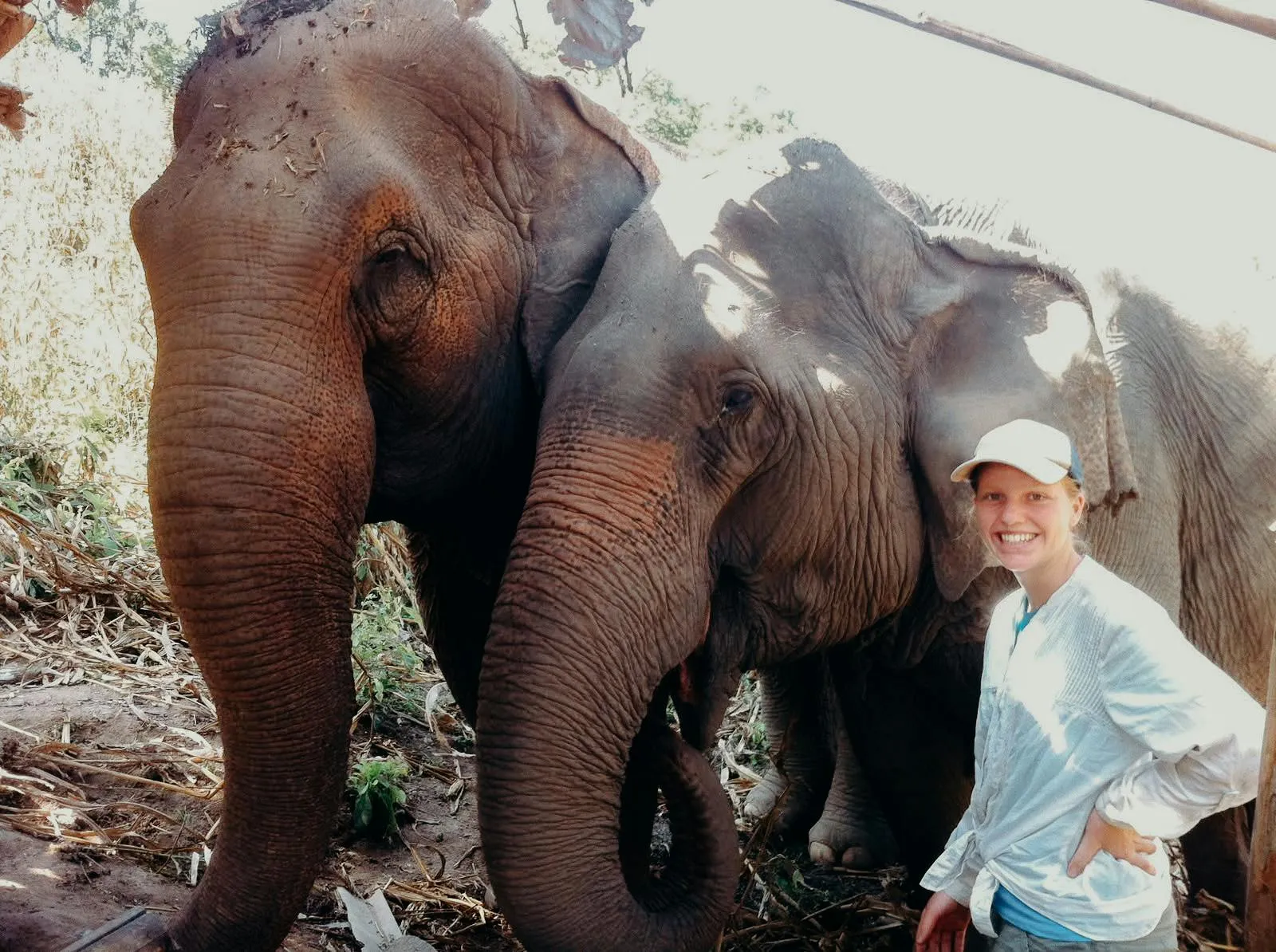
Seek Sophie host Emily came to Thailand at 15 because she wanted to help animals. Instead, she found elephant camps focused on entertaining tourists, not the elephants’ welfare.
She saw elephants swaying while tourists laughed, convinced they were dancing. Emily knew they weren’t. It was repetitive behaviour linked to stress.
She also saw gibbons being used as photo props and animal programmes that seemed designed around getting visitors close rather than giving the animals a better life.
Emily came away wanting something very simple: to give captive animals as much of their natural lives back as possible.
On that first trip to Thailand, she also met her future husband, Burm.
Burm and Emily had the same dream
Burm grew up around Mae Chaem in northern Thailand. His family didn’t own elephants, but his uncle had worked as a mahout with logging elephants, and stories of working elephants were part of the area he grew up in.
Burm later studied tourism and became a guide. He worked with elephant projects elsewhere in Thailand, including in Surin, but he kept thinking about home. “I really want to do it at home,” he remembers. “I want to set up something here for our people, for our community.”
Every time Emily returned to Thailand, she saw Burm again. At first they were friends. Over the next couple of years, they started talking seriously about the same idea: Burm wanted to build something useful for his community, and Emily wanted to give animals a life closer to nature.
At 17, Emily sat at her family dining table in Australia drawing logos for their future project. (Fun fact - decades later their elephant sanctuary still uses the logo she drew that day!).
And at 18, she got on a plane to Thailand and never moved back.
“What on earth have I done?”
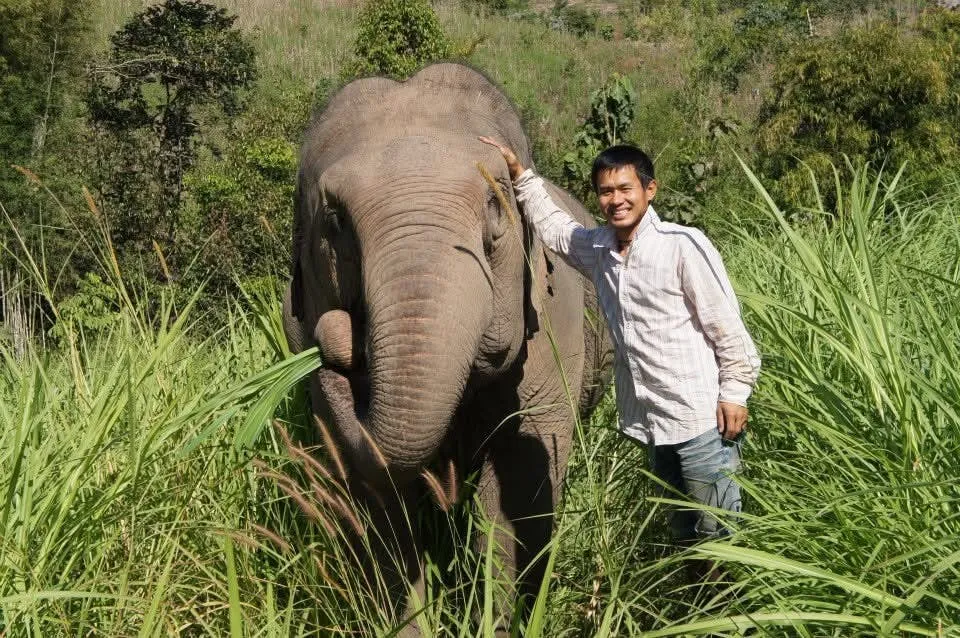
Moving to rural Thailand was rather different from dreaming about an elephant sanctuary from Australia.
Emily didn’t speak Thai. She barely knew anyone except Burm. There was little phone signal and no internet at home. If they really needed to send a message, they sometimes climbed a mountain until they found one bar of reception and waited for it to say sent.
For months, there wasn’t even an elephant.
Burm and Emily spent about six months preparing the land: planting elephant grass, building simple bamboo structures and getting the forest ready. Local elephant owners knew Burm, but they weren’t sure the young couple could actually care for an elephant.
Emily remembers sitting there thinking, “What on earth have I done? I’m 18 years old. I’m living in rural Thailand. I don’t speak the language. I don’t know anyone here.”
Then Mae Kam the elephant arrived.
She became their sanctuary's first retired elephant, and she is still there today.
Emily arrived furious at elephant owners
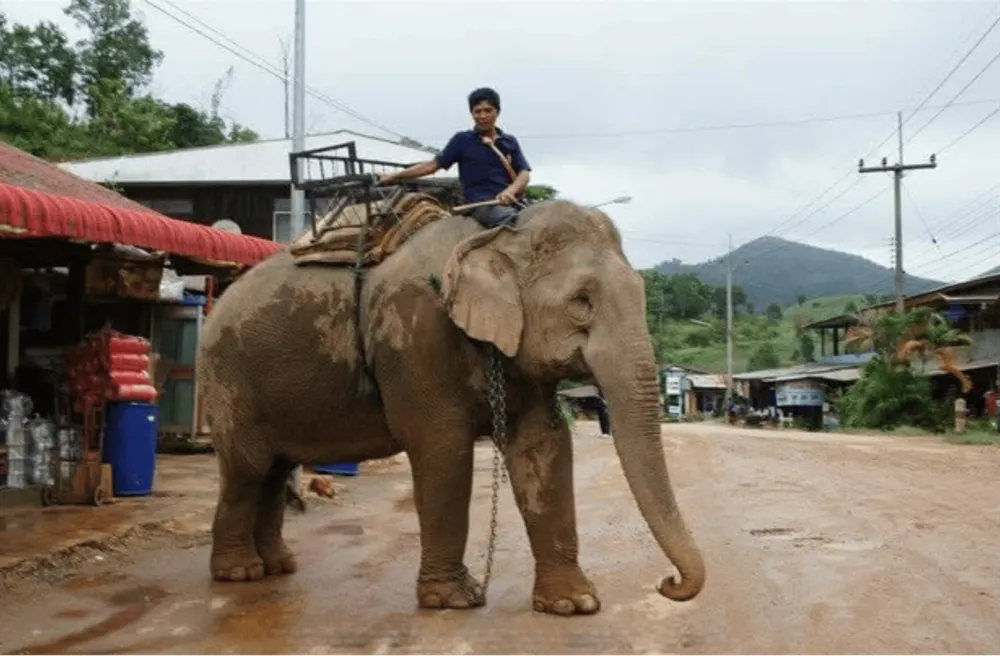
When Emily first saw how elephants were treated in tourism, she saw the issue in black and white.
“I was angry at every elephant owner,” she says. “They were all bad to me. They’re all terrible. They’re all horrible people. How could they keep their elephants like this?”
Living in Burm’s community changed her mind. She realised that elephant-owning families had lived and worked with elephants for generations. Logging disappeared, but the elephants still had to be fed and cared for. Tourism became one of the few ways families could afford to keep them.
Emily realised that two things could be true at the same time: the elephants could be working animals and still be deeply loved.
One elephant that made this impossible for Emily to ignore was Fluffy.
Fluffy had worked in logging, farming and tourism before she retired at BEES. Emily remembers her as looking almost like a woolly mammoth, with long reddish hair around her ears.
When Fluffy was dying, Burm called her former owner and held the phone beside her. She sniffed the phone as he spoke.
“It was very emotional,” Emily says. “It was as though he was saying, ‘It’s okay to go now. It’s okay.’” Her former owner had used Fluffy for work. But there was also clearly a strong bond between them.
“They used her for logging. They did. They probably used her for farming… they used her the last 20 years of her life carrying tourists around,” Emily says. “But that doesn’t mean they didn’t love her.”
If that family had had another way to earn enough to survive, Emily believes they probably would have taken it. That changed the way she thought about conservation.
She realised that helping elephants couldn’t mean condemning the people those elephants had depended on all their lives.
They stopped letting tourists touch elephants, and their bookings stopped
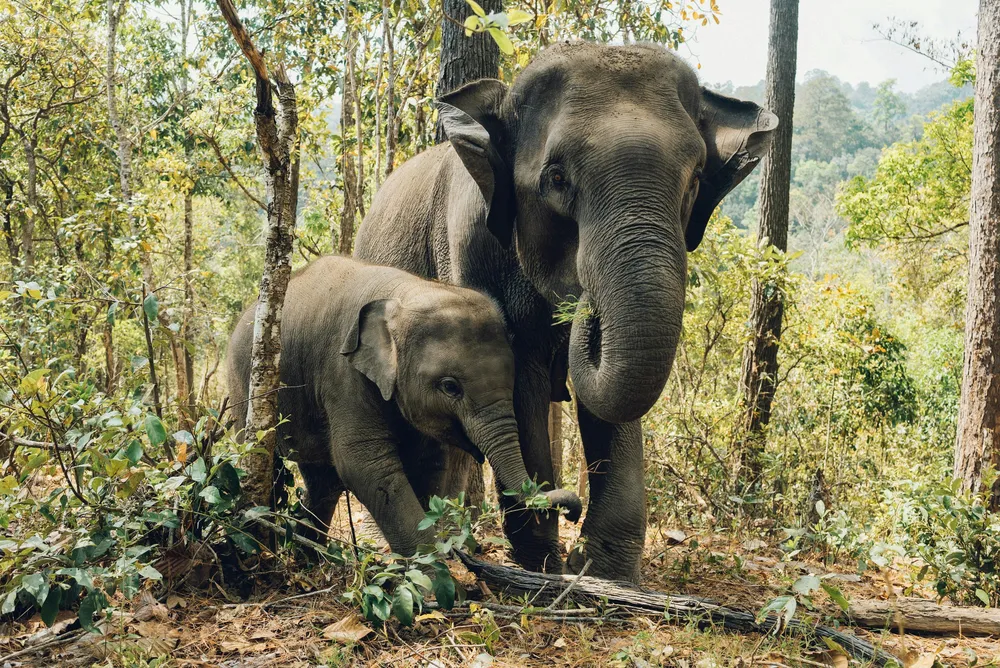
Their sanctuary wasn’t completely hands-off when it started.
Guests could sometimes feed the elephants after they returned from the forest. People could walk quite close to them. They might throw water over an elephant while it bathed and go home saying they had bathed an elephant in Thailand.
Emily never felt comfortable with it.
If the goal was to let elephants behave more naturally, why should they still have to accommodate human interaction?
Burm wasn’t immediately convinced. He had grown up around elephants and felt that limited interaction could be safe if the elephants were well cared for and used to people.
What eventually changed his mind was the risk to both the elephants and the people around them. Even a calm elephant can injure someone simply by turning, swinging its trunk or moving its body. And the more interaction tourists expected, the more control the elephants needed to be under.
So in 2018, Burm and Emily went fully hands-off: no touching, no feeding and no bathing. At the time, Emily says they were the only sanctuary they knew of in Thailand publicly taking that position.
But back then, that wasn’t what tourists wanted. They lost 75% of their bookings overnight. Burm said to Emily, "I think we've made a mistake."
But Emily held her ground. “We have to wait and see.”
Slowly, travellers started coming because they didn’t get to touch the elephants.
The sanctuary kept getting bigger in unexpected ways
Elephants were supposed to be the project.
But one day Emily found a badly infected kitten in the roof of Burm’s parents’ house. There was no vet nearby, no animal hospital and barely any internet to ask someone what to do. So they worked it out and healed the kitten themselves.
Then more sick and abandoned animals appeared. At one point, they had more than 20 cats and 20 dogs. Villagers began bringing animals to them for help and jokingly calling them the village vets, even though Emily is quick to point out that they aren’t vets at all.
They started bringing professional veterinary teams in for sterilisation programmes.
Once, Burm stopped at a paint shop and Emily spotted a puppy wandering in traffic. She went to rescue it, but a motorcyclist stopped her from stepping into the road and picked up the puppy for her.
When Burm came back, Emily was holding it.
“Where did you get it? Why do you have a puppy?” he asked.
The people at the shop said the puppy was feral and nobody wanted her. Emily couldn’t put her back on the road, so they took her home.
Burm still wants the sanctuary to help his village
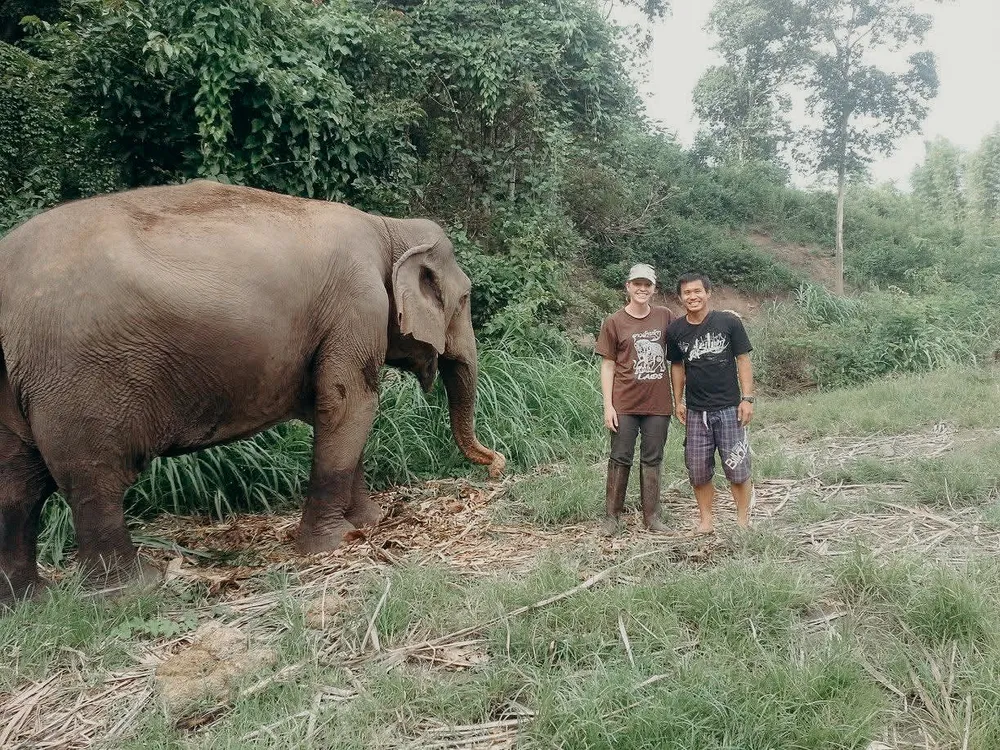
Burm's original dream was never only about elephants.
Their sanctuary creates work for local guides, caretakers, kitchen staff, housekeepers and construction workers. Elephants break things surprisingly often, so there is almost always something that needs fixing.
They also buy produce from nearby farmers, including fruit and vegetables that aren't pretty enough for shops. Elephants, Emily points out, don't care if a watermelon is wonky.
The sanctuary has contributed money to village repairs and helped the community build a shared hot spring where visitors can leave small donations that go back into local projects.
Burm also wants their sanctuary to create more opportunities for young people who might otherwise have very few options after school. Some local students want to work while continuing their studies; he hopes the sanctuary can eventually support more of them.
Even the forest around their sanctuary has changed. Emily says wildlife has begun returning to areas where the elephants roam, partly because people hunt less there.
It has become much closer to Burm's original dream: elephants at the centre, but an entire community around them.
They still don't think elephant tourism is simple
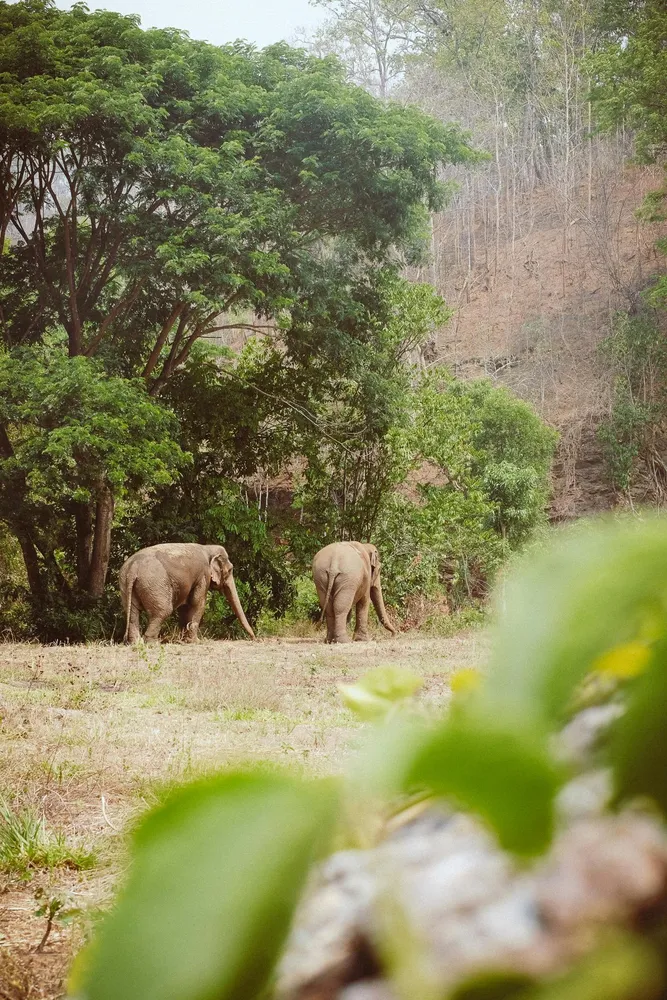
Emily is wary of anyone who claims there is one perfect model for every captive elephant.
Their sanctuary is hands-off, and that's what they believe is best for their elephants. But Emily doesn't automatically condemn every sanctuary that allows limited interaction, particularly small programmes where elephants have space, strong welfare standards and skilled long-term caretakers.
The reality, she says, is that these elephants already exist in captivity. “You don’t just take an elephant from an owner and just stick it in the forest.” They need experienced people who understand them.
Jasmine, one of their newest retired elephants, came with a mahout who had known her for around 20 years and was part of her former owner's extended family. He had helped persuade the family to let her retire.
Emily describes their relationship as extraordinary. He can redirect Jasmine by putting his hands up or positioning his body rather than using a weapon.
Removing him from Jasmine's life in the name of “rescue” would have made her transition harder, not kinder.
“The reality is these animals shouldn’t be in captivity, but they are,” Emily says. “So we need to do the best we can for each individual.”
See elephants living their best lives
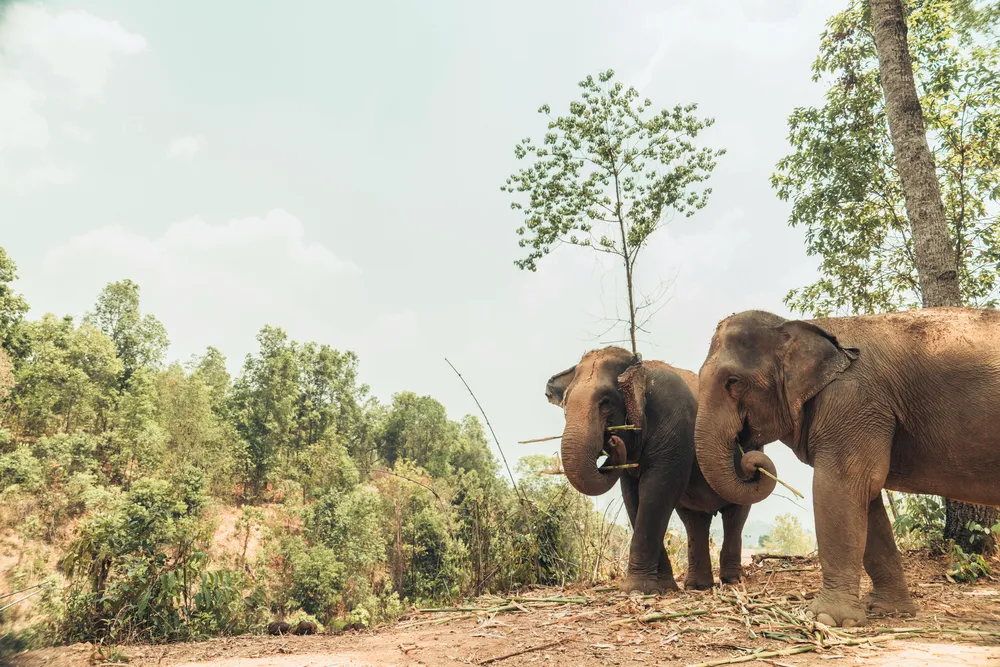
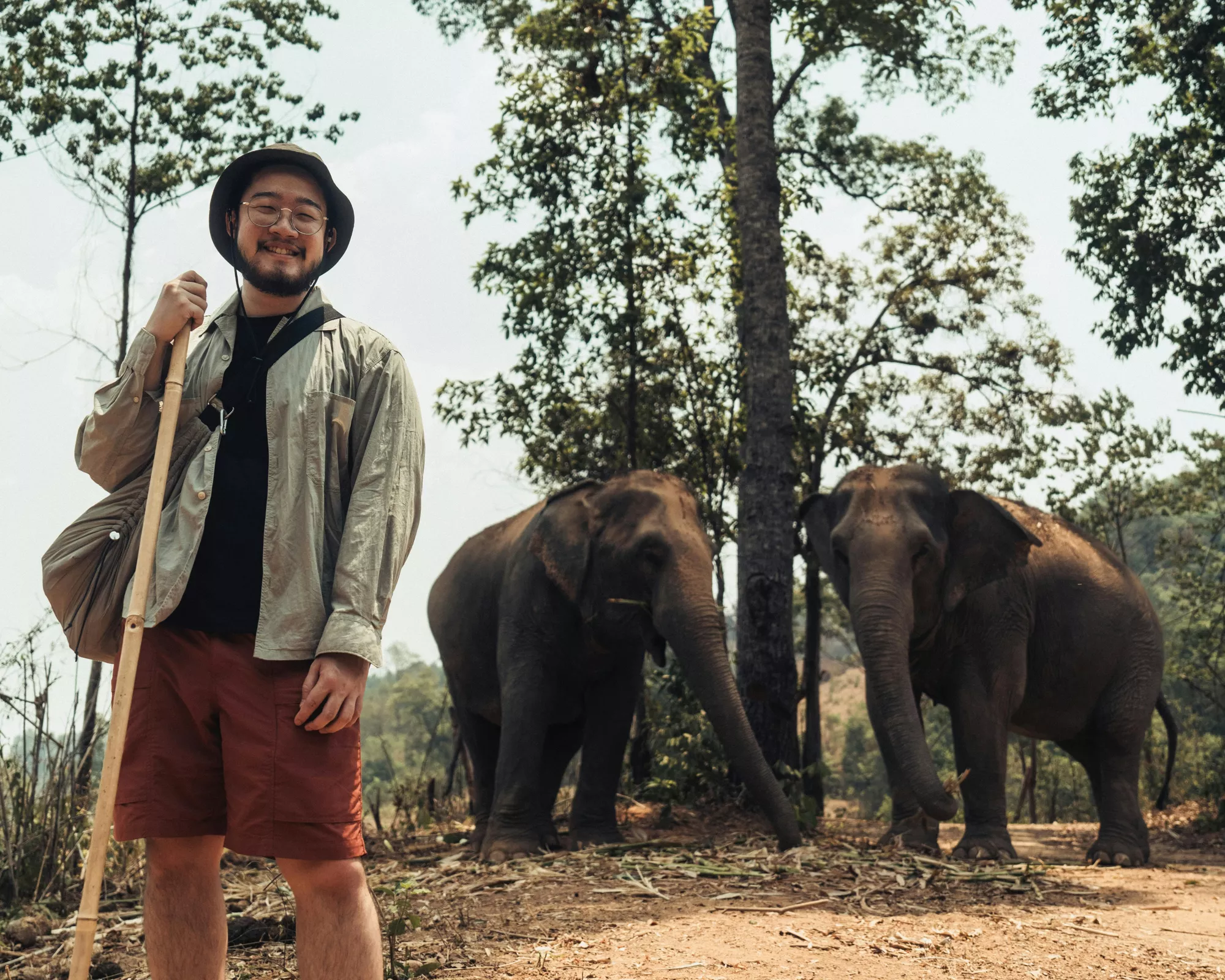
Today three retired elephants roam the forest at their sanctuary.
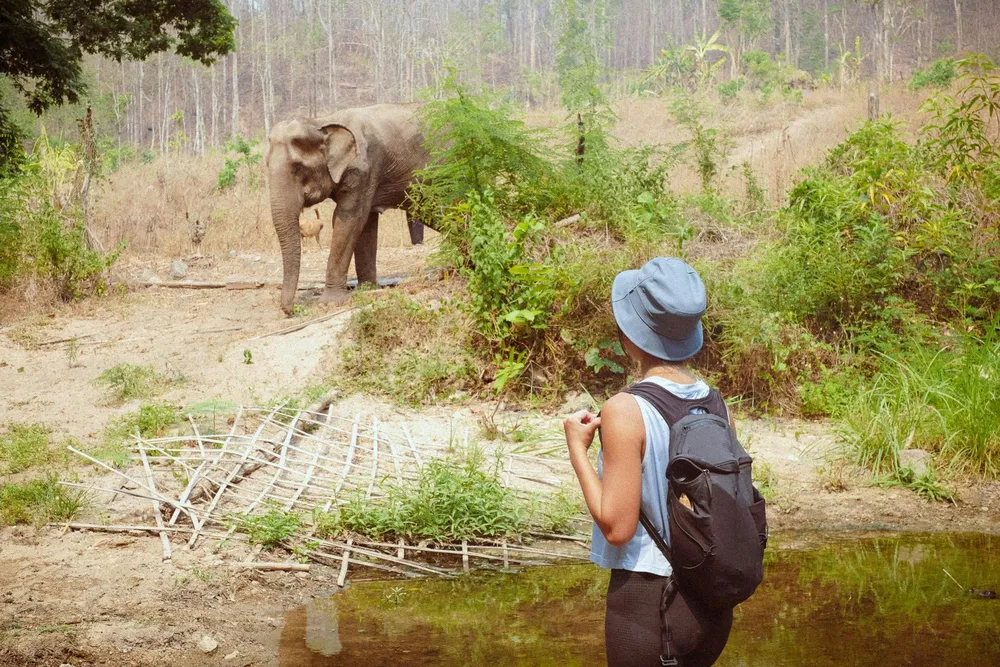
If you want an elephant experience in Thailand, this is exactly the kind we'd choose: no riding, bathing, feeding or selfies. You walk through the forest and watch what the elephants decide to do.
The Seek Sophie 2D1N BEES experience gives you time with the elephants without turning them into an attraction you have to touch. If you have longer, the 4D3N sanctuary and community stay goes much deeper into the place Burm and Emily have built around them.
You aren't only supporting three retired elephants. Your stay also supports their caretakers, local staff, nearby farmers, animal rescue work and a rural community Burm came home to help.
Emily arrived in Thailand wanting to save elephants. What she and Burm built is more complicated (and much more interesting) than that.


Veelgestelde vragen over Ethical Elephant Experiences in Chiang Mai
Why can’t I bathe elephants?
Bathing with elephants may look fun on IG, but it’s usually really stressful for elephants. Elephants are wild animals and normally bathe when they want, with their herd. In tourist camps, they may be made to bathe many times a day for different groups of visitors. This is really stressful for them, and it also disrupts their natural grooming behaviours.
Also, elephants are ultimately wild animals. For people to get this close safely, elephants need to be tightly controlled, which often means harsh training behind the scenes. So the “friendly” elephants you see in bathing photos have been abused to tolerate constant human interaction.
Ethical sanctuaries avoid this and simply let elephants bathe naturally when they choose.
How do I know you're not just pretending to be ethical?
Good question, and you shouldn’t just take our word for it either. When wildlife are involved, it’s always worth asking how experiences are checked and verified. In our case, we speak with conservationists on the ground, read deeply into reviews and visit the sanctuaries ourselves. We only list places with strict no touching, no bathing and no direct interaction. And if anything we list ever doesn’t feel right to you, please talk to us about it - ethical wildlife tourism is complicated and we’re always open to learn more!
If I can’t touch or feed the elephants… what do we actually do?
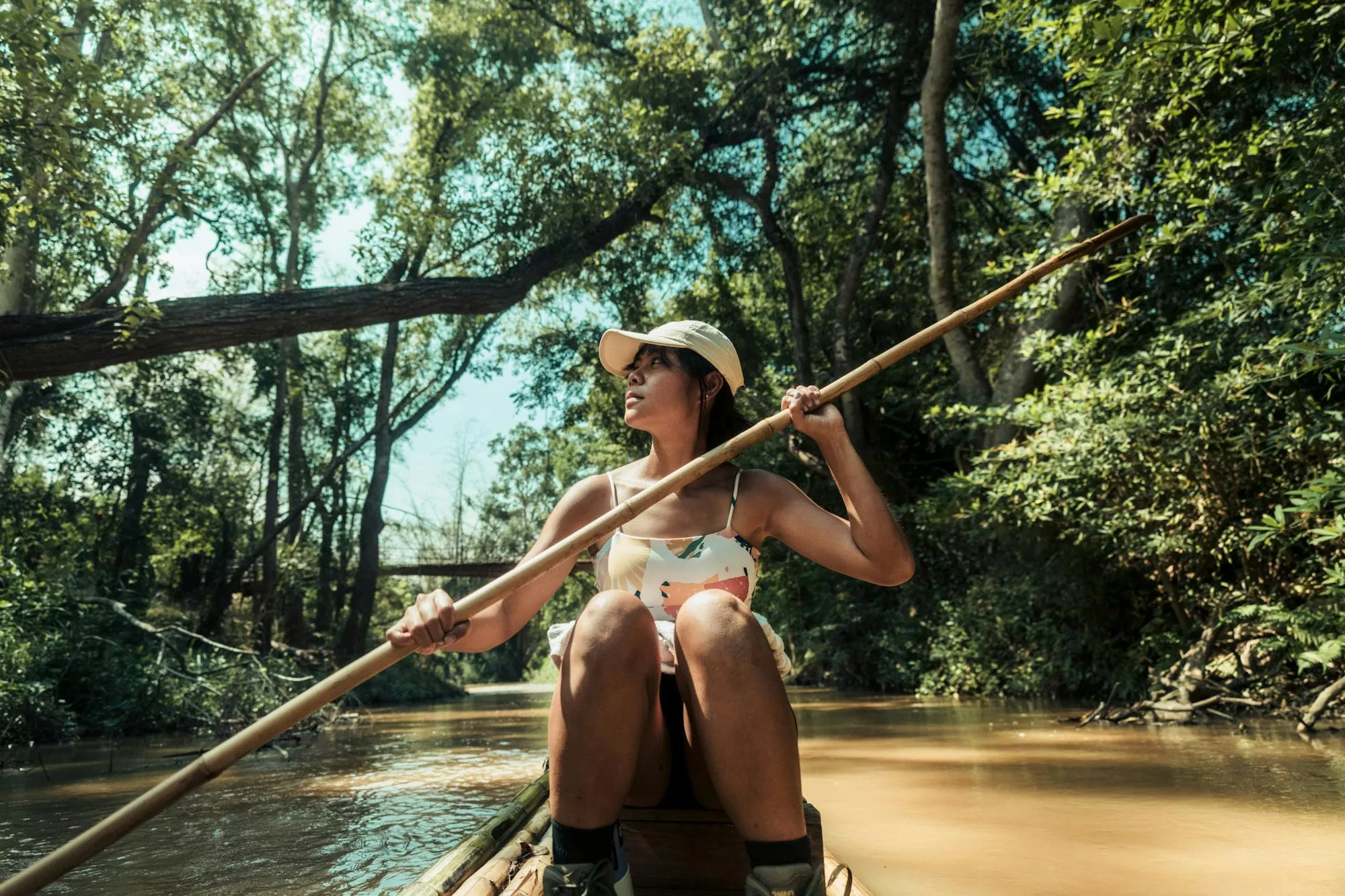
You’ll walk through the forest to where the elephants roam and watch them just be elephants - grazing, splashing in mud! The guides will tell you cute stories about their personalities, like little dramas between them and their favourite snacks. At some sanctuaries you might even help prepare their food (sometimes given through a feeding tube, not by hand).
We promise it's way more fun this way - because you get to see elephants really be themselves, instead of performing for tourists.