Yunnan: Ultimate Guide + How to Avoid The Crowds [2026]
Everything you need to know on how to travel in Yunnan
![Yunnan: Ultimate Guide + How to Avoid The Crowds [2026]](https://d18sx48tl6nre5.cloudfront.net/webp_xl_805d5d8979ad9a012b48fe743b492633.webp)
When people think about travelling in China, they often picture big domestic tour groups, crowded viewpoints, shopping stops, or natural wonders with elevators built into cliffs. Or they picture crowded cities like Beijing, Shanghai or Guangzhou - high-tech cities, robot food deliveries and endless shopping streets.
But there is another side of China that is quieter, slower and much more personal. Here’s everything to know if you’re travelling to Yunnan and are looking to go deeper beyond the tourist attractions.
The basics
Is Yunnan worth visiting?
Absolutely — especially if you're looking for a different side of China. Tucked away in China's southwest, Yunnan has snow-capped mountains, ancient towns, tea forests and some of the richest biodiversity in Asia.
But what makes Yunnan special isn't just the scenery. Over the past few years, it's quietly become a place where people from across China come to slow down. Young creatives have swapped big-city life for mountain villages, old homes have been turned into beautifully restored guesthouses, and traditional crafts are being picked up by a new generation.
Locals call it the Yunnan way of life.
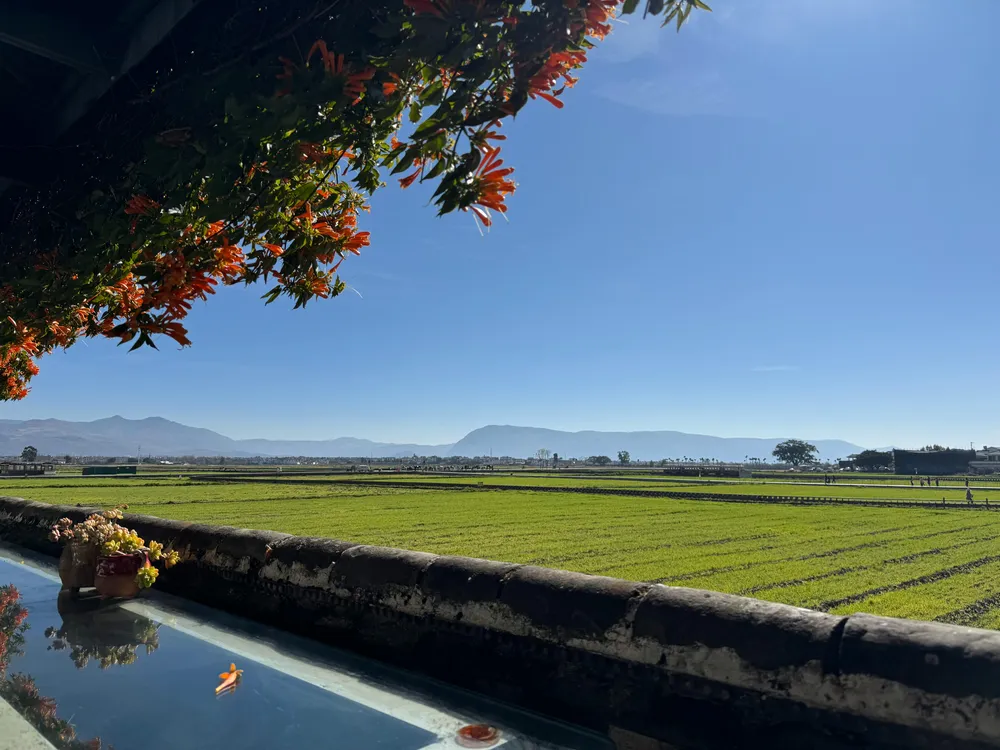
Best Way to Explore Yunnan
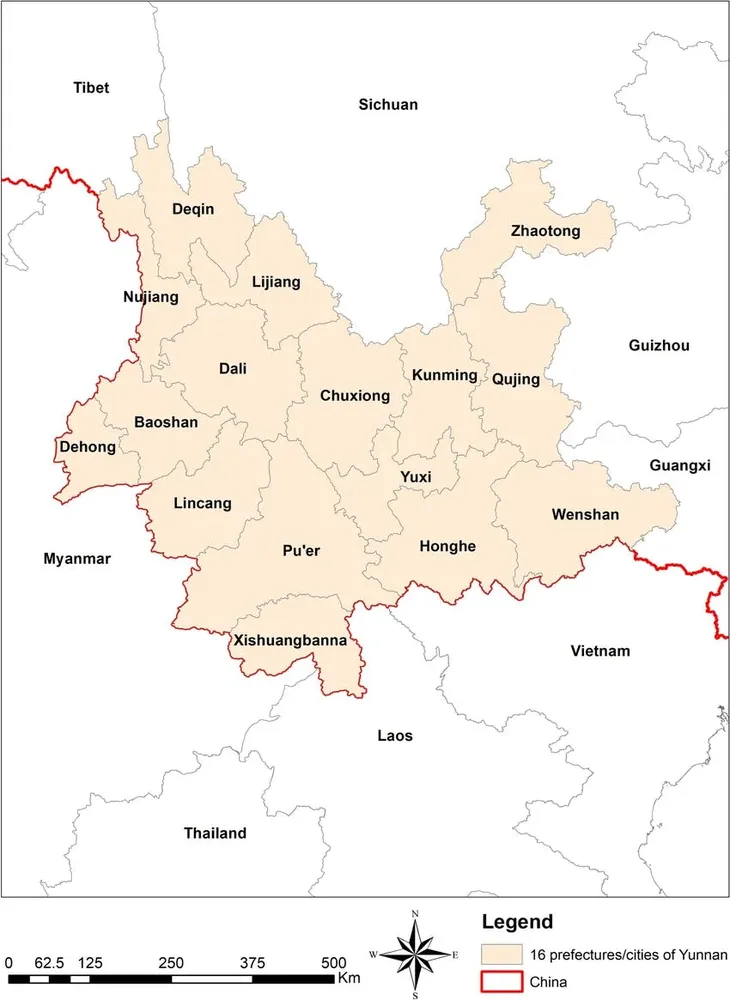
The way most travellers experience Yunnan is by following the classic route up north: Kunming → Dali → Lijiang → Shangri-La, which follows the route of the ancient Tea Horse Road.
Each stop has its own character, from Dali’s creative, laid-back spirit to Lijiang’s Naxi culture and mountain adventures, before the landscape gets wilder and more Tibetan as you reach Shangri-La.
Head further south and Yunnan changes completely — think ancient tea forests around Pu’er and tropical landscapes in Xishuangbanna.
Check out our Yunnan Map: Area-by-Area guide which breaks down the different regions, what each is known for, and how to fit them into your trip.
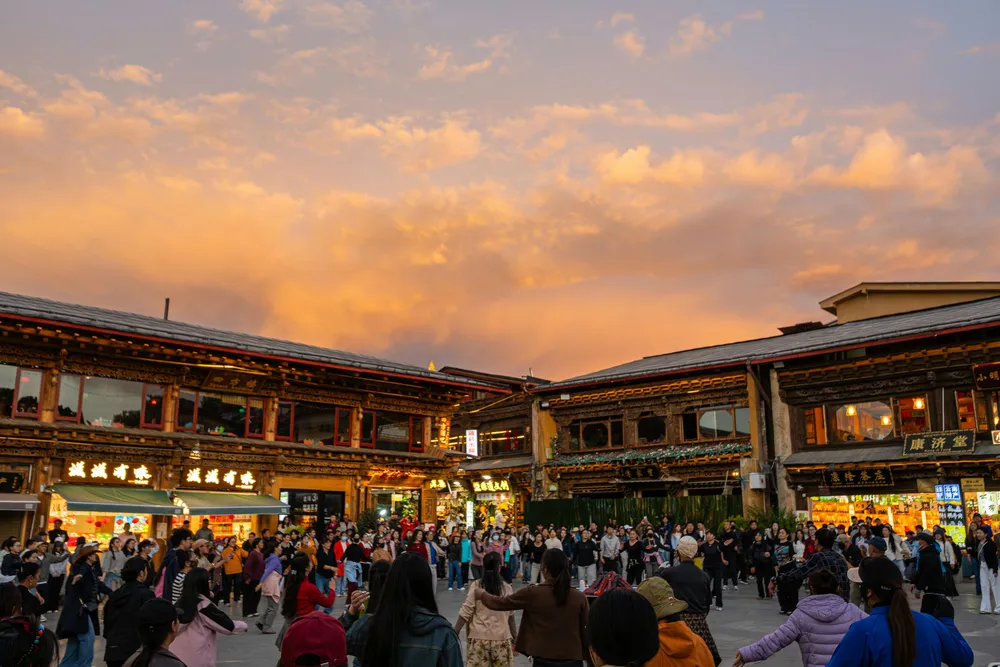
Getting There
Yunnan is located in southwestern China, just south of Sichuan, bordering Myanmar, Laos and Vietnam.
Most international travellers fly into Changshui International Airport in Kunming, the gateway to Yunnan.
From there, the high-speed rail network makes it easy to continue to Dali, Lijiang and Shangri-La.

Getting around in Yunnan
Much of the classic route of Kunming → Dali → Lijiang → Shangri-La can be done by China's modern high-speed trains that are clean, comfortable and very punctual. It takes roughly two hours between each stop.
Shangri-La is where the train ends. Beyond that, the landscapes become even more dramatic and the roads winding, so we'd recommend getting a local driver if you're heading deeper into the Tibetan region.
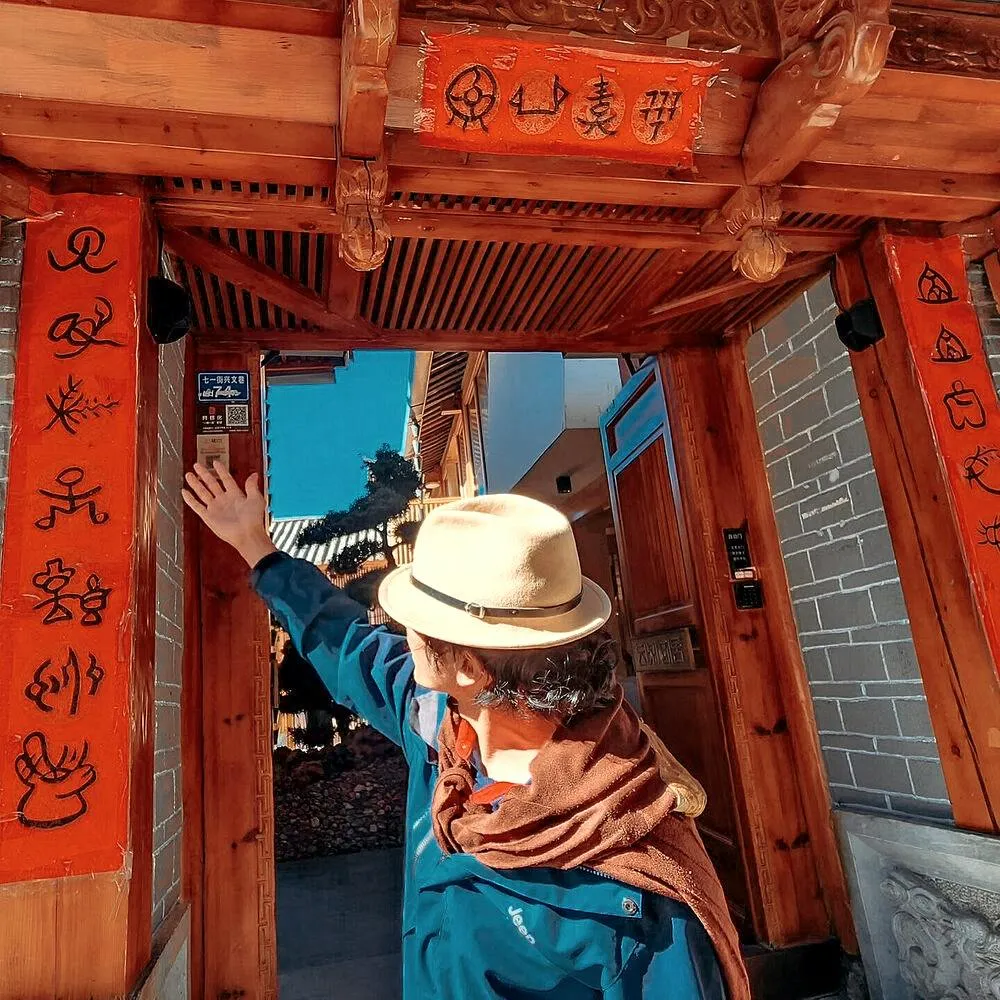
Best Time To Go
Our favourite seasons are spring (April–May) and autumn (September–October). That's when you'll usually get clear skies, comfortable temperatures and some of Yunnan's most beautiful landscapes.
Summer (June to August) is the rainy season and coincides with China's school holidays, so it will be very crowded.
Definitely avoid travelling during Chinese New Year, May Day and Golden Week (1–7 October). These are China's biggest holiday periods, when millions of domestic travellers are on the move.

How many days do I need?
If you have a week, we'd recommend: Dali – 1 night, Lijiang – 3 nights, Shangri-La – 2 nights
If you have 10 days, we recommend spending longer in Shangri-La to really soak in the nature.
If you have 2 weeks, add Shaxi between Dali and Lijiang, then do an epic Shangri-La road trip.
We definitely recommend staying for 10 days or more because Yunnan is huge - about the same size as Germany! There’s so much to explore.
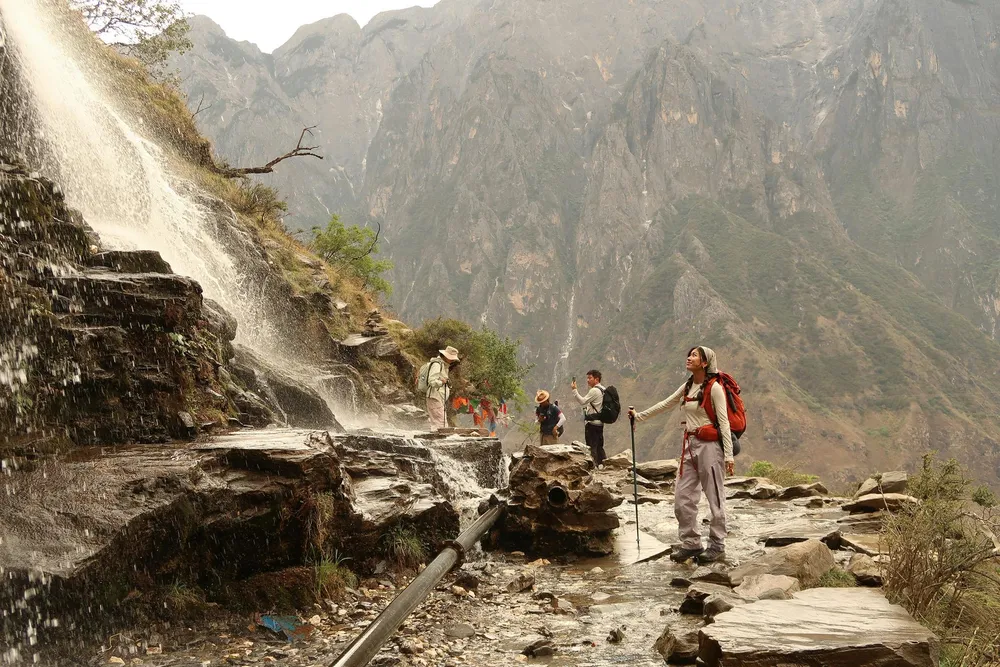
Altitude Sickness
The altitude climbs as you go: Kunming and Dali at 1,900m-2000m, Lijiang at 2,400m, Shangri-La at 3,300m.
When we visited, we flew into Kunming and immediately took the train to Lijiang. The air definitely felt thinner when we stepped off the train, so we spent the day acclimatising, before doing more physical activites.
Everyone’s body reacts differently - but our general advice is don't rush. Go slow on day one and stay hydrated. You'll see oxygen canisters being sold everywhere, but they're not a substitute for proper acclimatisation.
Check out our FAQs below for everything you need to know about how to deal with the altitude.
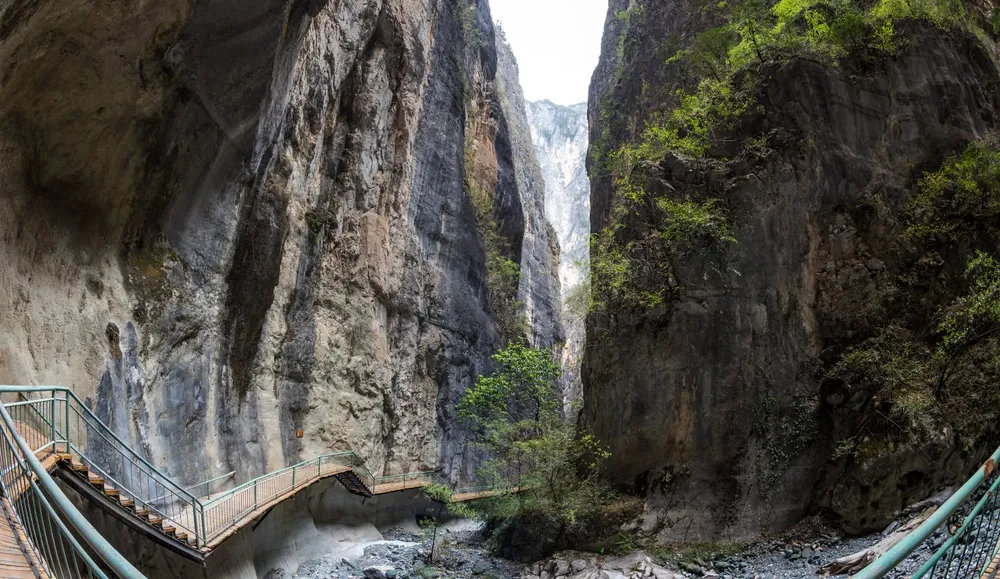
Dali, Lijiang, Shangri-La
What makes Dali special?
Known by many young Chinese as "Dalifornia", Dali has become the place people go to slow down.
Leaving behind the city life, artists, coffee roasters, potters, designers and entrepreneurs are building a different way of life. It’s China’s creative capital - young people returning to craftsmanship, community and a slower way of living.
You can throw pottery in a 600-year-old village where ceramics are still fired in ancient dragon kilns, cycle or walk along the gorgeous Erhai Lake and spend the night in a 1900s beautifully restored Bai home in the old town.
Check out our Dali Essential Guide for the best things to do.

What makes Lijiang special?
If Dali is Yunnan's creative soul, Lijiang is its gateway to the mountains.
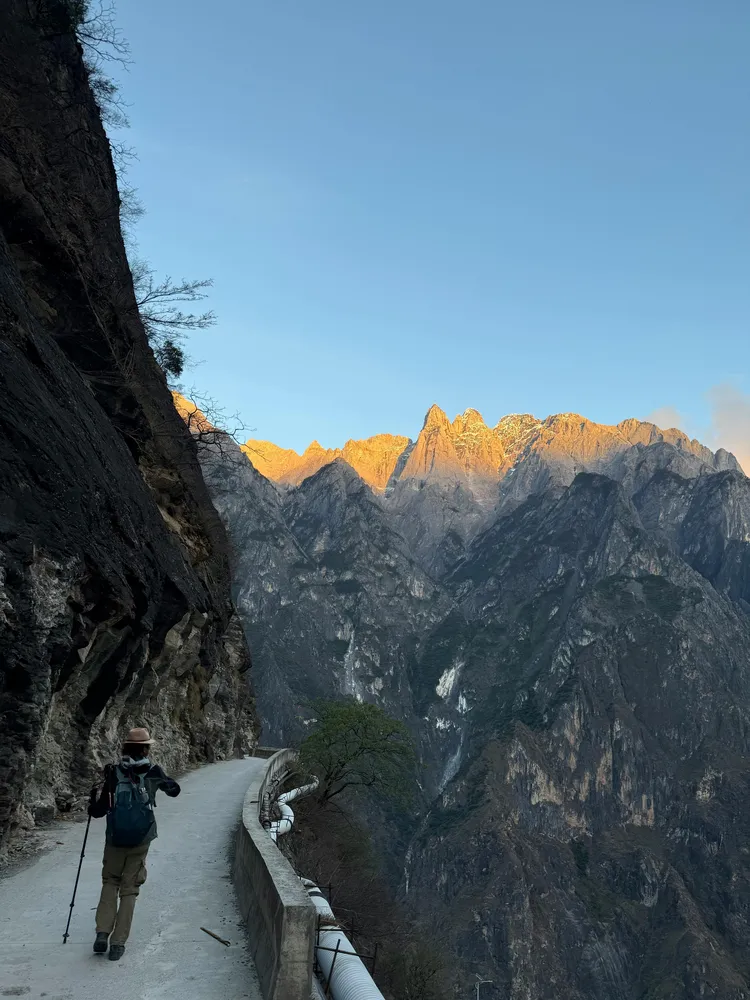
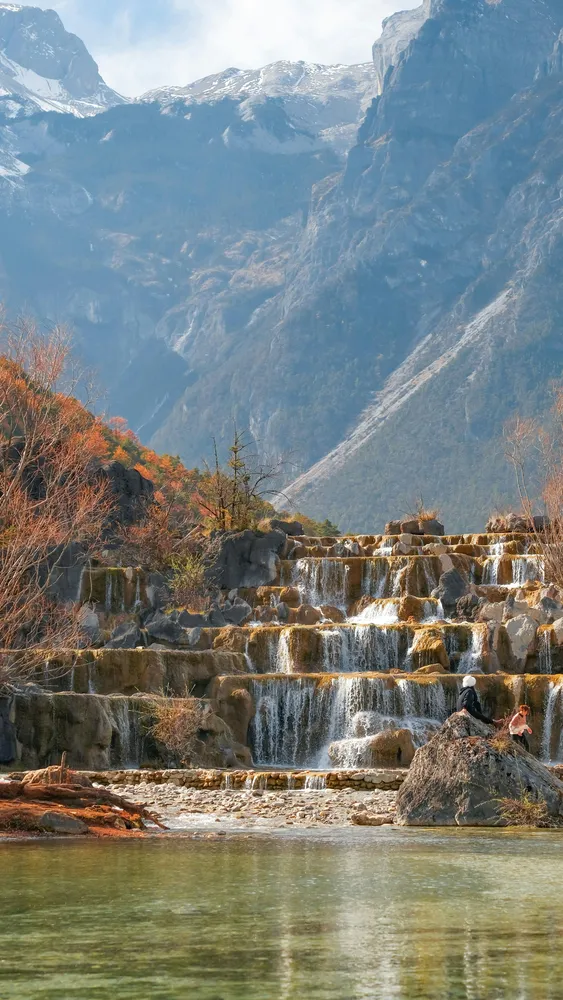
Sitting beneath Jade Dragon Snow Mountain, Lijiang is the place to dig into Naxi culture, eat your way through local markets, geek out over Yunnan coffee, and get out into some seriously epic mountain landscapes. It's also the gateway to Tiger Leaping Gorge, one of China's best hikes.
Here, you can explore Lijiang's old town with a local guide, get a taste of Yunnan's specialty coffee scene, stay with a local Naxi family, hike the lesser-known Tiger Leaping Gorge high trail or even hike to the first peak of Jade Dragon Snow Mountain.
Check out our Lijiang Essential Guide for the best things to do.
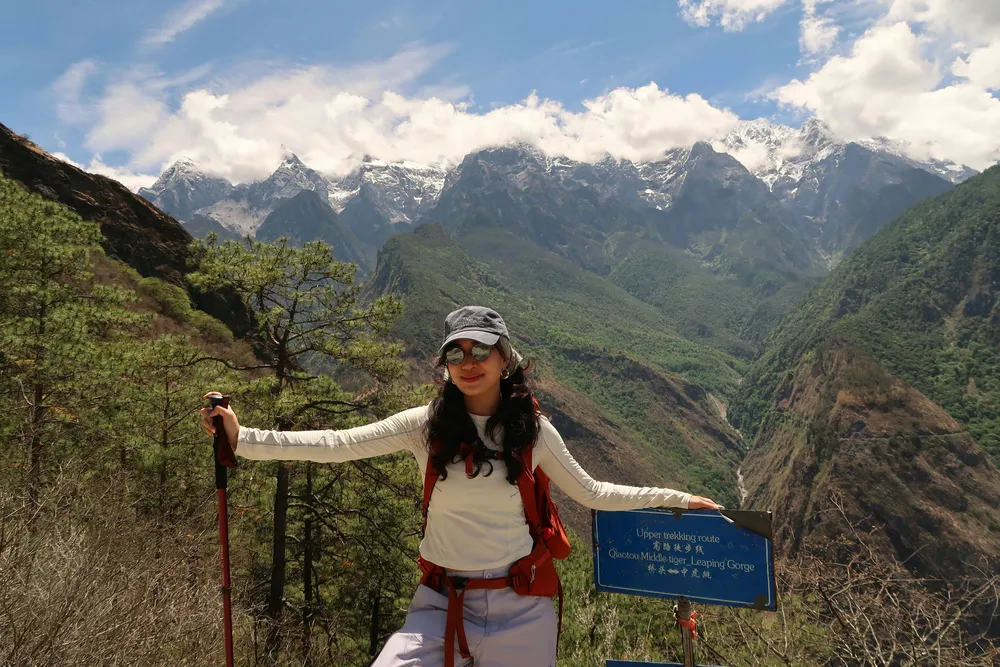
What makes Shangri-La special?
Shangri-La feels like a different country. At 3,300m, you're entering the Tibetan world: sweeping grasslands, sacred snow mountains, huge monasteries and lots of yaks.
Many travellers rush through in a day or stay just one night, but we think Shangri-La deserves a little more time. It's our favourite stop in Yunnan — the landscapes are spectacular, and the further you go, the more remote and wild it gets.
Here, you can visit one of Yunnan's largest Tibetan monasteries, meet a Lama (Tibetan Buddhist teacher), trek through remote valleys via horse caravan or take an epic road trip deep into the mountains.
Check out our Shangri-La Essential Guide for the best things to do.

Planning Your Itinerary
7 days in Yunnan
If you’re short on time, here’s how you can still hit the highlights of Yunnan:
Day 1: Arrive in Kunming, train to Dali, overnight at a beautifully restored Bai heritage house
Day 2: Train to Lijiang, explore Lijiang old town with a local guide + Lijiang Food Hunt with Local Stories
Day 3: Tiger Leaping Gorge trek
Day 4: Tiger Leaping Gorge trek
Day 5: Train to Shangri-La, explore old town and monasteries to acclimatise
Day 6: Tibetan Valley Day Trek | Picnic Lunch & 3-Course Dinner
Day 7: Train back to Kunming, fly out

10 days in Yunnan
This is the sweet spot - 10 days is just enough time to slow down and really get to know each place without rushing.
Day 1: Arrive in Kunming, train to Dali, overnight at a beautifully restored Bai heritage house
Day 2: Explore more of Dali
Day 3: Train to Lijiang
Day 4: Coffee omakase + explore Lijiang old town with a local guide
Day 5: Tiger Leaping Gorge trek
Day 6: Tiger Leaping Gorge trek
Day 7: Train to Shangri-La, explore old town and monasteries to acclimatise
Day 8 - 10: 3D2N Nomadic Caravan Glamping Adventure. Train back to Kunming, fly out

14 days in Yunnan
If you can, we definitely recommend a 2 week trip. Yunnan is a beautiful place and this will allow you to immerse in the slow way of life, going to quieter villages like Shaxi and also an epic Shangri-La loop that’s one of the highlights.
Day 1: Arrive in Kunming, train to Dali, 2D1N at a beautifully restored Bai heritage house
Day 2: 2D1N at a beautifully restored Bai heritage house + explore more of Dali
Day 3-4: Travel to Shaxi for 2D1N Shaxi Eco Retreat + train to Lijiang
Day 5: Coffee omakase + explore Lijiang old town with a local guide
Day 6: Tiger Leaping Gorge trek
Day 7: Tiger Leaping Gorge trek
Day 8-13: Train to Shangrila, 6 Day Shangri-La road trip.
Day 14: Train back to Kunming, fly out
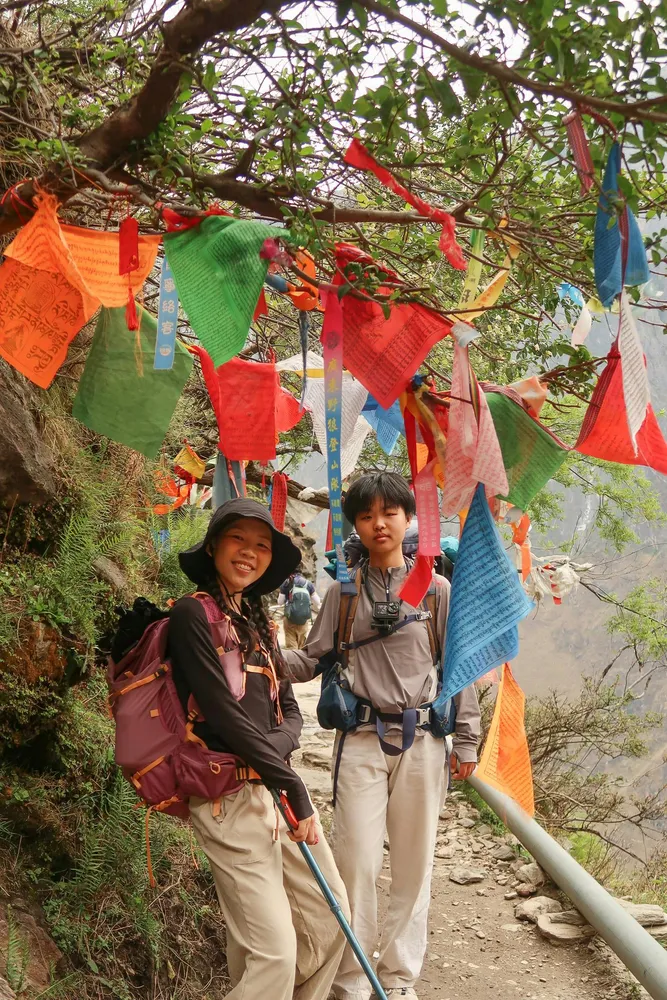
Bonus: Xishuangbanna
What makes Xishuangbanna special?
Xishuangbanna is Yunnan's tropical south which borders Laos and Myanmar — and its completely different from Dali, Lijiang or Shangri-La.
Instead of snow mountains, you'll find rainforest, tea plantations, wild elephants and strong Southeast Asian influences from the Dai people.
If you're a big tea lover, or if you've already visited northern Yunnan and want to see another side of the province, Xishuangbanna should be on your list!

FAQ
Do I need a visa for China?
It depends on your passport — but China has made visiting much easier in recent years.
Travellers from many European and APAC countries can currently enter China visa-free for up to 30 days for tourism. The UK, Canada, Australia, New Zealand, Japan, South Korea and Singapore are also among the countries covered.
These visa-free arrangements are currently scheduled to run until 31 December 2026, so if you're travelling after that, check the latest rules before you go.
US passport holders currently still need to apply for a visa.

Is Kunming worth more than a stopover?
Usually, no. Kunming is the capital city of Yunnan and Chinese people across Yunnan move here for corporate, government jobs and higher education.
But compared to Dali, Lijiang and Shangri-La, it usually isn't the reason people come to Yunnan. One of the coolest thing we learnt from our Seek Sophie guide is that Kunming is home to Asia’s biggest flower wholesale market.

Can I visit Dali, Lijiang and Shangri-La in one trip?
Yes and you should! That's the classic Yunnan route. With 7 days it will feel fairly fast; with 10 days is great, but 14 days (our preference) and lets you slow down and go deeper into the mountains and actually settle into each place.
After all, people come to Yunnan for its slower pace of life — so why rush through it?
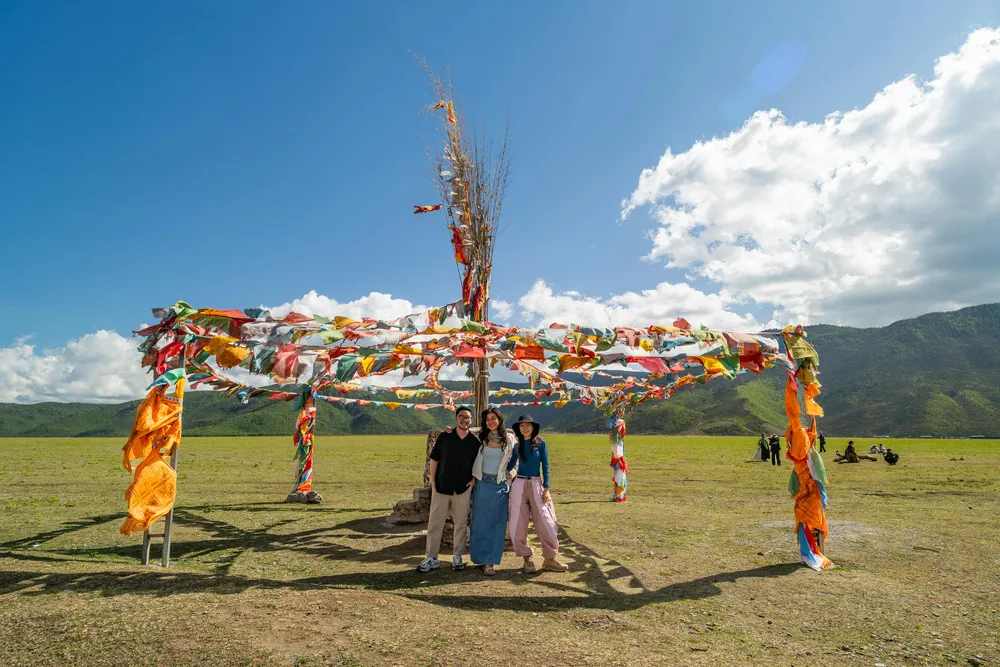
How do the trains work?
The easiest way to book is through Trip.com, which accepts international credit cards and lets you book using your passport, which you'll also need to board.
Trains are comfortable and incredibly punctual. Remember to arrive at least 45 minutes before your departure time to get through security.

How early do I need to book train tickets?
For most travellers, we'd recommend booking your train tickets as soon as they go on sale, which is 15 days before departure on Trip.com. You can also pre-book your tickets and they'll automatically try to secure them once sales open.
Just remember to check that your booking actually went through. Train tickets can sell out quickly and you may be placed on a waitlist instead.

How do I get around within the city?
You can get around by using DiDi — China's equivalent of Grab/Uber. You can access DiDi via Alipay app, which works well with international accounts.
It's inexpensive, reliable and available in cities like Kunming, Dali, Lijiang and Shangri-La town. Beyond Shangri-La town however — you'll usually need to hire a local driver.

How do I prevent altitude sickness?
For most people, Dali and even Lijiang are manageable, but Shangri-La is where you may start to notice the altitude. At around 3,300m, your body needs a little more time to adjust.
Common symptoms include headache, dizziness, tiredness, nausea and trouble sleeping.
The best thing you can do is take it slow:
- Give yourself a day or two to acclimatise before doing anything strenuous, especially after arriving in Lijiang. Walk slower and drink more water.
- Once you reach Shangri-La, spend at least a day in Shangri-La town before heading further north into the mountains, where you’ll climb even higher.
- Listen to your body. If you're feeling unwell, don't push through it or continue ascending until you've recovered.
Do the oxygen canisters work?
You'll see portable oxygen canisters sold almost everywhere in Lijiang and Shangri-La, and many visitors carry them just in case.
We spoke to our guides in Shangri-La and yes — they can provide temporary relief if you're feeling short of breath. But, they don't prevent or treat altitude sickness.
It’s best to ascend gradually, stay hydrated and listen to your body. If you develop severe symptoms such as a persistent headache that doesn't improve, vomiting, confusion or difficulty breathing — seek medical attention immediately.

What is the weather like?
Yunnan's weather varies a lot depending on where you go and how high you are. The north is mountainous and cold, while the tropical south can stay warm year-round.
- Kunming & Dali: Mild year-round — roughly 15–25°C in the daytime, with cooler nights.
- Lijiang: A little cooler — around 15–25°C in summer and 10–15°C in winter during the day.
- Shangri-La: Properly cold, especially in winter. Expect around -8 to 6°C in January and 8 to 19°C in summer.
- Xishuangbanna: Tropical and warm around 23–33°C through much of the year, with hot, humid summers.
Does Google Maps work?
Not reliably. Google Maps has limited functionality in China. We'd recommend downloading Apple Maps (if you're on iPhone) or Amap, which has the most accurate navigation.
What about payment apps?
China is essentially cashless — set up Alipay and WeChat Pay with your international credit card before you go.
Paying is simple: just scan the merchant's QR code (or let them scan yours). Even fruit stalls on remote hiking trails take Alipay.
RedNote (Xiaohongshu) is where many Chinese travellers share recommendations, trending cafés and hidden spots. Just take the viral photo spots with a pinch of salt — if everyone on RedNote is recommending the same viewpoint, its probably going to be crowded!

Do I need a VPN?
Yes. Google, Instagram, WhatsApp and most Western apps don't work in China without one. The easiest option is to get an eSIM with VPN, which you can get on Trip.com.

Do I need to speak Chinese?
It helps, but it’s not necessary.
Locals still primarily speak Chinese and don’t know much English. A translator app will get you surprisingly far for food, trains and logistics. For anything deeper, an English-speaking local guide makes a huge difference.

What food is Yunnan known for?
Thanks to its incredible biodiversity and the many ethnic communities that call Yunnan home, the food changes dramatically as you travel from Dali to Shangri-La.
A few things we'd make a point of trying:
Mixian — Yunnan's iconic rice noodles, served in countless regional variations.
Baba — a flaky flatbread that's perfect for breakfast or a snack.
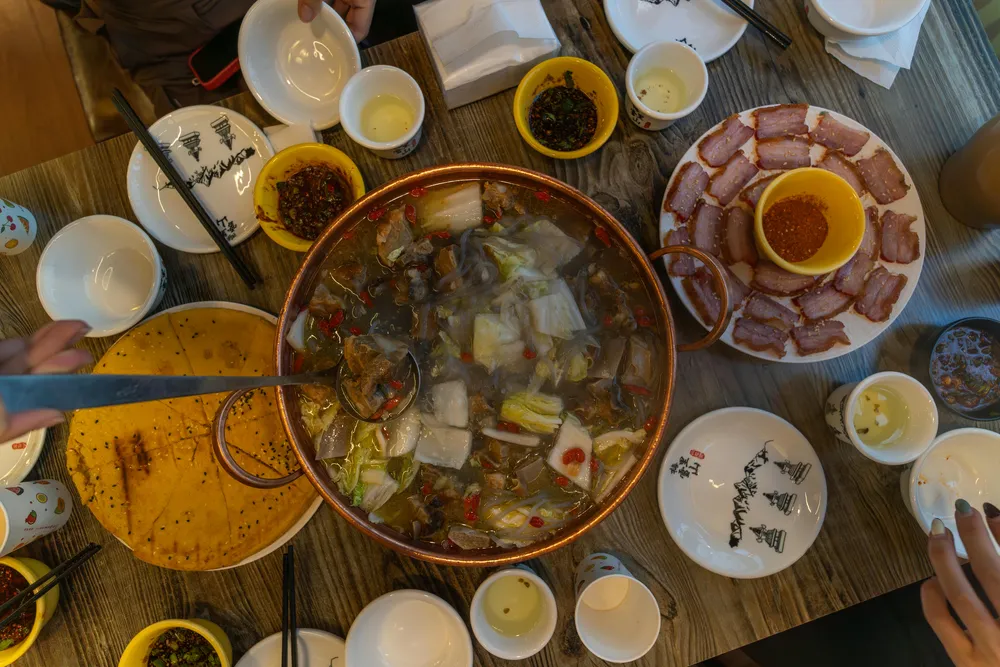
Wild mushroom hotpot — One of Yunnan's signature food experiences, especially during mushroom season.
If you're visiting between June and September, you're in luck. This is peak wild mushroom season. Yunnan is one of China's great mushroom-growing regions, with hundreds of edible wild varieties found across its forests. Matsutake (song rong) is one of the most prized and expensive mushrooms particularly around northern Yunnan — they can sell for hundreds of dollars for just a few hundred grams!
Is Yunnan vegetarian-friendly?
Yes! Thanks to its incredible biodiversity, local cuisine in Yunnan makes use of lots of mushrooms, seasonal vegetables, tofu and potatoes.
The one place where you'll notice a difference is Shangri-La. At over 3,000 metres above sea level, fresh vegetables are harder to grow. As a result, Tibetan cuisine relies much more heavily on meat and dairy, with yak, beef and mutton featuring in many local dishes.

How are the toilets?
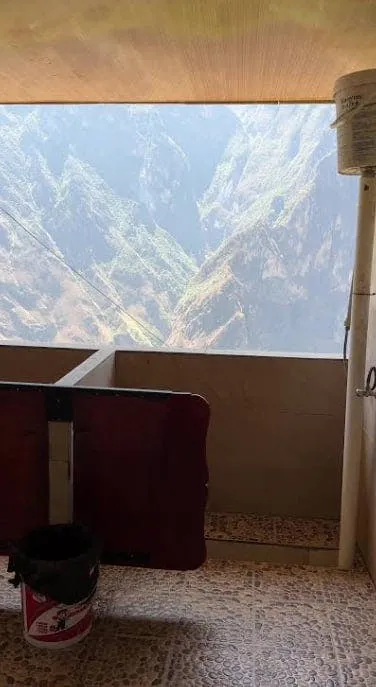
Mostly squat toilets. Toilets at airports, train stations and newer hotels are generally clean and modern. But in villages, roadside stops and hiking areas, facilities can be much more basic. You may even come across cubicles separated by little more than a partition and no door.
Toilet paper and soap aren't always provided, so carry your own tissues and hand sanitiser.
Is there a tipping culture?
No, China doesn't have a tipping culture. Even for guides and drivers, tipping isn't traditionally expected — you might even get a confused look if you try!
If someone has gone above and beyond, a sincere thank you is usually more than enough. If you really loved the service, a great review or recommending them to your friends is probably the best way to show your appreciation.


![Shangri-La: Ultimate Guide + Best Things To Do + How to Avoid Altitude Sickness [2026]](https://d18sx48tl6nre5.cloudfront.net/webp_xl_9cd2066ec07a952ab71acedc30b96f15.webp)



![Shangri-La: Ultimate Guide + Best Things To Do + How to Avoid Altitude Sickness [2026]](https://d18sx48tl6nre5.cloudfront.net/webp_md_dca09d03cc12fff5bb5e87ebf0ae9656.webp)



![Lijiang: Essential Guide + Best Things To Do Beyond The Old Town [2026]](https://d18sx48tl6nre5.cloudfront.net/webp_md_e0c0a2173953192cf33a9f2805f5d4d4.webp)
![Lijiang: Essential Guide + Best Things To Do Beyond The Old Town [2026]](https://d18sx48tl6nre5.cloudfront.net/webp_xl_b1f0fea9a1ca27ff7ef6f7715afbfa63.webp)