Shangri-La: Ultimate Guide + Best Things To Do + How to Avoid Altitude Sickness [2026]
![Shangri-La: Ultimate Guide + Best Things To Do + How to Avoid Altitude Sickness [2026]](https://d18sx48tl6nre5.cloudfront.net/webp_xl_9cd2066ec07a952ab71acedc30b96f15.webp)
Most travellers who come to Yunnan stick to Dali and Lijiang, give Shangri-La a day or skip it entirely. But we think it deserves more time and a spot in your itinerary.
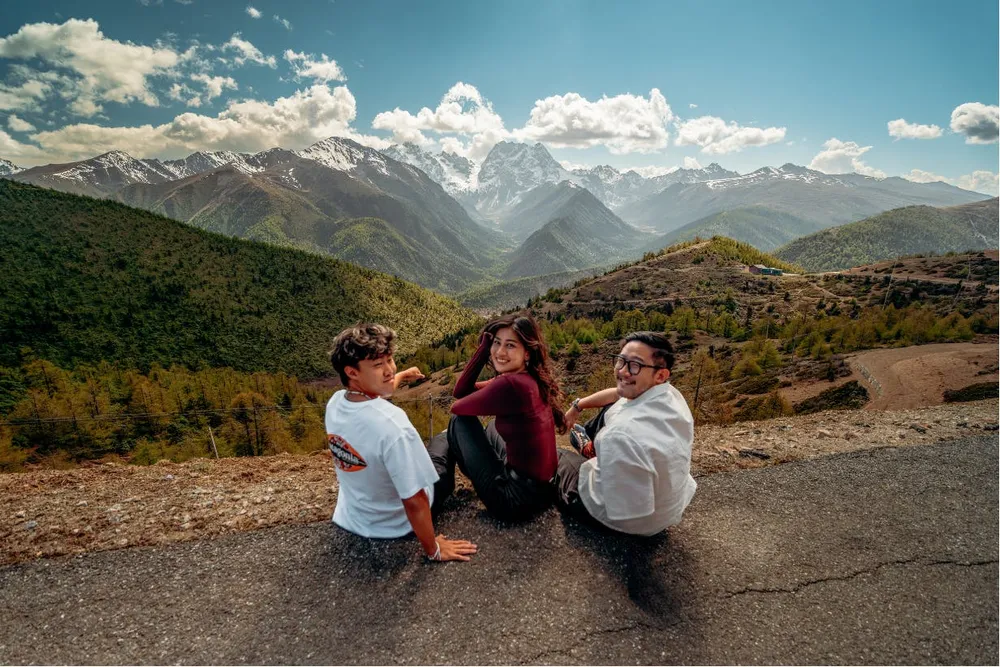
Shangri-La is truly beautiful — it feels like a different country altogether, with much wilder landscapes, seriously epic mountain passes and a distinct Tibetan culture.
We spent six days road-tripping this region, and it's easily one of our favourite places in Yunnan.
Here’s what we’d actually do in Shangri-La, from the obvious sights to the places most visitors don’t make it to.
The Basics
Is going all the way to Shangri-La worth it?
Yes, but only if you give it enough time. If you’re planning to tick off the Old Town in an afternoon and take the next train back, we’d probably skip it. Dukezong is nice, but it’s not the reason to come all this way.
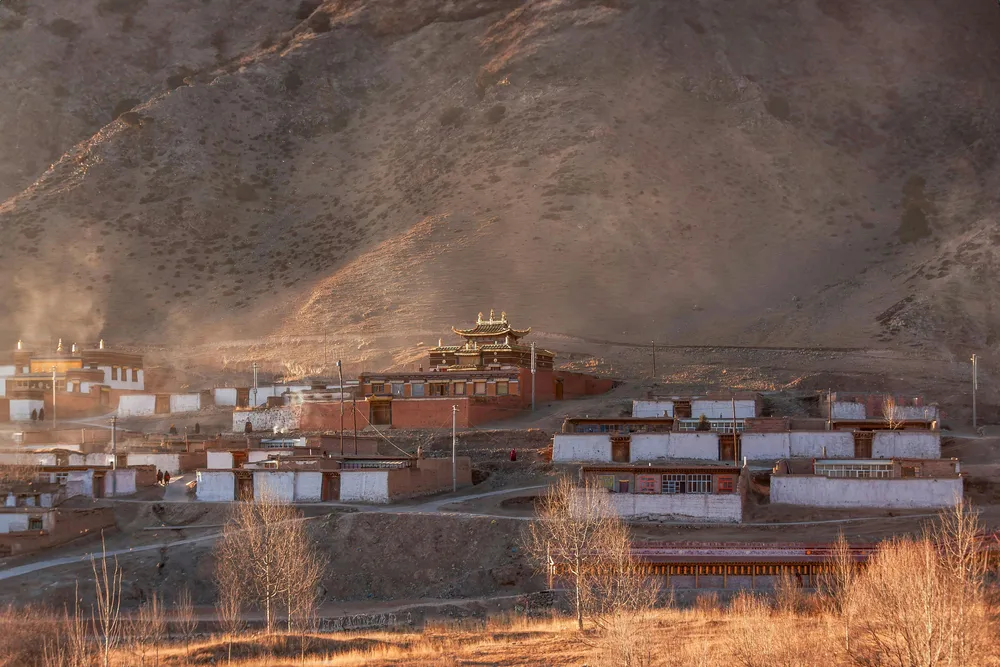
What makes Shangri-La worth it is everything beyond the town: working monasteries, Tibetan villages, high passes, alpine lakes and some seriously beautiful mountain scenery.
How different is Shangri-La compared to Dali and Lijiang?
Completely different! While Dali and Lijiang are similar, Shangri-La feels like a different country.
Dali and Lijiang are lower in altitude and rooted in the cultures of the Bai and Naxi people. You’ll see old towns, markets, lakes, canals and tea houses. Link to Dali & Lijiang ultimate guide.
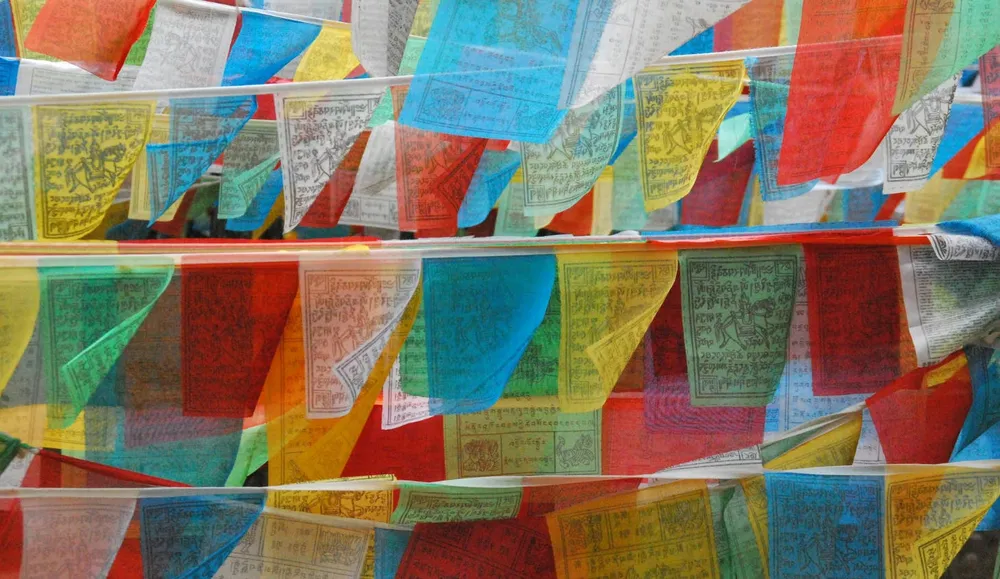
Shangri-La is right below Tibet and the scenery changes drastically to sweeping grasslands. Up here, you’ll see more stupas, prayer flags, and yaks grazing pretty much everywhere.
The three places are also connected by the ancient Tea Horse Road, along which tea travelled from Yunnan into Tibet for centuries. Travelling from Dali to Lijiang to Shangri-La is a nice way to see how the culture and landscape change as you head further north.
Best time to go
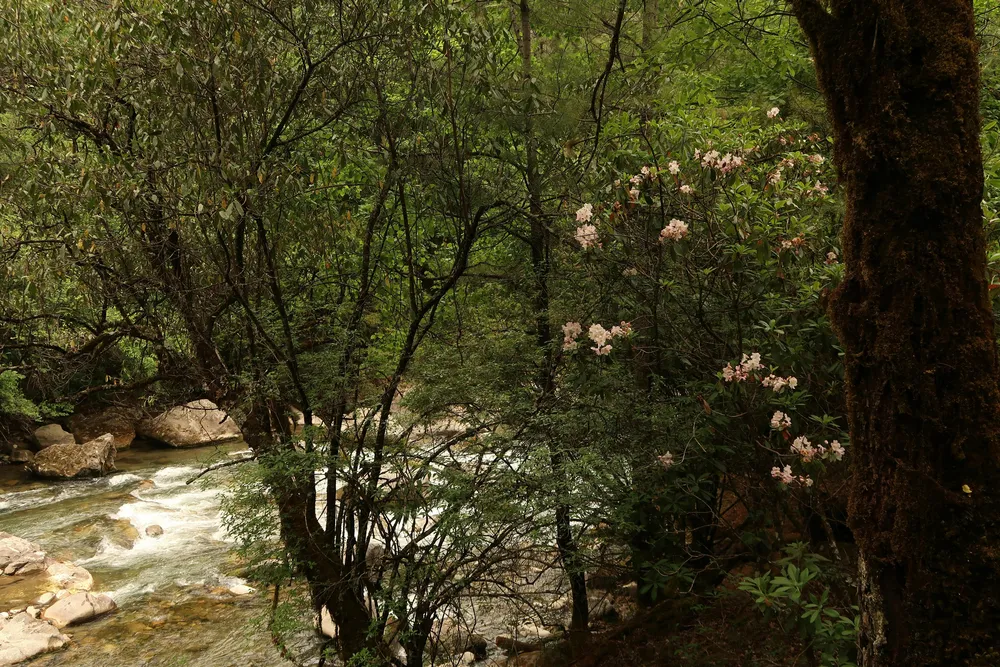
Spring and autumn are the sweet spots — clearer skies, less rain and temperatures that are cold but manageable. Spring brings flowers, while autumn brings golden larch forests.
July–August is the rainy season, so expect more slippery trails and cloudy views. Winter is properly cold but it’s also much quieter.
Whenever you come, definitely avoid Chinese public holidays like Chinese New Year and Golden Week (1-7 Oct).
Getting there and getting around
Shangri-La is the last stop on the Yunnan high-speed train line, around two hours from Lijiang.
Dukezong Old Town is the main base, with Songzanlin Monastery around 15 minutes away. But once you leave town, you’ll need a car.
There are shuttle buses to the main tourist sights, but for villages, mountain passes and more remote areas, you’ll want a private driver or guide.

Will I get altitude sickness in Shangri-La?
You might. Shangri-La town sits at around 3,300m, so the altitude is definitely something to take seriously. And that’s just the town.
Many of the places you’ll visit are even higher: Pudacuo is 3,500m+, Abuji Lake is around 4,200m, and some of the mountain passes towards Meili also go beyond 4,000m. The best thing you can do is give yourself time to acclimatise by spending a few days in Lijiang first.
We go into more detail on altitude sickness, acclimatisation and what to do if you start feeling unwell in the section below.
Top Things To Do in Shangri-La Town
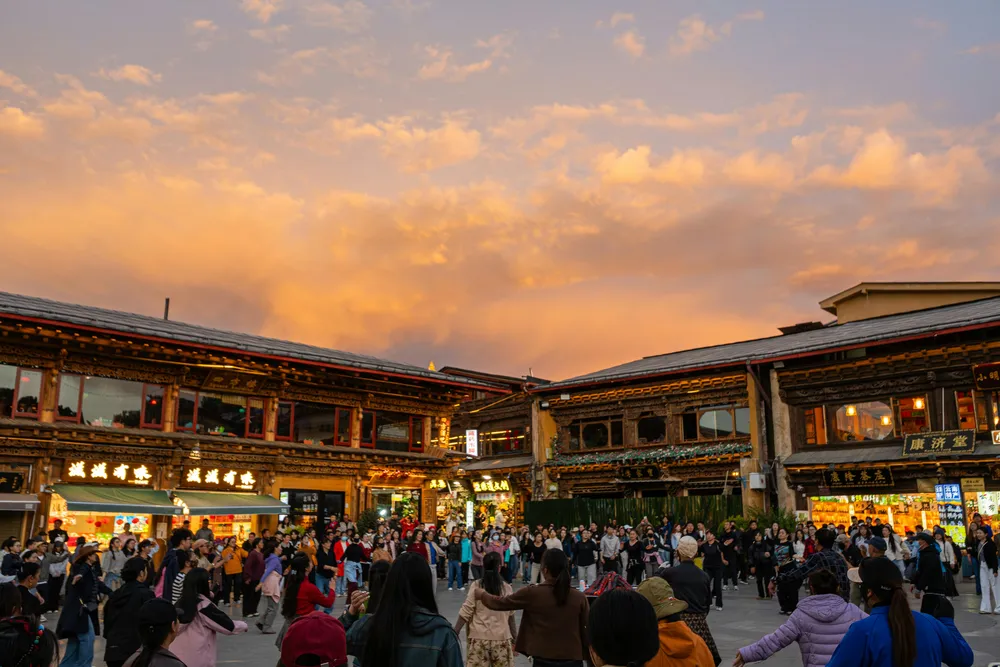
Explore Dukezong Old Town
Yes, it’s another Yunnan old town with wooden buildings and souvenir shops. But it’s noticeably less crowded than Lijiang’s, and the white stupas dotted around the streets make it feel a little different. Out of all the old towns in Dali and Lijiang, this one in Shangri-La has the most character.
Exploring the Old Town is a great way to slowly acclimatise to the higher altitude, especially when you first arrive.
One thing we’d skip: the giant prayer wheel at the top of the Old Town. It’s free, but you have to climb up and squeeze past all the crowds who are queueing just to spin it.
How many days do I need in Shangri-La?
Most people only leave one day for Shangri-La. That’s enough to explore the Old Town and Songzanlin Monastery, but not much else.
If you want to get out into the mountains, explore the valleys and villages, 3–4 days is much better.
And if you want to do the full road trip loop, give yourself 6 days. You’ll get properly off-the-beaten-path, with remote villages, epic mountain passes and family meals that you won’t find on Google.
Visit Songzanlin Monastery
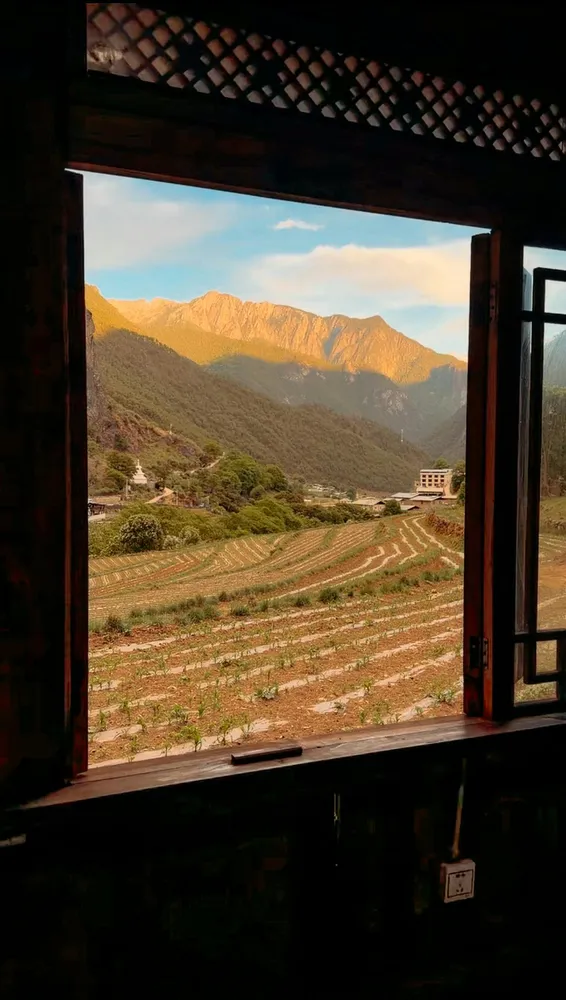
This is the one major sight in Shangri-La we wouldn’t skip. Songzanlin is the largest Tibetan monastery in Yunnan. Look out for the butter sculptures! Flowers only grow for a short window of time at this altitude, so butter is used to make elaborate offerings instead.
We highly recommend going with a Tibetan guide. There’s a big difference between walking around a monastery and actually understanding what you’re seeing. On this 1-day trip with a Tibetan guide, you’ll have the opportunity to have a private chat with a lama (spiritual teacher/leader), have lunch in a Tibetan family home, and finish with black pottery or a visit to a local brewery.
If you only have one day in Shangri-La, this is how we’d spend it.

Get Out Into the Shangri-La Landscapes
See Napa Lake
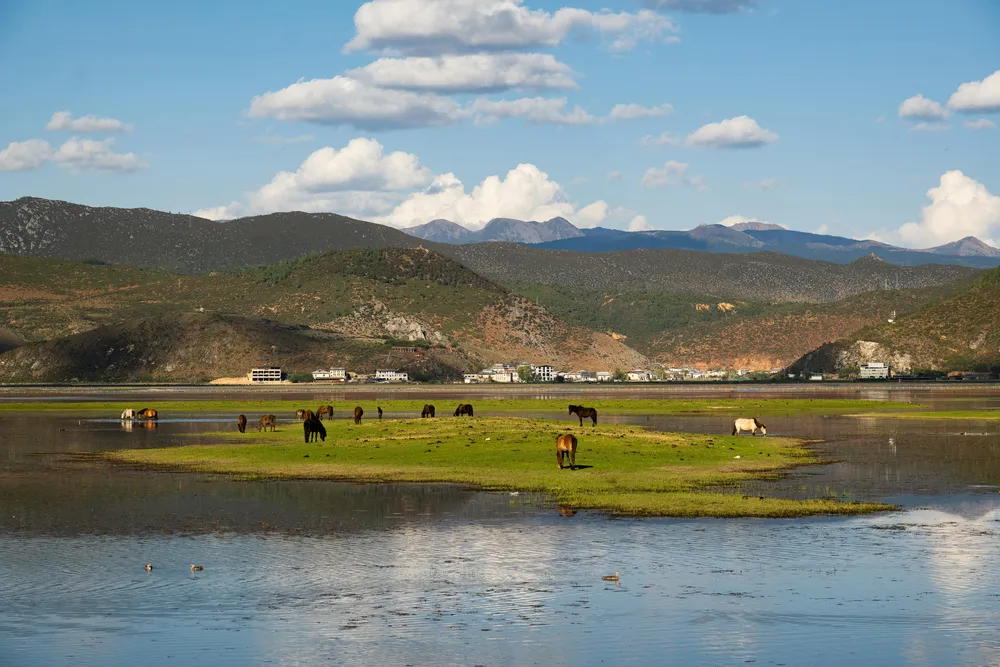
Napa Lake is a huge seasonal lake just outside town.
During the dry months, it turns into open grassland with yaks, horses and migratory birds. In the rainy season, parts of the road around the lake can flood, creating a pretty fun drive through the shallow water. Napa Lake changes with the seasons, so landscapes and wildlife sightings vary throughout the year.
You can also cycle around the lake, which takes around 3–5 hours depending on your pace.
Visit Potatso National Park
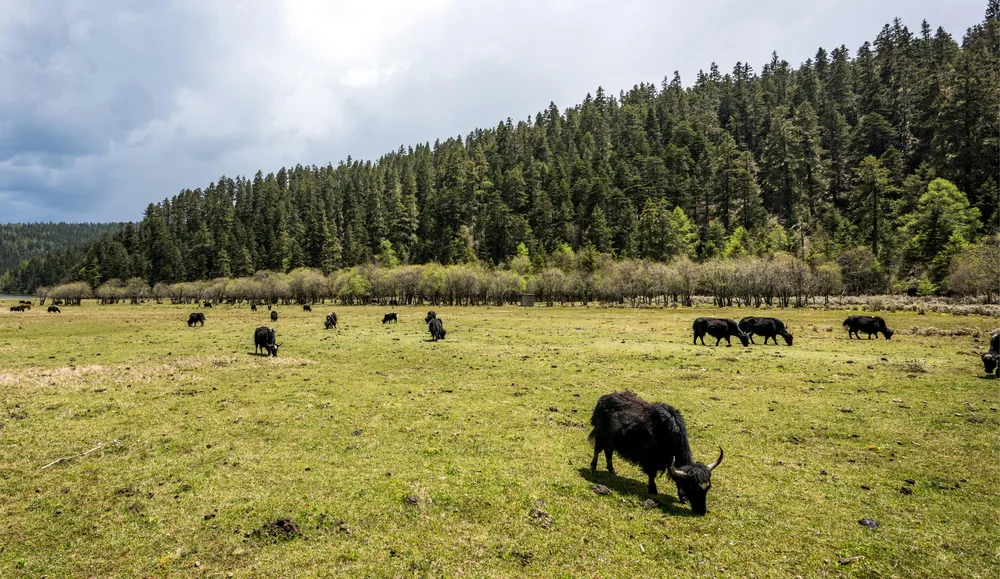
China’s first national park, about 40 minutes from Shangri-La. The main draw is the scenery: alpine lakes, spruce forests, boardwalk trails and plenty of yaks.
The park is fairly easy to explore. You take an eco shuttle between the main areas, then walk the trails around Shudu Lake and Bita Lake. The main walks are around 3.3km and 4.4km, and you’ll need around 3–4 hours for the full circuit.
Visit Balagezong Grand Canyon
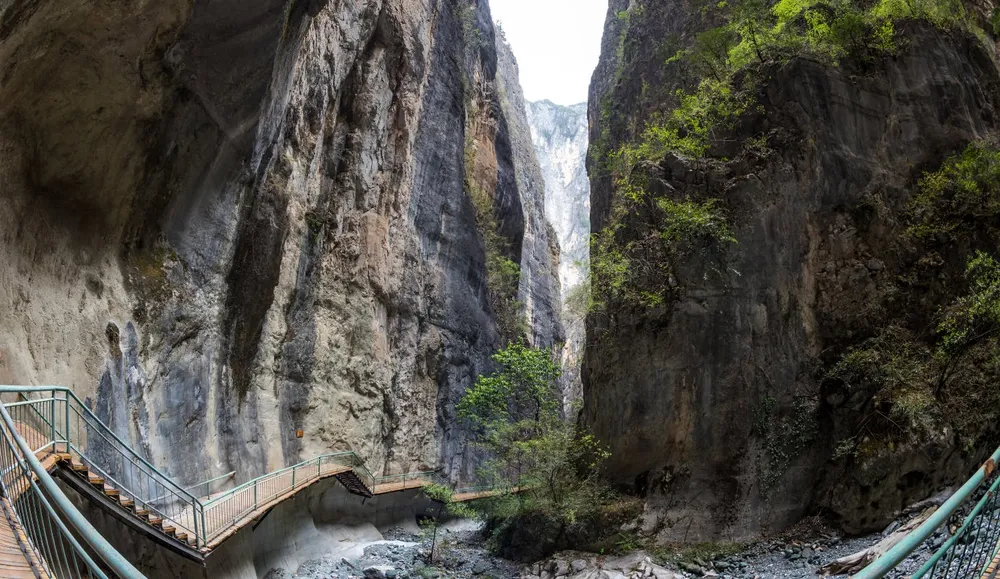
This is one where we’d manage your expectations. The scenery is impressive — snow-capped mountains, a deep canyon and a very blue-green river — but it is quite touristy.
It’s about 2-3 hours from town, and once you’re inside, you’ll spend the day on the park bus moving between viewpoints. The commentary is in Chinese, and the Tibetan village inside feels fairly built for tourists.
If you want big scenery without having to hike, it’s a good option.
But if you’re doing the road trip further below, we’d probably skip it. You’ll see much wilder landscapes from the Baima passes without having to spend the day getting on and off a tour bus.
Going Off-The-Beaten-Path
Do a day trek through the Tibetan countryside
If you want to get out into the countryside without going all the way up to 4,200m, we’d do a 1-day valley trek. You’ll walk through villages and open grasslands, visit Tibetan homes and a local temple, and have mountains around you most of the day. The terrain is mostly flat and pretty gentle.
You’ll also have a picnic lunch and finish with a yummy French-style three-course dinner in the mountains made with local ingredients from the valley. The result is a thoughtful blend of Tibetan hospitality, mountain produce, and French culinary influence.
2D1N Tiger Leaping Gorge & hidden trek in Shangri-La
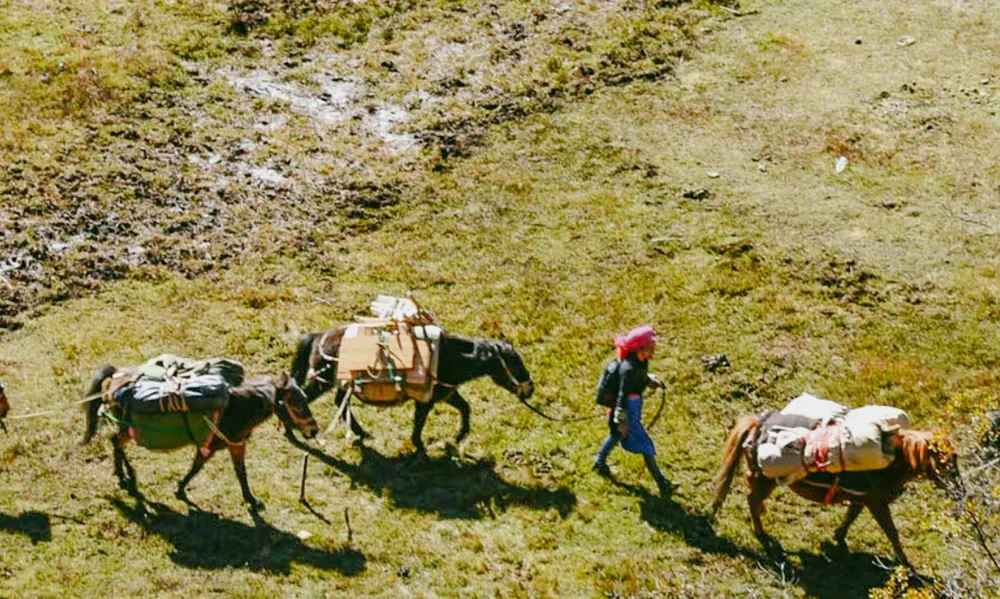
If you only have 2 days but want to see a different side of Shangri-La, this 2D1N Tiger Leaping Gorge & hidden trek in Shangri-La is a good one. You’ll head up from Lijiang, hike part of the Tiger Leaping Gorge High Trail, then continue into Shangri-La.
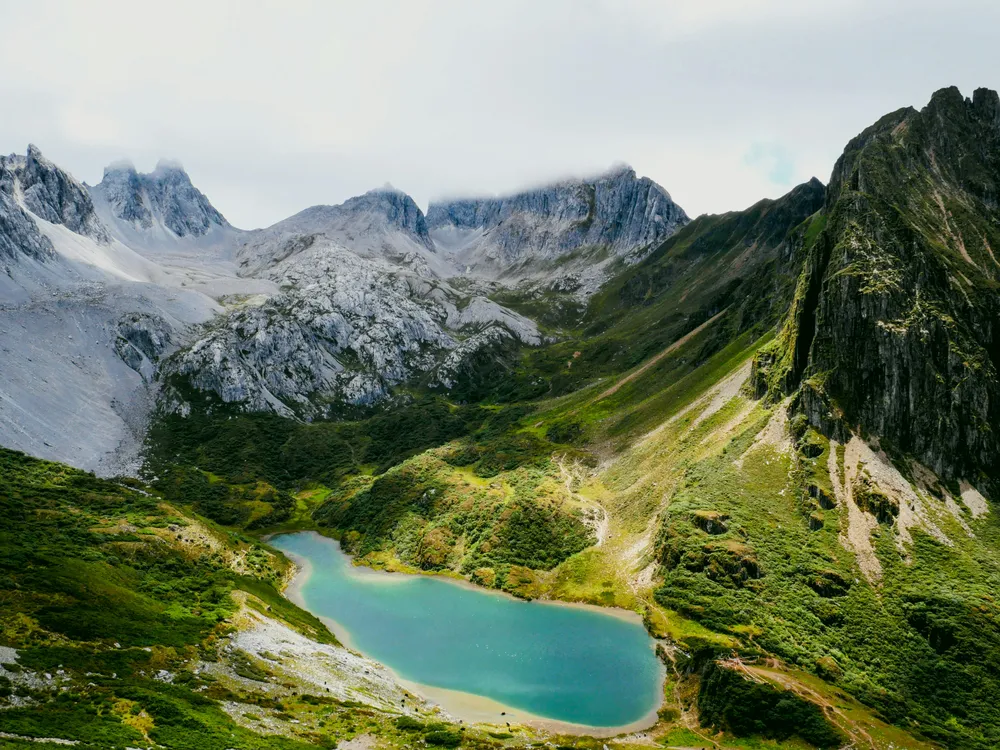
You’ll explore Shangri-La Old Town before heading further into the mountains, where the scenery gets wilder and you'll hike to Abuji lake — a hidden alpine lake that most travellers don't know about.
It’s one of the few experiences that combines Lijiang and Shangri-La in one trip, and because it starts and ends in Lijiang, making it easy to fit it into a wider Yunnan itinerary.
If you’re only interested in Tiger Leaping Gorge, we’ve written a full guide to [hiking Tiger Leaping Gorge].
Shangri-La Homestays
3D2N homestay with a Tibetan family
If you want to experience Shangri-La through the lens of local Tibetan life, this private 3D2N family homestay lets you live with a local Tibetan family in their village. You’ll share meals, get a glimpse into their everyday life, and spend a few days away from the usual tourist trail.
You’ll also visit Songzanlin Monastery and Napa Lake during the stay, so you get a mix of the big sights and a more personal side of Shangri-La.

3D2N glamping at a Tibetan farmhouse
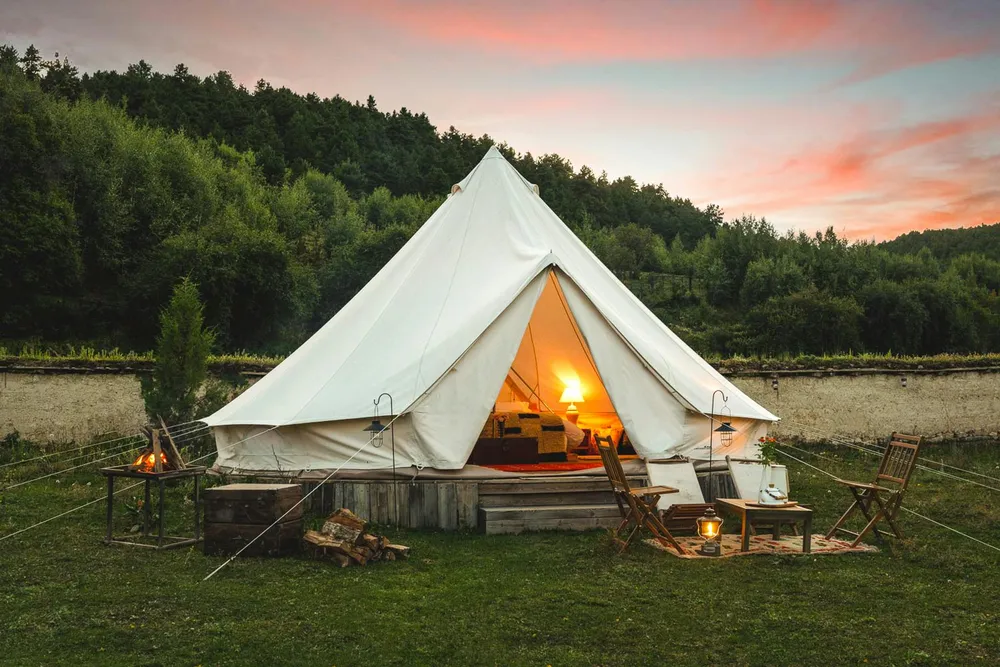
For something a little more comfortable, you can do a lovely 3D2N glamping caravan experience at a restored 50-year-old Tibetan farmhouse in Ringha Valley. Each day, you’ll head out on a different trek through the valley, with horse riding along the way, before returning to the farmhouse each evening.
What makes this experience special is that it's a modern caravan-style journey inspired by the old Tea Horse Road caravan routes — the ancient nomadic practice of using horses to travel between campsites and transport goods.
If you prefer something more adventurous and a little more trekking, there’s also another 3D2N glamping caravan trek where you keep moving through the mountains and each night is a different campsite — the true nomadic experience.
Go Further Into Tibetan Yunnan
Head to Meili Snow Mountain
Meili Snow Mountain is one of the big reasons travellers make the journey further north. For Tibetan communities here, it’s known as Kawa Karpo and is one of the most sacred mountains in Tibetan Buddhism.
Getting there is part of the experience. This 2D2N Meili Snow Mountain Sunrise Adventure takes you from Shangri-La towards Deqin, through river gorges, villages and high mountain passes, with monasteries along the way.
The big highlight is of course, the sunrise over Meili Snow Mountain. The mountain is famously cloudy though, so it really is weather permitting.

Take a 6-day Shangri-La road trip
If you've got the time to go deep into Shangri-La, this is hands down the one to do. It's a 6-day private 4WD road trip where your driver doubles up as your guide — an English-speaking Tibetan guide who has been guiding for more than 20 years.
The loop takes you through Niru (UNESCO listed it as one of the world's most beautiful villages) and its seven colours waterfall, a sacred cave still used by pilgrims, and over the Baima Snow Mountain passes. You'll wake up in village homestays, spend a morning with the endangered Yunnan snub-nosed monkeys — rarer than the giant panda.
But the best parts of the trip are much simpler: Dinners in family kitchens. Homemade food and barley liquor. Sitting around with families your guide had known for years. These aren’t places you’ll find on Google Maps. They’re the kind of places you get to because your guide knows someone.
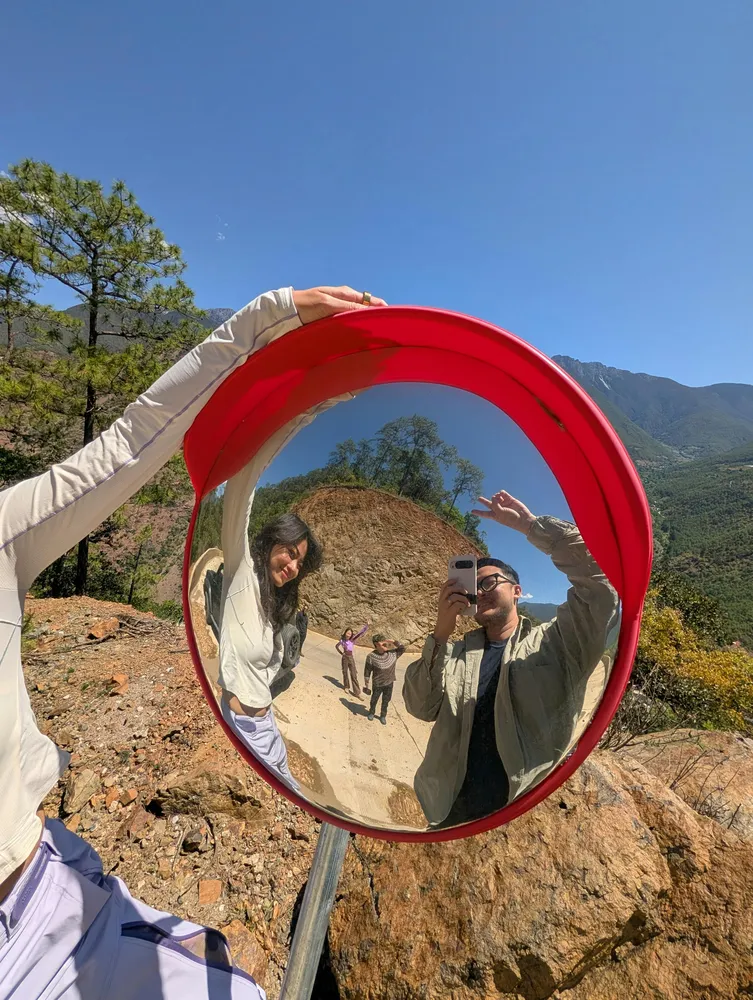
How to Avoid Altitude Sickness
Acclimatise before Shangri-La
The classic Yunnan route gives you a pretty natural way to do this. Dali sits at around 2,000m, Lijiang at around 2,400m, and Shangri-La at around 3,300m.
If you travel through Yunnan in that order and spend a few days in each place, you’ll have more time to adjust before reaching Shangri-La.
What we wouldn’t do: fly straight into Shangri-La from sea level and immediately head out into the mountains.
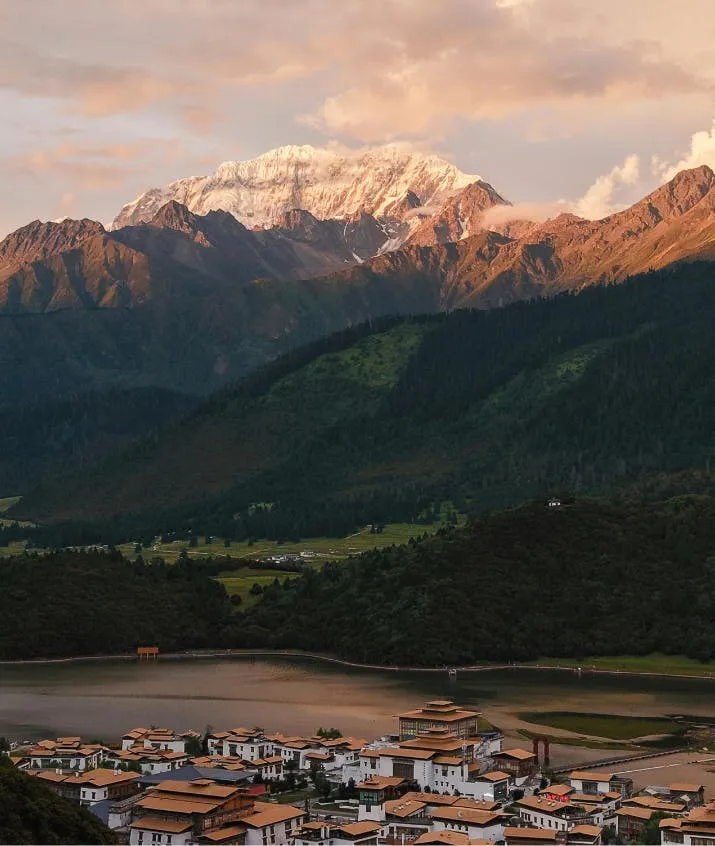
Spend your first night in town
Shangri-La itself is already high, and a lot of the places you’ll visit are even higher.
Take it easy when you arrive. Walk slower than usual, don’t plan a huge hike for day one, drink plenty of water and go easy on alcohol.
We’d also spend your first night in town rather than heading straight to a higher-altitude village.
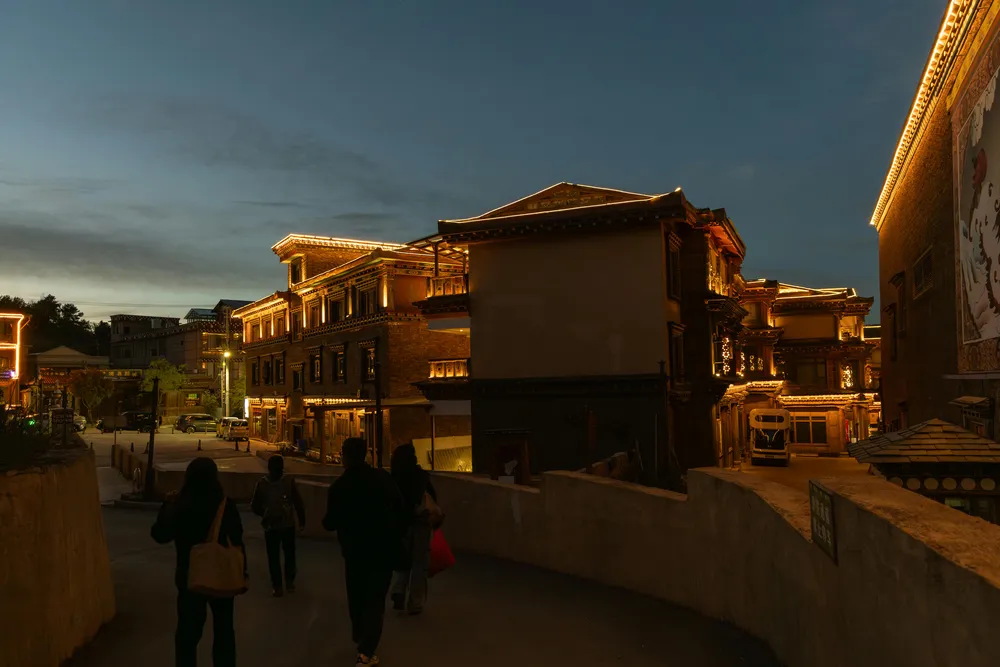
Know the difference between uncomfortable and unwell
A mild headache, feeling more out of breath than usual and poor sleep can happen while your body adjusts. But if you feel seriously unwell or your symptoms aren’t improving, don’t try to push through it.
Rest, and get to a lower altitude and seek medical attention if needed.
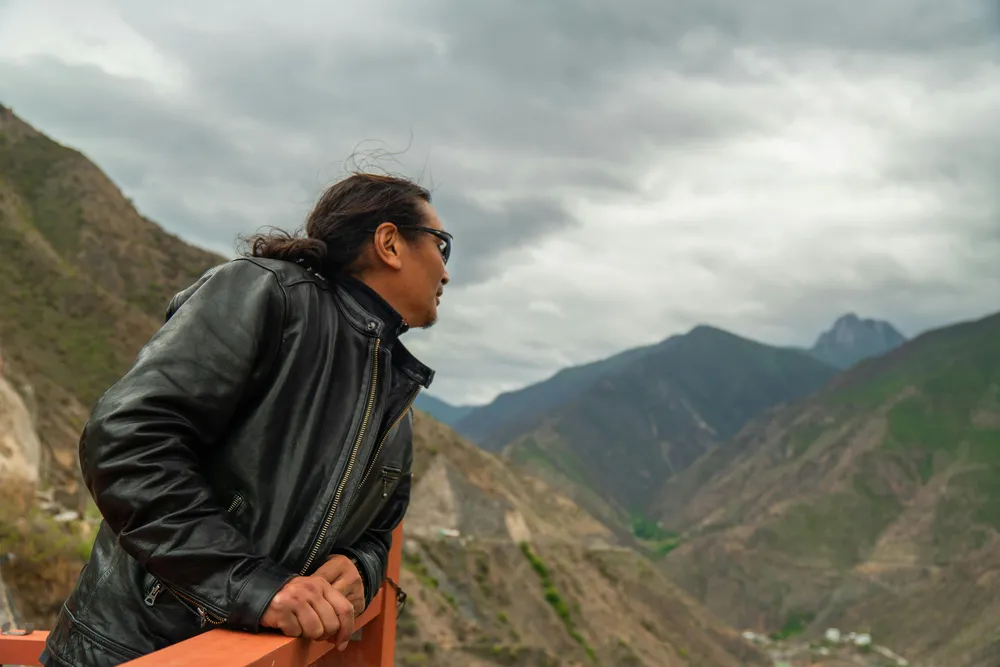
Do the oxygen canisters help?
Portable oxygen canisters are widely available in Shangri-La. We asked our guide and yes — they can provide temporary relief if you're feeling short of breath. But, they don't prevent or treat altitude sickness.
It’s best to ascend gradually, stay hydrated and listen to your body. If you develop severe symptoms such as a persistent headache that doesn't improve, vomiting, confusion or difficulty breathing — seek medical attention immediately.

FAQ
What is the weather like?
Shangri-La is known to be super cold. Winter days can be 6°C and can drop to below freezing at night. Summer is around 15–20°C in the day, but nights are cold year-round, and the temperature can drop quickly after sunset. The weather can change quickly in the mountains, so layers are your best friend.
The sun is also much stronger at 3,300m, so sunscreen is a must even when it doesn’t feel particularly hot.

Can I explore Shangri-La without a car?
You can get around Shangri-La town without a car, and the main sights like Dukezong and Songzanlin are easy enough to reach. There are also buses and shuttles to some of the bigger tourist attractions.
But once you want to get out into the countryside, it gets harder. Napa Lake, Tibetan villages, hiking trails and more remote areas are not easy to reach by public transport.
If you want to explore beyond the main sights, we’d recommend hiring a driver or joining a guided trip. It’ll save you a lot of time, and a local guide can also take you to places you probably wouldn’t find on your own.

What is the food like in Shangri-La?
Shangri-La’s food is quite different from what you’ll find in Dali and Lijiang. There’s a strong Tibetan influence, so you’ll see a lot of yak, highland barley, buckwheat pancakes, hearty soups and momos (Tibetan dumplings). And yak butter tea, which we will say, is an acquired taste.
Breakfast worth seeking out: bread with yak cheese, the traditional Shangri-La morning meal. And everything, everywhere, is paid by Alipay — you'll barely touch cash in the whole region.

Is there phone signal and internet in Shangri-La?
Yes — you’ll have phone signal and Wi-Fi in Shangri-La town, and 4G/5G coverage is generally available.
It gets less reliable once you leave town. On mountain roads, in gorges and in more remote valleys, you can lose signal altogether, so don’t count on being connected throughout the whole trip.

![Yunnan: Ultimate Guide + How to Avoid The Crowds [2026]](https://d18sx48tl6nre5.cloudfront.net/webp_xl_805d5d8979ad9a012b48fe743b492633.webp)


![Yunnan: Ultimate Guide + How to Avoid The Crowds [2026]](https://d18sx48tl6nre5.cloudfront.net/webp_md_f4b9dc1302e40d5a3fa090fc3a6d2b06.webp)


![Lijiang: Essential Guide + Best Things To Do Beyond The Old Town [2026]](https://d18sx48tl6nre5.cloudfront.net/webp_md_e0c0a2173953192cf33a9f2805f5d4d4.webp)
![Lijiang: Essential Guide + Best Things To Do Beyond The Old Town [2026]](https://d18sx48tl6nre5.cloudfront.net/webp_xl_b1f0fea9a1ca27ff7ef6f7715afbfa63.webp)