Your bag
Bag whispers: "Fill me!"
Order Total
$0 USD
Checkout

Animal & Wildlife in Indonesia

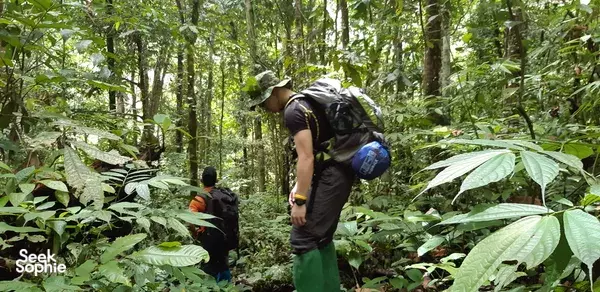
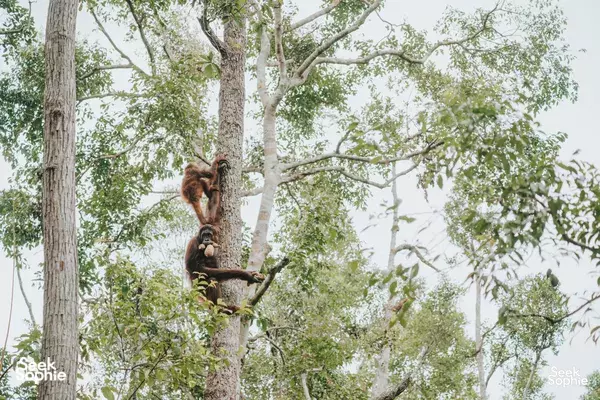
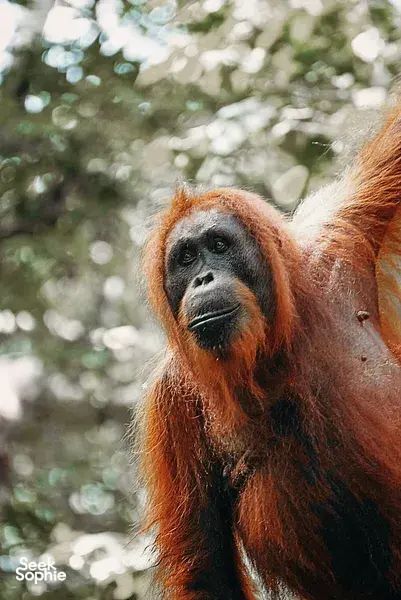
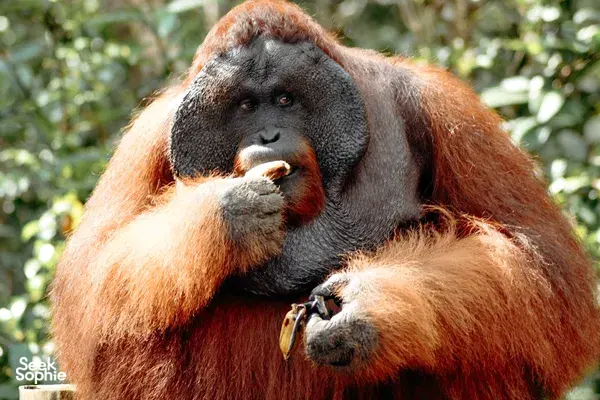
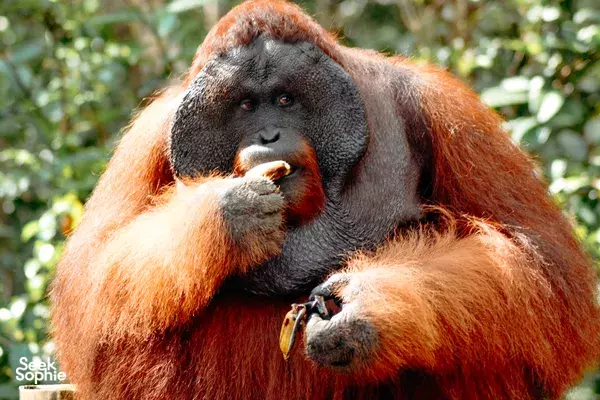
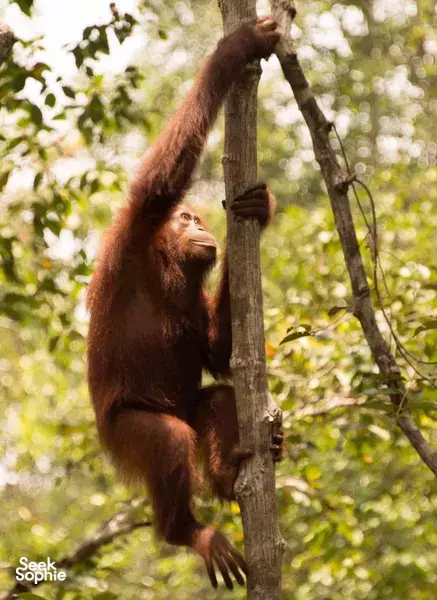
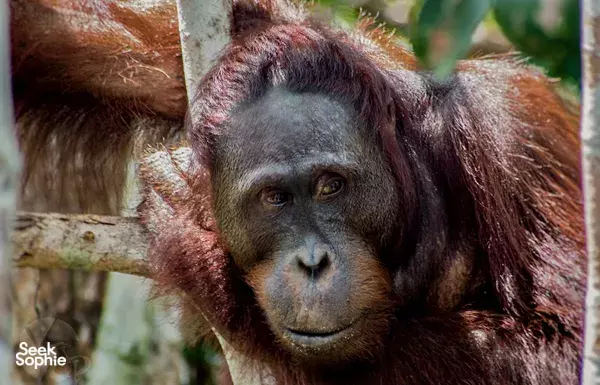
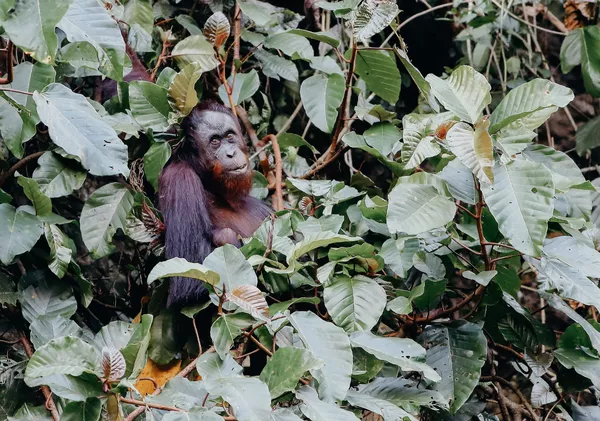
The tropical climate of Indonesia makes it an inviting place for unique wildlife. Perhaps the most well known and beloved is the orangutan, meaning "man of the forest" in Bahasa Indonesia. Make sure you don't miss the opportunity to see these creatures in their native habitat.

All Animal & Wildlife in Indonesia
Loading...

Browse Collection


Love letters from our guests

4.8
|
313 reviews
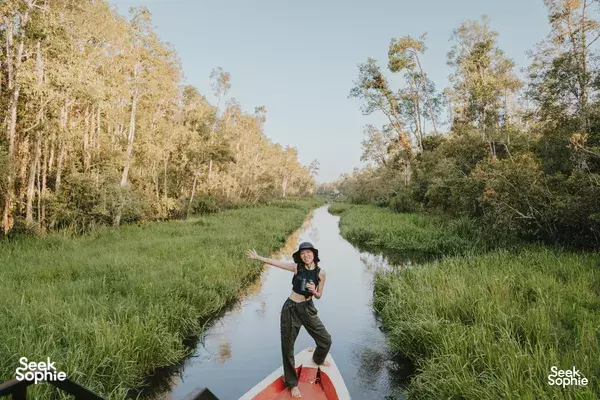
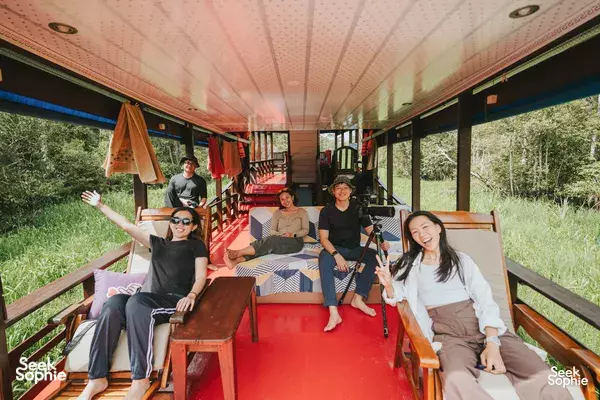
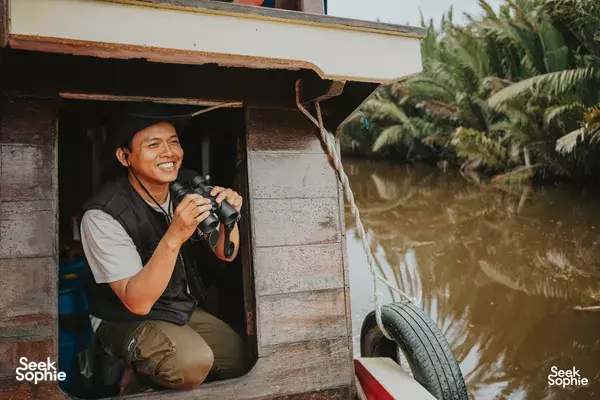
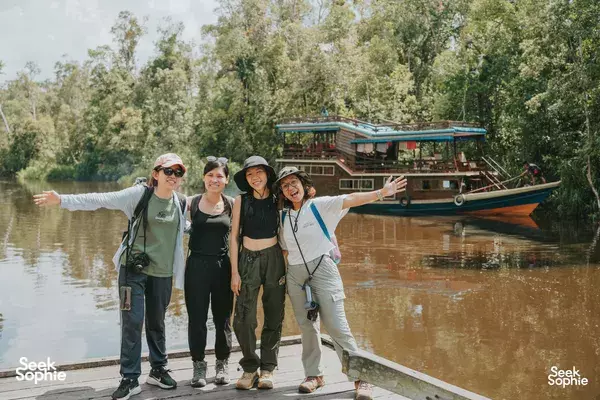
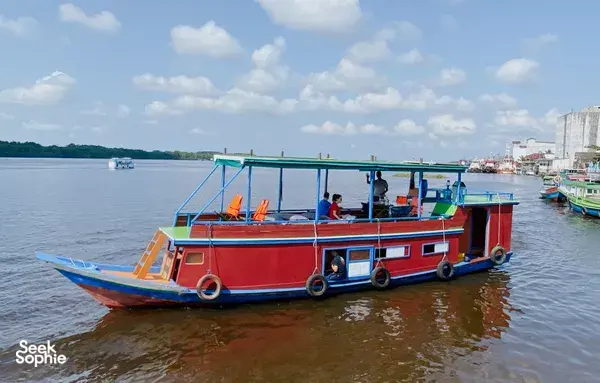
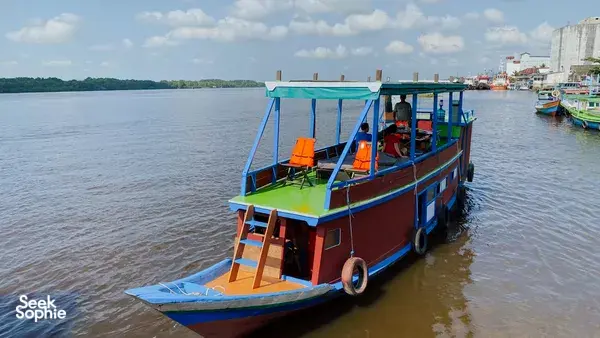
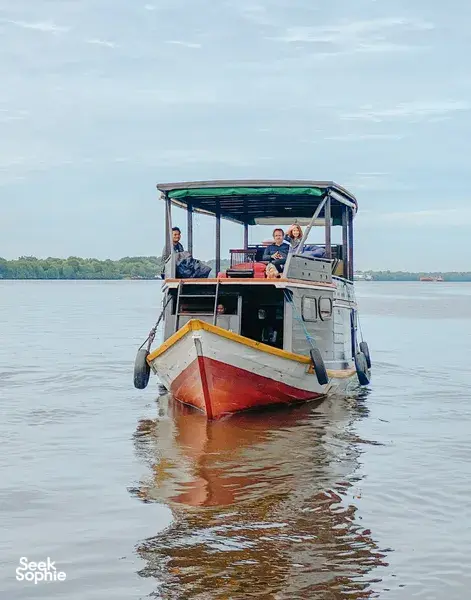
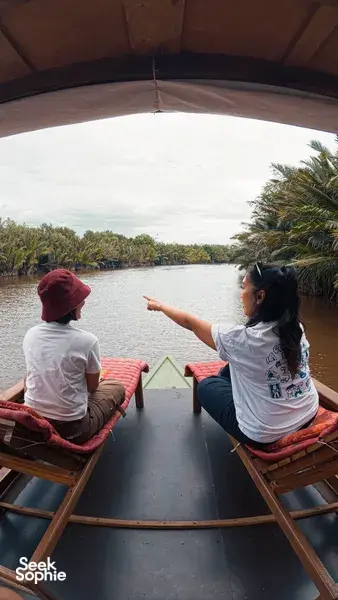
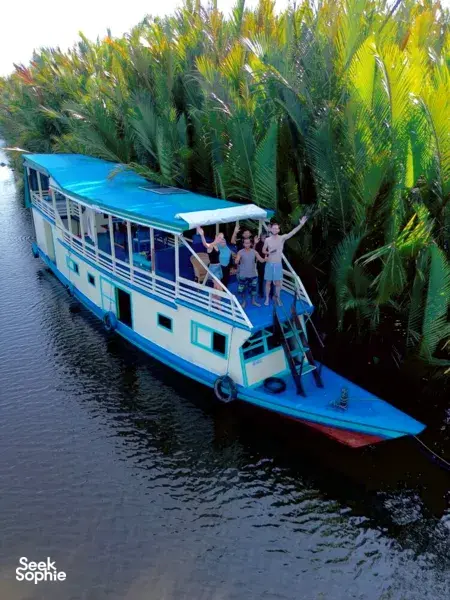
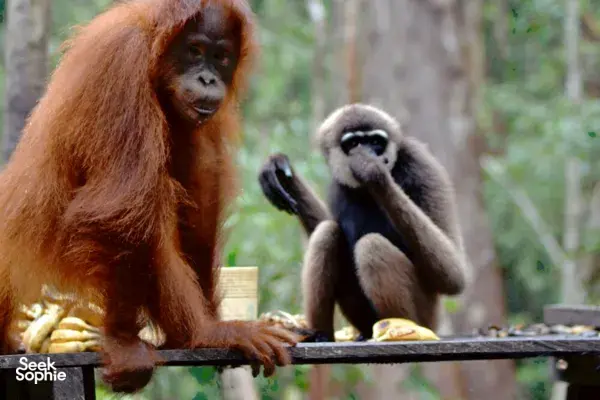
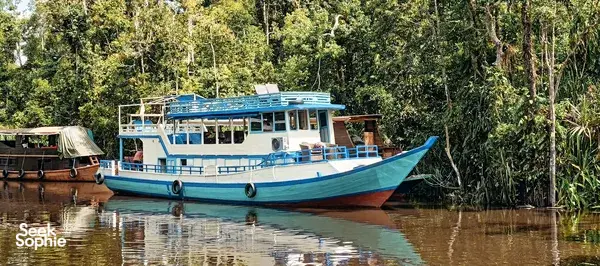
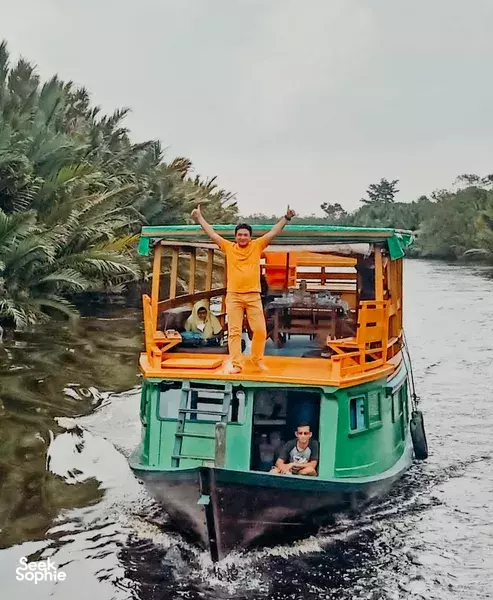
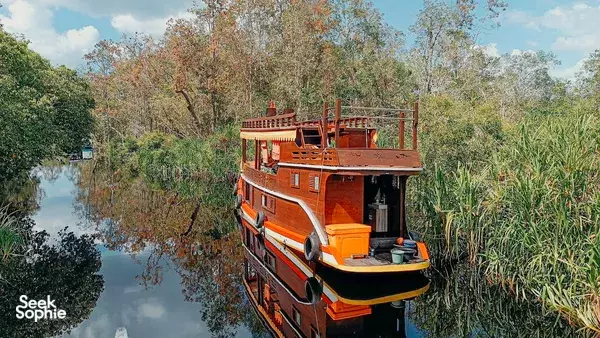
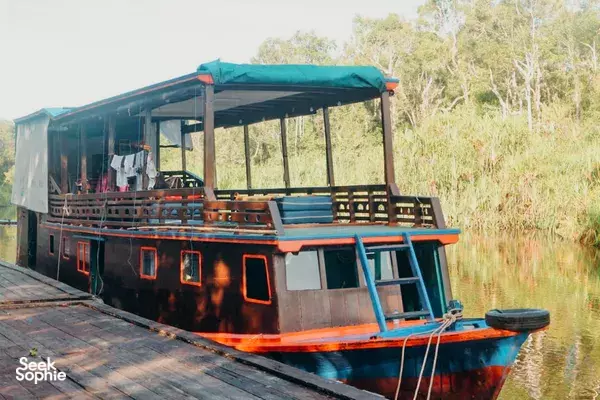
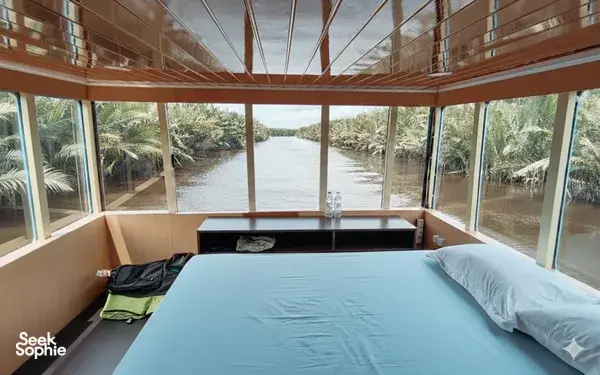
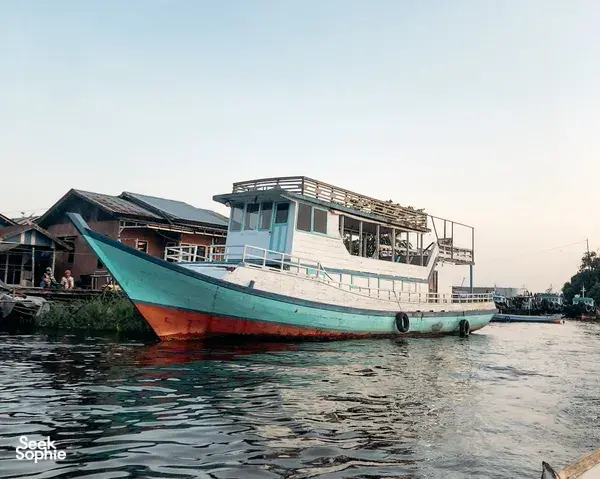
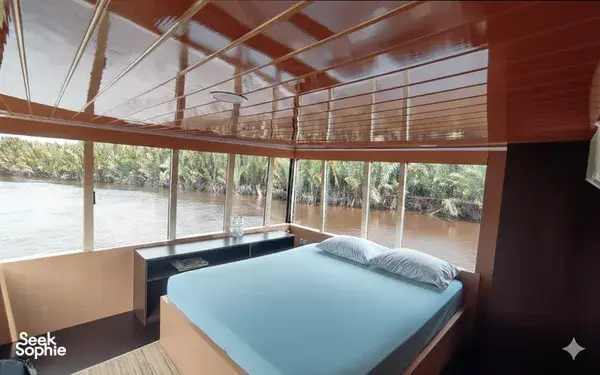
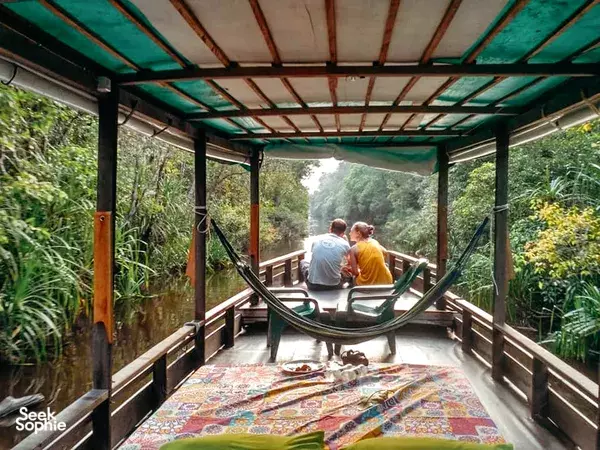
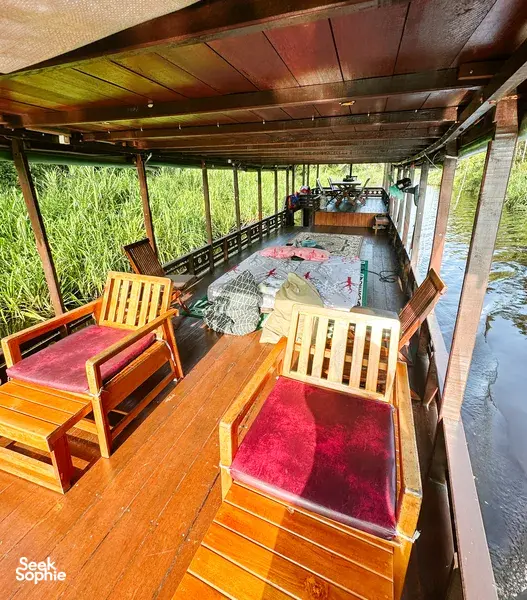
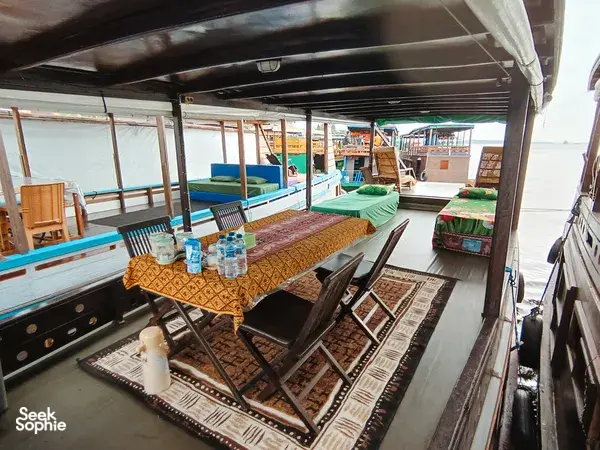
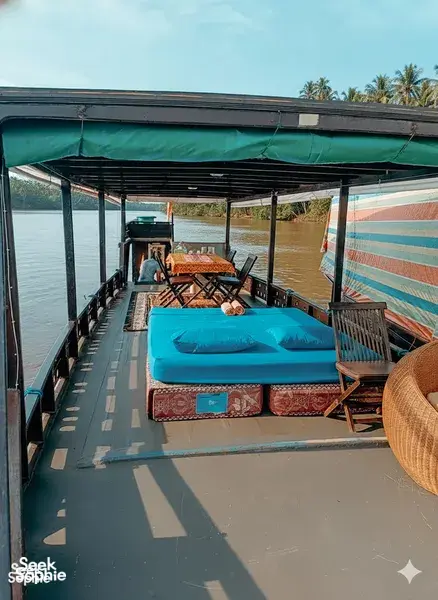
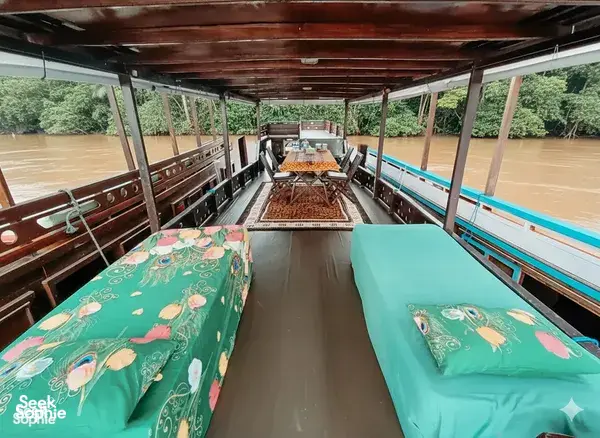
I highly recommend this trip. It’s a great for photography as there is plenty of space on the klotuk (riverboat) to keep your camera at the ready while you relax and watch the reflections of ancient plants in the river or study it for the snouts of patient crocodiles. I saw more than twenty orangutans, not just at feeding stations but in the trees and swinging between them as well as on the foot trail. Along the river were dozens and dozens of proboscis monkeys, an alpha and his harem of females and kids, plus the rival group of bachelor males vying for their opportunity at procreation. Long tailed macaques brewed up trouble with their playful antics, one made off with our bananas by leaping to the river and swimming across to the other side. A lonely charismatic white cheeked gibbon swung through the trees like a child’s toy. Many birds are visible, lots of kingfisher species and storks and croaking hornbills and other technicolor dream coat varieties flying and singing overhead. The boat is comfortable, much like a house, with plenty of space to store your stuff and a comfy bed to sleep on with a mosquito net. There is your knowledgeable guide, a helpful deck hand, the skilled captain and the cook who made three wonderful meals a day. (Guide Vera, Cook Ira ,Capt Dedet, Boat assistant Agus) They make sure you are very well taken care of. We did short treks (about two hours each) during the day to see animals and plants like pitcher plants or fungi or local medicinal plants, plenty of cool insects, the most colorful and varied butterflies you’re likely to see anywhere, truly kaleidoscopic, giant ants matching, industrious termites, and moths. At night we trek hunted for nocturnal species and found frogs, lizards, spiders and mouse deer. The ammoniac whispers of the nocturnal tarsiers were everywhere. Only the creator who fashioned this rainforest and its denizens via evolution knows what is was truly like over the last hundred million years. But floating along the tea black river will at least give you glimpse of the forgotten eons of time, like shaking the hand of a centenarian and looking into their ancient eyes. Dylan
Dylan B
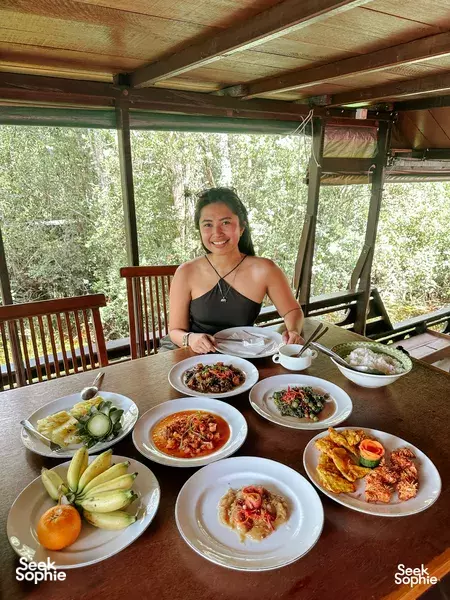
Loved our time spent in the garden and yard. We learned a lot about different plants. The dinner that was prepared for us was delicious and interesting in that it used all local ingredients. The highlight was the firefly visit in the rice field along with the brief stopover at Debi’s house. It felt very intimate to stop at her home. I must have misunderstood the info on the tour as I expected we would be doing some cooking. This particular tour did not involve any cooking. Great experience nonetheless. Thanks!
Diane Querel
Once in a lifetime!! Can’t fault this experience at all! The boat was clean and comfortable, food was incredible and ample, staff were so helpful, especially our guide Nikita who was so knowledgeable and passionate about the animals! We saw many semi wild and wild orangutans as well as so many others. It was definitely a highlight of my time in Indonesia!!
Skye

Animal & Wildlife in Indonesia FAQs

What are some rare and unique wildlife species I can encounter in Indonesia's remote forests?

Indonesia's remote forests are home to extraordinary species such as the critically endangered Javan hawk-eagle, the colourful and elusive Sumatran orangutan, and the endangered Bali starling. To increase your chances of spotting these elusive creatures, consider guided eco-tours led by local wildlife experts who are familiar with the latest tracking techniques. Remember to maintain a respectful distance, avoid flash photography, and minimise noise to prevent disturbing their natural behaviour. Visiting lesser-trodden parks like Batutegi or Lore Lindu can offer more intimate wildlife encounters away from crowded tourist spots.

Are there protected areas where I can observe Indonesia’s diverse marine life and colourful coral reefs?

Absolutely! Indonesia boasts some of the world’s most vibrant coral reefs in protected marine parks such as Wakatobi, Komodo Island, and Raja Ampat. For avid photographers and snorkellers, these spots offer extraordinary underwater biodiversity with colourful reef fish, manta rays, and even the elusive pygmy seahorses. To ensure a responsible visit, always use eco-friendly sunscreen, avoid touching or standing on the reefs, and consider joining local liveaboard dive trips led by conservation-minded operators who support reef preservation initiatives. A dive or snorkel trip in the early morning can often provide calmer waters and better visibility for capturing stunning images.

What should I know before visiting Indonesia’s wildlife sanctuaries off the beaten path?

When exploring less-touristy wildlife sanctuaries like Tesso Nilo or Gunung Leuser, it’s essential to go with certified guides who are knowledgeable about local flora and fauna. Travellers should respect park regulations about minimal impact and avoid disturbing animals or their habitats. Bring durable, all-weather gear, a good camera with a vibration reduction lens, and plenty of patience—wildlife sightings can be unpredictable. Supporting local eco-tourism initiatives can also help in conservation efforts and provide more authentic, immersive experiences that align with sustainable travel practices.

Are there local cultural practices related to wildlife that I should be aware of when visiting Indonesia?

Yes, many indigenous communities in Indonesia have rich cultural traditions connected with their surrounding wildlife. For example, the Batak people of North Sumatra have rituals that honour forest spirits and sacred animals, while in Bali, offerings are made to deities to protect their natural environment. When visiting local villages or sanctuaries, always approach with respect, seek permission before photography, and avoid disturbing any spiritual ceremonies or sacred sites. Learning about these cultural connections enhances your understanding and ensures responsible interaction with local customs.

What are some top tips for capturing stunning wildlife photographs in Indonesia’s remote areas?

To capture memorable images of Indonesia's wildlife, come equipped with a fast, telephoto lens (at least 300mm), a sturdy tripod, and a camera with good low-light performance. Early mornings and late afternoons often provide the best natural lighting and increased animal activity. Be patient and move slowly—stalking wildlife without intrusion increases your chances of a great shot. Understand animal behaviour to anticipate movements, and always prioritise ethical photography—never chase or force animals into positions just for a shot. Research specific locations beforehand, and consider hiring local guides who can point out hidden or shy species and help with optimal photographic angles.
Only the good stuff
So.. who's Sophie?
We get asked that a lot! There’s no one on the team actually named Sophie. Sophie means wisdom in Greek. We wanted Seek Sophie to be about travel that helps you discover more about yourself and the world—travel that fills your heart and leaves you feeling more connected.
Let’s be friends!
Get the scoop on secret spots and hidden gems delivered straight to your inbox.
English
USD
English
USD
© Seek Sophie 2026PrivacyTerms
Travel Agent Licence TA03435