Experience the magic of
Diving in Labuan Bajo (Komodo)
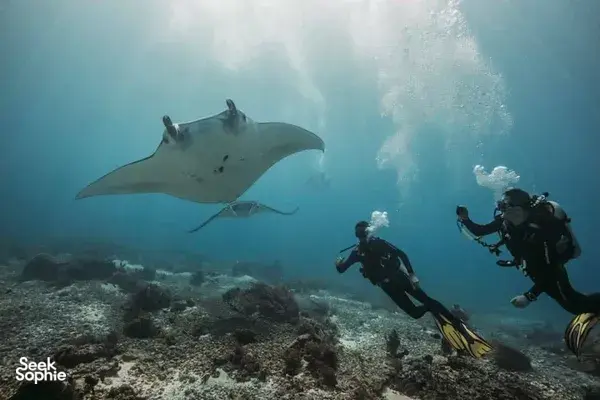
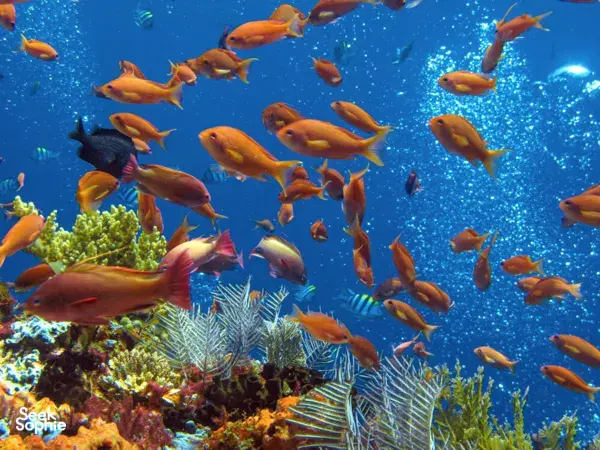
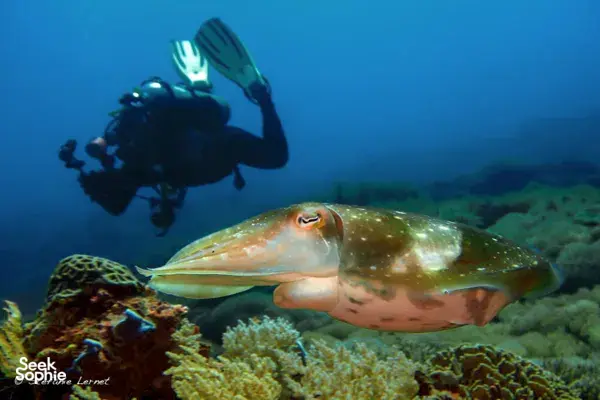
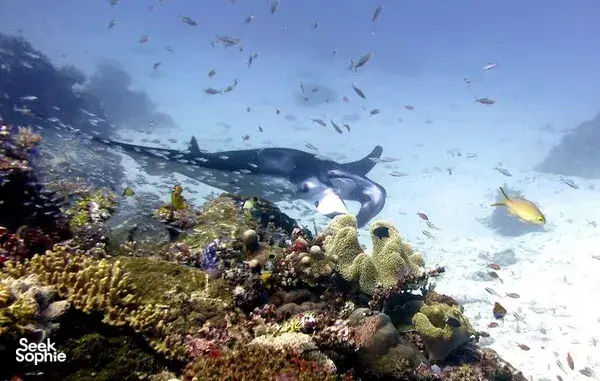
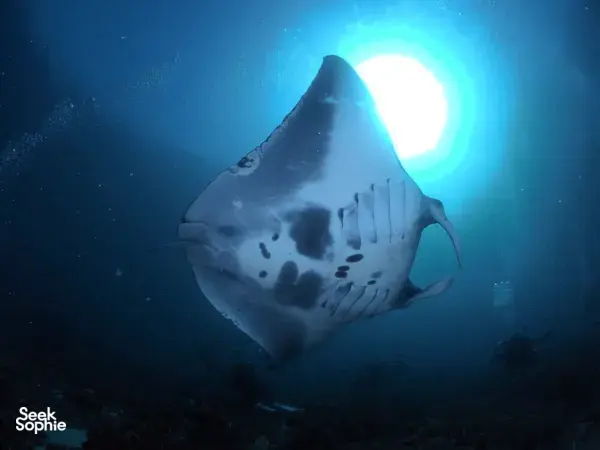
Dive into a real-life Finding Nemo - colorful fish, turtles, sharks, and mantas await! All diving levels welcome.
All Diving in Labuan Bajo (Komodo)
Loading...
Browse Collection
Love letters from our guests
4.9
|
396 reviews
Diving in Labuan Bajo (Komodo) FAQs
What are the best diving spots in Labuan Bajo for exploring the less-known underwater ecosystems?
Some of the most secluded and vibrant diving sites around Labuan Bajo include Batu Bolong and Tatawa Islands, which offer pristine coral reefs teeming with diverse marine life. For off-the-beaten-path adventures, consider diving at Manta Point during manta migration seasons or exploring the lesser-visited islands like Kanawa for colourful macro photography opportunities. Remember to go with local, eco-conscious operators who prioritise reef conservation and provide customised dives tailored for keen photographers looking to capture unique underwater moments.
What should I pack for diving trips around Labuan Bajo, especially if I want to capture authentic local underwater scenes?
Pack a high-quality underwater camera or housing with wide-angle and macro lenses to document colourful marine life and intricate coral formations. Bring reef-safe sunscreen for surface prepping, lightweight dry clothing for post-dive comfort, and a snorkel and fins as backup options. Don't forget small power banks and extra batteries, as well as a waterproof bag for your electronics. Respect local marine environments by avoiding touching or collecting souvenirs from the reef, ensuring your photographs do not disturb the delicate ecosystems.
Are there specific times of year that are ideal for diving in Labuan Bajo to enjoy unspoiled marine life and better photography conditions?
The dry season from May to September generally offers calmer seas, better visibility (up to 20 meters or more), and abundant marine life, making it ideal for diving and underwater photography. During this period, chances to encounter manta rays, large pelagics, and colourful macro species increase. For a more intimate experience with lesser crowds, consider diving during the shoulder months of April or October. Always check recent weather patterns and marine activity, and consider local guides' advice to optimise your dive trips for authentic, off-the-beaten-path encounters.
How can I engage with local communities or indigenous cultures during my diving trips around Labuan Bajo?
Participate in community-led fishing or conservation initiatives, which often include underwater clean-up diving events organised by local groups. Visiting nearby villages such as Wae Rebo or Batu Cermin Cave offers opportunities to learn about traditional customs and stories, enriching your photographic narrative and cultural understanding. Always approach local communities with respect, use guides who are familiar with cultural sensitivities, and support locally owned businesses and eco-tourism efforts to ensure your trip benefits the community and promotes sustainable tourism.
What are some tips for ensuring sustainable and responsible diving in the fragile ecosystems surrounding Labuan Bajo?
Choose operators certified by recognised eco-labels who follow strict environmental guidelines, including avoiding coral contact and responsible waste disposal. Practice buoyancy control to prevent damaging delicate corals when taking photographs. Avoid collecting shells, corals, or marine creatures as souvenirs. Educate yourself on local marine species and conservation issues to appreciate their importance. Supporting marine protected areas and participating in reef-preservation programmes helps maintain the beauty and biodiversity of Labuan Bajo’s underwater environment for future explorers and photographers.
Only the good stuff