The Balinese healer who came from kings
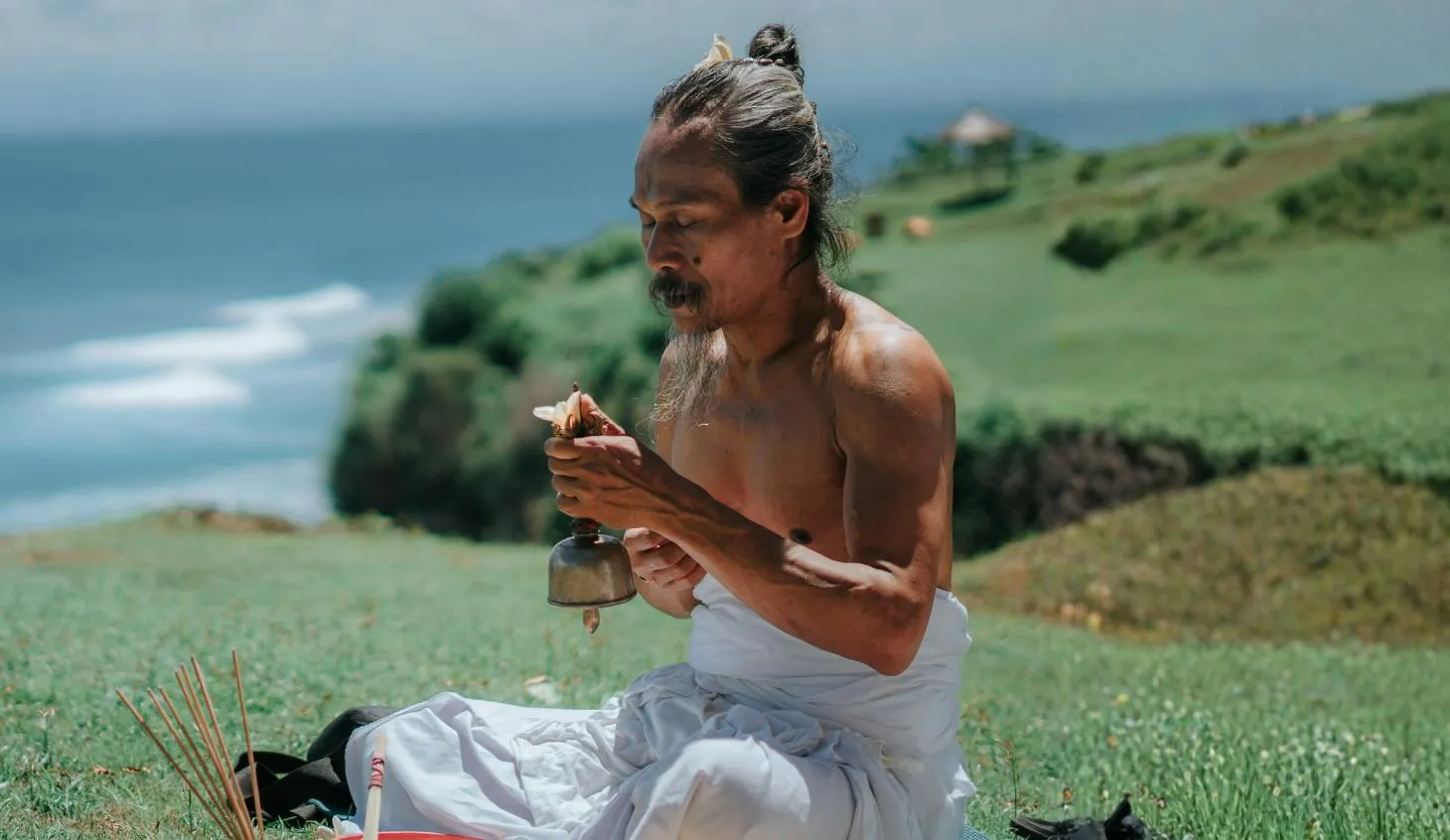
Jero Mangku comes from a family of Balinese healers descended from kings.
He grew up hearing about relatives with different spiritual abilities, from healing to telepathy, and says he discovered his own healing ability when he was still a child. When his friends hurt themselves while playing, they would come to Jero and ask him to help with their injuries. And it always worked.
In Bali, this kind of spiritual healing isn't something that arrived with modern wellness tourism. Traditional healers have long been part of Balinese spiritual life, alongside priests, purification ceremonies and beliefs around ancestors, nature and energy. For Jero, these weren't ideas he discovered later or learnt because travellers were interested in them. They were simply part of the family and spiritual world he grew up in.
As he got older, what had seemed normal in childhood gradually became his life too.
He believes everyone has the ability to heal
People now come to Jero from around the world, often because something in their lives feels stuck. Some are dealing with relationship problems or difficult emotions; others are simply curious about Balinese spirituality and want to understand it from someone who has grown up practising it.
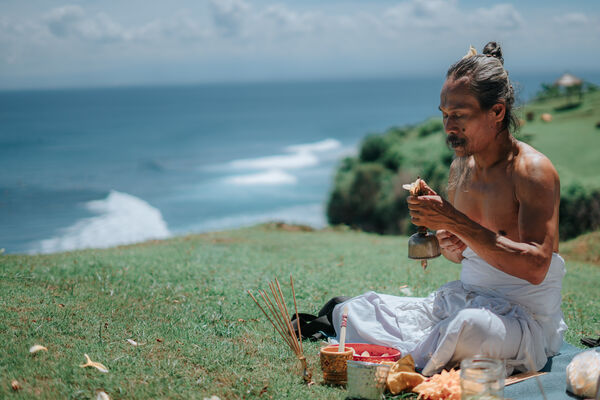
Jero's sessions can involve massage, water purification, fire rituals and other spiritual practices. But despite coming from a family of healers, he doesn't believe healing is a special power that belongs only to people like him.
He believes everyone has some capacity to heal themselves.
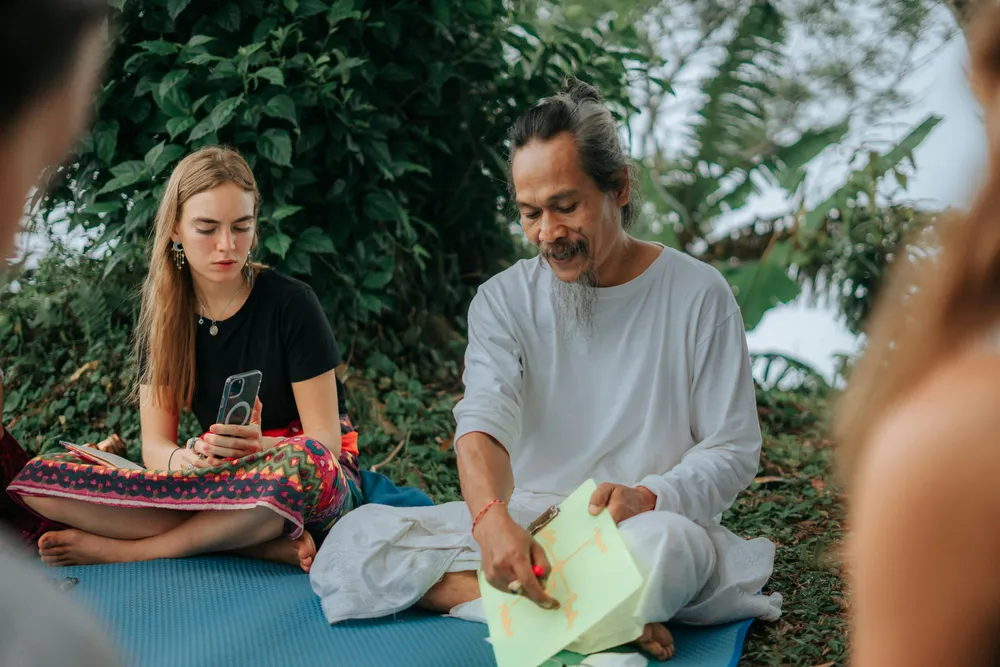
Much of his work is about helping people pay attention to what's happening inside them. In Jero's worldview, fear, resentment and other negative emotions can leave people feeling blocked or disconnected from themselves, and healing involves learning to release some of that and reconnect with their own heart.
God is in every single one of us. We need to reach inward to be connected with our own truth.
It's also why Jero is comfortable working with people from different religions. He doesn't see spirituality as belonging to one particular faith; what matters to him is the idea that people can connect to God, nature and something deeper inside themselves in different ways.
For Jero, nature is part of the healing
Jero's spiritual practice also extends far beyond a treatment room.
He believes nature has its own healing power, so he often takes people to sacred places around Bali where they can spend time away from everyday distractions and reconnect with themselves.
The place he feels especially drawn to is Lake Tamblingan in North Bali.
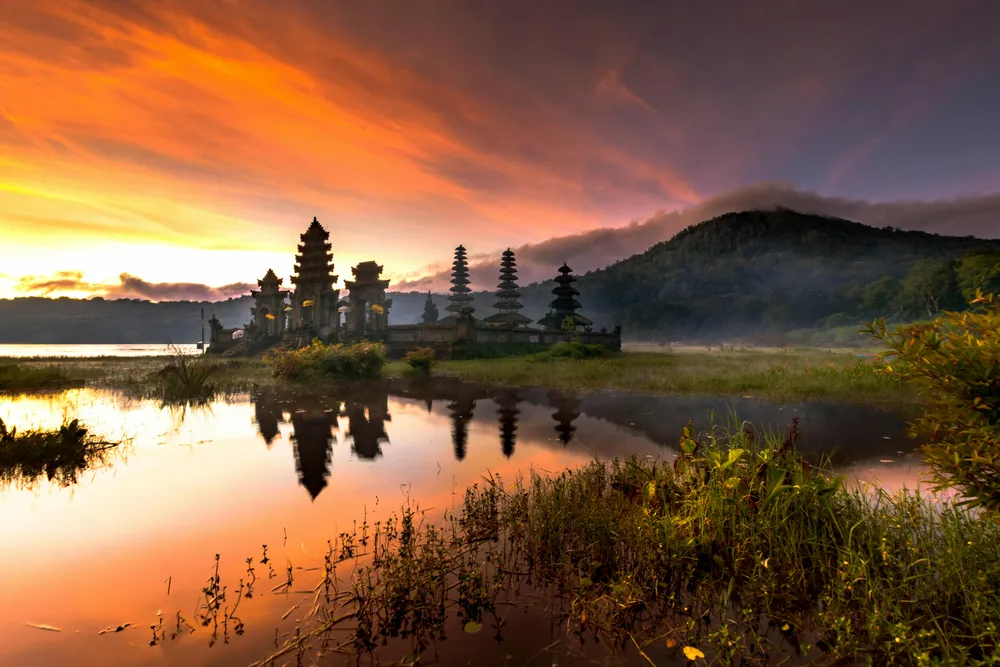
Surrounded by forest and sacred sites, Tamblingan is where Jero hopes one day to build an ashram: somewhere people can stay for longer, spend time in nature and explore the spiritual practices that have shaped his own life.
That connection between spirituality and nature is important to understanding Jero because he doesn't see healing as something that happens during one isolated session. To him, the way you think, the things you hold onto and your relationship with the world around you are all connected.
It's also a very different window into Bali from simply visiting a temple, seeing a ceremony and moving on. With Jero, you begin to understand some of the beliefs sitting underneath those rituals and how they fit into everyday life.
He's watched Bali change enormously
Jero has also lived through a Bali that looked very different from the island most travellers know today.
He remembers Kuta when it was much quieter and has watched places such as Ubud become increasingly developed. Overtourism concerns him, but perhaps surprisingly for someone whose life is so deeply rooted in tradition, he doesn't believe Bali needs to stay exactly as it once was.
To Jero, change is natural.
What makes him hopeful is seeing younger Balinese people becoming more interested in their own heritage and learning the traditions that have been passed through their families. He believes Bali can change on the outside without necessarily losing what sits underneath it, as long as people continue to understand and practise their culture rather than treating it only as something to display for visitors.
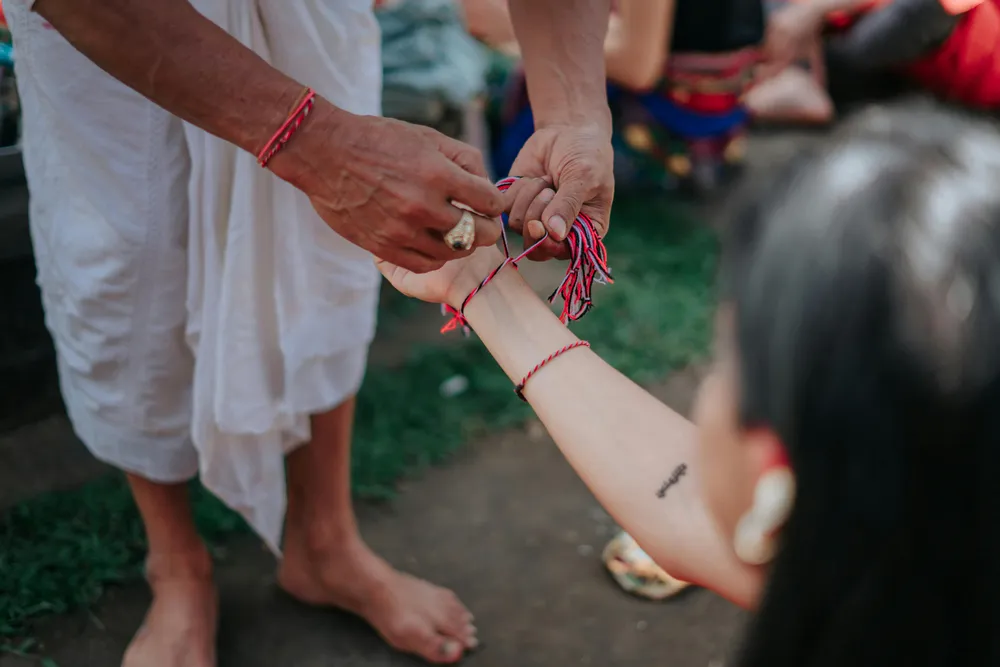
His own life is an example of that.
The spiritual practices Jero grew up around weren't preserved in a museum or taught to him as something belonging to the past. They were living family knowledge. His relatives practised them, his friends came to him for healing when he was a boy, and Jero eventually chose to carry that role into another generation.
He doesn't want people to depend on him forever
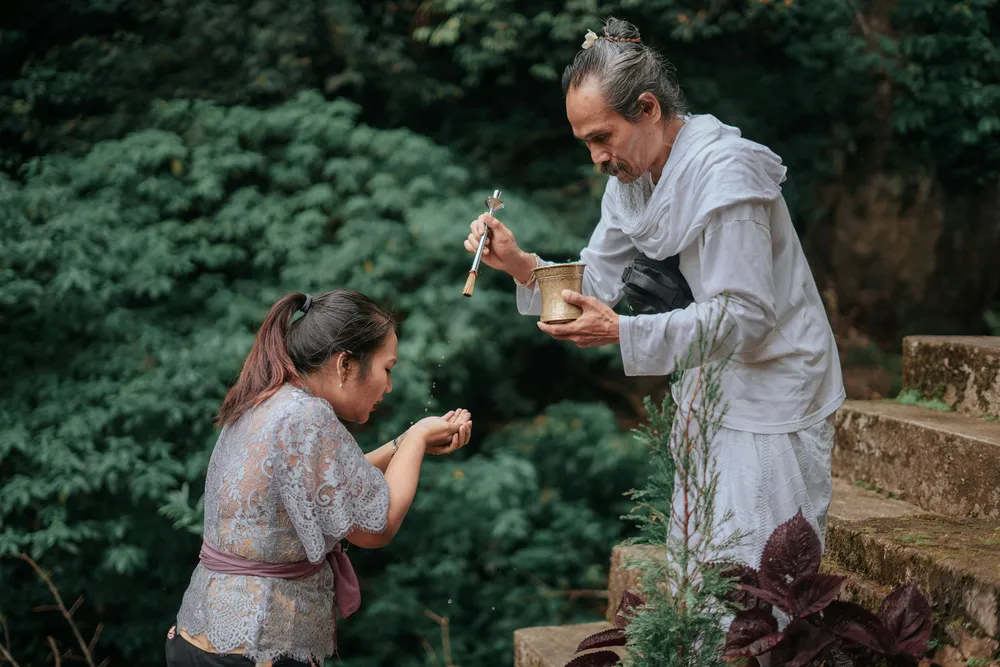
For someone whose work involves people coming to him for healing, Jero's philosophy is surprisingly uninterested in making people dependent on him.
Again and again, he returns to the idea that the answer isn't supposed to sit entirely with the healer. He wants people to become better at listening to themselves and finding their own way forward.
Forget your mind and follow your heart. For it will always lead you in the direction of love and light.
You don't have to share all of Jero's beliefs to find him fascinating.
What makes spending time with him interesting is getting a window into a spiritual world that has shaped his family for generations, and hearing how someone raised inside that tradition thinks about questions most of us wrestle with too: why we feel stuck, what we hold onto and what it means to feel at peace with our own lives.
Spend time with Jero Mangku in Bali
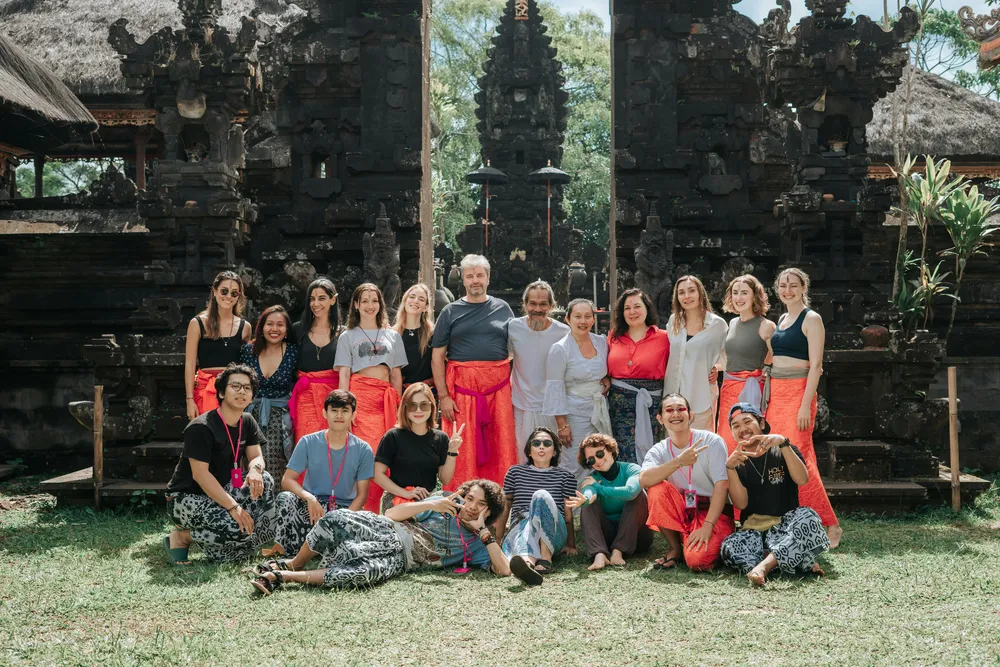
If you're curious about Bali's spiritual traditions, we'd choose spending time with Jero over a more generic wellness experience.
On this Seek Sophie experience with Jero Mangku, you get to learn directly from someone whose relationship with healing began long before he ever met a traveller. You can ask questions about his family, Balinese spirituality and the practices he uses, while experiencing part of the world he grew up inside.
Come curious rather than expecting someone to magically fix your life. Jero would probably tell you the real work still belongs to you.
![Mount Batur: Your Essential Guide & Beat the Crowds [2026]](https://d18sx48tl6nre5.cloudfront.net/webp_xl_6b128d171653526bce960e5411c24dda.webp)
![Komodo Islands: Everything You Need to Know & How to Avoid the Crowds [2026]](https://d18sx48tl6nre5.cloudfront.net/webp_xl_d9b99943af4ed7cc753b66ce9ba57eda.webp)
Bali FAQs
Is Bali expensive to visit?
Bali can be as budget-friendly or as luxurious as you want it to be. You can easily enjoy the island on a budget of around $30–$50 per day by staying in guesthouses, eating at warungs (local eateries), and using scooters for transport.
On the other end of the spectrum, Bali has stunning luxury resorts and private villas where you can spend upwards of $500 per night.
If you’re looking for a mid-range experience, expect to spend about $100–$150 per day.
Is $1,000 enough for a week in Bali?
Yes, $1,000 is more than enough for a week in Bali! Here’s a rough budget breakdown:
- Accommodation: $20–$100 per night per person
- Meals: $5–$20 per meal
- Transport: $5–$15 per day
- Activities: $10–$50 per person/day
If you avoid high-end resorts, you can easily stay within budget while still enjoying amazing experiences.
How many days do I need in Bali?
We’d recommend at least 8 days to really experience Bali, especially if you're a first time visitor.
If you have 8 days, you can spend 3 days in the South at Nusa Penida and chilling at beaches, and then spend 5 days in Ubud and up north where you can explore the tourist areas in Ubud, take in a cooking/art class, hike Mount Batur/Agung and do an adventurous day trip to Munduk.
If you have longer (e.g. 2 weeks), you can explore beyond Bali to hike Ijen volcano (blue flames!), or take a boat to nearby Lombok and Gili Islands. If you're heading to Lombok, you'll need at least another week.
What is the best time to visit Bali?
The best time to visit Bali is during the dry season, from April to October, when the weather is sunny and ideal for outdoor activities.
The wet season (November–March) is still a good time to visit if you prefer fewer crowds and don’t mind occasional heavy rain.
If you’re into surfing, July and August offer the best waves on Bali’s west coast.
What is so famous about Bali?
It’s no secret that Bali is one of the most popular places on the planet. When people think about Bali, they usually think of yoga retreats, Eat, Pray, Love, or glam beach bars, gorgeous villas and surfing. And Bali can be all of that of course. It’s super easy to travel, most people speak English, and there’s something for everyone—whether you want adventure, hiking, and nature or just chilling at a beach bar that could be anywhere in the world.
But there’s a lot more to Bali than its Instagram-famous treehouses and touristy swings. Bali has so much heart. There are artisans practicing crafts that have been passed down for generations, a deep respect for nature, and conservationists working hard to protect its land and oceans. And despite how much tourism has shaped the island, the spiritual side of Bali is still very real. That’s the Bali we love—and the one we hope travellers will get to experience.


![Mount Batur: Your Essential Guide & Beat the Crowds [2026]](https://d18sx48tl6nre5.cloudfront.net/webp_md_419759df50222c532107ed80aed4fd60.webp)
![Komodo Islands: Everything You Need to Know & How to Avoid the Crowds [2026]](https://d18sx48tl6nre5.cloudfront.net/webp_md_03b20b0ee11bb155c80ce9e618c3cbe5.webp)
![Best Things to Do in Labuan Bajo [2026]](https://d18sx48tl6nre5.cloudfront.net/webp_md_fbeccdf94f72d3ced7a242b51a7ec1af.webp)
![Best Things to Do in Labuan Bajo [2026]](https://d18sx48tl6nre5.cloudfront.net/webp_xl_6a7b2411dddfb5a78d68026829099637.webp)