Bali











Have a burning question?
Helpful Questions
What is so famous about Bali?
It’s no secret that Bali is one of the most popular places on the planet. When people think about Bali, they usually think of yoga retreats, Eat, Pray, Love, or glam beach bars, gorgeous villas and surfing. And Bali can be all of that of course. It’s super easy to travel, most people speak English, and there’s something for everyone—whether you want adventure, hiking, and nature or just chilling at a beach bar that could be anywhere in the world.
But there’s a lot more to Bali than its Instagram-famous treehouses and touristy swings. Bali has so much heart. There are artisans practicing crafts that have been passed down for generations, a deep respect for nature, and conservationists working hard to protect its land and oceans. And despite how much tourism has shaped the island, the spiritual side of Bali is still very real. That’s the Bali we love—and the one we hope travellers will get to experience.
Is Bali expensive to visit?
Bali can be as budget-friendly or as luxurious as you want it to be. You can easily enjoy the island on a budget of around $30–$50 per day by staying in guesthouses, eating at warungs (local eateries), and using scooters for transport.
On the other end of the spectrum, Bali has stunning luxury resorts and private villas where you can spend upwards of $500 per night.
If you’re looking for a mid-range experience, expect to spend about $100–$150 per day.
Is $1,000 enough for a week in Bali?
Yes, $1,000 is more than enough for a week in Bali! Here’s a rough budget breakdown:
- Accommodation: $20–$100 per night per person
- Meals: $5–$20 per meal
- Transport: $5–$15 per day
- Activities: $10–$50 per person/day
If you avoid high-end resorts, you can easily stay within budget while still enjoying amazing experiences.
How many days do I need in Bali?
We’d recommend at least 8 days to really experience Bali, especially if you're a first time visitor.
If you have 8 days, you can spend 3 days in the South at Nusa Penida and chilling at beaches, and then spend 5 days in Ubud and up north where you can explore the tourist areas in Ubud, take in a cooking/art class, hike Mount Batur/Agung and do an adventurous day trip to Munduk.
If you have longer (e.g. 2 weeks), you can explore beyond Bali to hike Ijen volcano (blue flames!), or take a boat to nearby Lombok and Gili Islands. If you're heading to Lombok, you'll need at least another week.
What is the best time to visit Bali?
The best time to visit Bali is during the dry season, from April to October, when the weather is sunny and ideal for outdoor activities.
The wet season (November–March) is still a good time to visit if you prefer fewer crowds and don’t mind occasional heavy rain.
If you’re into surfing, July and August offer the best waves on Bali’s west coast.
Which area should I stay in?
It depends on what you’re looking to do! If you want beaches, stay near in the South (Canggu/Kuta/Seminyak). For nature, art and hiking, go to Ubud.
- For beaches and partying: stay at Canggu/Kuta/Seminyak.
- For hiking, nature, culture and key tourist areas: stay at Ubud or Kintamani
- For getting away from crowds: Head to Sidemen, Munduk, or the Bukit Peninsula. Sidemen and Munduk are our faves - basically like Bali before mass tourism.
- For surfing: Uluwatu and Medewi (less crowded).
- For diving: Head to Nusa Penida (Mola Molas and Manta Rays), Candidasa/Padangbai for lots of sharks, Tulamben for underwater photography/macros and Menjangan National Park for coral walls, calm waters and good visibility.
- For luxury escapes: Stay at beach resorts in Nusa Dua.
Check out our detailed area-by-area guide of Bali here.
Should I stay in Ubud or Canggu if I’m a first time visitor?
Both are great, but they offer very different experiences.
Ubud is best for nature, culture, and wellness. Think Balinese Hindu temples, jungle landscapes, waterfalls, and artisan workshops. You’ll find activities like batik painting, silver jewelry making, and traditional cooking classes. It’s also the best base for hiking Mount Batur in Kintamani.
Canggu is all about surfing, social media-friendly cafes, and nightlife. It’s trendy, digital-nomad friendly, and has plenty of boho-style bars. However, it’s more international than traditional Balinese culture.
What are the most popular tourist attractions in Bali?
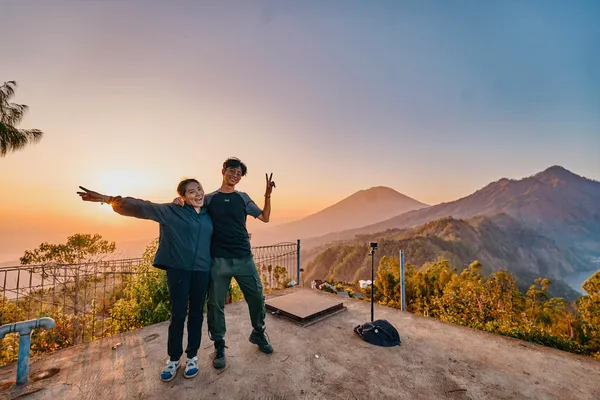
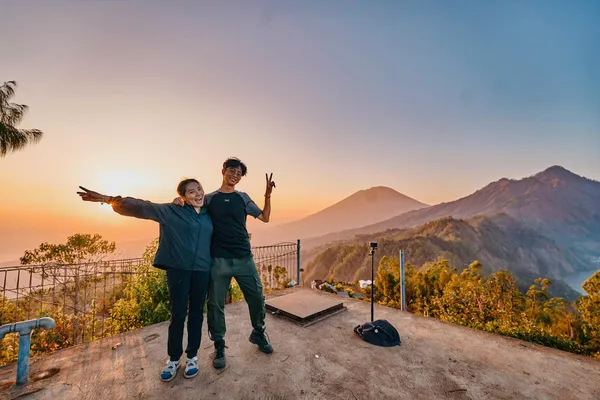
- Mount Batur Sunrise Hike – Epic views, worth the early start.
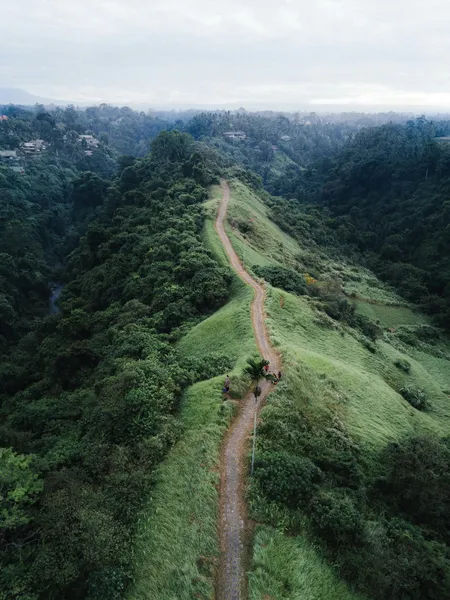
- Tegalalang Rice Terraces – One of the most scenic spots in Ubud.
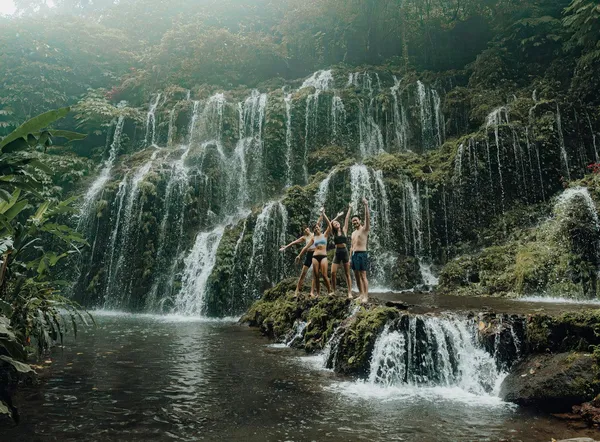
- Sekumpul Waterfalls – Hidden, stunning, and much less touristy.
- Uluwatu Temple & Kecak Dance – Unforgettable sunset views and Bali's iconic fire dance.
- Nusa Penida – Instagram-famous beaches like Kelingking Beach.
What are the best unique and off-the-beaten-path experiences in Bali?
- Hike Ancient Jungles & Waterfalls in Munduk – Explore a remote paradise with sacred temples and hidden trails.
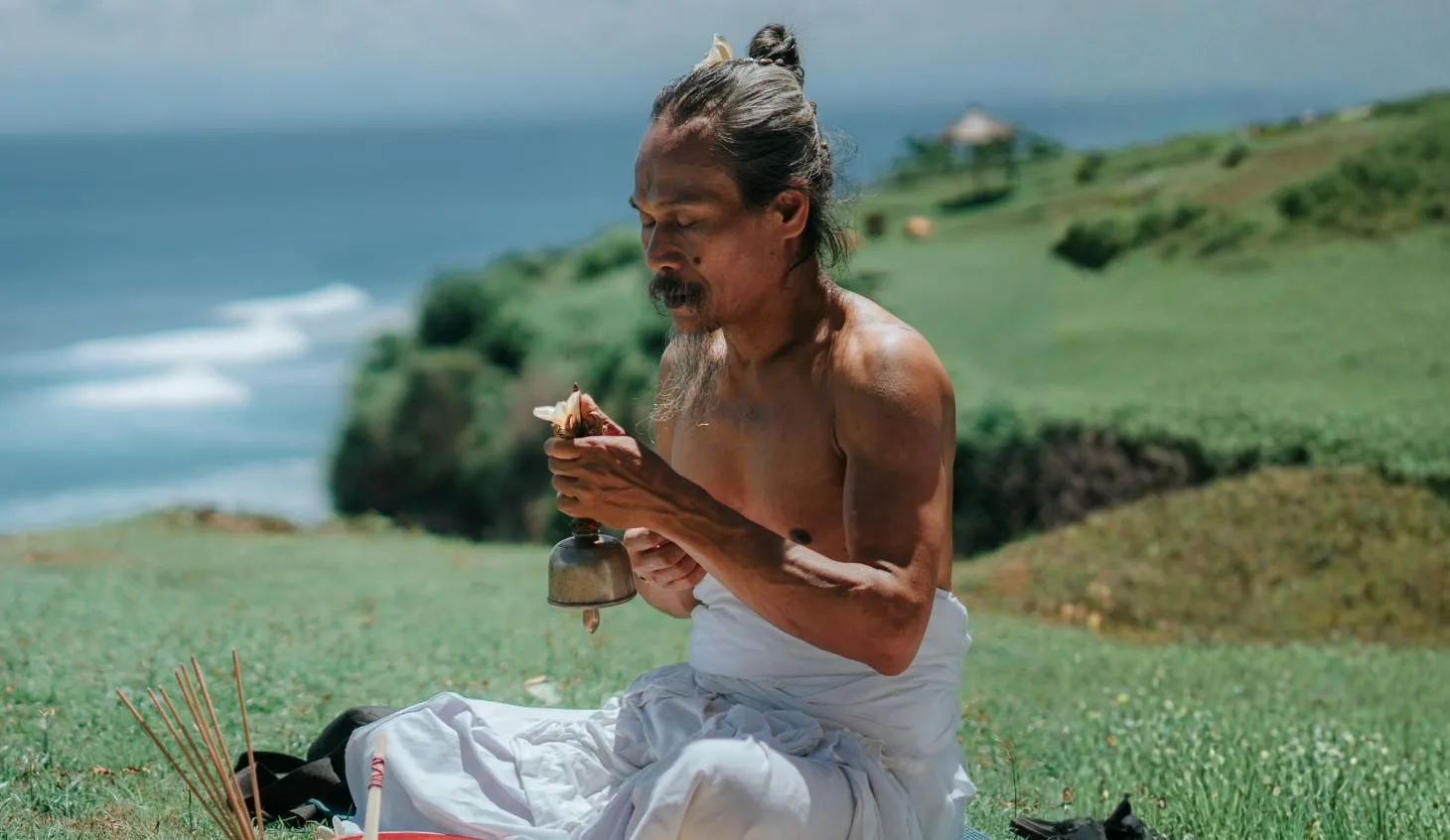
- Meet a Spiritual Healer – Visit Jero Mangku, a respected healer from Balinese royalty. You'll not only get deep insights about yourself, it's a great way to get to know Balinese spiritual traditions.
- See Mount Batur Without the Crowds – Forget the Batur crowds. Take a secret route with a moonlit ride across Lake Batur. This is one of our fave experiences in Bali
- Firefly Safari with a Conservationist – Fireflies are Balinese spirit guides! You can support local efforts to protect them.
- Try Melukat, Balinese Purification – A powerful ritual to cleanse the soul. It's a must for anyone who wants to understand Balinese culture.
- Have a Slow Travel Adventure in Nusa Penida – Instead of just going for the day, stay overnight! Visit seaweed farms and sacred temples instead of just IG-famous spots.
- Help Bali’s Wildlife & Communities – Support conservation efforts like saving sea turtles, the Bali dog and coral restoration.
- Paragliding Over Bali’s Coast – Take in the stunning coastline from the sky. Definitely the best views in Bali!
- Canyoning in Waterfalls – This is a really fun way to explore Bali’s waterfalls, and hike in nature.
- Surfing in Uluwatu – Escape the crowds in Canggu and surf hidden black sand beaches in Uluwatu instead.
What cultural experiences should I not miss in Bali?
- Balinese Cooking Class – The Balinese love their food, and here you'll really get to taste true farm-to-table cooking.
- Batik & Silver Jewellery Making – Hands-on artisan workshops from families who have been doing it for generations
- Traditional Dance Performances – watch the Kecak Fire Dance, but at an authentic local village instead of the touristed Uluwatu temple.
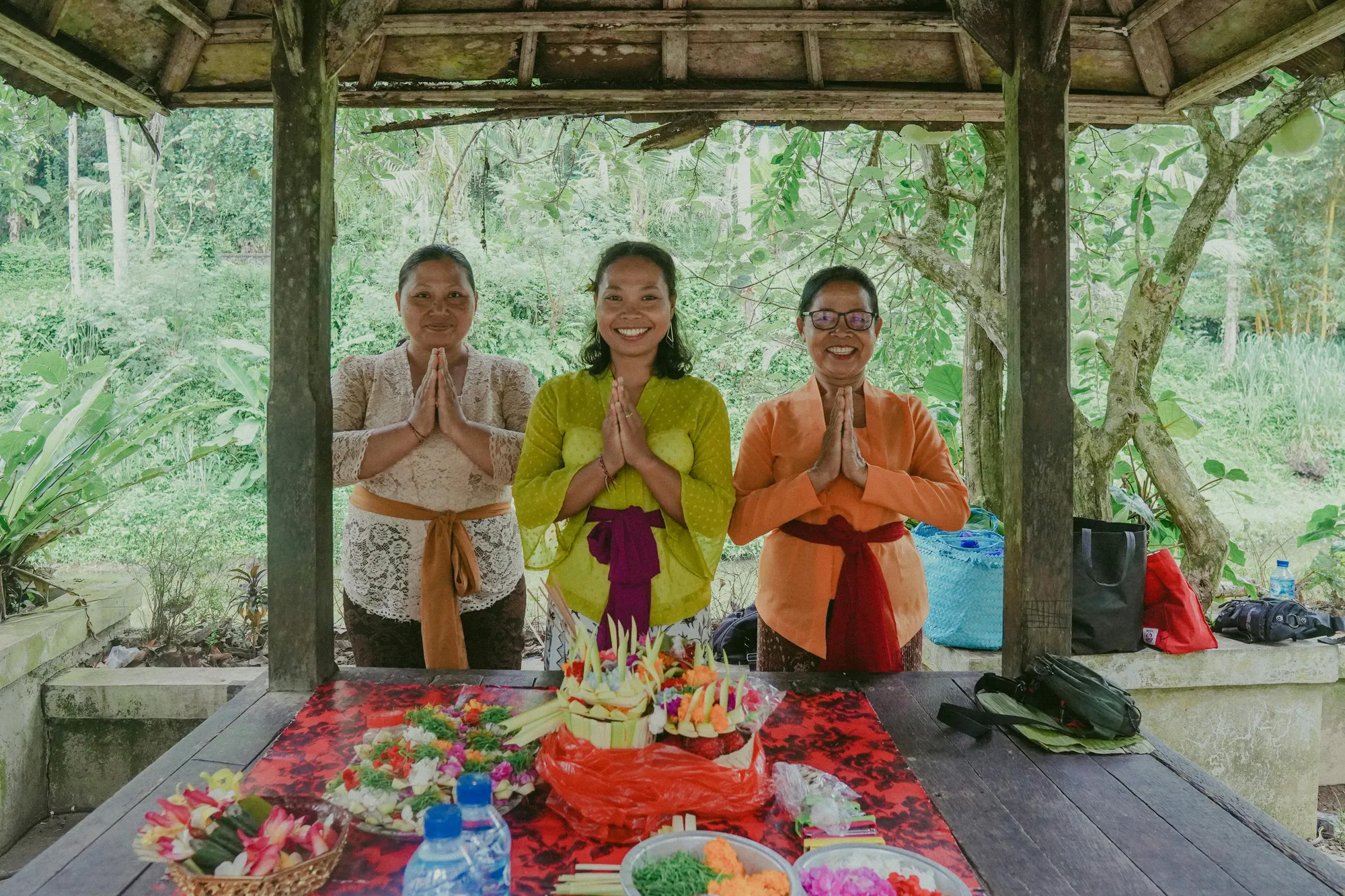
- Canang Sari Offering Workshop – Learn about Bali’s daily offerings.
- Meet a healer - there are lots of scam healers but if you find the right healers, it’s magical. You’ll find out a lot about yourself and get a deeper insight into Balinese culture.
How is the nightlife in Bali?
Bali’s nightlife varies by area:
- Canggu: Hipster bars, beach clubs, and underground music scenes.
- Seminyak: Chic rooftop bars and beach parties.
- Kuta: Wild clubbing scene (not for everyone).
- Uluwatu: Glam sunset cliff bars like Single Fin.
Note there isn’t nightlife in Ubud so if you’re looking for nightlife, you should stay in the south!
What is the best way to get around Bali?
We’d recommend hiring a private driver or using Gojek/Bluebird Taxi instead of renting a scooter.
While a lot of people ride scooters in Bali, it’s not the safest option due to heavy traffic, uneven roads, and unpredictable drivers. Additionally, you must have an international driver’s license to rent and ride a scooter legally. Many foreigners ride without a license, and local police often pull them over, imposing fines.
If you’re not experienced with riding in chaotic traffic, it’s best to avoid renting a scooter and opt for a safer and more comfortable transport option.
What are some must-try local dishes in Bali?
- Babi Guling – Suckling pig, a Balinese specialty. Fun fact - the best Babi Guling isn’t in public restaurants but in private homes! Get a local to take you.
- Bebek Betutu – Slow-cooked duck wrapped in banana leaves.
- Lawar – A spicy mix of minced meat, coconut, and herbs.
- Nasi Campur – Rice with a mix of side dishes.
What vegetarian local food is available in Bali?
Most warungs in Bali offer great vegetarian options. You can try gado-gado (a delicious salad with peanut sauce), tempeh and tofu-based dishes, nasi campur with vegetarian side dishes, or urap (vegetables with coconut dressing). Many Balinese dishes are naturally plant-based, making it easy to find delicious and affordable vegetarian food everywhere.
Is overtourism a problem in Bali?
Yes, especially in Canggu, Ubud, and Nusa Penida. Popular areas are packed, traffic is a nightmare, and foreign-owned resorts are driving up prices, making it harder for locals to afford housing. Many of the rice paddies you see in Ubud aren’t even real farms anymore—they’re just there for tourists. Water shortages and trash problems are also getting worse.
That said, tourism is the backbone of Bali’s economy. Many locals and Indonesians from other islands rely on it to make a living. So skipping Bali entirely isn’t the answer either.
The best thing you can do is travel more mindfully—stay in locally-owned guesthouses, eat at small warungs, and support local conservation projects like saving Bali dogs, fireflies, and sea turtles. You can also explore lesser-known areas like Munduk, Sidemen, and North Bali to help take the pressure off the tourist hotspots.
How can I travel responsibly in Bali?
1.Support Local Businesses – Stay in family-run guesthouses instead of international hotel chains, eat at small warungs where locals dine, and book experiences run by Balinese-owned businesses. This ensures that your money goes back into the local economy. Many locally owned experiences also operate in small groups, naturally reducing environmental impact and creating more meaningful interactions with the community.
2.Avoid Unethical Wildlife Attractions – Bali has a lot of wildlife experiences, but not all of them are ethical. Avoid Lovina dolphin tours, where boats aggressively chase dolphins, causing stress and injury. Skip wildlife ‘safaris’ where animals are kept in unnatural conditions for entertainment. Be wary of luwak coffee farms—most keep civets in tiny cages, force-feed them coffee cherries, and deprive them of their natural diet. If you’re keen on wildlife experiences, there are a lot of great ones run by local conservation groups.
3.Reduce Plastic Waste – Bali struggles with plastic pollution, and a small change from travellers makes a huge difference. Carry a refillable water bottle (refill stations are common in cafés and hotels), bring a reusable shopping bag, and refuse plastic straws. Many eco-conscious cafés now use bamboo, metal, or paper straws—support them instead.
4.Choose Sustainable Activities – Look for experiences that genuinely contribute to the local community and environment. Opt for:
- Conservation-focused activities like coral restoration projects or beach clean-ups.
- Women-led initiatives that empower local artisans and entrepreneurs.
- Farm-to-table dining at organic farms and restaurants that use local ingredients, cutting down on food miles and supporting Balinese farmers.
5.Respect Local Culture – Bali’s culture is deeply spiritual, and respecting traditions goes a long way. When visiting temples, wear a sarong and sash (many temples provide them for free, but you can also buy one to support local vendors). Treat sacred places like Mount Agung and Mount Batur with respect—locals believe they house spirits, so avoid loud music, excessive noise, or any disrespectful behaviour while hiking.
Is Bali safe for solo female travelers?
Yes, Bali is generally safe for solo female travelers. Many women travel here alone and have a great experience. However, like anywhere in the world, it’s good to take precautions—avoid walking alone at night in isolated areas, be mindful of drink safety in bars, and trust your instincts when meeting new people.
What should female travelers be aware of in Bali?
As female travellers ourselves we feel pretty safe wandering around in Bali, even at night. People are generally lovely and petty crime is low. But just keep your wits around you!
Some things to note:
- Street harassment is rare but unwanted attention can happen, especially in nightlife areas.
- Dress modestly in temples – A sarong is required when entering sacred sites. Cover your shoulders and knees.
- Be cautious with taxis – Use Grab, Gojek, or Bluebird Taxi for safer rides instead of taking a stranger's car. Or get a private car/guide to take you around.
- Know your limits with alcohol – Drinks can be strong, and some bars serve arak (a potent local liquor).
- Trust your gut – If a situation doesn’t feel right, remove yourself immediately.
Should I carry cash or rely on credit/debit cards in Bali?
Cash is still widely used, especially in local markets and warungs. Most tourist areas accept cards, but always have cash for small purchases or tipping your guides.
What currency should I bring?
The Indonesian Rupiah (IDR) is the only accepted currency. Money changers are widely available, but use reputable exchange offices.
Is there a tipping culture in Bali?
No, tipping is not a native custom in Bali or Southeast Asia as a whole. However, tips are always appreciated, even if they are not expected.
What is a normal tip in Bali?
- Restaurants and Spas: 10% is standard, especially if no service charge is included.
- Drivers and Tour Guides: IDR 50,000–100,000 for a full day.
- Delivery Drivers: Rounding up the bill to the nearest 10,000 IDR is a kind gesture.
- Hotel Staff: Small tips for extra services like bringing towels are appreciated but not necessary.
- Markets and Warungs: No tipping is expected, as prices are already set.
Is 50,000 IDR a good tip in Bali?
Yes. The minimum wage in Bali is around 11,000 IDR per hour (as of 2025), meaning 50,000 IDR is equivalent to nearly half a day’s wages for many workers. It is considered generous, but you can tip more if you feel inclined.
Is it rude not to tip in Bali?
No, not at all. Locals don’t expect tips, and it is not considered rude to leave without tipping. However, if someone provides excellent service, a small tip is always a nice way to show appreciation.
All field notes