Foodie Delights in Bali
Foodie Adventures in Bali
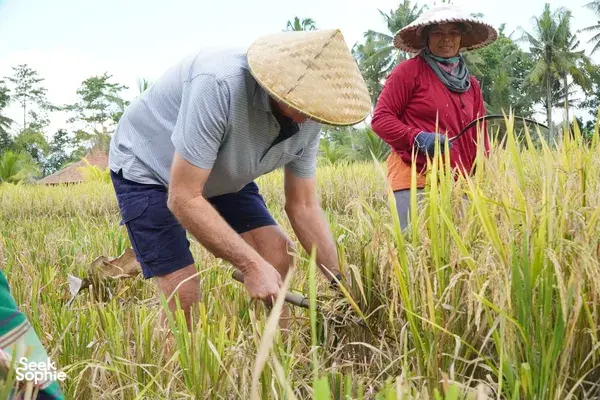
Your Bali food adventure starts here! with local farmers and chefs, and learn the story behind your food
All Foodie Adventures in Bali
Loading...
Browse Collection
Love letters from our guests
4.9
|
208 reviews
Foodie Adventures in Bali FAQs
What are some authentic local dishes in Bali that foodies shouldn't miss?
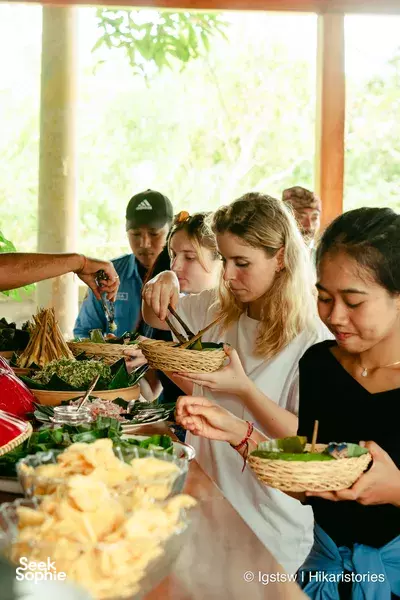
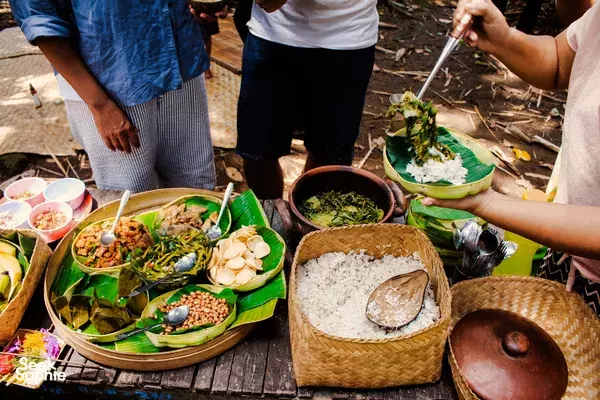
Bali offers a plethora of authentic dishes such as Babi Guling (suckling pig), Bebek Betutu (slow-cooked duck), and Lawar (a traditional vegetable and meat salad). To truly experience local flavours, venture beyond tourist hotspots to small warungs (local eateries) in villages like Ubud or Sidemen. Bring a camera to capture the colourful presentation of dishes, and consider engaging with locals for stories behind each recipe—it adds depth to your culinary journey.
Are there any hidden or lesser-known food spots in Bali worth exploring for unique photography opportunities?
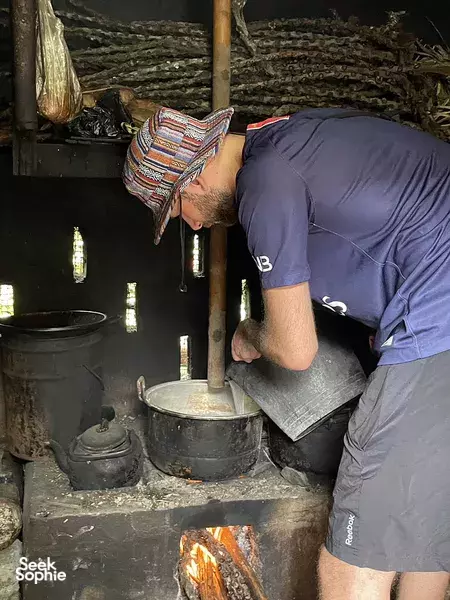
Absolutely. Seek out tucked-away warungs in rural areas such as Sidemen or near Mount Agung, where rustic settings and traditional cooking methods create photogenic scenes. Visit the traditional markets like Guwang or Klungkung, where vibrant produce, spices, and bustling activity provide fantastic photo opportunities. Remember to ask permission before photographing locals or their food, and visit early mornings for the freshest displays and the most candid moments.
When is the best time to experience Bali’s food markets and street food scenes for both flavour and photography?
The optimal times are early mornings and late afternoons. Morning markets like Pasar Seni Sukowati open at dawn, showcasing fresh produce and early trader activity — perfect for capturing dynamic shots. Evening street food stalls come alive at sunset, offering vivid lights, colourful dishes, and a lively atmosphere. Visit during weekdays to avoid heavy crowds, and bring a camera with a fast lens to capture lively details amidst busy surroundings.
How can I responsibly enjoy Bali’s off-the-beaten-path food experiences while respecting local culture?
Show respect by dressing modestly when visiting sacred or local areas, and always ask permission before photographing people or their property. Support small local vendors by purchasing directly from them, and avoid disrupting traditional preparation methods. Learning a few basic Bahasa Bali or Indonesian phrases can foster goodwill. Engaging positively with locals enriches your experience and helps preserve the authenticity of Bali’s food culture.
Are there guided food tours or cooking classes in Bali that cater to photography enthusiasts and culture seekers?
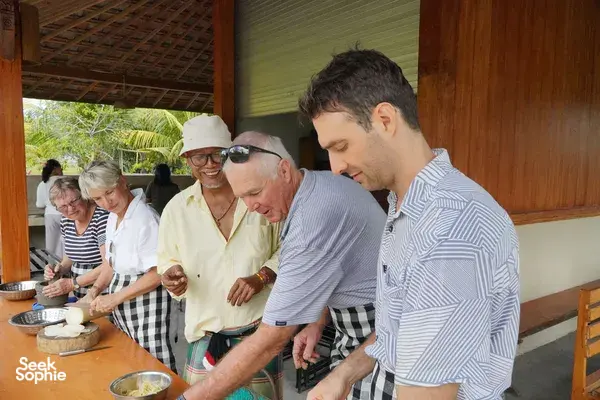
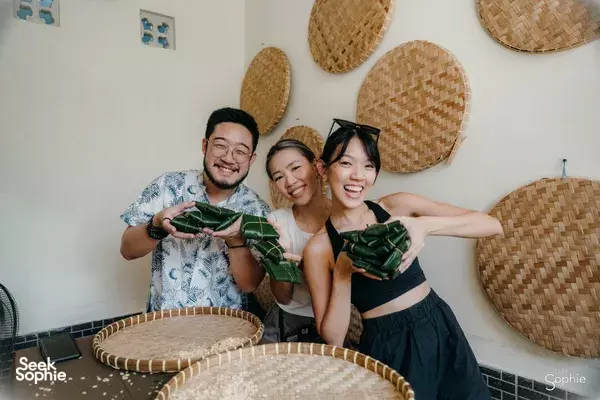
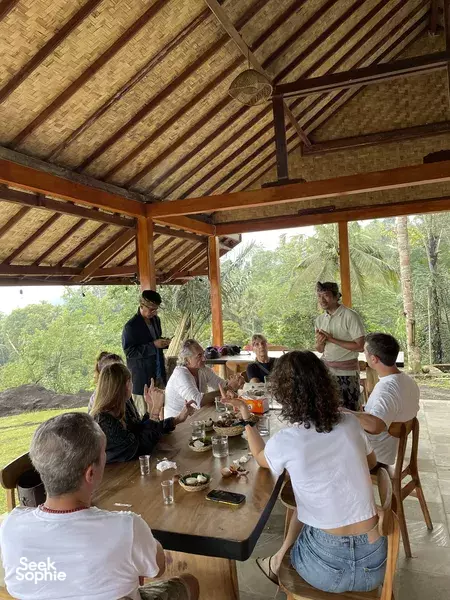
Yes, several specialised tours combine culinary demonstrations with photography opportunities. Look for classes in Ubud or Canggu that include visits to local markets, farm-to-table experiences, and traditional cooking sessions with professional chefs. These often provide plenty of time for capturing beautiful shots of vibrant ingredients, detailed food preparations, and scenic rural settings. Booking in advance is recommended, and choose tours that prioritise authentic, community-based experiences for a deeper connection.
Only the good stuff