Discover nature in
Animal & Wildlife in Malaysia

From orangutans to elephants you can find it all in Malaysia
All Animal & Wildlife in Malaysia
Loading...
Browse Collection
Love letters from our guests
4.7
|
857 reviews
Animal & Wildlife in Malaysia FAQs

What are the best wildlife spots in Malaysia for photography enthusiasts?
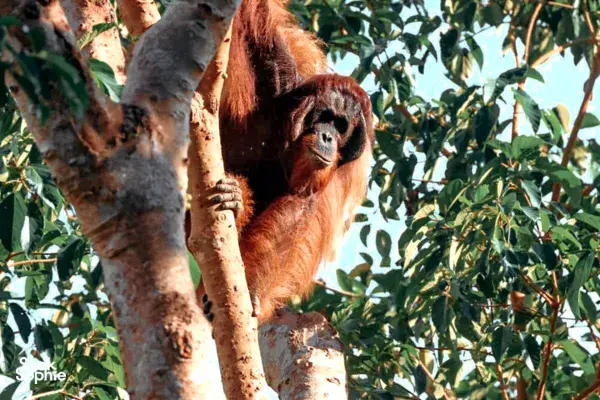
Malaysia offers diverse wildlife photography opportunities beyond popular parks. Consider visiting the Bornean rainforest in Danum Valley Conservation Area for rare orangutans and pygmy elephants, or go to Mulu National Park in Sarawak to capture unique cave-dwelling species. For a less-touristy experience, explore the Taman Negara National Park's remote sections early in the morning to photograph elusive Malaysian tigers and exotic bird species. Remember to bring a telephoto lens, a good pair of binoculars, and be patient to capture the perfect shot while respecting wildlife distances and behaviours.
Are there opportunities to see rare or endemic Malaysian wildlife on eco-tours?
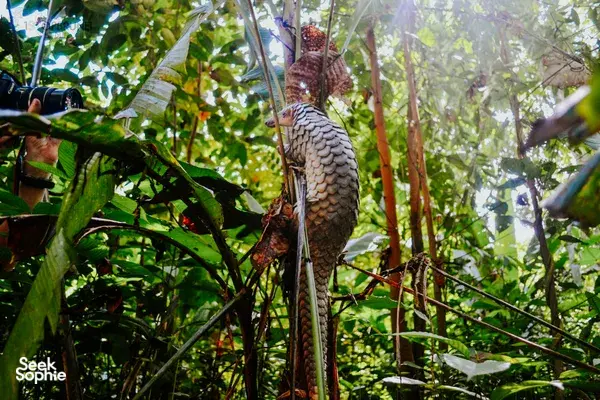
Absolutely. Malaysia is home to many endemic species like the Malayan tiger, Malayan pangolin, and the Rajah Brooke's birdwing butterfly. Eco-tours in places such as the Endau-Rompin National Park in Peninsular Malaysia or the Batang Ai National Park in Sarawak often include guided treks that focus on spotting these creatures responsibly. Tour operators that prioritise conservation will provide expert guidance, ensuring minimal disturbance to wildlife, while offering you the chance for up-close encounters and fantastic photography opportunities of species found nowhere else in the world.
What should travellers know about respecting local wildlife and ecosystems while exploring Malaysian nature?
Respecting local wildlife is crucial for conservation and your safety. Always maintain a safe distance when observing animals, avoid feeding them, and refrain from removing plants or souvenirs. Stick to established trails to minimise ecological impact and ensure habitat preservation. Additionally, learn about local customs and wildlife protection laws—many species are threatened, and illegal activities like poaching are strictly penalised. Practising Leave No Trace principles not only enriches your experience but also supports Malaysia's efforts to preserve its incredible biodiversity for future travellers and local communities.
Are there unique or lesser-known animals in Malaysia that travellers can hope to encounter on their adventures?
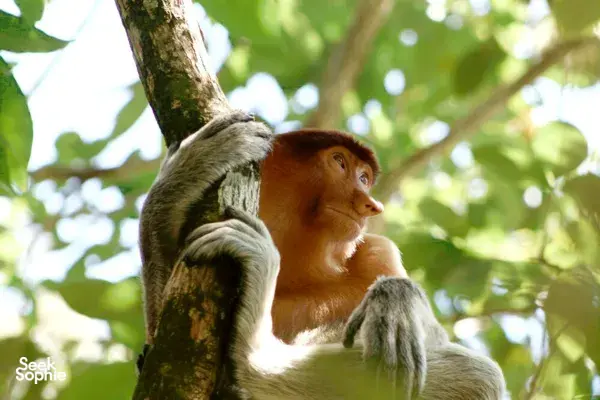
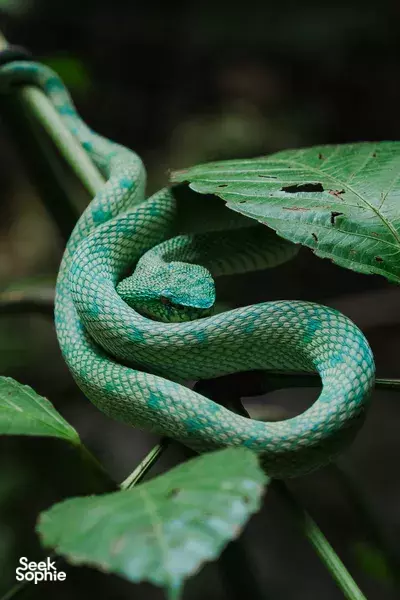
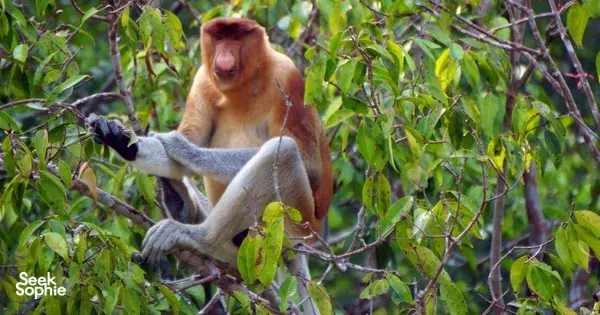
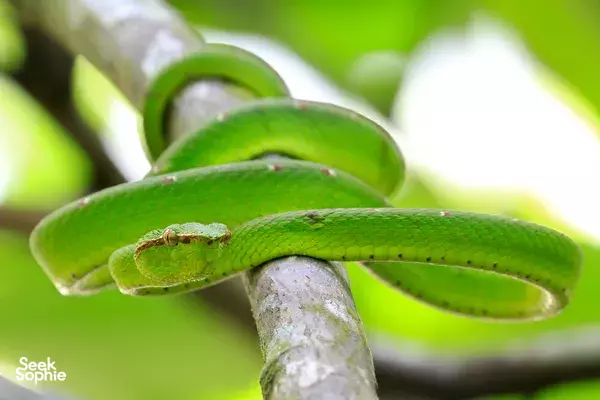
Yes, Malaysia is a treasure trove of lesser-known species waiting to be discovered. For instance, the Malayan tapir, often called the 'bamboo pig,' is a shy, nocturnal creature that inhabits remote forests. The colourful, endemic Bornean pygmy slow loris, a small nocturnal primate, is a hidden gem for wildlife photographers. In addition, the Malayan pit viper's striking scales and the unique proboscis monkey with its large nose often surprise visitors. To increase your chances, join specialised night safaris or guided eco-tours where local guides know the habitats of these elusive species, enriching your experience with stories and photography tips.
What are the best times of year to observe Malaysia's wildlife and learn about their behaviours?
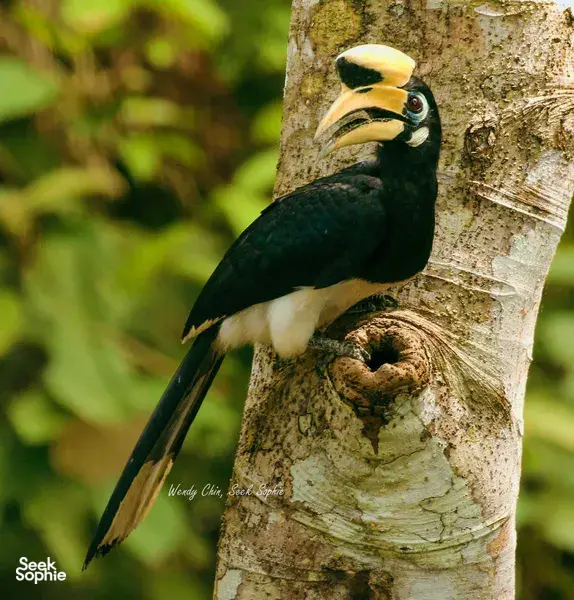
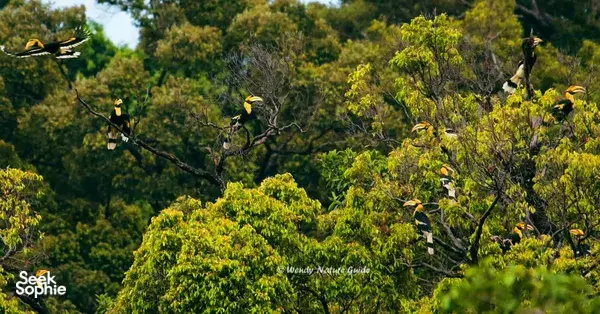
The dry season, typically from March to September, offers excellent wildlife viewing conditions as animals tend to congregate around water sources and are more active during cooler parts of the day. Early mornings and late afternoons are prime times for observing wildlife such as orangutans, hornbills, and vibrant insects. Migratory bird seasons, often between September and November, also bring many bird species to certain parks. To maximise your chances, plan treks around local wildlife events, like breeding seasons—which vary by species—and seek local guides' advice on recent sightings to enhance your experience and capture stunning images.
Only the good stuff