Discover wildlife in Malaysia
Wildlife Safaris in Malaysia
From jeep to river, Malaysia offers many unique safari experiences
All Wildlife Safaris in Malaysia
Loading...
Browse Collection
Love letters from our guests
4.7
|
975 reviews
Wildlife Safaris in Malaysia FAQs
What is the best time of year to go on a wildlife safari in Malaysia for optimal animal sightings?
The best time to enjoy wildlife safaris in Malaysia is during the dry season, typically from March to September, when animals are more active and water sources are limited, making sightings more frequent. Consider visiting Taman Negara or Borneo’s Danum Valley during these months. Additionally, avoiding the rainy monsoon season (November to February) can help you enjoy clearer skies and better photographic lighting, especially for capturing elusive wildlife. It's also worth noting that dawn and dusk are prime times for wildlife activity, so plan your safaris accordingly.
Are there any specific species I should be on the lookout for while on a safari in Malaysia?
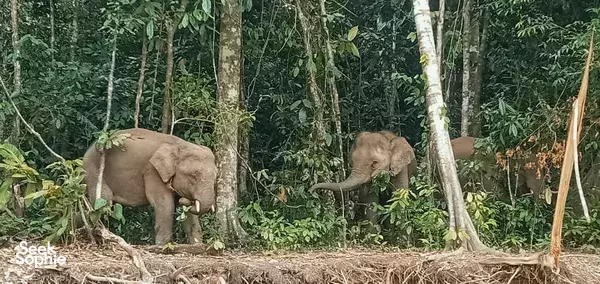
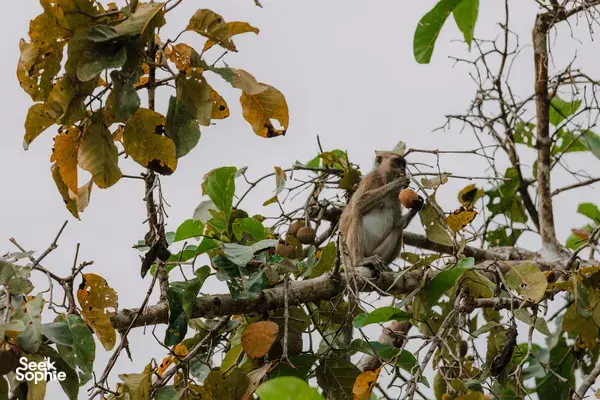
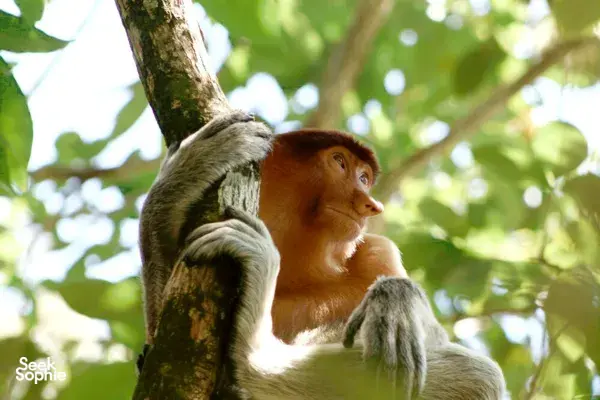
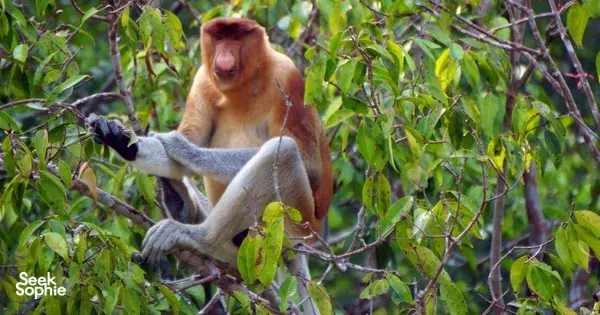
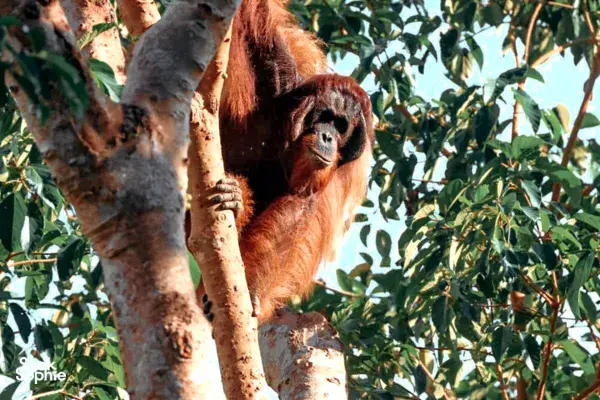
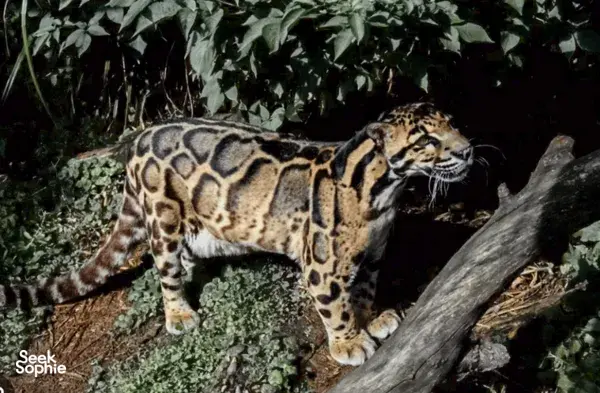
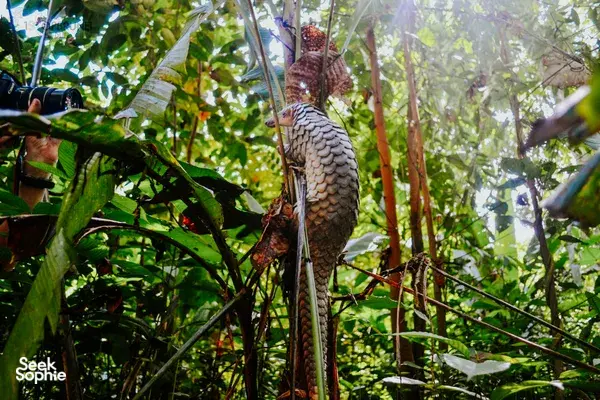
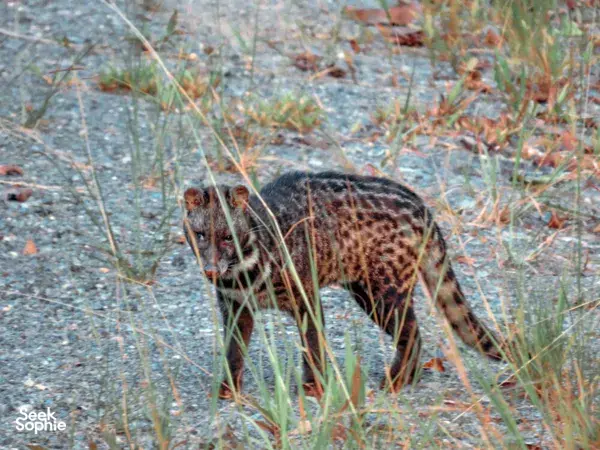
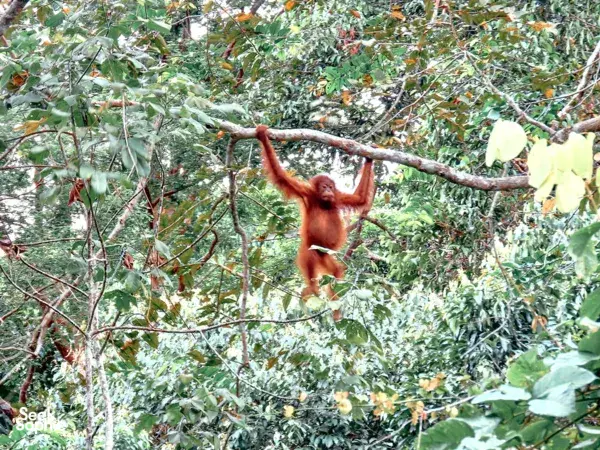
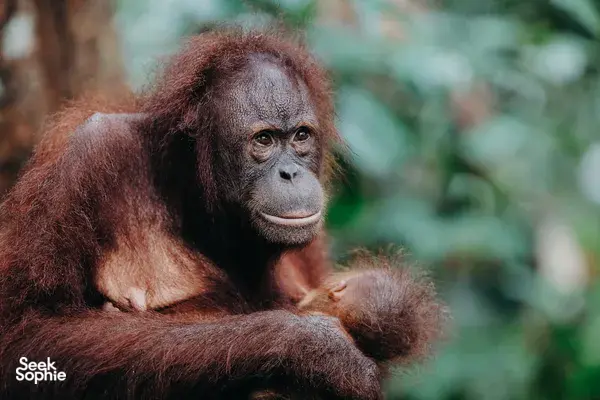
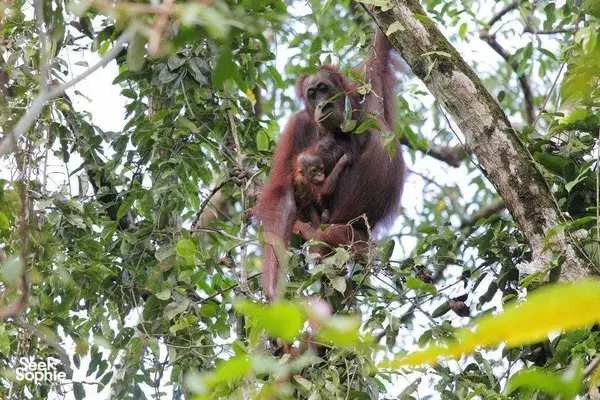
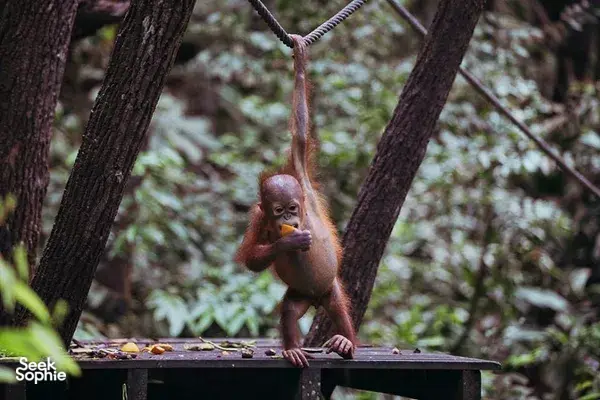
Malaysia boasts an incredible diversity of wildlife. Keep an eye out for orangutans in Borneo’s rainforests, especially in Sepilok and Sukau, as well as pygmy elephants and proboscis monkeys in Lower Kinabatangan. In Peninsular Malaysia’s Taman Negara, you might spot Malayan tigers, clouded leopards, and hornbills. For bird enthusiasts, colourful kingfishers and hornbills are common. To enhance your chances of sightings, hire knowledgeable guides who are familiar with animal behaviour and the local ecosystem, and bring a good telephoto lens for capturing elusive species discreetly.
What are some lesser-known wildlife safaris in Malaysia that offer authentic off-the-beaten-path experiences?
For travellers seeking lesser-known options, consider exploring the rainforests of Wranglatik in Perak or the Taman Negara National Park's remote trails. The Kenyir Lake region in Terengganu offers jungle safaris combined with eco-lodges immersed in nature, perfect for adventure and photography. Additionally, the Lower Kinabatangan River in Borneo remains relatively quiet outside peak tour seasons, providing intimate wildlife encounters away from crowds. Engaging with local guides or community-based eco-tours not only enriches your experience but supports conservation efforts and local livelihoods.
What photography tips should I keep in mind to capture wildlife beautifully during my safari?
To get stunning wildlife photographs in Malaysia, bring a versatile zoom lens (at least 200-400mm) to capture distant animals, and consider a fast shutter speed (at least 1/1000 sec) to freeze motion. Use natural light during early mornings and late afternoons to get warm, well-lit shots. Be patient and move slowly to avoid startling animals, and try to anticipate their behaviour for better compositions. A bean bag or portable tripod can help stabilise your camera in low-light conditions. Remember to respect wildlife by maintaining a safe distance, and avoid using flash, which can disturb animals and mar their natural behaviour.
Are there any healthcare or safety tips I should be aware of when embarking on a wildlife safari in Malaysia?
Safety and health come first during safaris. Always check for required vaccinations such as tetanus, hepatitis A/B, and consider antimalarial medication, especially in Borneo rainforests. Wear long sleeves, trousers, and insect-repellent to protect against mosquitoes and other insects; many carry dengue or other illnesses. Hydrate well and bring a basic first aid kit. It's advisable to travel with experienced guides familiar with local wildlife and terrain to ensure safety. Lastly, respect local customs, wildlife, and your environment—leave no trace and support eco-sensitive tourism practices to help preserve Malaysia’s incredible biodiversity.
Only the good stuff