Kuching
One of our fave cities for a nature getaway. Cool rainforest adventures, rescued Orangutans and lost tribes.
One of our fave cities for a nature getaway. Cool rainforest adventures, rescued Orangutans and lost tribes.
OUR MUST-DOS
The 8 things you can’t miss


Book your Kuching
Handpicked experiences, all vetted by us.

All
Adventure

Creative Workshops

Culture

Hiking

Water Activities
Wildlife
superhost
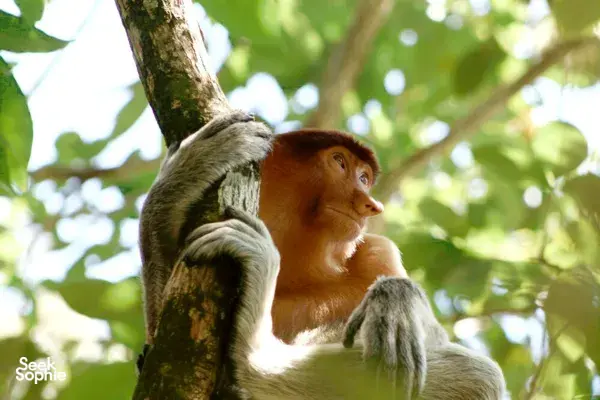
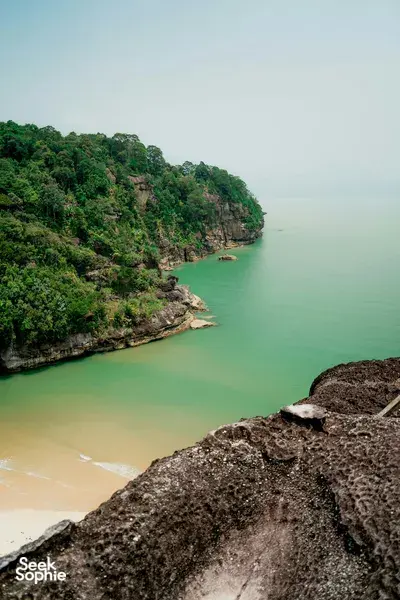

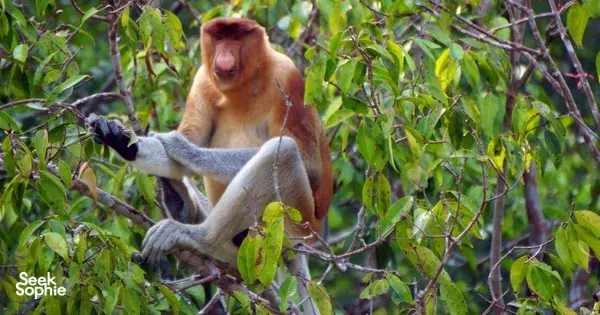
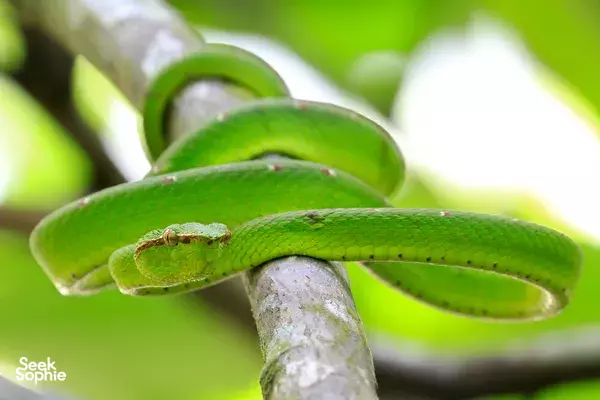

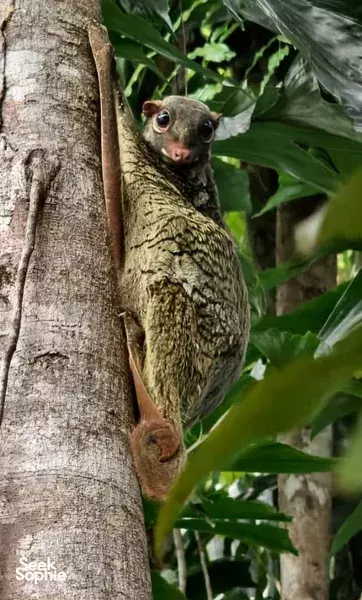
4.9 (101)
|7 hrs
|Up to 14 guests
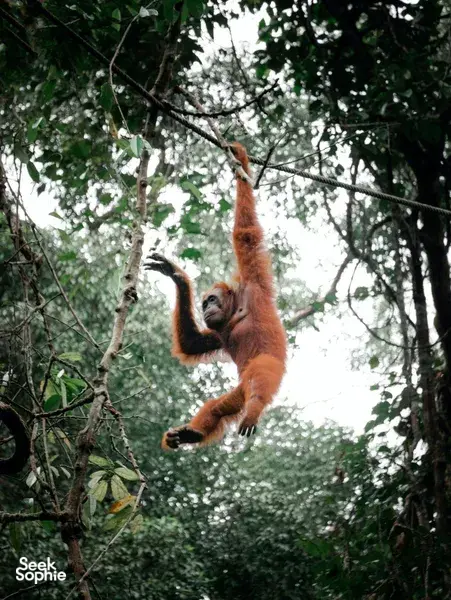
“Showed us all the good spots as well as the animals I wasnt even expecting to see”
superhost

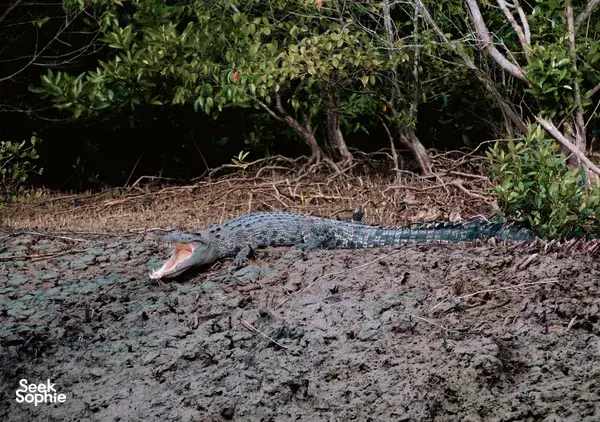

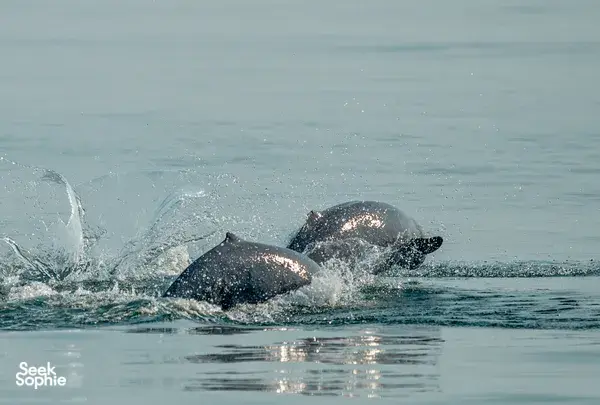
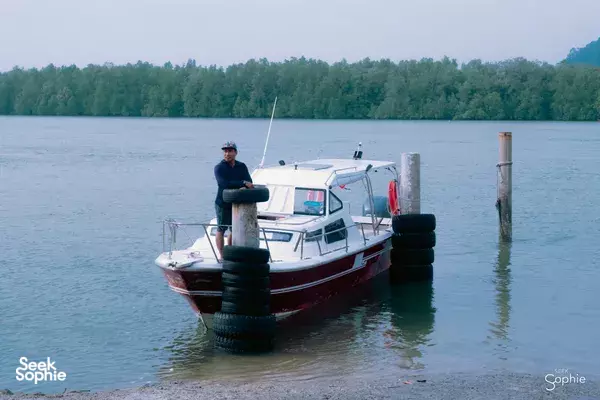
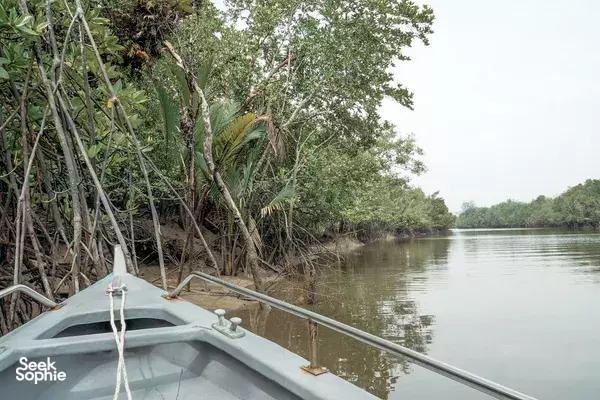

4.9 (101)
|3.5 hrs
|Up to 8 guests
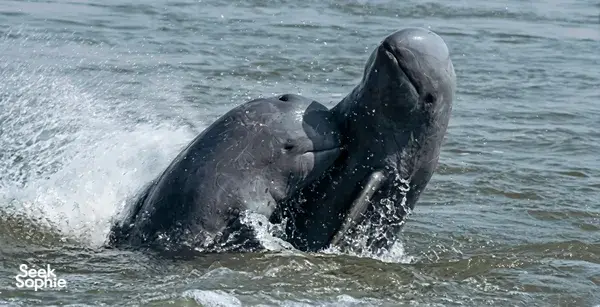
“so lucky to see the dolphins for a few seconds”

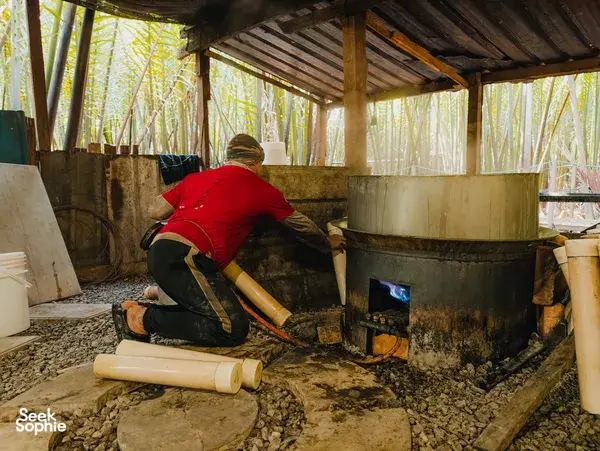
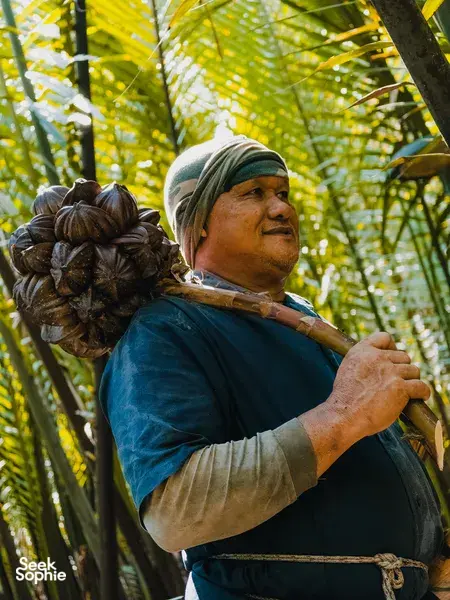
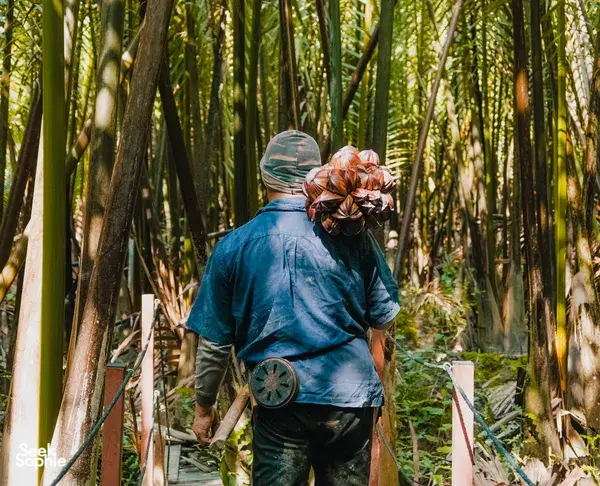
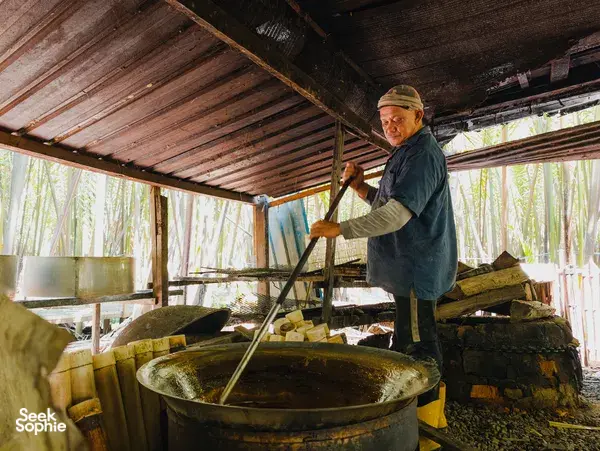

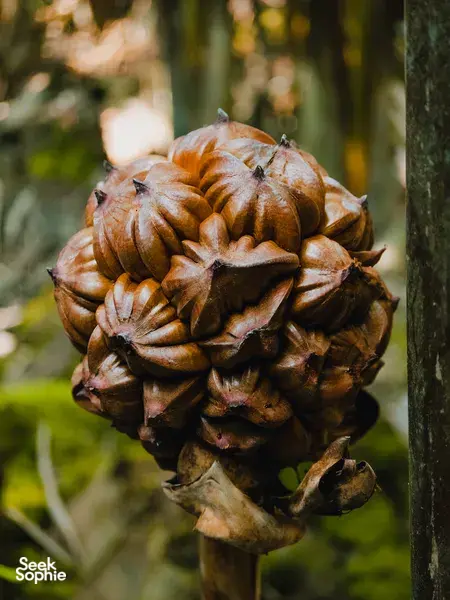
5.0 (10)
|3 hrs
|Up to 4 guests
“Our driverguide was very knowledgeable and interesting”
Private trip







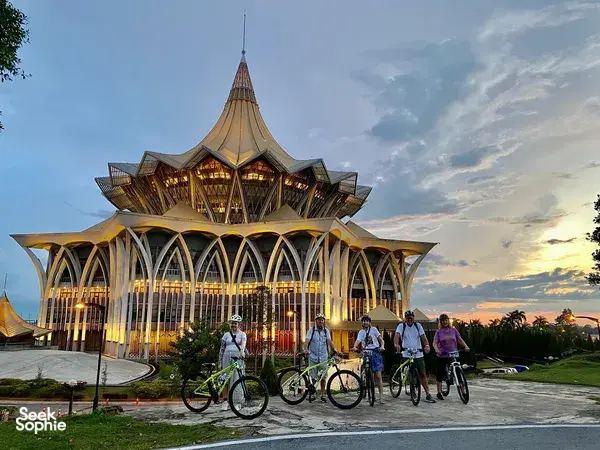
4.6 (10)
|3 hrs
|Up to 7 guests
“great food at hawker stalls and restaurants along the way”

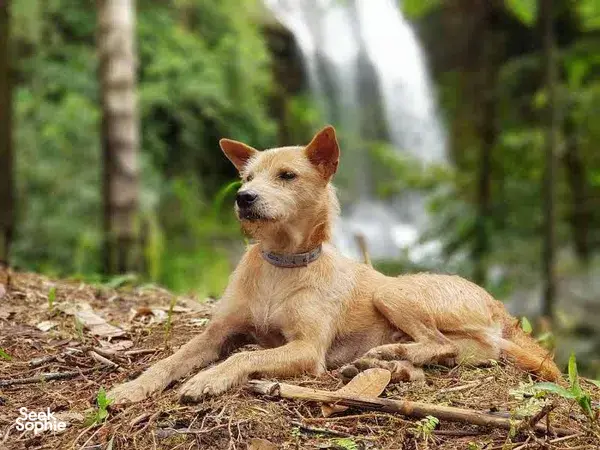
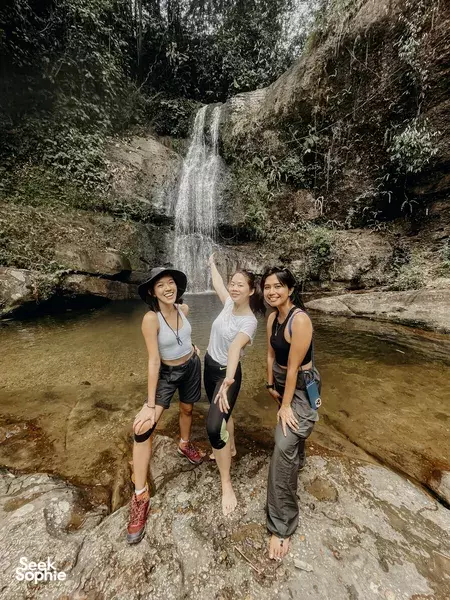



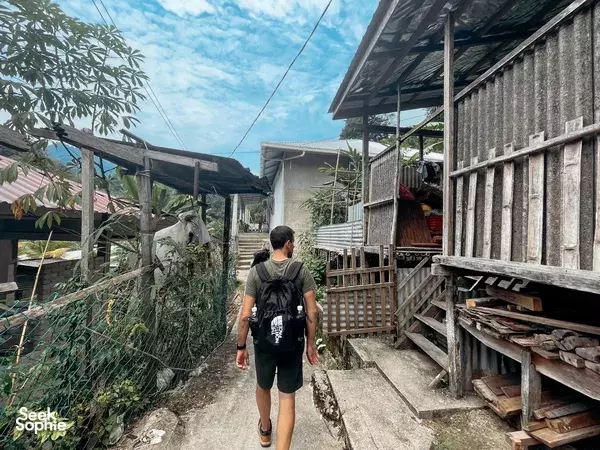

4.9 (78)
|8 hrs
|Up to 9 guests
“The food served was delicious.”
superhost

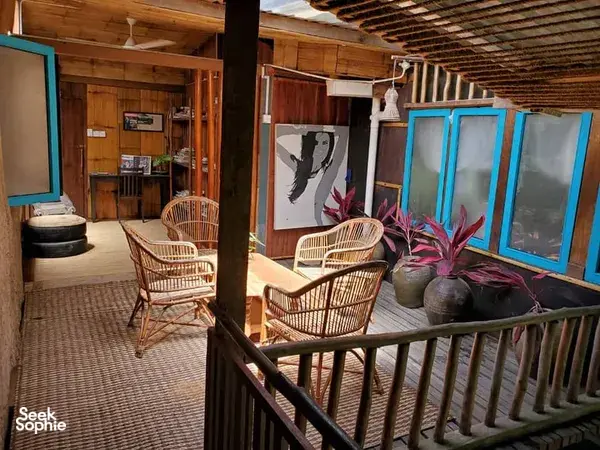
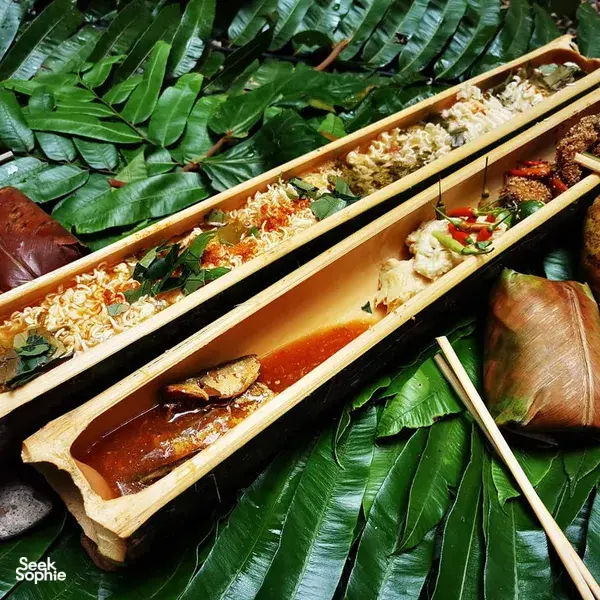
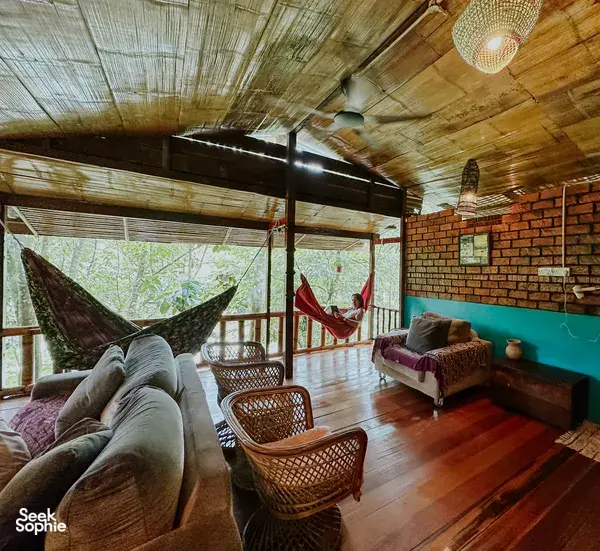

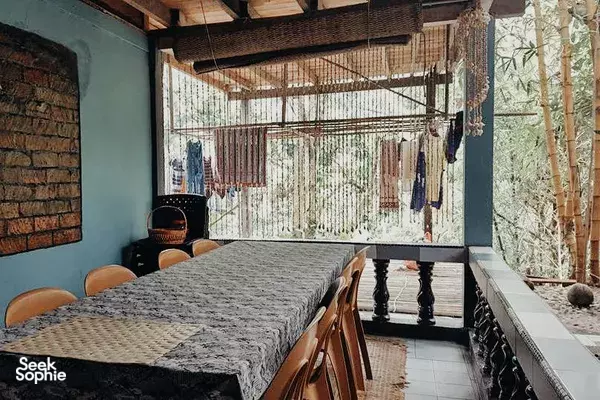
4.9 (78)
|3D2N
|Up to 10 guests
“food was amazing, every meal was a delight”

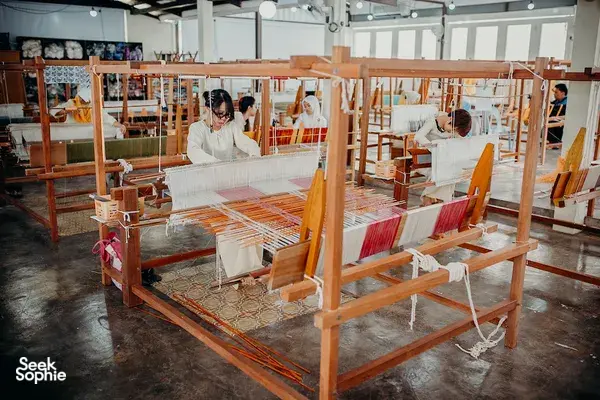






5.0 (10)
|2 hrs
|Up to 5 guests
“It was so much fun learning to weave”


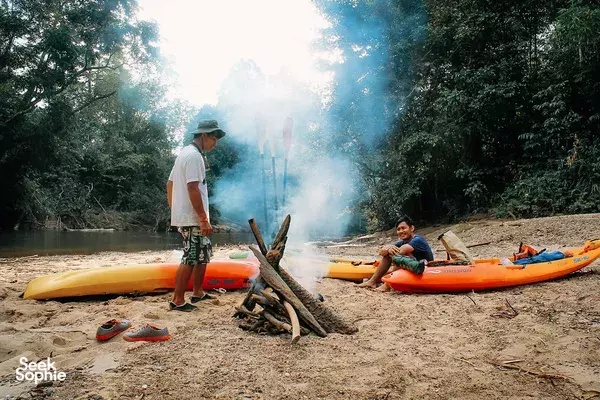




5.0 (15)
|6.5 hrs
|Up to 8 guests
“LOVED LOVED LOVED this tour. Lived up to the hype”

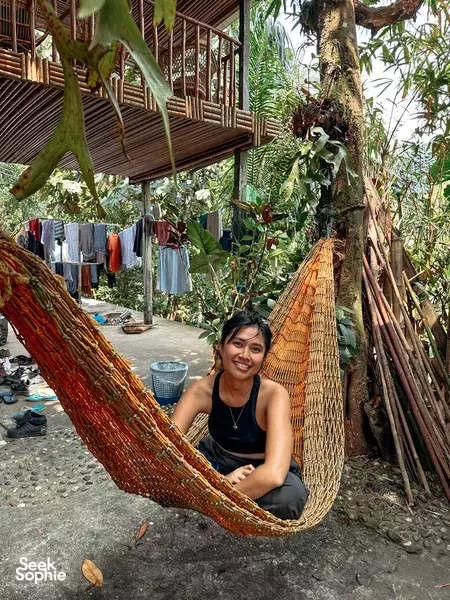
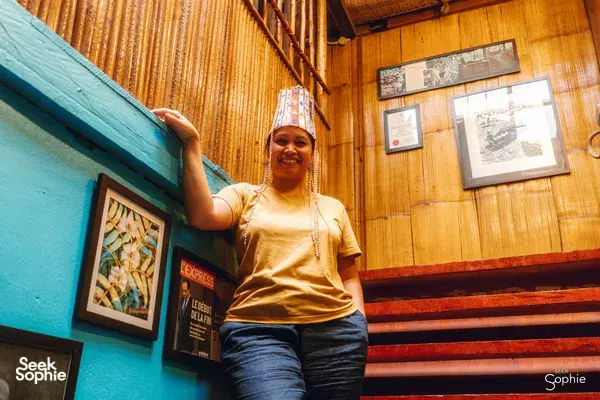
4.9 (78)
|2D1N
|Up to 10 guests
“Very beautiful stay. The whole family was very kind.”


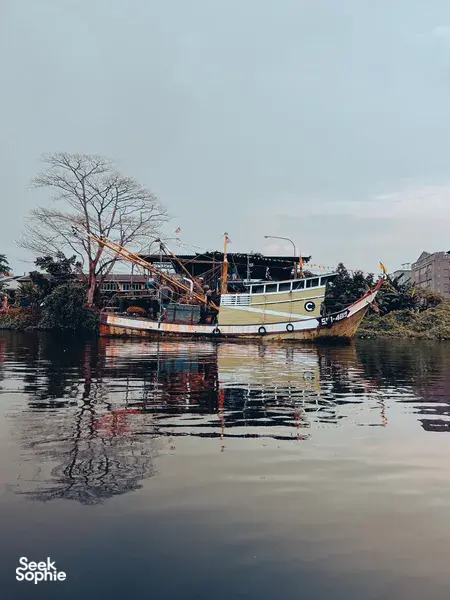

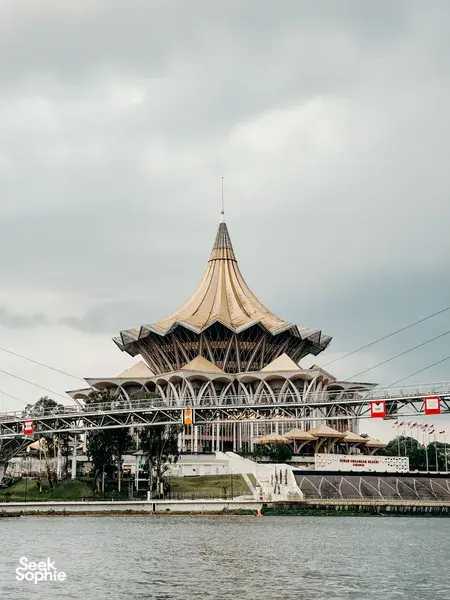

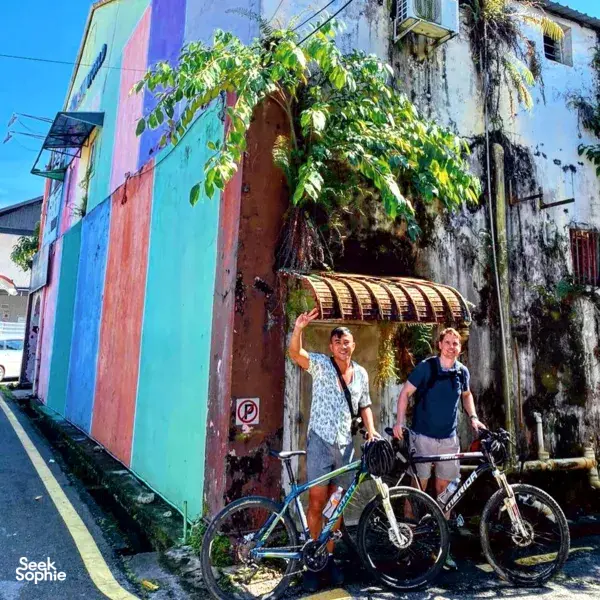
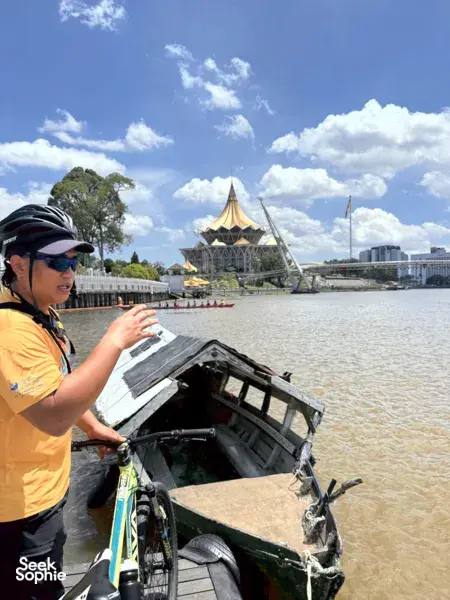
4.6 (10)
|4.5 hrs
|Up to 7 guests
“This was a side of Kuching I would never have seen”
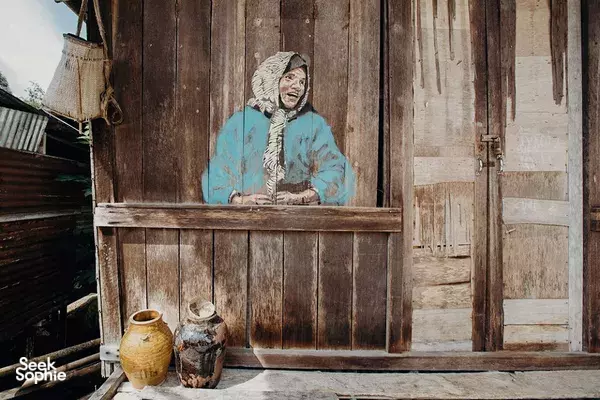
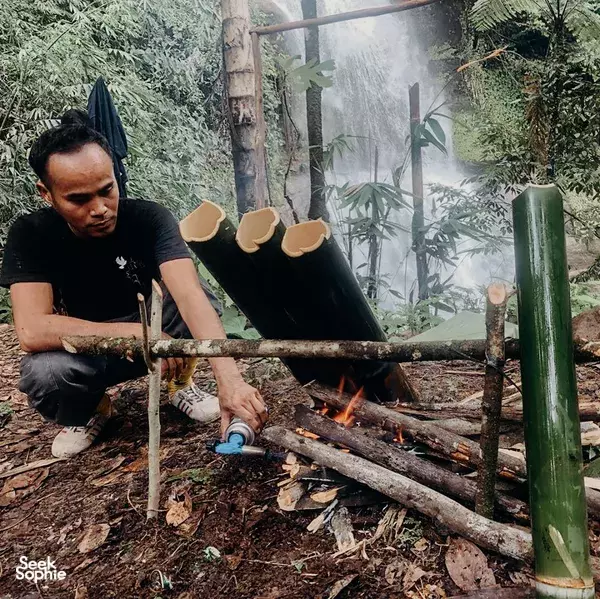
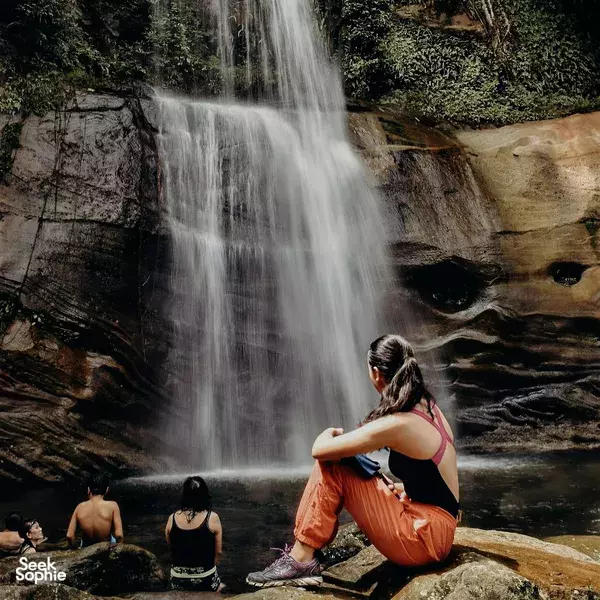
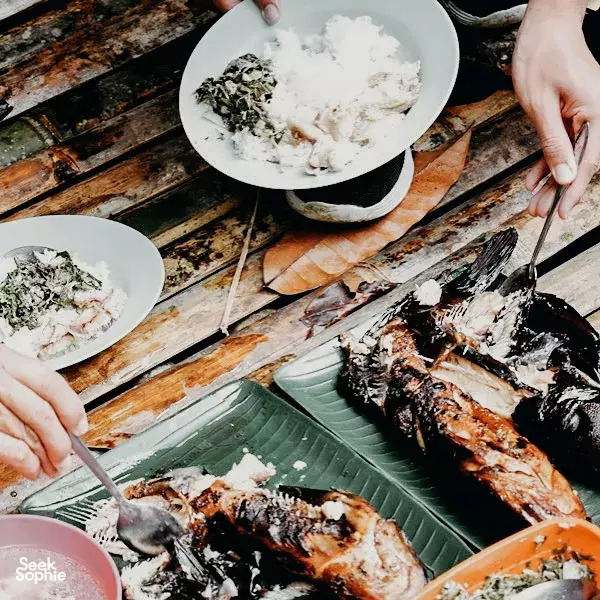
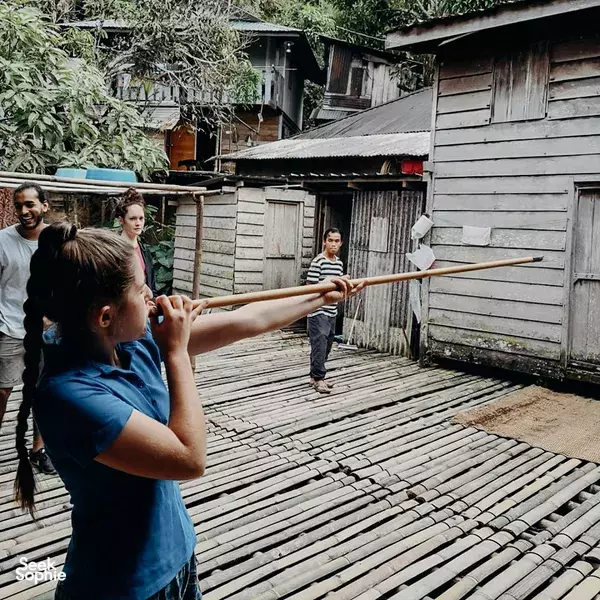



5.0 (33)
|2D1N
|Up to 10 guests
“Our trek with Abbie was amazingfull of stories and unforgettable moments”
Private trip

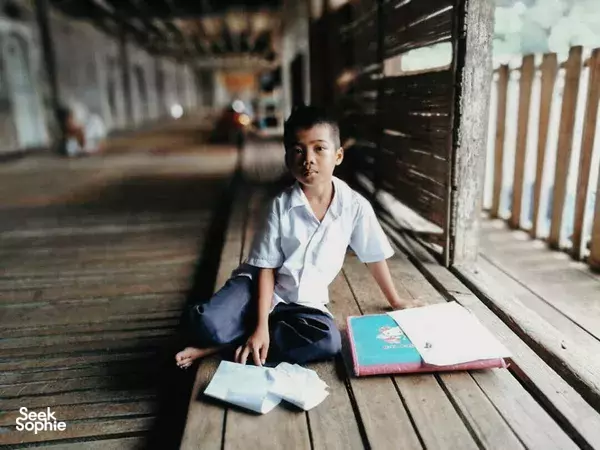

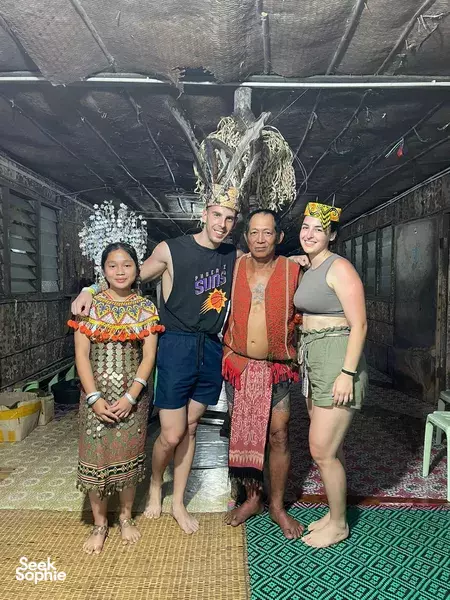
4.9 (101)
|2D1N
|Up to 8 guests
“Very knowledgable and patient guide Musa”
DISCOVER BY HOST
Humans of Kuching

We've done the homework
Explore more of Kuching
Activities
Places of Interest
Curated Collections