Mount Kinabalu
Our Favourite Finds
All Mount Kinabalu Experiences
Browse Collection
Visiting Mount Kinabalu

Why these Kinabalu Trips Made Our List
When we planned our own Kinabalu climb, we found Kinabalu packages very confusing. Prices varied a lot and we wondered if more expensive ones had better food or accommodation. They don't - the park controls the permits, accommodation, meals & even the guides, so the climb is the same for everyone. The only real difference is the operator organising the climb.
For a serious hike like Kinabalu, reliability is super important. So we’ve only included the most professional & reliable ones here.
How to Choose a Kinabalu Climb
Choose based on your hiking level and how much challenge you want. All options take 2D1N & go to summit
- Beginner hikers: Choose the standard summit only climb.
- Beginner but want more challenge: Choose Via Ferrata (Walk the Torq). After summit, explore the mountain via cables and ladders. Adds about 1-2 hours to your overall hike.
- Intermediate to advanced hikers: Choose Via Ferrata (Low’s Peak Circuit). A longer and more exposed via ferrata along the mountain face, adding 3–4 hours.
Best Time to Go
The best time to climb Mt Kinabalu is March to August, when conditions are generally drier and views are clearer. Note that June to August is peak season, so permits sell out quickly. So if you want to climb then, book 4-6 months in advance (especially for large groups!).
Try to avoid December to January, which is the wettest period with a higher chance of rain and poor visibility. If it rains, the summit in particular may be slippery so you'll need to be more careful when you climb.
How Many Days to Plan for
You’ll need 2D1N if you want to summit Mt Kinabalu. The park requires climbers to stay a night at the mountain resthouse before the sunrise push.
Most operators pick you up from Kota Kinabalu on the morning of Day 1, and you’ll return on Day 2, usually between 4–8pm depending on how quickly you descend. If you're not in a rush, we'd recommend staying an extra night in Kinabalu Park after your climb as a reward!
If you don’t want to climb, you can still visit Kinabalu Park as a day trip.
Top things to see & do
Helpful Questions
What is the best time of year to climb Mount Kinabalu?
The dry season (March–August) is the best time, though weather is unpredictable year-round. The rainy season (December–January) increases the chances of wet trails and poor visibility.
Can I climb Mount Kinabalu without a guide?
No, a mountain guide is mandatory under Sabah Parks regulations.
What is the altitude of Mount Kinabalu?
Mount Kinabalu stands at 4,095 meters (13,435 feet), making it the highest mountain in Malaysia and one of the tallest peaks in Southeast Asia.
Why is Mount Kinabalu a UNESCO World Heritage Site?
Mount Kinabalu and Kinabalu National Park were designated a UNESCO World Heritage Site in 2000 due to their extraordinary biodiversity. The park is home to over 5,000 plant species, 1,200 orchid species, 300 bird species, and rare wildlife such as the Bornean gibbon and clouded leopard. It is one of the most important ecological sites in the world, with species found nowhere else.
Is climbing Mt Kinabalu worth it?
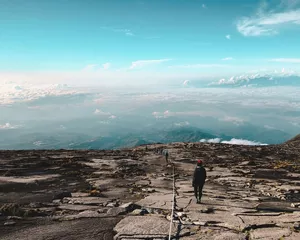
Yes! It’s actually one of our favourite climbs in Asia. We love it because within a short period of time you get to see a huge variety of landscapes which means it’s not boring! You’ll hike through Borneo’s rainforest, a bonsai-like alpine garden, and landscapes filled with pitcher plants It’s also very beginner friendly with some training!
Is Mt Kinabalu a beginner friendly climb?
Yes it's a very beginner-friendly climb! It's basically just a lot of steps - approximately 600 flights of steps in total up and down. To reach the summit, it's a 8.5km trek, and the same distance back down. It takes approximately 6 hours of hiking on the first day, and 10-12 hours of hiking on the second day.
It's suitable for novice hikers with a moderate level of fitness. We would recommend strength and aerobic training at least a month before your climb. Ideally prior to the climb you should be comfortable with 10km of hiking at a moderate pace, with a 8-10kg backpack.
Please note that you'll need to be fitter if you're intending on doing either of the via ferrata routes (which are basically additional activities off the side of the montain after you summit). If you're doing those routes, then you'll need to add an additional 1-4 hours to your climbing time, which will make it more tiring descending the mountain.
How do I get to Mount Kinabalu?
If you book a Mount Kinabalu tour, transport from Kota Kinabalu town to Kinabalu Park HQ is included in your package. Pickup usually happens around 6:30 AM, and the journey takes about 2 hours.
For independent travelers, you can reach Kinabalu Park by private taxi, Grab, shared minivan, or self-drive, but arranging return transport in advance is recommended. Note that if you're climbing Mt Kinabalu you need a permit, so you can't just go to the park on your own to get a permit.
How do I get a permit to climb Mount Kinabalu?
You cannot get a permit directly—only tour operators can secure it from Mount Kinabalu Park.
However, availability on tour operators' websites is not always accurate because they must check with the park first before confirming your booking.
To increase your chances of getting a permit:
- Be flexible with your dates – Provide a range of possible dates when inquiring.
- Book early – Permits are limited to 160 climbers per day, and they sell out fast.
Once your permit is secured, your tour operator will confirm your booking.
How far in advance should I book?
Depends on when you're climbing!
- Peak season (May–August): 4-6 months in advance (essential if you want to stay at Laban Rata).
- Non-peak months: 1-2 months in advance is usually enough.
If you have a small group (1-3 persons), it’s sometimes possible to get last-minute bookings if you're flexible with dates and climbing route (see last minute hack information below).
How much does it cost to climb Mount Kinabalu?
The cost depends on the tour operator, but all packages include the same basic services: accommodation, food, and a mountain guide. These are state-controlled, so no matter which operator you book with, the actual climb experience is mostly the same.
What you’re really paying for is logistical support. More expensive operators tend to:
- Be more responsive to questions.
- Offer better customer service.
- Have more flexibility in helping you find alternative dates if permits aren’t available.
Via Ferrata climbs cost more than the standard summit route, but they are easier to book last-minute because fewer people choose them.
What are the different routes to the summit?
All climbers follow the same route to the summit and back down. However, after summiting, some climbers take the Via Ferrata route, which includes additional climbing sections on the way down.
What’s the difference between the Mount Kinabalu tours?
There are three main options, all of them take 2D1N.
- Regular Descent – Standard hike to the summit and back down.
- Via Ferrata (Walk the Torq) – After summiting, you do an optional activity off the side of the mountain, adding 1 extra hour. Then you climb down like the regular climbers.
- Via Ferrata (Low’s Peak Circuit) – The most challenging option. After summitting, you do an optional activity off the side of the mountain, adding 3-4 extra hours. Then you climb down like the regular climbers.
What’s included in a Mount Kinabalu climbing package?
A standard Mount Kinabalu climbing package typically includes:
- Climbing permit & entrance fees (required by Sabah Parks)
- Licensed mountain guide (mandatory for all climbers)
- 1-night accommodation at Laban Rata or Pendant Hut
- Meals (lunch, dinner, early morning supper, and breakfast)
- Round-trip transport from Kota Kinabalu
- Insurance coverage (varies by operator)
Additional costs may include: porter services, hiking gear rental, private rooms, or Via Ferrata activities.
What is Via Ferrata on Mount Kinabalu?
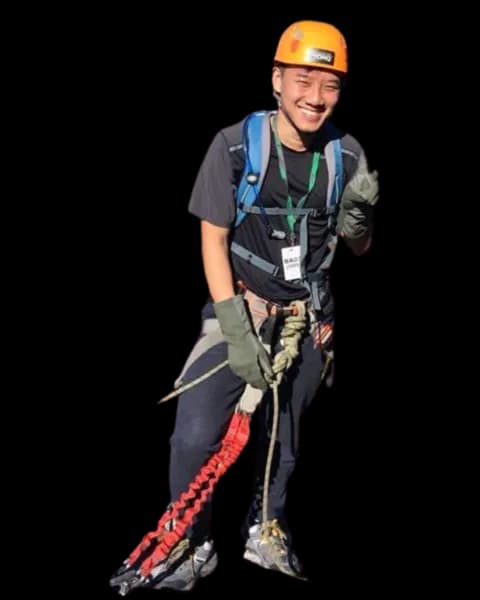
Via Ferrata is an optional climbing route on Mt Kinabalu where you move along the mountain’s rock face using metal rungs, ladders, cables and suspension bridges.
You first climb to the summit as usual. After sunrise at the top, Via Ferrata climbers take this special route across the mountain face before descending normally.
It adds about 1–4 extra hours and is more challenging than the regular climb. Only climbers who book a Via Ferrata package and stay at Pendant Hut can do it.
If you book Via Ferrata but change your mind, you can still skip it and descend the regular route.
Are towels provided?
Depends on where you're staying:
- Laban Rata Resthouse (if you're doing regular summit): Towels are provided.
- Pendant Hut (if you're doing via ferrata): Towels are available for rent. If staying at Pendant Hut, bringing a quick-dry towel is recommended.
Do I need special equipment for the Via Ferrata?
No, all necessary equipment (helmet, harness, ropes) is provided.
Can beginners do the Via Ferrata?
Walk the Torq Via Ferrata is very doable for beginners, but you should be comfortable with heights and have good stamina.
You can also book the Via Ferrata route but decide on Day 2 of your climb (after summitting) whether you feel up to it or not. If you’re tired, you can always decide to forgo the Via Ferrata activity and climb down the mountain just like a regular summit climb.
Can climbers from the same group book different packages?
Yes, climbers in the same group can book different packages, but you will sleep in separate resthouses for the night before the summit. After reaching the summit, Via Ferrata climbers take longer because of their activity, so the climbers who aren’t doing the via Ferrata can wait at the resthouse before descending together.
Here’s how it works:
- Accommodation is different –
- Standard summit climbers stay at Laban Rata Resthouse.
- Via Ferrata climbers stay at Pendant Hut.
- This means your group will sleep in separate locations the night before the summit climb.
- Summit and descent follow the same route –
- Your group climbs together to the summit.
- After summiting, Via Ferrata climbers do their climbing activity first before heading down.
- Standard climbers will return to the resthouse to wait for the Via Ferrata climbers.
- Once everyone is done, the group descends the mountain together using the same route.
What is the hiker-to-guide ratio?
The standard ratio is 1 mountain guide for every 5 hikers aged 17 years and above. If there are children in the group, you may need additional guides depending on the number of climbers.
What is the weather like on Mount Kinabalu?
Weather is unpredictable. Even in the dry season, rain is common, so bring waterproof gear or a poncho!
How cold does it get at the summit?
Temperatures can drop below 10°C, so warm layers are essential. There is also no heating in the resthouse so you should prepare lots of layers so you can bundle up at night!
What happens if my climb is cancelled due to bad weather?
Kinabalu Park does not give any refunds if your climb is cancelled due to bad weather, but a full cancellation of the entire climb is very rare.
A few times a year, Kinabalu Park authorities may cancel the summit attempt if extreme weather (such as heavy rain or strong winds) makes the route unsafe. However, in most cases, you will still be allowed to complete the hike up to the resthouse (Laban Rata or Pendant Hut) and stay overnight.
This means that while you might not reach the summit, you will still experience the climb, the overnight stay, and the descent the next day.
Can I hire a porter for the climb?
Yes, you can hire a porter at Kinabalu Park HQ before starting your climb. Porters can carry up to 10kg of your belongings, making the hike much easier.
Key things to know about hiring a porter:
- Cost: Fees vary depending on weight, but expect to pay around RM 130-150 for 10kg.
- Booking: You don’t need to book in advance—just request one at the Park HQ on the day of your climb.
- What they carry: Porters typically carry your overnight bag, so you can hike with just a small daypack containing essentials like water and snacks.
- Who are the porters? Most are locals from nearby villages who are incredibly fit and used to the terrain.
💡 Tip: If you’re not used to carrying heavy loads on steep trails, hiring a porter can make your climb much more enjoyable!
Do I need hiking poles?
Usually your guide will provide hiking poles - so just check with your tour operator in advance!
Hiking poles are optional but highly recommended, especially for the descent. The steep downhill trail puts strain on your knees, and poles can help reduce impact and improve balance.
Can I rent hiking gear in Kinabalu Park?
You can get water bottles, ponchos, headtorch, and hire a porter at Mt Kinabalu Park HQ. Usually your guide will provide hiking poles.
There are also a couple of great mountain shops in Kota Kinabalu town, so if you forget anything you can always get them in town!
Can I leave my luggage at the park during the climb?
Yes, Kinabalu Park HQ has a luggage storage room, where you can leave extra bags for RM 12 per piece. Just inform your mountain guide before the climb, and they will assist you with the storage process.
Are there toilets and water stops on Mount Kinabalu?
Yes, there are water stops and toilets (WCs) at regular intervals along the summit trail, so you don’t need to worry about facilities.
Toilets are available every 1km or less and are fairly clean, though they are basic.
Water refill stations are available, but the first water stop is only at the 6km mark.
Since there are no refill stations before 6km, it’s essential to carry at least 1.5L to 2L of water for the first part of the climb. If you need more water later, you can refill at Laban Rata Resthouse or other designated stops.
What are the toilets like on Mount Kinabalu?
Toilets are available at regular rest stops along the trail, as well as at Laban Rata Resthouse and Pendant Hut. These are basic squat or Western-style toilets with running water.
At Laban Rata and Pendant Hut, toilets are shared and equipped with sinks and solar-heated showers, though the water is often cold, especially in bad weather.
On the trail, toilets can be simple and may not always be well-maintained, so bring your own toilet paper and hand sanitizer. Since Mount Kinabalu is a protected area, always dispose of waste properly and avoid leaving trash behind.
Where do climbers stay before and during the climb?
All climbers must stay at least one night at Panalaban (3,200m altitude) before attempting the summit. There are two accommodations:
- Laban Rata Resthouse – For standard summit climbers.
- Pendant Hut – For Via Ferrata climbers.
Both are basic mountain huts with shared dormitories and a limited number of private rooms.
What is the difference between Laban Rata Resthouse and Pendant Hut?
- Laban Rata Resthouse: The main accommodation for standard climbers. It has dormitories and a few private rooms, with buffet-style meals.
- Pendant Hut: The only option for Via Ferrata climbers. It is located slightly higher and offers dormitory and private rooms. The 1st night's dinner is served at Laban Rata resthouse (just 5 minutes walk away).
Are there private rooms available at Laban Rata and Pendant Hut?
Laban Rata and Pendant Hut mainly comprise of dorm rooms, with shared bathrooms. But Laban Rata has a handful of twin rooms (with ensuite bathrooms) available for additional cost.
Most climbers will stay in the dorm rooms as the private twin rooms are hard to come by.
Are the rooms heated?
No, all rooms are unheated. Temperatures at night can drop below 10°C, so warm layers are essential. Blankets and sleeping bags are provided.
What are the dormitory conditions like?
- Laban Rata: Dorms have 4 to 14 beds per room. You cannot choose your dorm size in advance—beds are allocated on arrival.
- Pendant Hut: Dorms have 8 to 14 beds per room. Beds are also assigned upon arrival.
All dorms have bunk beds, shared bathrooms, and limited electricity. As you are sharing rooms with others, we’d recommend bringing ear plugs and eye masks in case other hikers are chatting when you need to sleep.
Do Laban Rata and Pendant Hut have hot showers?
Both accommodations have solar-heated showers, but the water is often cold, especially in bad weather or if many climbers have showered before you.
What food is provided at Laban Rata and Pendant Hut?
All climbers are provided with meals, but the options vary slightly.
Laban Rata Meal Schedule (Buffet Style):
- Dinner: 4:30 PM - 7:30 PM
- Supper (before summit climb): 2 AM - 3:30 AM
- Breakfast: 7:30 AM - 10:30 AM
Pendant Hut Meal Schedule:
- Dinner: Served at Laban Rata (buffet-style).
- Supper: 2 AM (hot drinks, toast, and spreads).
- Breakfast:
- If returning from Via Ferrata before 10 AM, breakfast is at Laban Rata.
If returning after 10 AM, breakfast is at Pendant Hut (sausages, beans, mashed potatoes, boiled eggs).
Can I stay at Kinabalu Park before or after my climb?
Yes, many climbers choose to stay an extra night at Kinabalu Park HQ before or after their climb.
Accommodation options at Kinabalu Park include:
- Rock Twin – Twin beds, shared bathrooms, communal living space.
- Hill Lodge – Private ensuite bathroom, balcony.
- Liwagu Suite – King bed, private ensuite bathroom, balcony.
Staying at Kinabalu Park HQ is included in some 3D2N climbing packages and typically includes dinner, breakfast, and transfers from Kota Kinabalu.
Is there anything else I should know about the accommodation?
- All accommodations are basic but functional—expect simple dorms, shared facilities, and limited amenities.
- Showers are often cold, and electricity is only available at certain hours.
- Rooms are not heated, so warm clothing is essential.
Are meals provided?
Yes, all meals are included in your package.
What is the food like?
- Day 1 Lunch (during ascent): Basic (usually a sandwich and fruit).
- Day 1 Dinner: A buffet with Asian and Western options.
- Day 2 Breakfast: A light meal before the summit climb. You'll get some light breakfast after your summit climb too.
Can I buy food and drinks at Laban Rata or Pendant Hut?
Yes, Laban Rata has a small shop that sells instant noodles, snacks, and drinks. Prices are significantly higher than in town because all supplies are carried up manually. Pendant hut has a smaller shop that’s less well equipped, but climbers can walk across to Laban Rata (5 minutes walk) if they need more food.
Can I bring my own food?
Yes, and it is recommended to bring snacks or energy bars, as the provided meals can be basic.
Are there rescue services on the mountain?
Yes, rescue services are available, but it can take time to reach climbers in distress. If anything happens, you’ll need to be heli-lifted out so make sure your insurance does provide for that.
Are there mosquitos on Mount Kinabalu?
Mosquitoes aren’t common on the Mt Kinabalu summit trail due to the altitude and cooler temperatures.
However, in the lower forested areas, especially around Kinabalu Park HQ and Poring Hot Springs, mosquitoes can be present, particularly in humid and rainy conditions.
If you plan to spend time in Kinabalu Park before or after your climb, it’s a good idea to apply mosquito repellent to avoid bites. Dengue fever and malaria are rare in this area, but general mosquito protection is still recommended.
Are there leeches on Mount Kinabalu?
Leeches are not common on the main Mt Kinabalu climbing summit trail due to the higher altitude and cooler temperatures.
However, in the lower rainforest areas, especially Kinabalu Park trails, you might encounter small land leeches, particularly after rainfall. If you plan to hike in Kinabalu Park’s lower jungle trails, wearing leech socks or applying insect repellent on your shoes and socks can help prevent bites.
What unique plants grow on Mount Kinabalu?
Mount Kinabalu is one of the richest biodiversity hotspots in the world, with over 5,000 plant species, including some of the rarest orchids, carnivorous plants, and giant flowers. Some highlights include:
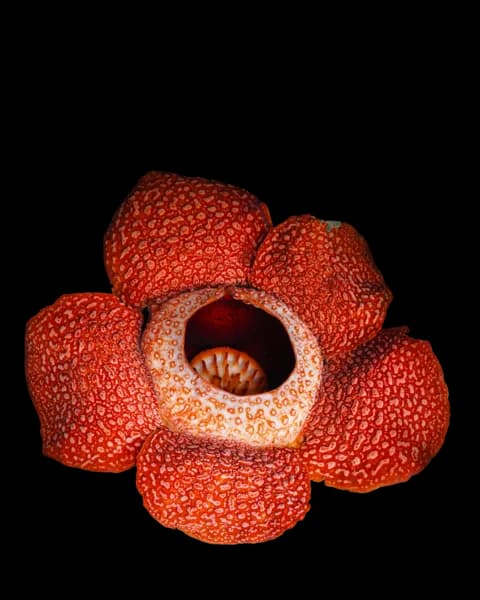
- Rafflesia – This is one of the world’s largest flowers, growing up to 1 meter in diameter. It is a parasitic plant that has no leaves or roots and emits a strong smell of rotting meat to attract flies for pollination. Rafflesia blooms are rare and unpredictable, but you might see one at Poring Hot Springs or in the forests near Kinabalu Park.
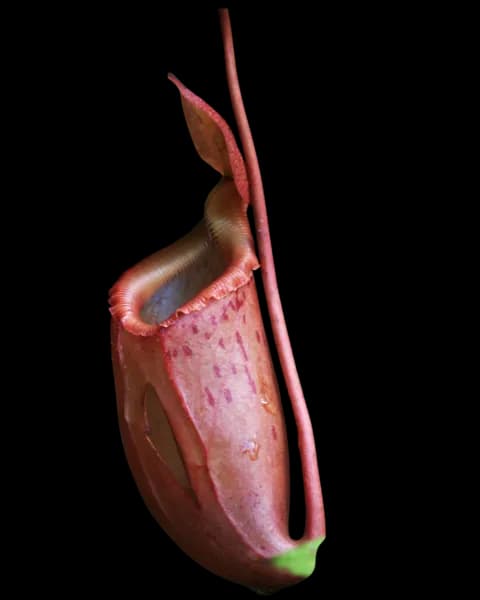
- Nepenthes (Pitcher Plants) – These carnivorous plants trap insects inside their deep, liquid-filled pitchers. Several species, including Nepenthes rajah, are endemic to Mount Kinabalu. The Nepenthes rajah is the largest pitcher plant in the world, capable of trapping small animals like frogs and even rodents. You can spot pitcher plants along the Mesilau Trail and Poring Hot Springs.
- Orchids – With over 1,200 orchid species, Mount Kinabalu has one of the highest orchid diversities in the world. Some, like Paphiopedilum rothschildianum (Rothschild’s slipper orchid), are extremely rare and protected.
Can I explore Kinabalu Park without climbing Mount Kinabalu?
Yes, Kinabalu Park has a large network of trails ranging from easy walks to longer hikes. A guide is not required for these trails. Popular trails include:
- Silau-Silau Trail – A flat trail along the river.
- Liwagu Trail – A more challenging hike with elevation changes.
What can I do in Kinabalu Park if I’m not climbing?
You can explore shorter hiking trails, hot springs, and botanical gardens within the park.
How difficult is it to climb Mount Kinabalu?
Mount Kinabalu is a long, steep hike, but it doesn’t require technical climbing skills. The trail consists mainly of 600 flights of steps (in total), so you need reasonable fitness and endurance. If you’re doing the regular climb, it’s physically demanding but manageable.
However, if you choose the Via Ferrata routes, you’ll need better stamina, as these add extra climbing time (1-4 hours to the climbing time).
Can I book a flight on the same day I descend Mt Kinabalu?
We do not recommend booking a flight on the same day you descend from Mt. Kinabalu. While some climbers return to Kota Kinabalu as early as 3 PM, others may arrive as late as midnight—this depends on your fitness level, weather conditions, and other unforeseen circumstances like exhaustion, cramps, sprains, or even road delays (e.g. traffic jams or landslides).
If you must fly out on the same day, we strongly suggest booking the latest possible flight (9 PM onwards) to allow for any delays. However, if your schedule allows, staying an extra night in Kota Kinabalu is the safest option to ensure a stress-free journey home.
Do I need to book in advance to climb Mount Kinabalu?
Yes, advance booking is required because only 160 climbing permits are issued per day, and permits are directly linked to accommodation availability. There are only two accommodations on the mountain:
- Laban Rata – for climbers on the standard summit route (most popular option).
- Pendant Hut – for climbers doing the via ferrata.
Because most people choose the standard summit route, Laban Rata fills up faster, meaning permits for this route sell out more quickly. Pendant Hut usually has more availability, even at the last minute.
So TLDR: if you want to secure a permit with short notice, booking a via ferrata climb is your best bet!
Can I get a last-minute booking?
Last-minute permits are rare - especially if you have a large group or if you're booking in peak season. But you have a better chance if you book a Via Ferrata climb.
If standard summit route permits are sold out, a good hack is to try to get a permit by booking the via ferrata route instead.
However, you don’t have to do the via ferrata—you can still hike the standard summit route and forgo the via ferrata activity.
Here’s how it works:
- When you book a via ferrata permit, you are automatically assigned Pendant Hut instead of Laban Rata.
- On Day 2 of your climb, you can decide whether or not you want to do the via ferrata.
- If you choose not to, you simply continue the hike like everyone else doing the standard summit route.
This means that via ferrata permits offer a backup option if you really want to climb Mount Kinabalu but can’t find standard summit route permits. The only downside is that via ferrata permits are slightly more expensive.
Which Via Ferrata route should I choose—Walk the Torq or Low’s Peak Circuit?
Mount Kinabalu has two Via Ferrata routes, both offering incredible views and a thrilling experience, but they differ in difficulty and duration.
Walk the Torq (Easier, ~1 Extra Hour)
This is the shorter and less demanding Via Ferrata route, ideal for beginners who want a taste of climbing without extreme heights. It adds about 1 extra hour to your descent and includes metal rungs, short ladders, and balancing beams.
Best for: First-time Via Ferrata climbers who prefer a less exposed, less tiring experience.
Low’s Peak Circuit (Harder, 3-4 Extra Hours)
This is the highest Via Ferrata in the world (3,776m) and is designed for adventure seekers comfortable with heights. It adds 3-4 extra hours to your descent and includes a hanging ladder, suspended bridge, and tightrope sections with extreme exposure.
Best for: Experienced climbers who want an adrenaline rush and are physically fit for a longer, more challenging descent.
What should I pack for the climb?
Your backpack should be light but include all essentials. A 30L backpack (max 8kg) is recommended.
Essentials to Bring:
- Water – At least 2L (there are refill stations, but the first is only at the 6km mark).
- Snacks – The provided meals are very basic, so bring energy bars, nuts, or chocolates for quick fuel.
- Poncho or Waterproof Jacket – Rain is common, so a light but waterproof layer is essential.
- Warm Layers – Temperatures drop below 10°C at the summit, so bring a fleece jacket, thermal top, and a windproof layer.
- Headtorch – Required for the early morning summit climb (2 AM start).
- Gloves – Helps with cold temperatures and grip on rocky surfaces.
- Good Hiking Shoes – Sturdy shoes with good grip are a must—the summit trail is steep and can be slippery.
- Eye mask and ear plugs - as you’ll be likely staying in shared dorms, these are helpful so you can get a good night rest before your summit climb!
- Power bank - charging outlets at the dorm are limited so it’s recommended to bring your own power bank to charge your devices.
- Quick dry towel (if you’re staying at Pendant Hut) - Note that if you’re staying in Pendant Hut, towels are available for rent or you can bring your own towel. If you’re staying in Laban Rata, towels will be provided.
💡 Tip: Keep your backpack weight under 8kg—if it feels too heavy, consider hiring a porter to carry your overnight gear!
Is electricity available for charging devices?
Yes, but only during generator hours:
- 5 PM - 8 PM
- 1 AM - 3 AM
Charging sockets are limited, so bringing a power bank is advisable.
Is altitude sickness a problem?
Yes, altitude sickness can affect some climbers, especially above 3,200m, where the air becomes thinner and oxygen levels drop. Symptoms can include headache, dizziness, nausea, shortness of breath, and fatigue. While most climbers experience only mild symptoms, severe altitude sickness is rare on Mount Kinabalu.
To reduce the risk:
- Take it slow – The climb is steep, and moving too quickly increases the chance of altitude sickness. Maintain a steady pace and rest when needed.
- Stay hydrated – Drink plenty of water throughout the climb to prevent dehydration, which can worsen symptoms.
- Avoid alcohol and heavy meals before the climb – Alcohol dehydrates the body and can make altitude sickness worse. Stick to light, nutritious meals.
- Listen to your body – If you feel unwell, inform your guide immediately. In serious cases, descending to a lower altitude is the best solution.
Most climbers adapt naturally as they ascend, but being prepared and pacing yourself can help prevent discomfort.
What wildlife can I see on Mount Kinabalu?
Mount Kinabalu is home to a rich variety of wildlife. Along the trail, you may encounter exotic birds, small mammals, and unique plant species. Some notable wildlife includes:
- Bornean Mountain Ground Squirrel – Often seen near Laban Rata.
- Tree Shrews and Civet Cats – Occasionally spotted in the lower forested areas.
- Endemic Birds – Mount Kinabalu is home to birds like the Bornean Treepie, Mountain Blackeye, and Whitehead’s Trogon, a striking red-and-black bird often sought after by birdwatchers.
- Insects and Butterflies – The mountain hosts a variety of rare butterflies and moths, including the Rajah Brooke’s Birdwing, one of the largest butterflies in Malaysia.
What can I do nearby before or after my climb?
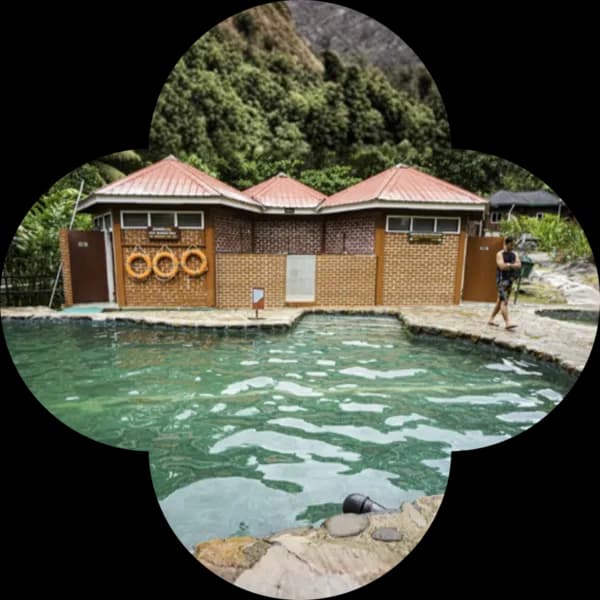
Many climbers choose to stay an extra night in Kinabalu Park before or after their climb to relax and explore. A popular option is Poring Hot Springs, where you can soak in natural hot pools—perfect for recovering after the hike.
For a local experience, you can spend a couple of days in Kundasang, a scenic highland town known for its cool climate, rolling hills, and fresh dairy farms. It’s a favourite getaway spot for locals.
If you have more time and love wildlife, Deramakot Forest Reserve is a great adventure for a 3D2N safari. It’s a half day's drive from Kota Kinabalu, but worth it—this is Borneo’s best-kept secret for wildlife, home to elephants, clouded leopards, and orangutans.
For something more relaxing, you can unwind in Kota Kinabalu city and do a firefly cruise—a super chill way to end your adventure after the climb.