Discover nature in
Animal & Wildlife in Malaysia

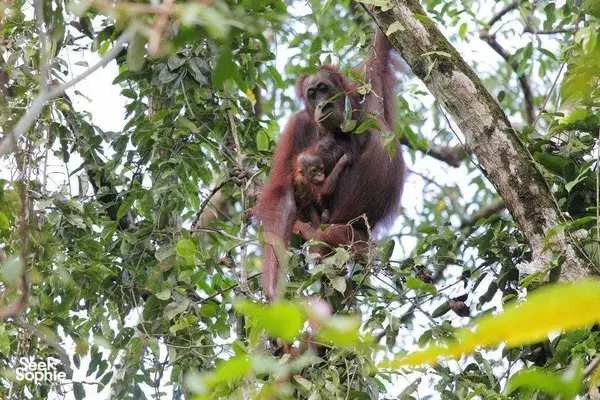
From orangutans to elephants you can find it all in Malaysia
All Animal & Wildlife in Malaysia
Loading...
Browse Collection
Love letters from our guests
4.7
|
820 reviews
Animal & Wildlife in Malaysia FAQs

What are some unique wildlife species I can photograph in Malaysia's rainforests?
Malaysia's rainforests are teeming with unique species such as the Malayan tiger, Malayan tapir, and the elusive reddish-coloured Malayan tiger. For photography enthusiasts, early mornings and dusk offer the best lighting and animal activity. Visit lesser-known conservation areas like Taman Negara or Batang Ai for fewer crowds and more authentic encounters. Remember to carry a zoom lens, a sturdy tripod, and be respectful of the animals' natural behaviour to capture candid shots without disturbance.
Are there any local customs or tips I should be aware of when visiting wildlife sanctuaries in Malaysia?
Yes. When visiting wildlife sanctuaries, respectful behaviour is crucial. Always follow the guidelines — avoid loud noises, keep a safe distance from animals, and do not feed or touch wildlife. Dress modestly, especially in rural or indigenous communities, and seek permission if you wish to photograph local tribes or guides. Support ethical organisations and avoid programmes that involve direct contact or exploitation of animals. This not only helps conservation efforts but enhances your experience with authentic cultural exchange.
Which off-the-beaten-path locations in Malaysia are great for spotting rare wildlife?
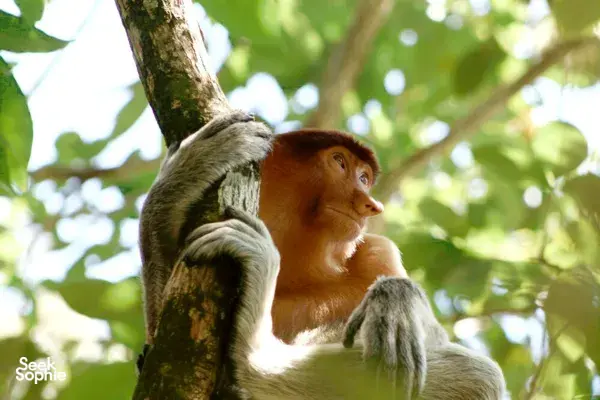
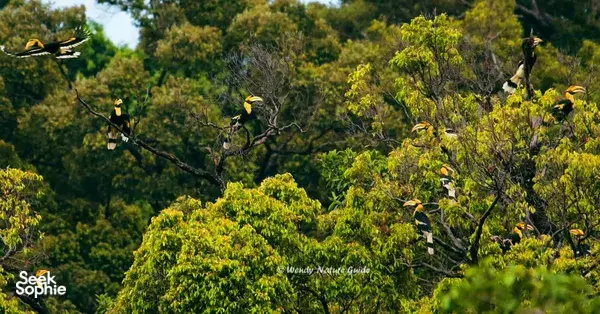
For those seeking less crowded spots, consider visiting the Belum-Temengor Forest Reserve in northern Peninsular Malaysia, home to Malayan elephants and hornbills. The Endau-Rakan Wildlife Complex in Johor offers an untouched rainforest environment with opportunities to see Malaysian sun bears and binturongs. In Borneo, the Mulu National Park in Sarawak boasts unique cave-dwelling creatures and proboscis monkeys. Travelling to these lesser-known areas often means hiring local guides who are knowledgeable about wildlife hotspots, enriching your photography and cultural experiences.
How can I responsibly observe and photograph Malaysia's wildlife without disturbing their natural habitat?
Responsibility is key when observing wildlife. Always maintain a safe and respectful distance; use telephoto lenses to minimise proximity. Stick to designated trails and avoid venturing into sensitive habitats. Be mindful of your noise levels and avoid sudden movements which can startle animals. Consider visiting during the shoulder seasons when wildlife is more active, and ensure your activities comply with local regulations. Supporting eco-friendly tour operators and conservation projects also helps preserve Malaysia’s rich biodiversity for future travellers and generations.
What is the best time of year to visit Malaysia for wildlife viewing and nature photography?
The best time to visit Malaysia for wildlife and nature photography is during the dry season, typically from March to September, when animals are more active, and trails are accessible. This period offers clearer weather for photography, especially in rainforest areas where humidity and rain can be unpredictable. For Borneo, March and September tend to be ideal, coinciding with the dry season. Planning your visit around local festivals or conservation events can also provide opportunities for meaningful cultural and wildlife encounters, enriching your travel experience.
Only the good stuff