The Conservationist Bringing Fireflies Back to Bali
Meet Wayan, a Bali hero who gave up his dream job to save Bali's sacred fireflies
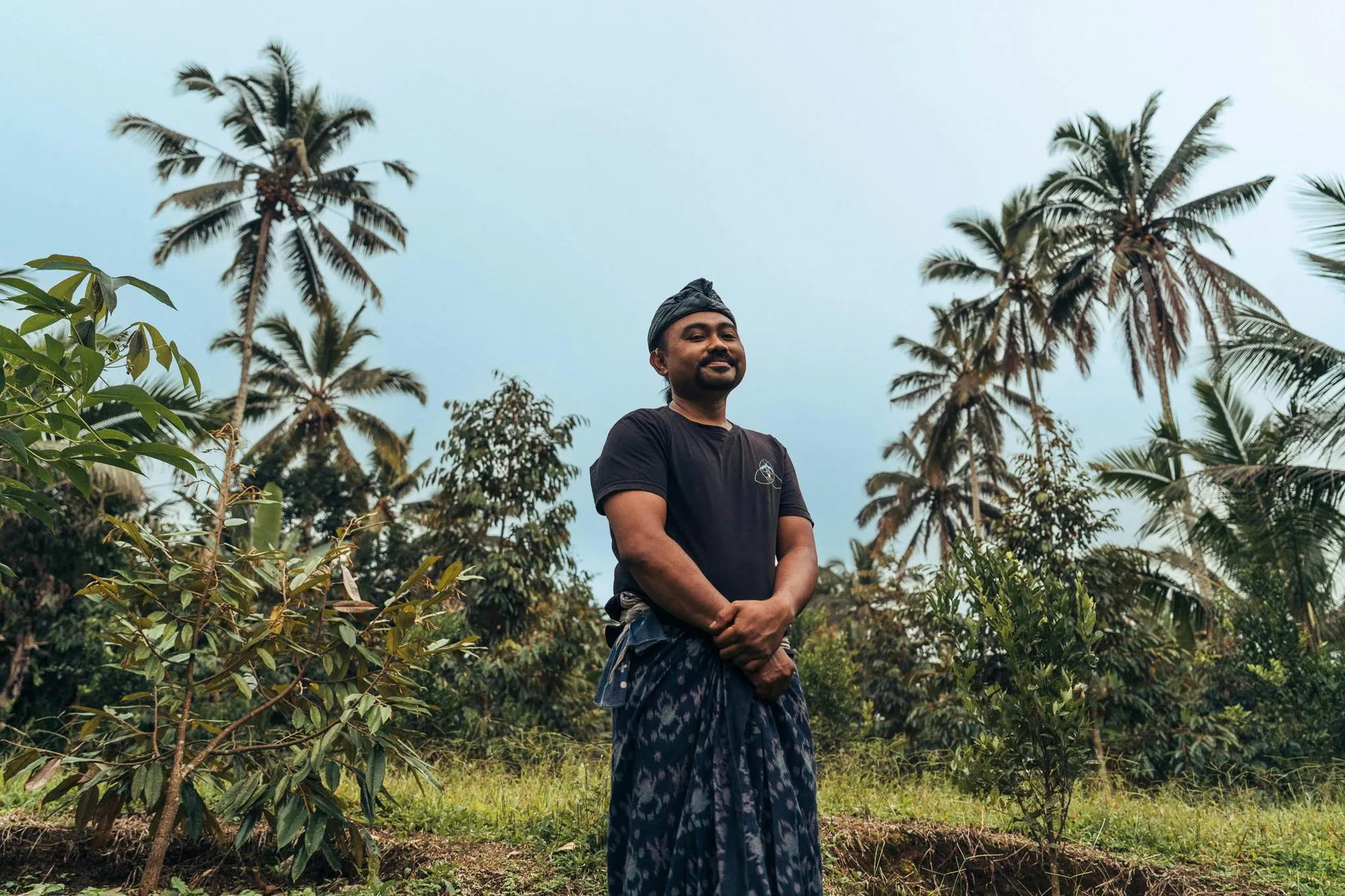
We first met Wayan years ago in his family farm. He was showing us his makeshift jars, talking about fireflies like someone who'd been thinking about nothing else for years.
Now, a few years later, it's one of the most quietly extraordinary things happening in Bali. And almost nobody knows about it.
The Boy Who Used To Catch Fireflies
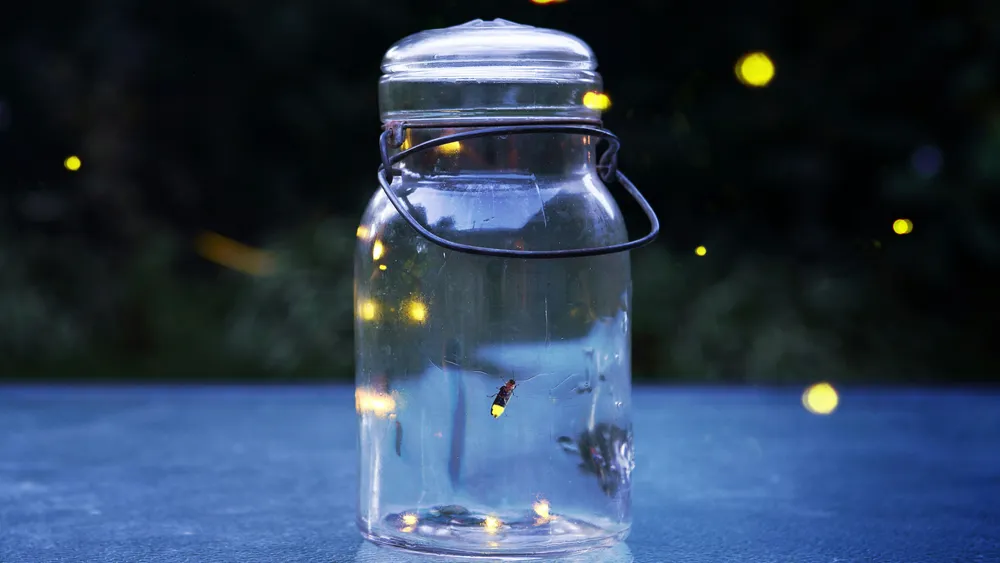
Wayan grew up in Taro, a small village 20km north of Ubud, with no running water, no electricity, and nights that were lit — when the kerosene ran out — by fireflies. As a boy, he'd scoop them out of the air and put them in a jar, using them to find his way home through the rice fields.
His grandmother always scolded him for it. "Never catch a firefly," she told him. "Their presence means our ancestors are near."
He didn't fully understand it then.
At 12, he left his village. There was no high school in Taro, and the only way to afford one was to work — so he became a houseboy for a royal family in Ubud, trading labour for a place to stay and school fees. He earned his way through college, graduated with a degree in tourism, and worked in hotels across Bali, Singapore, and the Maldives.
Then came what felt like his dream: a spot on a cruise ship.

For 12 years, he crossed more than 50 countries, meeting people from every corner of the world. But at 40 years old, something shifted.
"I felt a calling to go home — to be with my family and do something to help my village."
So the year he turned 40, he ended his cruise ship career and came back to Taro village.
Something Was Wrong
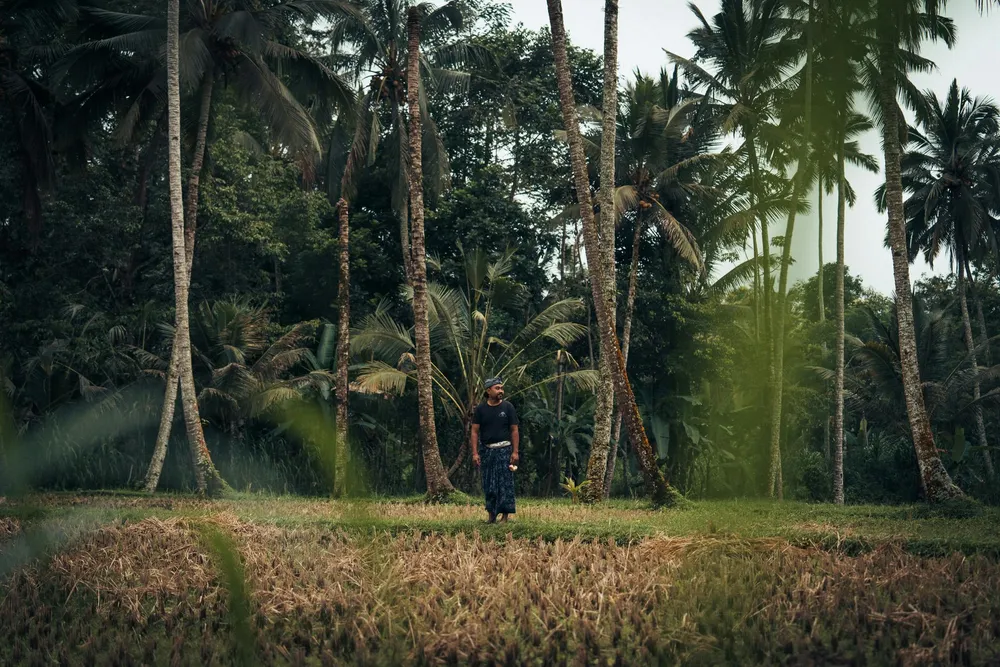
The village he returned to wasn't the one he'd left.
The river he'd grown up swimming in was full of trash. The ancient subak irrigation channels — Bali's centuries-old communal water system — were clogged with plastic. The rice fields were thick with chemical pesticides. And the nights, which he remembered as alive and flickering, were quiet in a way they never used to be.
The fireflies were nearly gone.
This matters more than it might sound. Fireflies are bioindicators — they can only survive in clean air, clean water, and healthy soil.
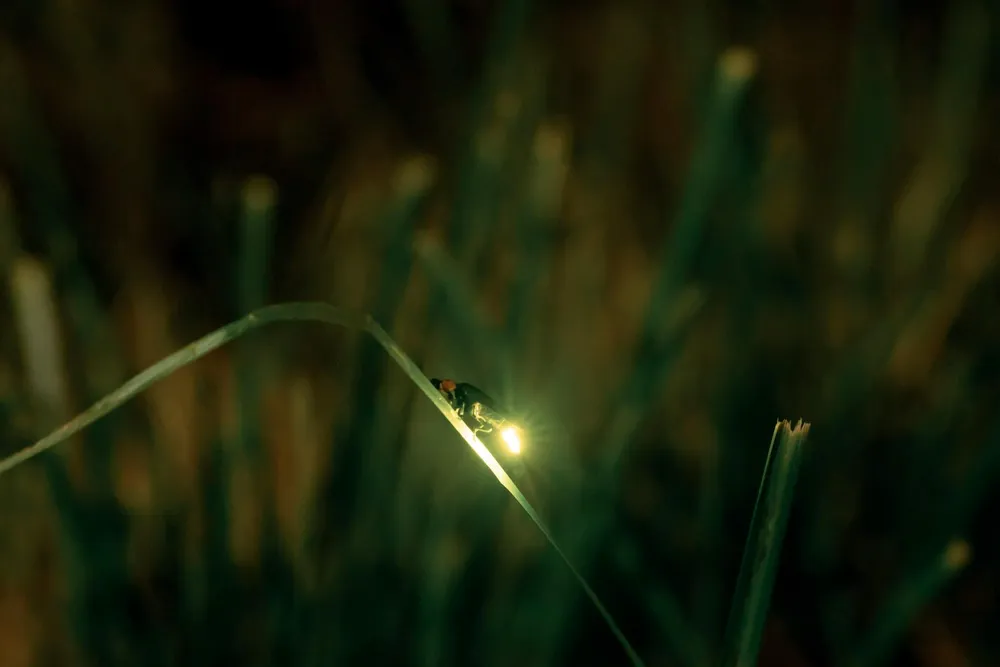
Their presence is one of the clearest signals of a functioning ecosystem. When pesticides poison the ground, when waterways fill with waste, when artificial light scrambles their ability to find a mate, fireflies disappear first. Their absence means something much bigger is already broken.
"To imagine that my three children, and their children after, would grow up without experiencing the fireflies as I once did, makes me really sad."
That grief became a decision.
Bring Back The Light
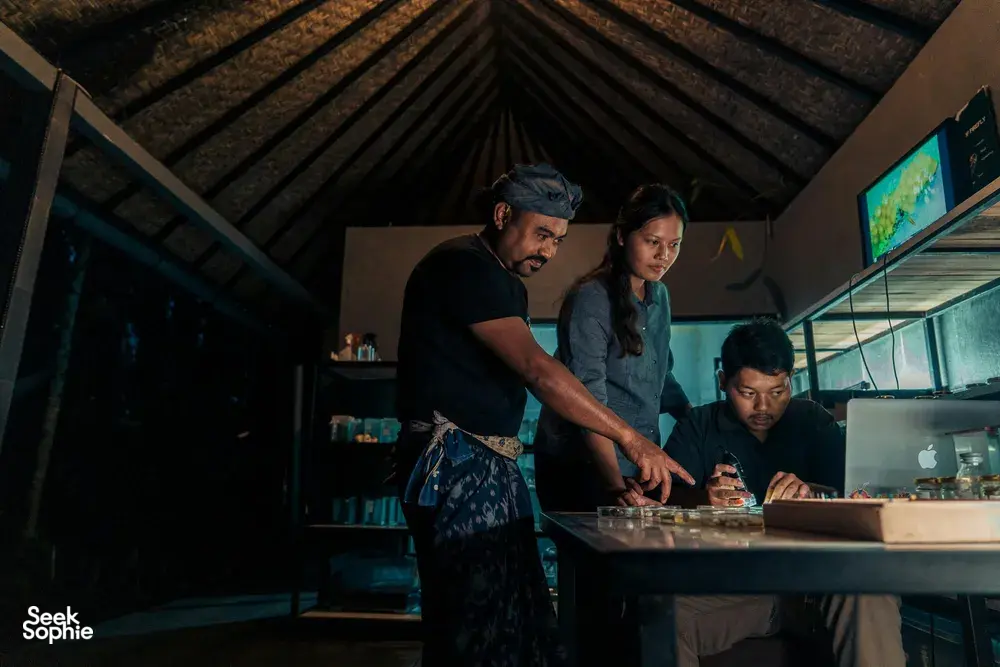
Wayan had no biology degree. No institutional funding. Almost no local scientific literature to work from — research on Indonesian fireflies barely exists, and what does is largely in foreign journals he had to navigate himself.
He built a lab anyway.
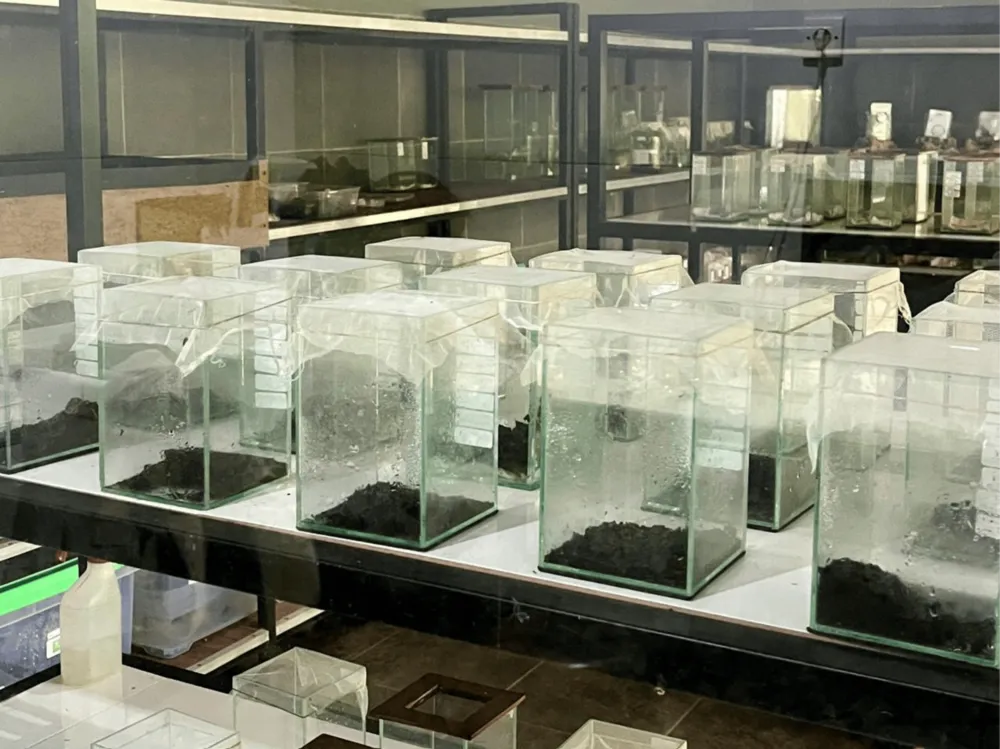
Wayan installed floor-to-ceiling shelves of glass jars, each one holding firefly eggs or larvae. He brought on three young biologists from Yogyakarta. He named the project Bring Back The Light.
The life cycle of a firefly is a lesson in patience. An adult lives for just 22 days. Growing one from egg to adult takes almost two years.
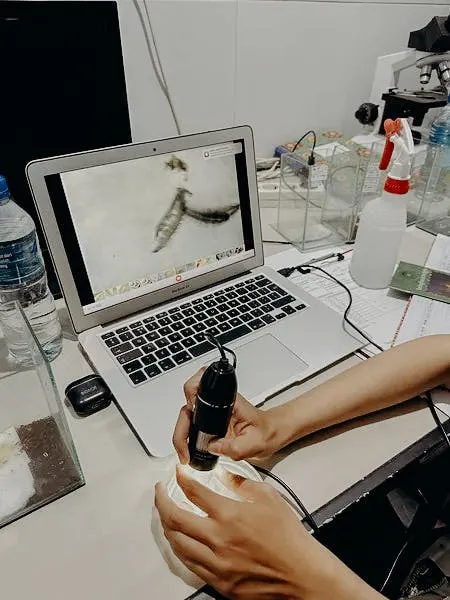
The larvae are fragile — sensitive to pollution, temperature, and light — and can turn cannibalistic if underfed. It is slow, painstaking, expensive work, and the results take a long time to show.
"I have so many reasons to stop. This is not my field of expertise. But I always look for one reason to continue. And that reason is always for the generation to come."
So far, Wayan and his team have released thousands of larvae into the rice fields surrounding Taro and identified eight local firefly species that don't match any existing records from Thailand or Australia. Some may be new to science entirely.
"My dream is that someday our nature will be filled with fireflies again."
More Than Fireflies
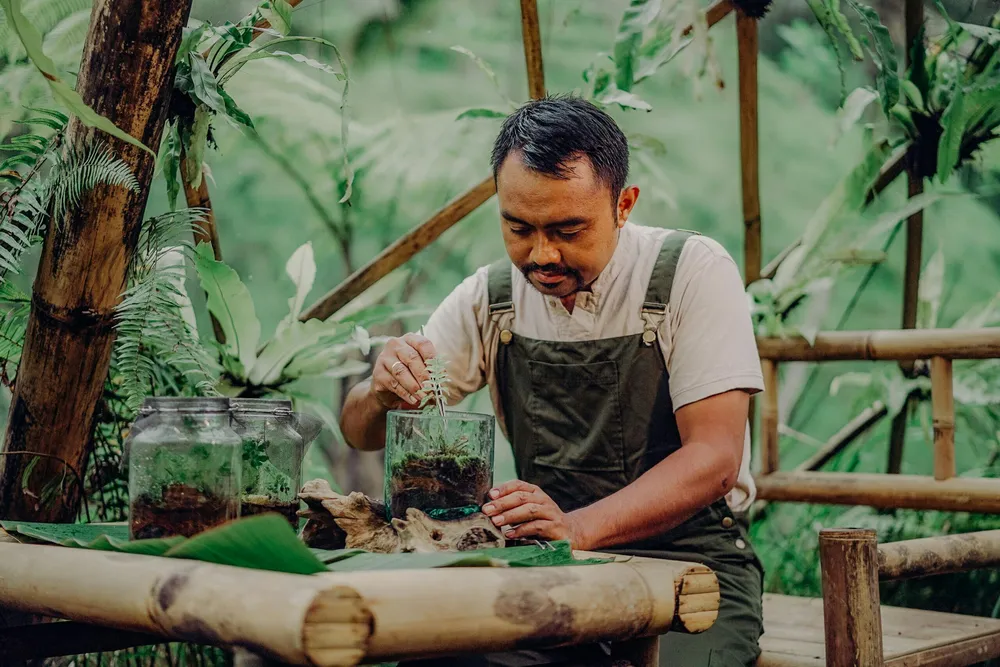
The lab, Wayan understood early on, was only part of the solution. Fireflies can't come back to land that's still poisoned. So he converted his entire farm to an organic one, made his own fertiliser from compost and fermented fruit, and started distributing it free to neighbouring farmers.
Four farms have made the switch so far. He wants 30.
He's also working to reduce light pollution in the area, educating the community about why dark skies matter for the fireflies' mating cycles, and running ecotours that bring visitors directly into the conservation work.
In 2024, he was recognised with a CNN Indonesia Hero award.
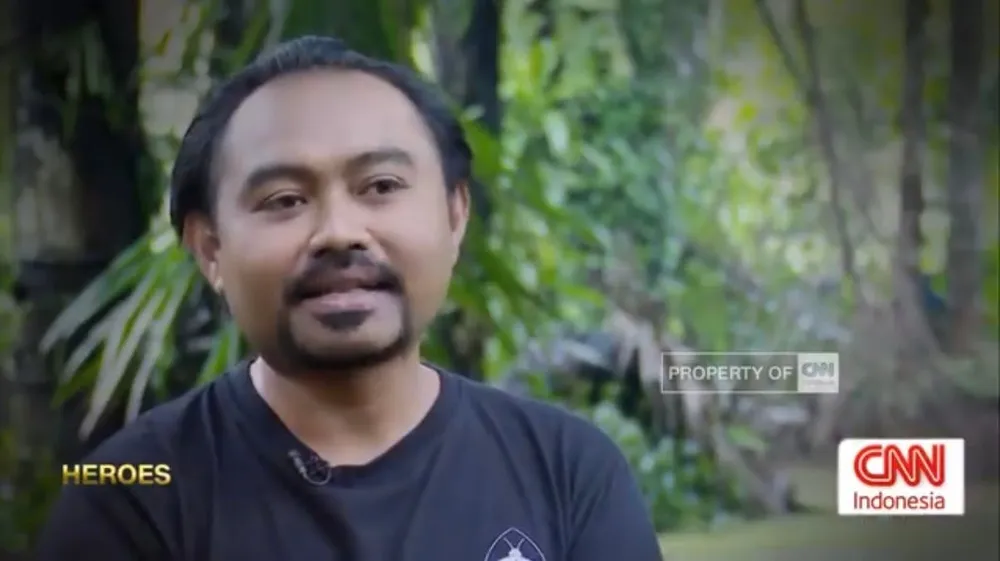
"This is my life's purpose now. To make sure that my children and future generations can experience the magic of the fireflies."
Come Meet Wayan and The Fireflies
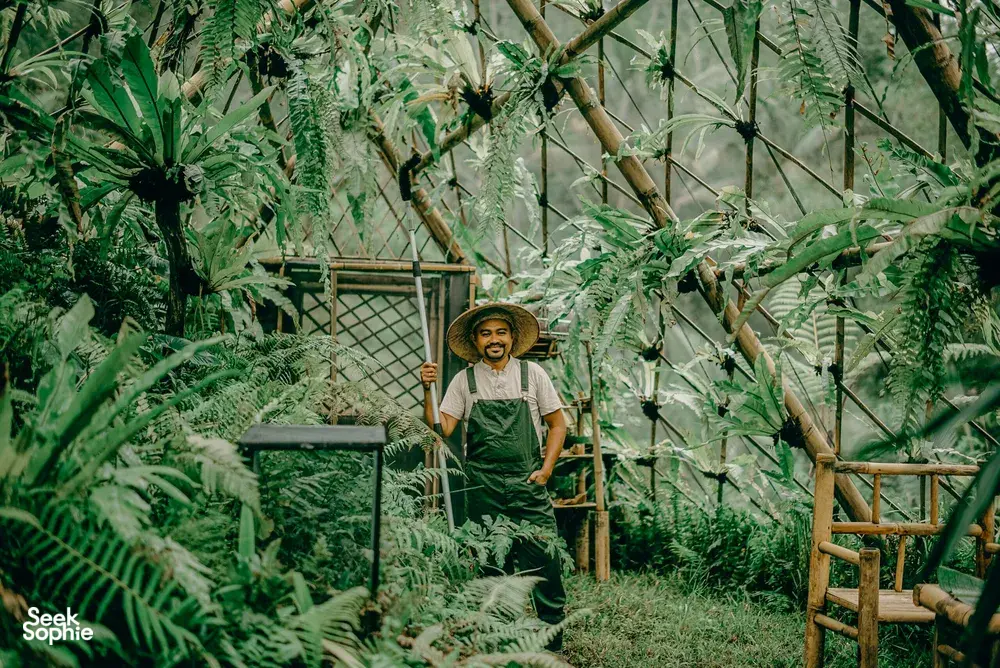
This is truly one of the most magical and meaningful experiences we've done in Bali. Come visit Wayan's lab, walk the farm, and see fireflies glowing in the rice fields.
Every Seek Sophie booking directly supports Wayan's conservation work and organic farming programme. Book this firefly safari experience with Wayan here.

![Mount Batur: Your Essential Guide & Beat the Crowds [2026]](https://d18sx48tl6nre5.cloudfront.net/webp_xl_6b128d171653526bce960e5411c24dda.webp)
![Komodo Islands: Everything You Need to Know & How to Avoid the Crowds [2026]](https://d18sx48tl6nre5.cloudfront.net/webp_xl_d9b99943af4ed7cc753b66ce9ba57eda.webp)
Bali FAQs
Is Bali expensive to visit?
Bali can be as budget-friendly or as luxurious as you want it to be. You can easily enjoy the island on a budget of around $30–$50 per day by staying in guesthouses, eating at warungs (local eateries), and using scooters for transport.
On the other end of the spectrum, Bali has stunning luxury resorts and private villas where you can spend upwards of $500 per night.
If you’re looking for a mid-range experience, expect to spend about $100–$150 per day.
Is $1,000 enough for a week in Bali?
Yes, $1,000 is more than enough for a week in Bali! Here’s a rough budget breakdown:
- Accommodation: $20–$100 per night per person
- Meals: $5–$20 per meal
- Transport: $5–$15 per day
- Activities: $10–$50 per person/day
If you avoid high-end resorts, you can easily stay within budget while still enjoying amazing experiences.
How many days do I need in Bali?
We’d recommend at least 8 days to really experience Bali, especially if you're a first time visitor.
If you have 8 days, you can spend 3 days in the South at Nusa Penida and chilling at beaches, and then spend 5 days in Ubud and up north where you can explore the tourist areas in Ubud, take in a cooking/art class, hike Mount Batur/Agung and do an adventurous day trip to Munduk.
If you have longer (e.g. 2 weeks), you can explore beyond Bali to hike Ijen volcano (blue flames!), or take a boat to nearby Lombok and Gili Islands. If you're heading to Lombok, you'll need at least another week.
What is the best time to visit Bali?
The best time to visit Bali is during the dry season, from April to October, when the weather is sunny and ideal for outdoor activities.
The wet season (November–March) is still a good time to visit if you prefer fewer crowds and don’t mind occasional heavy rain.
If you’re into surfing, July and August offer the best waves on Bali’s west coast.
What is so famous about Bali?
It’s no secret that Bali is one of the most popular places on the planet. When people think about Bali, they usually think of yoga retreats, Eat, Pray, Love, or glam beach bars, gorgeous villas and surfing. And Bali can be all of that of course. It’s super easy to travel, most people speak English, and there’s something for everyone—whether you want adventure, hiking, and nature or just chilling at a beach bar that could be anywhere in the world.
But there’s a lot more to Bali than its Instagram-famous treehouses and touristy swings. Bali has so much heart. There are artisans practicing crafts that have been passed down for generations, a deep respect for nature, and conservationists working hard to protect its land and oceans. And despite how much tourism has shaped the island, the spiritual side of Bali is still very real. That’s the Bali we love—and the one we hope travellers will get to experience.


![Mount Batur: Your Essential Guide & Beat the Crowds [2026]](https://d18sx48tl6nre5.cloudfront.net/webp_md_419759df50222c532107ed80aed4fd60.webp)
![Komodo Islands: Everything You Need to Know & How to Avoid the Crowds [2026]](https://d18sx48tl6nre5.cloudfront.net/webp_md_03b20b0ee11bb155c80ce9e618c3cbe5.webp)
![Best Things to Do in Labuan Bajo [2026]](https://d18sx48tl6nre5.cloudfront.net/webp_md_fbeccdf94f72d3ced7a242b51a7ec1af.webp)
![Best Things to Do in Labuan Bajo [2026]](https://d18sx48tl6nre5.cloudfront.net/webp_xl_6a7b2411dddfb5a78d68026829099637.webp)