How One Woman Is Keeping Sabah's Villages Alive
They told her no one was interested to see Sabah's villages. She proved them wrong.
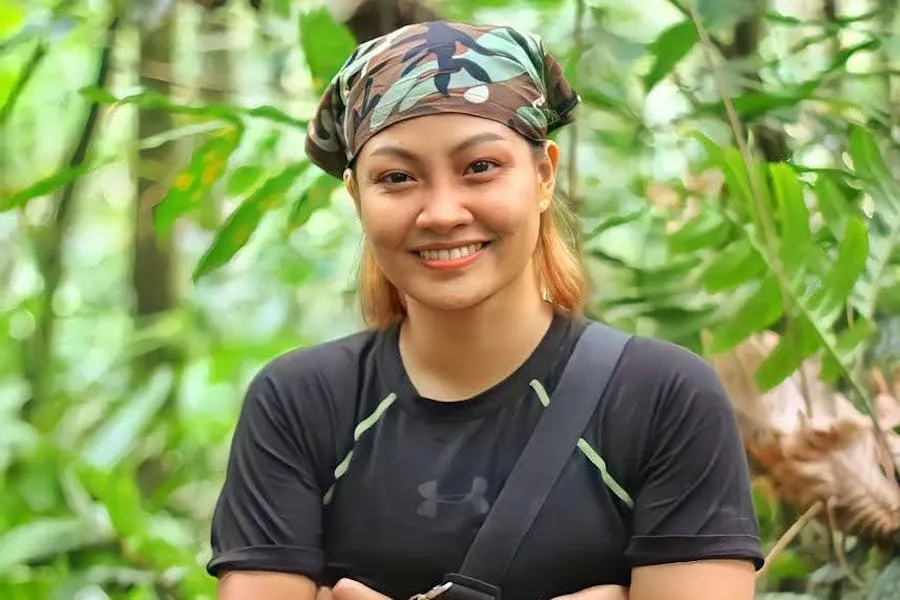
Most travellers come to Sabah for its islands, wildlife and mountains. Few stop in the kampungs they pass along the way, where families tap rubber, cook over wood fires and spend afternoons by the river.
June believed that everyday village life was worth travelling for.
When she first brought the idea to some of Sabah’s bigger tourism players, they told her it was old-fashioned. They said travellers did not want to see how villagers actually lived.
She didn't believe them. She built Outreach Borneo anyway.
The childhood she took for granted
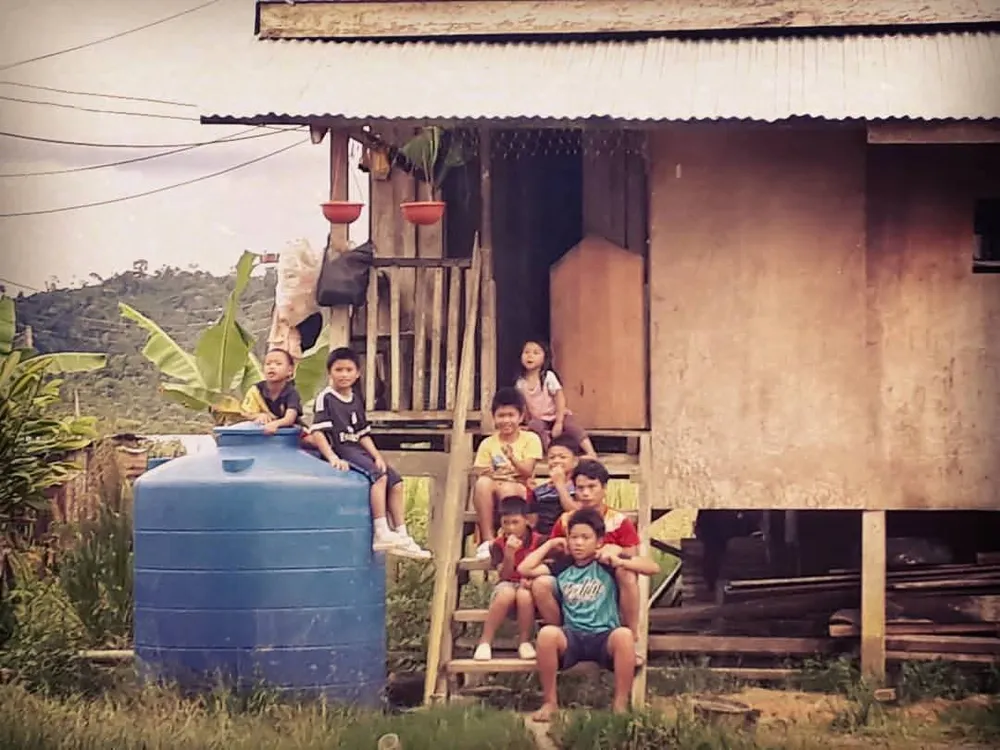
June grew up in a small rural town in Sabah, one of seven siblings. Her family did not have much money, but she remembers having plenty of freedom.
She spent her days climbing trees, wandering into the forest and helping around the village. It was an ordinary childhood to her, in a place most travellers would never think to visit.
As a child, she wanted to become a policewoman. Then a chef. But with a large family and limited money, neither path was possible. She eventually enrolled in a tourism course, not because it had always been her dream, but because it was what she could afford.
That practical decision took her much further than she expected.
After graduating, June left Sabah and spent years working as an outdoor instructor in Dubai, Hong Kong and Vietnam. She guided expeditions, taught outdoor skills and worked on conservation projects. She became very good at helping people experience unfamiliar places — even as she moved further away from her own.
What Vietnam showed her about home
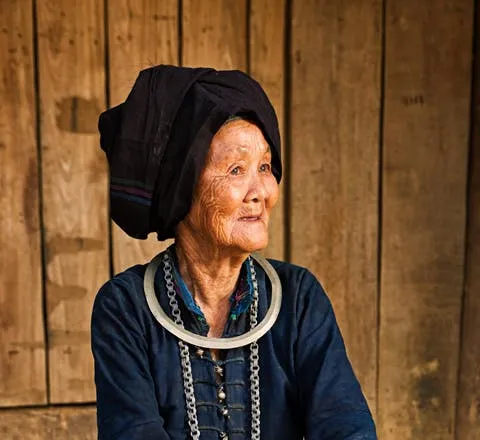
One trip changed how she saw home.
During one work trip, June spent time with a minority community in Vietnam.
She had expected the visit to feel staged, like the cultural performances often created for tourists. Instead, she found people simply going about their lives. She said:
They did not perform for visitors. It was simply who they were.
She saw how proud they were of their culture, traditions and everyday way of life. It made her think about everything she had grown up around in Sabah — and how easily she had taken it for granted.
She had travelled across the world before realising that the life she came from was something worth protecting and sharing too.
Then COVID hit, and June found herself back home.
An idea on a hill in Kiulu
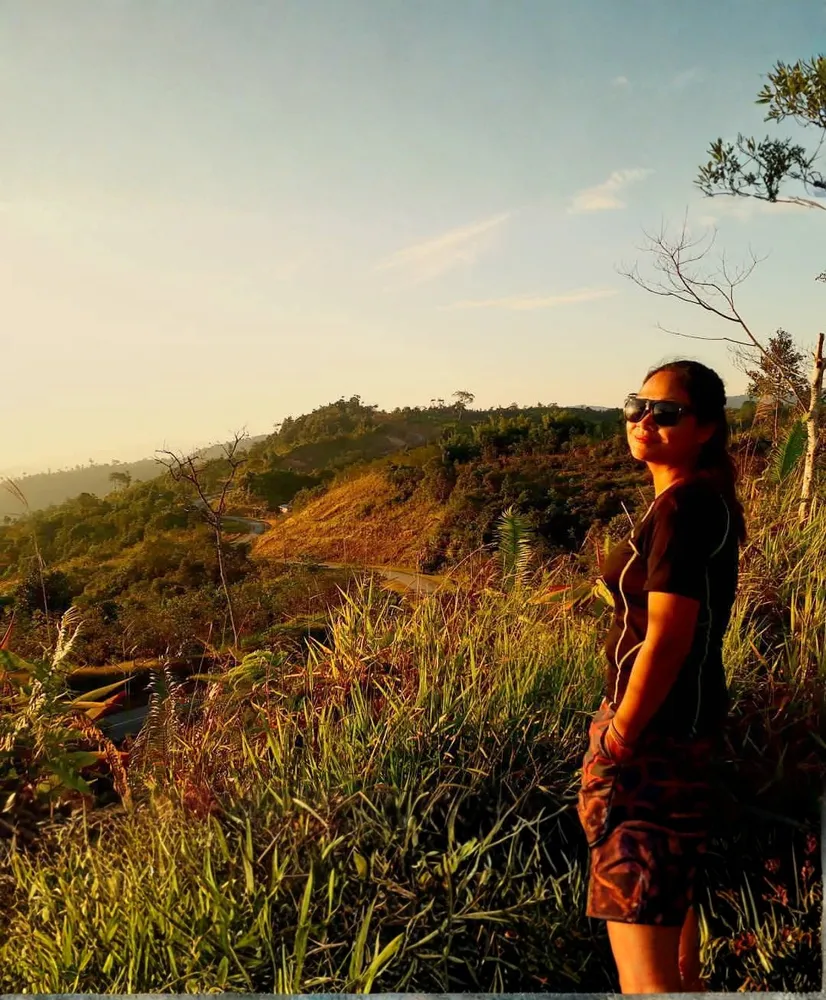
One day, June was sitting on a hill above Kiulu with her friend Meijin, who would later become her co-founder.
Below them was a kampung June had seen her whole life. It was so familiar that she had almost stopped noticing it.
They talked about how the villages were changing. Many young people were leaving for the cities because there were few ways to earn a living at home. As they left, parts of village life were slowly disappearing with them.
June looked down at the kampung and thought:
People don’t know this beauty exists. What would happen if travellers did know? Could tourism create work for local families, while helping young people stay connected to where they came from?
That was how Outreach Borneo began: with two friends sitting on a hill, looking at a village everyone else drove past.
Village life, without the performance
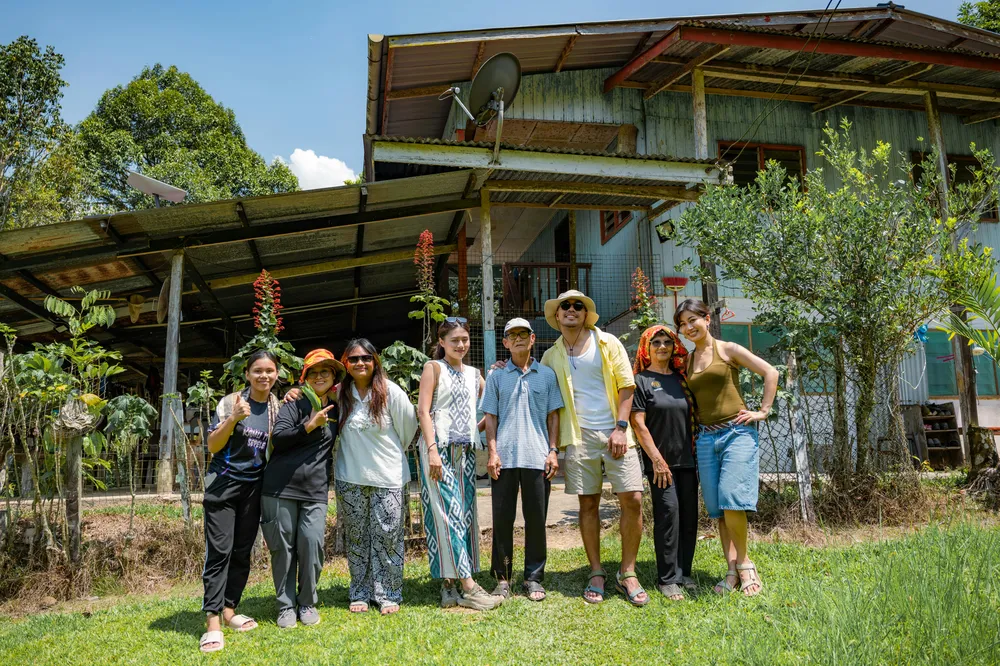
June and Meijin began working with local families to create experiences around the real rhythm of Dusun village life.
Travellers could cook with the village aunties, learn rubber tapping from an uncle who tends 500 trees, or spend time by the river with children who had never met an international visitor before.
There were no actors or performances. Nothing was recreated purely for tourists. Guests were simply invited into the things people were already doing.
That was important to June.
She did not want the villages to become something polished and unrecognisable. She wanted travellers to see the version of village life she wished someone had shown her - before she had to leave Sabah to understand how special it was.
Not everyone understood the idea. When she first pitched the idea to large tourism companies, they told her it was old-fashioned, that no one wanted to see "real" village life.
June kept going.
The visit that fell apart
In the early days, one confirmed project fell apart at the last minute.
June had spent days preparing alongside the villagers. Families cleaned their homes, planned meals and got everything ready. Even the children were excited to meet the visitors.
“I spent so much time with the villagers, helping them prepare, clean, cook and get ready,” June says. “Even the children were so excited to welcome the visitors. It was heartbreaking to see the expressions on their faces when I broke the news to them.”
It would have been easy to conclude that the bigger tourism players had been right.
Instead, June began calling schools and pitching to travel agents. She answered enquiries late into the night and took every opportunity she could to bring someone to the villages.
In those early days, every visit mattered. Each one helped prove that the idea could work.
The small signs that mattered most
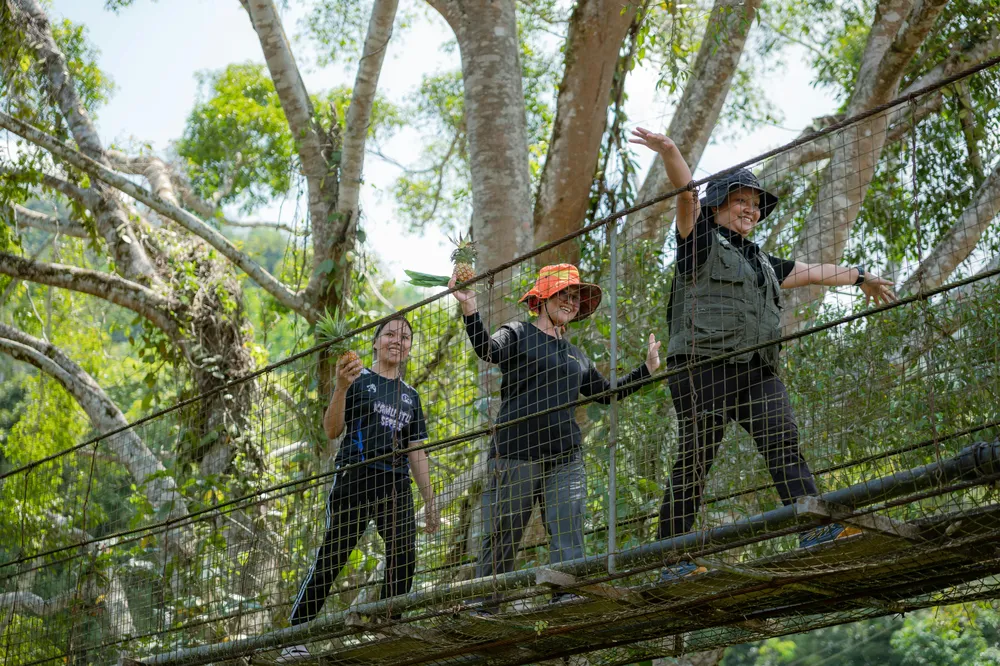
Slowly, more travellers began coming.
But it was not the number of bookings that made June feel the project was working. It was the small changes happening inside the villages.
Children started picking up English so they could speak with international guests. Young people who had moved to the city began returning during the off-season to work part-time in their villages.
For June, this was the proof she had been looking for.
The kampungs were not places young people necessarily had to leave behind. With the right opportunities, they could also become places to return to.
From one village to three

As word spread, other communities began asking June to work with them.
Today, Outreach Borneo supports families across three villages in Sabah. June and Meijin are also hoping to expand into Kota Belud, where they would work with the Tobilung Bajau community.
The changes are visible.
“There’s this village that couldn’t afford a roof,” June says. “Now it has two concrete canopies, six new toilets and a campsite — all from hosting travellers.”
The way the money is shared is deliberately simple. Most of the profits go directly to the communities, while June and Meijin keep enough to continue running the project.
The goal is not to make the villages dependent on Outreach Borneo. It is to help them become independent.
June wants each community to eventually manage its own bookings and run its own experiences. Once one village can stand on its own, she can begin helping the next.
The part travellers do not see
June speaks about the villages with enormous warmth. But she is also honest about what it takes to keep the work going.
“The hardest part honestly isn’t the work,” she says. “It’s carrying the weight of everyone depending on me — my team, the communities — and having to stay strong for all of them.”
Community tourism can be financially uncertain and emotionally exhausting. A cancelled booking is not just a change in schedule. It can mean disappointing an entire group of families who have spent days preparing.
“Getting rest is a bonus,” June says. “But they have so much hope, and I will not let them down.”
Her dream is to build something that can continue without her — a network of villages with the skills and confidence to welcome travellers on their own terms.
Spend a day with June in Kiulu
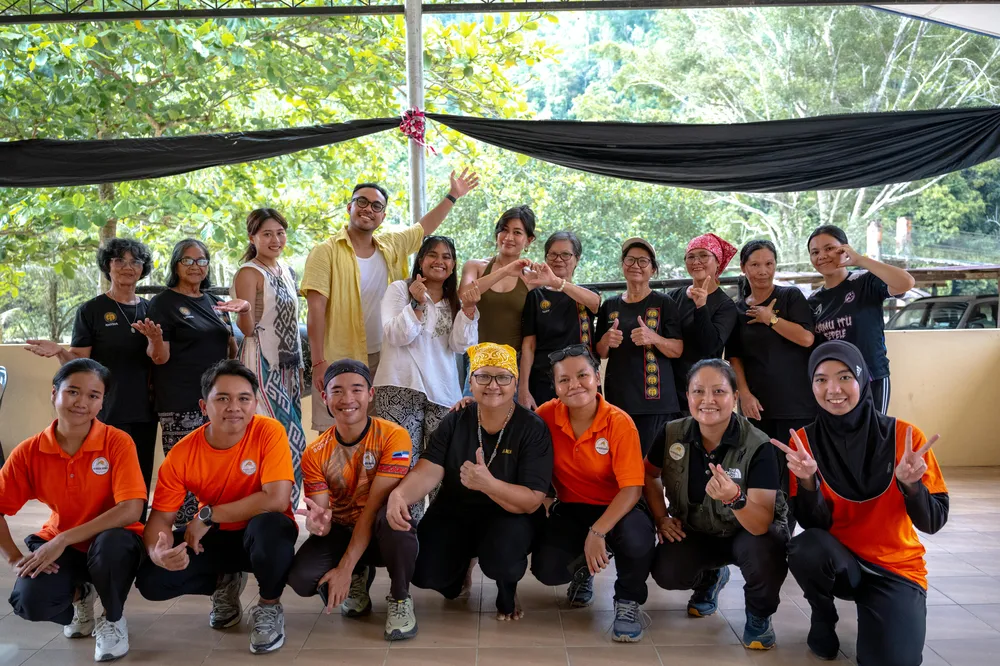
Note: This isn't a flashy, Instagram-engineered day out, and if that's what you're after, it's not the right fit. What you get instead is time - actual unhurried time with people who've lived this life their whole lives, and who genuinely seem happy you're there.
You will cook with the aunties, try rubber tapping with the uncle who tends 500 trees and spend an unhurried afternoon by the river.
The day is simple, warm and very personal. You are not there to observe the village from the outside. You are invited to spend time with the people who live there — and who are genuinely happy that you came.
Your visit also helps local families earn an income from the knowledge, traditions and way of life they already have, without asking them to turn it into something it is not.

![Your Cheat Sheet to Planning a Mount Kinabalu Climb [2026]](https://d18sx48tl6nre5.cloudfront.net/webp_xl_4f7a99703162889f64480dfe3c00a2a5.webp)

![Your Cheat Sheet to Planning a Mount Kinabalu Climb [2026]](https://d18sx48tl6nre5.cloudfront.net/webp_md_cd85bdc9ac441cc7398c898710573c06.webp)

![Ethical Places to Spot Orangutans in Southeast Asia [2026]](https://d18sx48tl6nre5.cloudfront.net/webp_md_26a1e349373ffec8569b965090d516ed.webp)
![Ethical Places to Spot Orangutans in Southeast Asia [2026]](https://d18sx48tl6nre5.cloudfront.net/webp_xl_2e78af4a2c06449cbda3a3d258d4dac1.webp)