Mount Fansipan
Not for the faint of heart. Test your limits on Fansipan's rugged climb.
All Mount Fansipan Experiences
Visiting Mount Fansipan

Why go
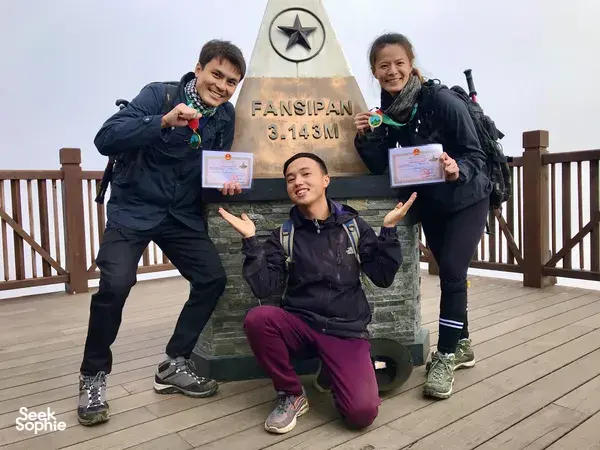
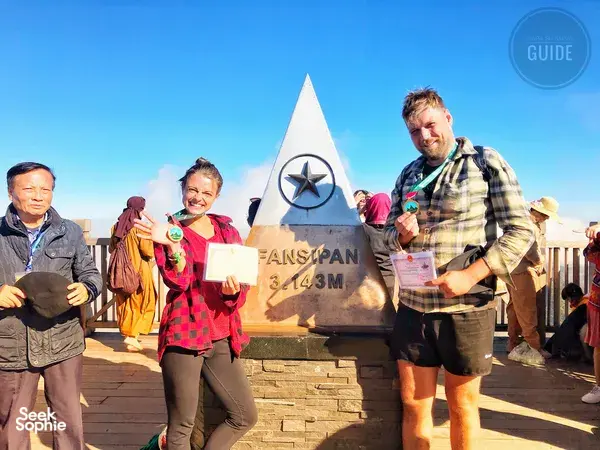
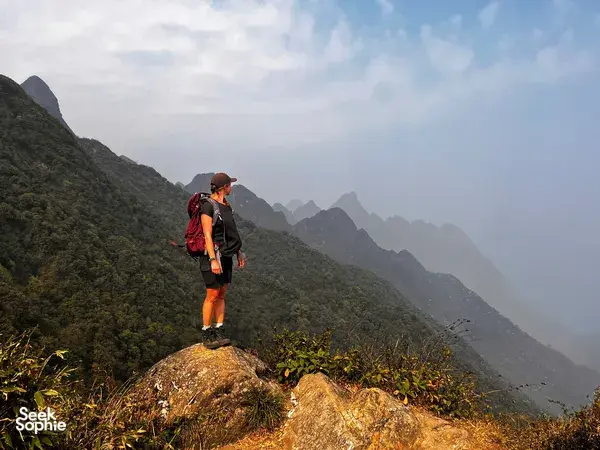
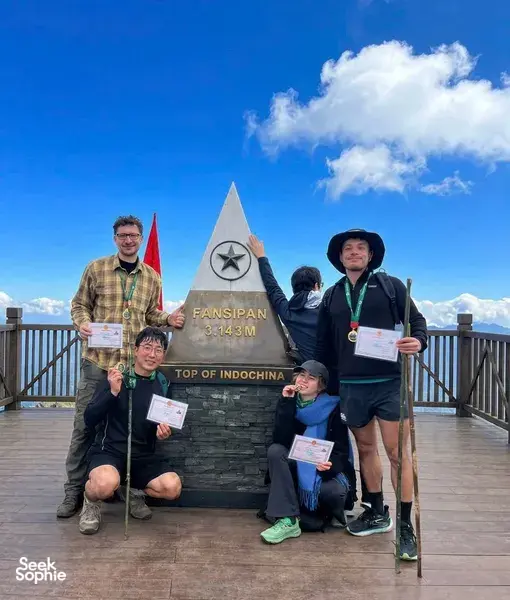
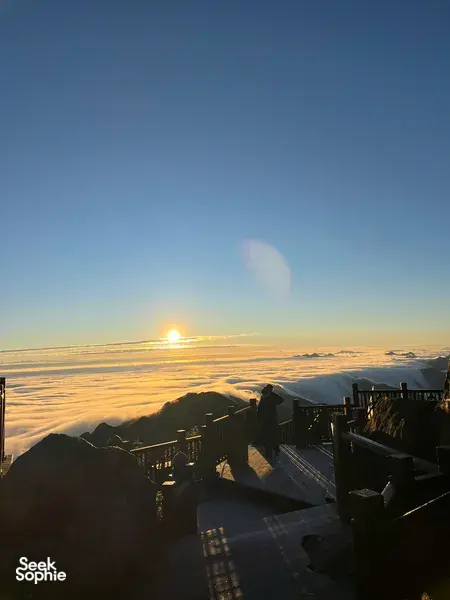
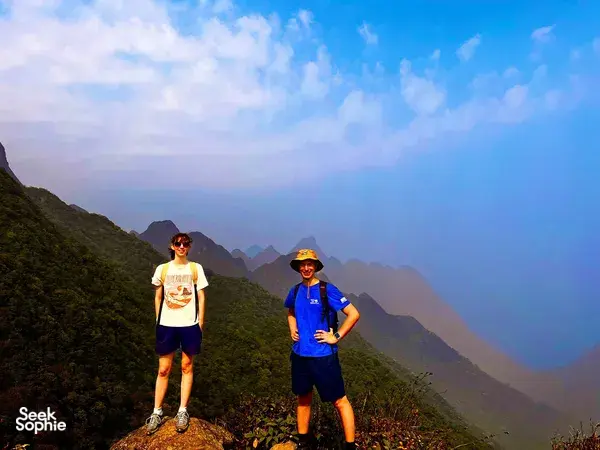
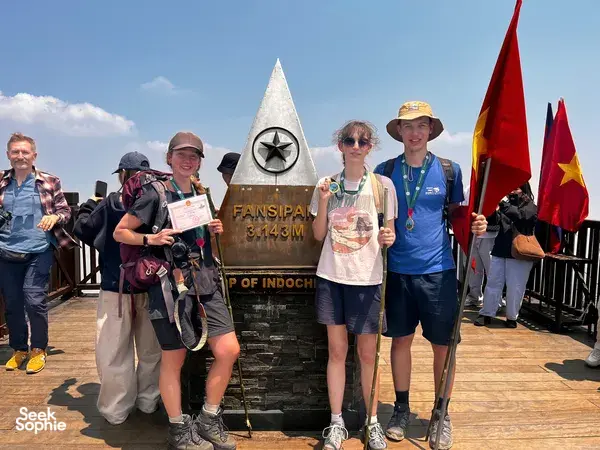
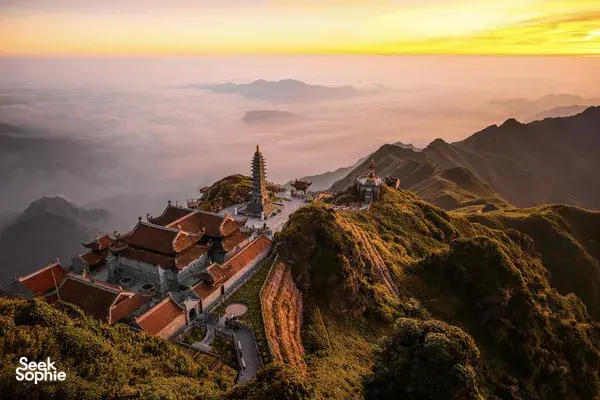
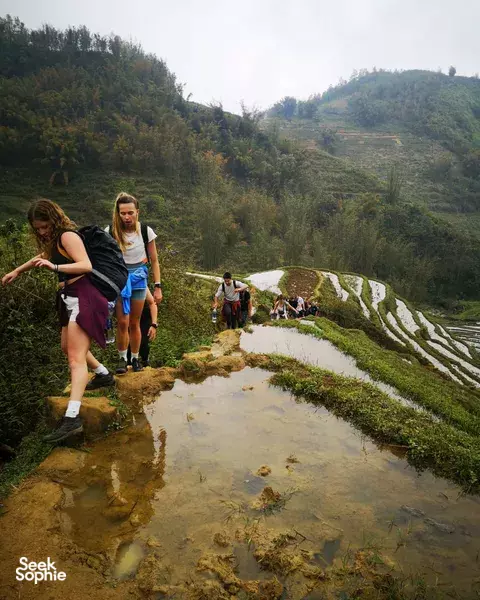
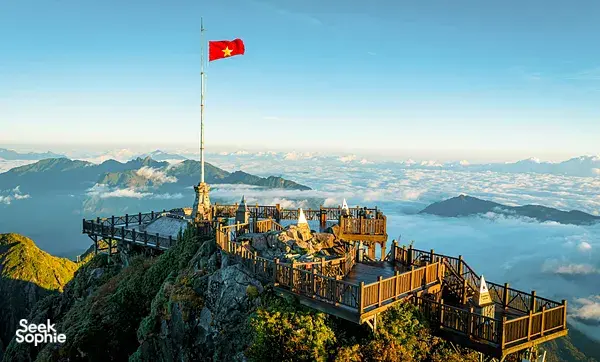
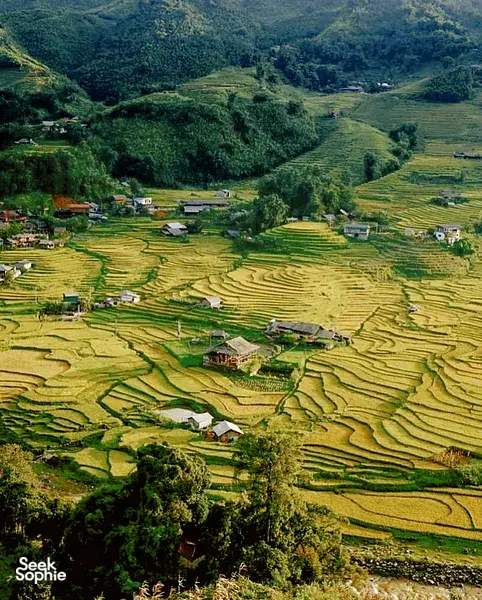
Mt. Fansipan is the highest peak in Vietnam at 3143m, and nicknamed "The Roof of Indochina". At its summit, Mt Fansipan offers stunning views of the surrounding landscape, including the Hoang Lien Son mountain range and the rice paddies of Muong Hoa Valley. You should do the climb if you want a challenge when you're in Sapa beyond the usual rice paddy treks.
What to do or see here
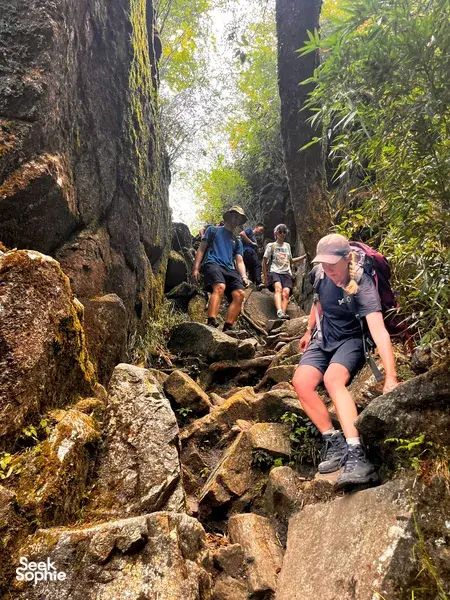
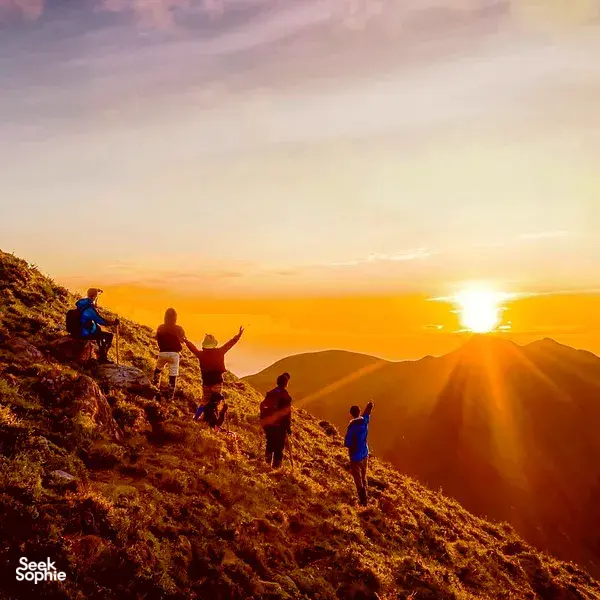
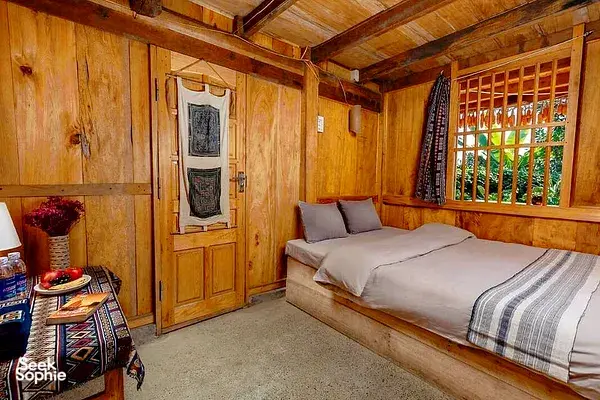
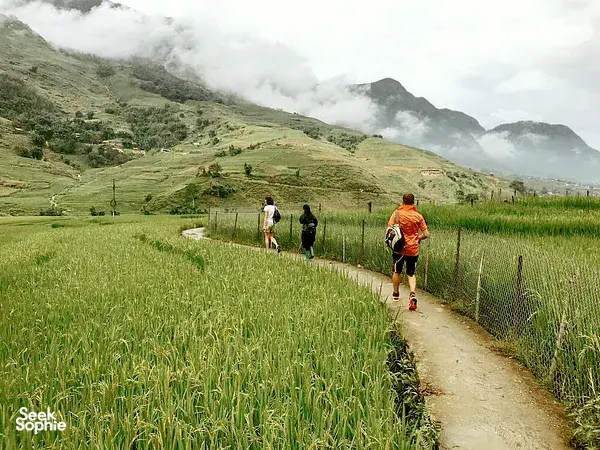
You can do a day hike, or camp overnight at the summit, or reach the top via cable car (no climbing!). The hike is challenging & takes 6-7 hours each way, with boulders & ladders.
Best Time to Go
Best climb time: Sept-Nov (Sept may still be muddy). Avoid the wet season (May-Aug) and cold weather (Dec onwards). Fansipan isn't worth doing in bad weather!
Who is it for?
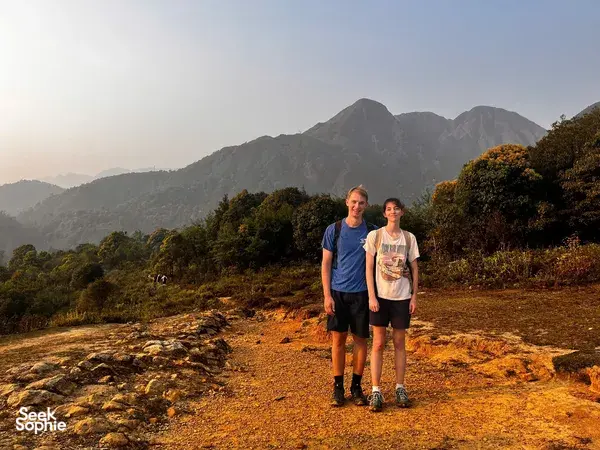
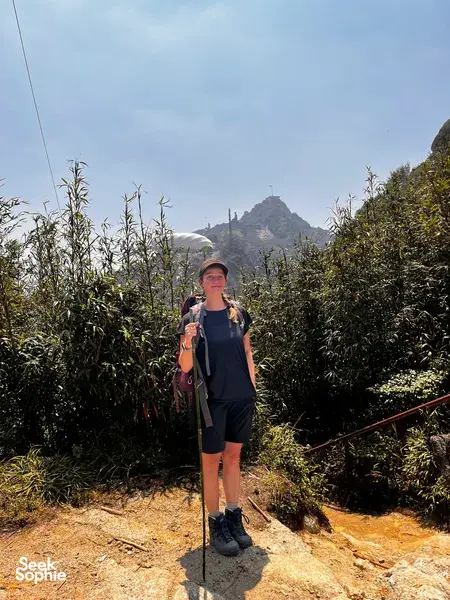
Fansipan is for adventurous, intermediate hikers seeking a challenge, not guaranteed summit views. Expect a rugged path with boulders and ladders – the journey is the reward!
Top Tips
Views aren't guaranteed, so climb for the thrill not the views! Expect a tougher climb than Mt. Kinabalu (boulders & ladders). For easier descent, hike up & take the cable car down.

Top things to see & do
Helpful Questions
What is Mount Fansipan?
Mount Fansipan is the highest mountain in Vietnam, located in the Hoang Lien Son mountain range in the northwestern part of the country. With an elevation of 3,143 meters (10,312 feet), Mount Fansipan is often referred to as the "Roof of Indochina". The mountain is known for its stunning views, challenging terrain, and unique flora and fauna.
What can I expect to see on Mount Fansipan?
Mount Fansipan offers stunning views of the surrounding landscape, including the Hoang Lien Son mountain range and the rice paddies of the Muong Hoa Valley. The mountain is also home to a unique ecosystem, with over 2,000 plant species and a variety of wildlife, including birds, primates, and small mammals.
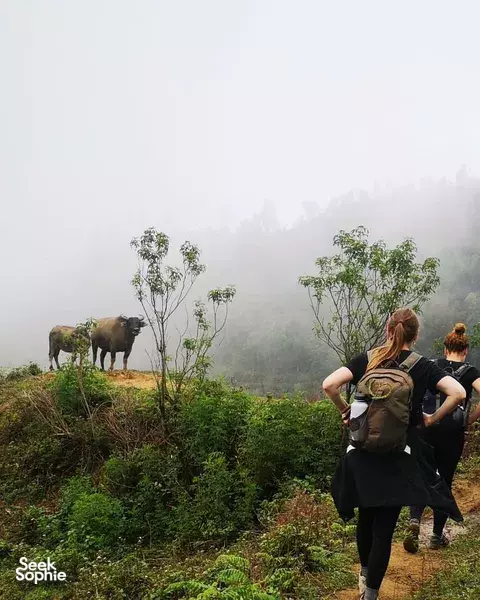
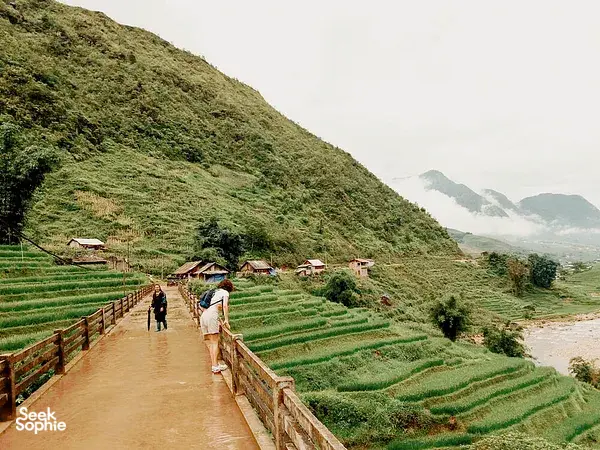
The trek up the mountain also passes through several ethnic minority villages, providing visitors with a glimpse into the traditional way of life in the region.
At the summit, climbers can take in panoramic views of the surrounding mountains and valleys, making the climb a truly unforgettable experience.
How can I climb Mount Fansipan?
Climbing Mount Fansipan requires a certain level of physical fitness and experience, but it is possible to do so with the help of a guide.
You can choose to do the climb in one day, or you can choose to stay overnight on the mountain before descending the next day.
The most popular route is the Tram Ton Pass, which starts from the town of Sapa at 1,800m and takes approximately 12-14 hours to complete. Along the way, climbers will encounter a variety of terrain, including steep inclines, rocky paths, and dense forests. It is recommended to hire a local guide or join a tour group, as the trail can be challenging to navigate and the weather can change quickly.
Alternatively, if you want to do an easier version of the Mount Fansipan trek, you can trek up (about 6-7 hours) and take the cable car down. It's still challenging but it's only a day trek instead of an overnight trek, and very doable for beginners.