Your bag
Bag whispers: "Fill me!"
Order Total
$0 USD
Checkout
FAQs
Question #1: Is Sapa in Vietnam worth visiting?
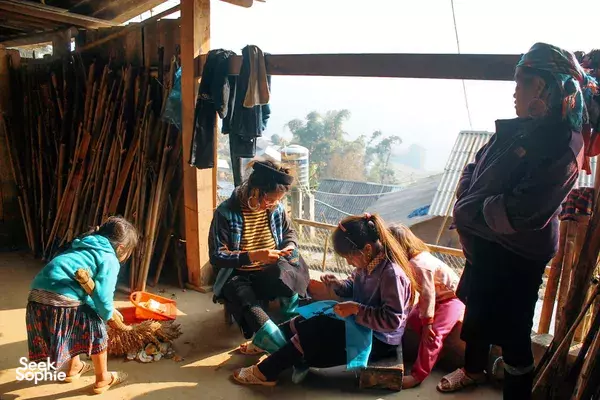
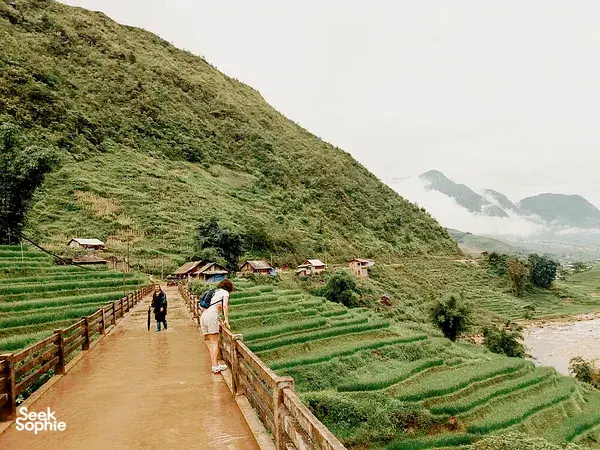
Answer #1: Sapa is a must-visit for its stunning rice terraces, easy hikes, and a chance to experience northern Vietnam’s diverse ethnic cultures. It’s definitely touristy, and Sapa Town itself isn’t the best, but if you skip the usual crowded trails like Cat Cat Village and Love Waterfall, you’ll find some incredible hidden spots. One of the coolest things about Sapa is how tourism has empowered local women. In the past, H’mong women were expected to stay home, but now they’re guides, shop owners, and business leaders, breaking traditional roles. By visiting, you’re directly supporting them and helping create real change.
Question #2: Why is Sapa so famous?
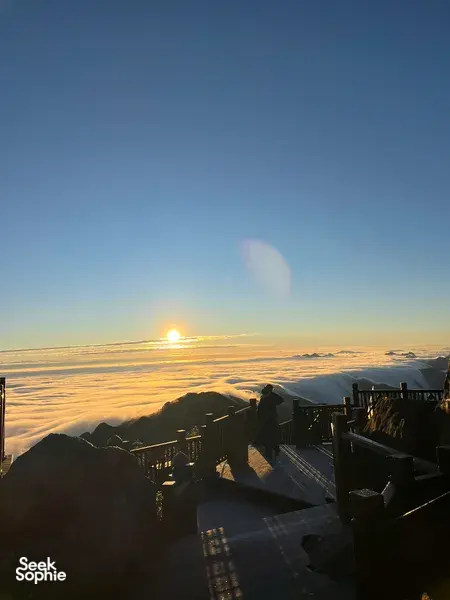
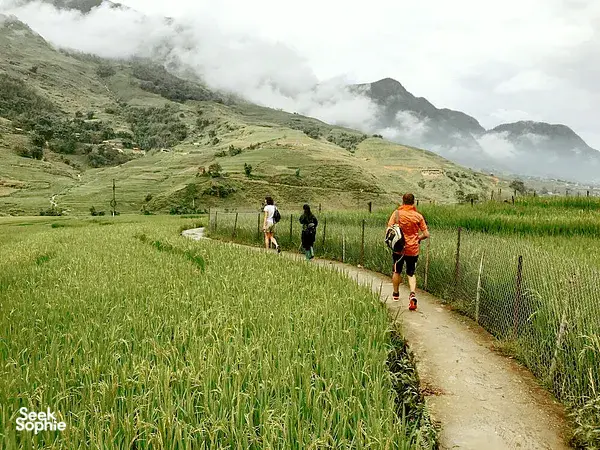
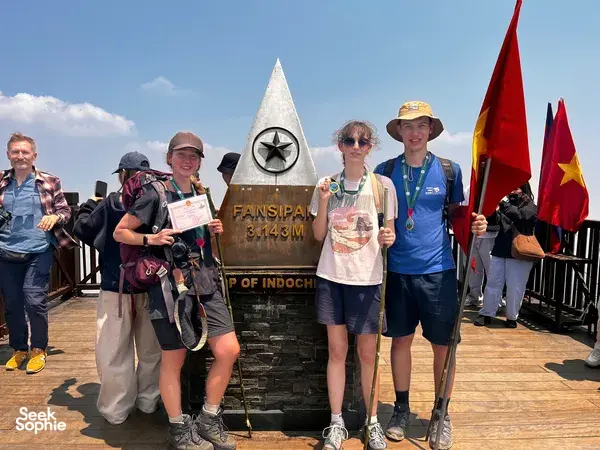
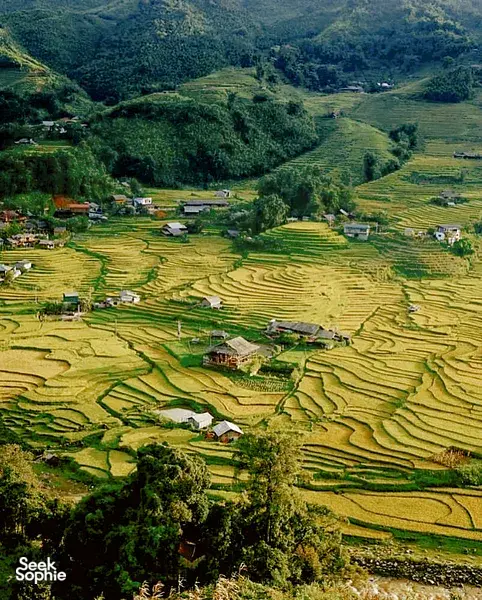
Answer #2: Sapa is famous for its breathtaking rice terraces, diverse ethnic groups like the H’mong, Red Dao, and Tay, and Mount Fansipan—the highest peak in Indochina. It’s also one of the best places in northern Vietnam for trekking, with trails through Muong Hoa Valley, Hoang Lien National Park, and remote villages.
Question #3: How do I get from Hanoi to Sapa?
Answer #3: There are three main ways to get to Sapa from Hanoi: Bus – The sleeper bus is the easiest and cheapest option (~$10 USD one-way). It takes 6-7 hours and buses leave around 10 PM, arriving in Sapa at 4 AM (you can stay on the bus till 6 AM). Train – Take the night train from Hanoi to Lao Cai (10 PM – 6 AM), then a shuttle bus to Sapa (arrives ~7 AM). It’s more comfortable than the bus, and if you want a premium experience, book Chapa Express. Car – A private car takes about 5.5 hours and is the most flexible option. It’s pricier but great if you want to stop at scenic spots like Silver Waterfall along the way.
Question #4: How to go to Sapa from Singapore?
Answer #4: Fly from Singapore to Hanoi, then take a bus, train, or private car to Sapa.
Question #5: Are night buses to Sapa comfortable and safe?
Answer #5: Yes! Sleeper buses are comfortable and safe, with berths for some privacy and reclining seats for sleeping. Don’t worry—they won’t be blasting music all night if you get the right sleeper bus. They’re the most popular way to get from Hanoi to Sapa.
Question #6: Is it possible to visit Sapa in one day?
Answer #6: One day is technically possible—you can do a day trek in the rice terraces from 9 AM to 3 PM and then take the train or bus out of Sapa. But Sapa isn’t just about the views—what makes it special is the hospitality of the locals and the feeling of being transported back to a simpler way of life. To truly experience its magic, an overnight homestay in Ta Van or another village is highly recommended.
Question #7: When is the best time to visit Sapa?
Answer #7: September - October (Best time!) – The rice terraces turn golden yellow, and the weather is perfect for trekking. June (Good but touristy) – The rice fields are a lush green, but it’s also rainy season, so expect sudden showers. December - January (Avoid if doing a homestay) – It’s cold and foggy, and village homestays have no heating.
Question #8: How does the rainy season affect travel?
Answer #8: Trails can get muddy and slippery, and fog may block the views. But if you don’t mind a bit of rain, Sapa is still stunning. Mist is common year-round, so expect a mist-covered landscape no matter when you visit.
Question #9: What’s the weather like in Sapa?
Answer #9: Spring (Mar - May): Mild, great for trekking. Summer (Jun - Aug): Green rice terraces, but also rainy. Autumn (Sep - Nov): Clear skies, golden rice fields—perfect trekking weather. Winter (Dec - Feb): Cold (sometimes freezing), and homestays can be chilly.
Question #10: Should I stay in Sapa town or a homestay?
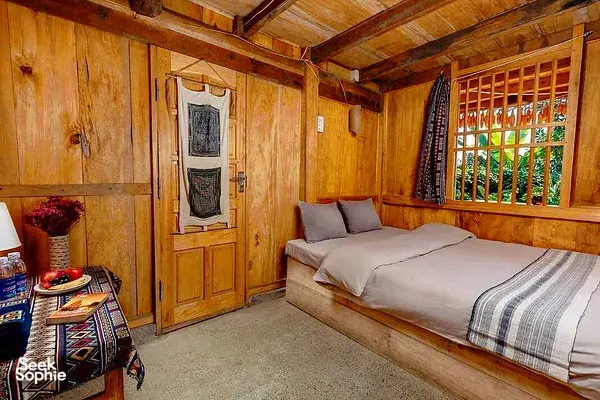
Answer #10: If you want to really experience Sapa, a homestay is the way to go—it’s where you experience the magic of Sapa life, with home-style hospitality, stunning views, and nature all around. But if you prefer more comfort, Sapa Town is a better choice, with heating, hot showers, and more restaurant options. Sapa Town, however, feels like a touristy backpacker hub, so if you’re after a more authentic experience, staying in a village homestay like in Ta Van is a better choice.
Question #11: How can I find an authentic homestay?
Answer #11: We’ve carefully chosen homestays that are run by real families and offer genuine hospitality. Staying at these ensures your visit directly supports the local community rather than businesses that just look local but aren’t.
Question #12: Are accommodations in Sapa good for families with toddlers?
Answer #12: Yes, but it depends on the type of accommodation. Hotels and guesthouses in Sapa Town are best suited for families with toddlers, as village homestays can be quite basic, with limited facilities and shared bathrooms. As most homestay experiences will also include longer treks, that might also be more challenging for a family with a toddler. Best to check the distance that you will be covering during the hike.
Question #13: What are the must-see attractions in Sapa?
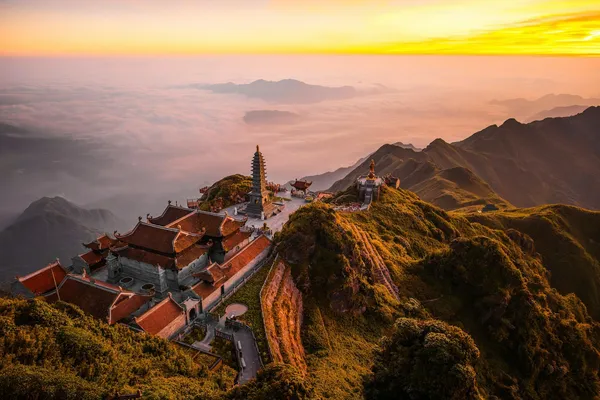
Answer #13: Sapa isn’t just about the views—it’s about the people, their traditions, and the way tourism is changing their lives. If you go beyond the usual tourist spots, you’ll experience something much more special. 1.Trek the Rice Terraces – The best reason to visit Sapa. A one-day trek is great, but a 2-3 day trek with a homestay offers a deeper experience. The best routes are through Muong Hoa Valley, where the scenery is breathtaking. 2.Sin Suoi Ho Village – A hidden gem that feels like Sapa before mass tourism. Once affected by opium addiction, this village turned to sustainable tourism and farming, creating a thriving, self-sufficient community. 3.Fansipan Mountain – The highest peak in Indochina. You can hike it if you love a challenge or take the cable car, but be prepared for crowds at the top. 4.Traditional Weaving & Indigo Dyeing – The Black H’mong people are known for their beautiful handwoven fabrics, dyed with natural indigo plants. Taking a weaving workshop supports local artisans and helps preserve this disappearing craft. 5.Red Dao Herbal Bath – A traditional healing bath using forest herbs, perfect after a long trek. 6.Local Markets – Bac Ha Market (Sundays) and Can Cau Market (Saturdays) are great for experiencing local culture and buying handicrafts directly from artisans.
Question #14: How can I support local communities in Sapa?
Answer #14: Stay in real homestays run by locals so your money goes directly to families instead of large hotels. Book treks with social enterprises that empower local women, ensuring your visit benefits the community in meaningful ways. Buy handmade crafts from local artisans instead of mass-produced souvenirs.
Question #15: Should I buy souvenirs from children in Sapa?
Answer #15: It’s complicated. Some children selling souvenirs are the sole breadwinners for their families, while others are exploited by gangs, meaning the money doesn’t actually go to their homes. Instead of giving money, consider: Supporting social enterprises that help families earn a stable income. Buying food or drinks for children instead of souvenirs, though this can still encourage begging. Bringing small gifts like books or pencils, though it’s best to donate through local organizations rather than handing them out directly.
Question #16: What local dishes should I try in Sapa Vietnam?
Answer #16: Thang Co (H’mong-style horse stew) - This is traditional H’mong food, and it’s quite exotic and adventurous to eat. But if they want to embrace local culture this is one of the must-eats Grilled Hmong pork & chicken & sticky rice (often served on bamboo skewers) Salmon Hotpot (Sapa’s famous fresh trout or salmon dish) - Due to its cold weather, Sapa is one of the famous regions in Northern VN for growing salmon and sturgeon. Grilled sturgeon and a salmon hotpot are quite tasty during chill weather as well.
Question #17: Is vegetarian/vegan food easy to find in Sapa?
Answer #17: Yes! Many local Vietnamese restaurants offer vegan pho, tofu dishes, and stir-fried veggies. Just say: “Tôi ăn chay” (I’m vegetarian) “Không thịt, không cá” (No meat, no fish) Note though that the vegetarian food may not be as tasty as the non-vegetarian options, and many may still use fish sauce.
Question #18: Is Sapa safe for solo female travellers?
Answer #18: Yes, Sapa is one of the safer places to visit in Vietnam. The local ethnic minority women are incredibly warm and friendly, and many solo female travellers find Sapa to be a comforting and empowering place. Trekking solo? It’s best to book a tour with a local female guide—not only for safety but also to have a more personal and meaningful experience. If you book a join-in tour, you may also find some like minded travellers along the way. At night? Sapa Town is generally safe, but stick to well-lit areas if walking alone. In homestays, you’ll always be with a local family, so it’s a safe and welcoming environment.
Question #19: What should I wear in Sapa?
Answer #19: Sapa climate is a bit cooler than the cities of Hanoi and Ho Chi Minh City. You will want to have long trousers and a jumper, especially to wear in the evening. If you are coming here in the winter months, definitely bring layers. And if you plan to climb Mt Fansipan, bring even more layers! Additionally, as the ethnic minorities are a bit more conservative than the rest of Vietnam, we’d recommend to dress more modestly.
Question #20: Are there female guides in Sapa?
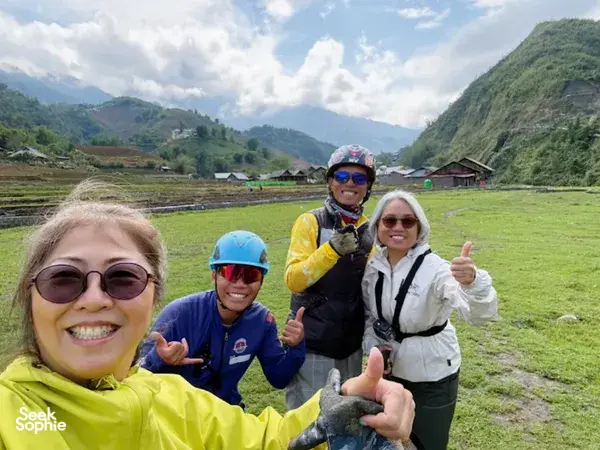
Answer #20: Yes! Many of the best trekking guides are local women, especially from the H’mong and Red Dao communities. Hiring a female guide is one of the best ways to support local women while also ensuring you have a safe and insightful trek.
Question #21: Can I book a homestay as a solo female traveller?
Answer #21: Absolutely. Many homestays are run by local women and families, making them a safe and welcoming option for female travellers. Just make sure to book through a trusted local trekking company or social enterprise to ensure you’re staying in a real, family-run homestay rather than one owned by big businesses.
Question #22: How should I handle attention from men?
Answer #22: Unlike big cities, street harassment is rare in Sapa, and local men are generally respectful. However, like anywhere, trust your instincts—if you ever feel uncomfortable, stick with a guide or a group. Sapa is one of the most welcoming and inspiring places for female travellers, with a strong community of local women breaking traditional roles. By visiting, you're not just seeing the landscape—you’re directly supporting these women and their communities.
Question #23: How many days do I need to visit Sapa Vietnam
Answer #23: 3 days is the minimum to actually enjoy Sapa! This lets you recover from the long journey from Hanoi and do a homestay. Day 1: Arrive from Hanoi, explore Sapa Town and relax. Day 2: Start a 2D1N trek + homestay . Day 3: More trekking, then head back to Hanoi at night.
Question #24: What should I pack?
Answer #24: Good trekking shoes Layers (it gets cold at night!), especially in the winter months Rain jacket (especially in summer) Smaller bag to bring with you on the trek or to take to homestay (the homestay rooms are small so try to pack light!)
Question #25: Can I pair my Sapa trip with a Halong Bay cruise?
Answer #25: Yes! Many travelers combine Sapa with Halong Bay since both are must-visit destinations in northern Vietnam. The easiest way is to return to Hanoi from Sapa and then head to Halong Bay. Most of the Halong Bay cruises will offer pick-up from Hanoi so the itinerary starts from Hanoi in any case. You’ll need about 7 days to do Sapa and Halong in a way that gives you time to properly enjoy Sapa and Halong Bay. Day 1: Hanoi. Leave for Sapa on the night bus. Day 2-3: Sapa. Depart in the evening of Day 3 for Hanoi. Day 4: Enjoy Hanoi. Day 5-7: Enjoy a 3D2N cruise in Halong Bay. Return to Hanoi on Day 7 and fly out.
Question #26: Can I pair my Sapa trip with Da Nang?
Answer #26: Technically yes, but they are not exactly close to each other. Da Nang is in central Vietnam, so the best way to combine it with Sapa is to take the night train or bus from Sapa back to Hanoi, then fly to Da Nang (about 1.5 hours). There’s also an option to take a 15-18 hour train ride. A good itinerary would be: Sapa first for nature and trekking. Fly to Da Nang for beaches, Marble Mountains, and easy access to Hoi An. End in Hoi An for a mix of history, food, and relaxed beach vibes.
filters

Sapa

Vietnam's charming mountain gem, with misty paddy fields and colourful hill tribes
Book your Sapa
Handpicked experiences, all vetted by us.
All
All
Adventure
Adventure
Creative Workshops
Creative Workshops
Culture
Culture
Hiking
Hiking
Transport
Transport
superhost
4.8 (147)
|
6 hrs
|Up to 15 guests
“Su May was a great guide she shared a lot about her Red Dzao culture”
Private trip
superhost
4.9 (137)
|
12 hrs
|Up to 10 guests
“Highlight of his service was a hot stir fried noodles lunch”
Private trip
4.8 (147)
|
2D1N
|Up to 10 guests
“To see and experience the beauty of the highlands”
Private trip
4.7 (88)
|
3D2N
|Up to 8 guests
“A highlight of our entire trip”
Instant book
4.9 (36)
|
2D1N
|Up to 10 guests
“Amazing views challenging hike great guide Chu”
Private trip
Instant book
4.9 (36)
|
3 hrs
|Up to 50 guests
“May Pham is an amazing guide”
Private trip
Instant book
4.8 (9)
|
1.5 hrs
|Up to 200 guests
“Great seamless experience Id love to fly with him again”
Instant book
4.9 (137)
|
6 hrs
|Up to 20 guests
“Sapa trek with Su stunning views knowledgeable guide blissful bath ”
Private trip
4.7 (88)
|
8 hrs
|Up to 7 guests
“We loved to try their traditional crafts and make batik”
Private trip
Instant book
4.9 (36)
|
6.5 hrs
|Up to 10 guests
“May Sieu turned a rainy Sa Pa tour into a delightful adventure”
Private trip
Instant book
4.7 (88)
|
2D1N
|Up to 16 guests
“Stunning scenery amazing guides Fansipan hike needs more time”
Private trip
Instant book

Have a burning question?

No sweat, we’ve got you covered.

Is Sapa in Vietnam worth visiting?

...see more

Why is Sapa so famous?

...see more

How do I get from Hanoi to Sapa?

...see more
view all questions

Helpful Questions

Is Sapa in Vietnam worth visiting?

Sapa is a must-visit for its stunning rice terraces, easy hikes, and a chance to experience northern Vietnam’s diverse ethnic cultures. It’s definitely touristy, and Sapa Town itself isn’t the best, but if you skip the usual crowded trails like Cat Cat Village and Love Waterfall, you’ll find some incredible hidden spots.

One of the coolest things about Sapa is how tourism has empowered local women. In the past, H’mong women were expected to stay home, but now they’re guides, shop owners, and business leaders, breaking traditional roles. By visiting, you’re directly supporting them and helping create real change.

Why is Sapa so famous?

Sapa is famous for its breathtaking rice terraces, diverse ethnic groups like the H’mong, Red Dao, and Tay, and Mount Fansipan—the highest peak in Indochina. It’s also one of the best places in northern Vietnam for trekking, with trails through Muong Hoa Valley, Hoang Lien National Park, and remote villages.

How do I get from Hanoi to Sapa?

There are three main ways to get to Sapa from Hanoi:

  • Bus – The sleeper bus is the easiest and cheapest option (~$10 USD one-way). It takes 6-7 hours and buses leave around 10 PM, arriving in Sapa at 4 AM (you can stay on the bus till 6 AM).
  • Train – Take the night train from Hanoi to Lao Cai (10 PM – 6 AM), then a shuttle bus to Sapa (arrives ~7 AM). It’s more comfortable than the bus, and if you want a premium experience, book Chapa Express.
  • Car – A private car takes about 5.5 hours and is the most flexible option. It’s pricier but great if you want to stop at scenic spots like Silver Waterfall along the way.

How to go to Sapa from Singapore?

Fly from Singapore to Hanoi, then take a bus, train, or private car to Sapa.

Are night buses to Sapa comfortable and safe?

Yes! Sleeper buses are comfortable and safe, with berths for some privacy and reclining seats for sleeping. Don’t worry—they won’t be blasting music all night if you get the right sleeper bus. They’re the most popular way to get from Hanoi to Sapa.

Is it possible to visit Sapa in one day?

One day is technically possible—you can do a day trek in the rice terraces from 9 AM to 3 PM and then take the train or bus out of Sapa.

But Sapa isn’t just about the views—what makes it special is the hospitality of the locals and the feeling of being transported back to a simpler way of life. To truly experience its magic, an overnight homestay in Ta Van or another village is highly recommended.

When is the best time to visit Sapa?

September - October (Best time!) – The rice terraces turn golden yellow, and the weather is perfect for trekking.

June (Good but touristy) – The rice fields are a lush green, but it’s also rainy season, so expect sudden showers.

December - January (Avoid if doing a homestay) – It’s cold and foggy, and village homestays have no heating.

How does the rainy season affect travel?

Trails can get muddy and slippery, and fog may block the views. But if you don’t mind a bit of rain, Sapa is still stunning. Mist is common year-round, so expect a mist-covered landscape no matter when you visit.

What’s the weather like in Sapa?

  • Spring (Mar - May): Mild, great for trekking.
  • Summer (Jun - Aug): Green rice terraces, but also rainy.
  • Autumn (Sep - Nov): Clear skies, golden rice fields—perfect trekking weather.
  • Winter (Dec - Feb): Cold (sometimes freezing), and homestays can be chilly.

Should I stay in Sapa town or a homestay?

If you want to really experience Sapa, a homestay is the way to go—it’s where you experience the magic of Sapa life, with home-style hospitality, stunning views, and nature all around. But if you prefer more comfort, Sapa Town is a better choice, with heating, hot showers, and more restaurant options.

Sapa Town, however, feels like a touristy backpacker hub, so if you’re after a more authentic experience, staying in a village homestay like in Ta Van is a better choice.

How can I find an authentic homestay?

We’ve carefully chosen homestays that are run by real families and offer genuine hospitality. Staying at these ensures your visit directly supports the local community rather than businesses that just look local but aren’t.

Are accommodations in Sapa good for families with toddlers?

Yes, but it depends on the type of accommodation. Hotels and guesthouses in Sapa Town are best suited for families with toddlers, as village homestays can be quite basic, with limited facilities and shared bathrooms. As most homestay experiences will also include longer treks, that might also be more challenging for a family with a toddler. Best to check the distance that you will be covering during the hike.

What are the must-see attractions in Sapa?

Sapa isn’t just about the views—it’s about the people, their traditions, and the way tourism is changing their lives. If you go beyond the usual tourist spots, you’ll experience something much more special.

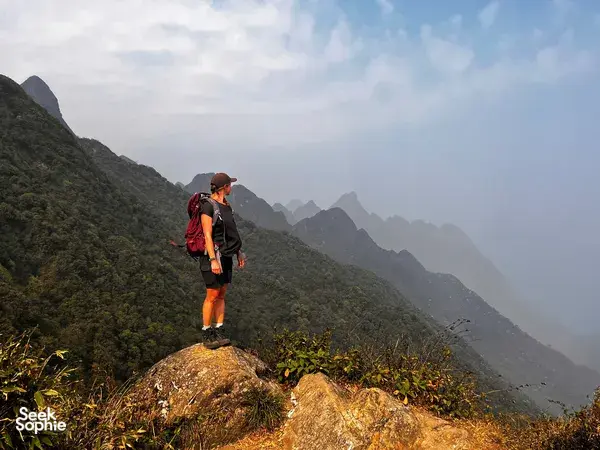
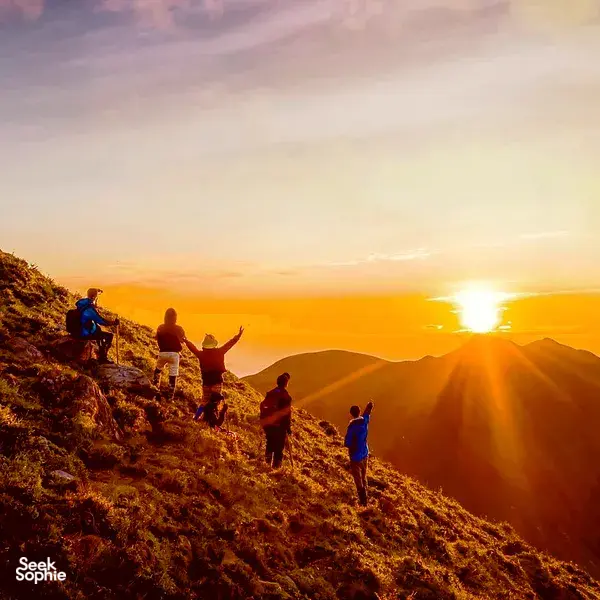
1.Trek the Rice Terraces – The best reason to visit Sapa. A one-day trek is great, but a 2-3 day trek with a homestay offers a deeper experience. The best routes are through Muong Hoa Valley, where the scenery is breathtaking.

2.Sin Suoi Ho Village – A hidden gem that feels like Sapa before mass tourism. Once affected by opium addiction, this village turned to sustainable tourism and farming, creating a thriving, self-sufficient community.

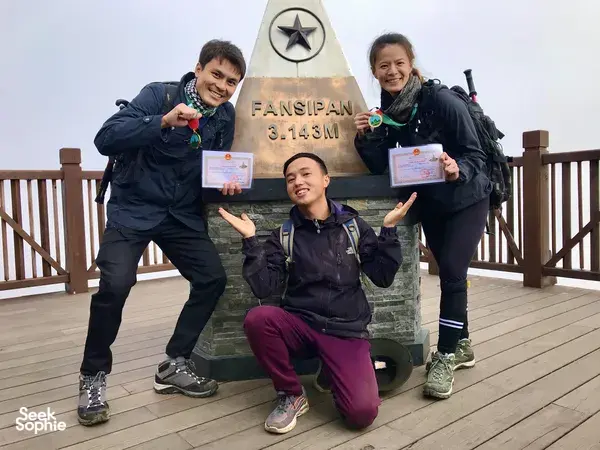
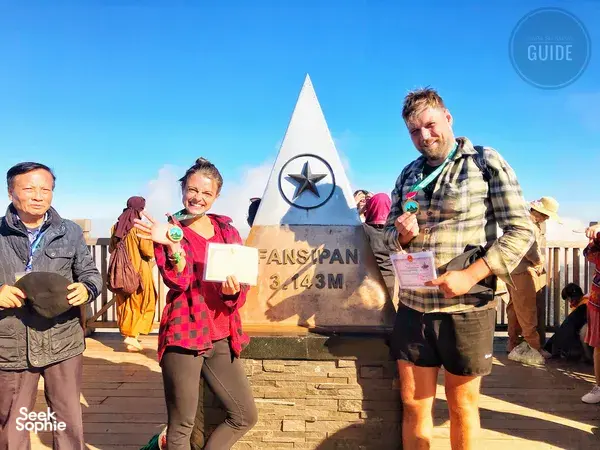
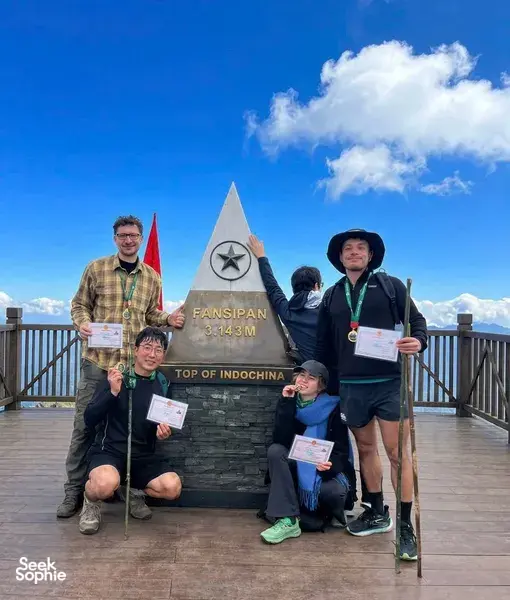
3.Fansipan Mountain – The highest peak in Indochina. You can hike it if you love a challenge or take the cable car, but be prepared for crowds at the top.

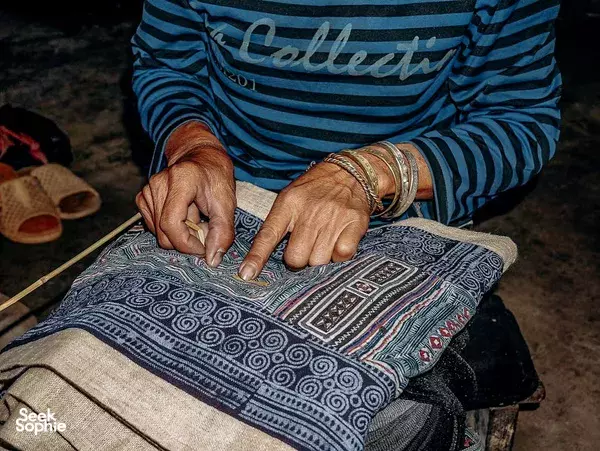
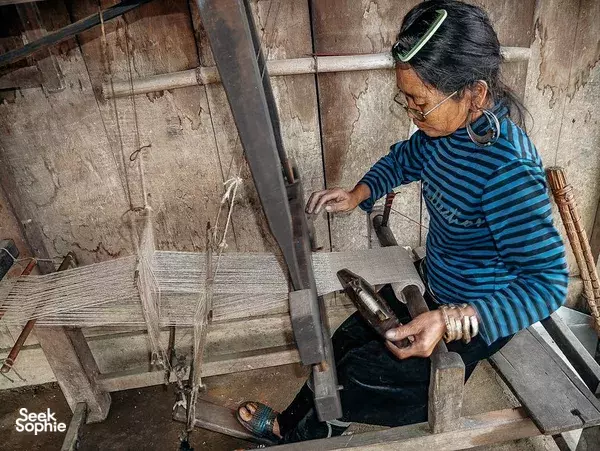
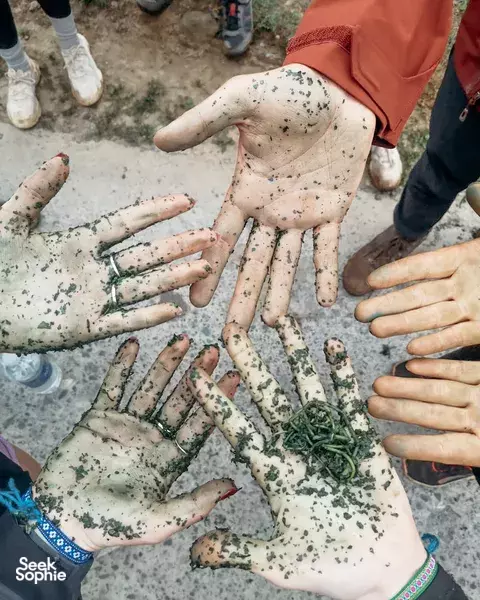
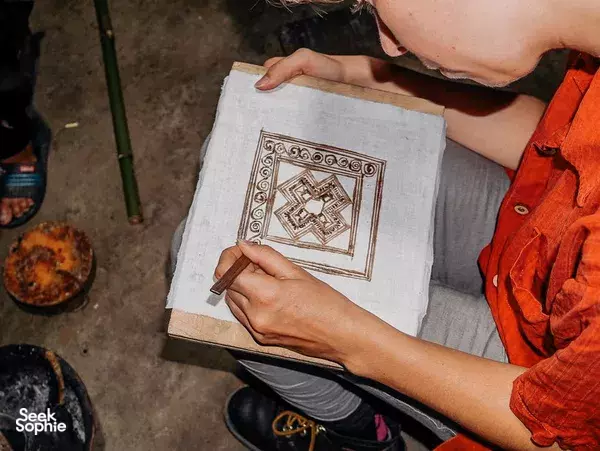
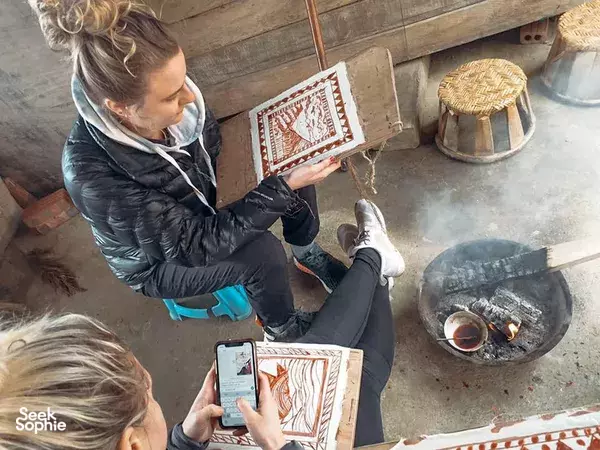
4.Traditional Weaving & Indigo Dyeing – The Black H’mong people are known for their beautiful handwoven fabrics, dyed with natural indigo plants. Taking a weaving workshop supports local artisans and helps preserve this disappearing craft.

5.Red Dao Herbal Bath – A traditional healing bath using forest herbs, perfect after a long trek.

6.Local Markets – Bac Ha Market (Sundays) and Can Cau Market (Saturdays) are great for experiencing local culture and buying handicrafts directly from artisans.

How can I support local communities in Sapa?

  • Stay in real homestays run by locals so your money goes directly to families instead of large hotels.
  • Book treks with social enterprises that empower local women, ensuring your visit benefits the community in meaningful ways.
  • Buy handmade crafts from local artisans instead of mass-produced souvenirs.

Should I buy souvenirs from children in Sapa?

It’s complicated. Some children selling souvenirs are the sole breadwinners for their families, while others are exploited by gangs, meaning the money doesn’t actually go to their homes.

Instead of giving money, consider:

  • Supporting social enterprises that help families earn a stable income.
  • Buying food or drinks for children instead of souvenirs, though this can still encourage begging.
  • Bringing small gifts like books or pencils, though it’s best to donate through local organizations rather than handing them out directly.


What local dishes should I try in Sapa Vietnam?

  • Thang Co (H’mong-style horse stew) - This is traditional H’mong food, and it’s quite exotic and adventurous to eat. But if they want to embrace local culture this is one of the must-eats
  • Grilled Hmong pork & chicken & sticky rice (often served on bamboo skewers)
  • Salmon Hotpot (Sapa’s famous fresh trout or salmon dish) - Due to its cold weather, Sapa is one of the famous regions in Northern VN for growing salmon and sturgeon. Grilled sturgeon and a salmon hotpot are quite tasty during chill weather as well.

Is vegetarian/vegan food easy to find in Sapa?

Yes! Many local Vietnamese restaurants offer vegan pho, tofu dishes, and stir-fried veggies. Just say:

  • “Tôi ăn chay” (I’m vegetarian)
  • “Không thịt, không cá” (No meat, no fish)

Note though that the vegetarian food may not be as tasty as the non-vegetarian options, and many may still use fish sauce.


Is Sapa safe for solo female travellers?

Yes, Sapa is one of the safer places to visit in Vietnam. The local ethnic minority women are incredibly warm and friendly, and many solo female travellers find Sapa to be a comforting and empowering place.

  • Trekking solo? It’s best to book a tour with a local female guide—not only for safety but also to have a more personal and meaningful experience. If you book a join-in tour, you may also find some like minded travellers along the way.
  • At night? Sapa Town is generally safe, but stick to well-lit areas if walking alone. In homestays, you’ll always be with a local family, so it’s a safe and welcoming environment.


What should I wear in Sapa?

Sapa climate is a bit cooler than the cities of Hanoi and Ho Chi Minh City. You will want to have long trousers and a jumper, especially to wear in the evening. If you are coming here in the winter months, definitely bring layers. And if you plan to climb Mt Fansipan, bring even more layers!

Additionally, as the ethnic minorities are a bit more conservative than the rest of Vietnam, we’d recommend to dress more modestly. 


Are there female guides in Sapa?

Yes! Many of the best trekking guides are local women, especially from the H’mong and Red Dao communities. Hiring a female guide is one of the best ways to support local women while also ensuring you have a safe and insightful trek.

Can I book a homestay as a solo female traveller?

Absolutely. Many homestays are run by local women and families, making them a safe and welcoming option for female travellers. Just make sure to book through a trusted local trekking company or social enterprise to ensure you’re staying in a real, family-run homestay rather than one owned by big businesses.

How should I handle attention from men?

Unlike big cities, street harassment is rare in Sapa, and local men are generally respectful. However, like anywhere, trust your instincts—if you ever feel uncomfortable, stick with a guide or a group.

Sapa is one of the most welcoming and inspiring places for female travellers, with a strong community of local women breaking traditional roles. By visiting, you're not just seeing the landscape—you’re directly supporting these women and their communities.

How many days do I need to visit Sapa Vietnam

3 days is the minimum to actually enjoy Sapa! This lets you recover from the long journey from Hanoi and do a homestay.

  • Day 1: Arrive from Hanoi, explore Sapa Town and relax. 
  • Day 2: Start a 2D1N trek + homestay.
  • Day 3: More trekking, then head back to Hanoi at night.

What should I pack?

  • Good trekking shoes
  • Layers (it gets cold at night!), especially in the winter months
  • Rain jacket (especially in summer)
  • Smaller bag to bring with you on the trek or to take to homestay (the homestay rooms are small so try to pack light!) 


Can I pair my Sapa trip with a Halong Bay cruise?

Yes! Many travelers combine Sapa with Halong Bay since both are must-visit destinations in northern Vietnam. The easiest way is to return to Hanoi from Sapa and then head to Halong Bay. Most of the Halong Bay cruises will offer pick-up from Hanoi so the itinerary starts from Hanoi in any case. 

You’ll need about 7 days to do Sapa and Halong in a way that gives you time to properly enjoy Sapa and Halong Bay. 

  • Day 1: Hanoi. Leave for Sapa on the night bus.  
  • Day 2-3: Sapa. Depart in the evening of Day 3 for Hanoi. 
  • Day 4: Enjoy Hanoi.  
  • Day 5-7: Enjoy a 3D2N cruise in Halong Bay. Return to Hanoi on Day 7 and fly out. 

Can I pair my Sapa trip with Da Nang?

Technically yes, but they are not exactly close to each other. Da Nang is in central Vietnam, so the best way to combine it with Sapa is to take the night train or bus from Sapa back to Hanoi, then fly to Da Nang (about 1.5 hours). There’s also an option to take a 15-18 hour train ride.

A good itinerary would be:

  • Sapa first for nature and trekking.
  • Fly to Da Nang for beaches, Marble Mountains, and easy access to Hoi An.
  • End in Hoi An for a mix of history, food, and relaxed beach vibes.

We've done the homework
So.. who's Sophie?
We get asked that a lot! There’s no one on the team actually named Sophie. Sophie means wisdom in Greek. We wanted Seek Sophie to be about travel that helps you discover more about yourself and the world—travel that fills your heart and leaves you feeling more connected.
Let’s be friends!
Get the scoop on secret spots and hidden gems delivered straight to your inbox.
English
USD
English
USD
© Seek Sophie 2026PrivacyTerms
Travel Agent Licence TA03435