The Best Hidden Gems


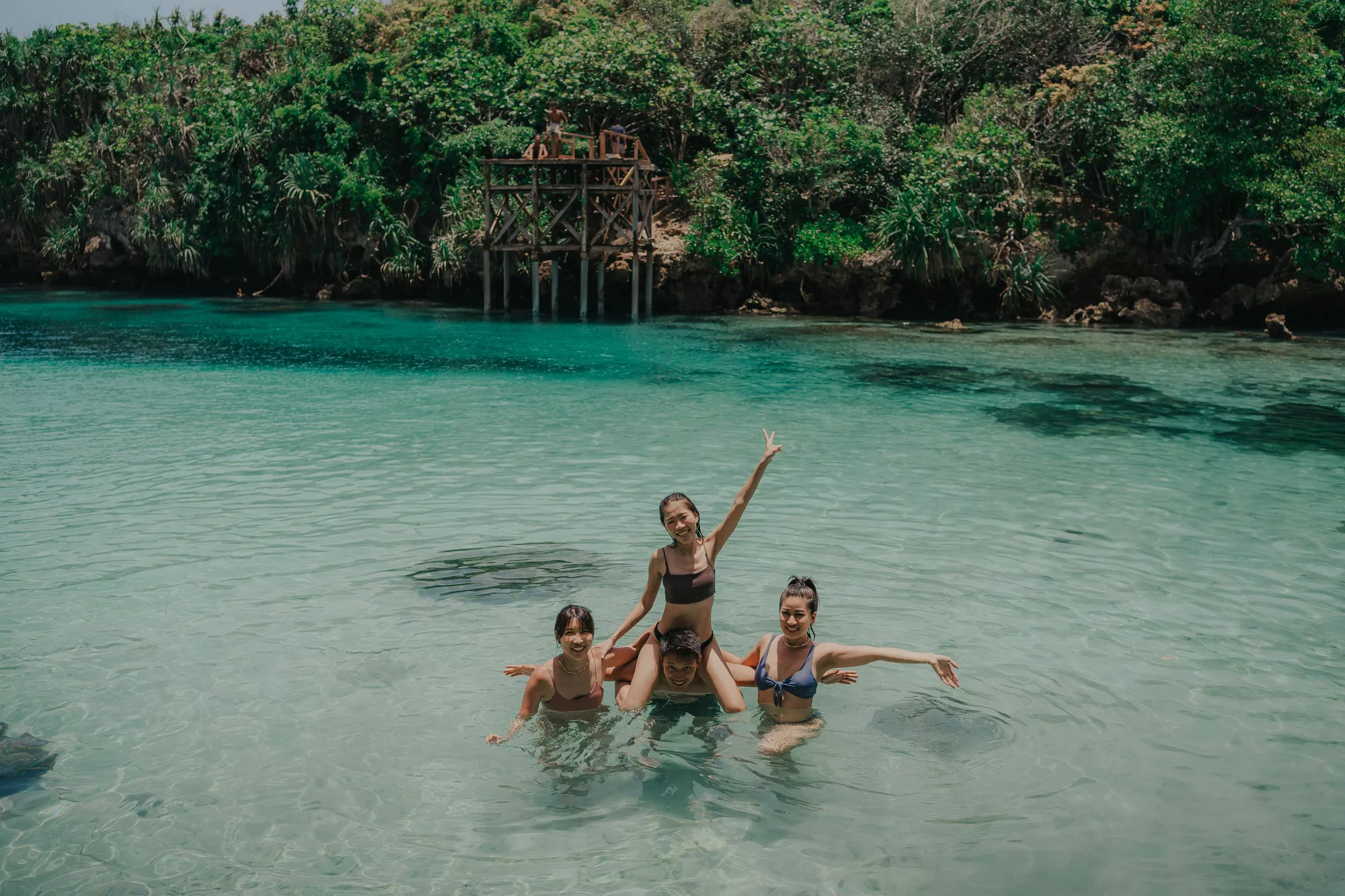
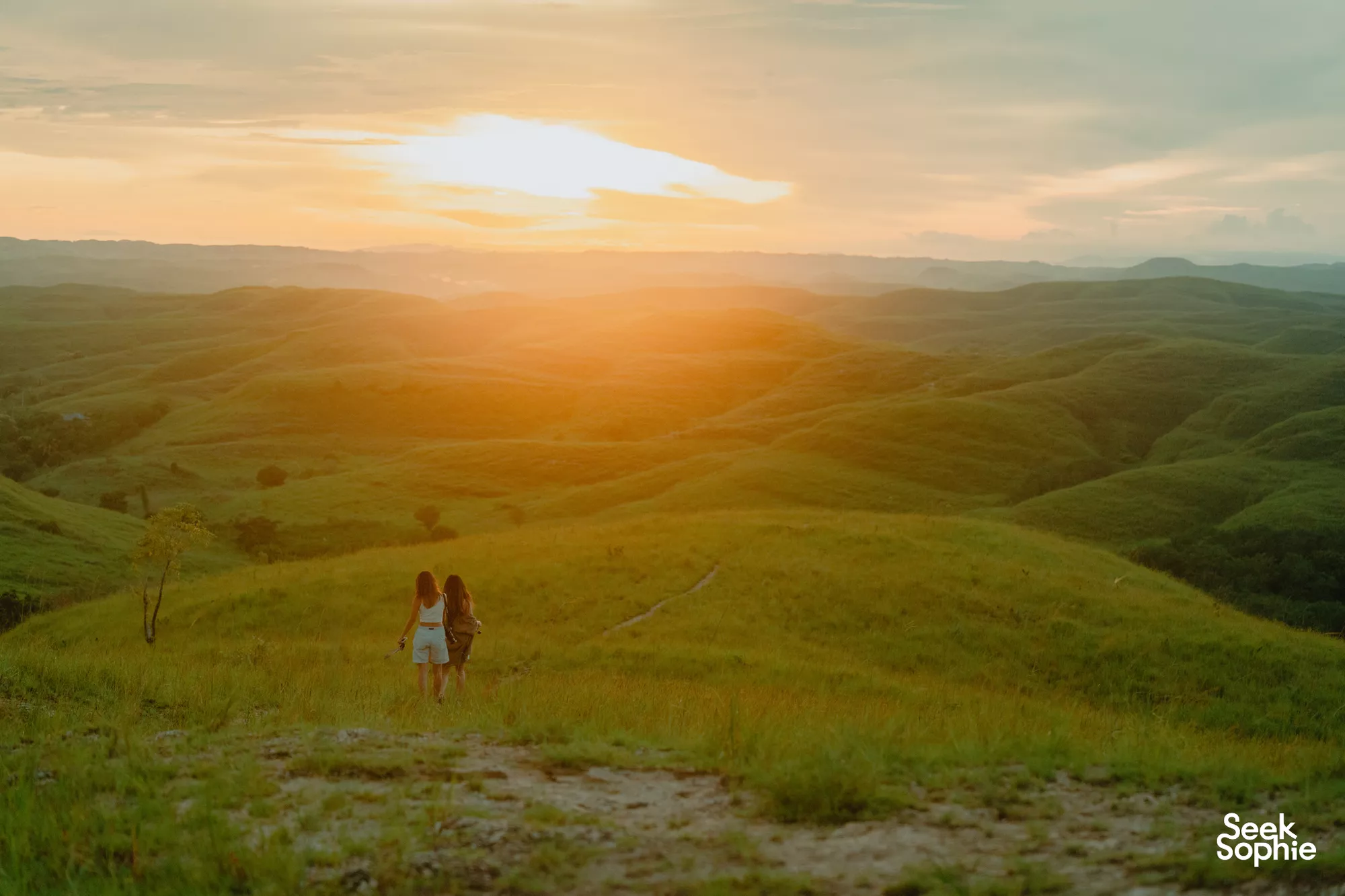

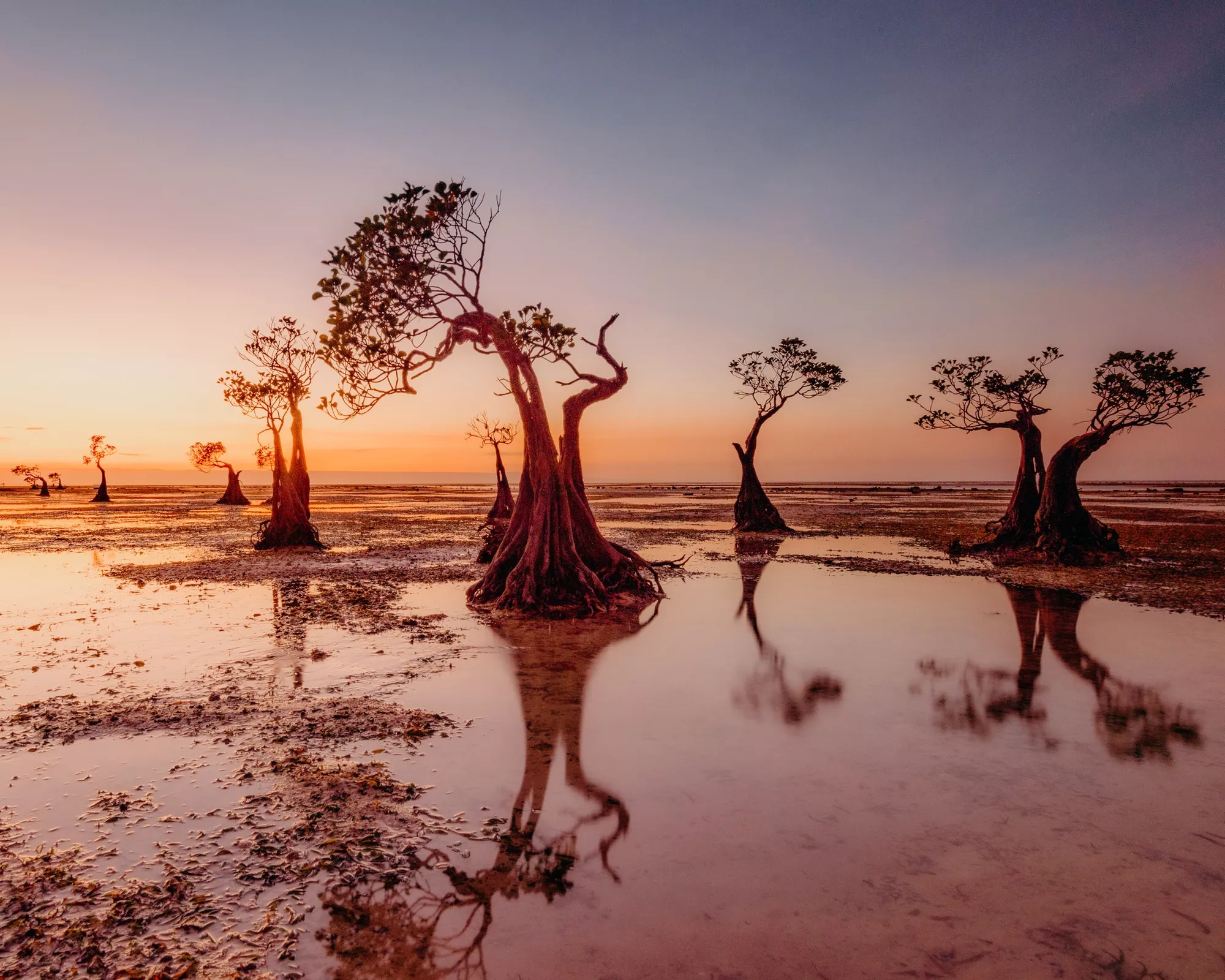
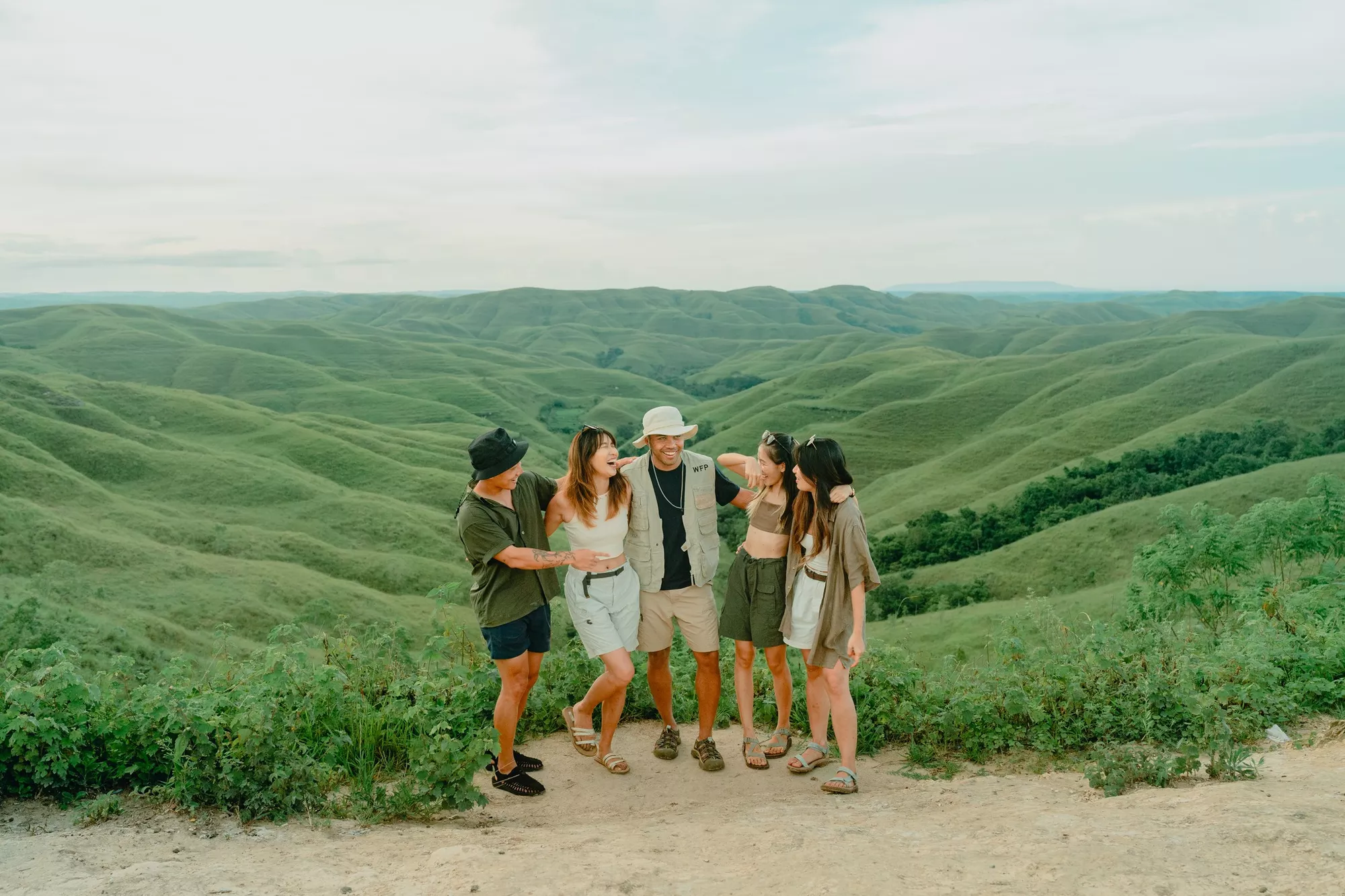
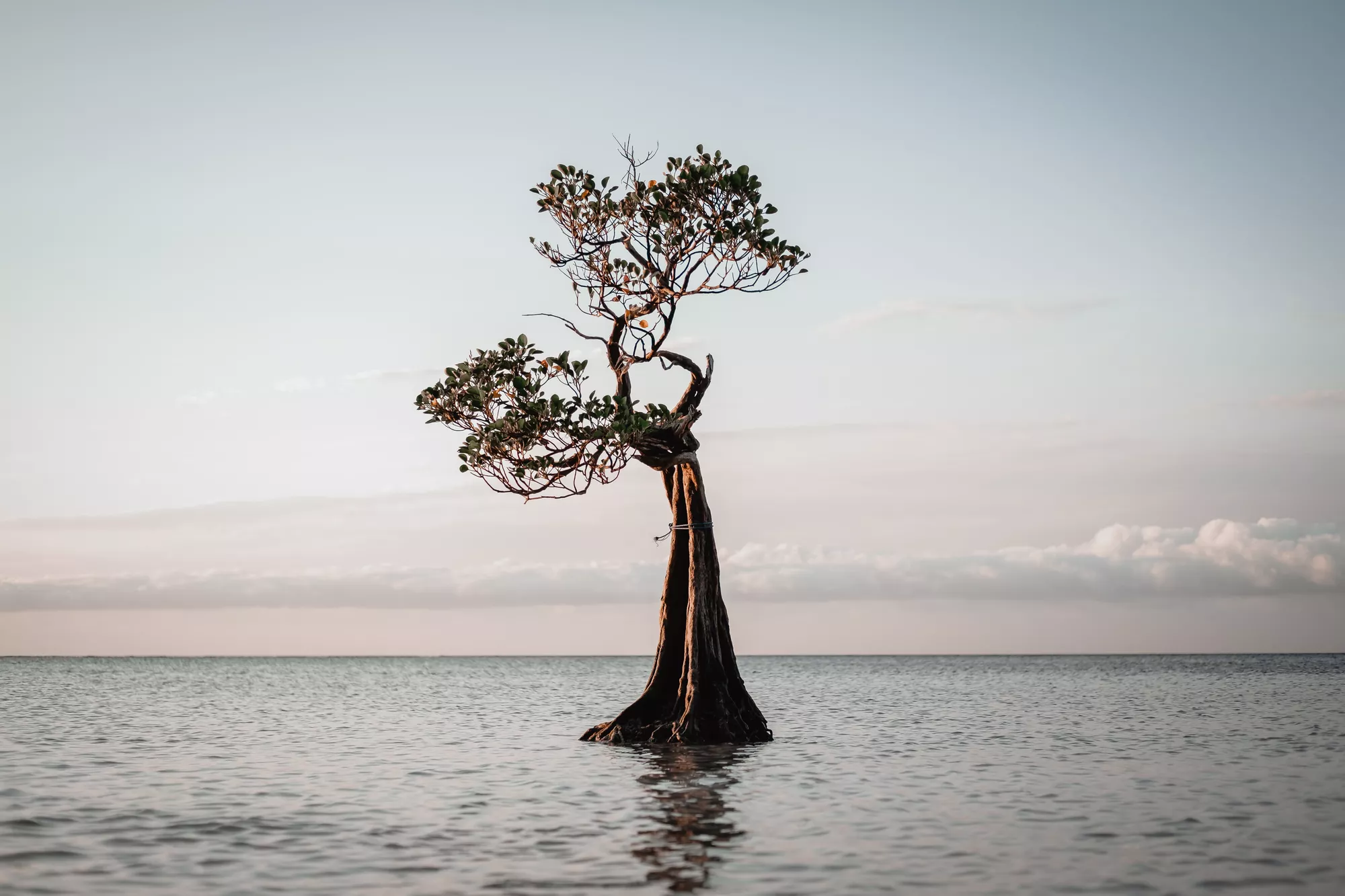
Sumba is like nowhere else in Indonesia. Road trip through endless green hills, tribal villages, cliff tombs, wild horses on empty beaches, and surreal dancing trees.
If you’re lucky, you might catch Pasola — an yearly festival where warriors joust on horseback. If you want something truly off-grid and alive with culture, Sumba is it.
TIP

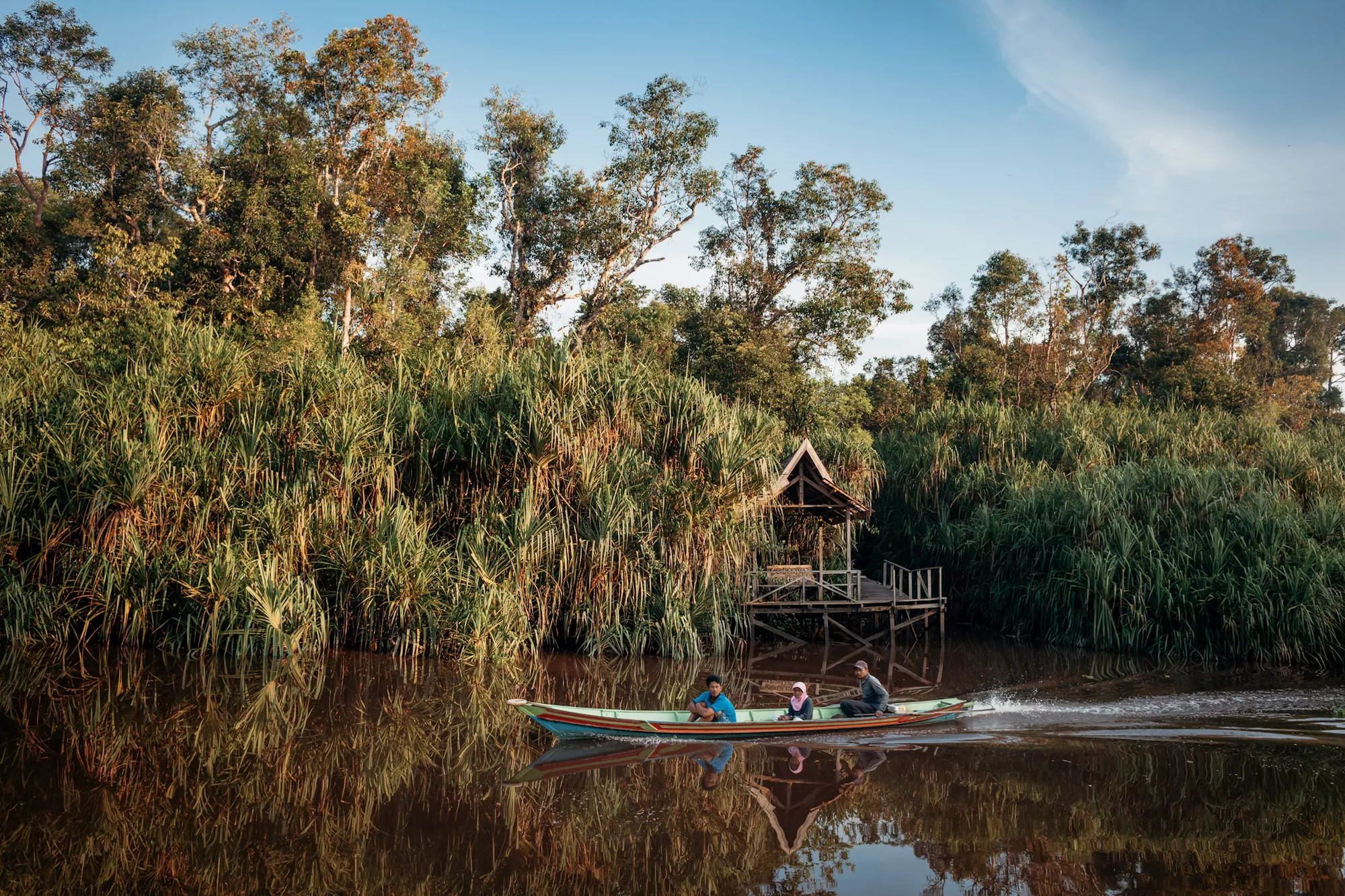
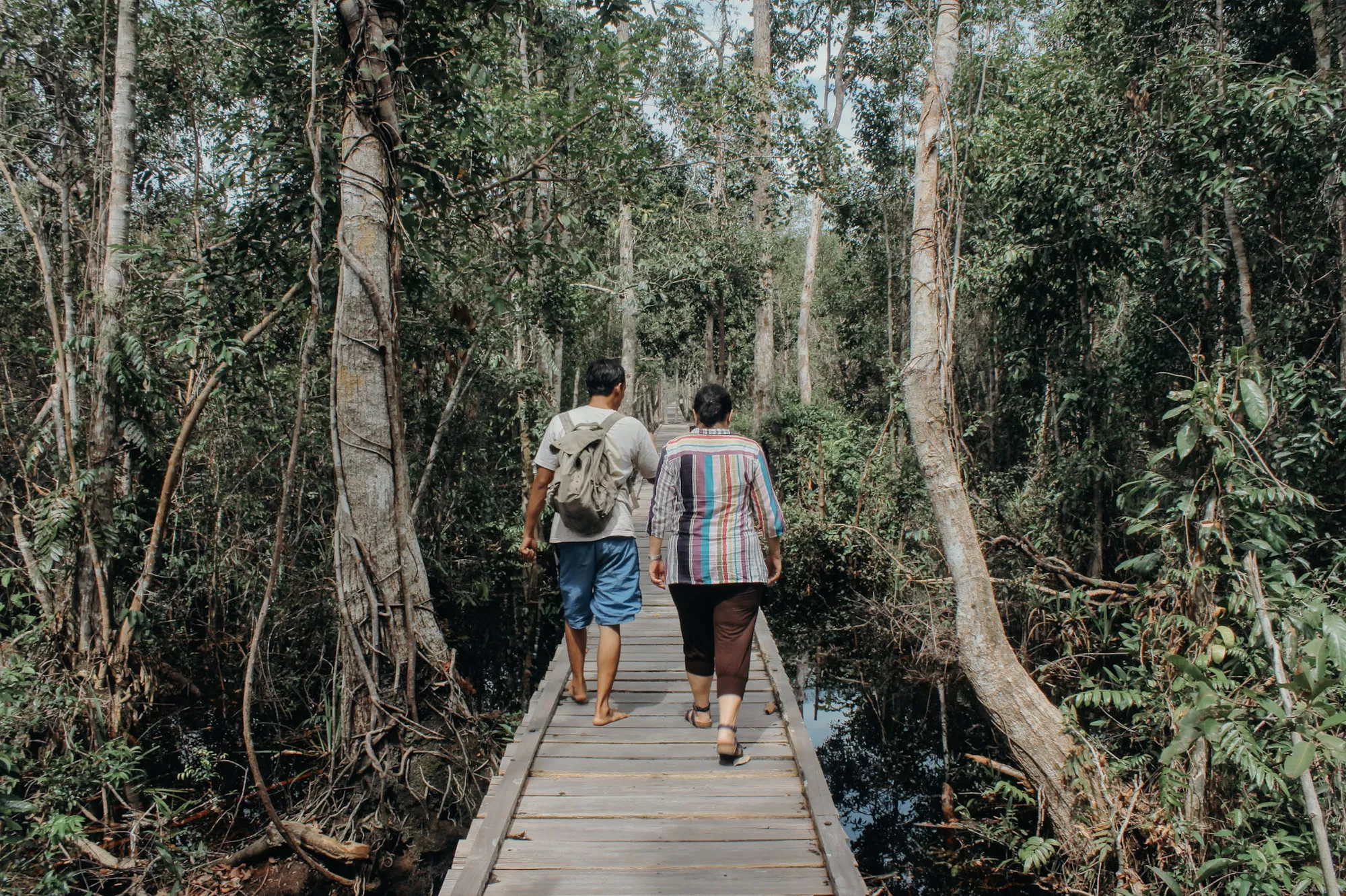
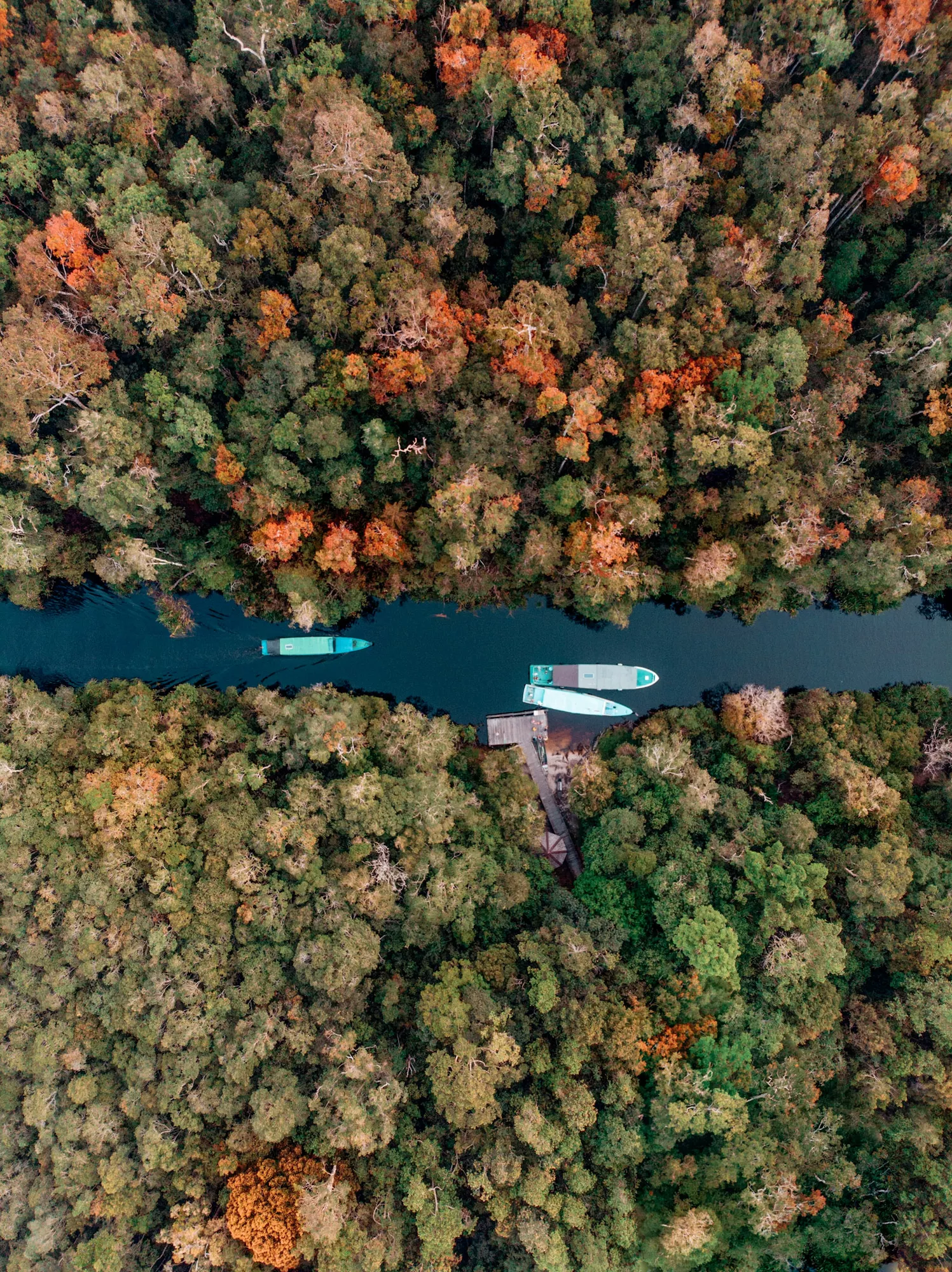
Tanjung Puting is the best place on Earth to see wild orangutans, and one of the few places where tourism helps protect them. Take a houseboat down jungle rivers, see more Orangutans than you can count, meet Dayak communities and learn from guides deeply rooted in the land.
It’s not fancy, but it’s real. Your visit helps fight palm oil and supports local conservation effort.
TIP
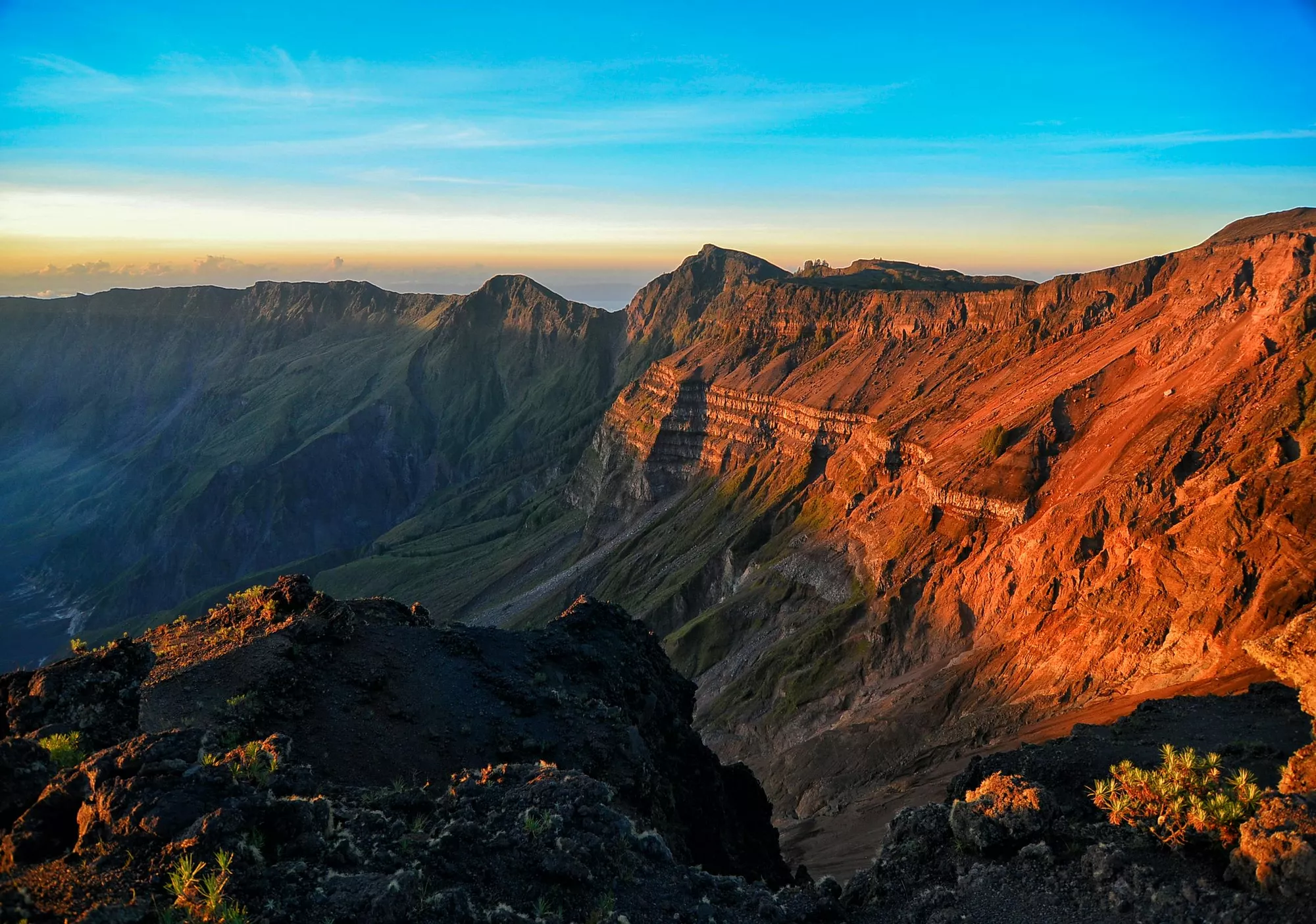
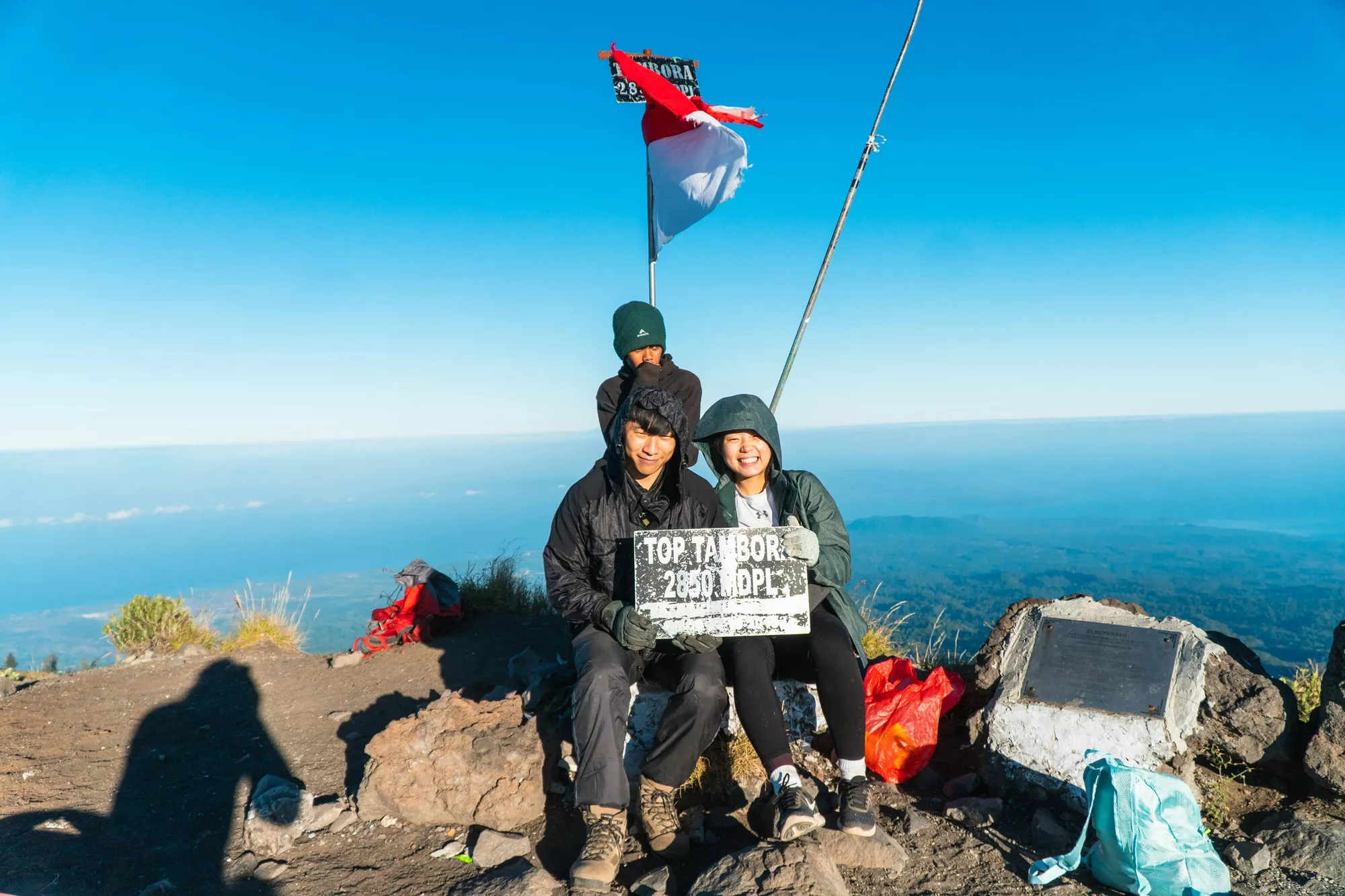
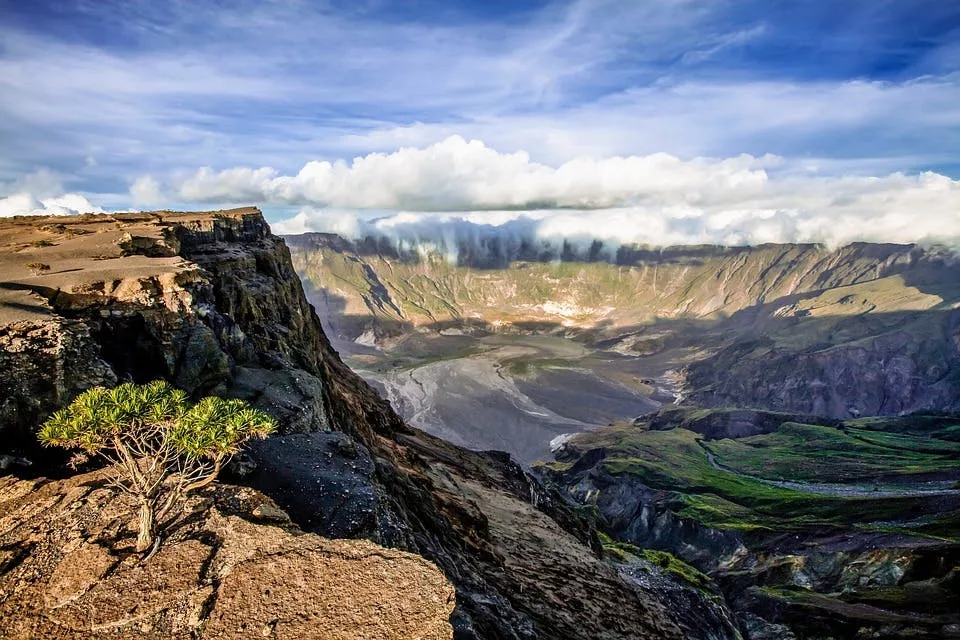
Mt Tambora is the volcano that changed history — its 1815 eruption was the biggest ever recorded, causing the “year without a summer” and earning it the title Pompeii of Asia.
We love the story and the people here — getting there means bumpy roads, roadside warungs, and zero crowds. Trek 16km to the crater rim for sunrise. It’s raw, tough, and one of our favourite adventures.
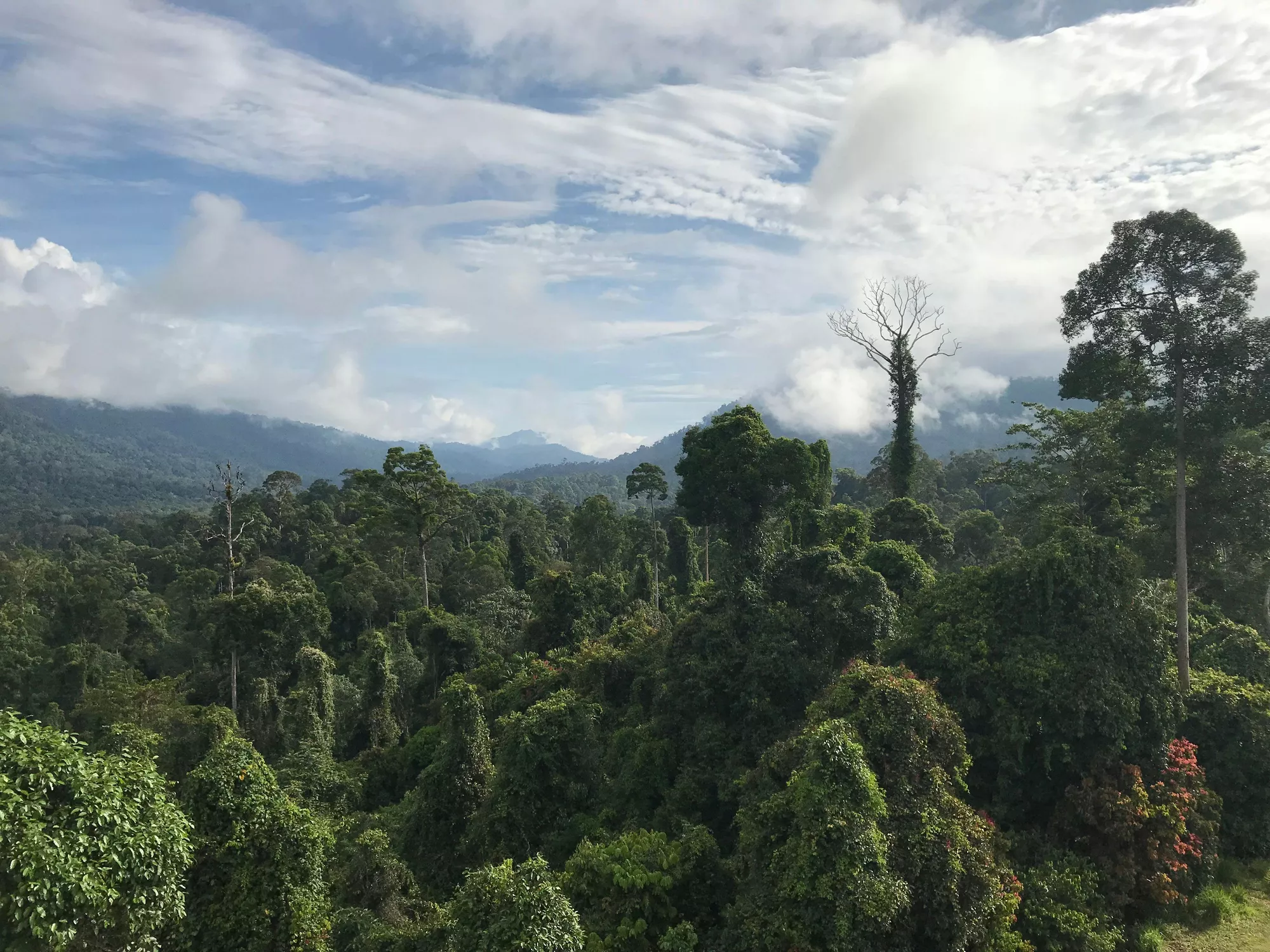
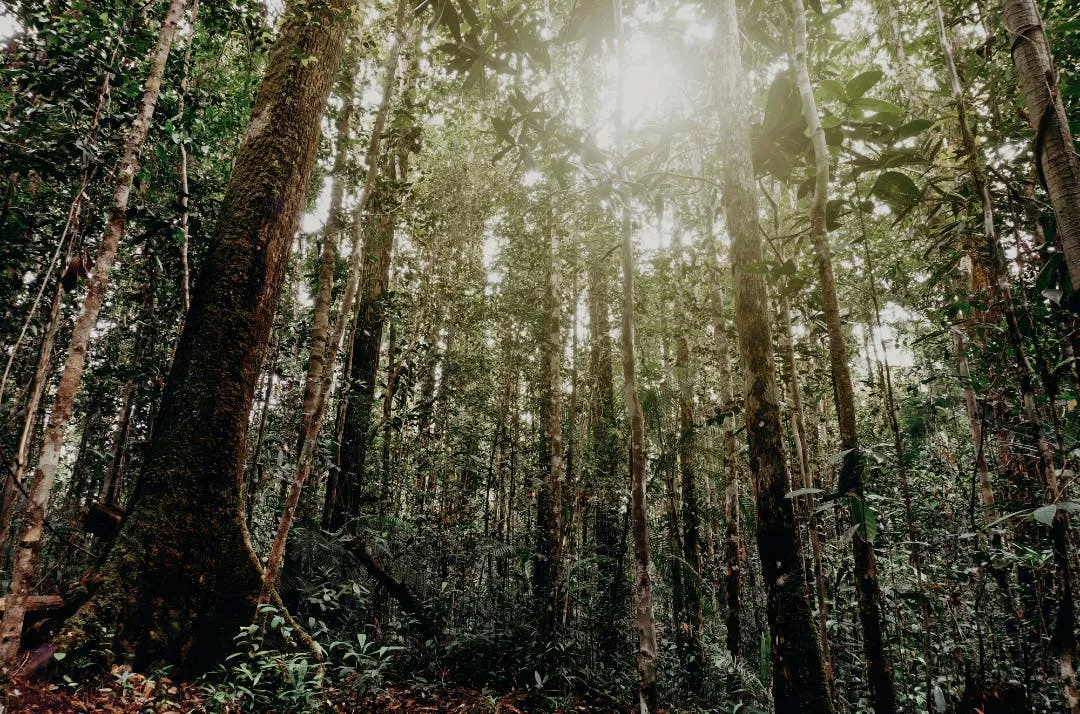
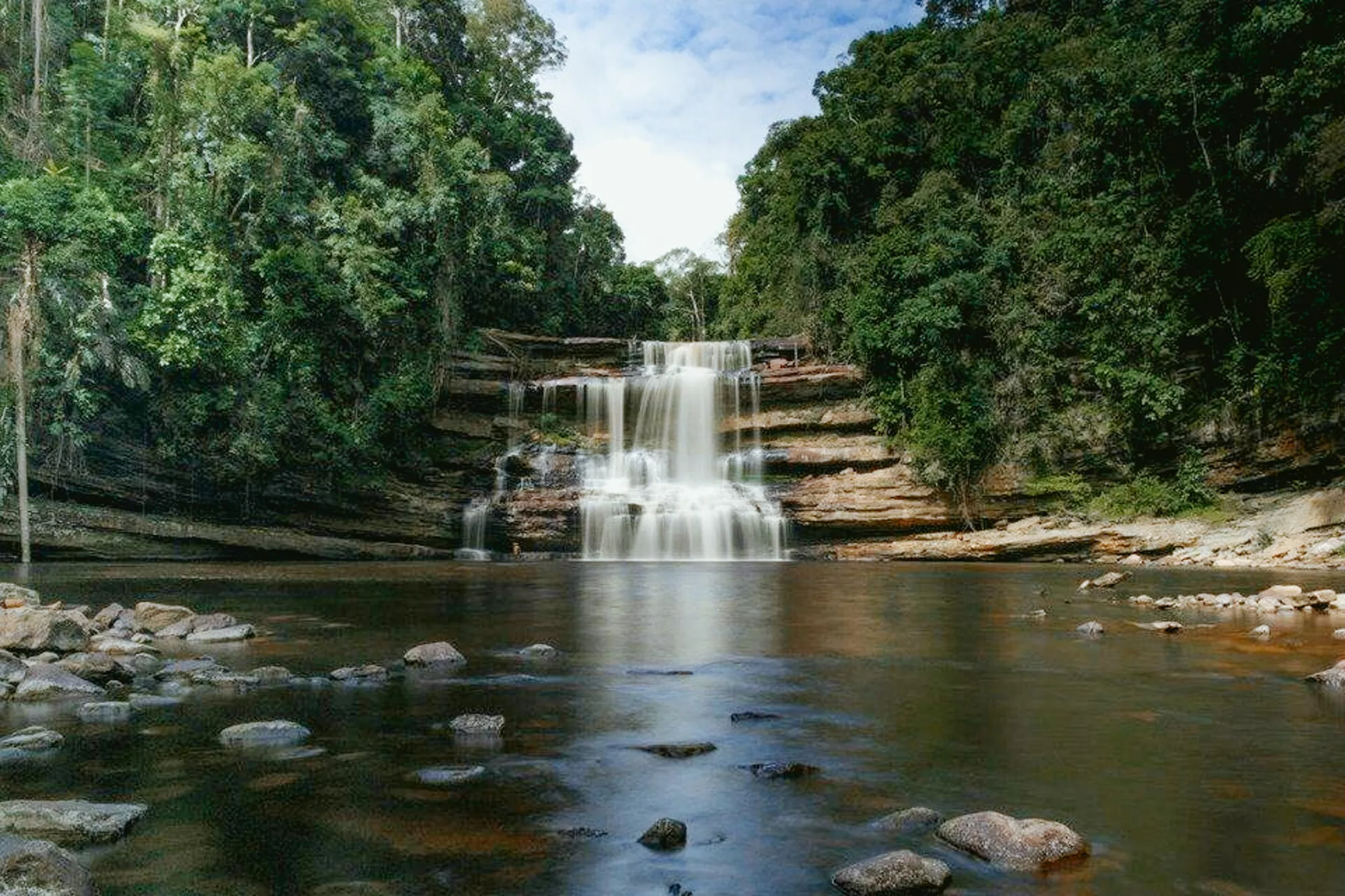
Maliau Basin is one of the last wild places on Earth—a 130‑million‑year‑old rainforest so remote and untouched, no human has ever lived there. It was only spotted in 1947 and first explored in 1988, with much still unknown today.
You’ll need 3–5 days here, hiking to Maliau Falls, camping deep in the jungle and spotting wildlife. You’ll walk trails barely touched by humankind.
TIP
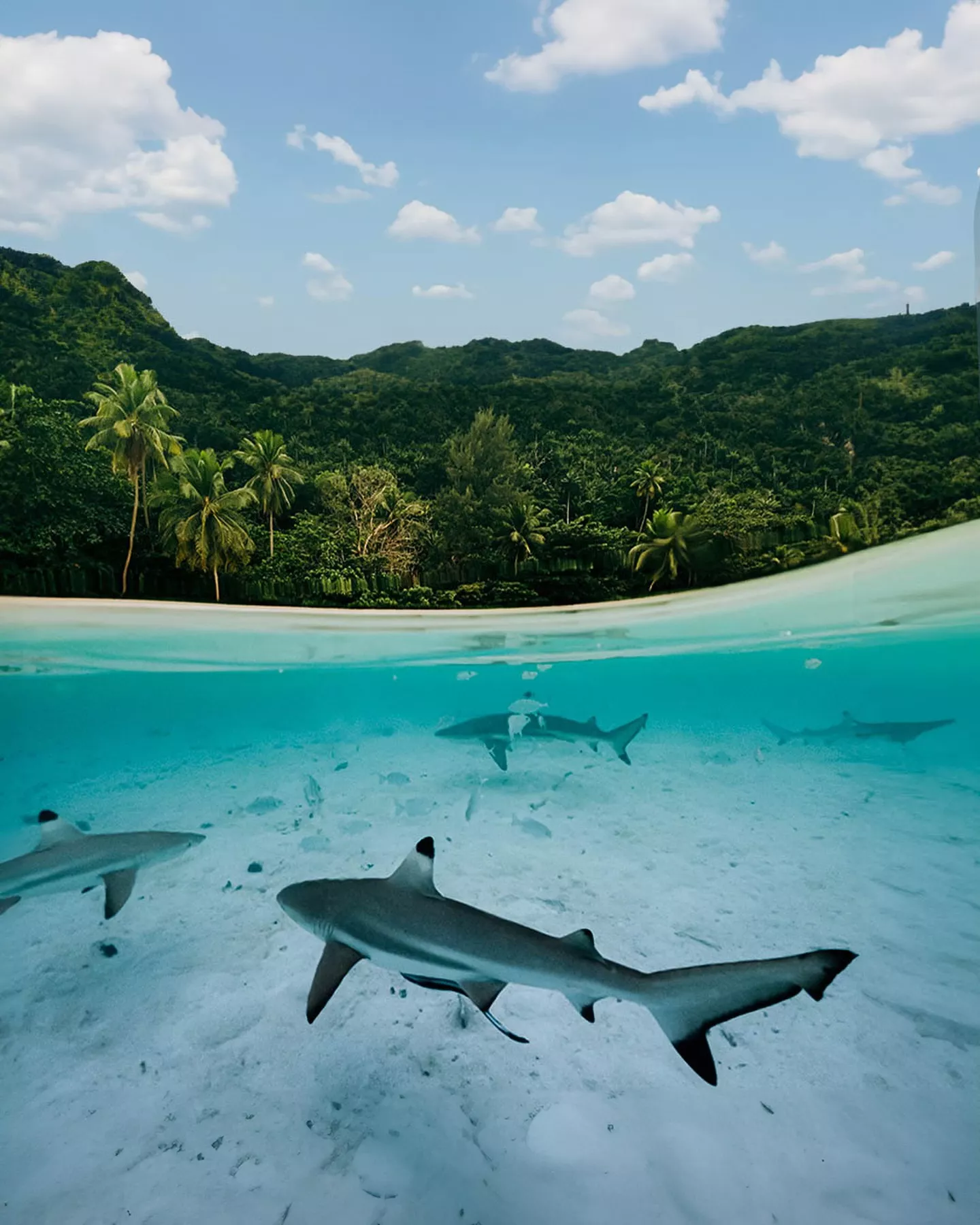
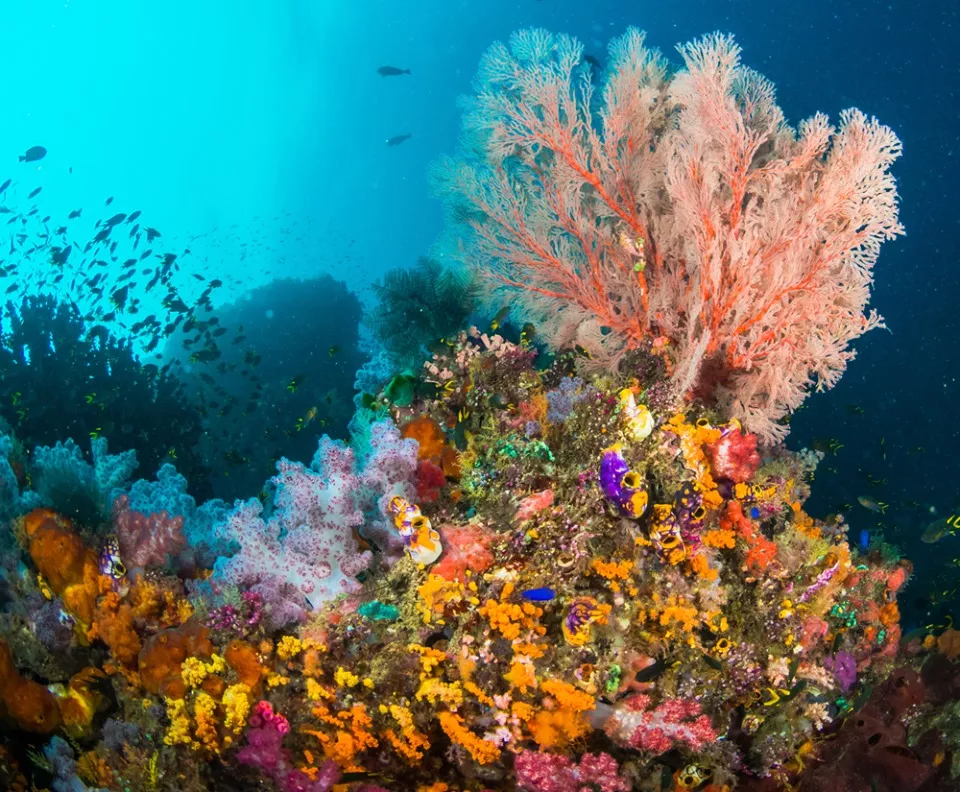
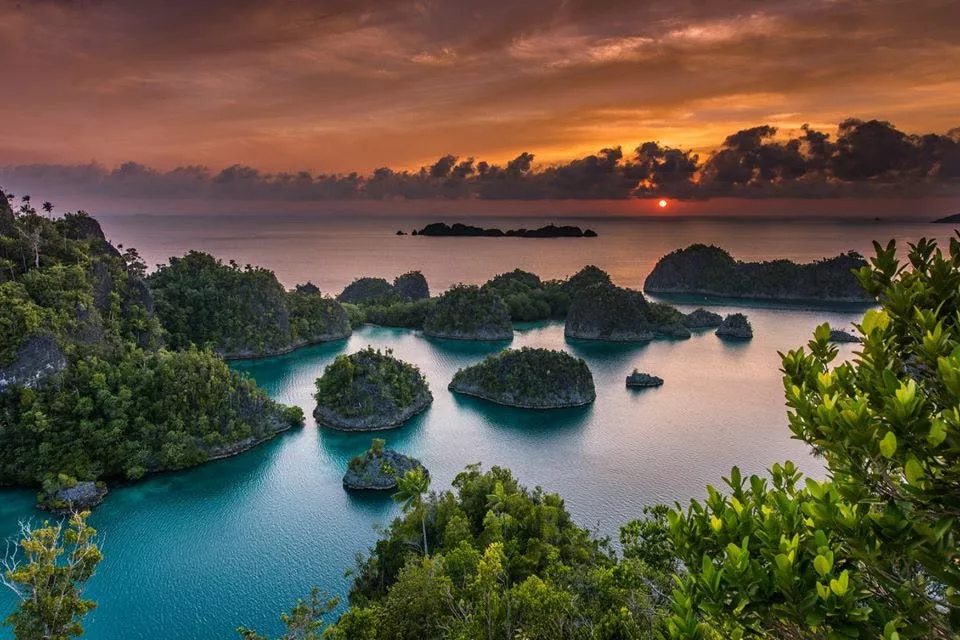
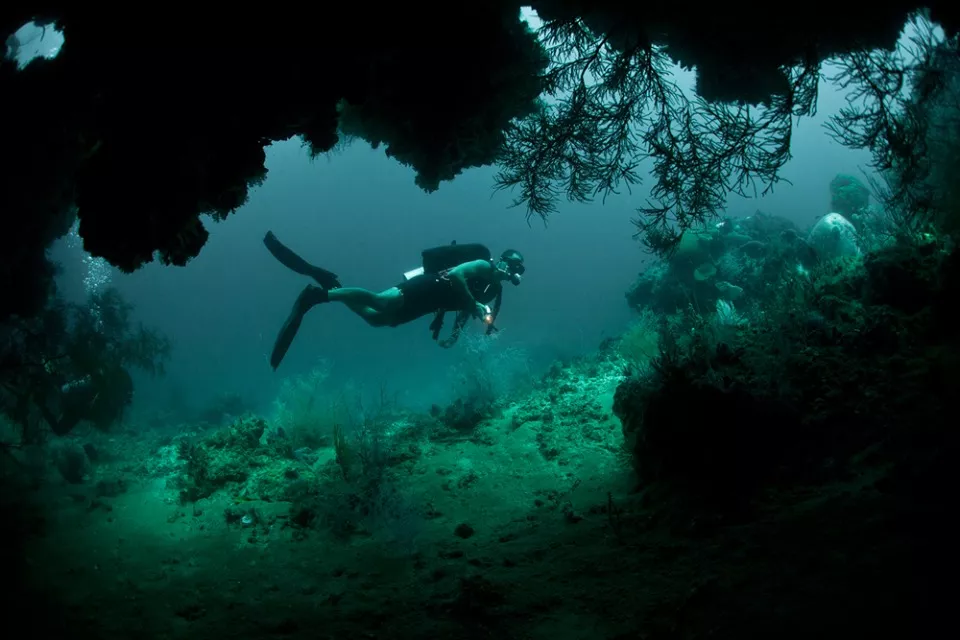
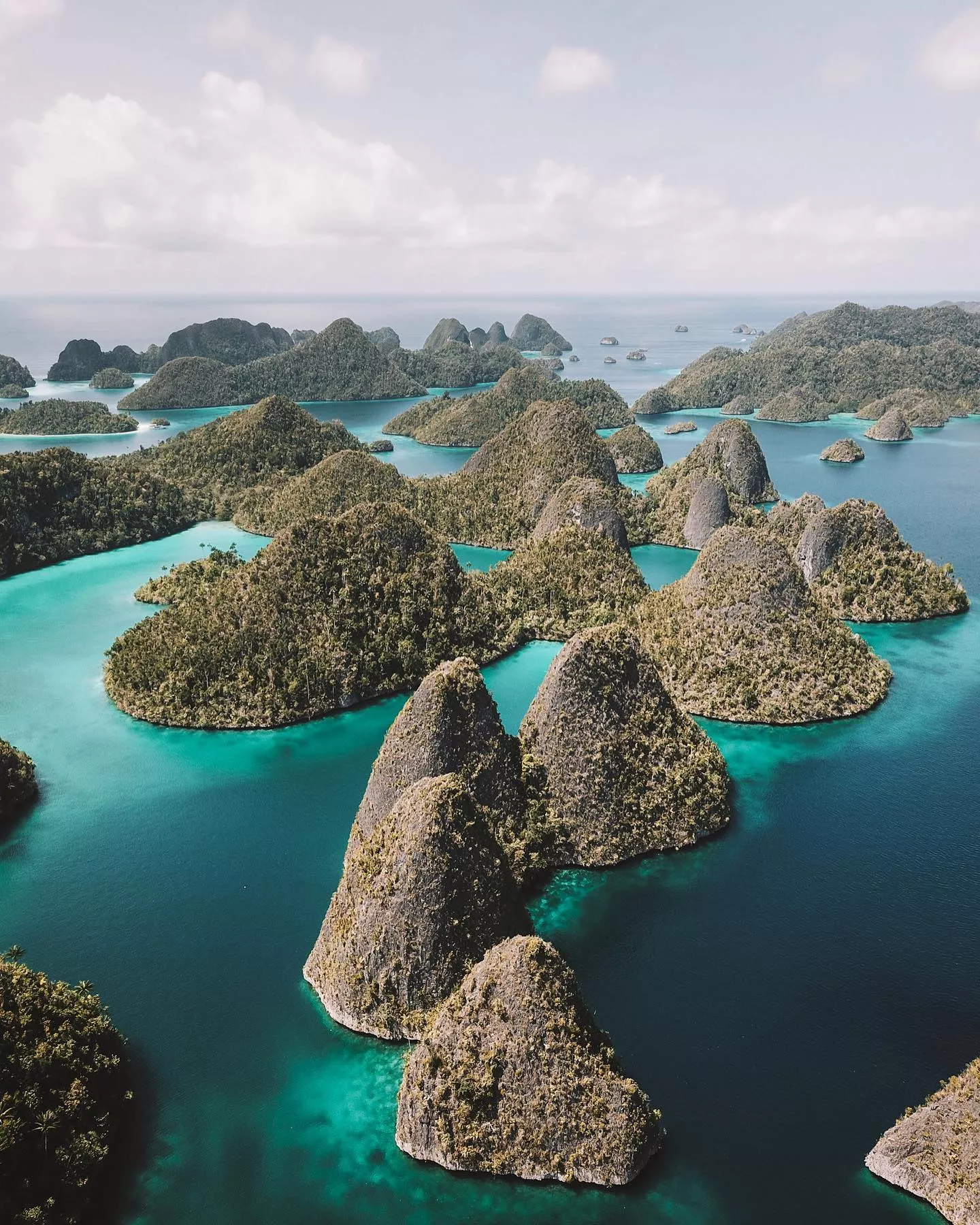
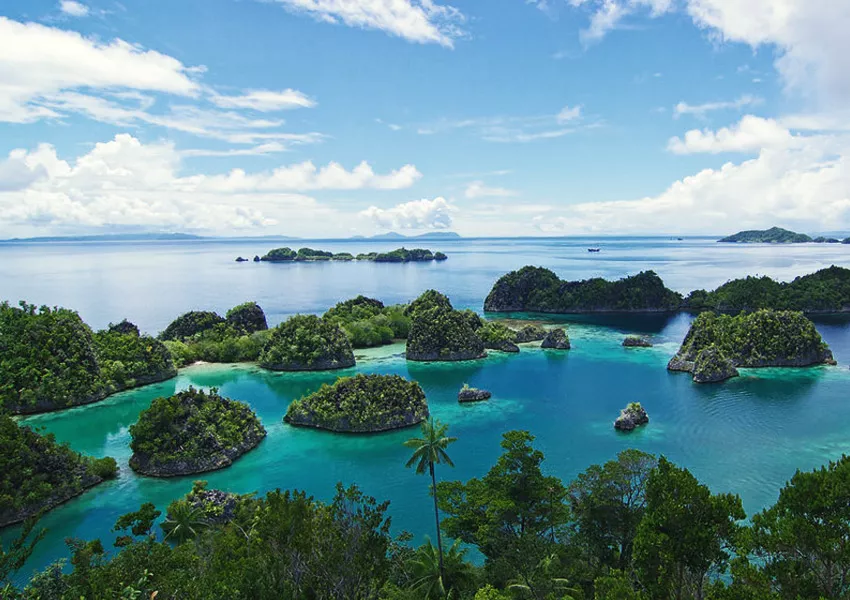
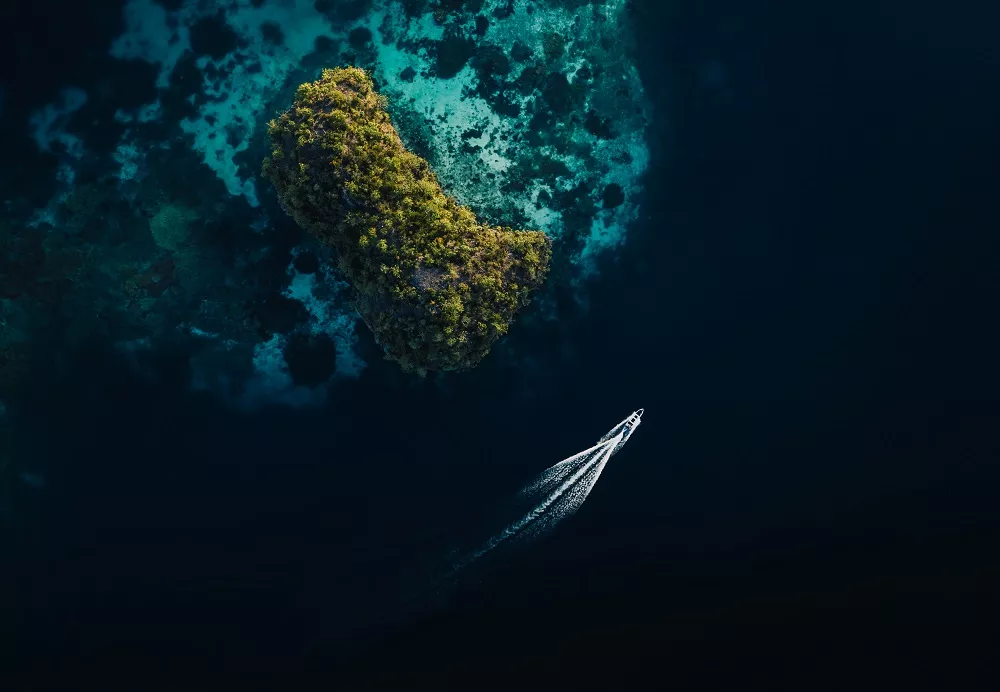
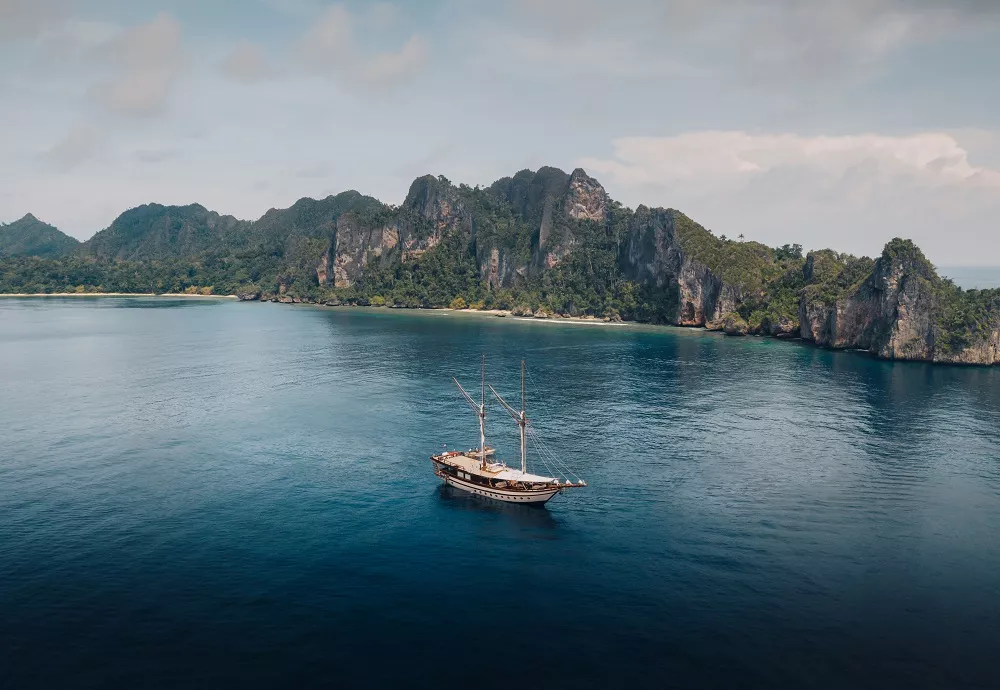
If you love diving, Raja Ampat is the place. This is where you’ll find the richest reefs on Earth — over 75% of the world’s coral species live here. We actually got our diving licence here, and can’t bear to dive anywhere else since! Swim with manta rays, reef sharks, giant clams, and stingless jellyfish. It's expensive, remote and hard to get to, but totally worth it.
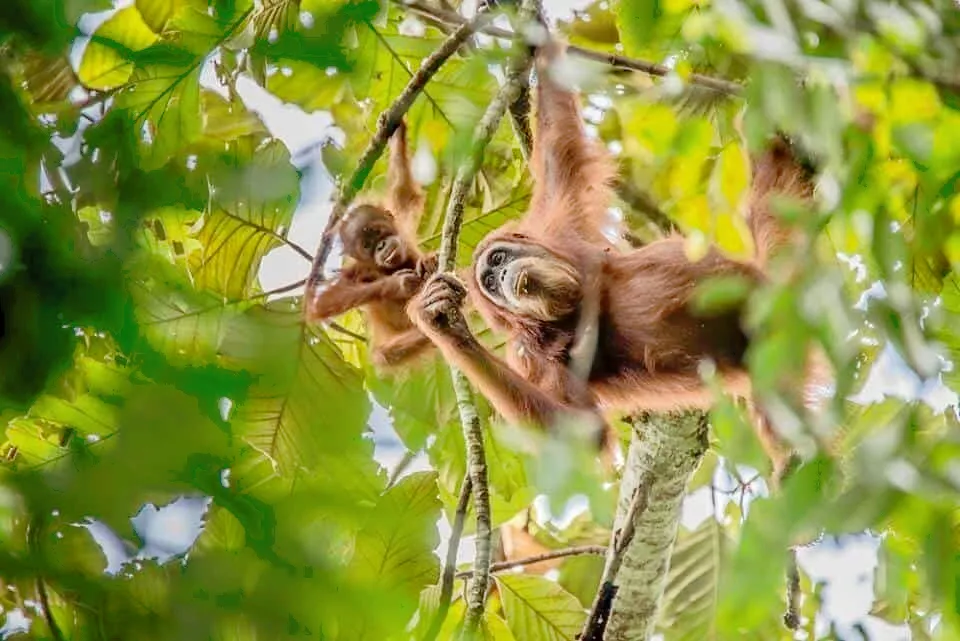
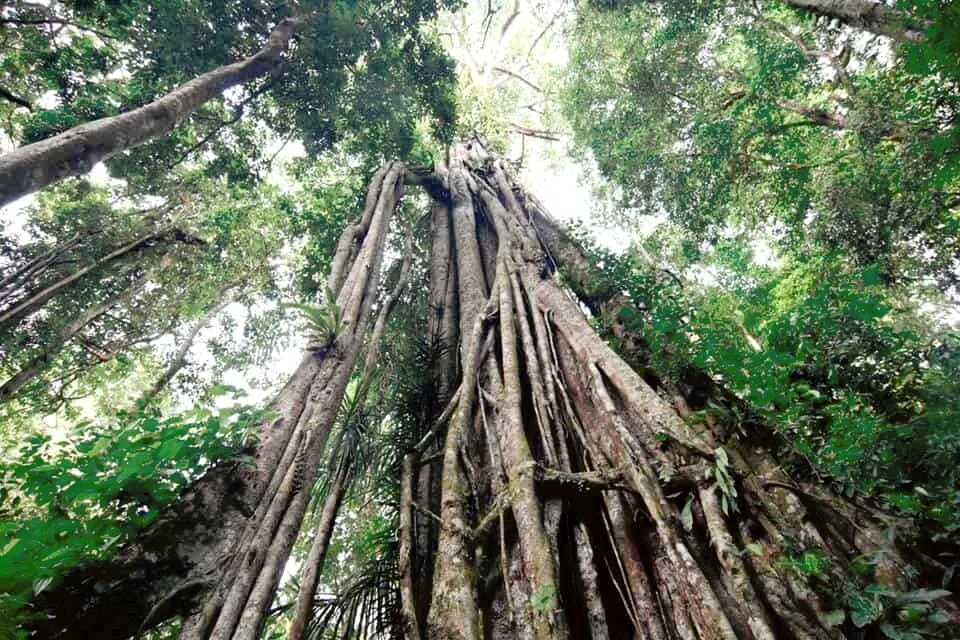
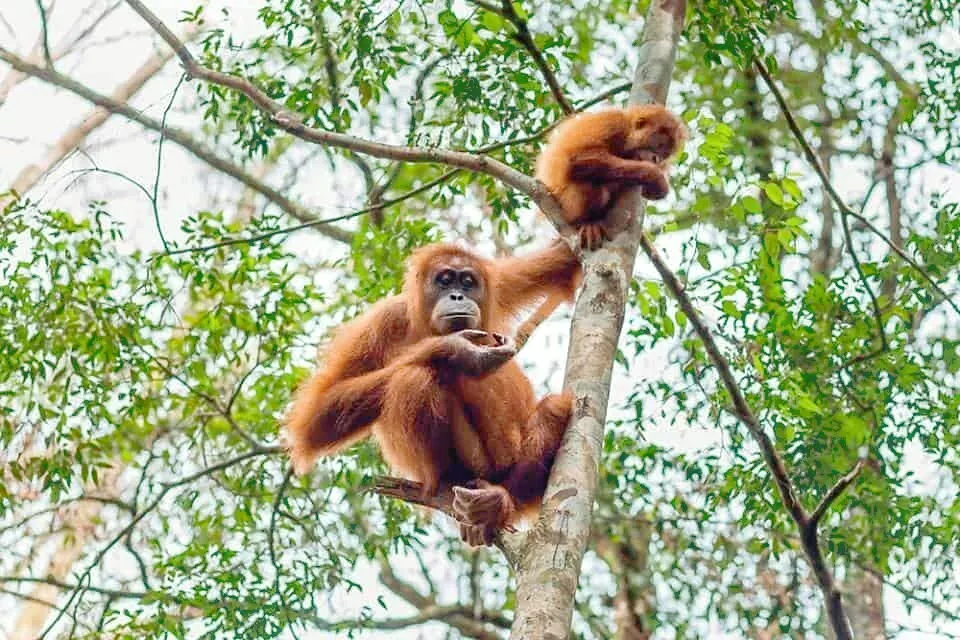
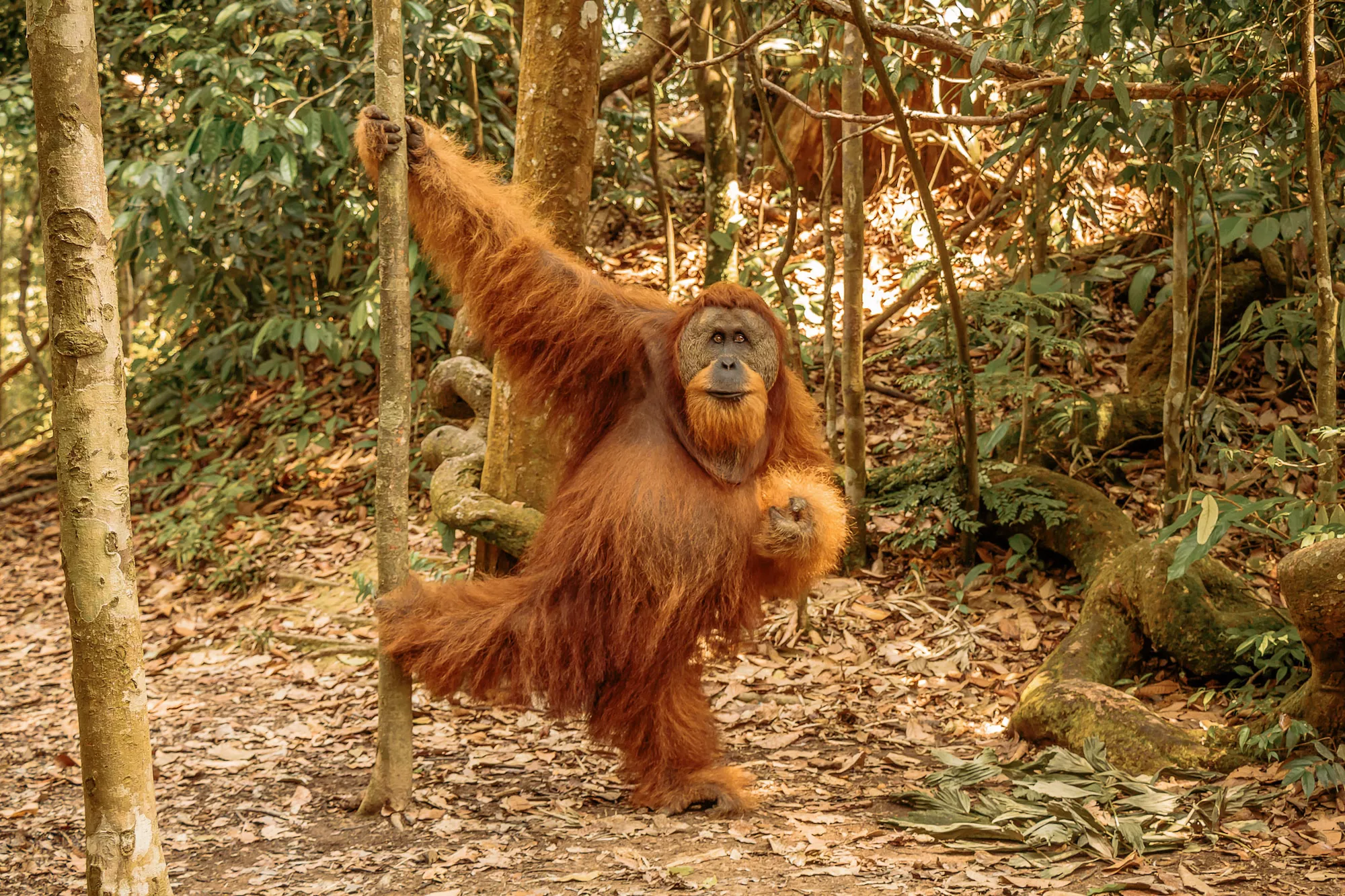
After Tanjung Puting, this is the second best place to see wild orangutans. You'll see here truly wild ones, high up in the canopy, not near feeding stations. It’s also one of the last places Sumatran tigers still roam, though you’re unlikely to spot one!
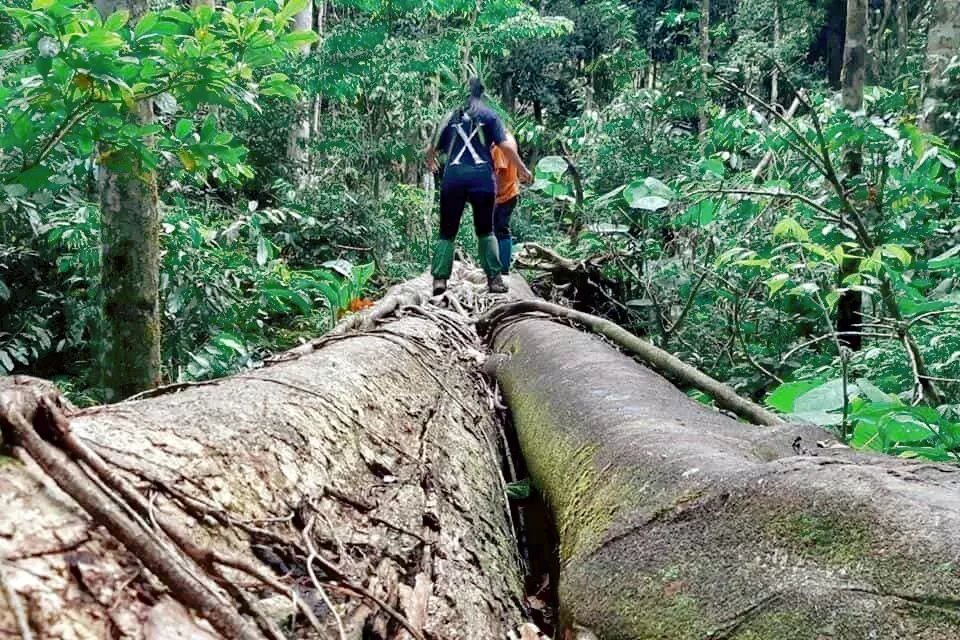
This is for jungle lovers who want to trek through rainforest, sleep under the stars and earn every wildlife sighting.
TIP
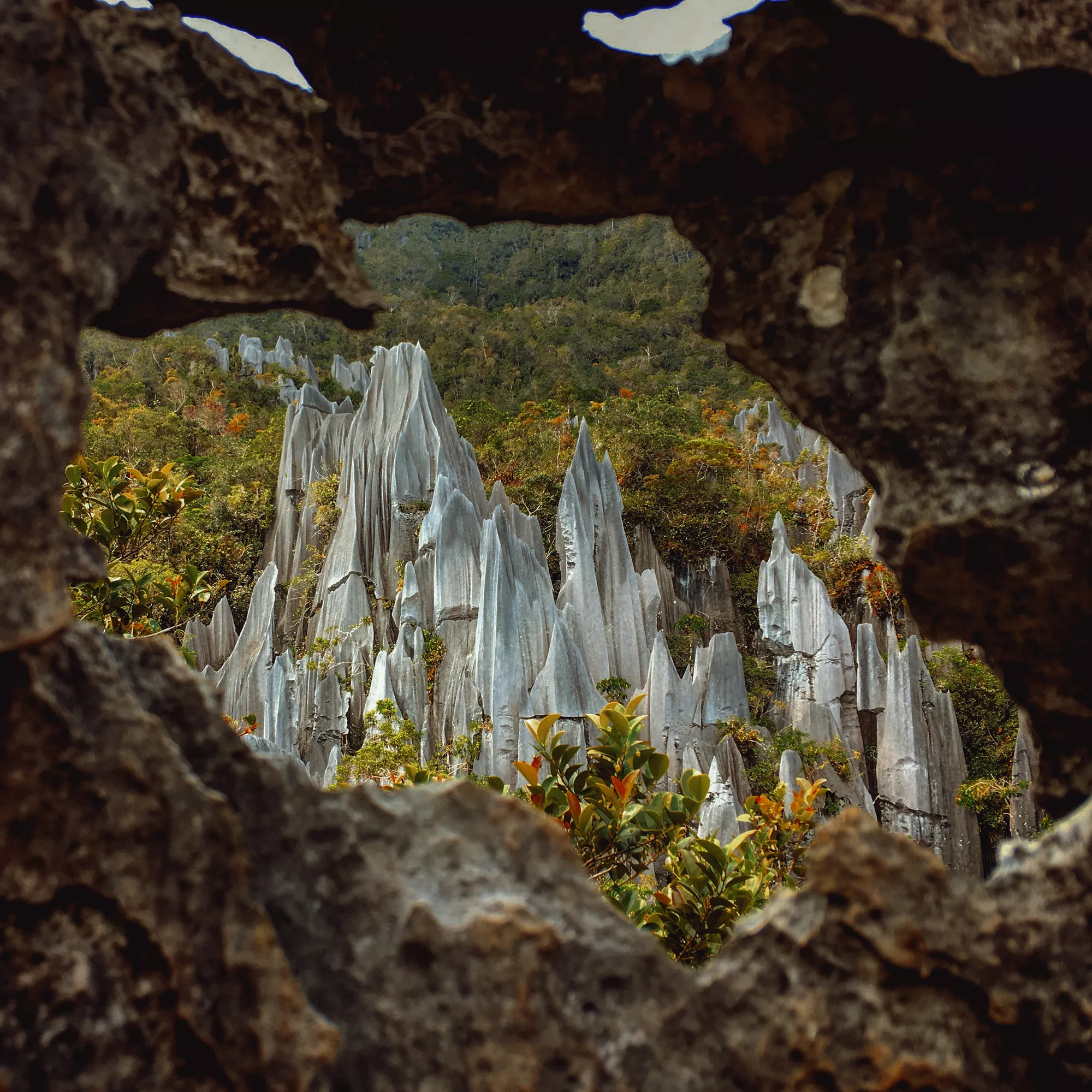
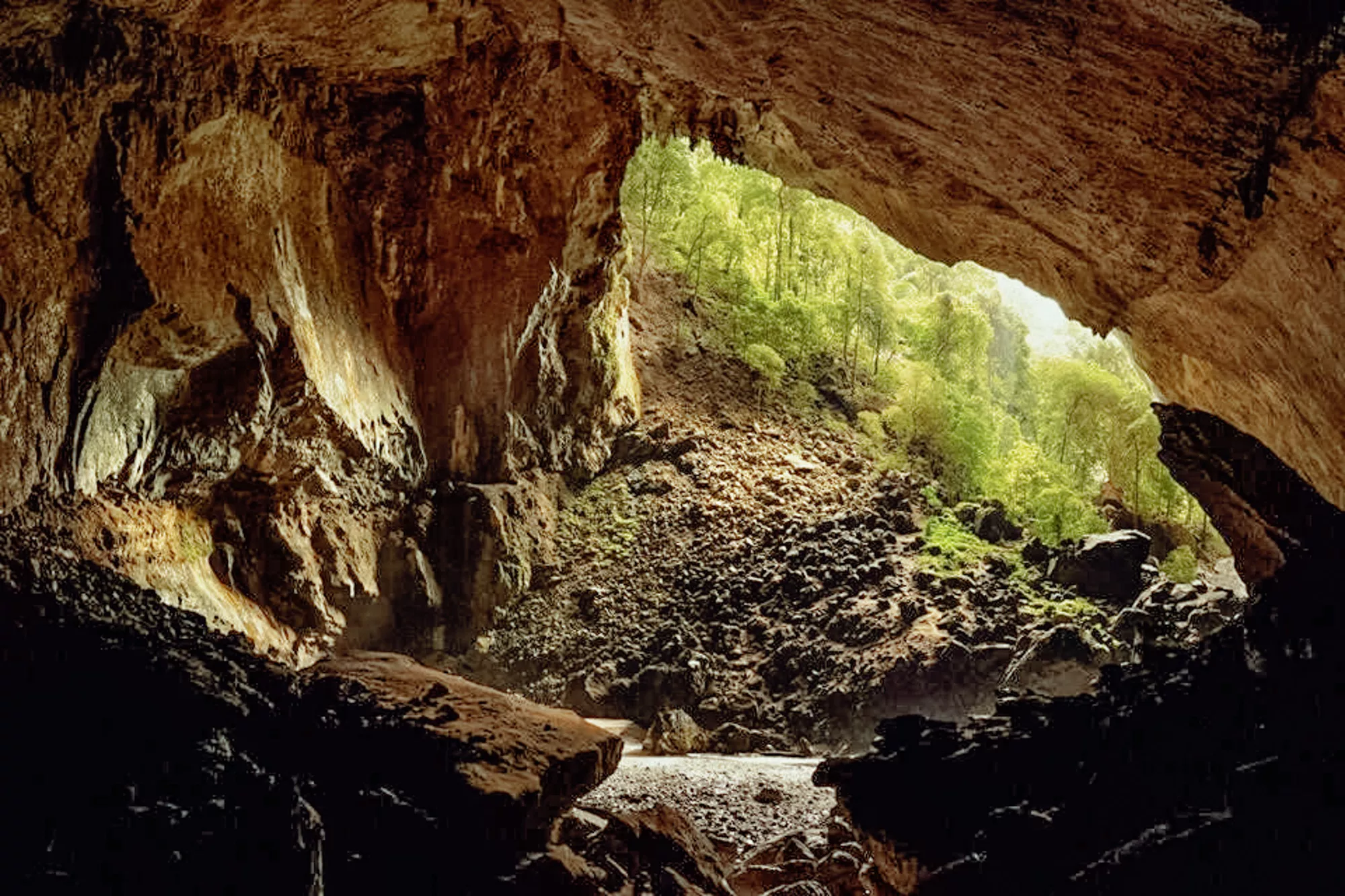
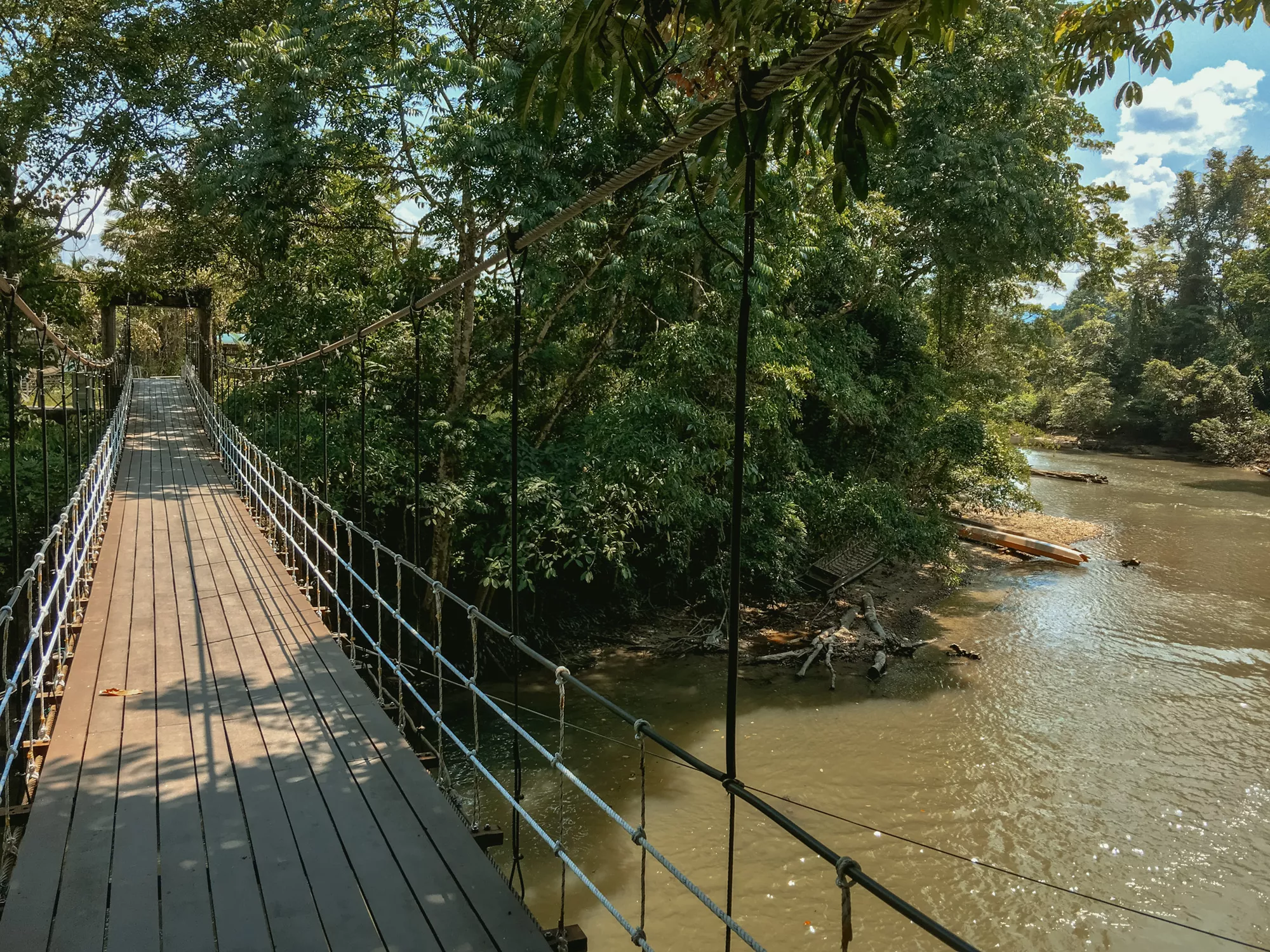

The journey to the Mulu Pinnacles feels like a real explorer’s adventure. In an action-packed 4 days, you’ll raft down rivers, hike through rainforest, see some of the largest caves in the world, and watch millions of bats pour out at sunset. The final climb to the pinnacles is tough, but doable for intermediate hikers. It's raw, and definitely worth it!
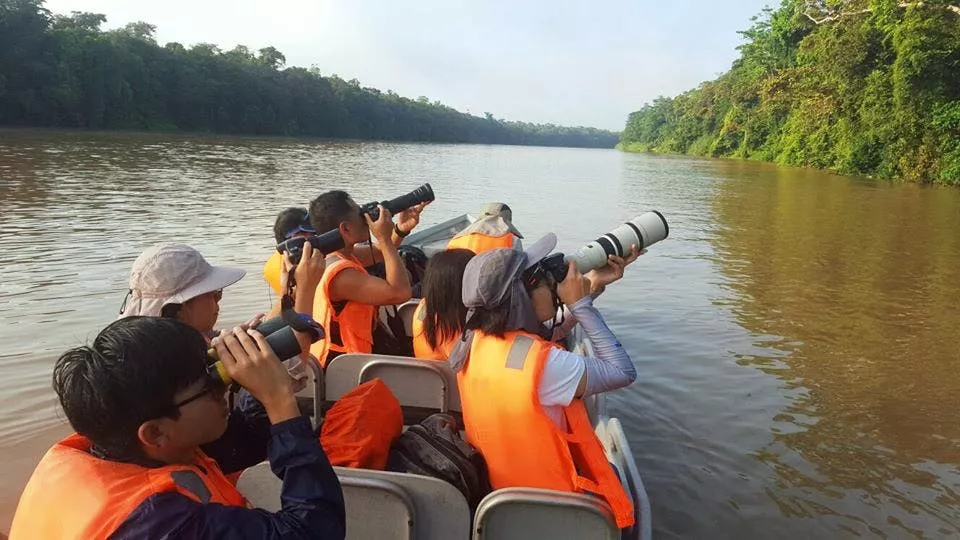
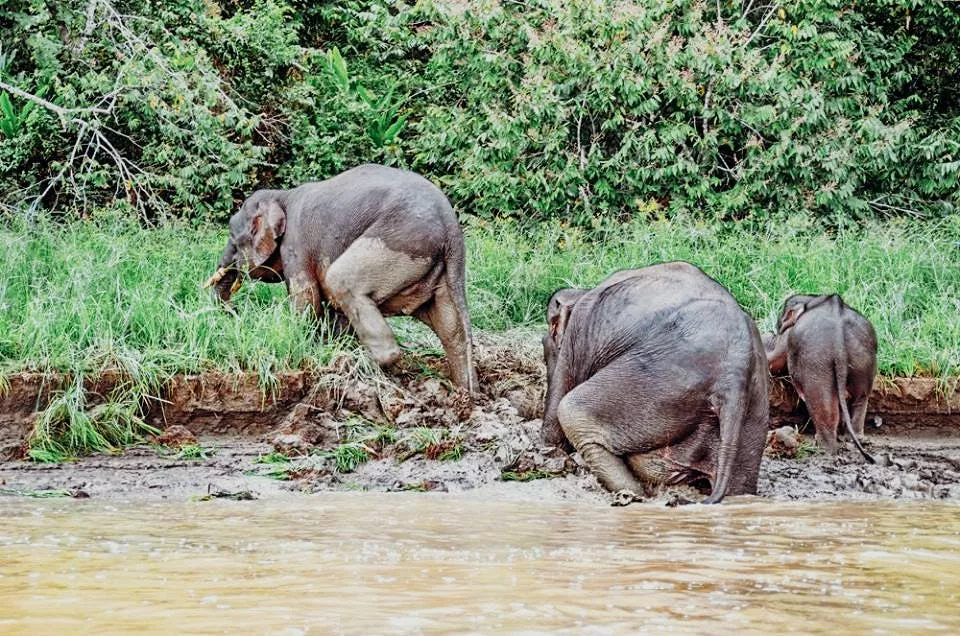
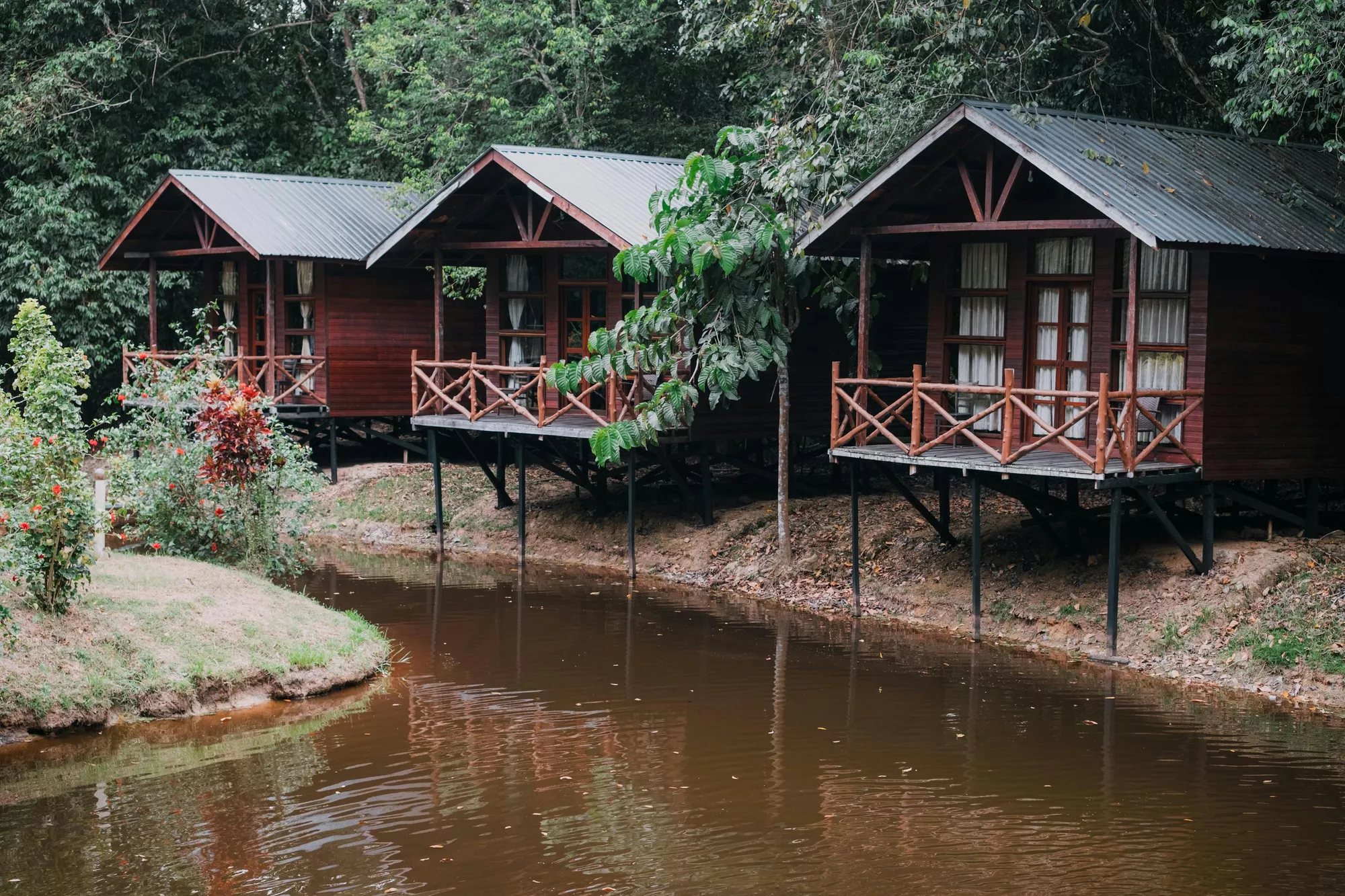

If you want to see wildlife without days of trekking, head to Kinabatangan River. It’s one of the easiest places in Asia to see wild orangutans and pygmy elephants—because palm oil has taken most of their land, and the animals now gather along this last strip of jungle. You’ll go on river cruises, do night treks, and your visit helps support efforts to protect the area.
TIP
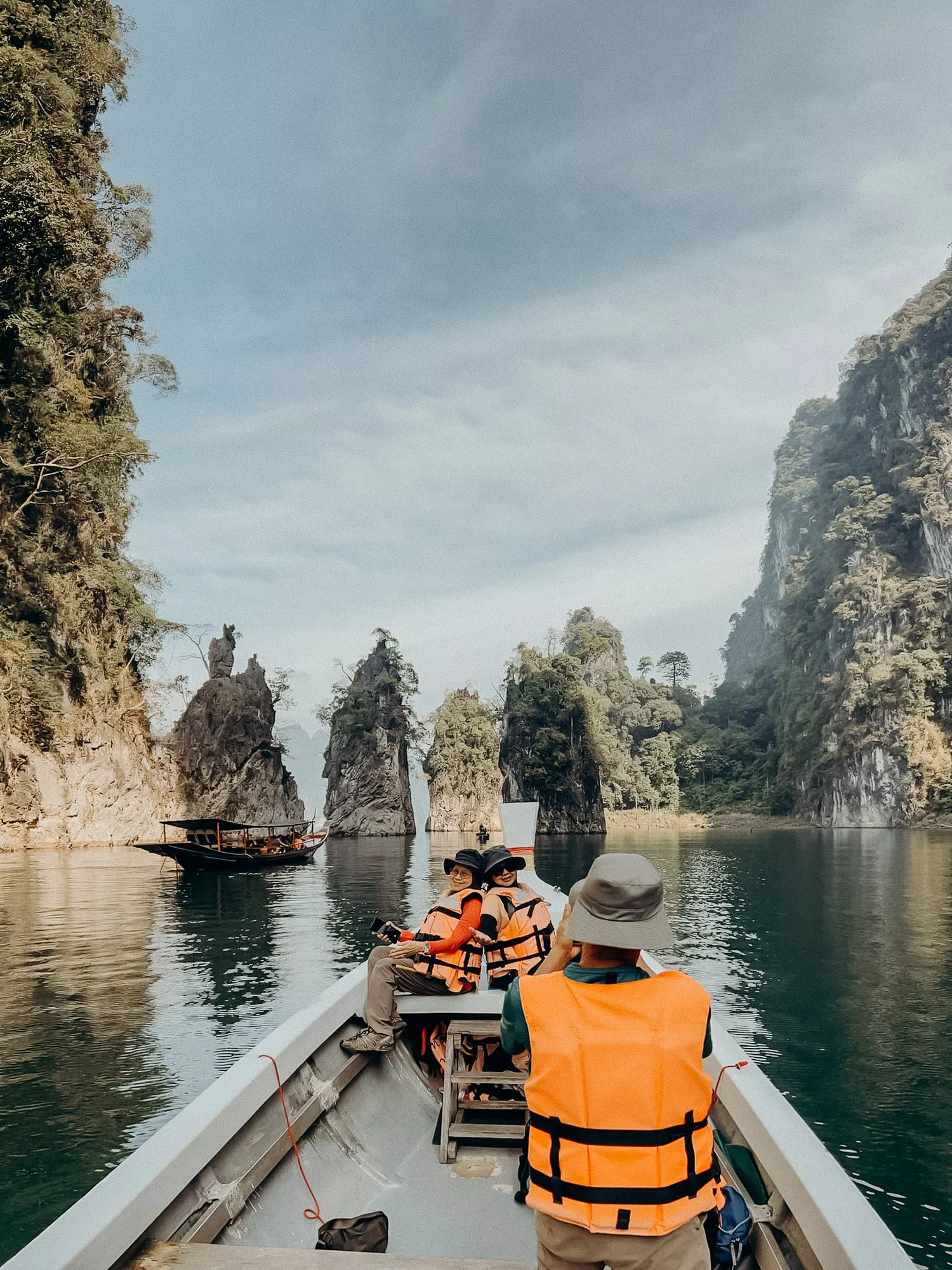
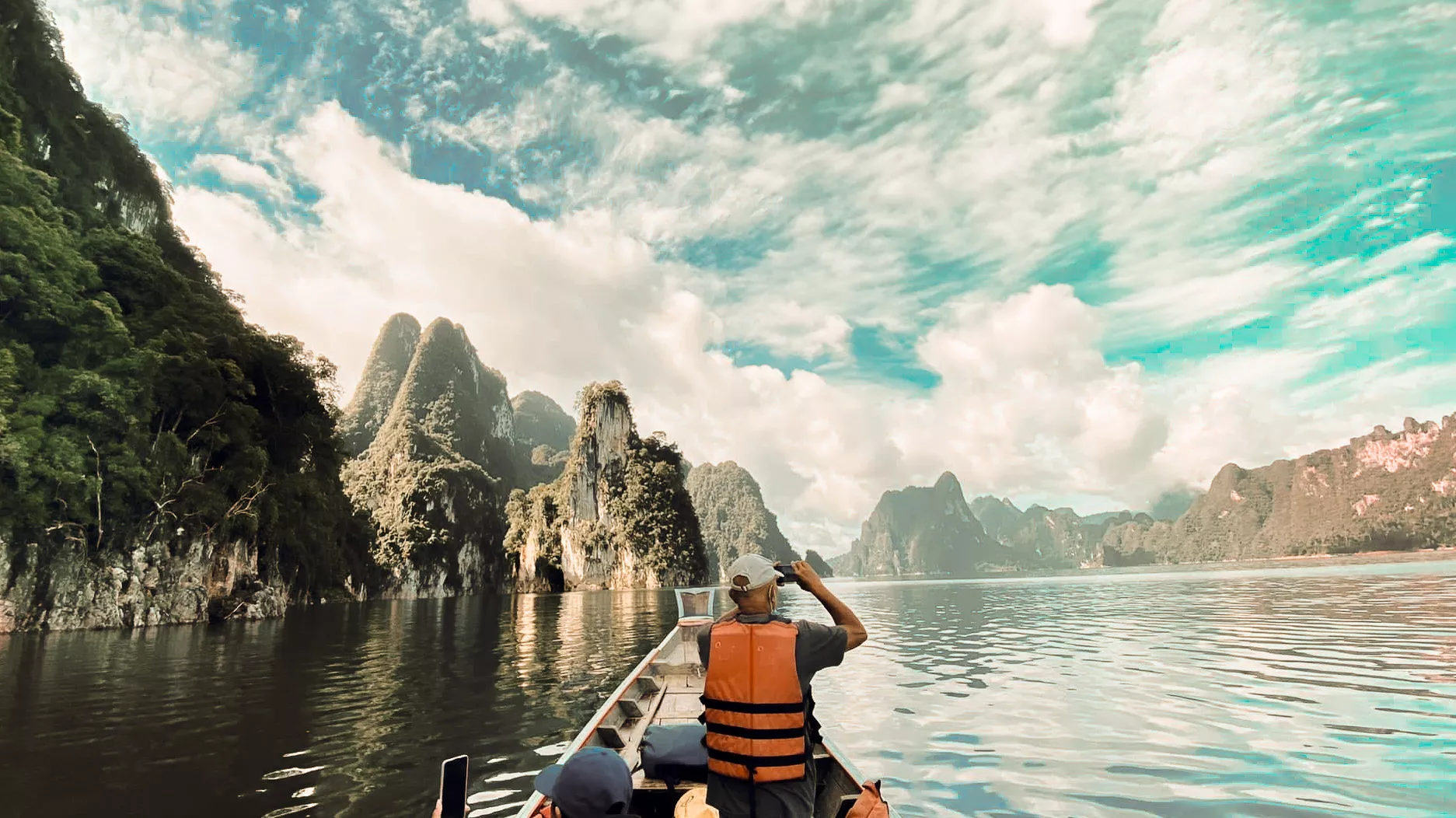
Just a short drive from Phuket, Khao Sok is one of Thailand’s wildest places, and weirdly still under the radar. Stay in floating bungalows on a lake surrounded by ancient rainforest, go on boat safaris to spot wild elephants & hornbills, try bamboo cooking and explore caves by torchlight. Travellers are starting to discover it, but it still feels very heartfelt.
TIP
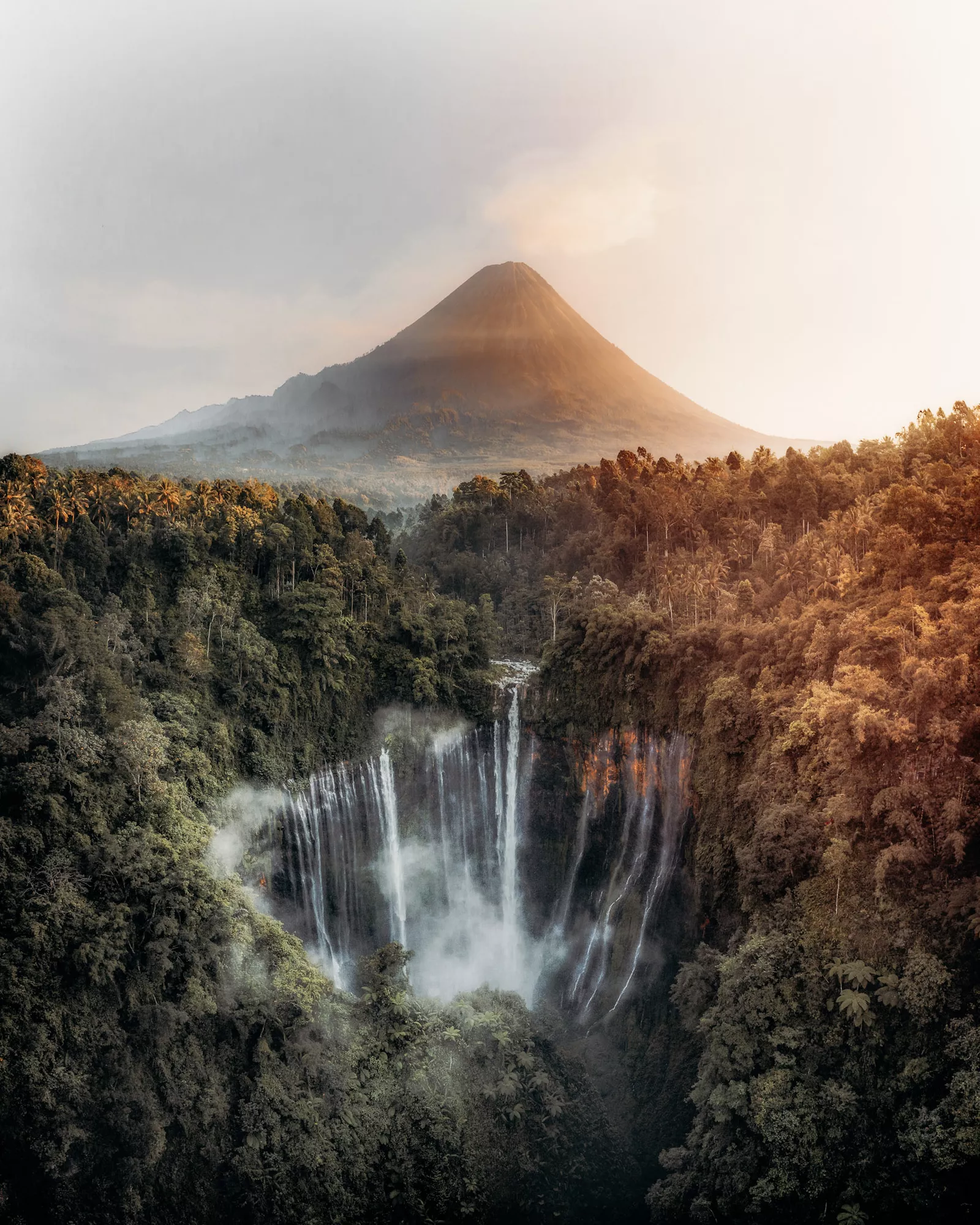
Tumpak Sewu is Indonesia’s most epic waterfall. Nicknamed the Niagara Falls of Asia, it’s a huge curtain of water pouring into a jungle canyon. You’ll hike down slippery bamboo ladders, cross rivers, and get a little soaked—but the view from the bottom is worth it! If you love photography, there are hidden spots with perfect views of the falls and the volcano behind it.
TIP
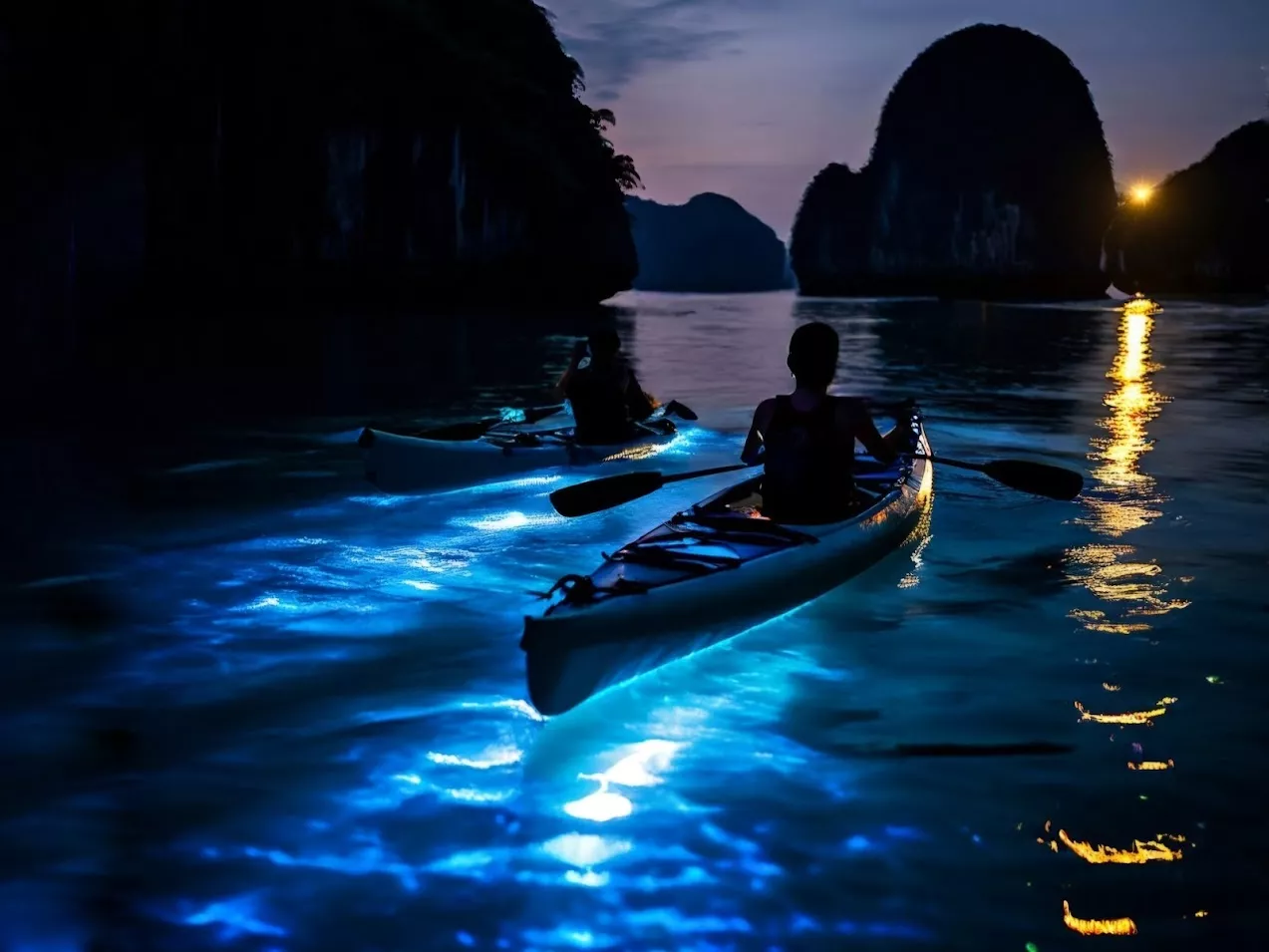
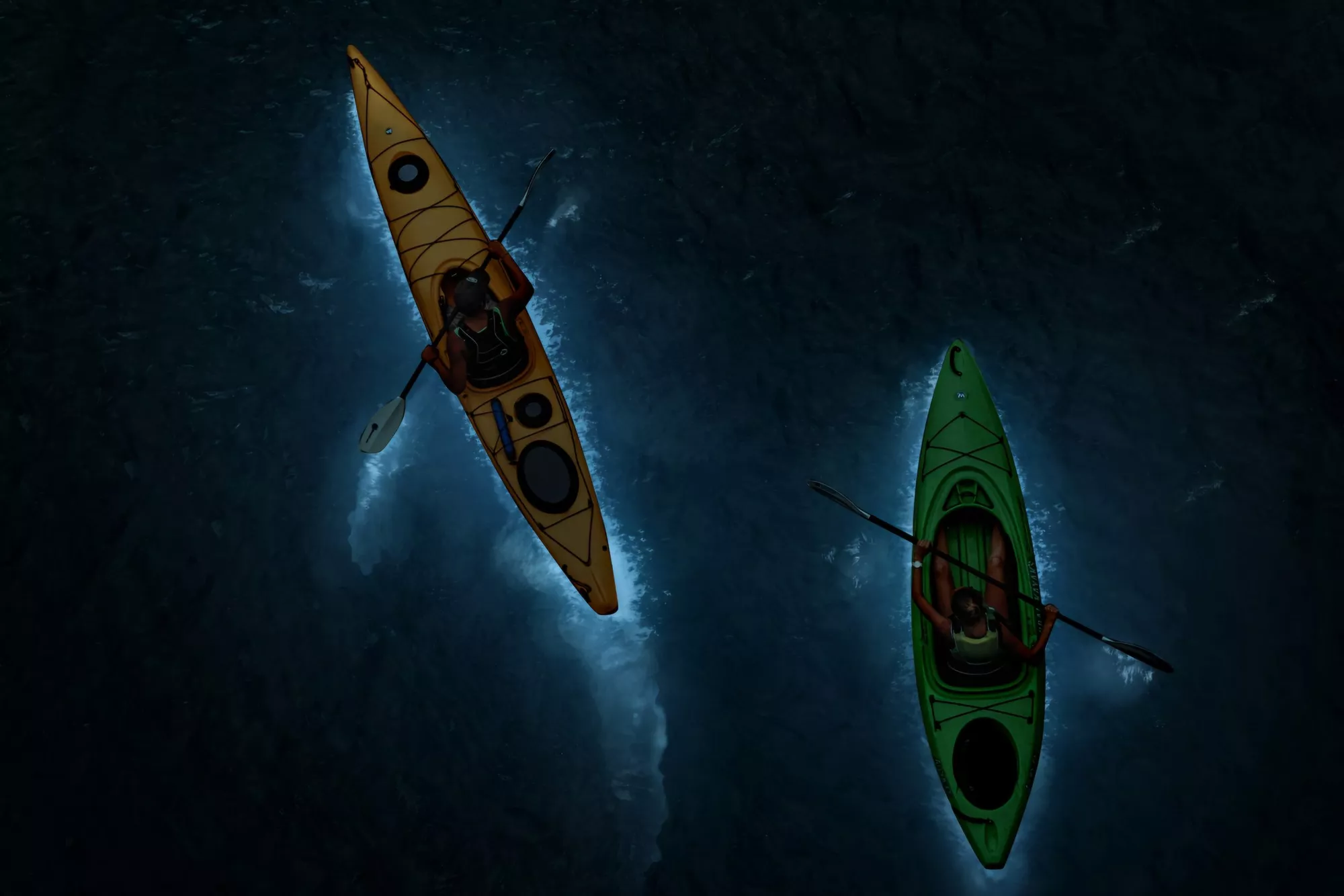
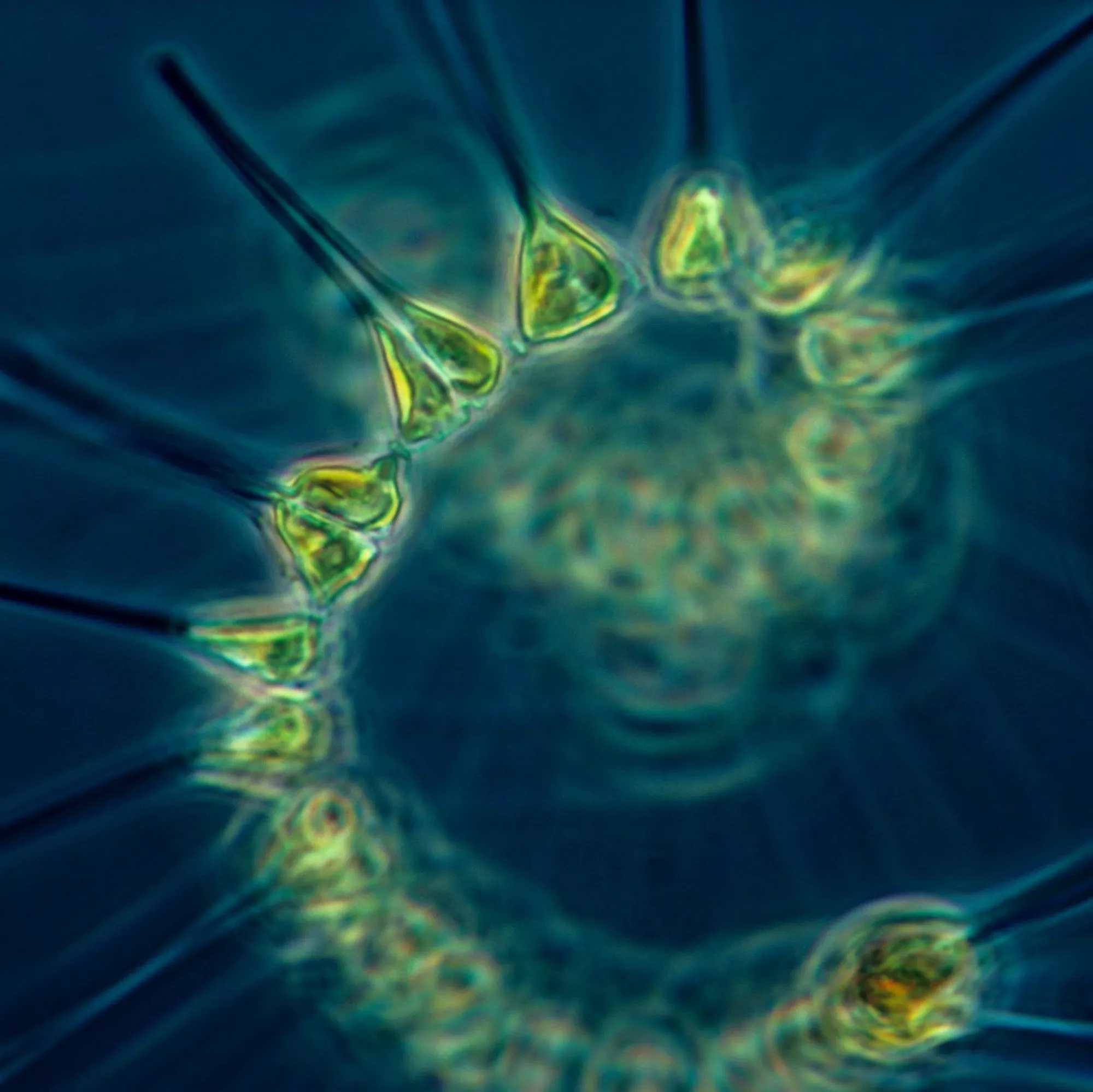
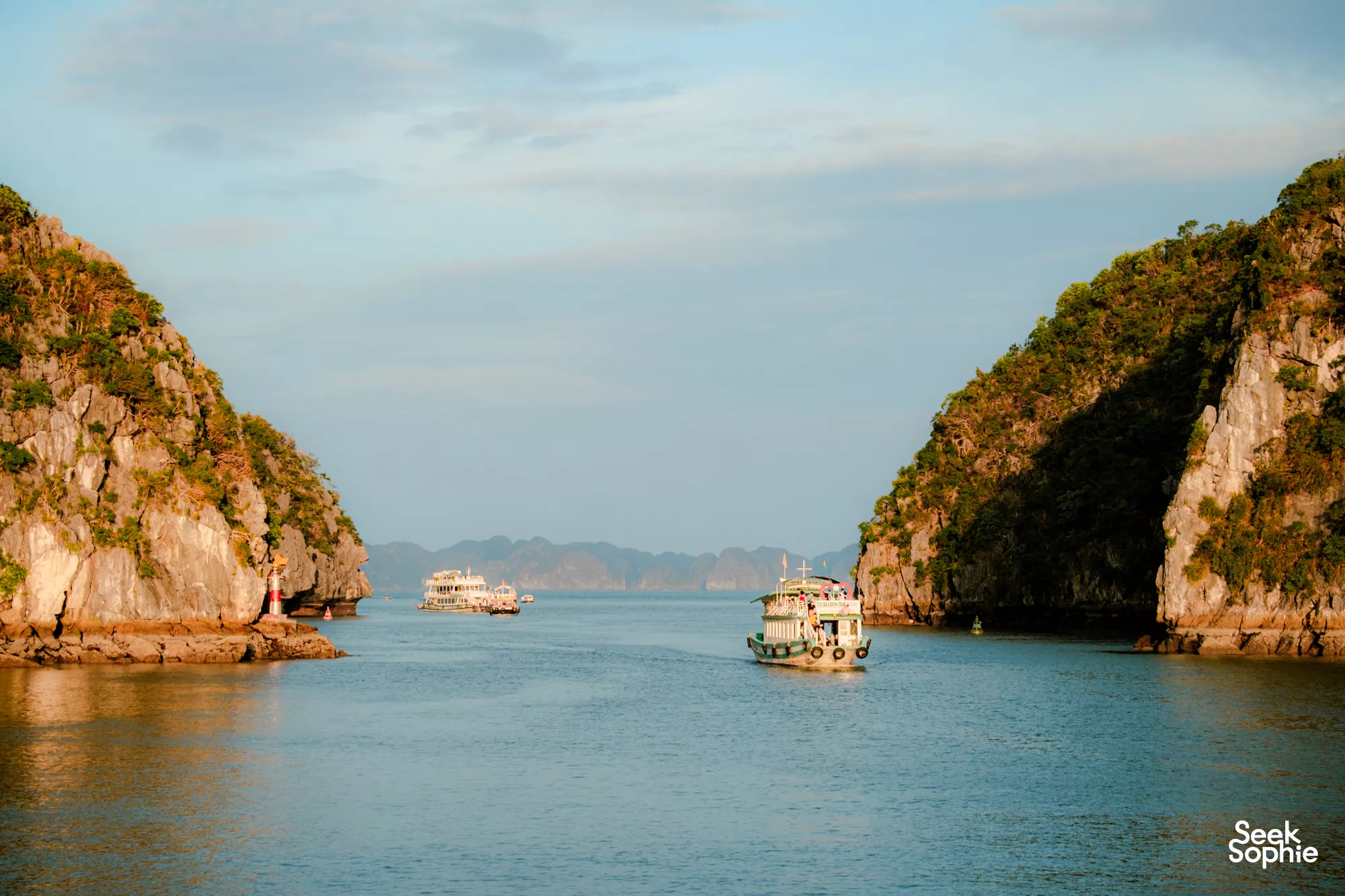
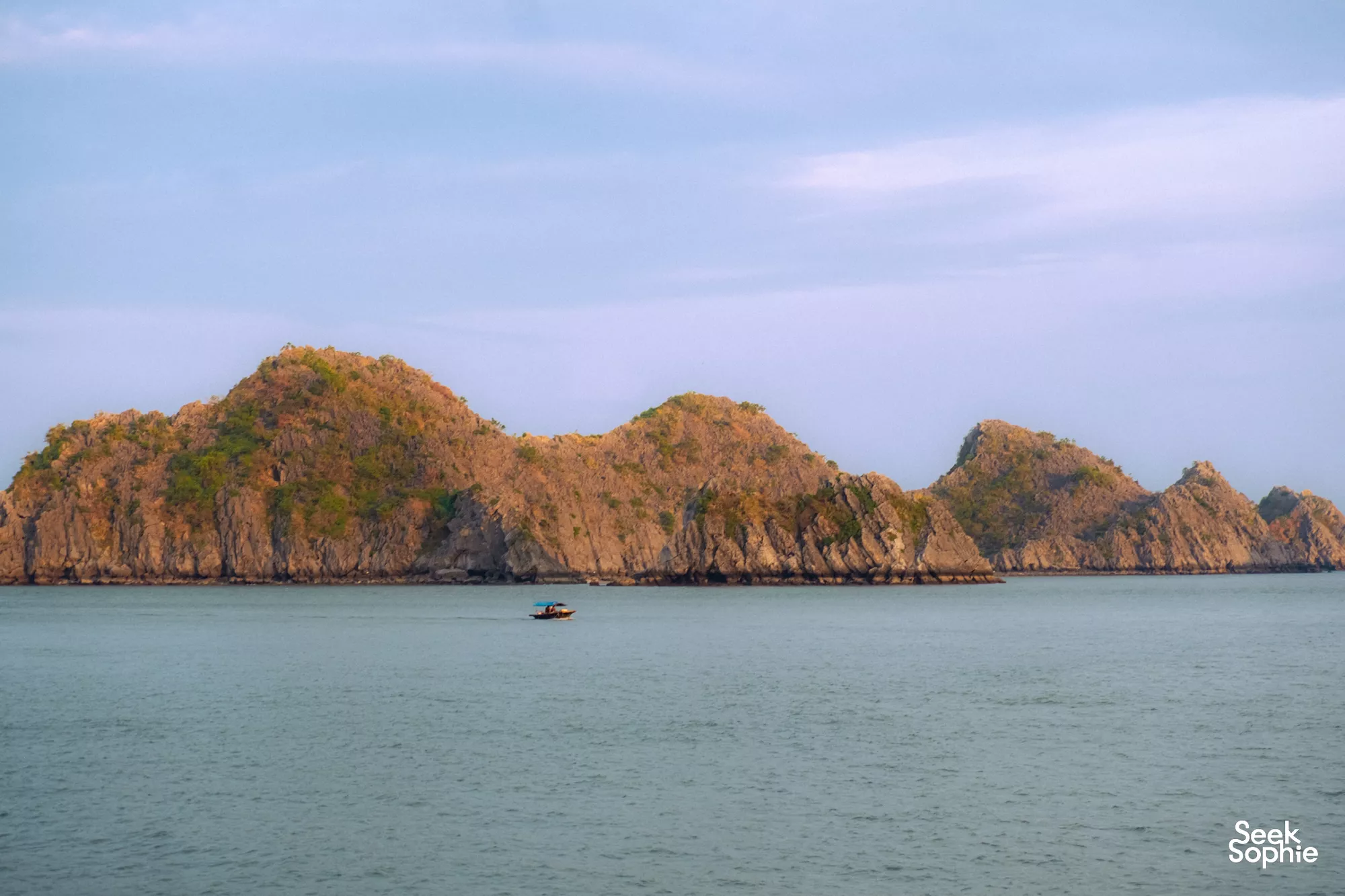
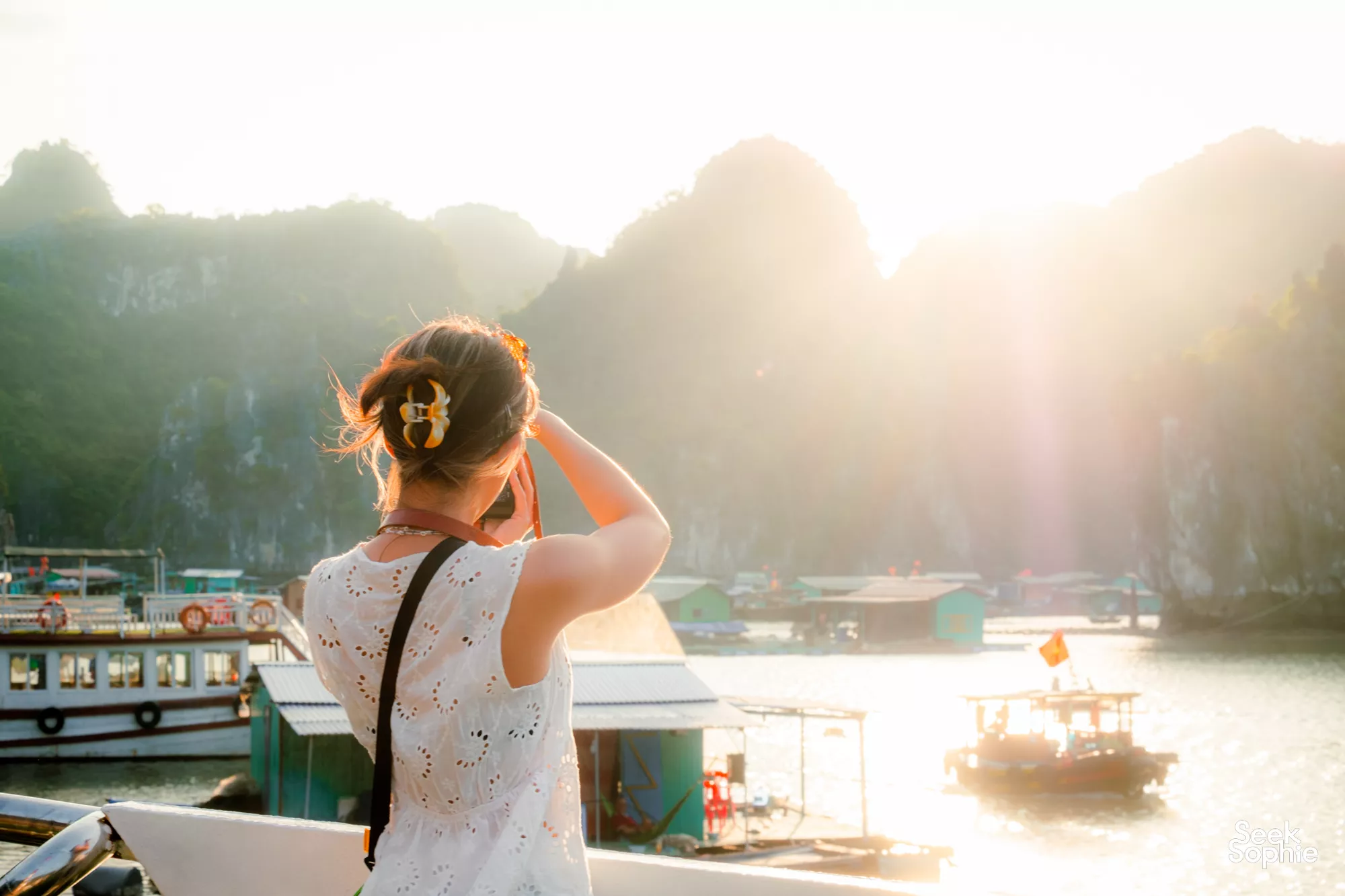
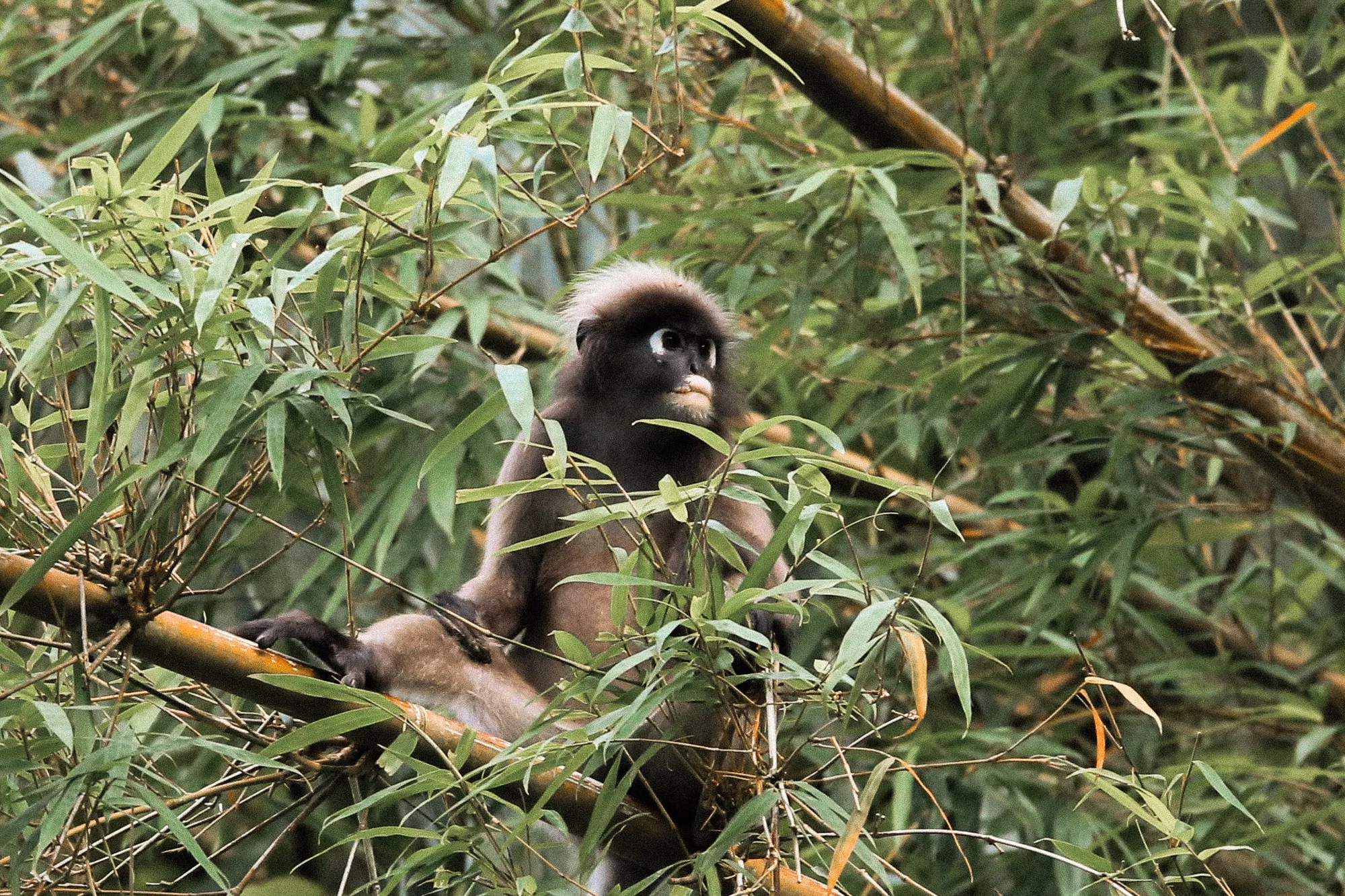
Cat Ba is what you wish Ha Long Bay was—fewer people, same epic views. You can kayak with bioluminescent plankton at night, explore caves, and hike to jungle peaks with sea views. You can even spot rare langurs in the national park! It’s chilled and way more fun than being stuck on a big cruise boat. It's not as fancy as the cruises, but more interesting & local!
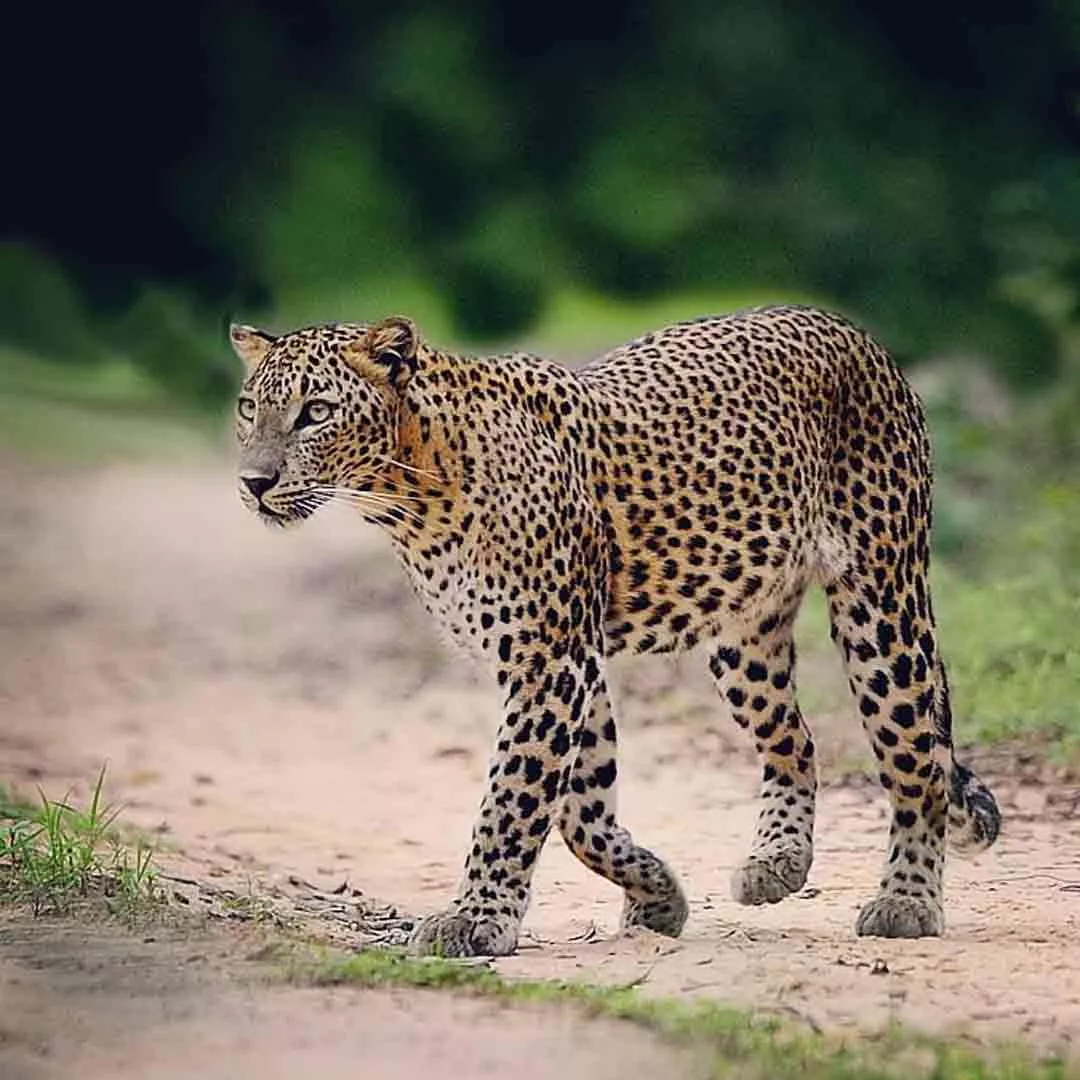
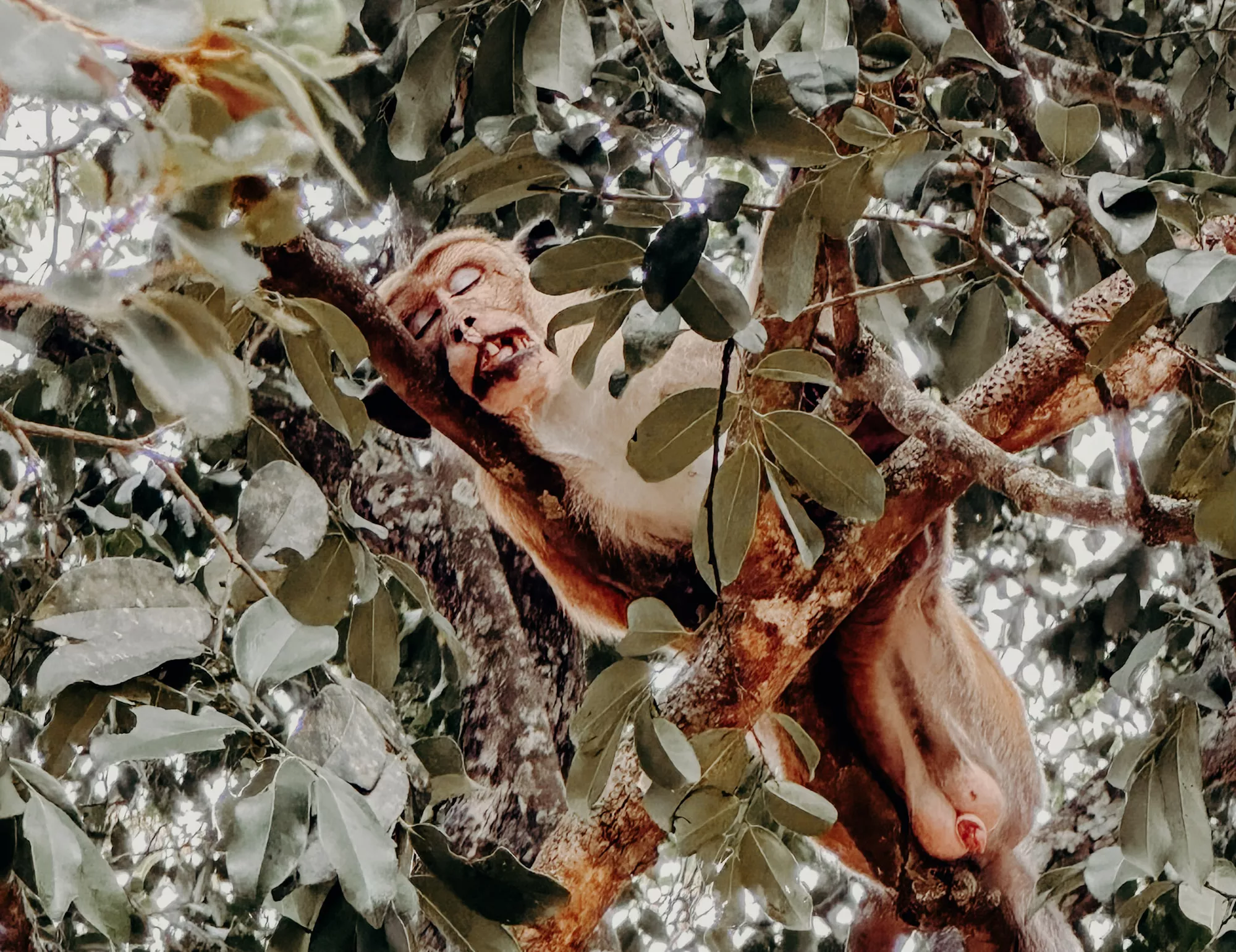
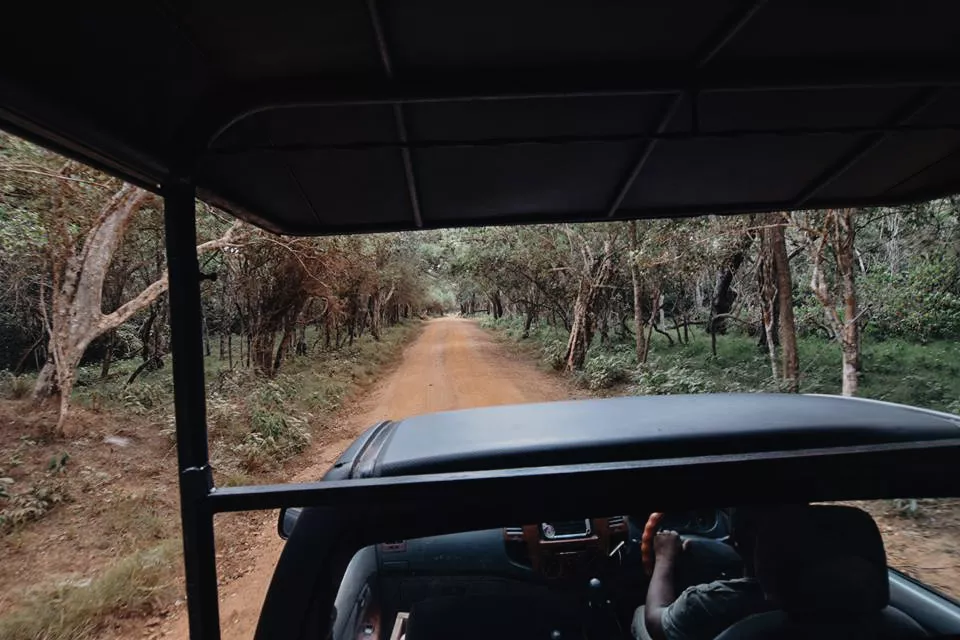
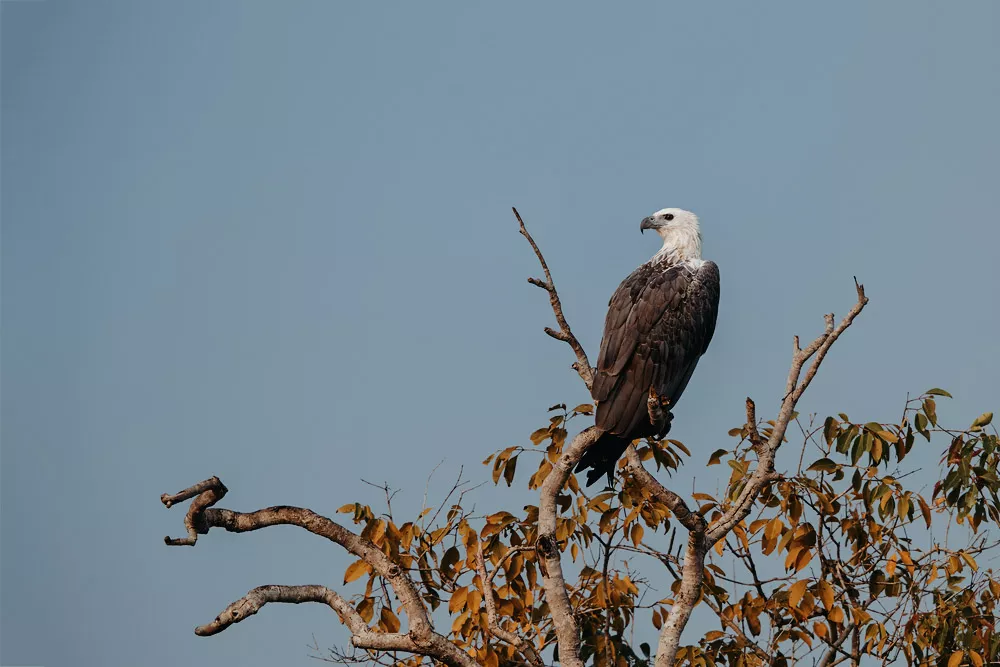
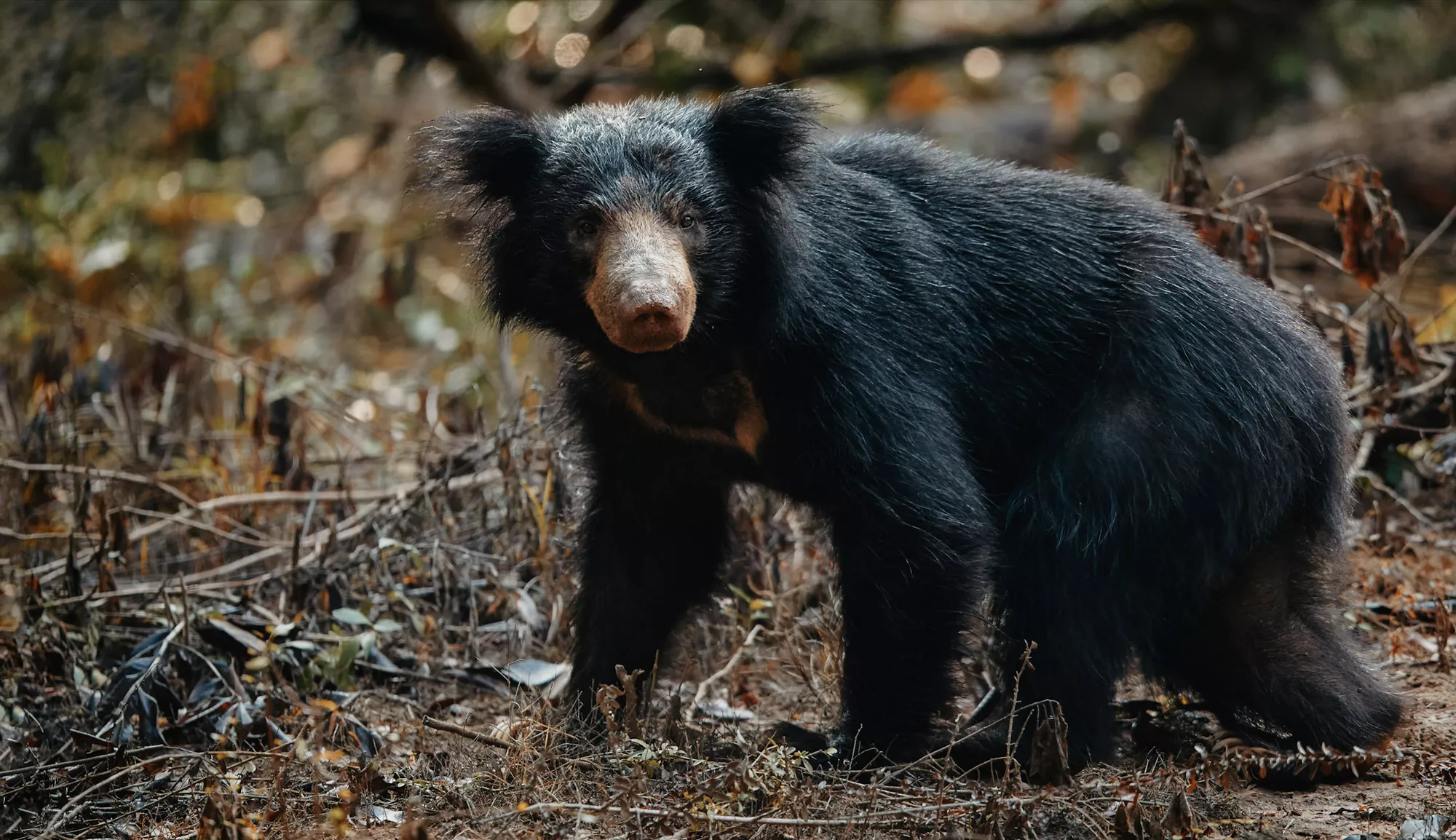
Wilpattu has the same number of leopards as Yala—but without the traffic jams. Here, you won’t need to queue behind 20 jeeps to see an animal. You’ll explore quiet jungle trails and lakes, spotting leopards, elephants, sloth bears, crocs, and loads of birdlife. It’s our favourite national park in Sri Lanka - wild, peaceful, and what a safari should feel like.
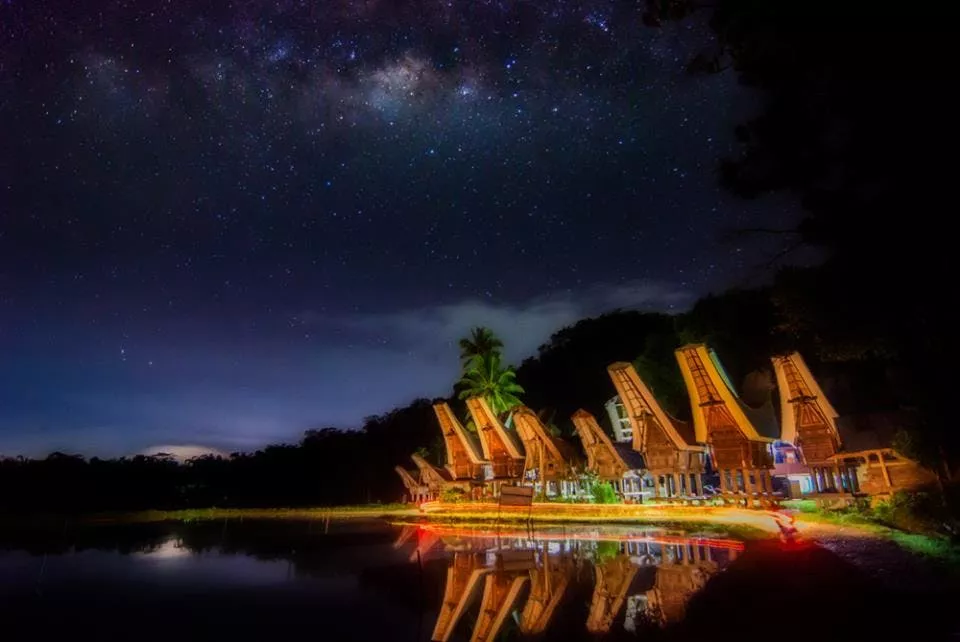


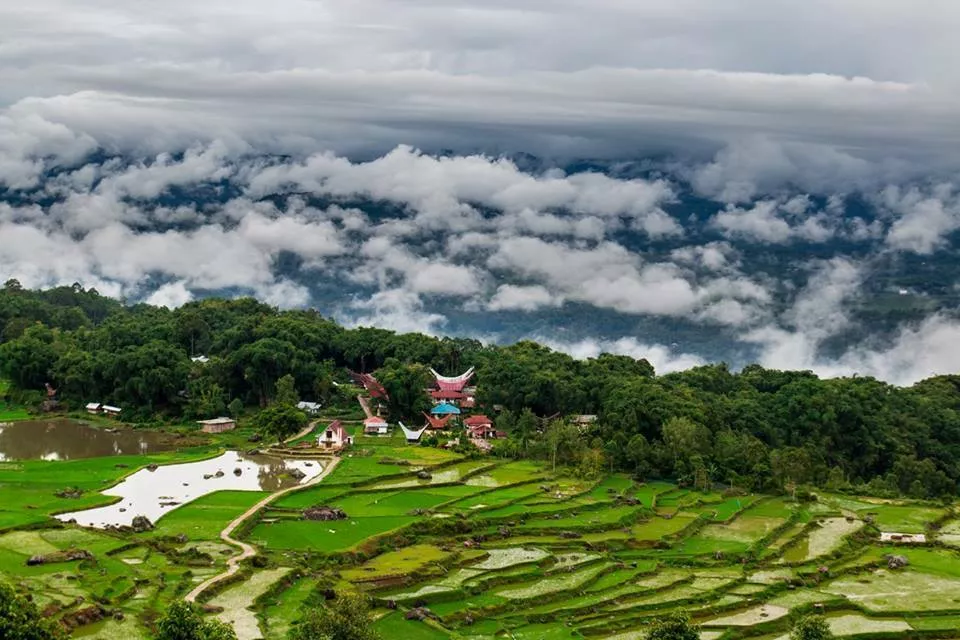
Toraja will change how you see life and death. Here, death isn’t morbid or feared—it’s tender. The dead are kept close, and funerals are celebrations.
You’ll see boat-shaped houses in the clouds, buffalo processions, and ancient rites that challenge everything we think we know. It’s not a show—it’s a living culture, and one of the most eye-opening places to visit.

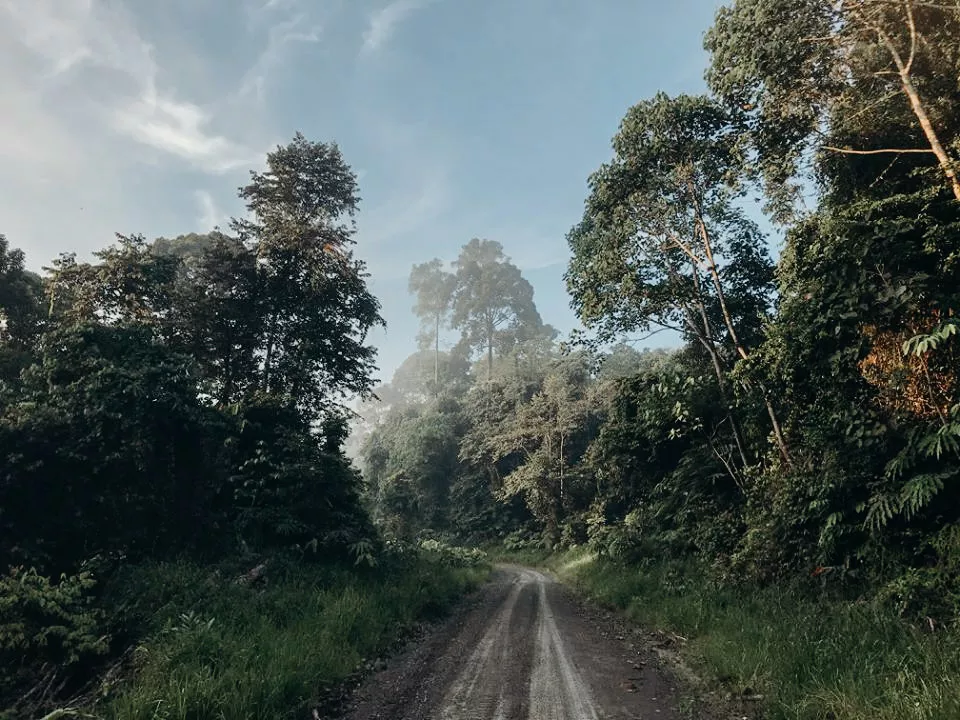

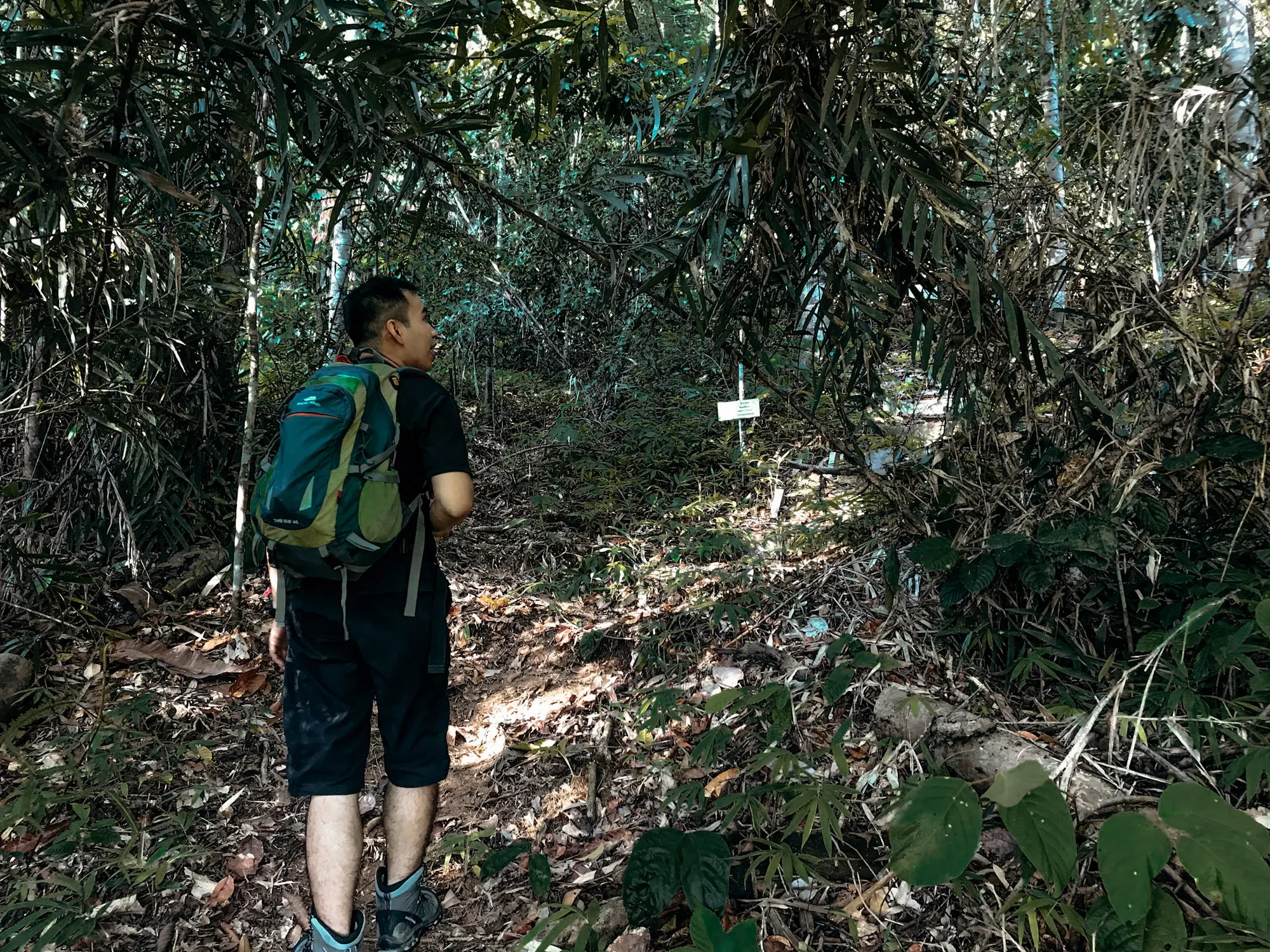


Deramakot is not a fancy safari. There’s just one basic lodge with two rooms, and a single pothole-ridden road often washed out by rain. But it’s one of the best places in Asia to spot wild pygmy elephants, clouded leopards, and nocturnal wildlife. Here you’ll go on safari drives and jungle treks with ex-poachers. It’s Borneo’s best spot for wildlife, and seriously remote.