Better for Wildlife
Our Wildlife Commitment
We started Seek Sophie because we were frustrated by mass tourism and how it often harms wildlife.
When we visited Chiang Mai, we found so many elephant sanctuaries claiming to be "ethical". But when we dug deeper, we learnt that even some of the most well-known ones were mistreating their elephants behind the scenes. We realised that it’s so hard to find out the truth about animal welfare, and even well-meaning travellers who love animals can end up supporting harmful practices without knowing it.
We wanted to do things differently. That's why we do a lot of research, and work with wildlife experts and conservationists to understand what happens behind the scenes, rather than simply trusting labels like "ethical" or "sanctuary". We believe that tourism should help protect wildlife and support the local communities who live alongside them.
We don't have all the answers, and we're constantly learning and reviewing our experiences. If you spot something on Seek Sophie that doesn't meet our standards, please tell us! We've removed popular experiences after travellers flagged animal welfare concerns, and we'll continue to do so.
Our Golden Rule: Wildlife should be Wild
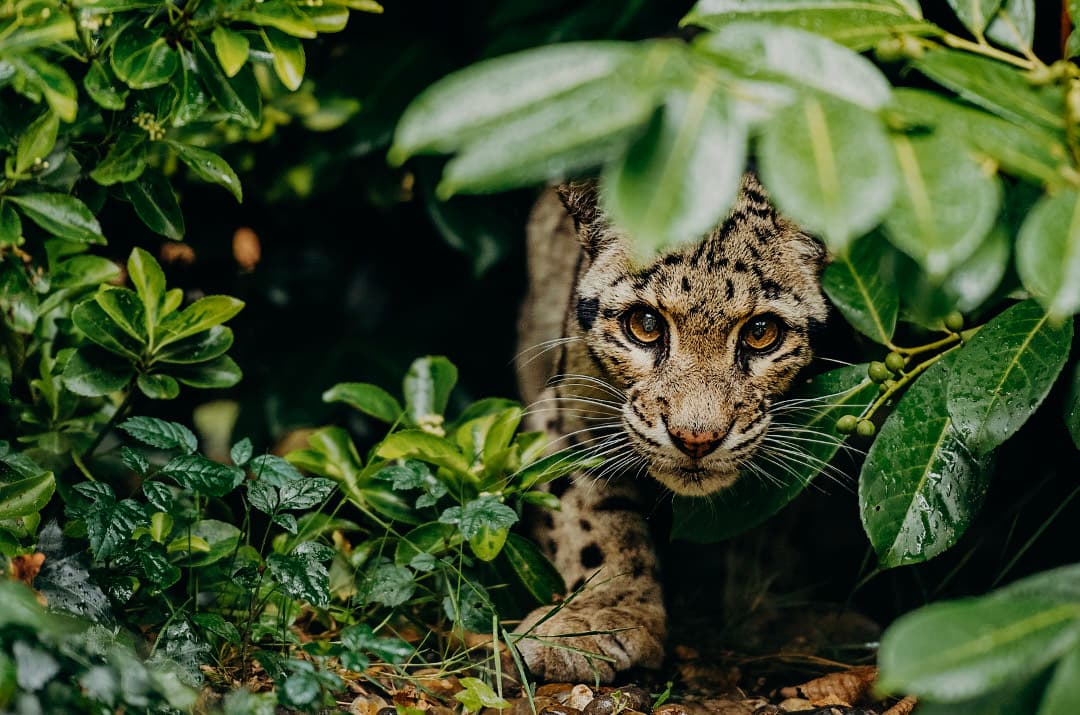
We believe wild animals should live as wild a life as possible, with minimal human interaction.
Unfortunately, many wild animals have been captured from the wild, kept in captivity and mistreated in the name of tourism. Even well-meaning travellers can find it difficult to tell the difference between a genuine wildlife sanctuary and a tourist attraction that profits from animal mistreatment.
We know that living completely in the wild isn't always possible, especially for rescued animals that can't return to their natural habitats. But even in these situations, animals should have space to roam, hide when they want to, and never be forced to interact with tourists.
Ultimately, we believe that the welfare of animals should always come before profit and the needs of tourists. If any experience doesn’t meet our golden rule, we will not list it on Seek Sophie.
Wildlife experiences you'll find on Seek Sophie
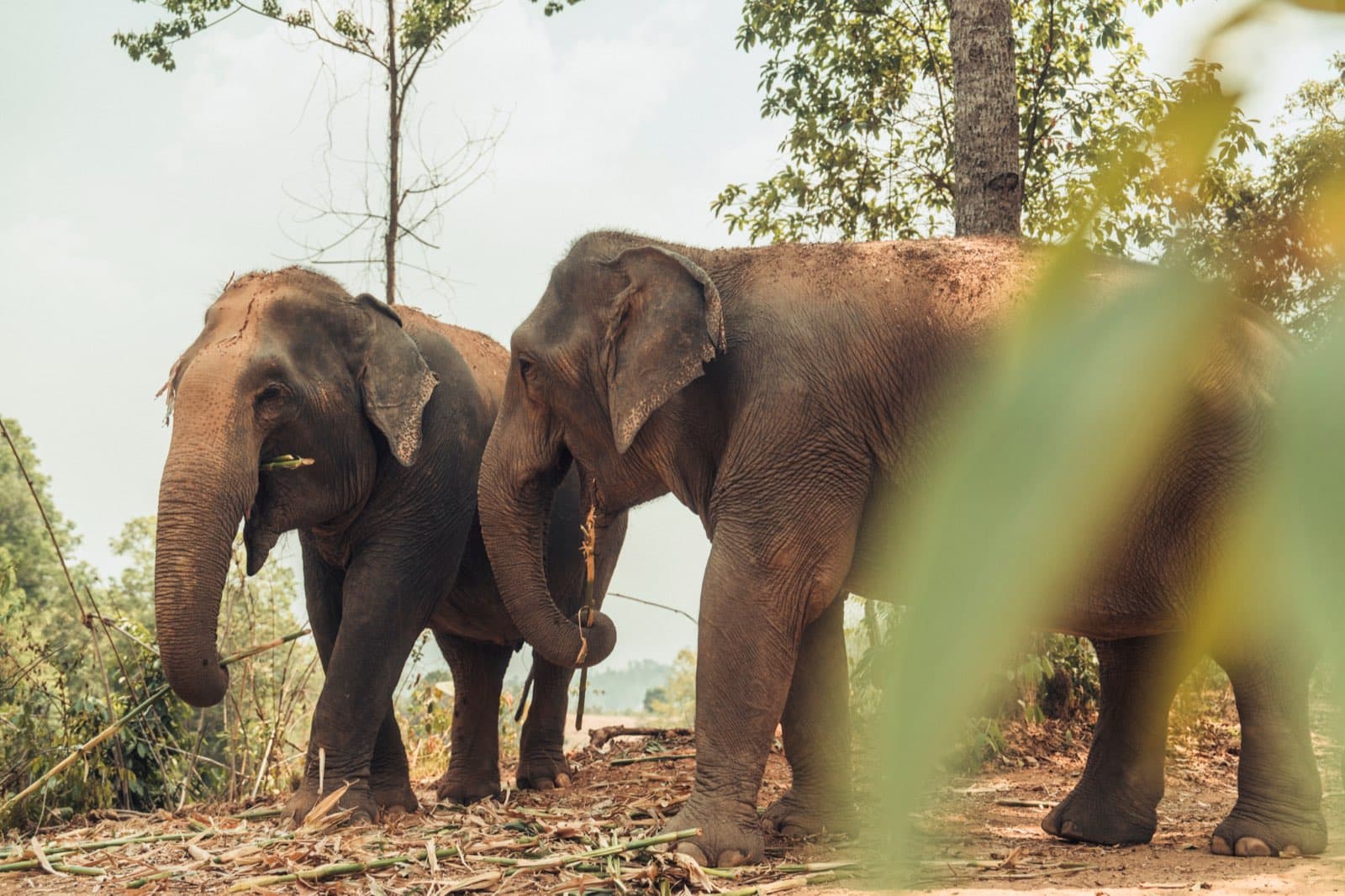
1. Wildlife walks and safaris where animals are entirely wild
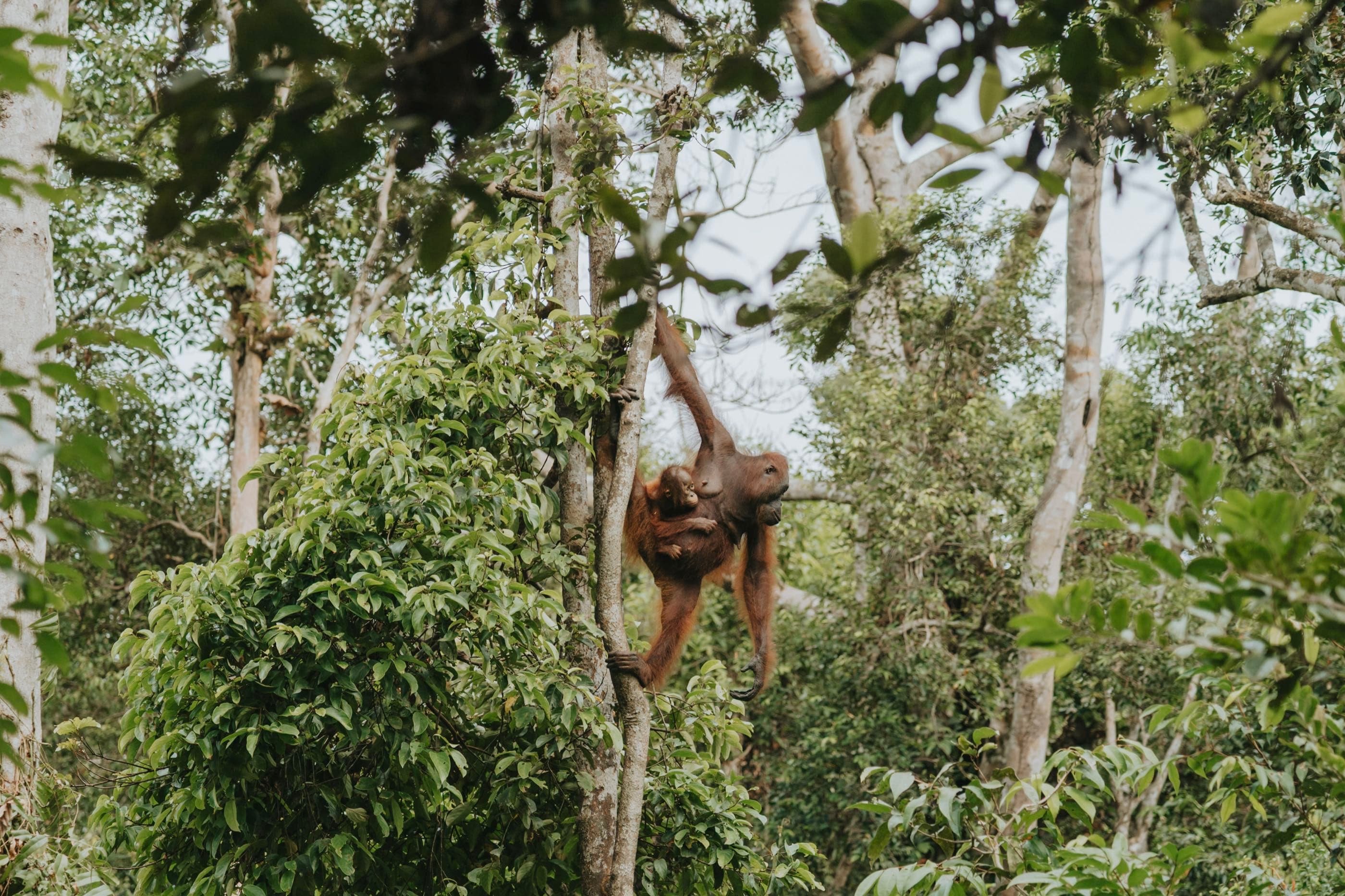
Whether you're looking for orangutans in Borneo, elephants in the forest or Komodo dragons in their natural habitat, we believe the best wildlife encounters happen in the wild.
Sightings aren't guaranteed, because wildlife is unpredictable. We think that's part of what makes these experiences special.
2. Genuinely ethical wildlife sanctuaries
Some animals have been rescued from captivity or injured in the wild and cannot survive on their own.
We support sanctuaries that put animal welfare first, giving animals sufficient space to roam, natural food and conditions as close to their natural habitat as possible.
We're especially careful with elephant sanctuaries, where even places that call themselves "ethical" may still offer activities that are stressful or harmful to animals.
3. Experiences that support wildlife conservation
We love working with conservationists and local communities who are protecting wildlife and their habitats.
This might mean visiting a firefly conservation project in Bali, learning about orangutan conservation in Borneo or joining a community-led wildlife safari.
When done well, tourism can help protect wildlife by giving local communities an alternative livelihood to activities like hunting, logging and deforestation.
4. Responsible snorkelling and diving
We love the underwater world and work with snorkelling and diving guides who respect marine life and its natural habitat.
This means observing animals in the wild without feeding them, crowding them or interfering with their natural behaviour.
Where we draw the line
- No attractions where wild animals are kept in captivity for tourists' entertainment. We don't list zoos, aquariums, petting zoos or attractions where animals are captured from the wild or bred for tourism. If an attraction lets tourists get unusually close to wild animals, that's a big red flag. This includes so-called "safaris" where tigers are kept on leashes or in small enclosures, and experiences where tourists can walk with leopards or pose with wild animals.
The exception is genuine rescue and rehabilitation centres. Some animals have been rescued from captivity or injured in the wild and can't survive on their own. We support centres that care for these animals, help them return to the wild where possible, and put their welfare ahead of tourists' entertainment. - No riding, bathing or performances. We don't support elephant riding, tourist bathing, animal shows or experiences where wild animals are trained to perform for visitors. These activities often involve cruel training methods to force animals to do things they wouldn't naturally do.
- No touching or forced interactions. This includes holding wild animals, posing with them for selfies or getting close enough to cause stress or distress.
- No feeding wild animals to attract tourists. This includes whale shark tourism when wild whale sharks are fed so tourists can swim with them. Feeding can change animals' natural behaviour and make them dependent on people. We make exceptions for genuine rehabilitation or conservation programmes where supplementary feeding is necessary for animal welfare.
- No chasing, crowding or disturbing wildlife. We expect guides to keep a respectful distance and allow animals to behave naturally.
- No sporting activities that harm wild animals, such as trophy hunting.
Our approach to different wildlife experiences
Elephants
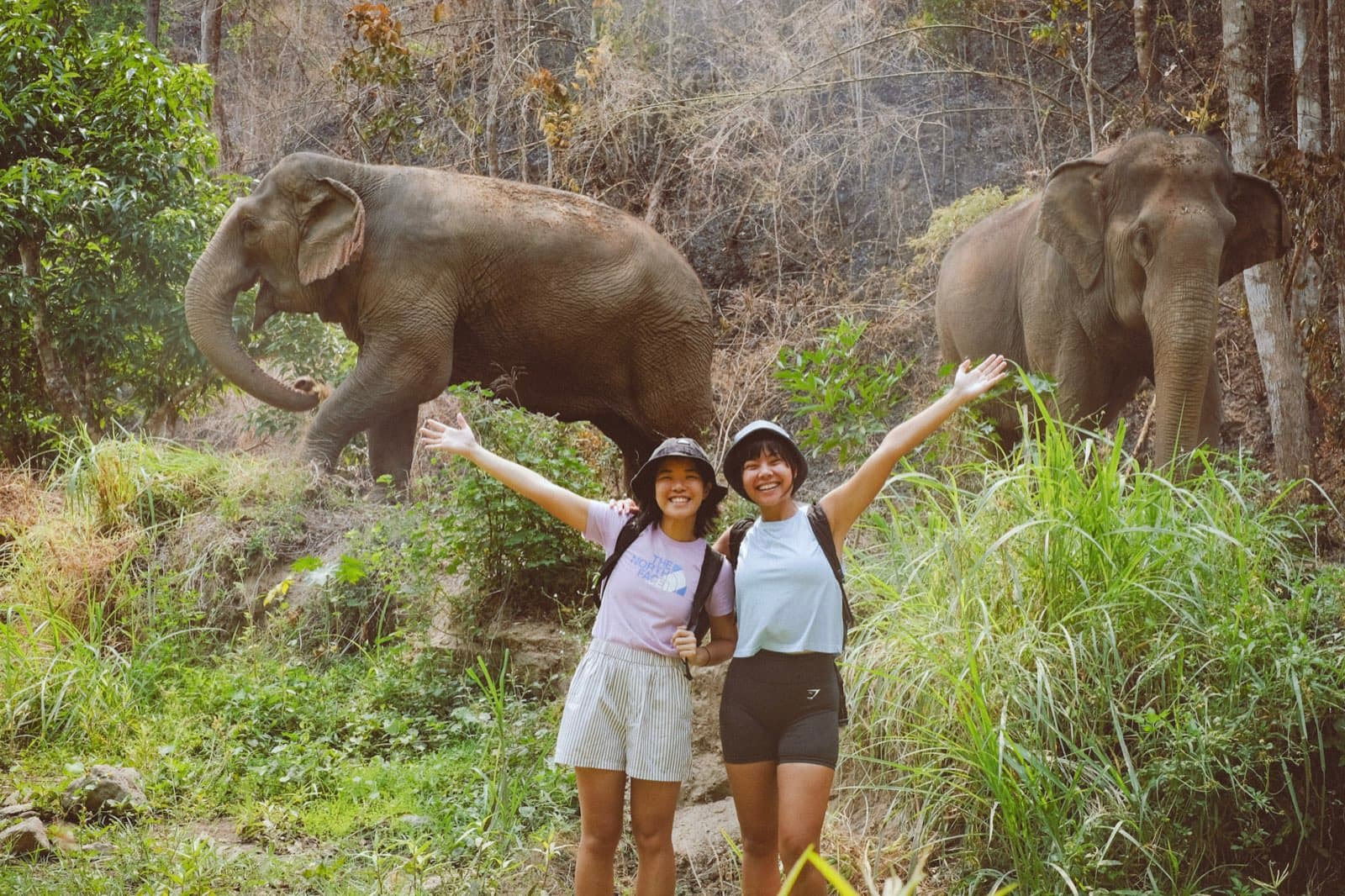
Elephant tourism is complicated in Southeast Asia. Many elephants have spent their entire lives in captivity, and can't simply be released into the wild.
But there's a BIG difference between a sanctuary that lets elephants live naturally and one that makes them entertain tourists. Forced interactions are stressful for elephants and often involve cruel training methods that tourists never see. That's why we don't support elephant riding, bathing, performances or forced interactions, even when they're marketed as "ethical".
Instead, we work with sanctuaries where visitors can watch elephants roam, forage and interact with one another naturally, without being made to entertain tourists. Elephants should be allowed to be elephants, and lead as wild a life as possible given the circumstances.
Elephant tourism and conservation is complicated, and we look at the elephants’ overall welfare, not just appearances. For example, while we'd prefer elephants to roam without restraints, we learnt from conservationists that sometimes the limited use of chains may sometimes be necessary for their safety. What matters is why they're used, for how long, and whether the elephants have enough freedom to move, eat and socialise. These details matter, which is why we work closely with wildlife experts to understand what's actually best for the elephants.
We also believe that protecting elephants means supporting the people who care for them. That's why we work with local communities to support elephant tourism that provides livelihoods for mahouts and carers, without compromising the elephants' welfare.
Orangutans and other primates
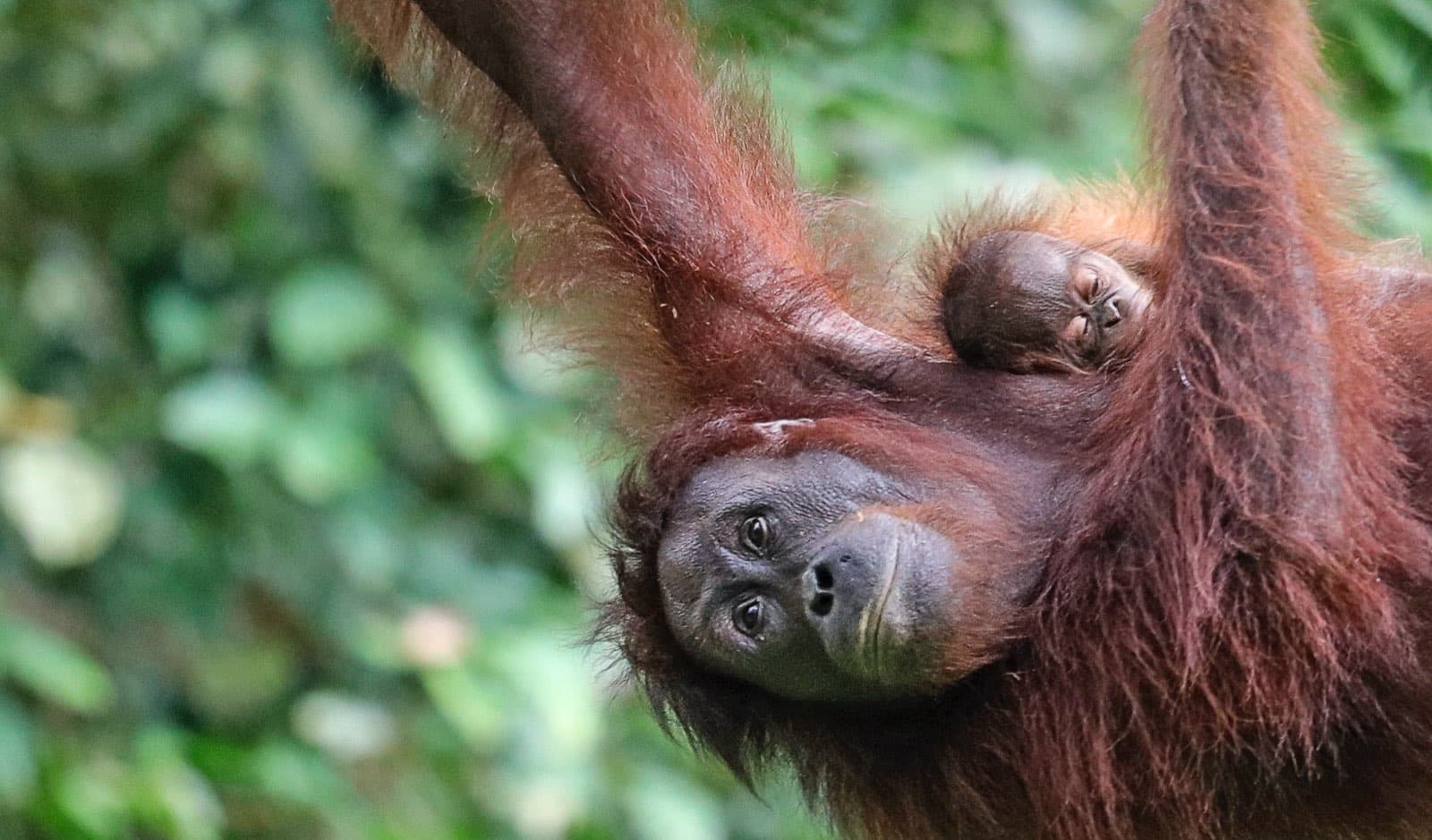
We believe the best place to see orangutans is in the wild, where they can roam freely and behave naturally.
We don't support touching, holding or getting too close to orangutans for photos.
Feeding is more complicated. In places like Tanjung Puting in Kalimantan, orangutans that have been rehabilitated and released into the forest may still need supplementary feeding because they haven't yet learnt to find enough food on their own.
We support feeding programmes where they're genuinely part of rehabilitation and conservation work, rather than a way to attract orangutans for tourists.
We're also careful about how guides behave around primates. We don't support guides who lure animals closer, imitate their calls to provoke a reaction or allow tourists to get so close that the animals become stressed.
Whalesharks, turtles and other marine wildlife
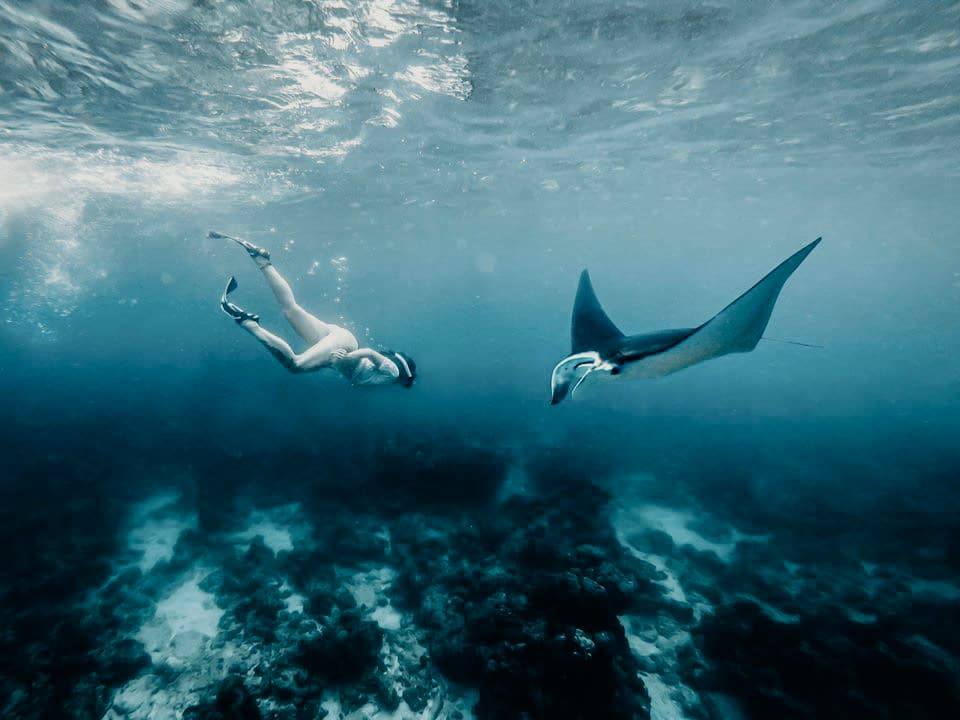
We love snorkelling and diving with turtles, manta rays and whale sharks, but we believe these encounters should happen naturally, without interfering with the animals.
We don't support whale shark experiences where the sharks are fed to attract them to boats. Feeding changes their natural behaviour and encourages them to associate boats and people with food.
For turtles and other marine wildlife, our biggest concern is tourists getting too close for photos. We expect our guides to keep a respectful distance and ensure animals have enough space to move freely, without feeling crowded or stressed.
We also don't support activities where turtles or other marine animals are handled for tourists' entertainment.
Other wildlife
The same principles apply to all wildlife, from Komodo dragons and proboscis monkeys to fireflies and wild birds.
We expect our guides to respect natural behaviour, avoid disturbing habitats and help visitors understand the animals they're seeing.
Sometimes this means watching from further away. Sometimes it means not getting a sighting at all. We're okay with that. Not seeing wildlife on a safari to us is a feature, not a bug! It means that wildlife are allowed to roam freely, with enough space to hide from travellers when necessary.
Help Us Protect Wildlife
Wildlife conservation is complicated, and we don't pretend to have all the answers. We love wildlife and want to do what's best for the animals. That means constantly learning, asking questions and sometimes getting things wrong. When we do, we promise to take it seriously and do our best to put things right.
If you spot something on Seek Sophie that doesn't meet our animal welfare standards, please tell us. We've removed popular experiences after travellers flagged concerns, and we'll continue to do so.
We're committed to speaking up for animals that can't speak for themselves, and making sure that every wildlife experience on Seek Sophie genuinely respects them.