China Has a Monkey Rarer Than the Panda. Here's Why You've Never Heard of It.
We spoke to the rangers who protect them — and the answer says a lot about which animals we choose to save.
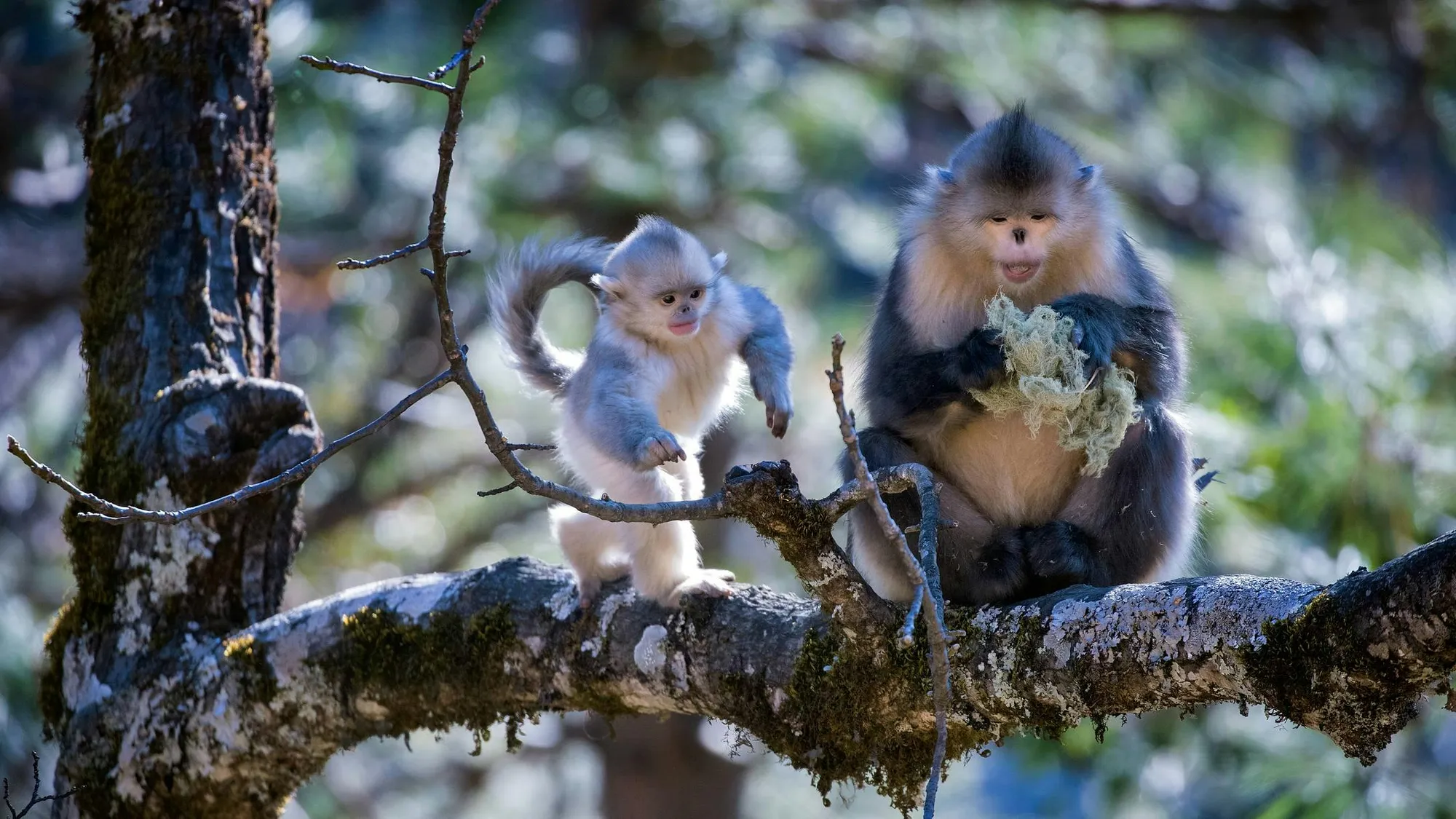
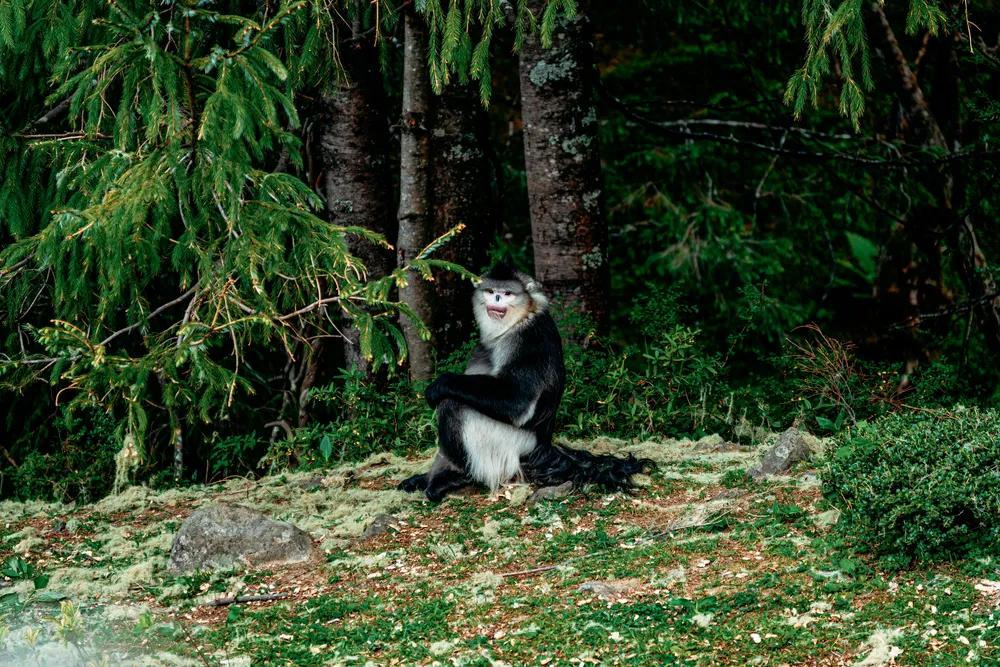
With enormous pink lips and a nose that looks like it's fallen off, you probably wouldn't call the Yunnan snub-nosed monkey cute (though we think they are!).
Here's an uncomfortable truth about saving animals: it helps to be cute and famous. The panda didn't recover because it was the most endangered creature in China. It recovered because everyone around the world fell in love with it, and love turned into funding, national pride and panda diplomacy.
So what happens to the animals nobody falls in love with? We went to Yunnan to meet one. The Yunnan snub-nosed monkey is one of the most endangered and elusive primates on Earth — even rarer than the giant panda.
During our six-day road trip through Shangri-La, we spent a morning at the Yunnan Golden Monkey National Park in Tacheng with the former hunters turned rangers who track these monkeys every single day. This is what they told us — and why so few people have heard of the animal they've dedicated their lives to.
Are the Yunnan snub-nosed monkeys really rarer than pandas? Why hasn't anyone heard of them?
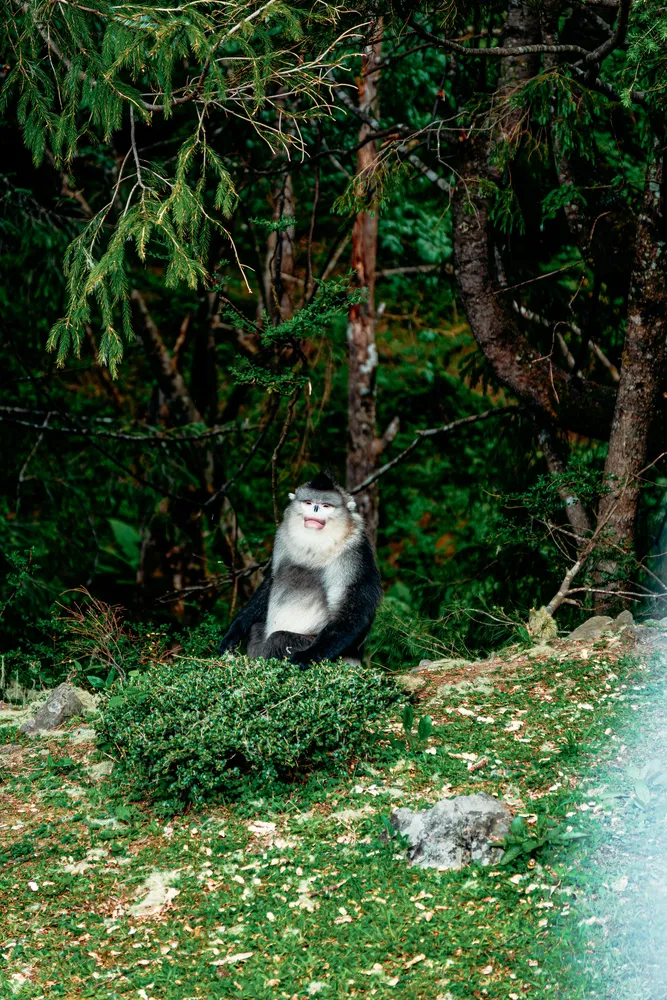
Ranger: Yes. Yunnan snub-nosed monkeys, or golden monkeys are rarer than giant pandas, but hardly anyone knows they exist. Pandas became famous around the world, and that fame brought funding, research and protection. These monkeys never had that same advantage.
They came close once, though. In 1993, nature photographer Xi Zhinong took the first photographs of the monkeys in the wild. The pictures made headlines across China and helped expose the logging that was destroying their habitat.
But unlike the panda, the attention didn't last. The forests were saved, but the monkeys themselves quietly faded from the public spotlight.
Why do they have that flat nose and those thick lips?
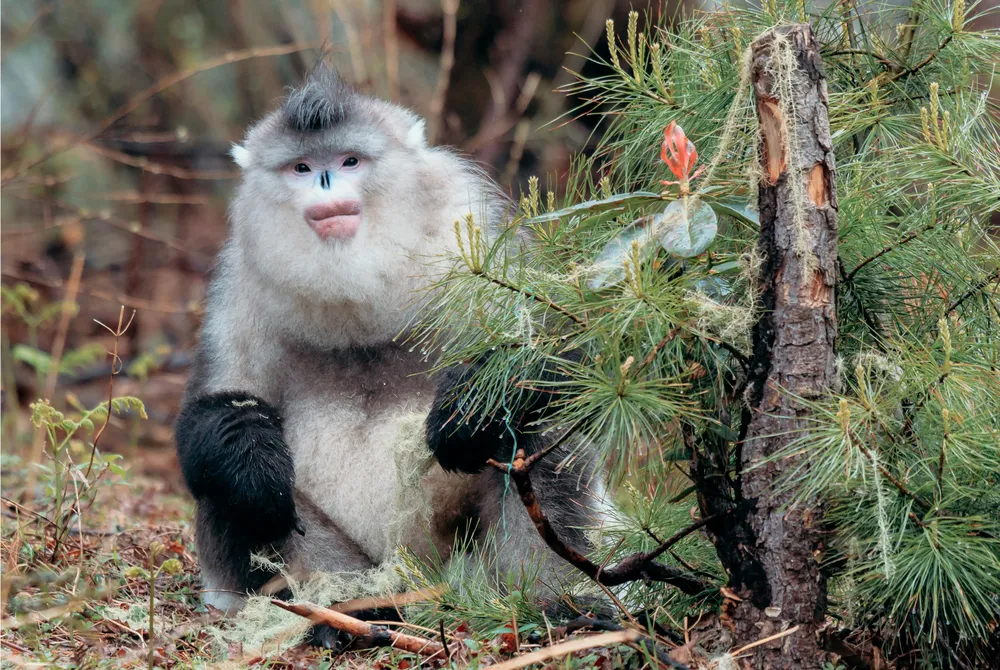
Ranger: It's because of where they live. These monkeys spend their lives at around 3,700 to 3,800 metres above sea level, where winters are extremely cold.
Over generations, the cold actually caused their noses to become shorter. The exposed nose tip simply wasn't useful in such cold conditions, and evolution caused it to freeze and fall off.
Their thick pink lips are another adaptation. At that height, everything they eat is freezing cold. So they evolved lips that let them take food in without exposing much skin to the cold.
What are they actually like? Do they have personalities?
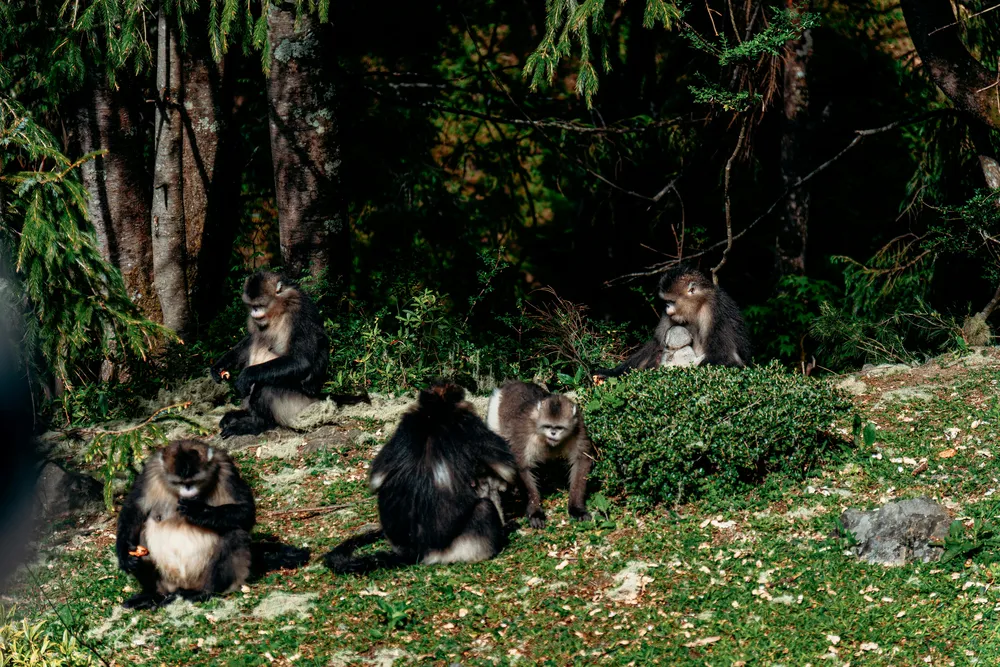
Ranger: Very much so. Each family has one dominant male and several females. Our most impressive male is called Qijiu — "Six Star." He's just turned ten, in his absolute prime, and he has eight wives. There's another male we call Daihong — "replacing Hong." We used to have a male named Hongdian, Red Dot, after a birthmark above his ear. Daihong killed him and took over his whole family. Five wives, just like that.
It’s brutal, but that's how nature works. You can actually tell what they're fighting over just by watching how they fight. If it's about mates, the attacking male will go for the female first — chase her off — and then the two males fight it out. Whoever wins takes the female. But if it's about territory or food, the two males go straight at each other.
Why did they become endangered?
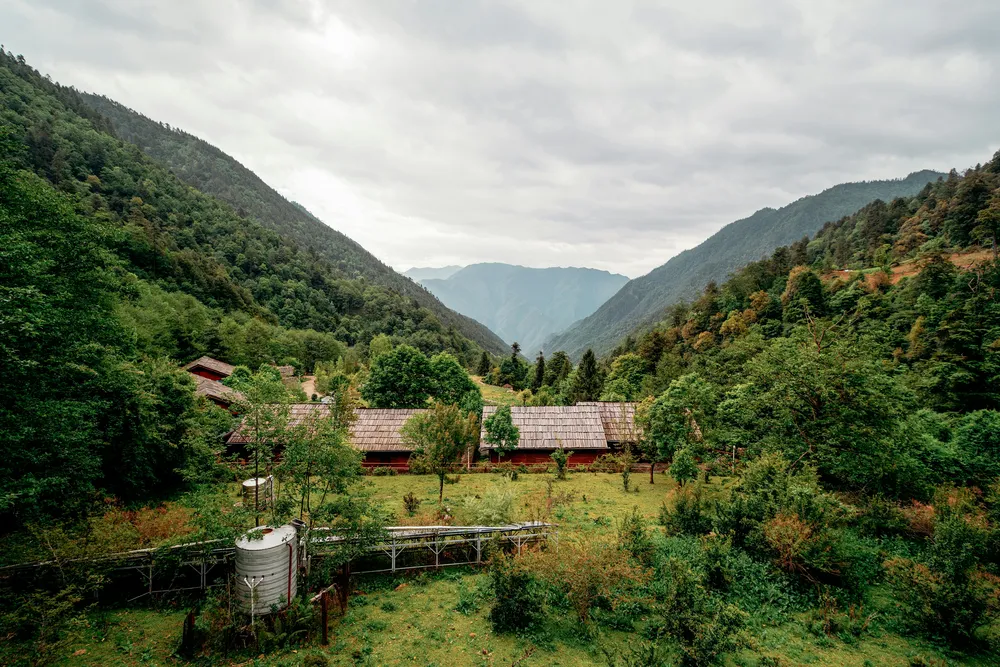
Ranger: The biggest reason was people. Years ago, there was very little protection. This area was used for logging, hunting and collecting forest resources, all of which reduced the monkeys' habitat and food supply.
Local communities also competed with the monkeys for the same resources. People harvested bamboo shoots — one of the monkeys' most nutritious seasonal foods. And hunting — people in Lijiang used to rely on hunting to make a living, but that's all banned now.
Without protection, the monkeys also lost many babies to golden eagles, one of their main natural predators.
How did conservation come about?
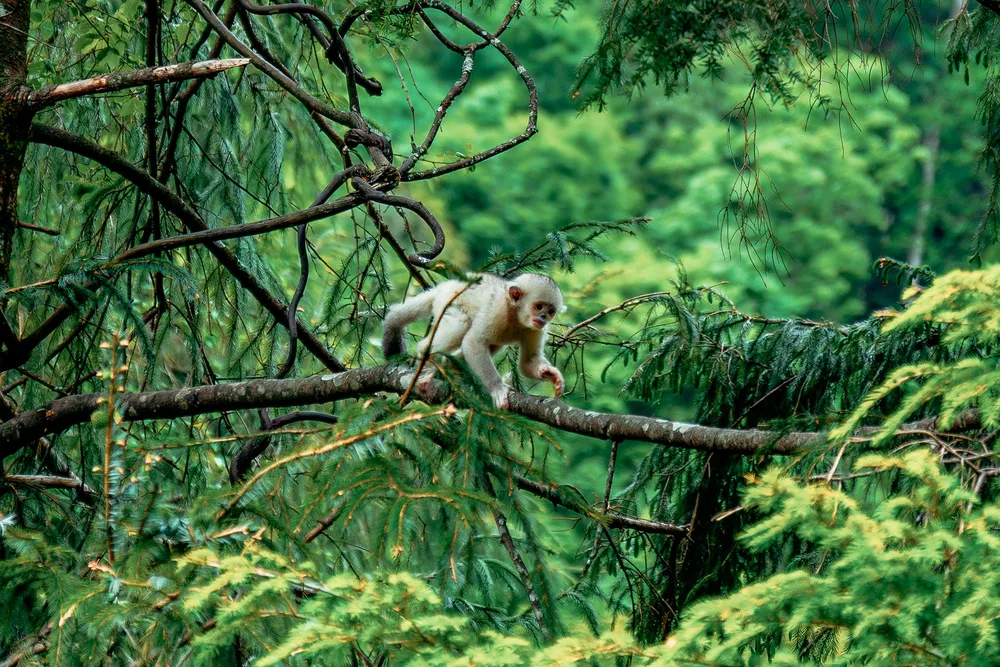
Ranger: It started when people here realised how precious the monkeys were.
Years ago, local communities depended on these mountains for their livelihoods. People hunted wildlife, collected medicinal plants and harvested forest resources, while logging gradually destroyed the monkeys' habitat.
But once the area became protected as Baima Snow Mountain National Nature Reserve, people started to realise how precious these monkeys were, and everything changed. Hunting and logging were banned, and many of the hunters became the monkeys' biggest protectors instead. Today, around 30 local rangers spend every day tracking the monkey families, recording births and injuries, and protecting the forest.
The conservation is working. In 2009, there were around 2,300 Yunnan snub-nosed monkeys left in the wild. Today there are about 3,800, with the largest population living here in the Baima Snow Mountain range. The work isn't finished, but the population is growing.
How do you protect them today?
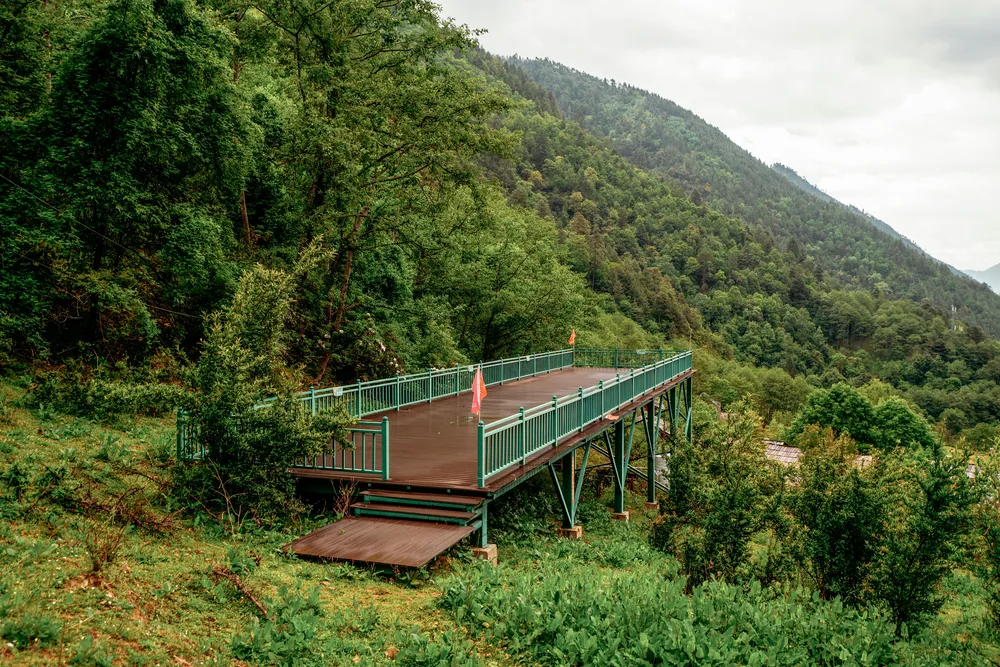
Ranger: We have around 30 rangers here, and almost all of us are from the nearby villages. Each ranger is assigned to a family group. We record births, pregnancies, injuries and changes in the families. If a monkey is injured, we bring it to the rescue centre before releasing it back into the wild. We also protect the forest itself by helping prevent fires.
Sometimes the best protection is simply being there. Golden eagles are one of the monkeys' biggest predators, especially for babies, but they're far less likely to attack when rangers are nearby.
Why do you feed the monkeys?
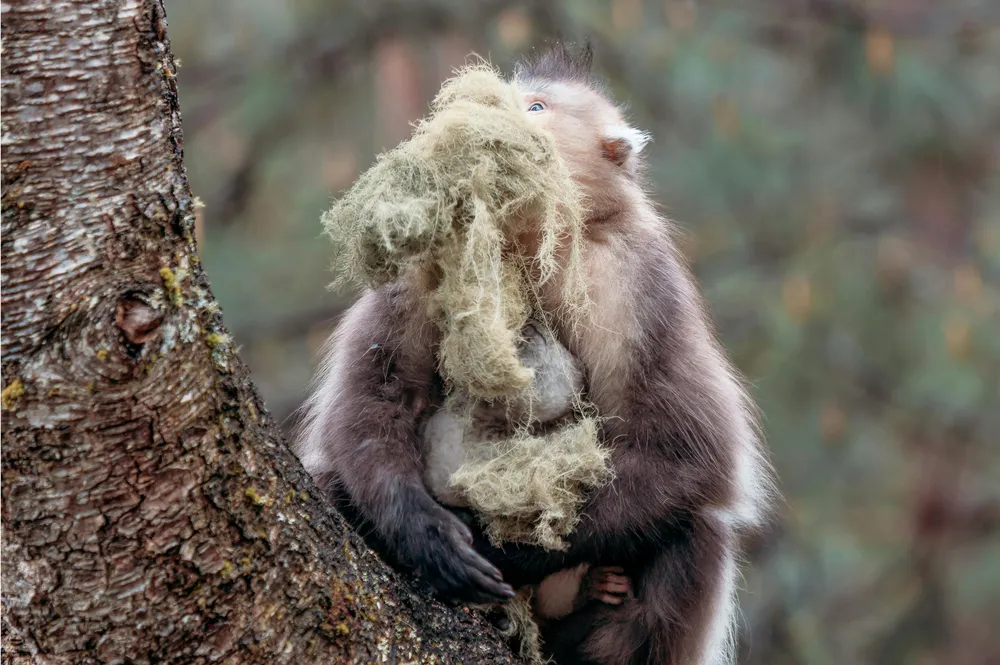
Ranger: The monkeys you see here are a small population of around 70 individuals across eight family groups. Compared to the much larger wild population deeper in the mountains, these families are more vulnerable and don't always have reliable access to enough Spanish moss, especially in winter. The daily feeding helps supplement their natural diet.
It's not meant to replace wild foraging. The monkeys still spend the rest of the day finding their own food. There's an all-male bachelor group nearby that we don't feed at all.
Our priority here is conservation, not feeding. The viewing platform changes every day based on where the monkeys choose to sleep, visitors are only allowed in the mornings, and after that the monkeys continue their day undisturbed.
How can visitors see the monkeys?
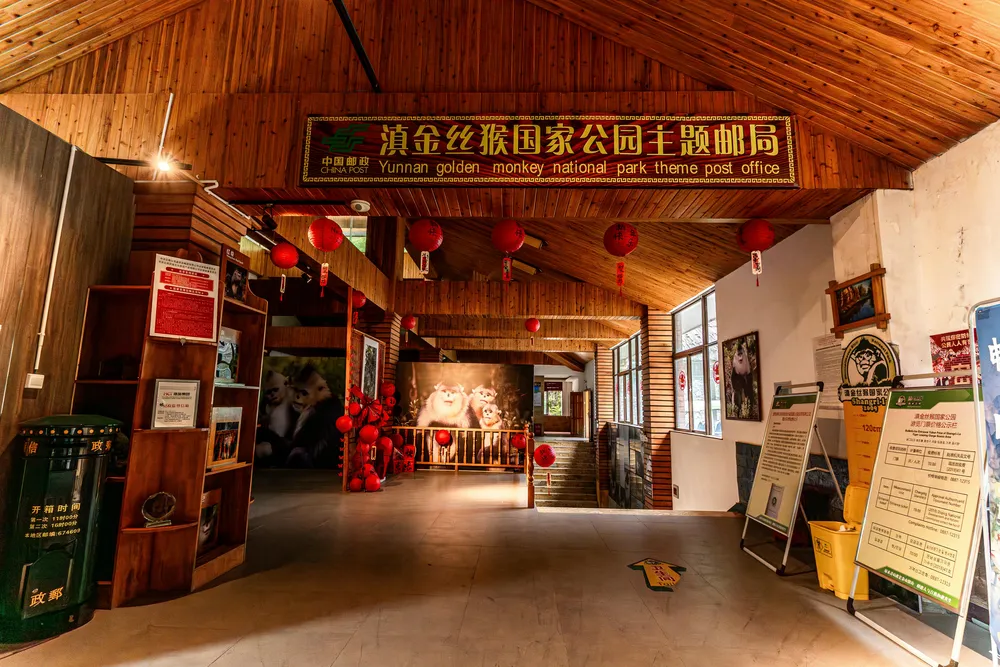
Ranger: Visitors can come to the Yunnan Golden Monkey National Park, within Baima Snow Mountain National Nature Reserve, near Tacheng. We have more than 70 observation points across the reserve. Every evening, our rangers follow the monkeys to wherever they choose to sleep, so we know which observation point to open the next morning.
Visitors are only allowed in the mornings before the monkeys continue the rest of their day undisturbed. We keep a viewing distance of around 8 to 10 metres, and whether the monkeys come any closer is entirely up to them.
What do you hope visitors take away?
Ranger: Awareness, more than anything. These monkeys have the same problem as a lot of lesser-known animals — people don't even know they exist. Pandas recovered partly because the whole world paid attention. Once people cared, the funding, research and protection followed. These monkeys never had that.
We hope visitors leave here talking about them. If more people know these monkeys exist, more people will care about protecting them. You can't save a species if nobody knows about it.
Conservation isn't cheap. We only open the reserve to visitors for a few hours each morning, and even then we run at a loss. The ticket revenue doesn't even cover the cost of feeding the monkeys, let alone paying the rangers who follow them through the mountains every day. But we still do it because awareness is one of the most important tools we have. If people never see these monkeys, they'll never understand why they're worth protecting.
Our take: a word on wildlife tourism in China
At Seek Sophie, we're cautious about wildlife experiences, especially in China, where too many animals are treated as entertainment rather than wildlife. If an experience lets you get close enough to touch, hold, ride or hand-feed an animal, it's a no from us.
That's why we decided to see it for ourselves and why we spent so much time talking to the rangers before deciding whether we'd recommend this experience.
What changed our minds was how the reserve is run. The monkeys roam freely across Baima Snow Mountain National Nature Reserve and visitors are only allowed in for a few hours each morning. The daily feeding is a small supplement of Spanish moss, and they still spend the rest of the day finding their own food. It's a genuine conservation programme, with local rangers tracking the monkeys every day and a rescue centre treating injured wildlife.
How you can actually help
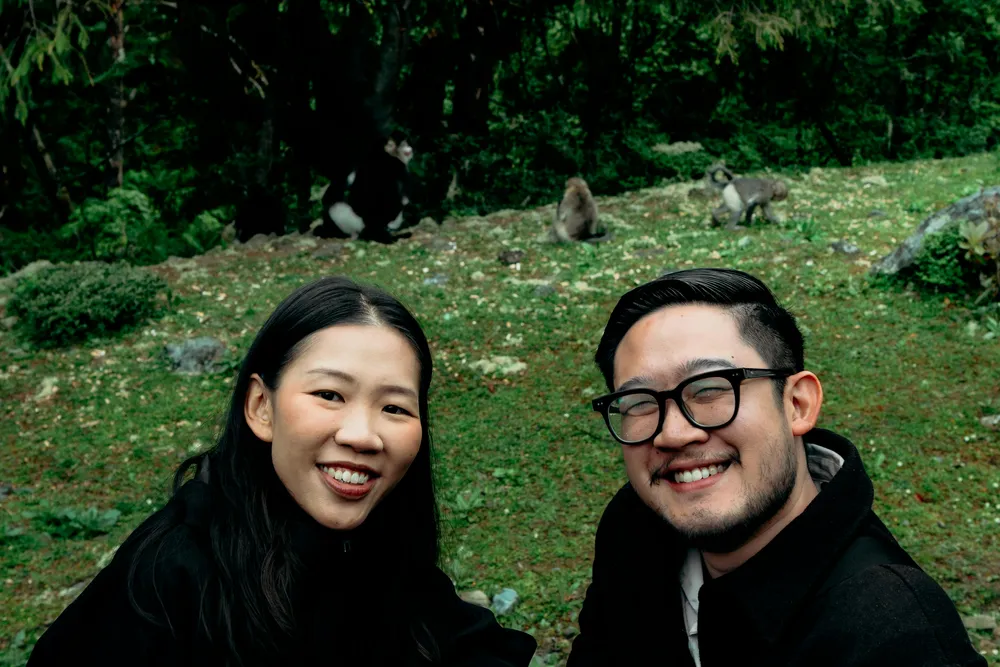
Go and see them responsibly. Every respectful visitor is a small vote for the monkeys' future. Your ticket helps support the rangers who spend every day protecting them, the rescue centre that treats injured wildlife, and a conservation model that transformed local communities from hunters into protectors.
And don't just see the monkeys — talk to the rangers too. They may not speak much English, but a translation app goes a long way. Ask them about the monkey families they follow, the babies born that year, or how they've watched the population recover. They're the heart of this story, and spending a few minutes with them gives you a far deeper appreciation than simply taking a photo ever could.
We've included this experience in our 6-Day Shangri-La Loop, so you can see the monkeys, meet the rangers, and understand the conservation story behind them.
Then tell people they exist. The panda became a global icon because people knew its story. Every visitor who leaves these mountains talking about an unconventionally looking monkey is a tiny act of conservation that anyone can do.