The Best Wildlife Spots
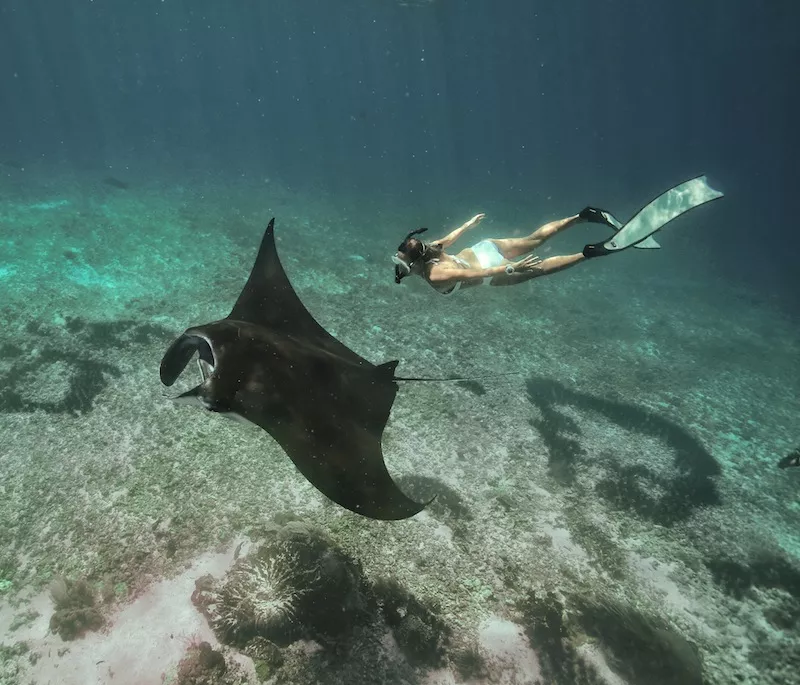
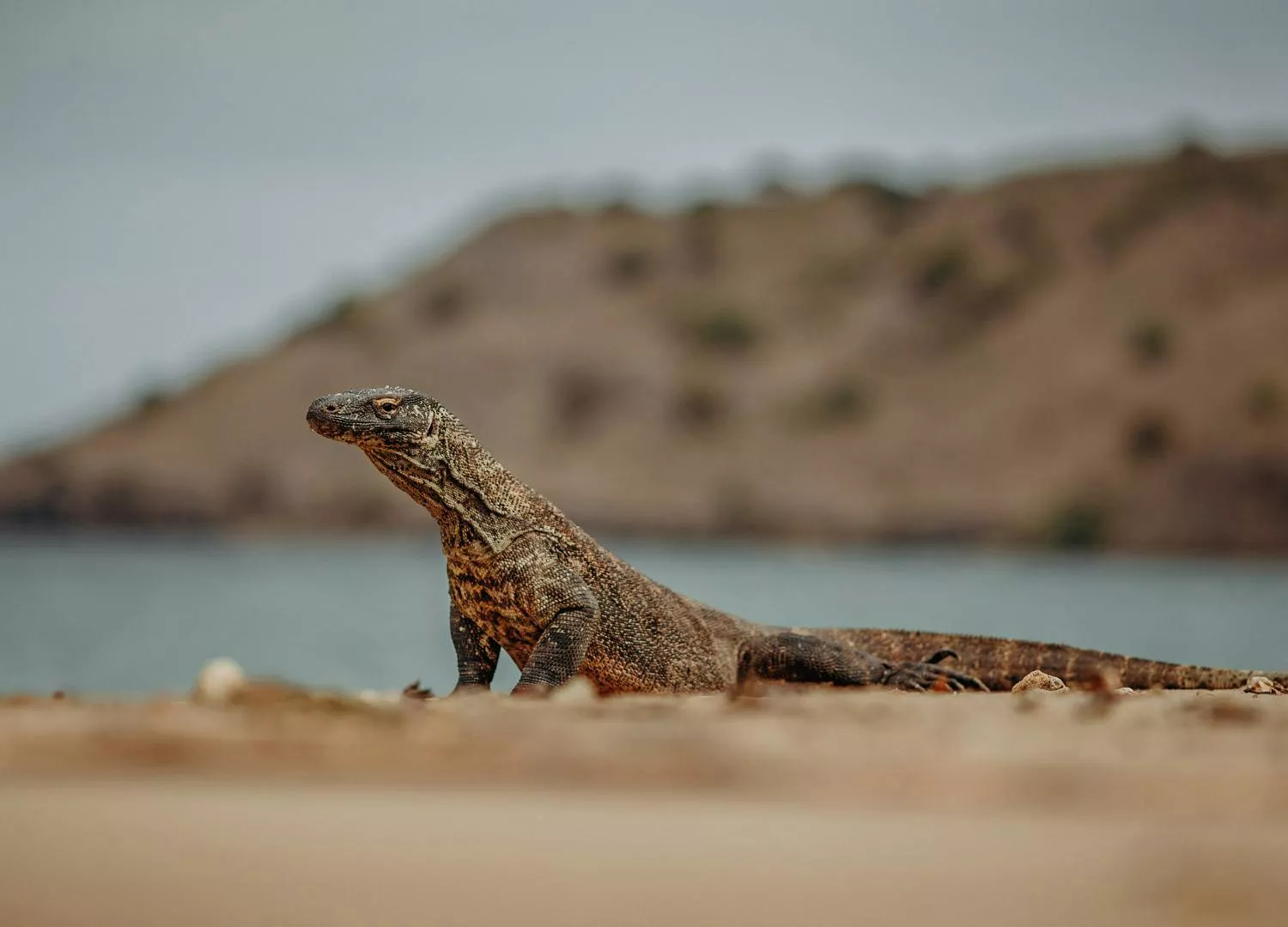
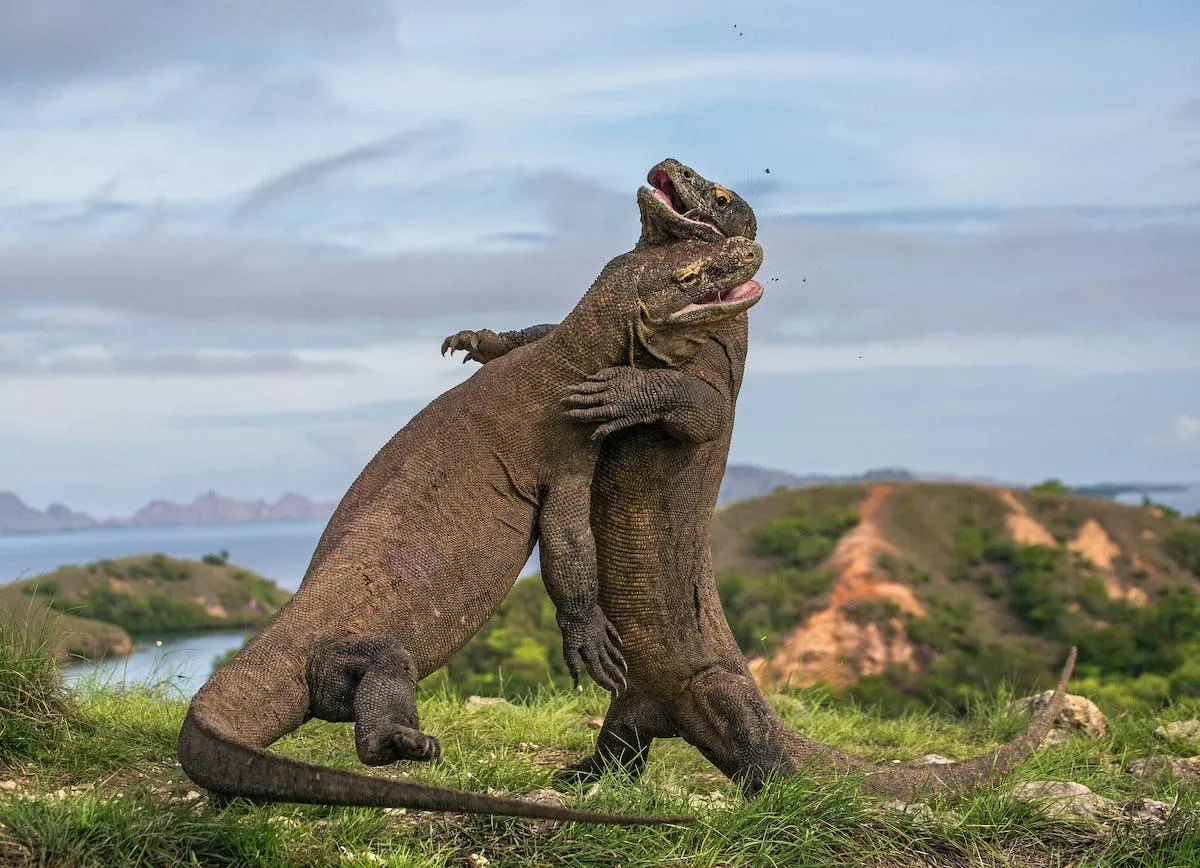
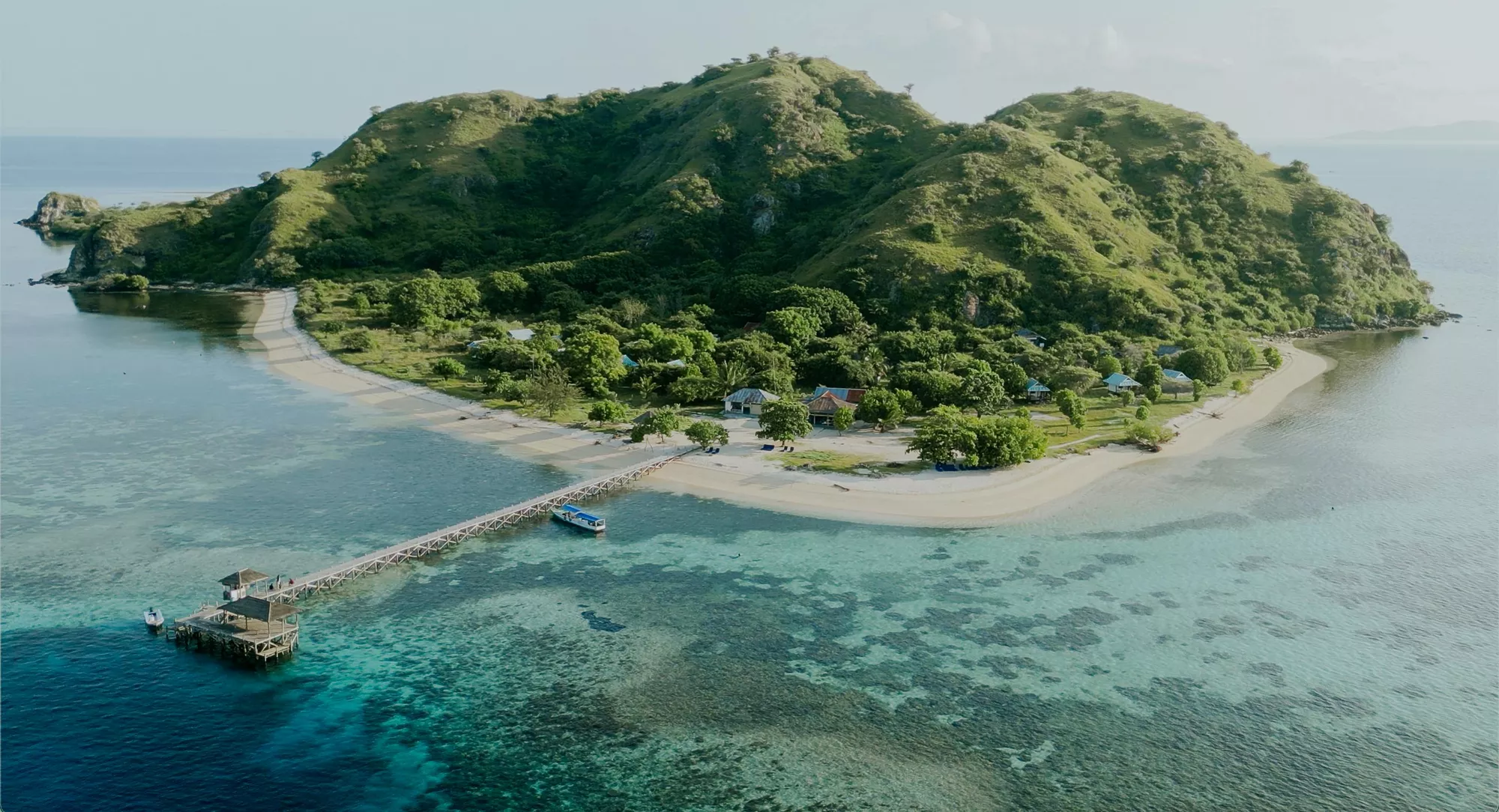

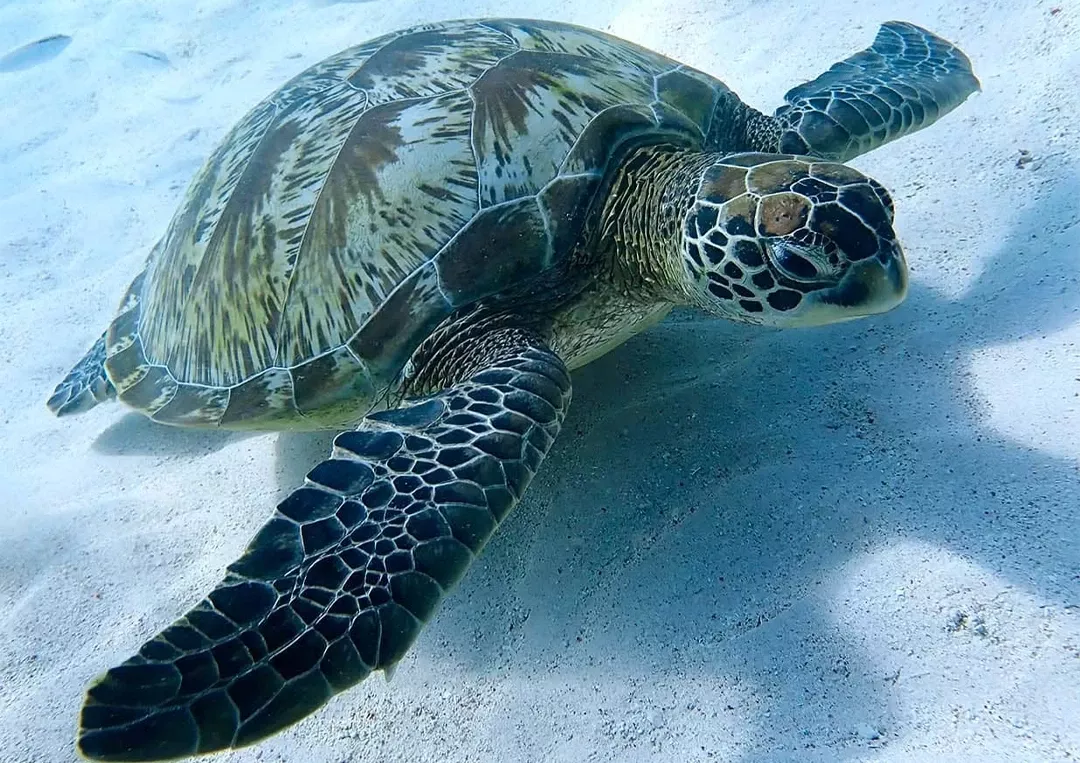
Komodo is one of Indonesia’s wildest adventures. Think real-life dragons, manta rays, and turtles all in one trip. You’ll hop on a boat, dive with giant oceanic mantas, and hike the hills of Rinca and Komodo islands to see Komodo dragons in the wild. Don’t miss Pink Beach and the epic sunrise views from Padar Island.
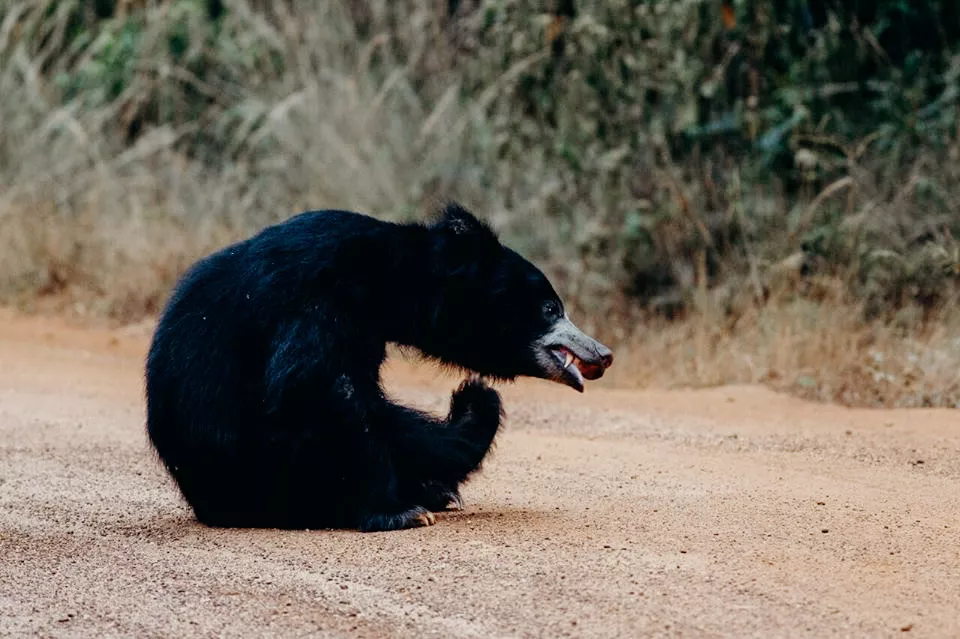

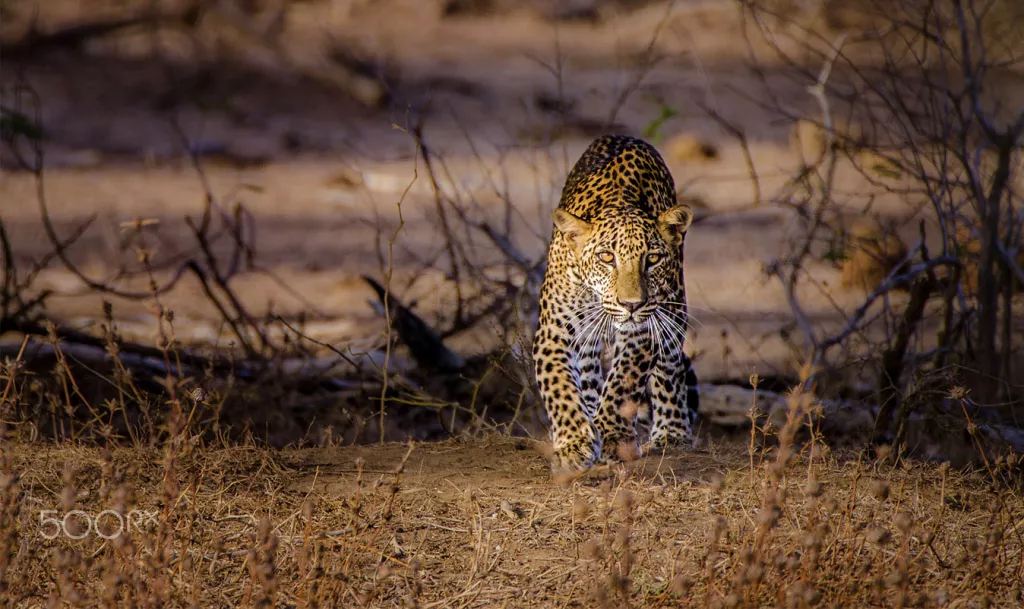
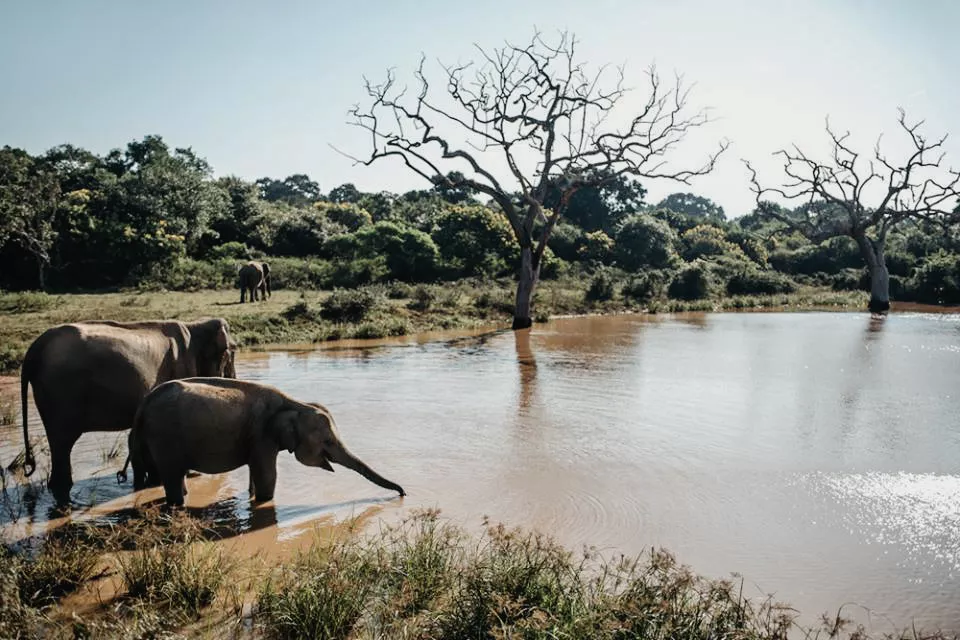

Yala is Sri Lanka’s most popular safari destination, for good reason. It’s one of the best places in Asia to see wild leopards, along with elephants, crocs and sloth bears. The landscape feels part African savannah, part jungle. It’s also one of the few places with luxe safari lodges—great if you want a bit of pampering. It's popular though, so expect some jeep traffic jams.
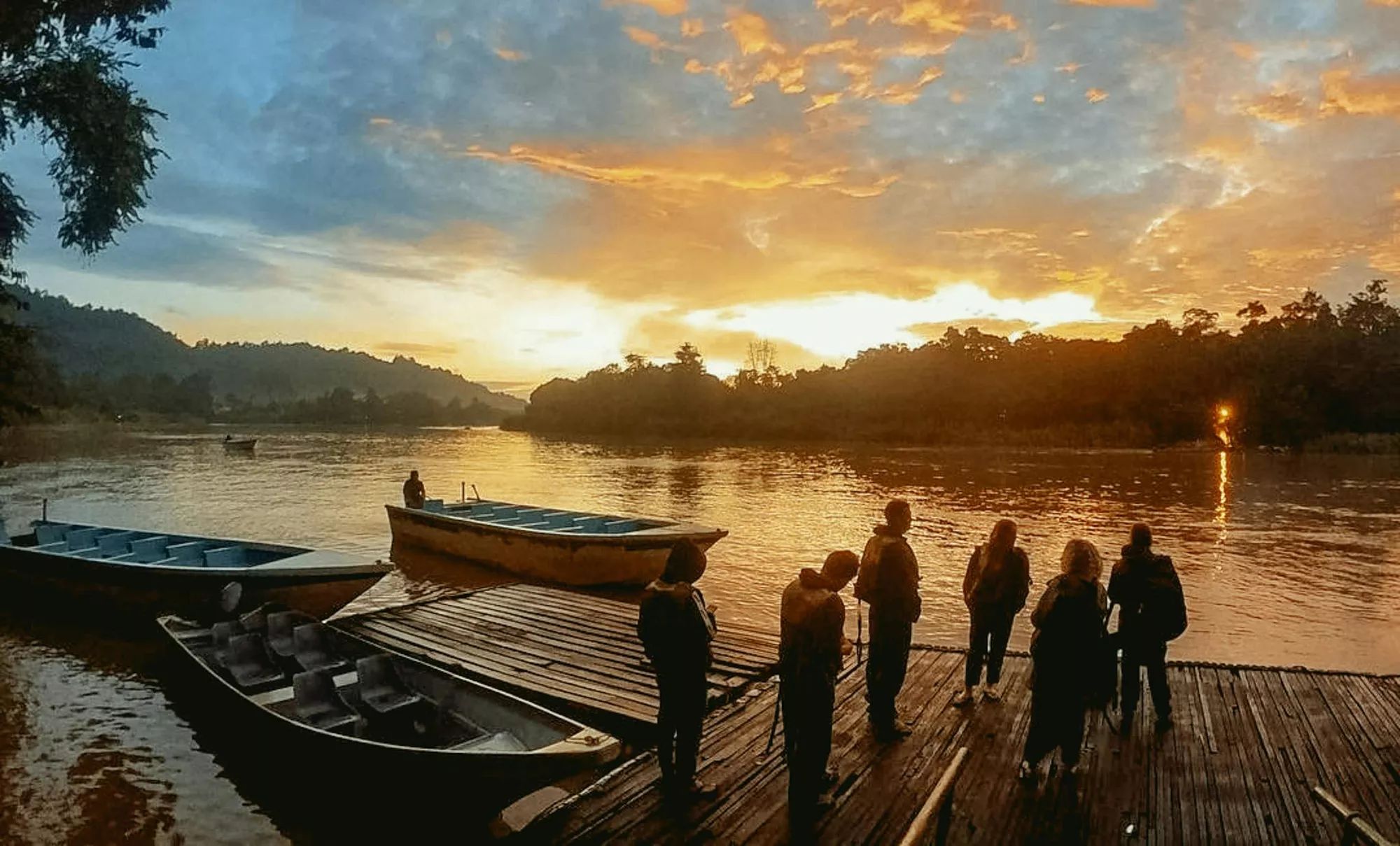
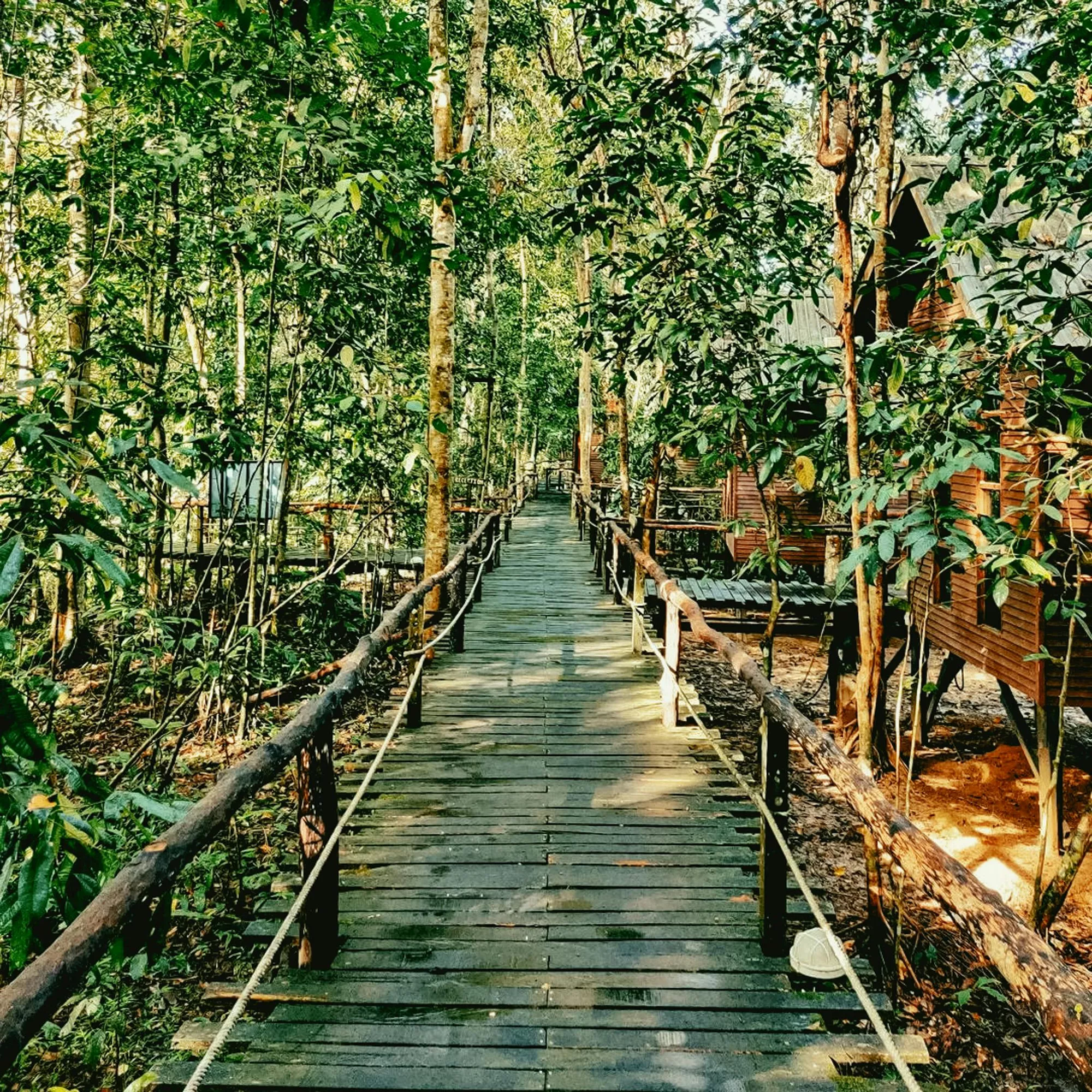
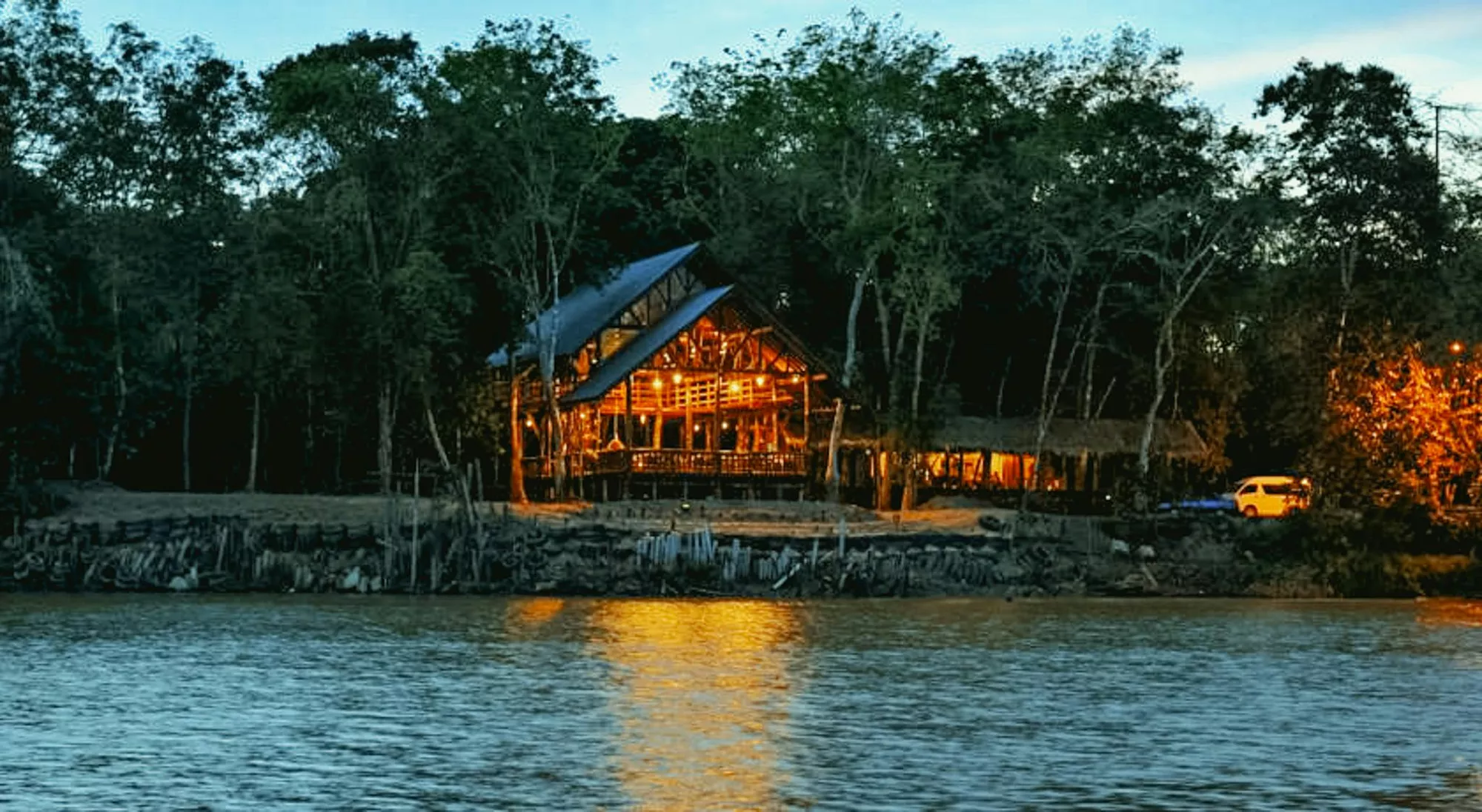
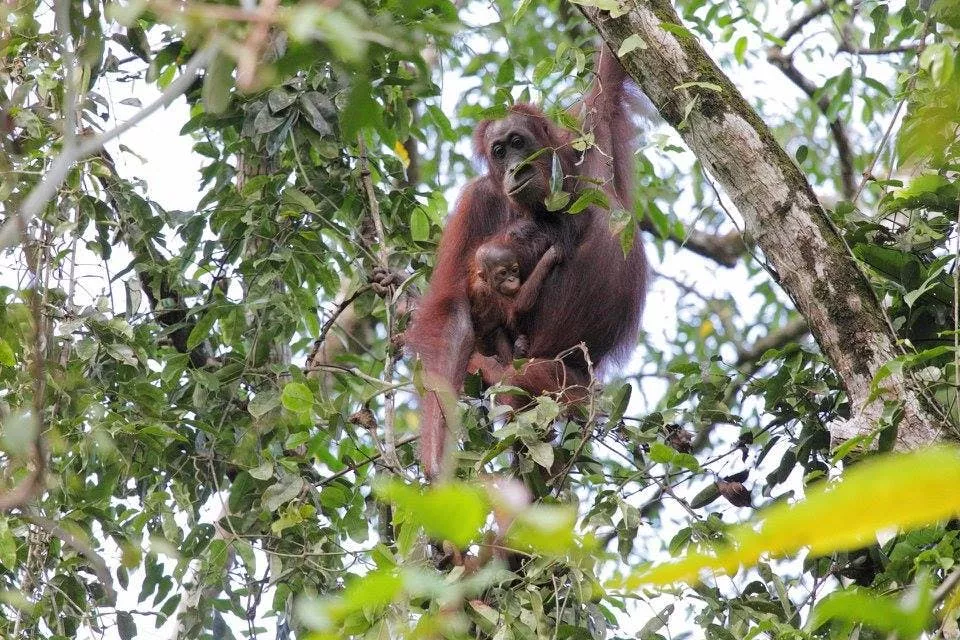
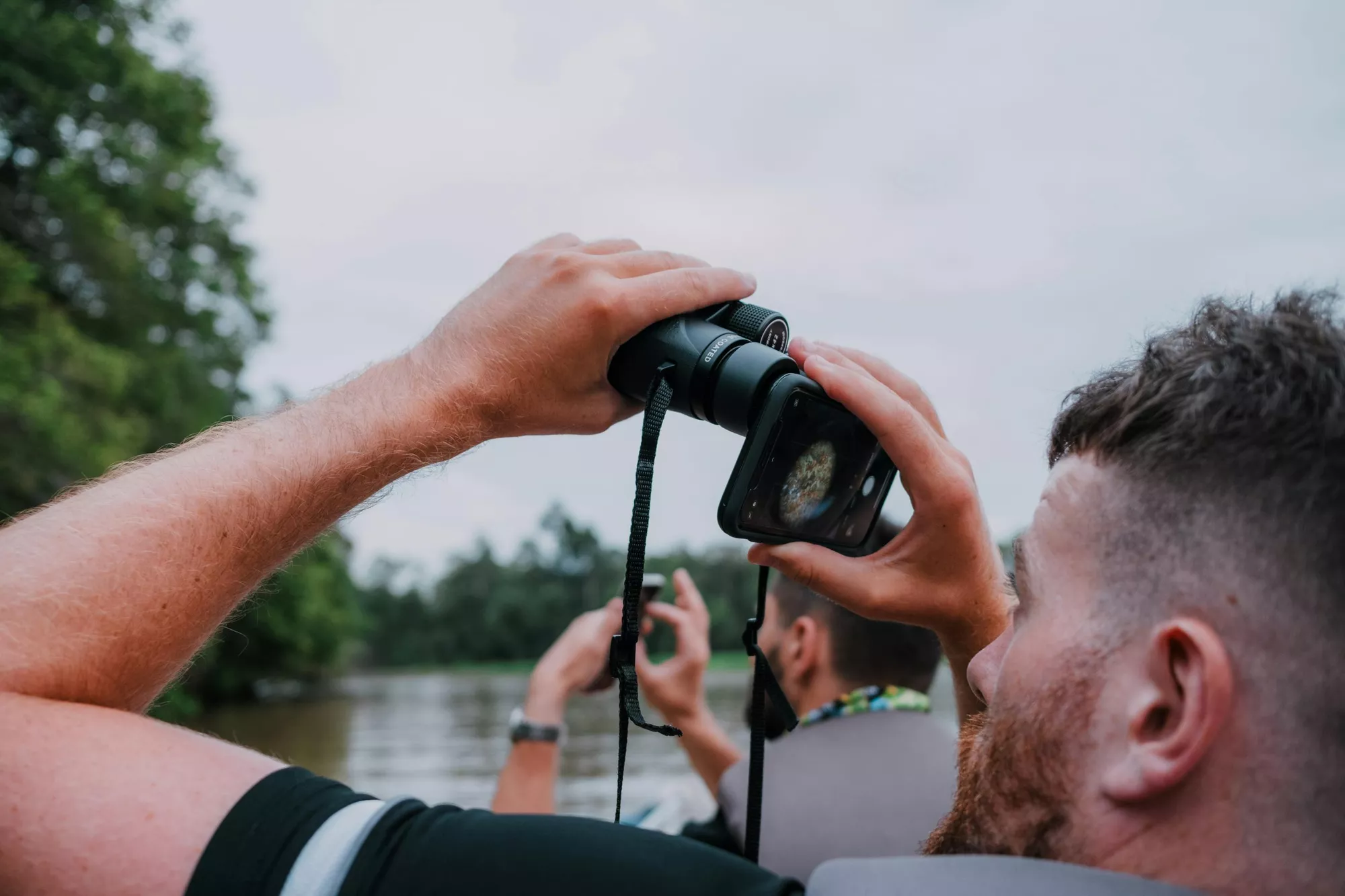
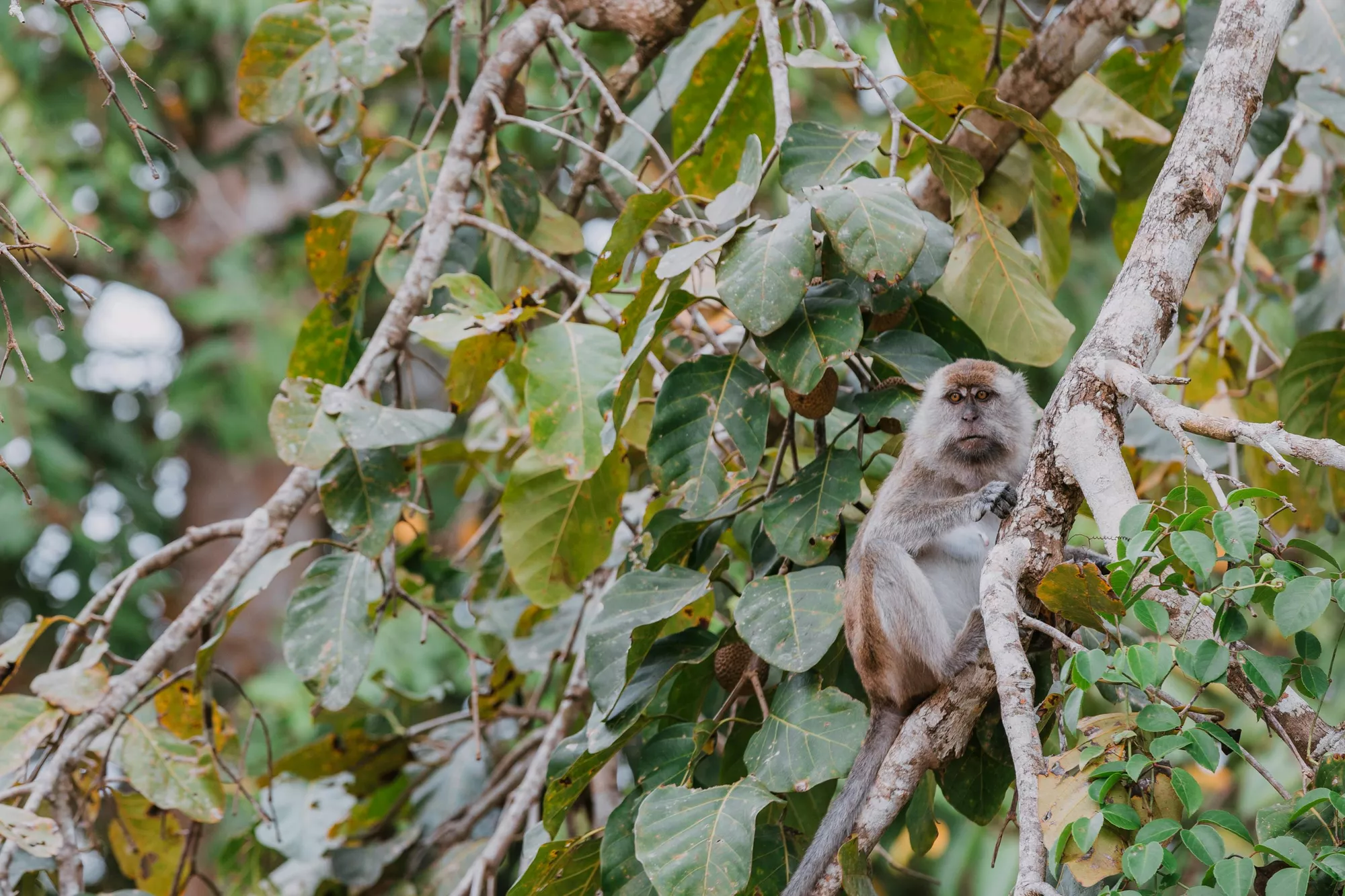
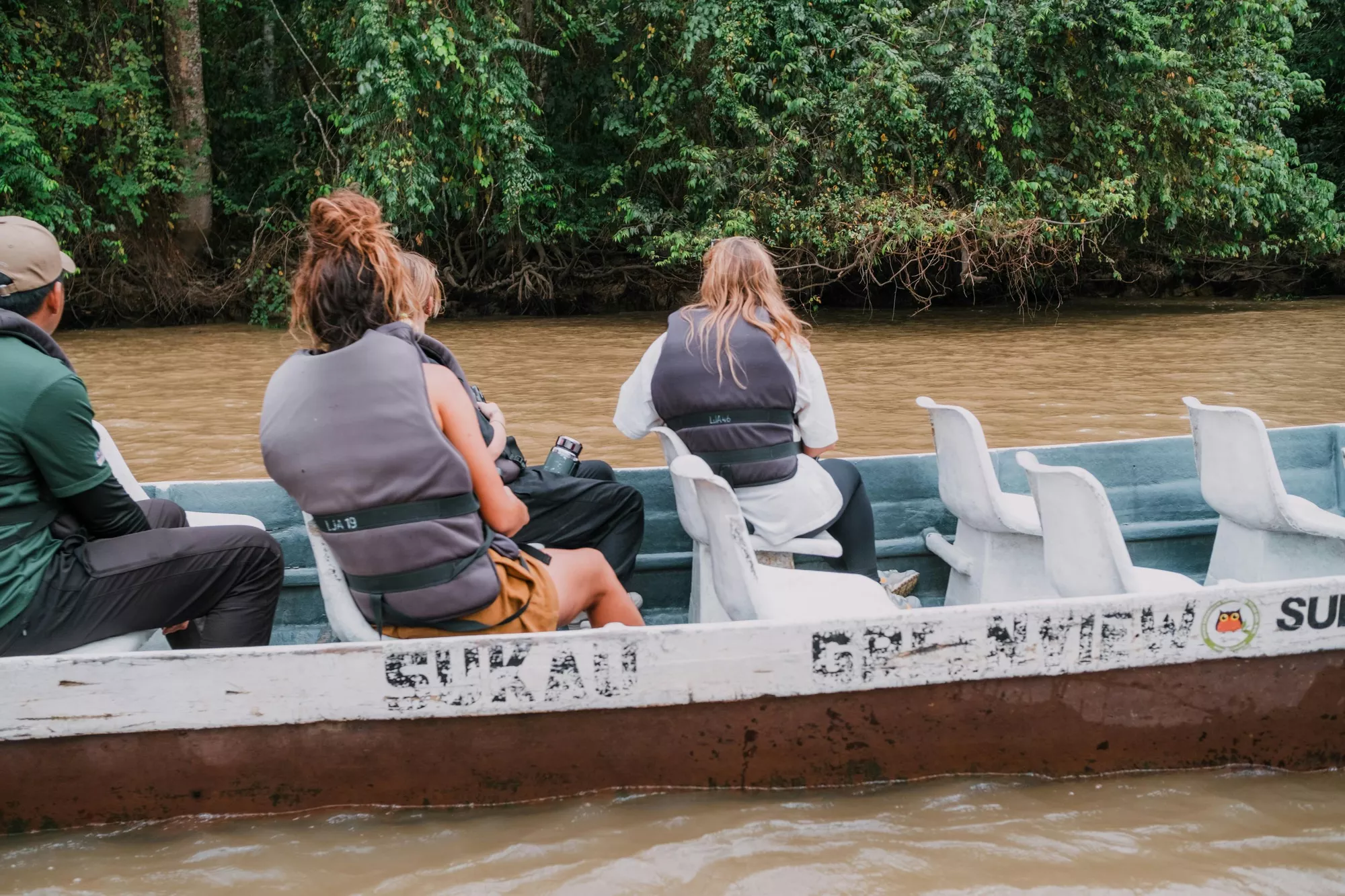
Kinabatangan is one of Borneo’s top wildlife spots. Cruise the river to spot proboscis monkeys, orangutans, pygmy elephants, and hornbills. Nearby, you’ll also find Turtle Island, and the orangutan and sun bear sanctuaries — so there’s a lot packed into one trip. It’s great for families and birders — you’re basically guaranteed to see lots of animals without hardcore trekking.
TIP
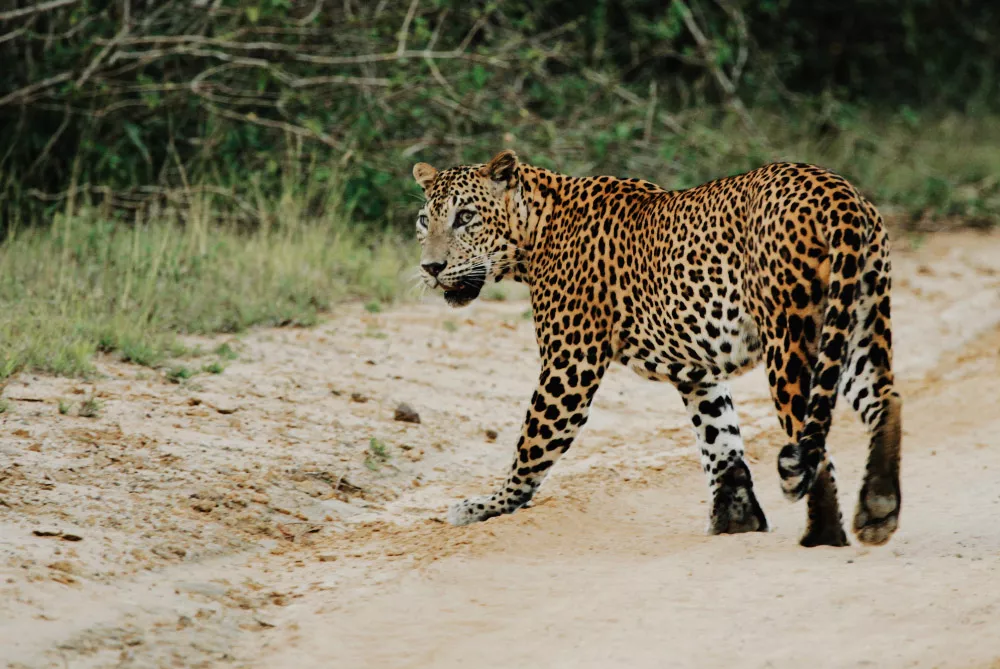

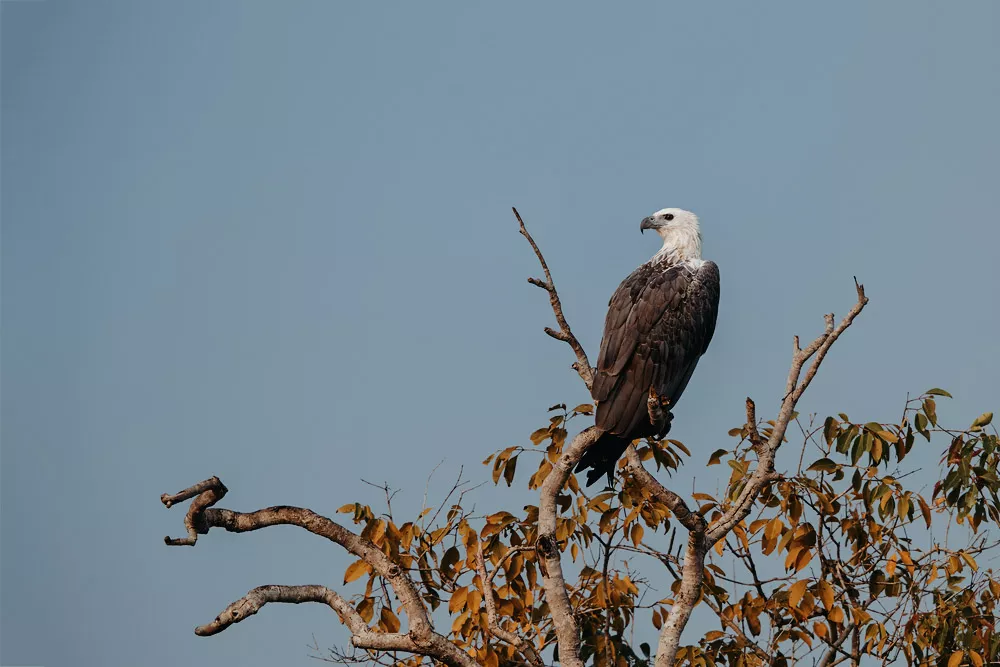
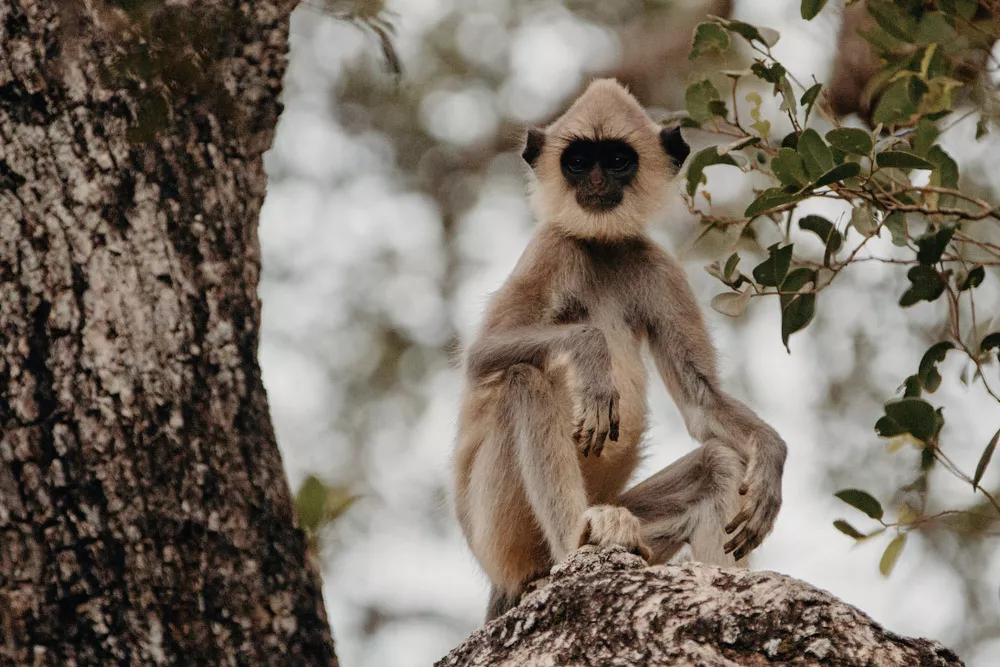
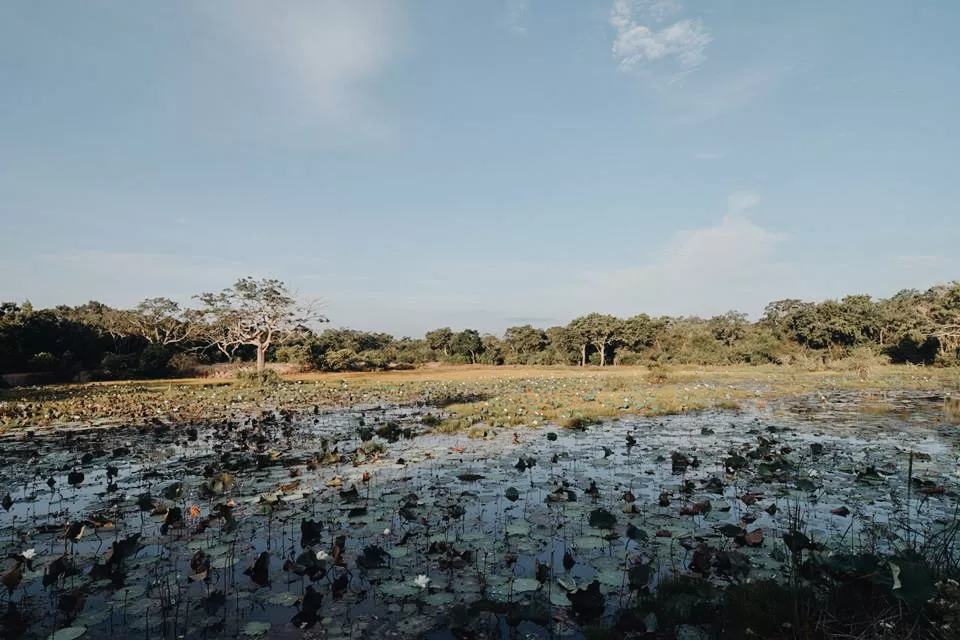
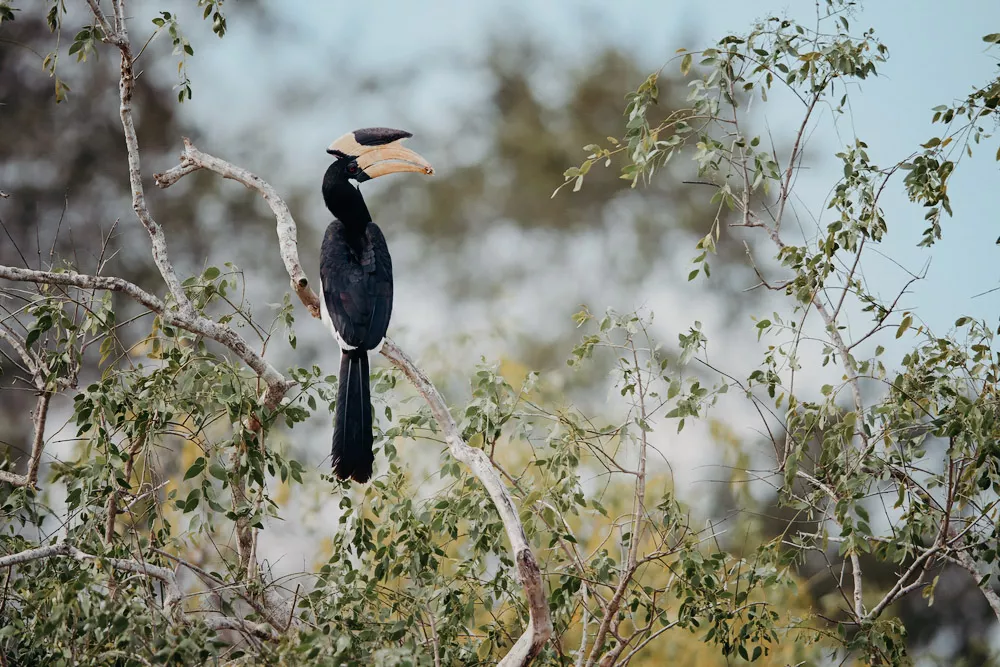
Wilpattu has the same number of leopards as Yala—but without the traffic jams. Here, you won’t need to queue behind 20 jeeps to see an animal. You’ll explore quiet jungle trails and lakes, spotting leopards, elephants, sloth bears, crocs, and loads of birdlife. It’s our favourite national park in Sri Lanka - wild, peaceful, and what a safari should feel like.
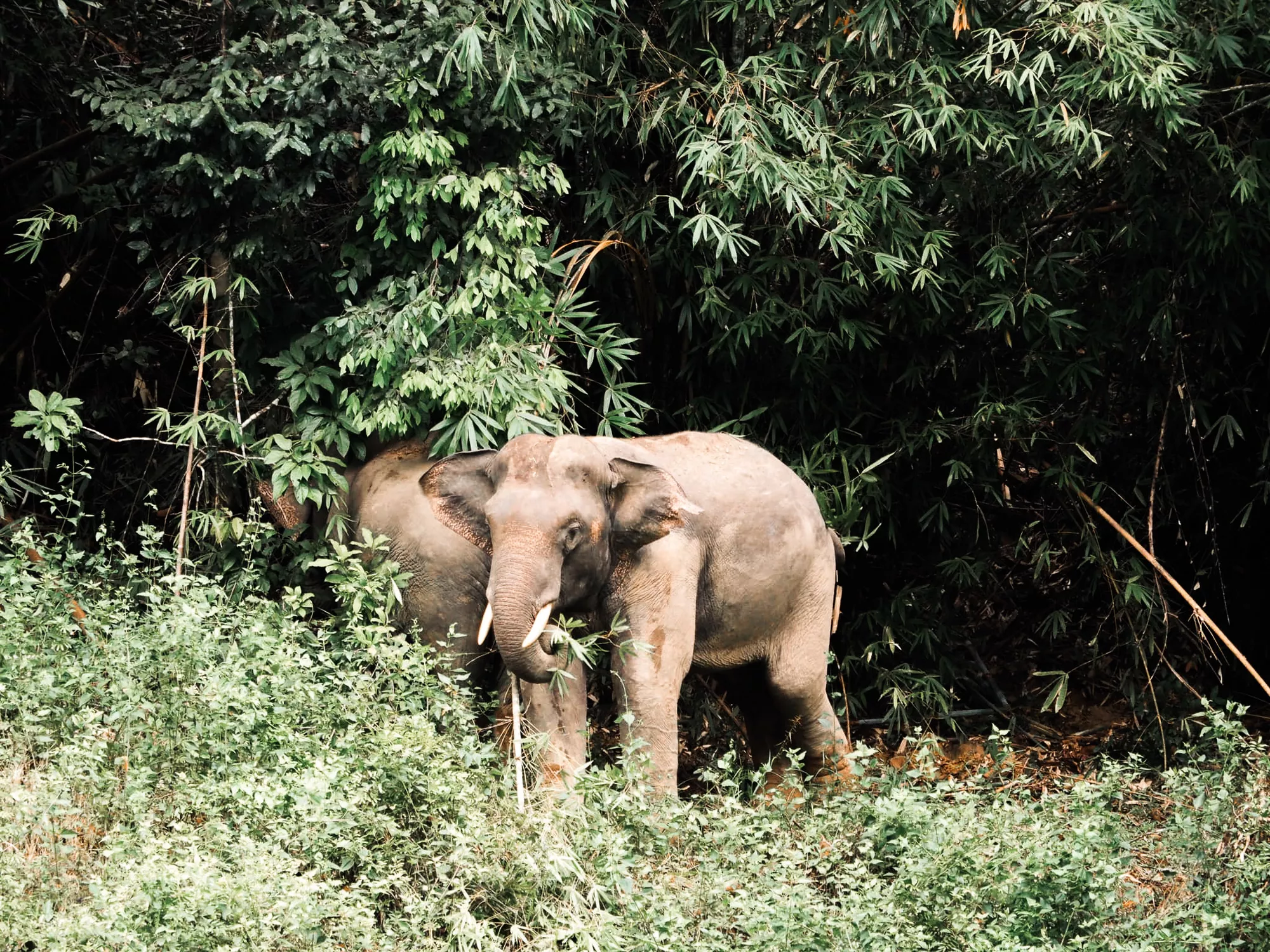
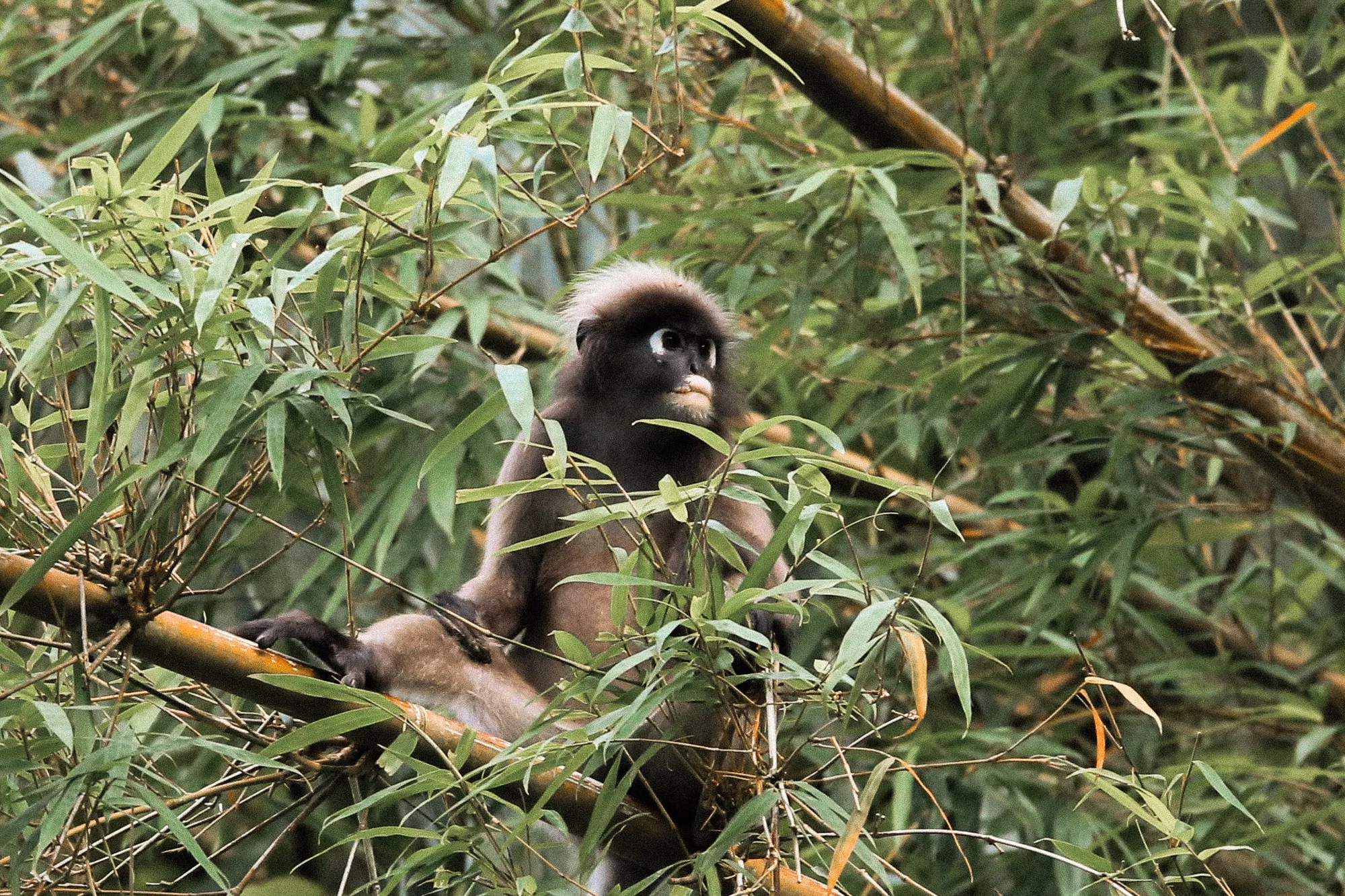
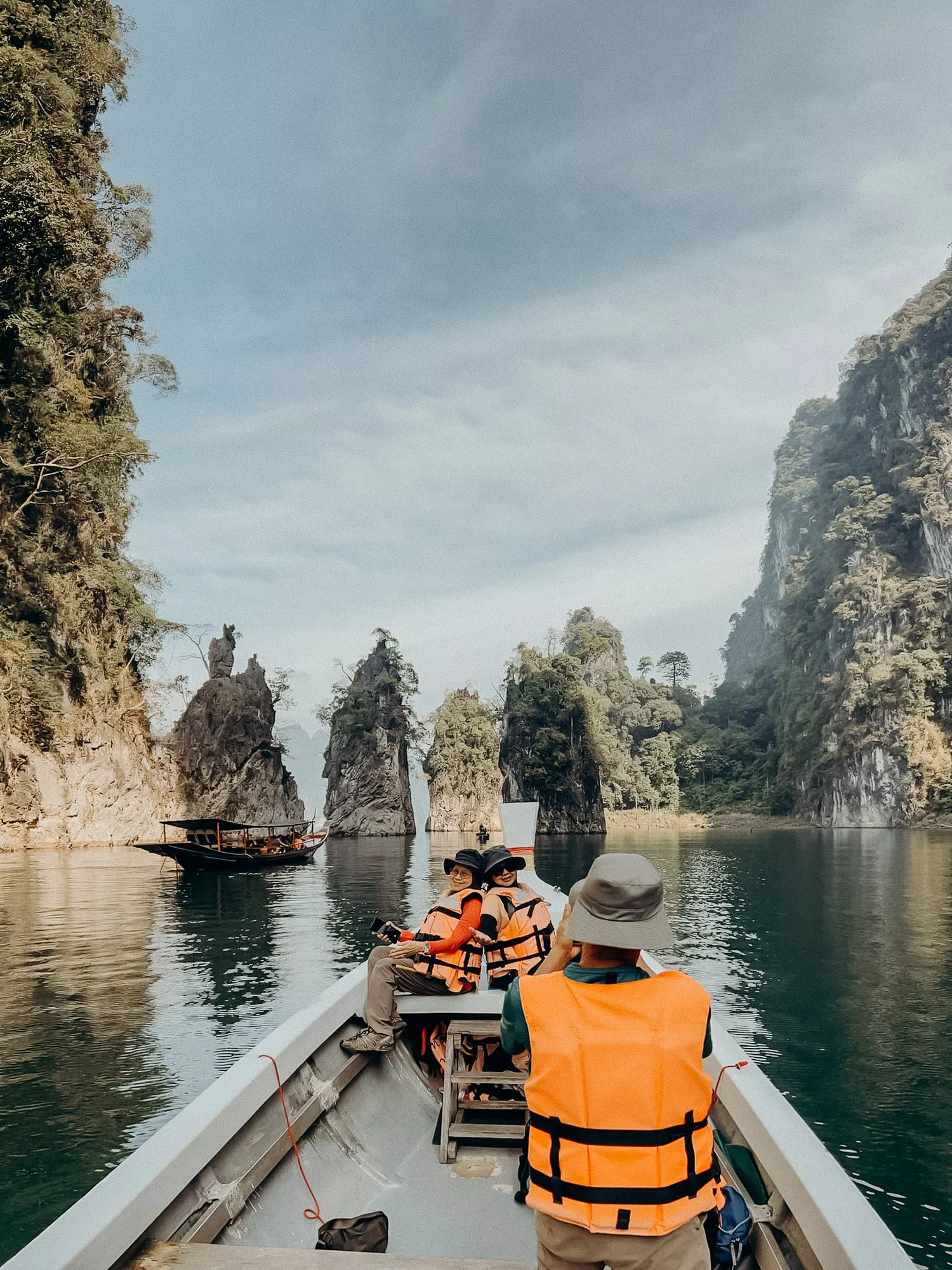
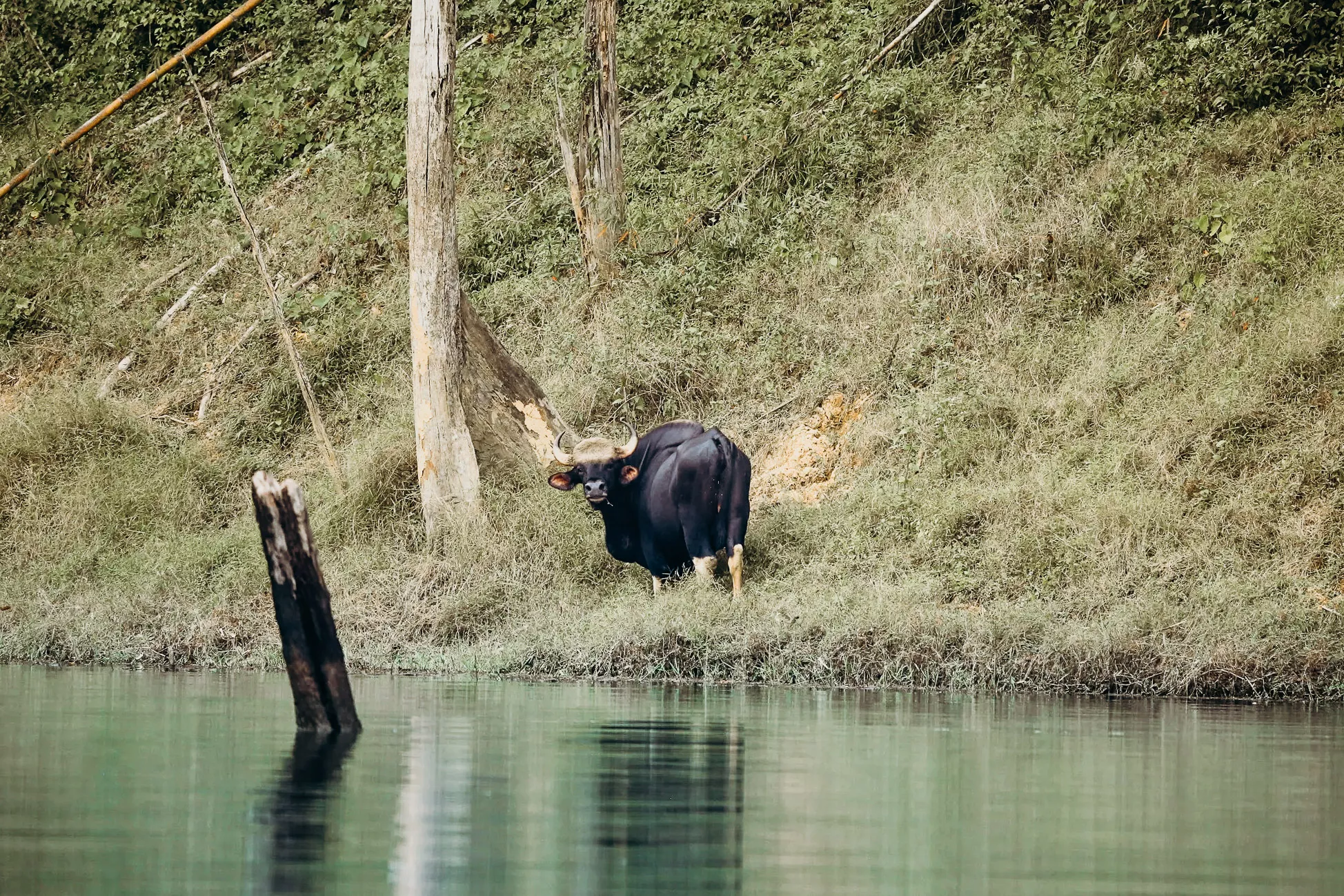
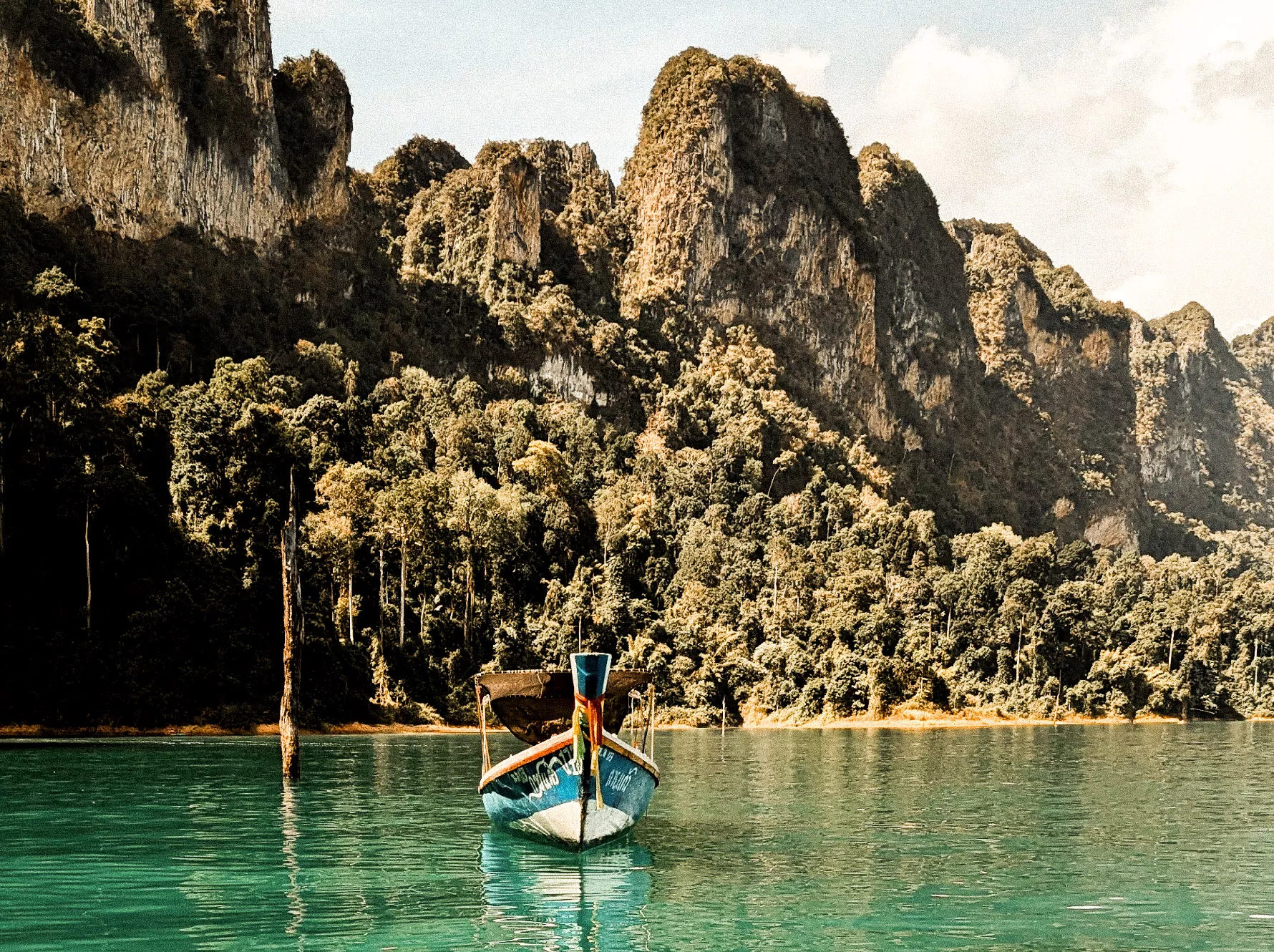
Most people think Thailand’s all about elephant sanctuaries — but Khao Sok is the real deal. It’s one of the last places in Thailand where you can still see wild elephants and gibbons, deep in a rainforest that’s over 160 million years old — even older than the Amazon. Stay in floating huts, kayak on misty Cheow Lan Lake, and spot hornbills soaring above limestone cliffs.


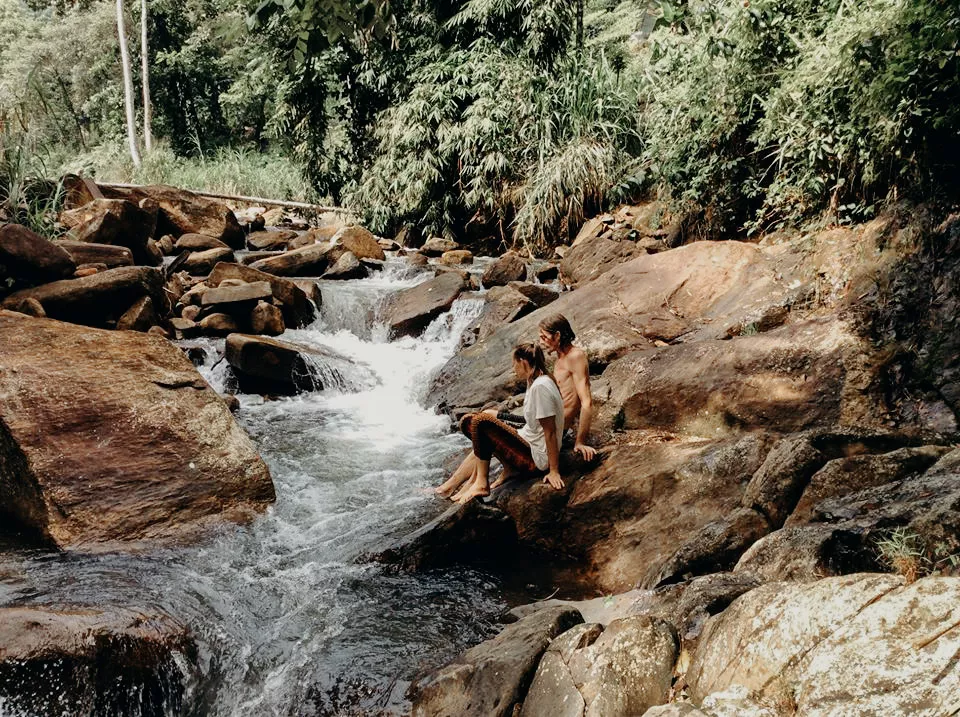


Sinharaja is Sri Lanka’s last stretch of virgin rainforest — a UNESCO site and one of the world’s richest biodiversity hotspots for its size. Trek with expert naturalists to spot wild monkeys, snakes, and tree frogs, plus rare birds like the Sri Lanka blue magpie, red-faced malkoha, and green-billed coucal — found nowhere else on Earth.


Mirissa is the best place in Asia to see blue whales. Go on a responsible boat tour out into deep waters and you’ll likely see the biggest animal on Earth, plus spinner dolphins and maybe even orcas. Come between Nov to April for the best chance — it’s a real bucket list experience for ocean lovers.
TIP

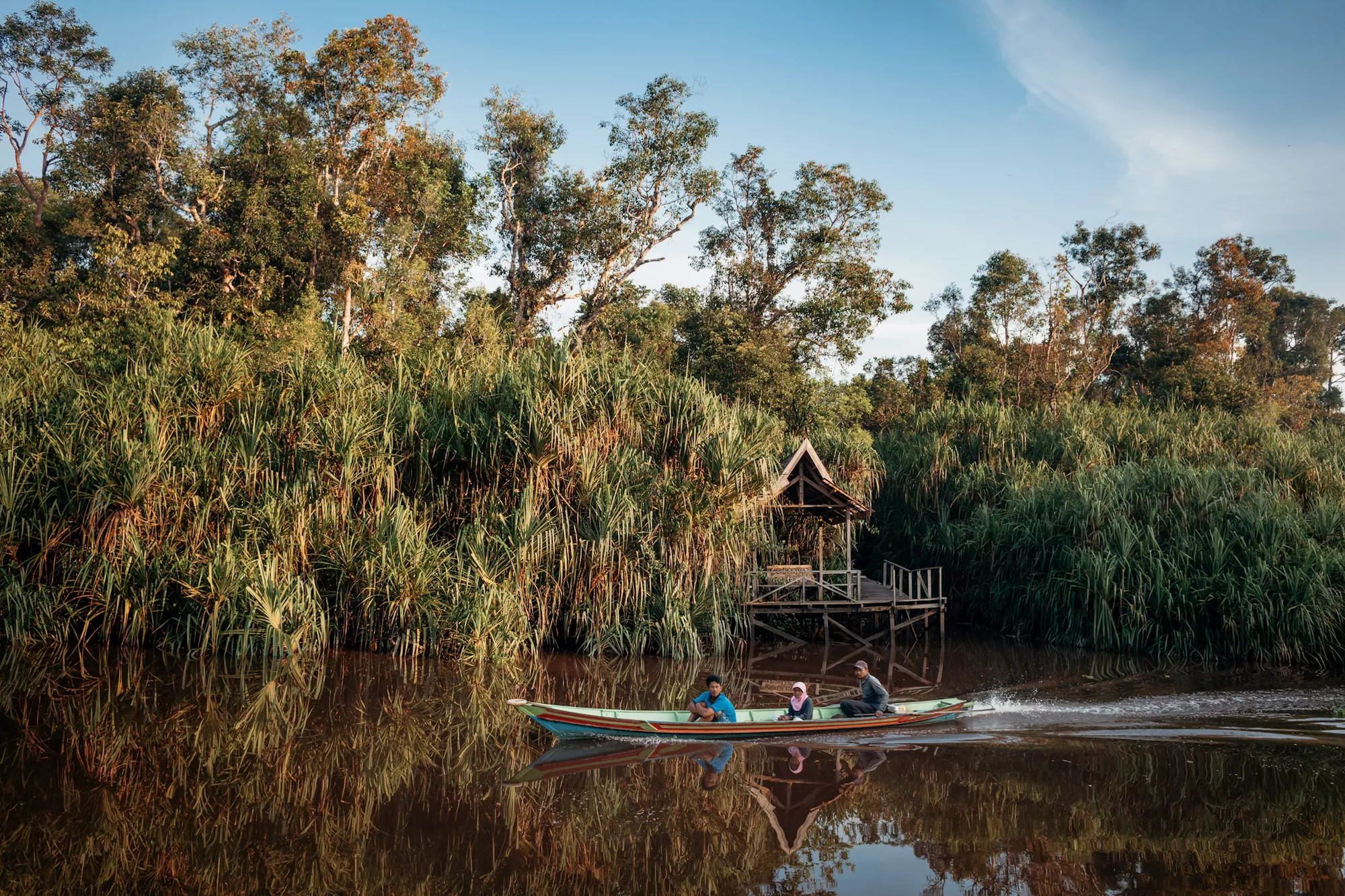
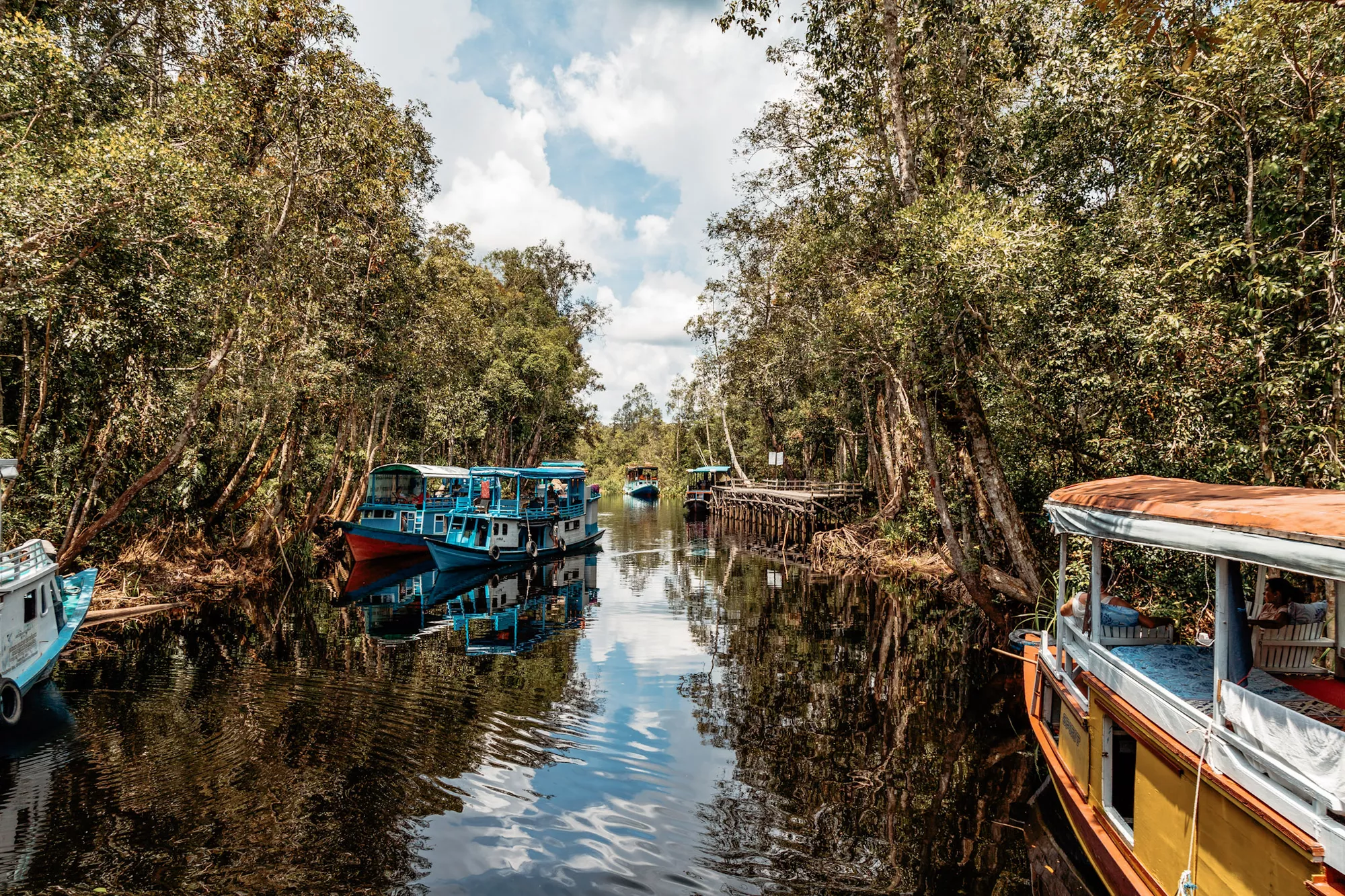
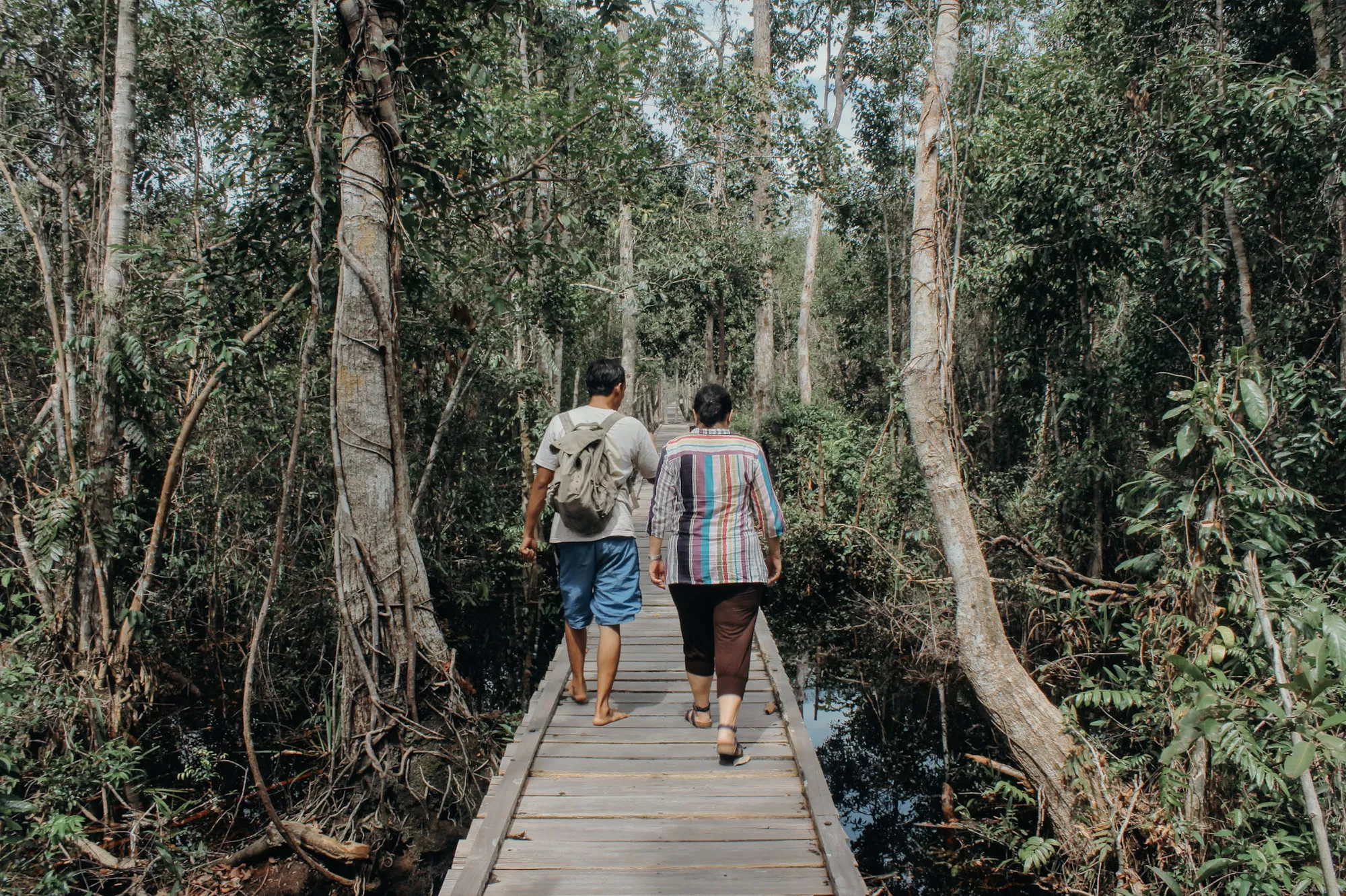
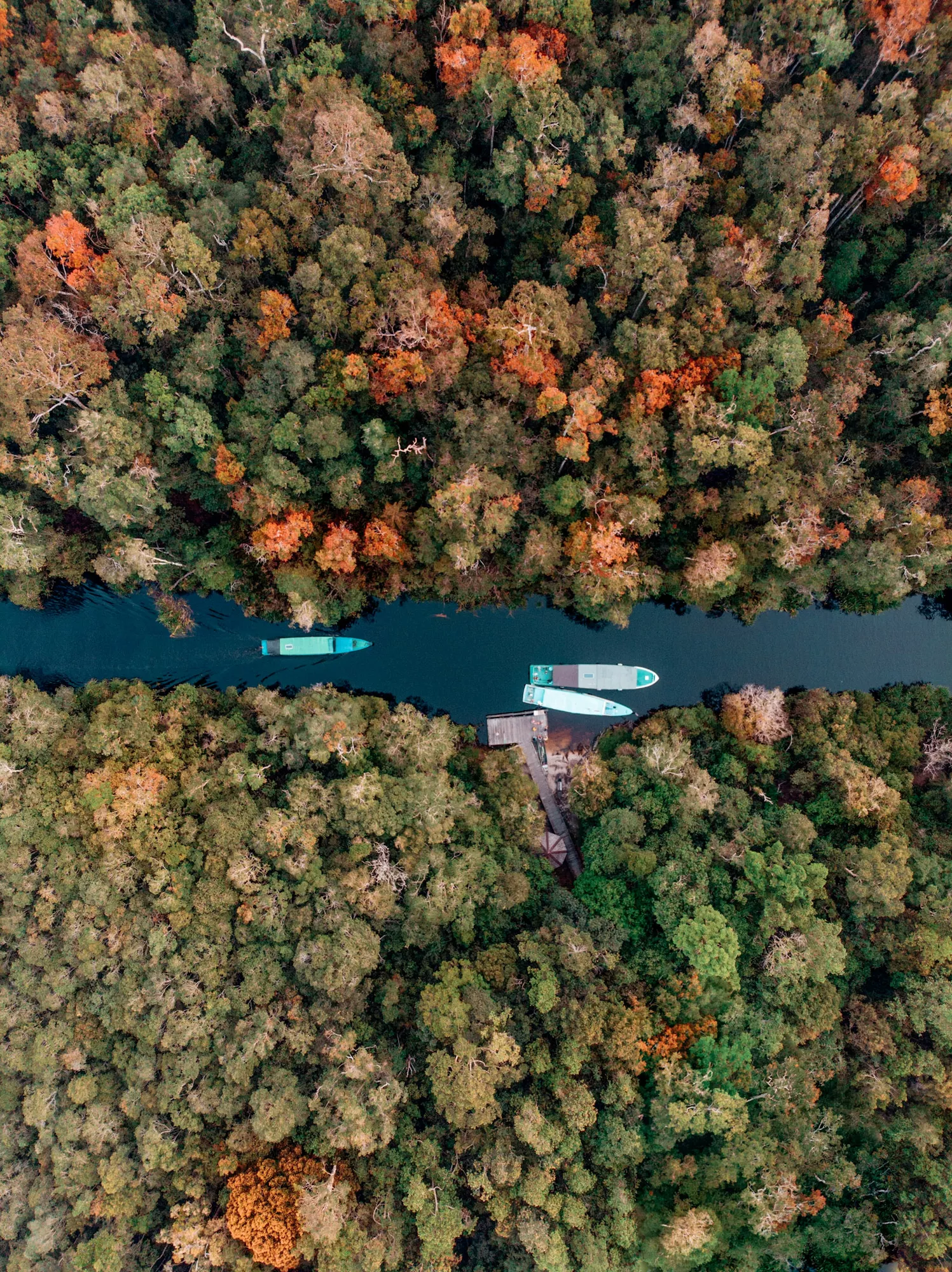
Tanjung Puting is the best place on Earth to see wild orangutans, and one of the few places where tourism helps protect them. Take a houseboat down jungle rivers, see more Orangutans than you can count, meet Dayak communities and learn from guides deeply rooted in the land.
It’s not fancy, but it’s real. Your visit helps fight palm oil and supports local conservation effort.
TIP
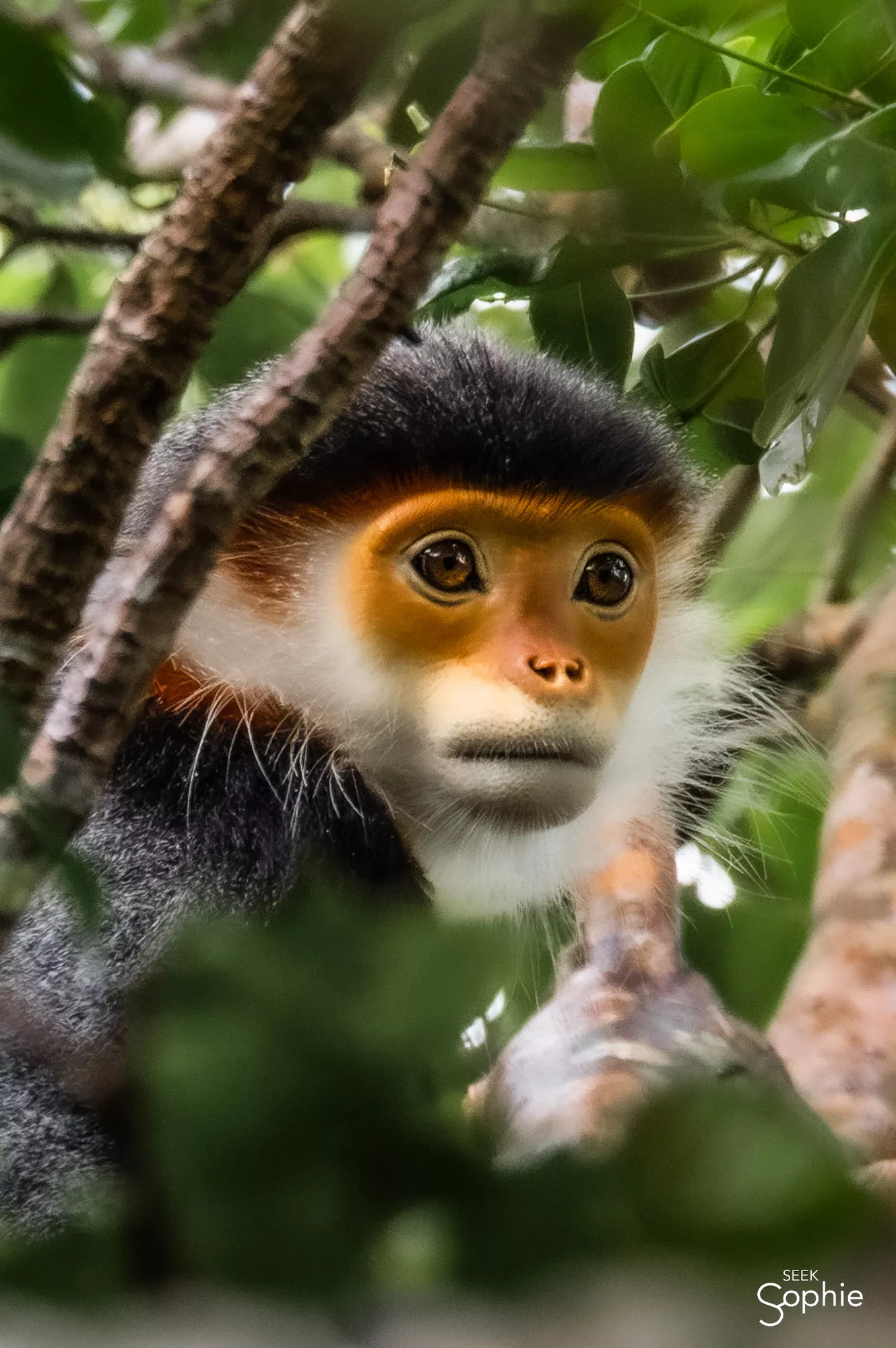
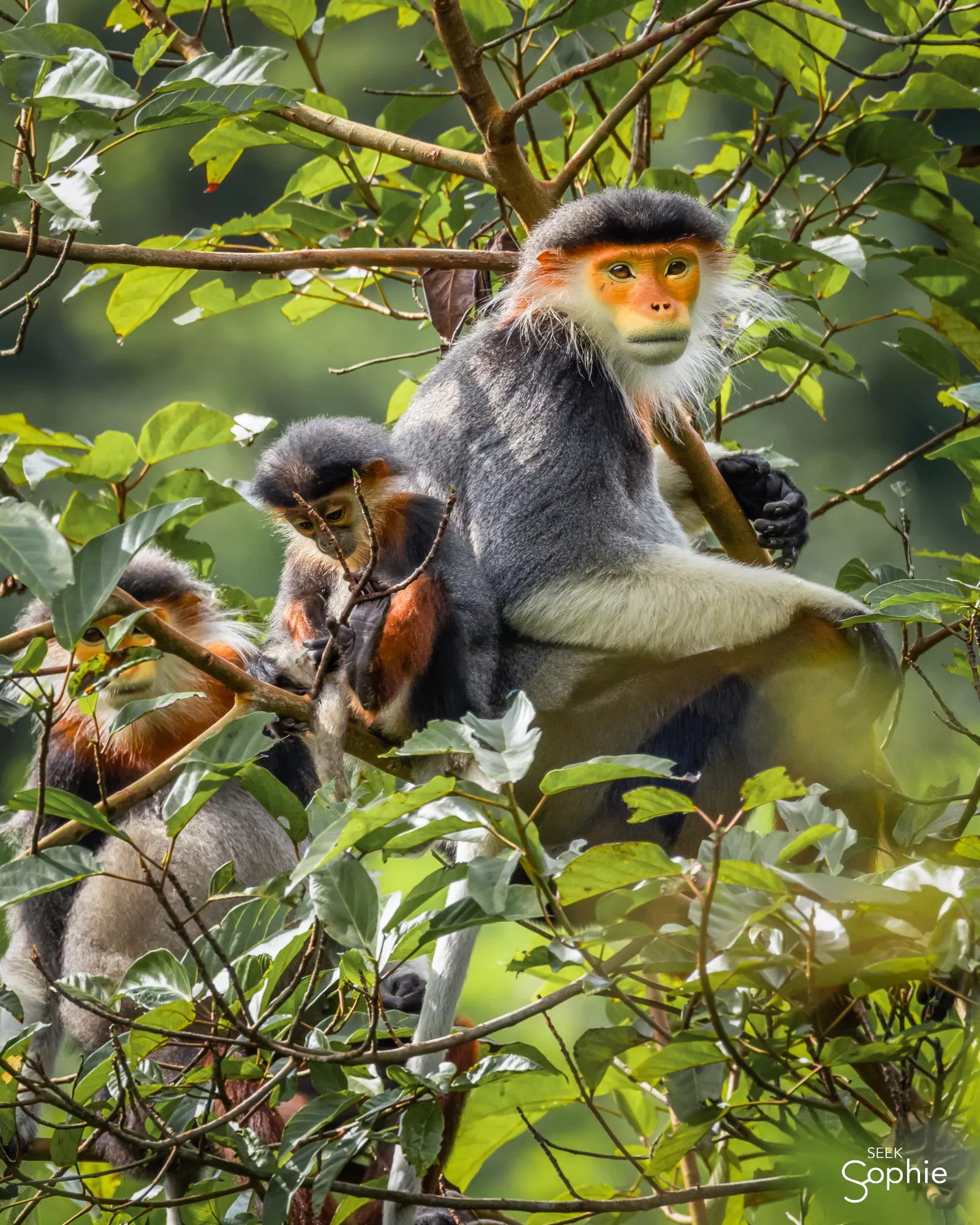
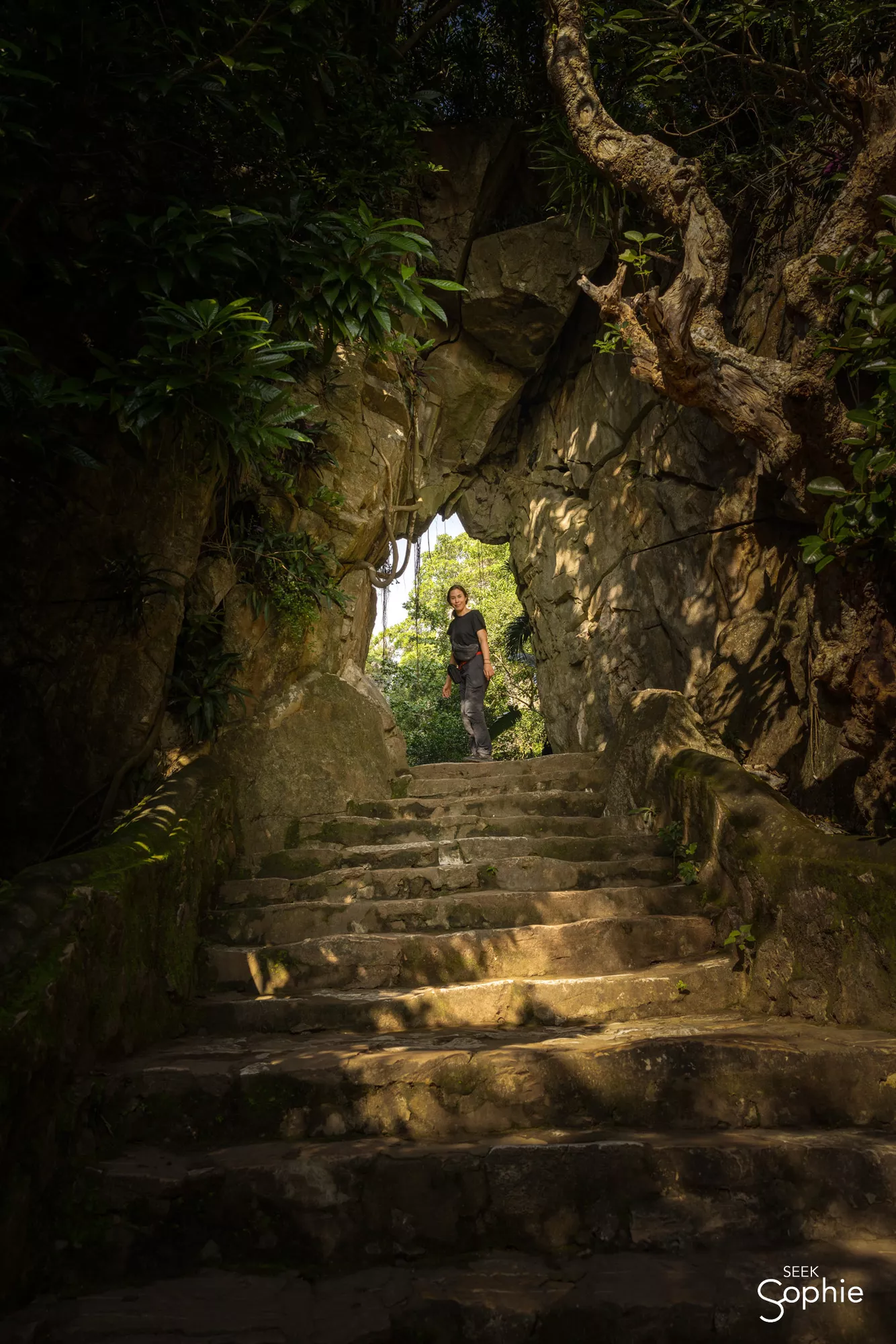
Most travellers skip Danang’s wild side — but Monkey Mountain is a hidden paradise for wildlife lovers. You’ll quietly trek with a naturalist to spot the rare Red-shanked Douc Langur, one of the world’s most beautiful monkeys, in its forest home. Add in rare birds, a secret ex-military base, and the peaceful caves of Marble Mountain — it’s a meaningful day far from the crowds.
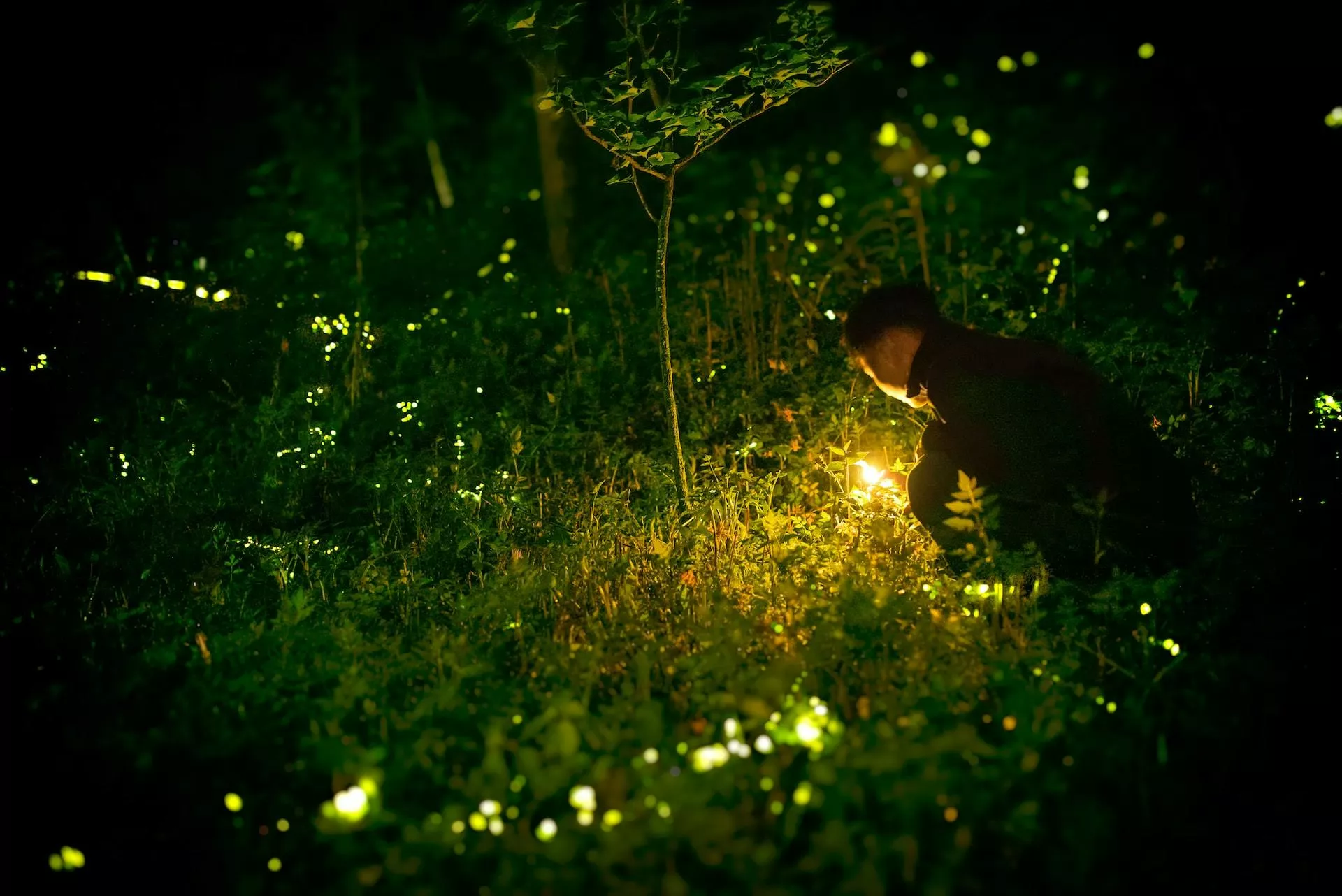
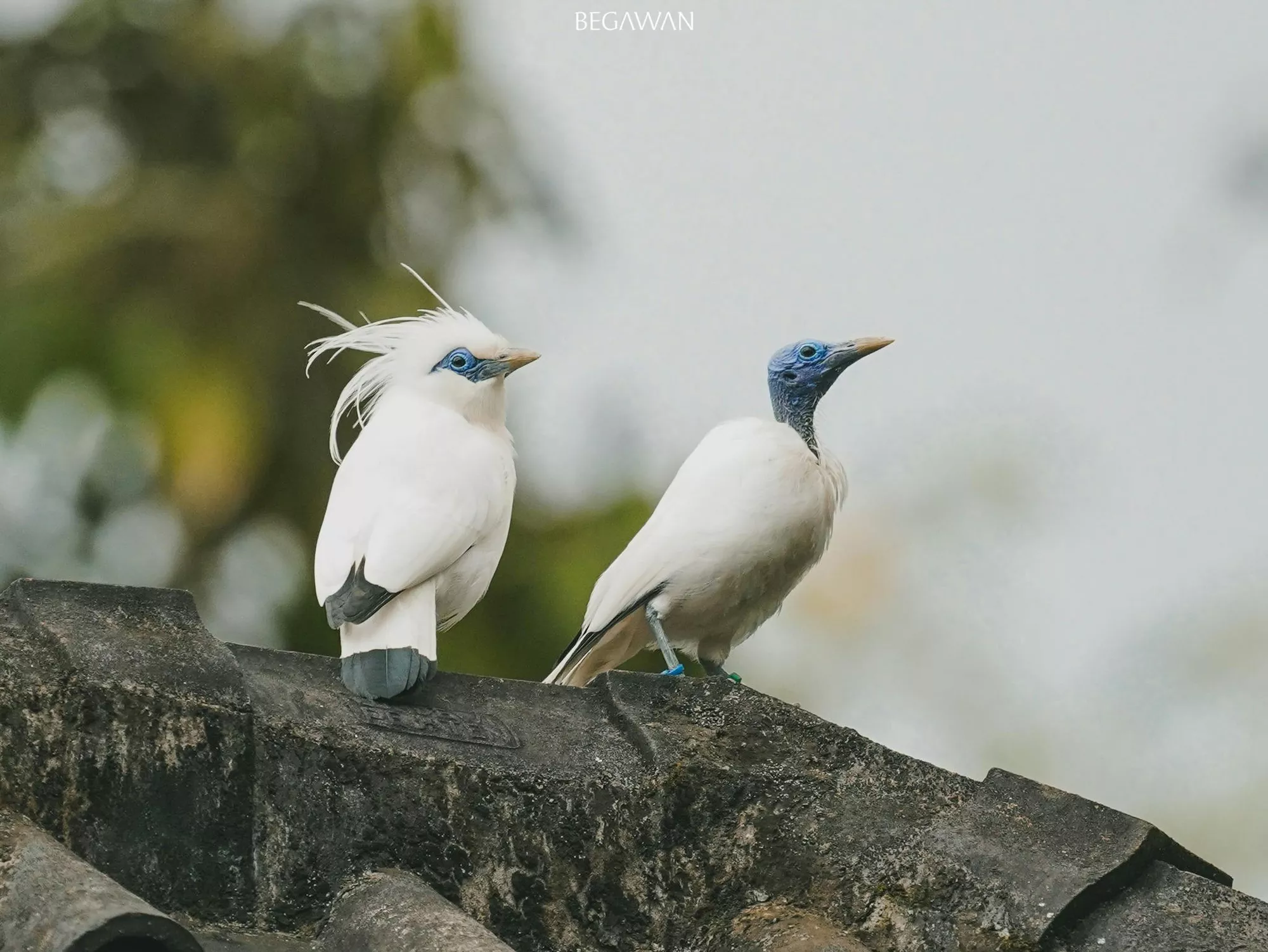
Unlike the wild safaris on this list, Bali’s wildlife experiences are more about helping than spotting. But they’re no less real. You’ll work with locals saving sea turtles, caring for street dogs, protecting endangered Bali starlings, and watching fireflies light up the rice fields. It’s not a zoo, and nothing’s in a cage — just hands-on conservation you can be part of.
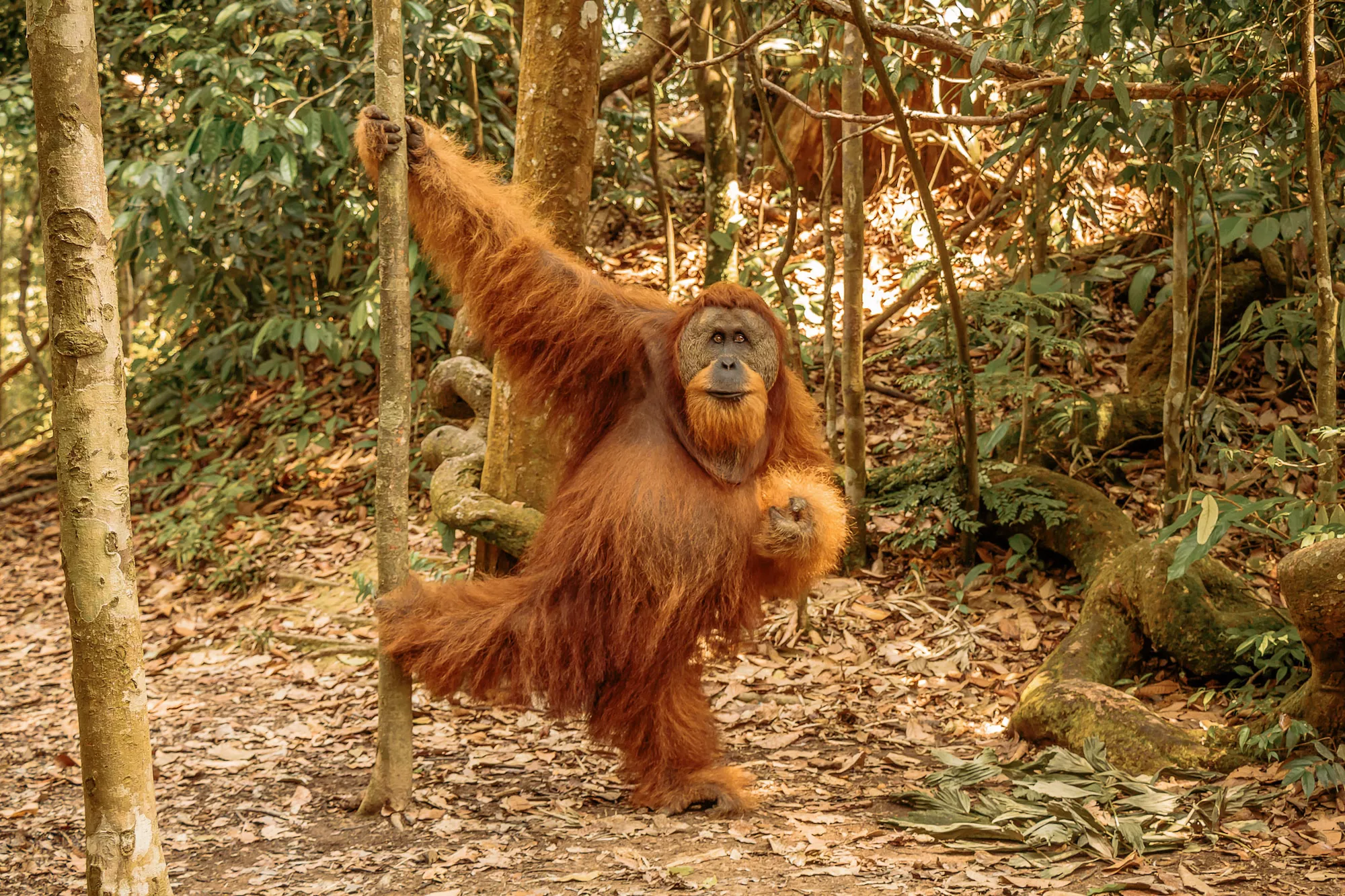
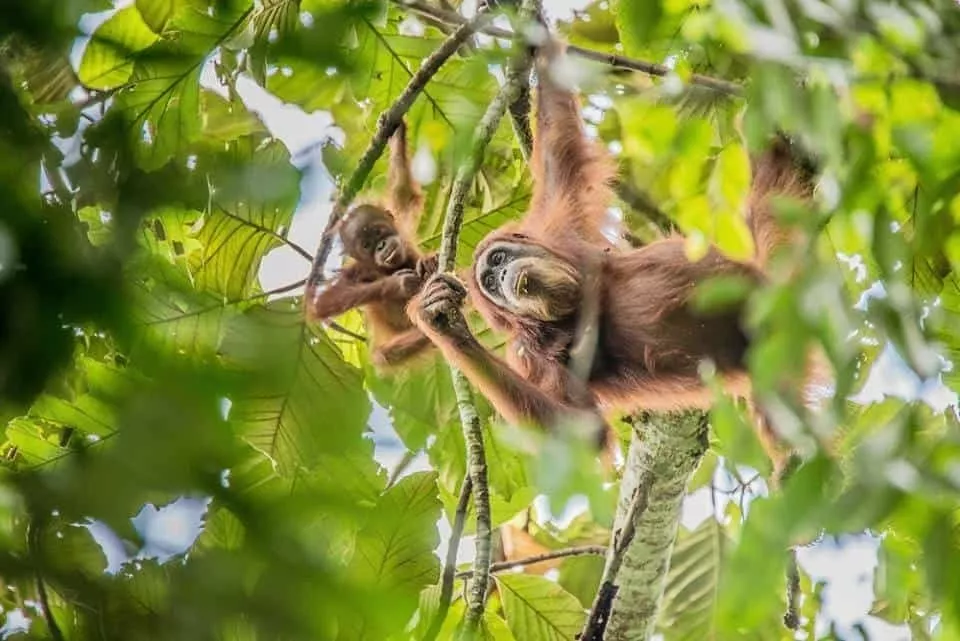

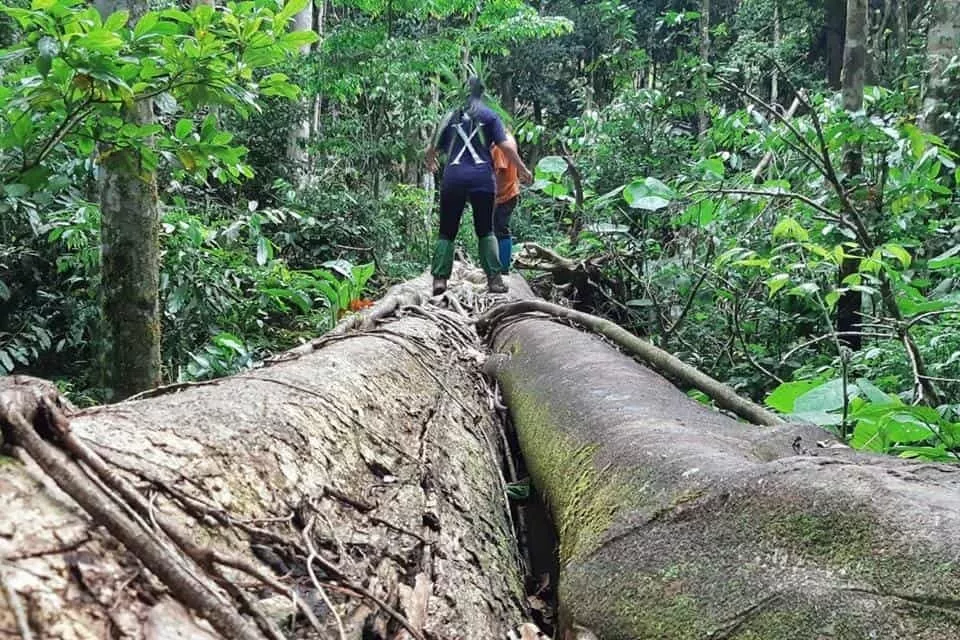

After Tanjung Puting, this is the second best place to see wild orangutans. You'll see here truly wild ones, high up in the canopy, not near feeding stations. It’s also one of the last places Sumatran tigers still roam, though you’re unlikely to spot one!
This is for jungle lovers who want to trek through rainforest, sleep under the stars and earn every wildlife sighting.
TIP
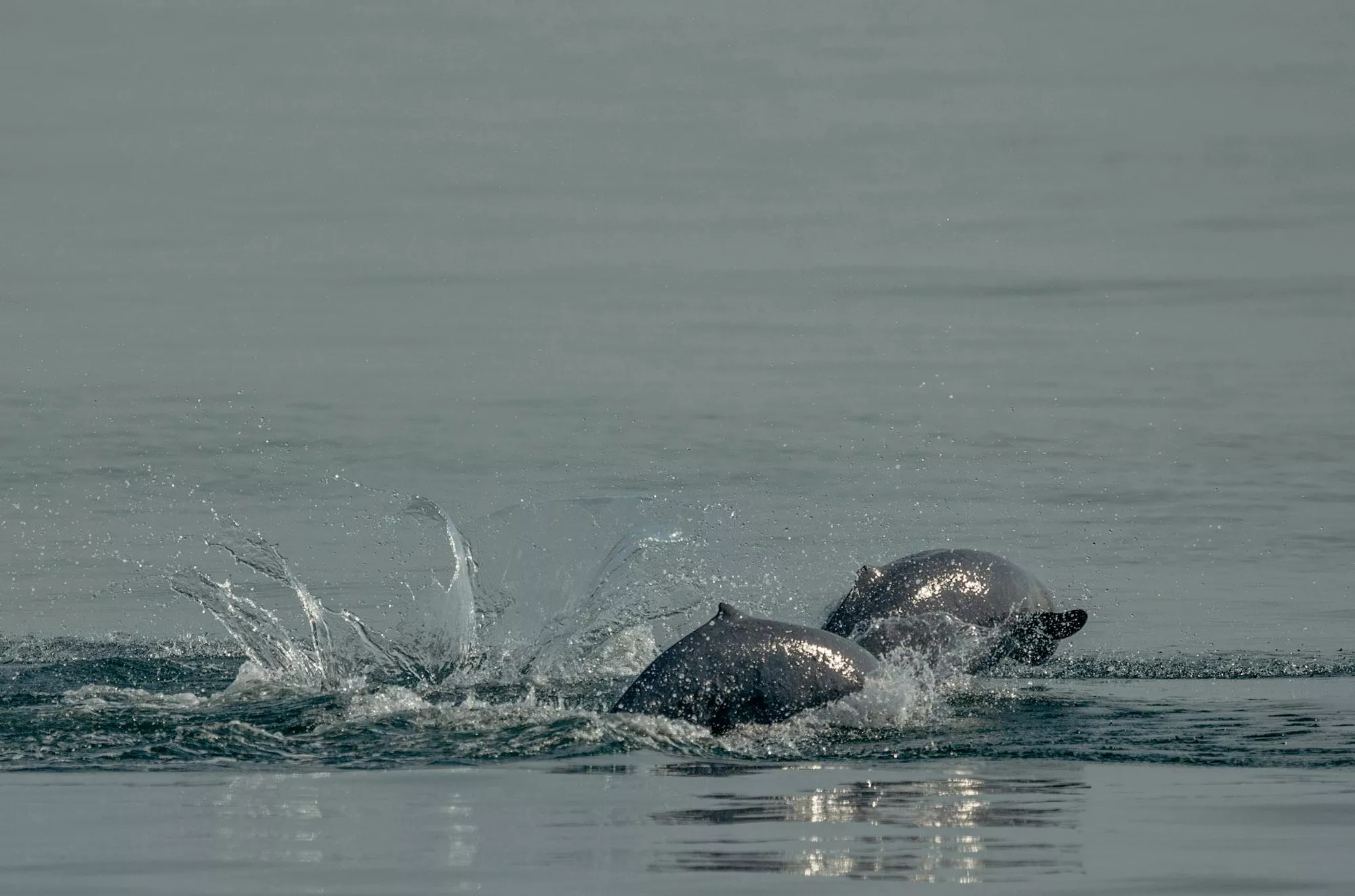

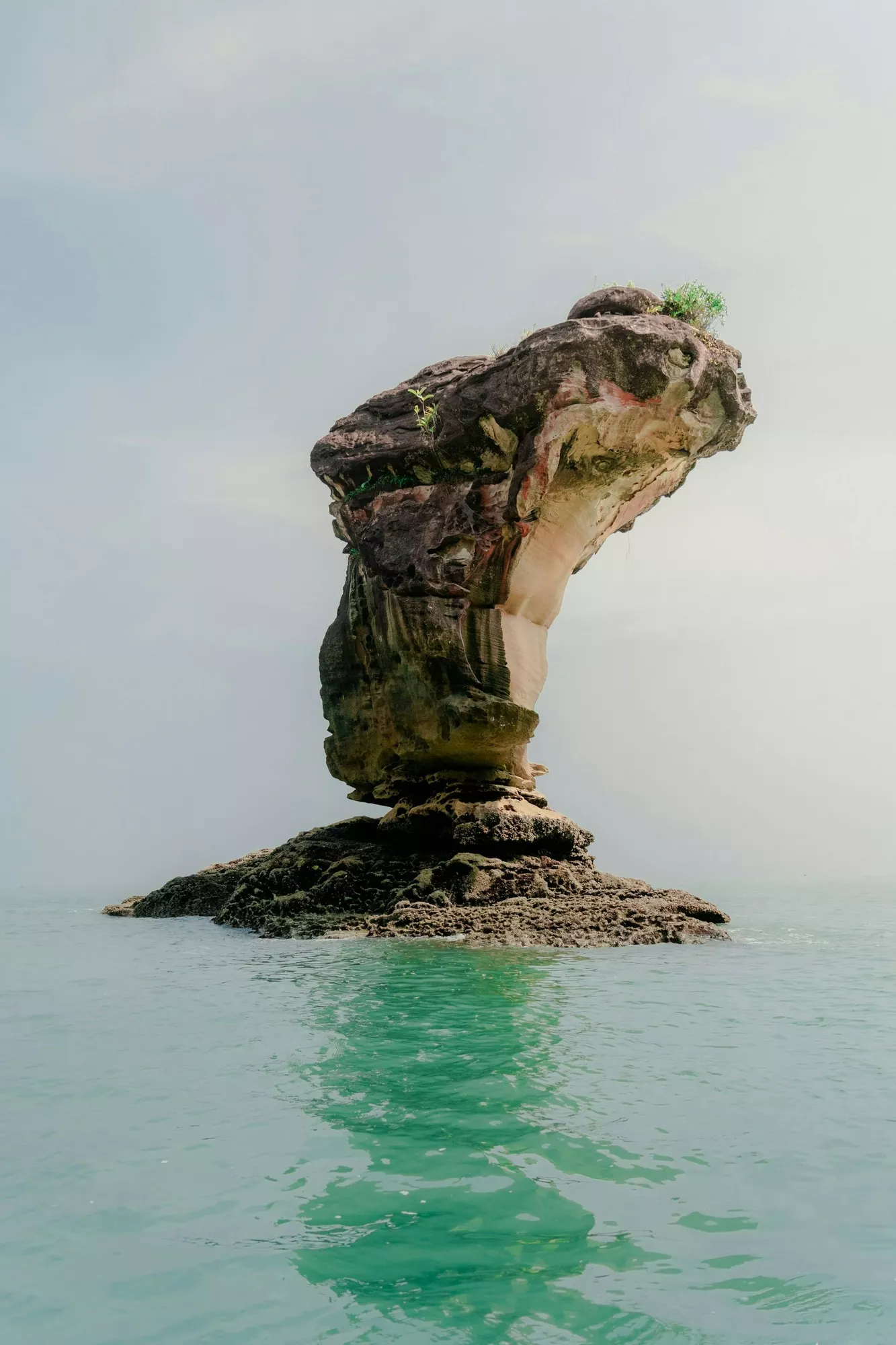
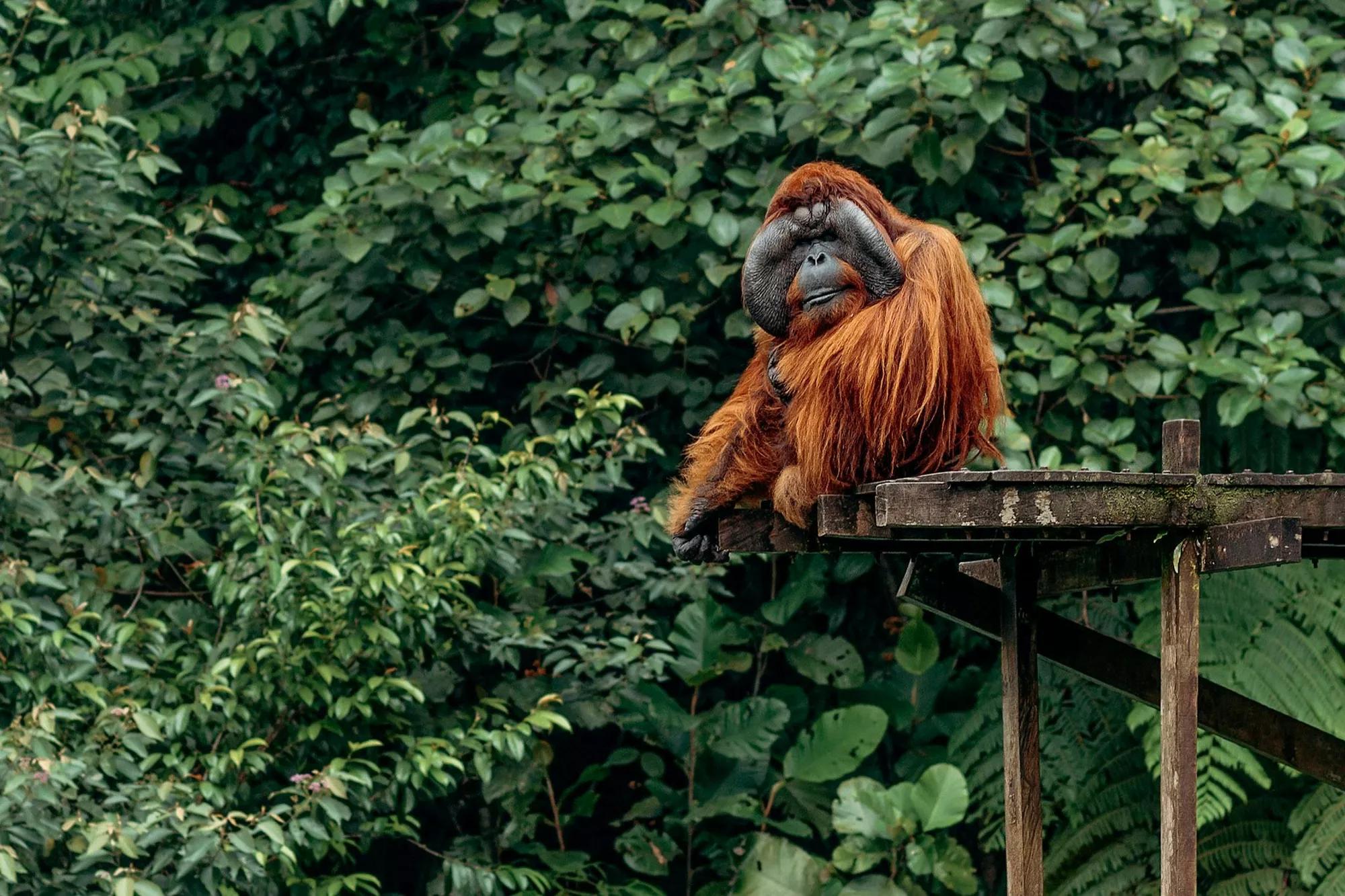
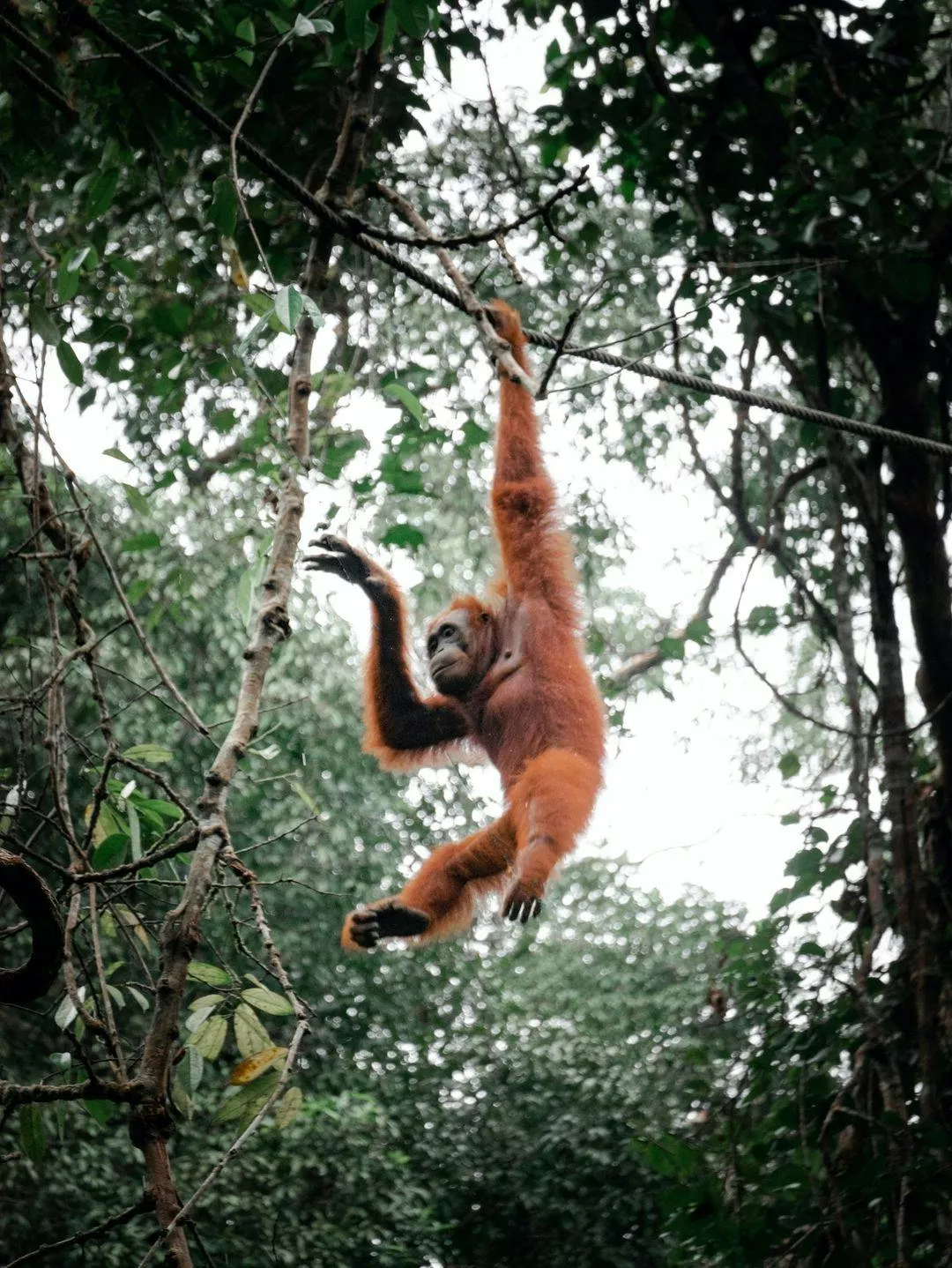
Kuching offers a mix of wildlife encounters that's very easy for families to get to. Cruise quiet rivers to spot wild Irrawaddy dolphins, visit a turtle hatchery helping with rescue and release, and meet rescued orangutans at Semenggoh — a rehab centre where they roam semi-wild. It’s perfect if you want a soft, wildlife-rich escape that doesn't require lots of hiking.

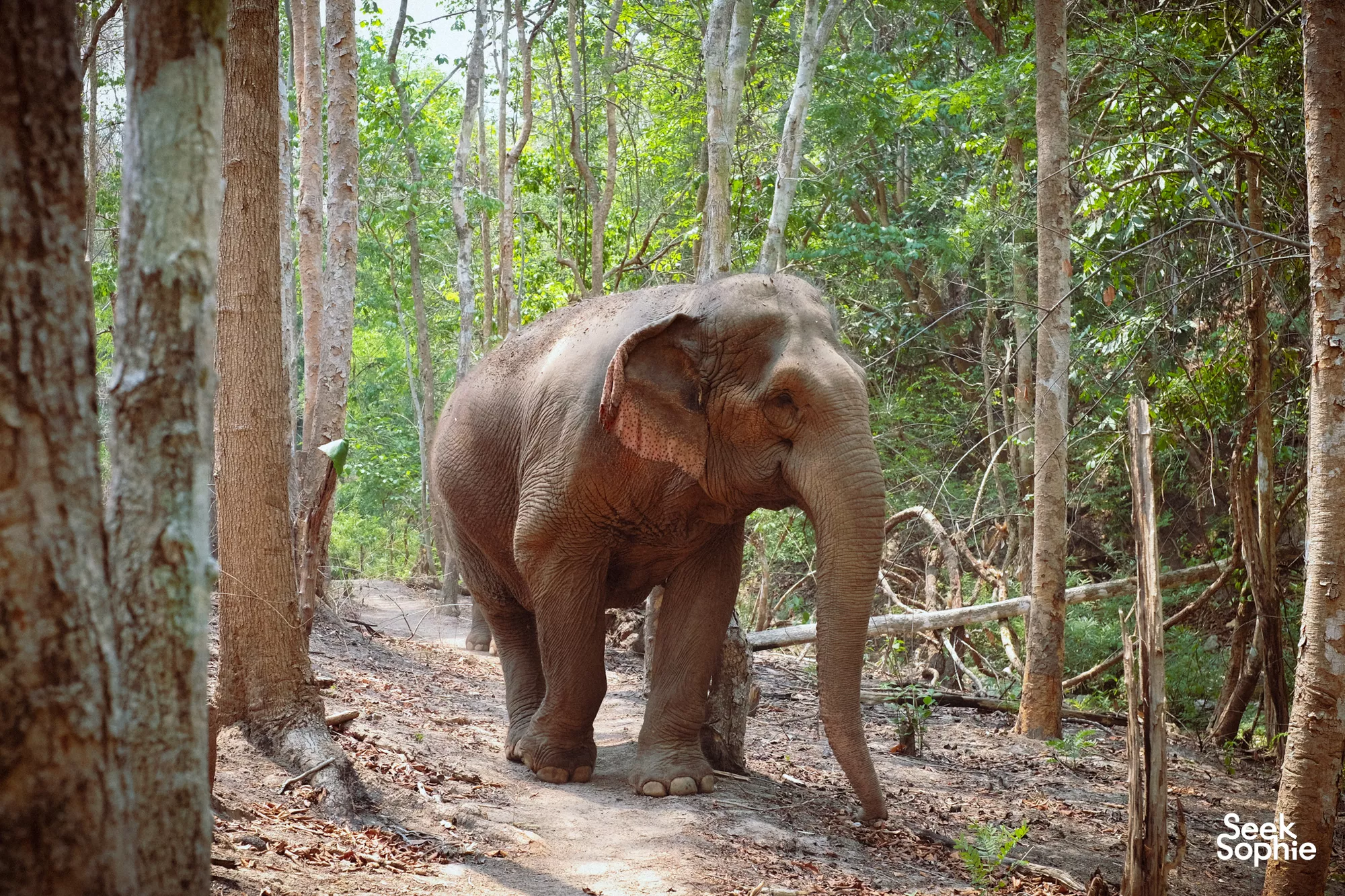
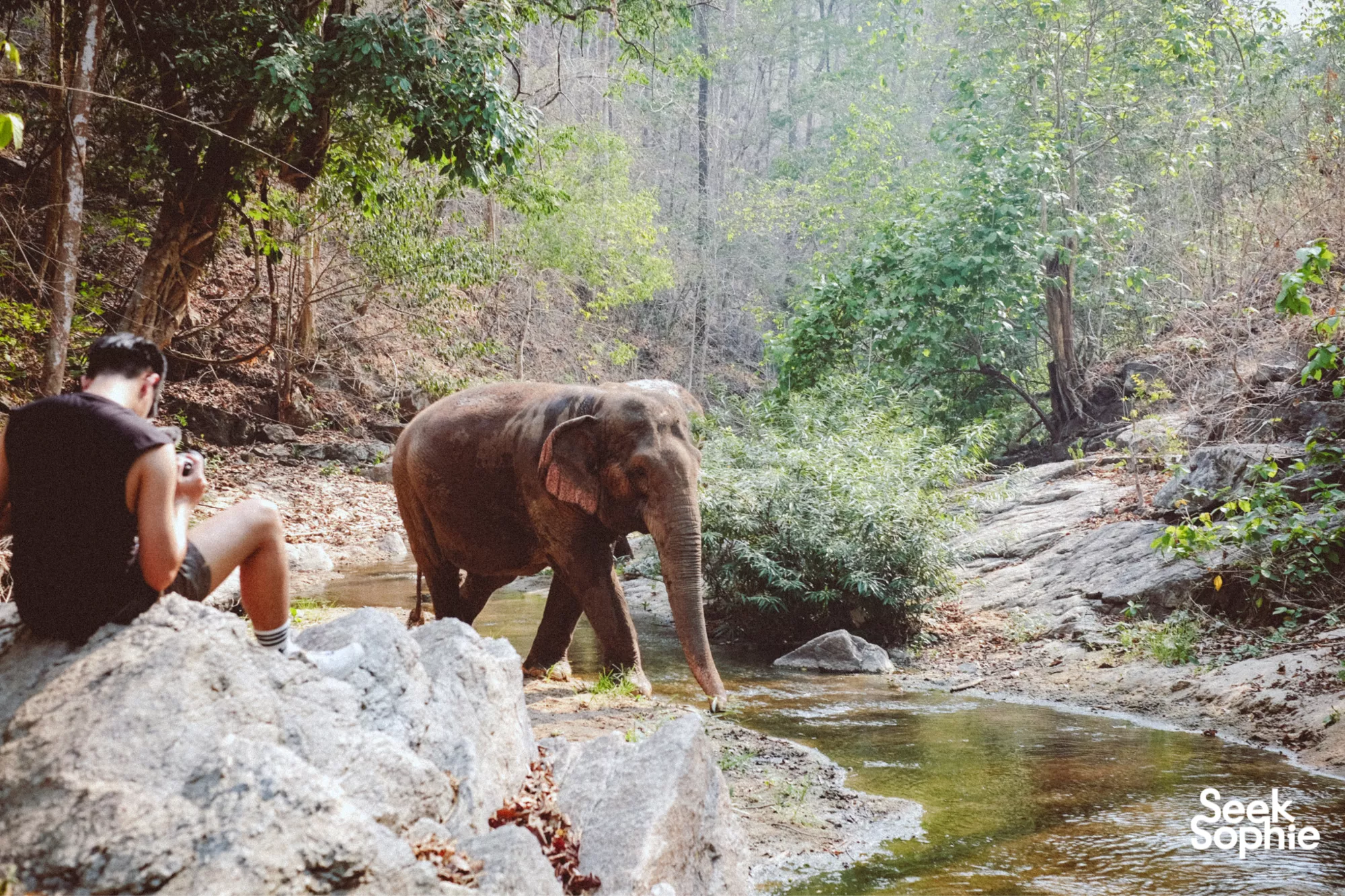
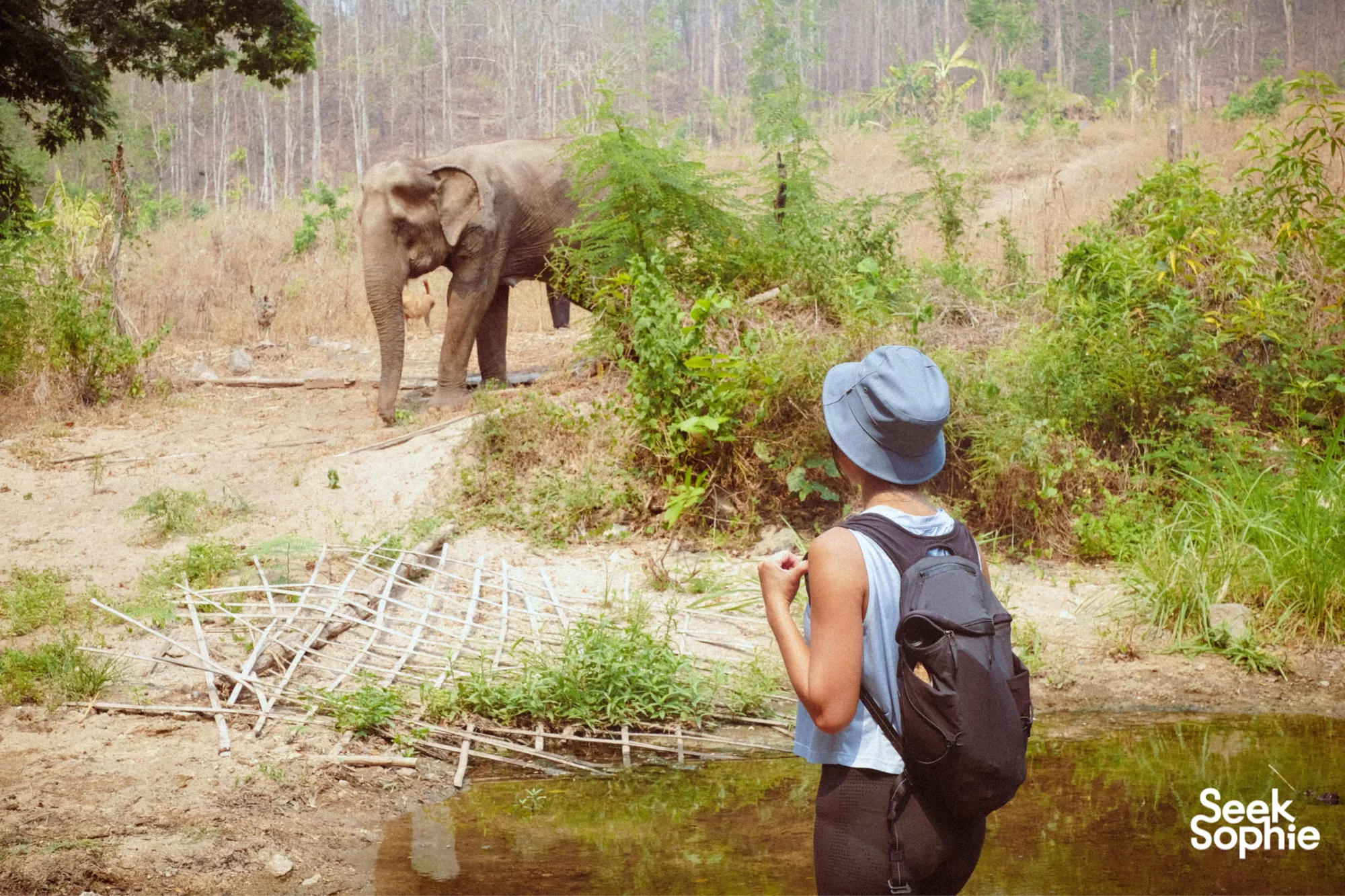
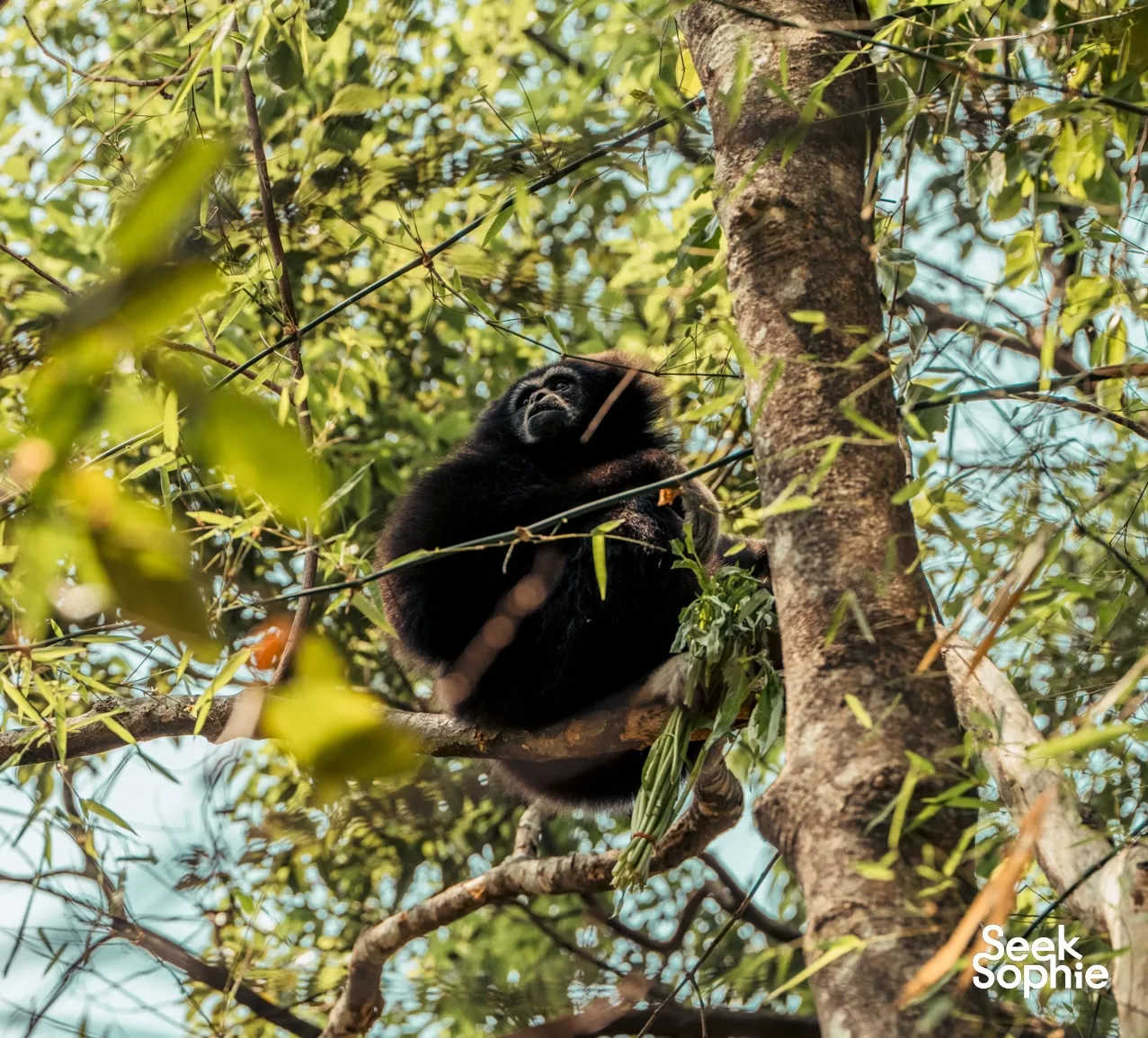
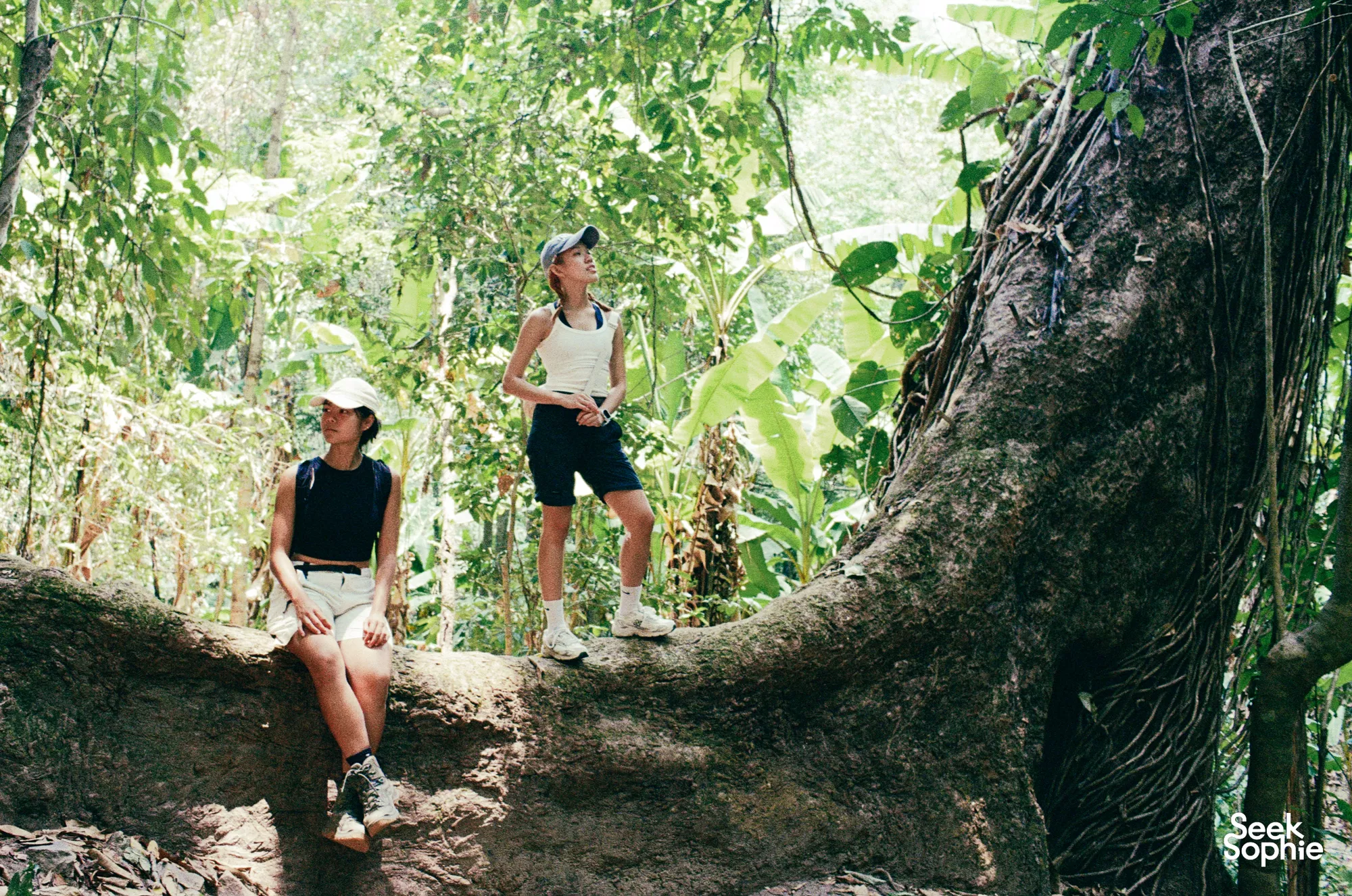
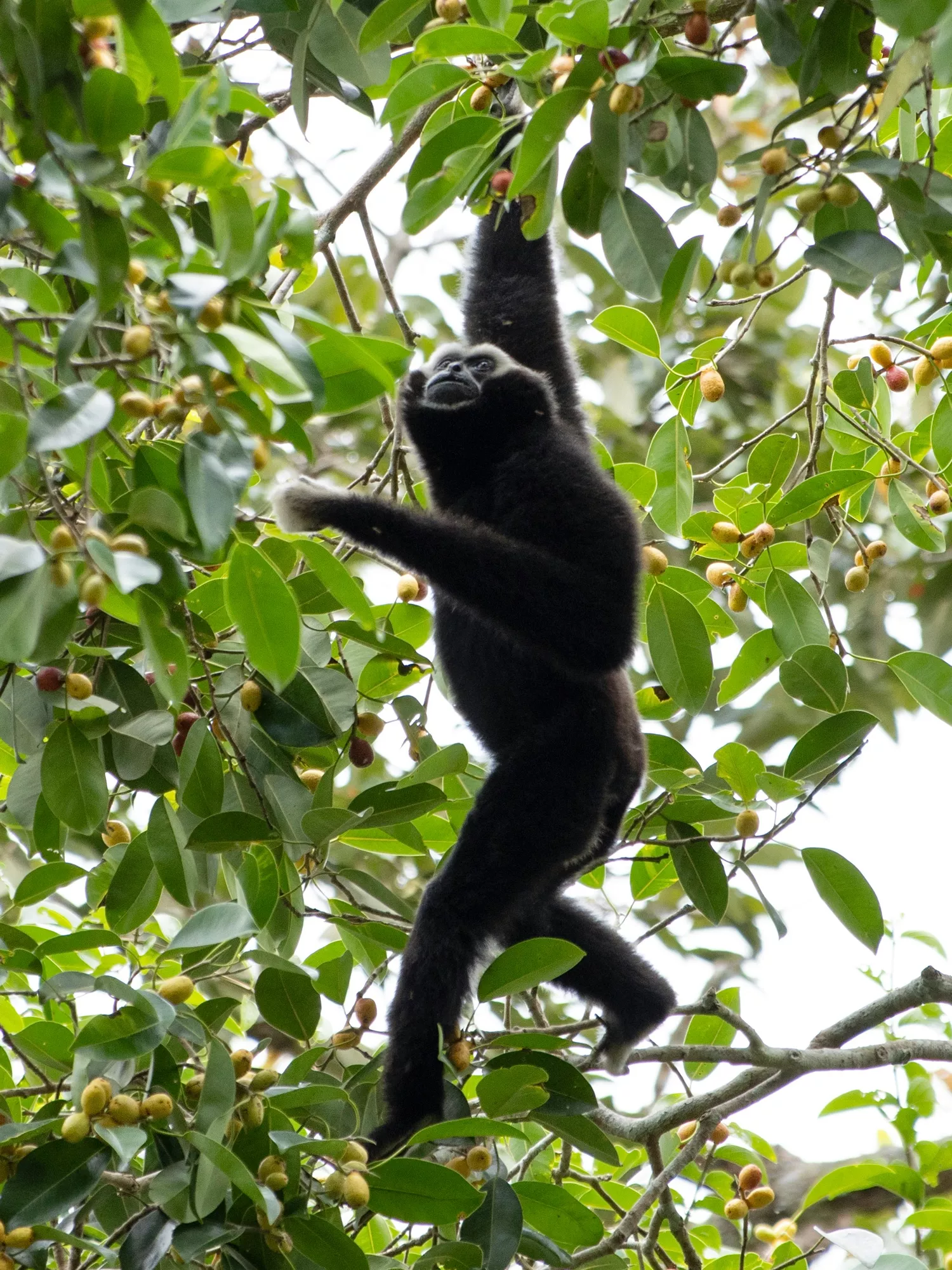
If you’re a wildlife lover, Chiang Mai lets you go a bit deeper. It's rare to find a truly ethical elephant sanctuary, but one of Thailand’s most ethical sanctuaries is here. Rescued elephants roam free (truly no touch, no bathe) and you can volunteer for 2–4 days to really understand their stories. You can also visit a community-run gibbon rescue rewilding primates nearby.


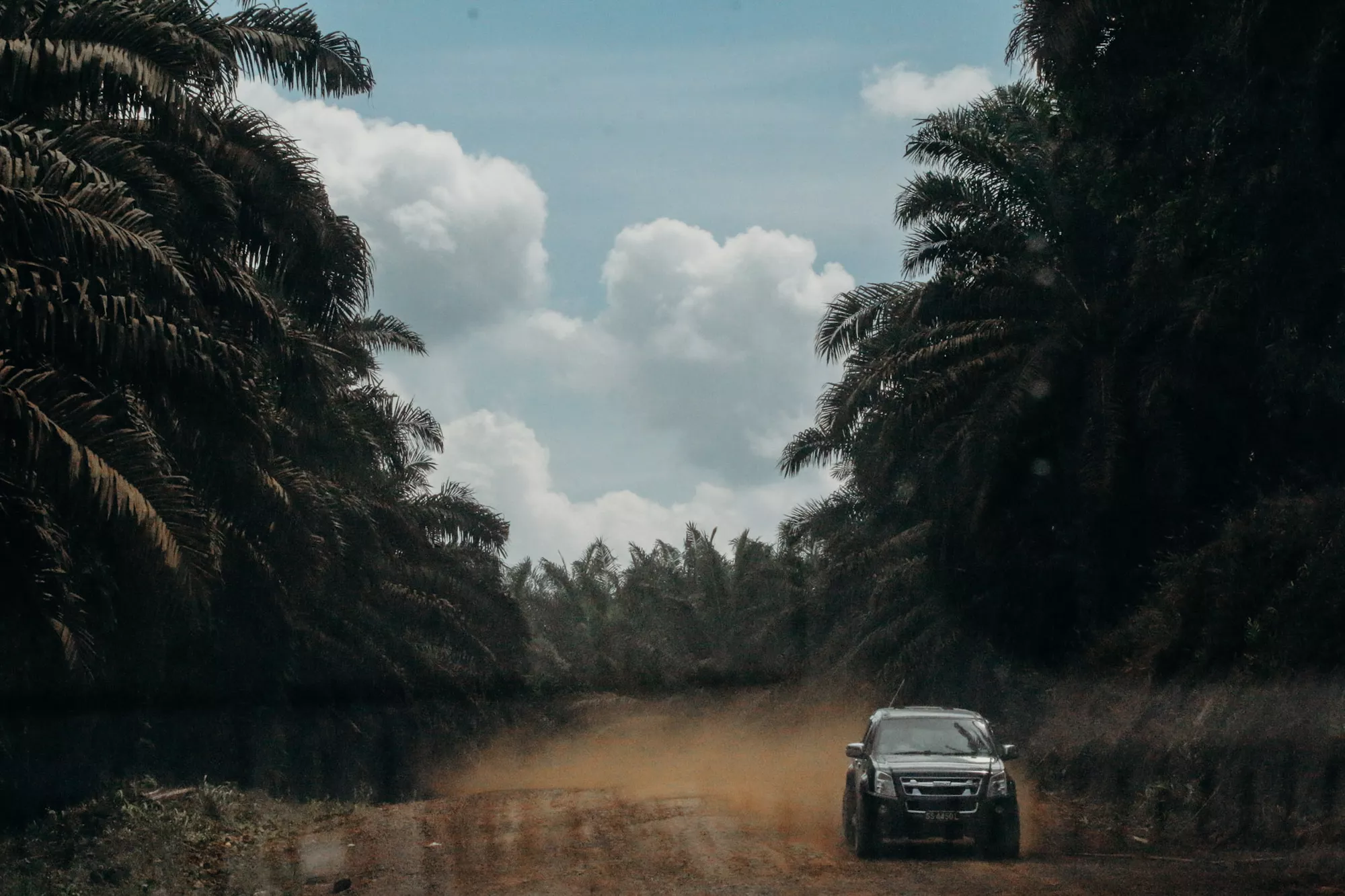
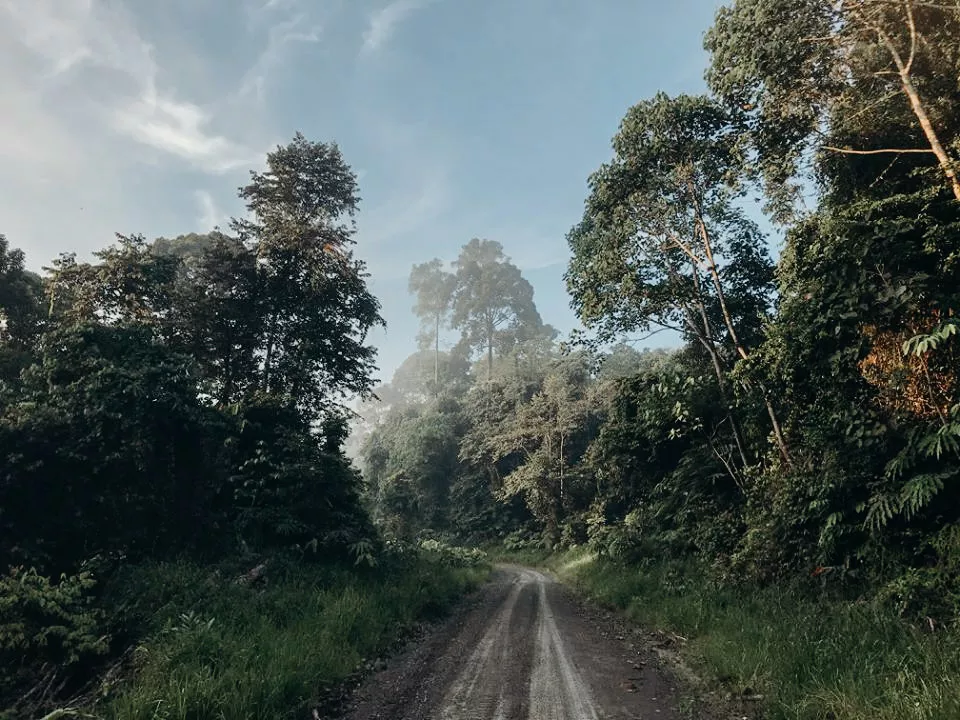

Deramakot is not a fancy safari. There’s just one basic lodge with two rooms, and a single pothole-ridden road often washed out by rain. But it’s one of the best places in Asia to spot wild pygmy elephants, clouded leopards, and nocturnal wildlife. Here you’ll go on safari drives and jungle treks with ex-poachers. It’s Borneo’s best spot for wildlife, and seriously remote.
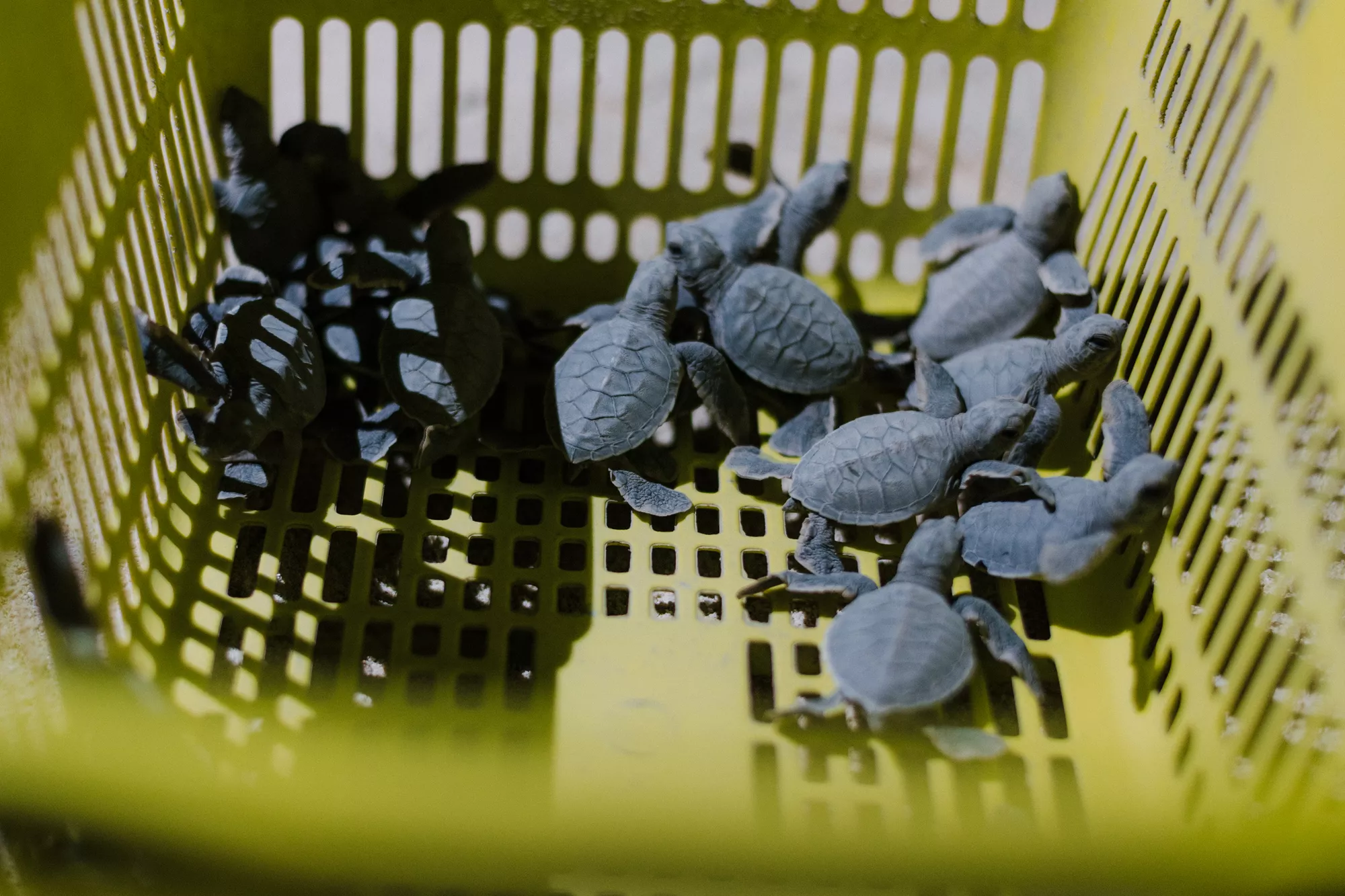
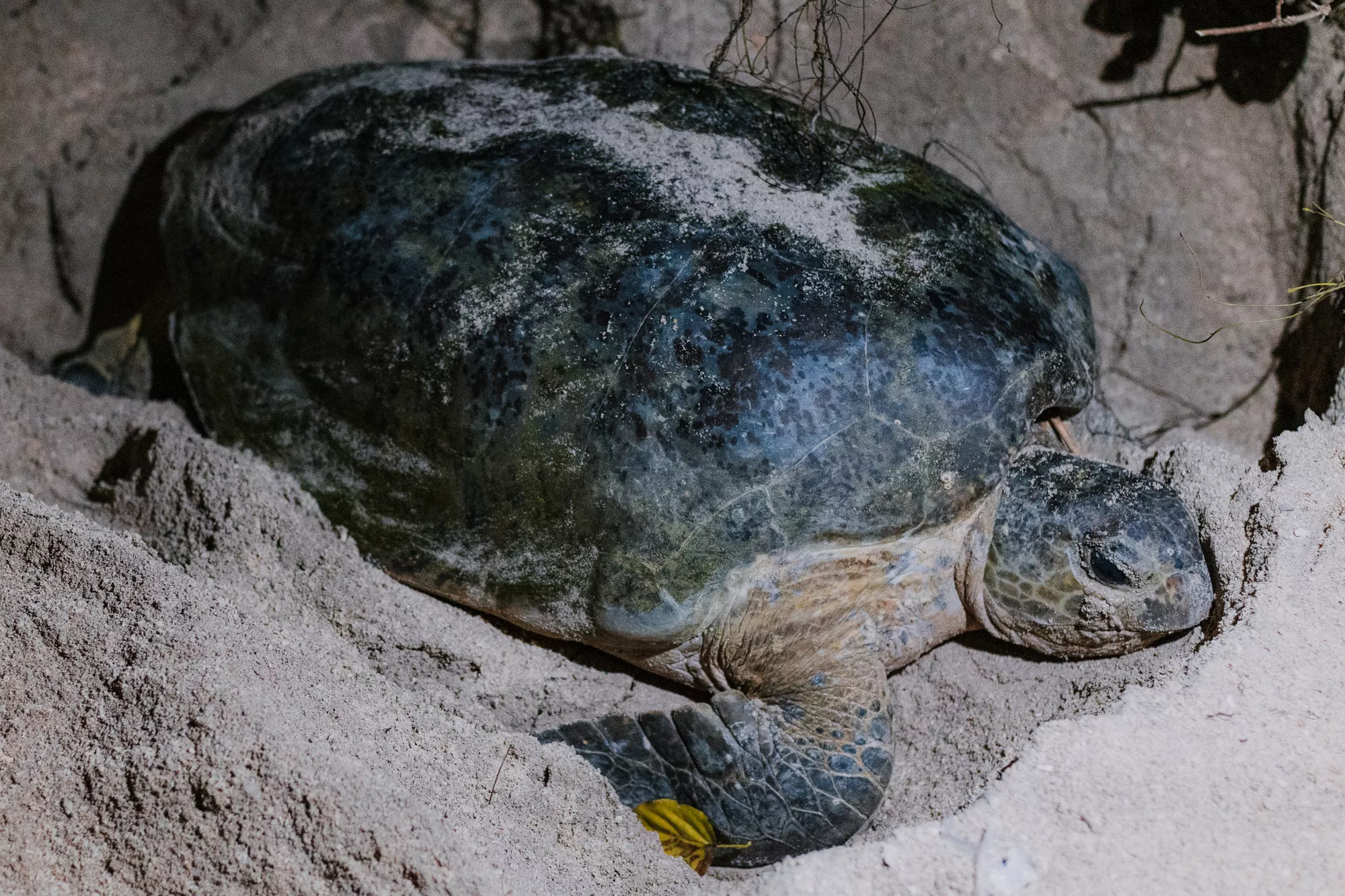
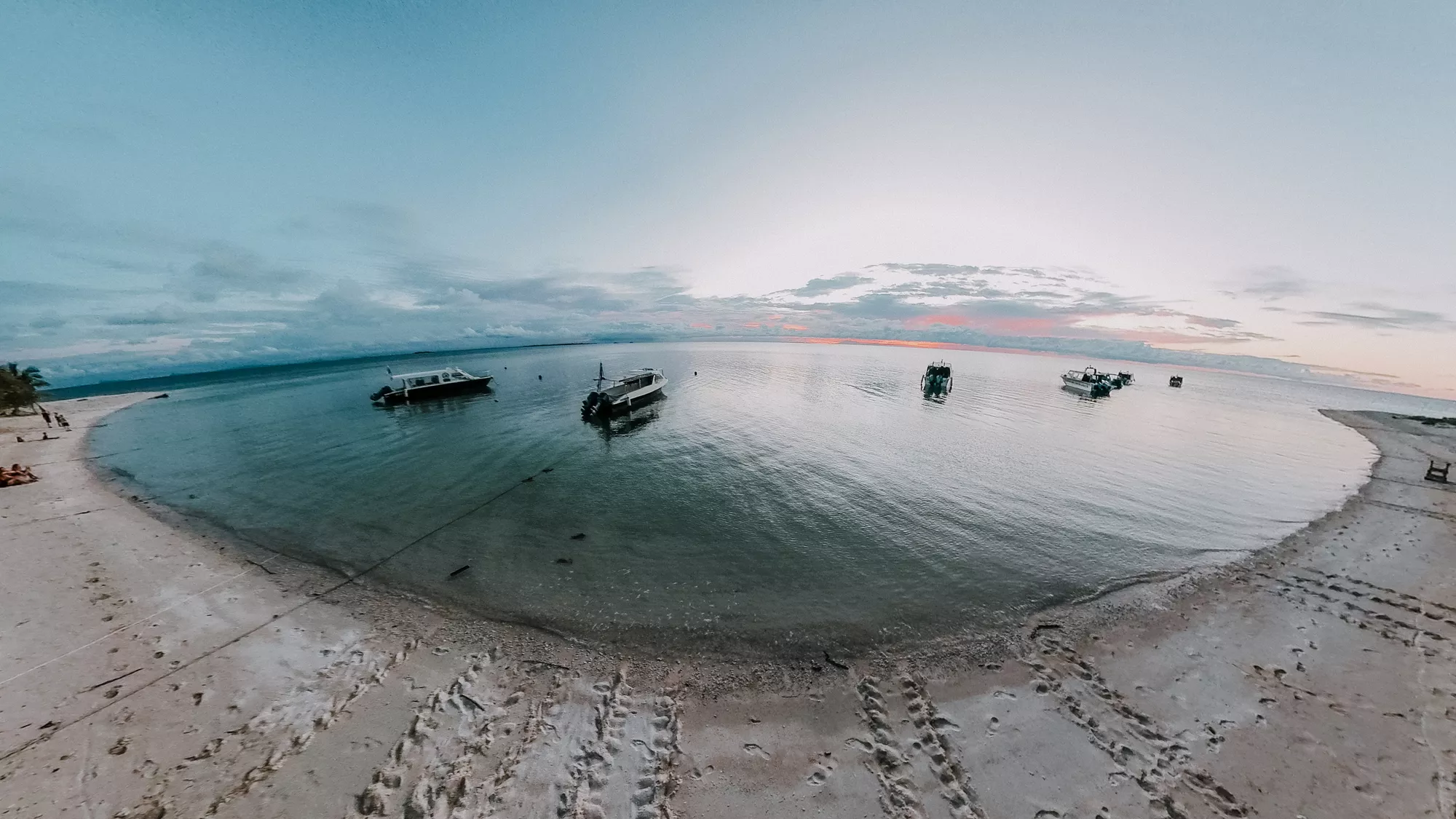
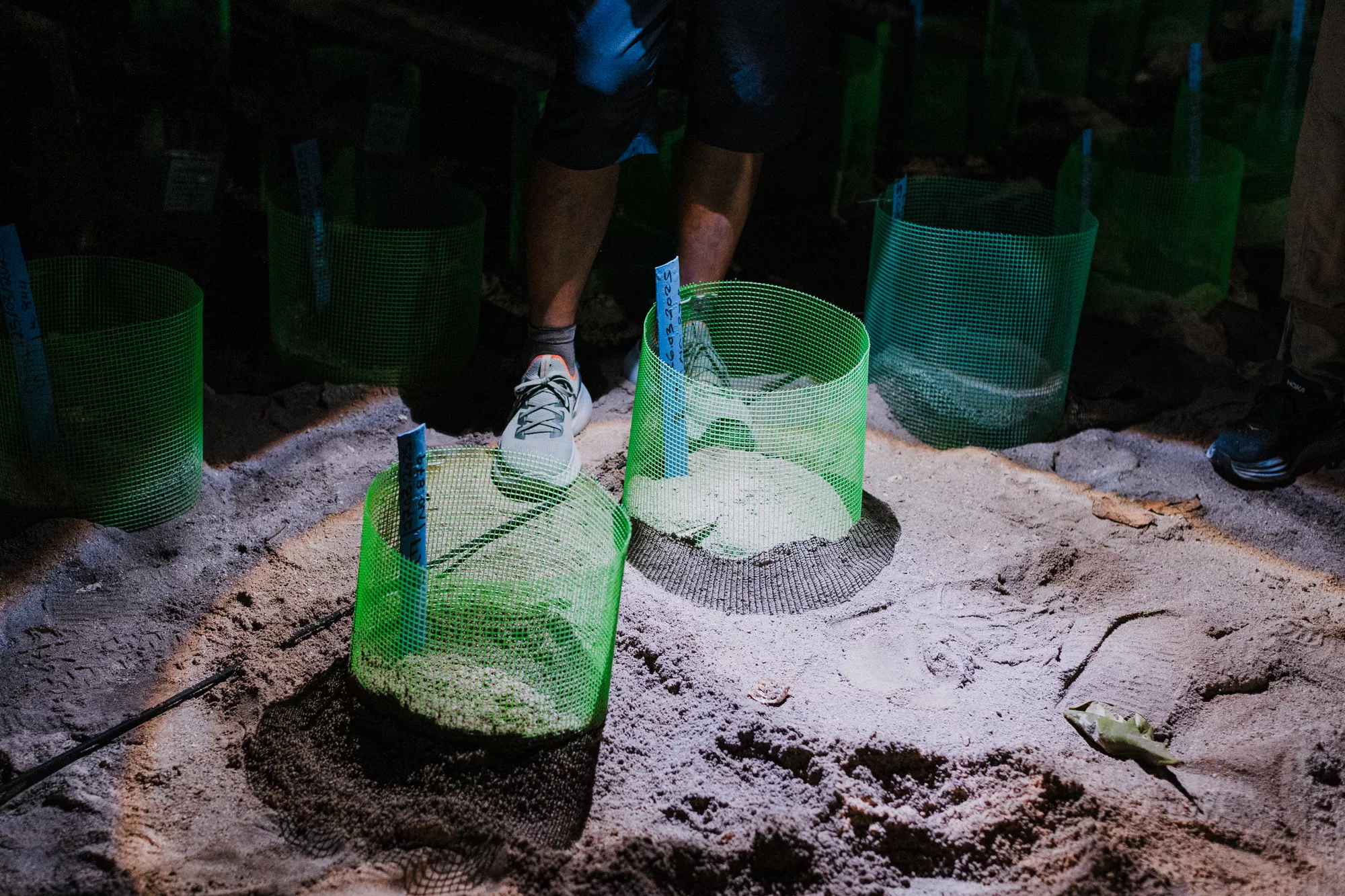
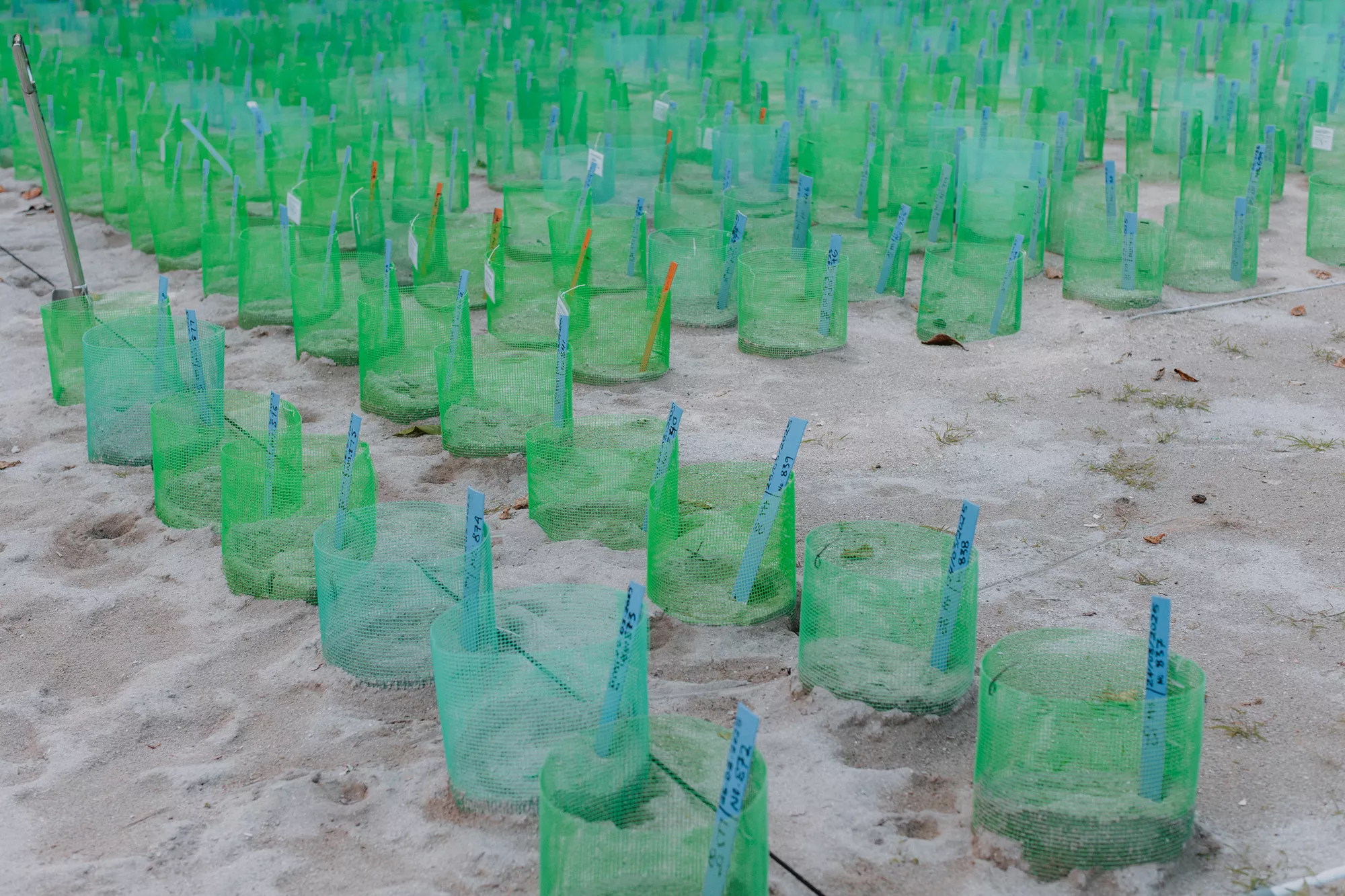
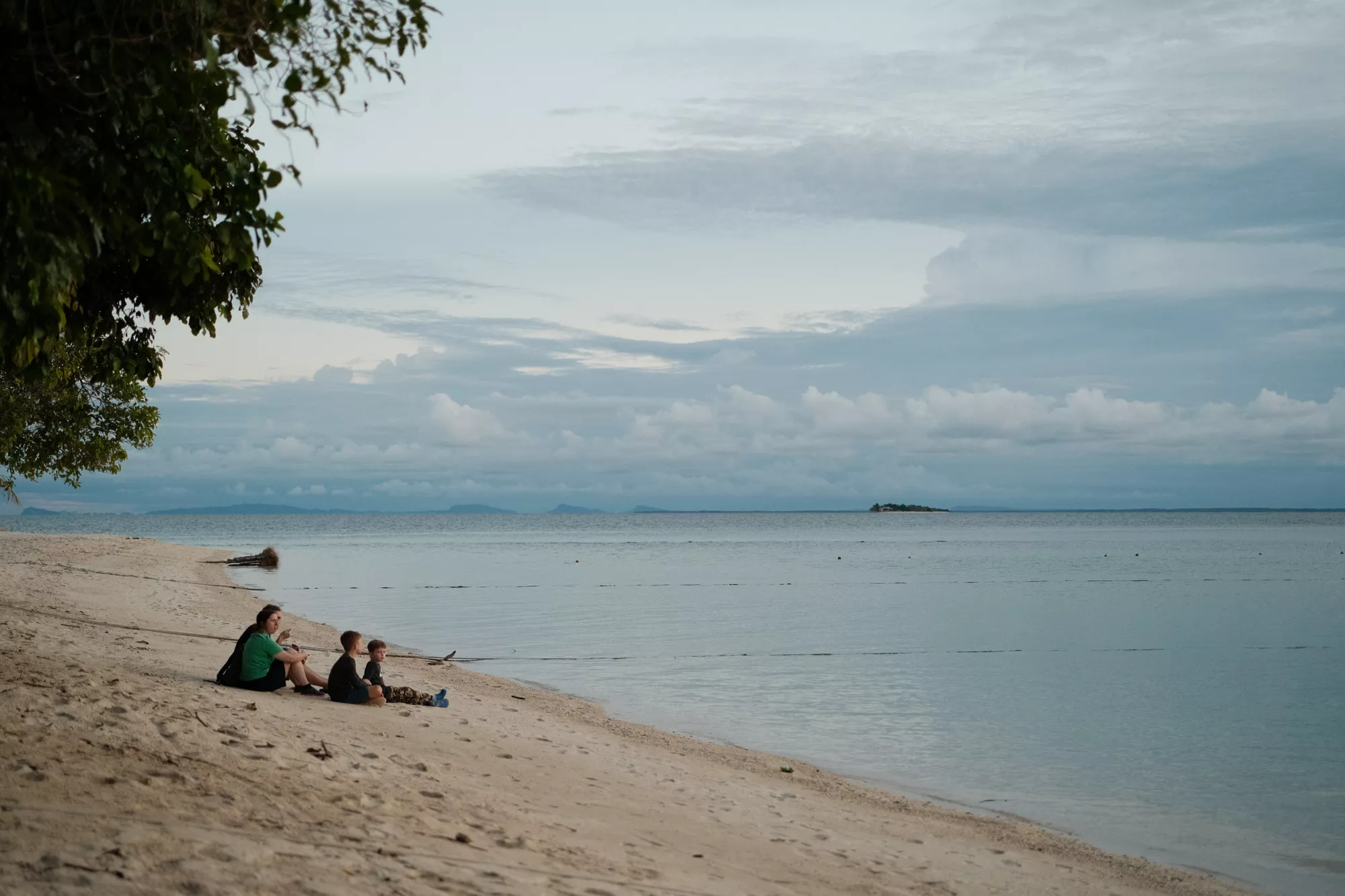
Selingan Island (Turtle Island) is one of the best places in Asia to see sea turtles nest in the wild. You’ll stay overnight, watch turtles lay eggs, and help release hatchlings into the sea — all guided by the indigenous community who’ve protected these turtles for generations. It’s a peaceful place and conservation-focused.
TIP
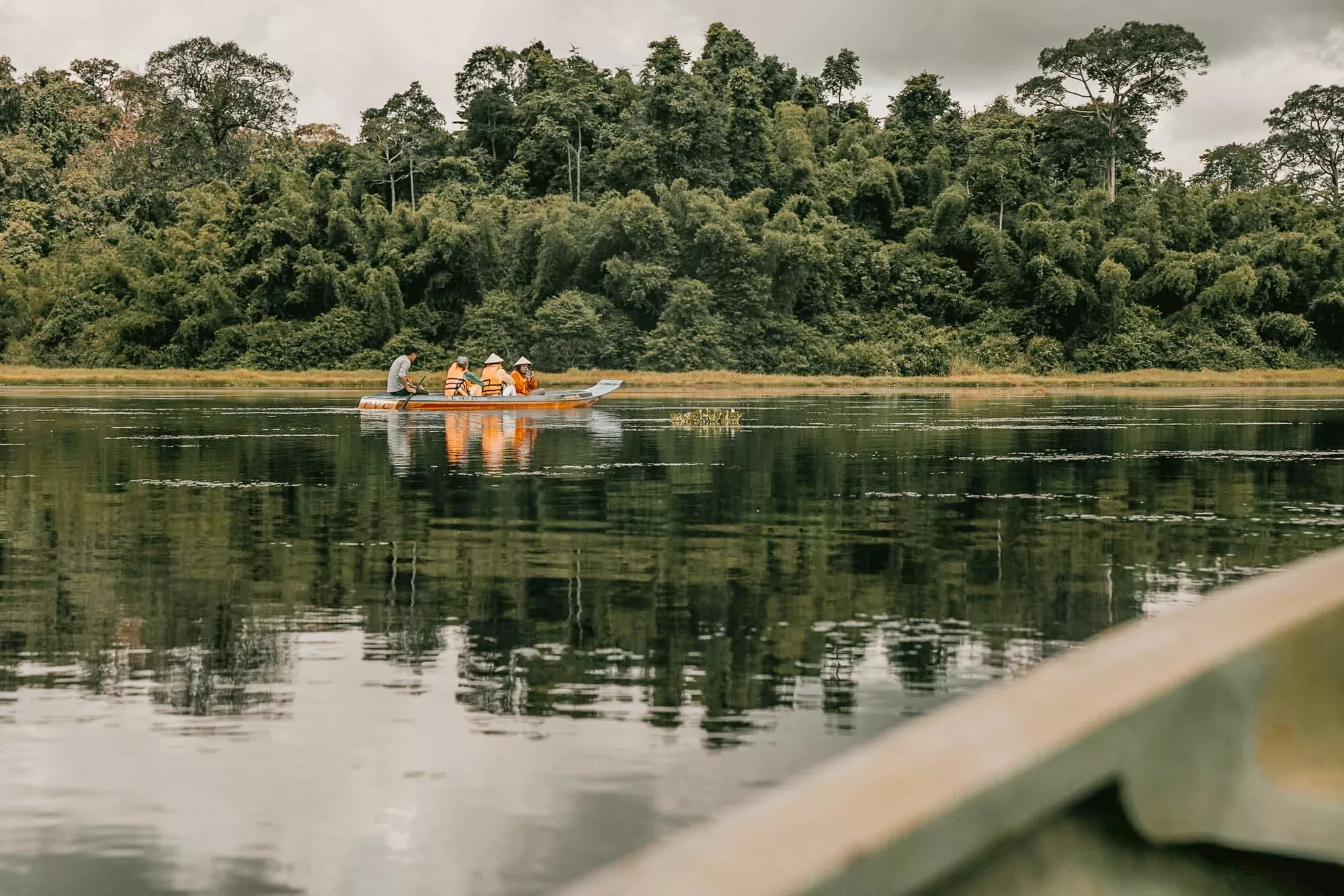

Cát Tiên is one of Vietnam’s best parks for spotting rare wildlife like gibbons, civets, and even sun bears — and one of the few places where you can actually track gibbons in the wild. Trek through rainforest, sleep in eco-lodges and visit a nearby rescue centre for sun and moon bears saved from the wildlife trade. It’s a great way to experience a lesser-known side of Vietnam.
TIP