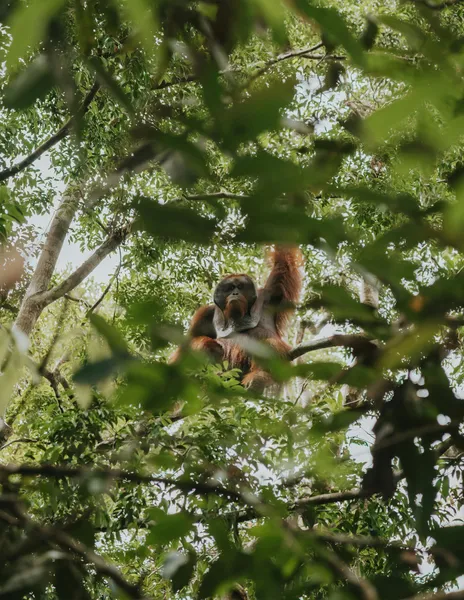
Best Tanjung Puting Houseboat Tours

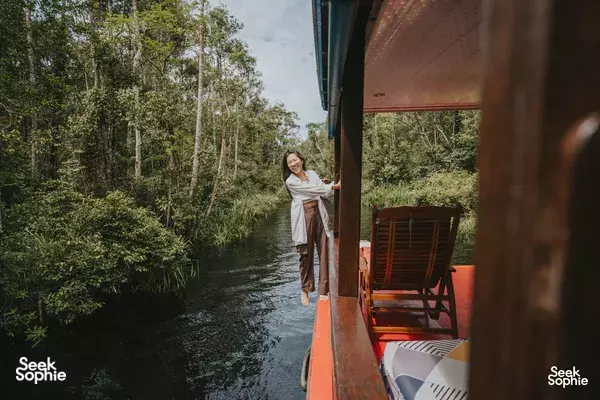
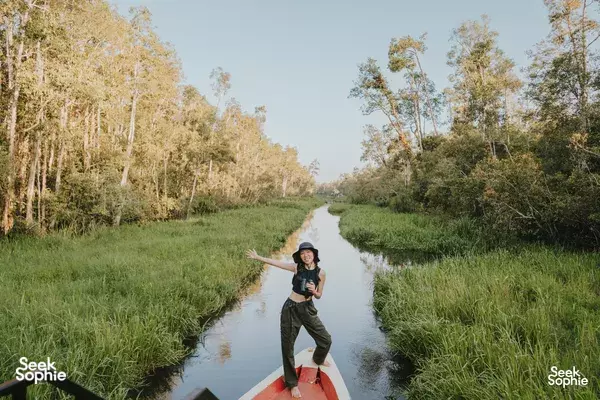

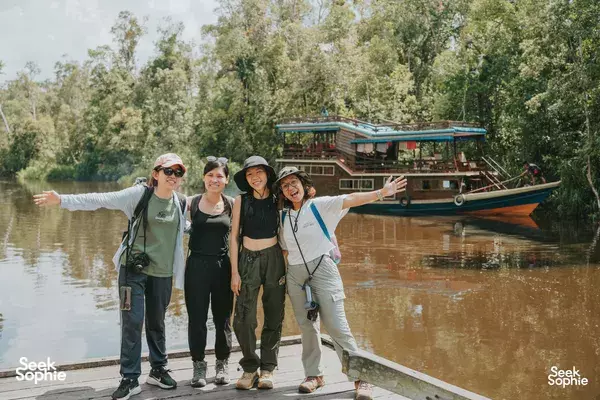
Seek Sophie didn't list Tanjung Puting for years because we weren't comfortable with the feeding stations. We changed our minds after visiting many times and talking to conservationists. Now we only list the klotok houseboats we trust most!
Best Tanjung Puting trips

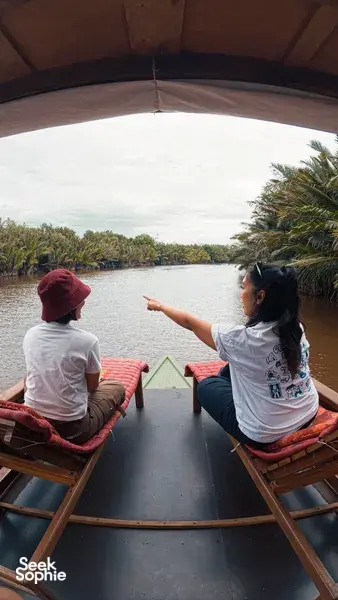
All Tanjung Puting National Park Experiences

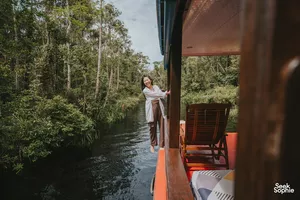
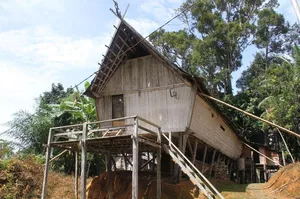

All Experiences
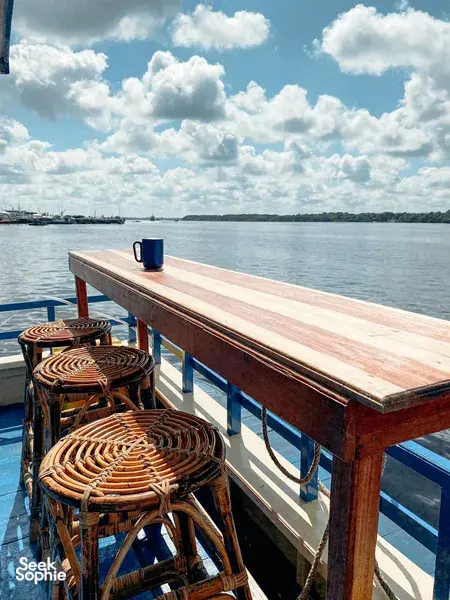
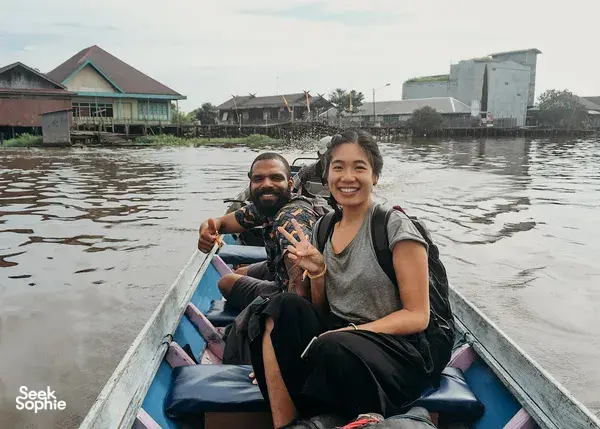
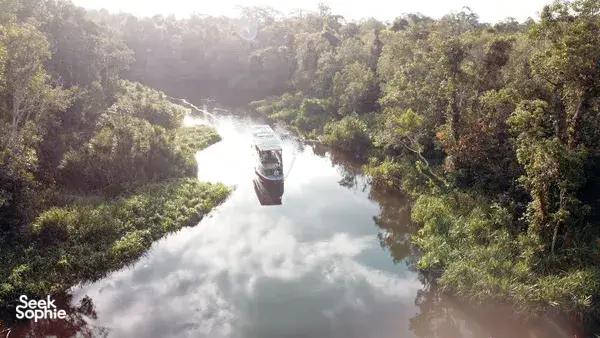

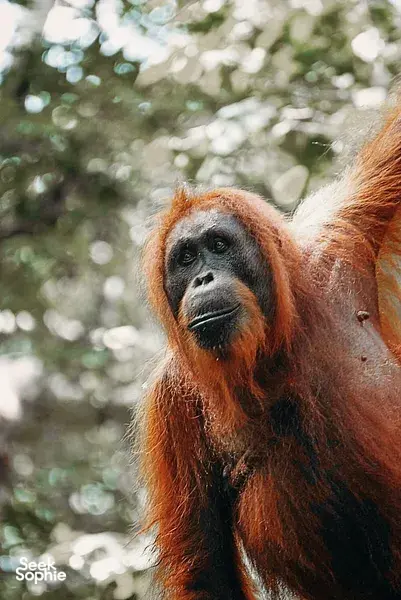
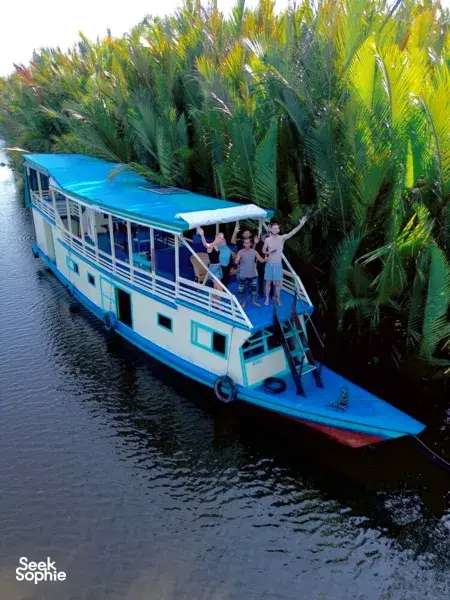


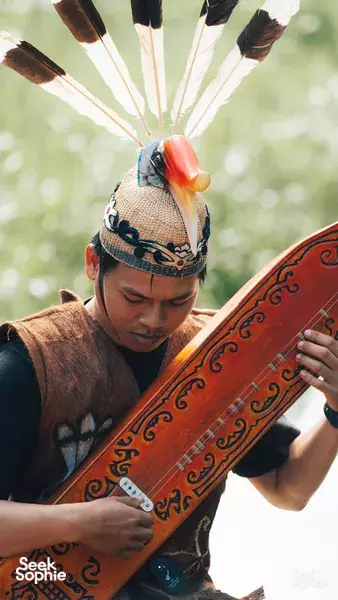
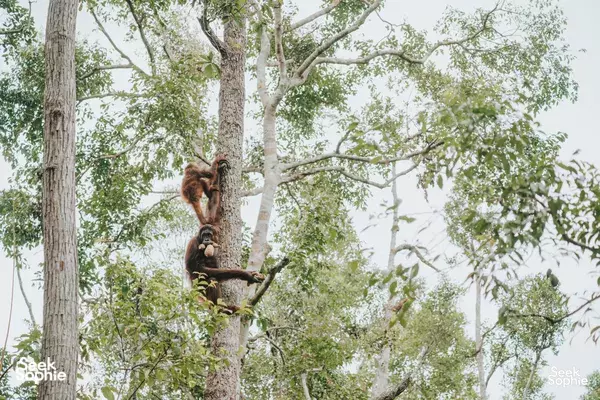
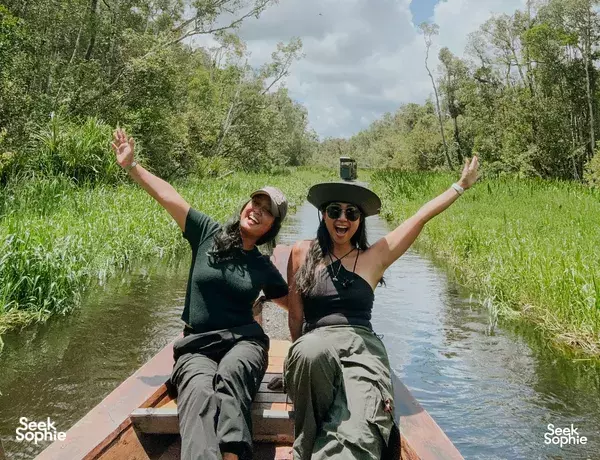
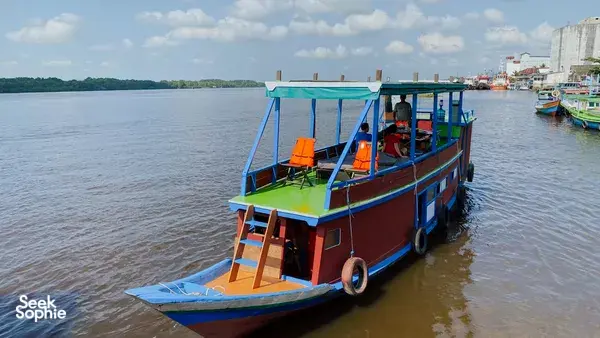
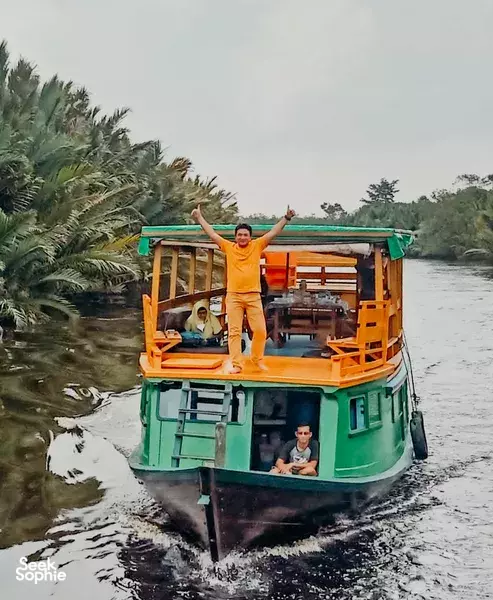
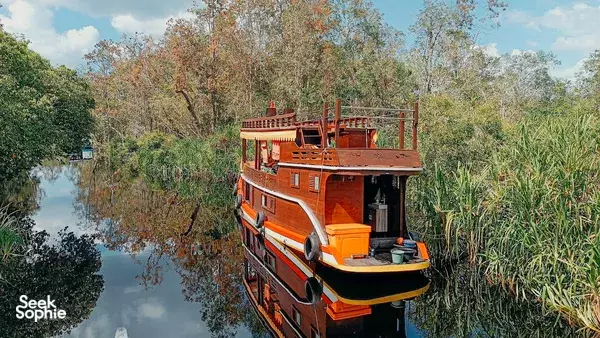
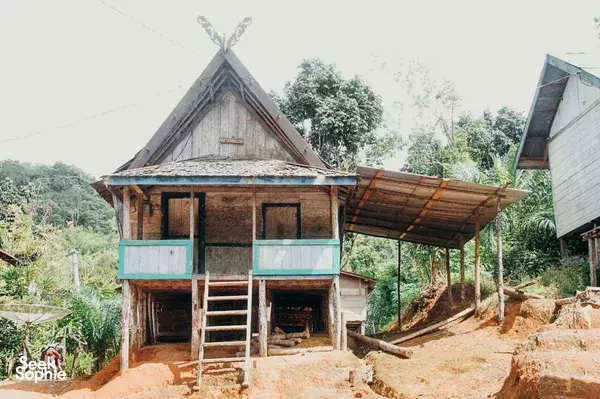
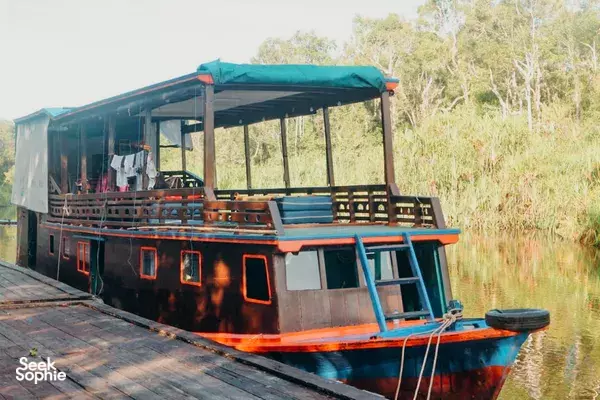




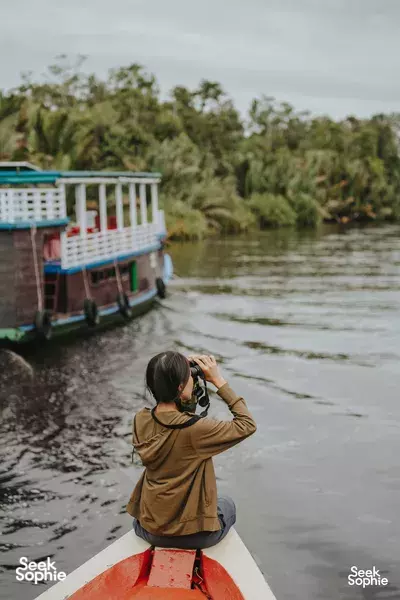
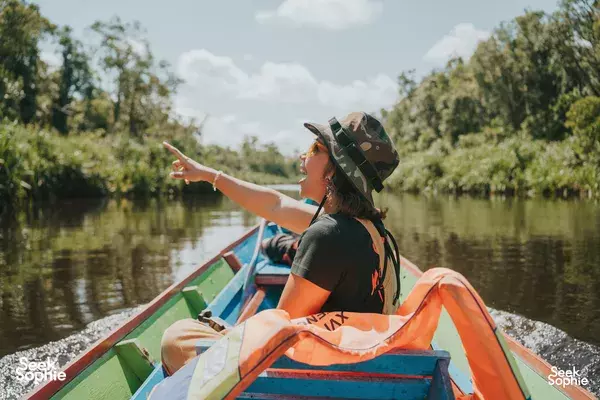
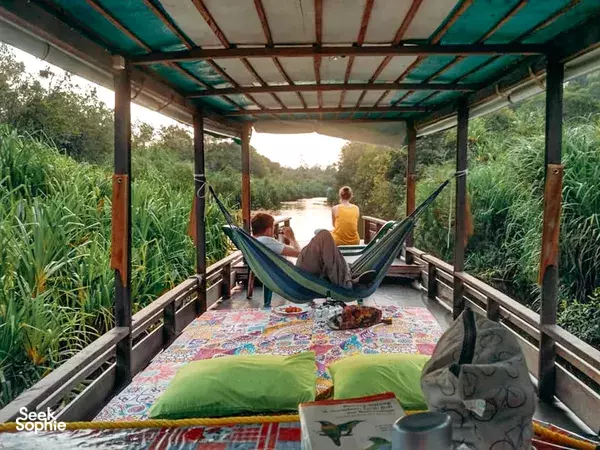
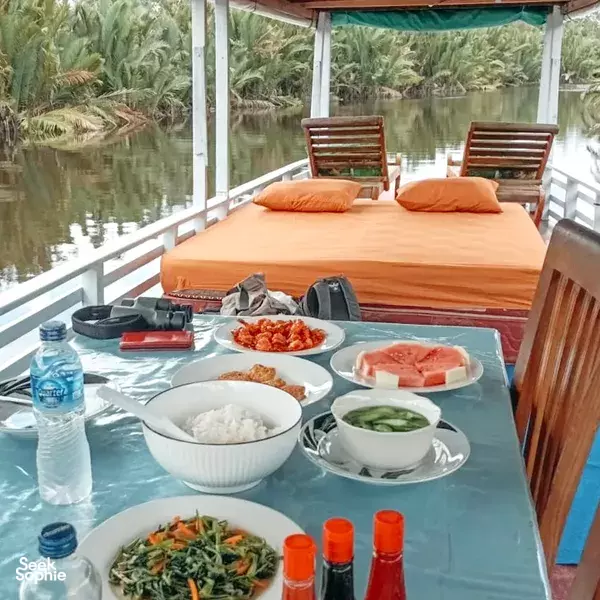

Visiting Tanjung Puting National Park

Why these Houseboats Made Our List
As this is a wildlife experience, we're extra careful. The first thing we looked for were hosts with good wildlife practices. We visited Tanjung Puting many times and spoke with conservationists to understand which hosts treat wildlife responsibly.
We also looked for houseboats that offered something more differentiated - whether that’s the itinerary, boat comfort, or giving back to conservation and local communities. The houseboats you see here are the ones we trust most in Tanjung Puting.
How to Choose a Houseboat
Choose based on comfort level, and your host.
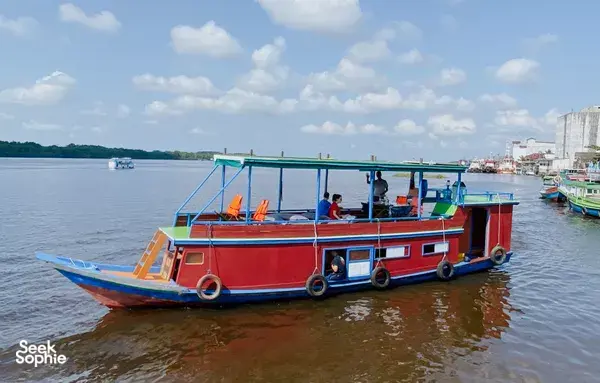
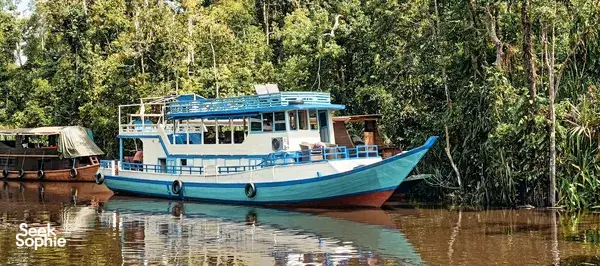
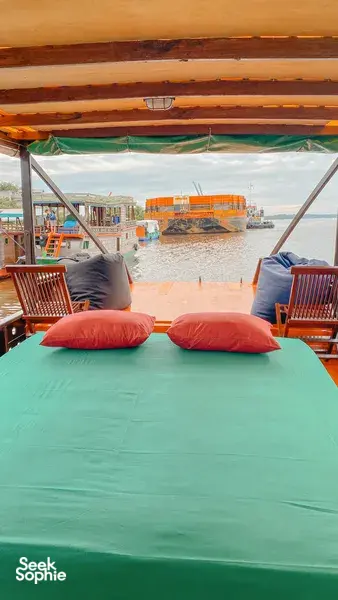
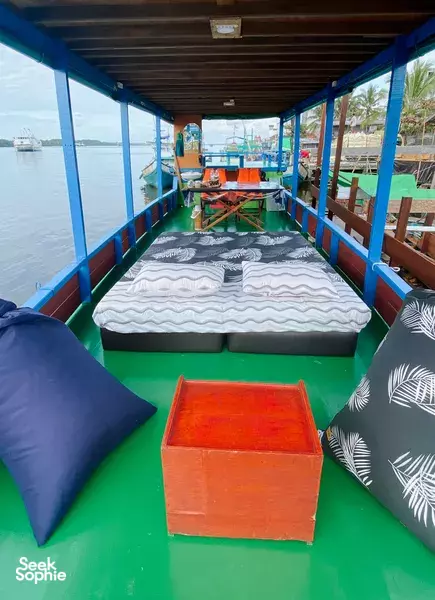
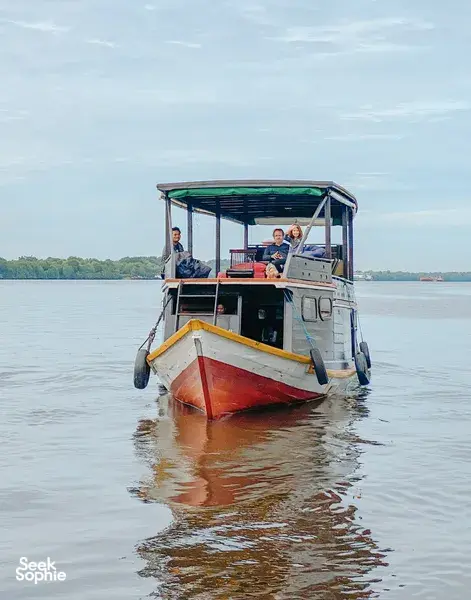
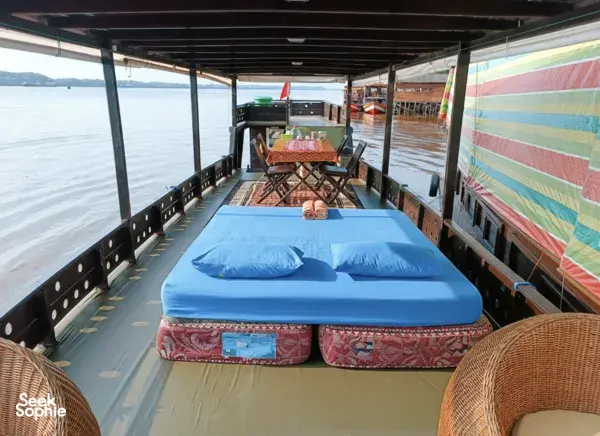
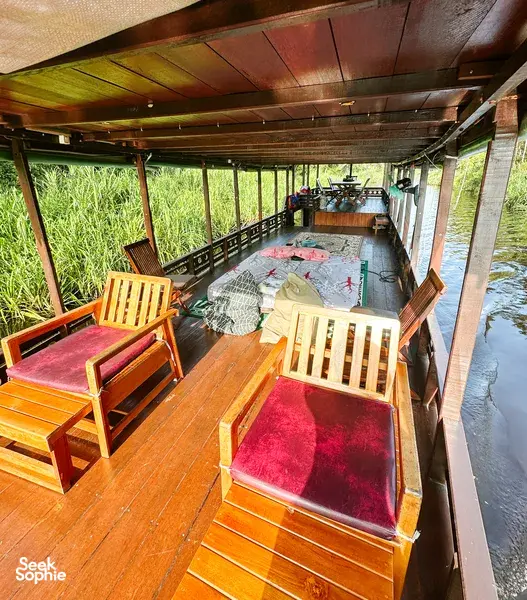
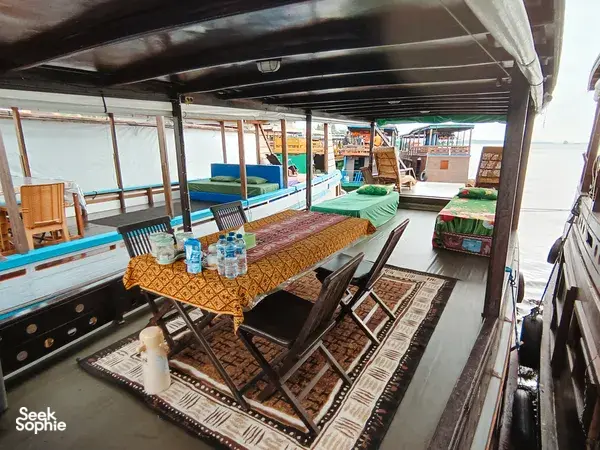
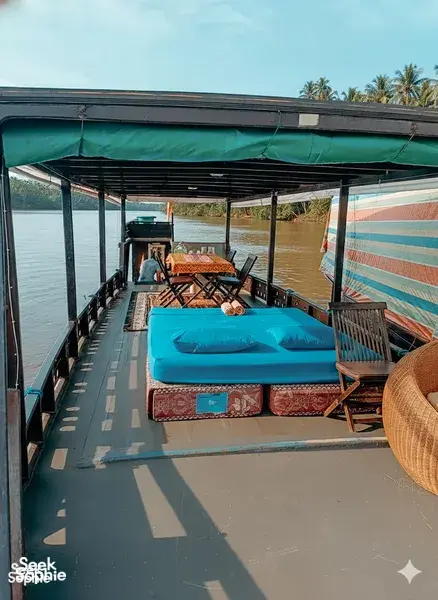
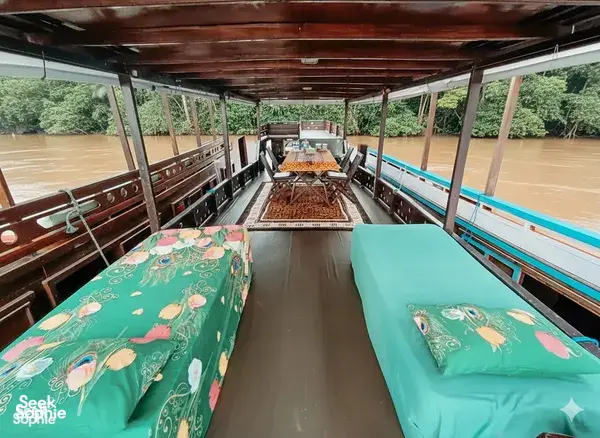
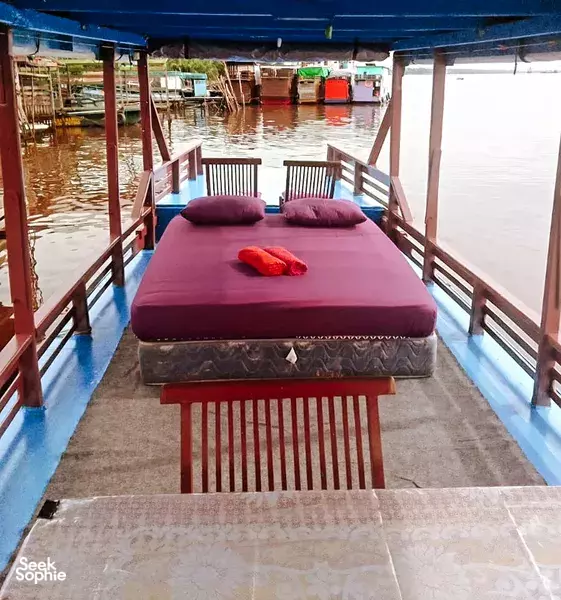
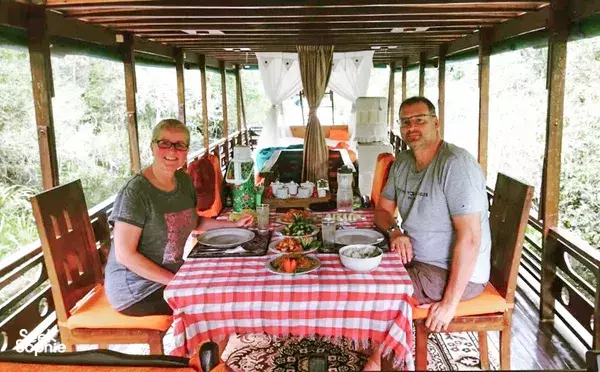
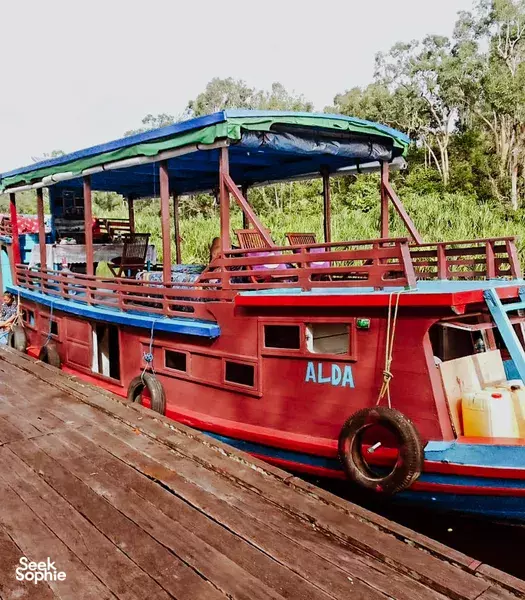
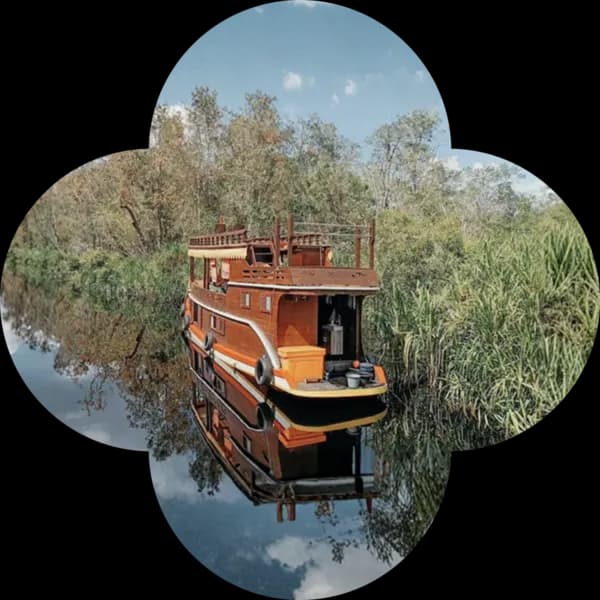
- Comfort level: Most houseboats (klotoks) are basic, with fairly similar facilities. Only a few have air-conditioning.
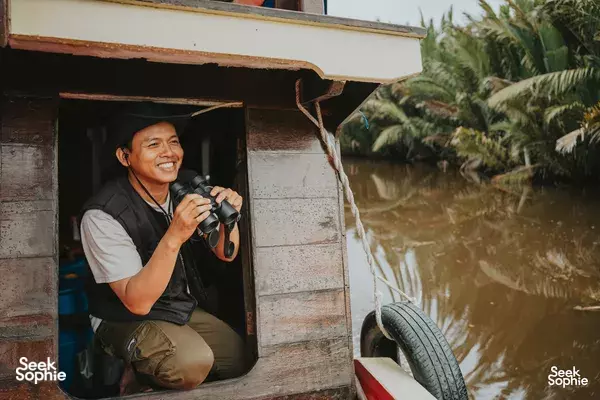
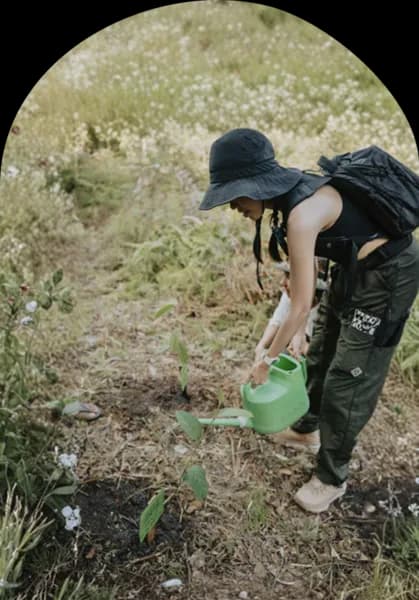
- Host: The main thing to look at is the host - they shape the entire experience. Choose a host whose mission you connect with, whether that’s conservation, reforestation or supporting local communities.
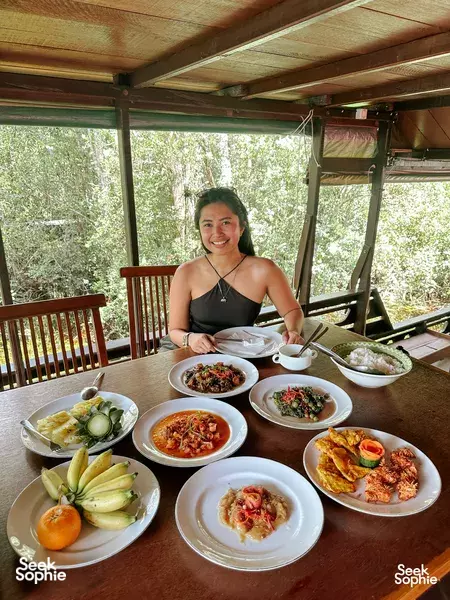
- Activities: Boats usually visit the same orangutan sites, but some boats include extra activities like village visits or cooking.
How Many Days to Plan For
Most visitors do a 3D2N river cruise, which is enough to visit the main orangutan feeding stations and experience the jungle. If you have time, we’d recommend 4D3N - it feels less rushed and gives you more time to cruise deeper along the river, spot wildlife and hear cute orangutan stories!
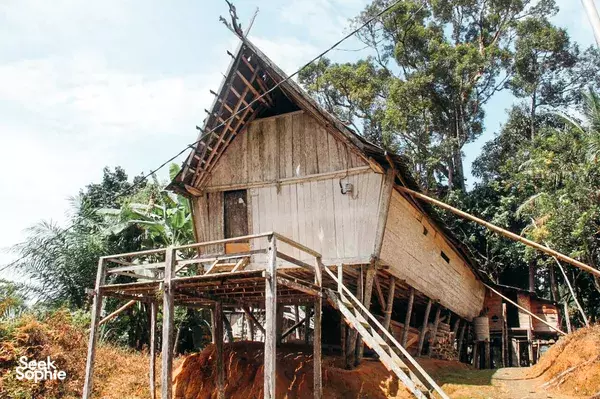
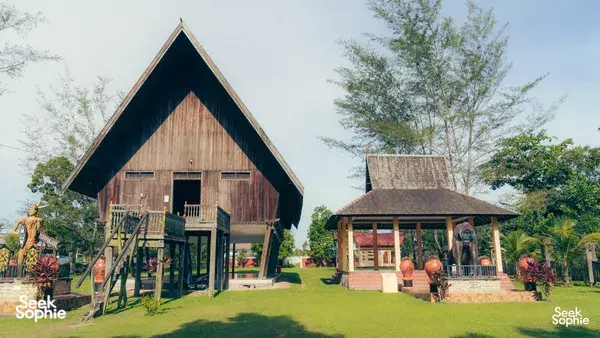
If you’d also like to visit a Dayak village, plan about 6 days to travel further upriver and spend time with the community.
Most trips can start the day you fly in and end on the day you fly out.
Best Time to Go
The dry season (June–September) is peak season here, with better weather and good wildlife spotting. If you go then, book your houseboat in advance!
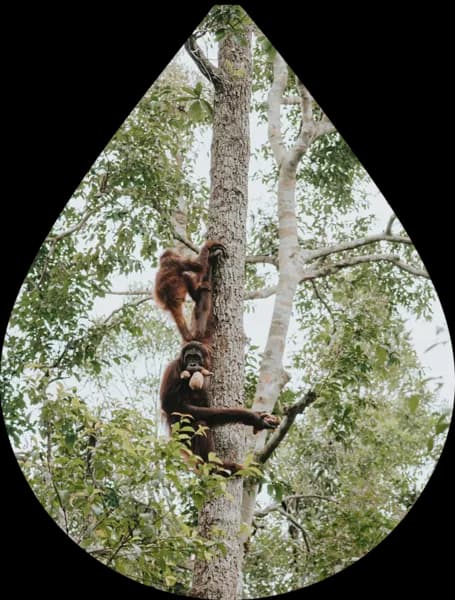
If you want fewer crowds, try March–May. This is often fruiting season, when orangutans gather near the river to feed so it's easier to spot them!
The rainy season (December–February) can be very wet, but you can still see orangutans, and there are far fewer visitors.
Top things to see & do

Have a burning question?
Helpful Questions
How to get to Tanjung Puting?
Fly into Iskandar Airport (Pangkalan Bun). There are daily flights from Jakarta and Surabaya — Batik Air is usually the most reliable, though NAM Air also flies this route. If you’re connecting, leave a generous buffer. Domestic flights in Indonesia are often delayed
From the airport, your guide will usually pick you up, or you can take the official taxi into town. Most orangutan trips start from the nearby port of Kumai, and your tour operator will arrange the transfer from your hotel to the boat.
How many days do I need in Tanjung Puting?
Most people do 3D2N. That's enough to visit the main feeding stations. But we'd recommend 4D3N if you can. It feels less rushed, and you get to cruise deeper along the river and feel more immersed in the rainforest. If you have a longer time, you can also add on more experiences like canoeing and visiting lesser-known parts of the rainforest to see other wildlife such as snakes and birds. The Seek Sophie team has been to Tanjung Puting multiple times over the years, and each time we go we wish we had done a longer trip! So you won't regret spending even 5 or 6 days here!
Which Tanjung Puting houseboat tour should I book?
Most klotok houseboats visit the same orangutan sites. So the main difference is the host. Seek Sophie only lists hosts with good wildlife practices, and each one gives back to conservation or local communities in its own way.
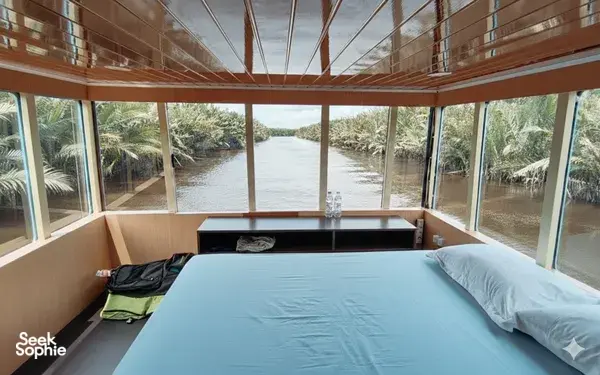
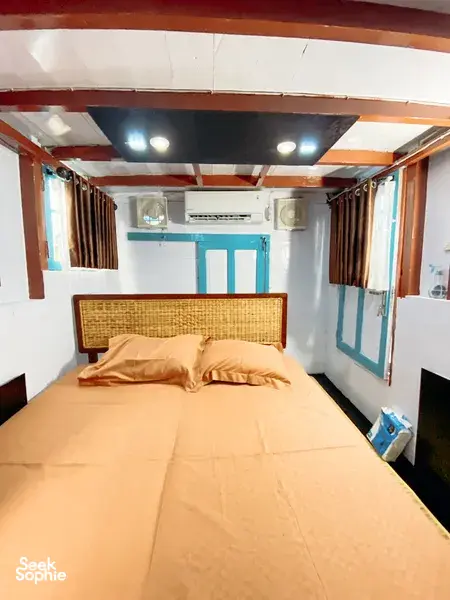
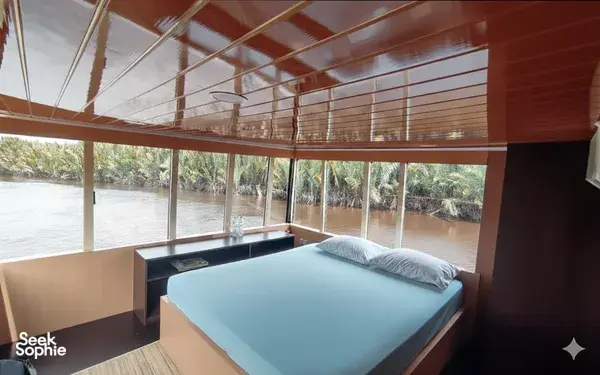
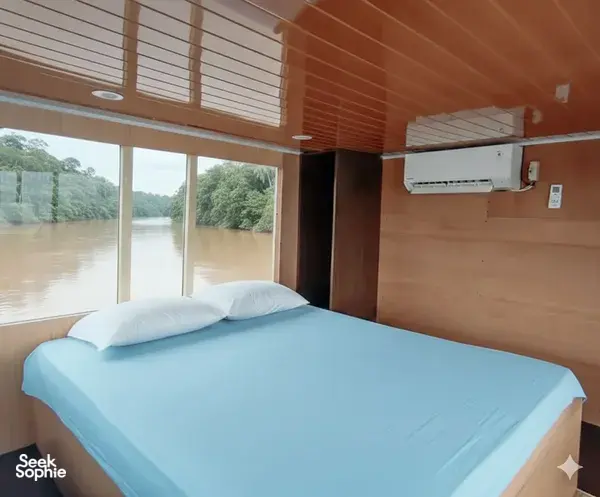
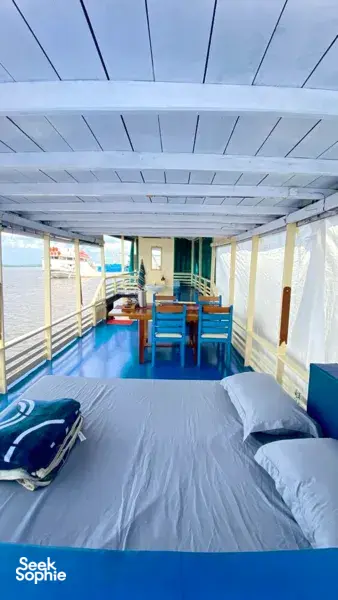
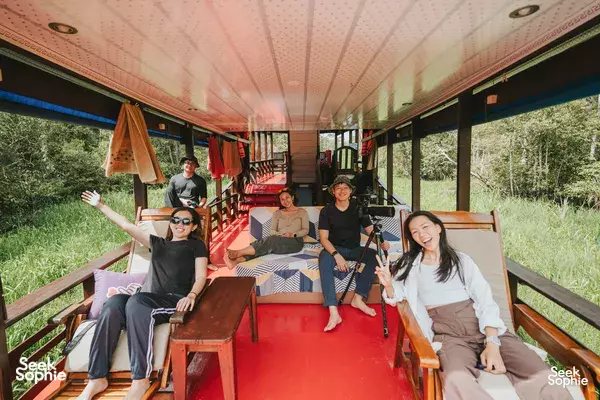
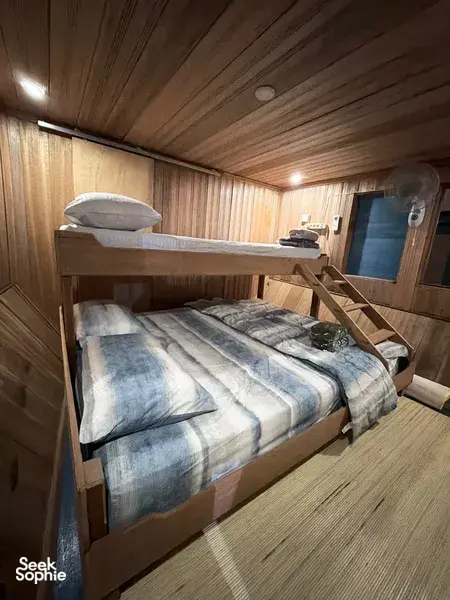
Pick based on two things. First, comfort: most boats have no AC, and you sleep on the open deck under a mosquito net. If you want AC, choose one of the few boats with enclosed cabins. Second, the host's mission: pick the one you connect with most.
Is there wifi on the boat?
Nope - it’s a good time to switch off and enjoy the jungle! Once you’re on the boat, you’ll mostly be offline. Mobile data works in Pangkalan Bun and Kumai, but signal usually disappears once you cruise past the first feeding station (Tanjung Harapan), sometimes even earlier depending on your provider.
Is there aircon on the houseboat?
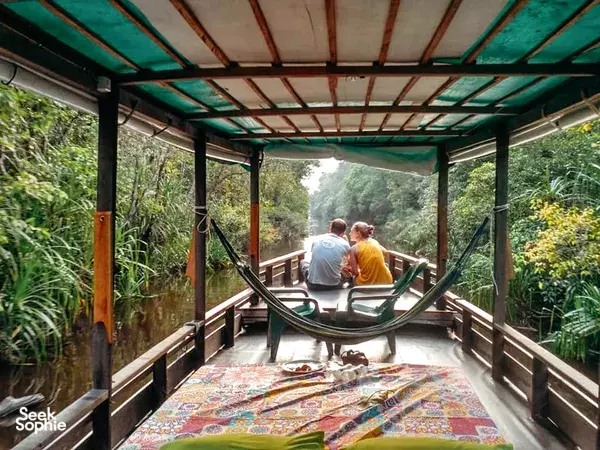
Most klotok houseboats don’t have air-conditioning. You’ll usually sleep on the open upper deck, under a mosquito net, with jungle views and river breeze.
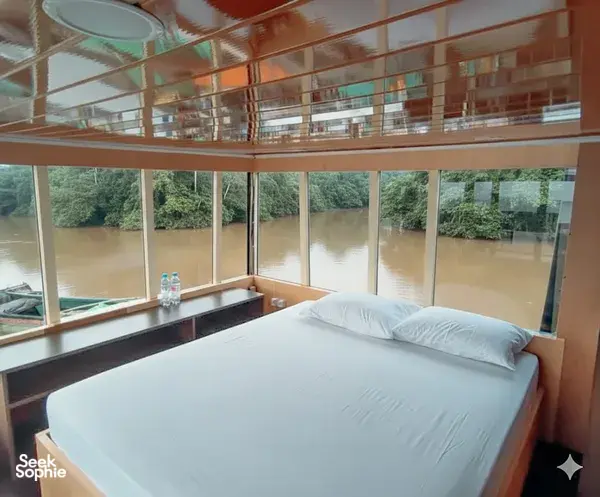
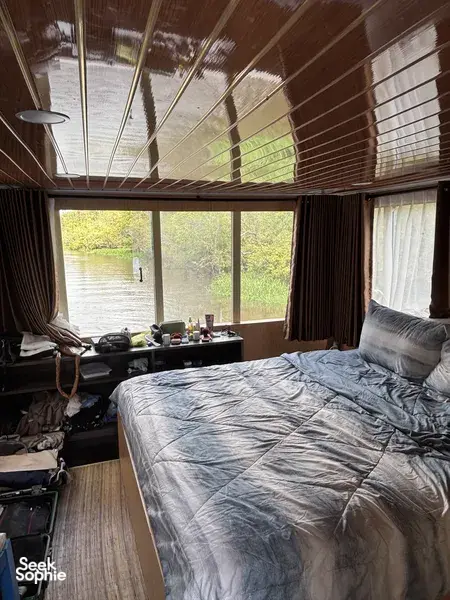
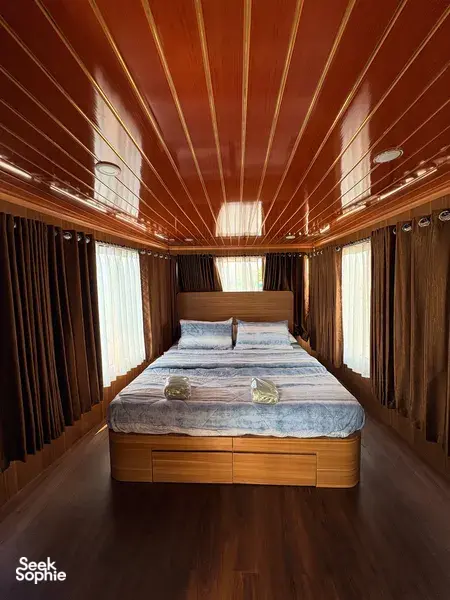
A few boats offer enclosed cabins with AC. If you prefer a cooler, more private sleeping space, it’s best to choose one of these AC houseboats.
What are the toilets like on the houseboat?
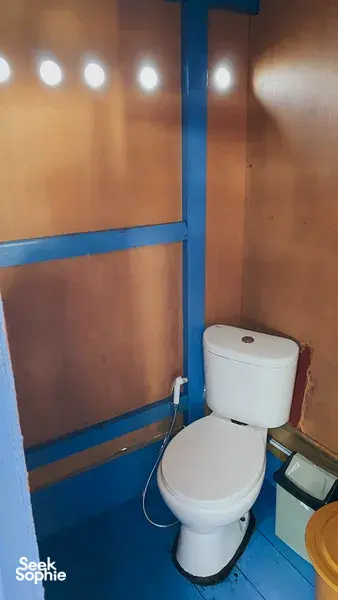
They're pretty simple, but clean. And don’t worry - no squatting required! Most boats have a regular toilet (not squat) and a simple cold-water shower in the same space, with no separate wet and dry area. There are no toilets at the orangutan feeding stations, so you’ll use the boat’s toilet throughout the trip.
Are the feeding stations ethical?
We’re generally against feeding wildlife. In fact, Seek Sophie didn’t list Tanjung Puting for years because we were uncomfortable with the idea.
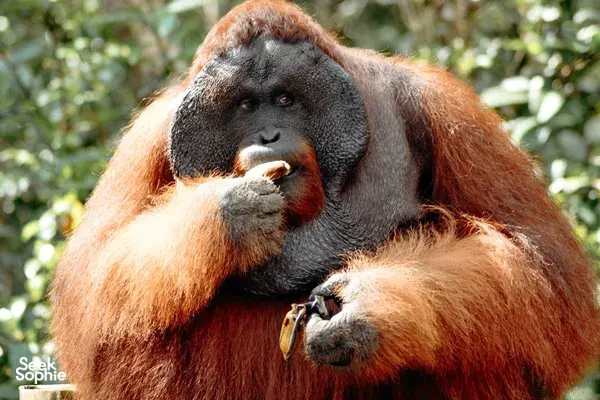
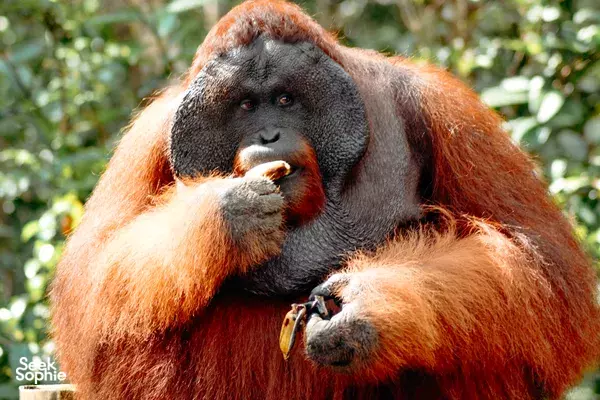
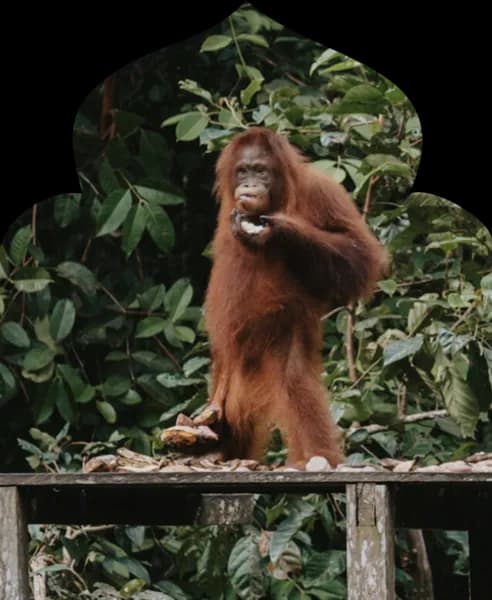
We only reconsidered after visiting several times and speaking directly with conservationists to understand the situation. Tanjung Puting is a very unusual case where feeding stations are used as a survival tool, not a tourist gimmick.
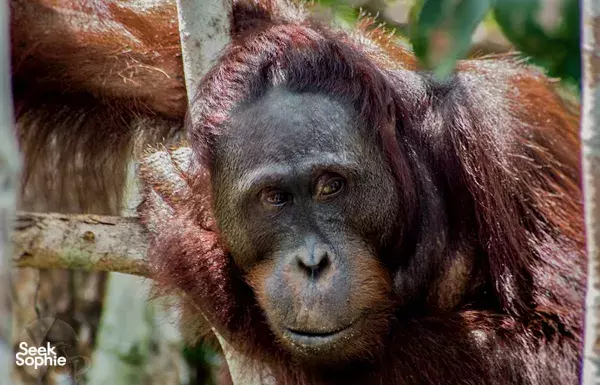
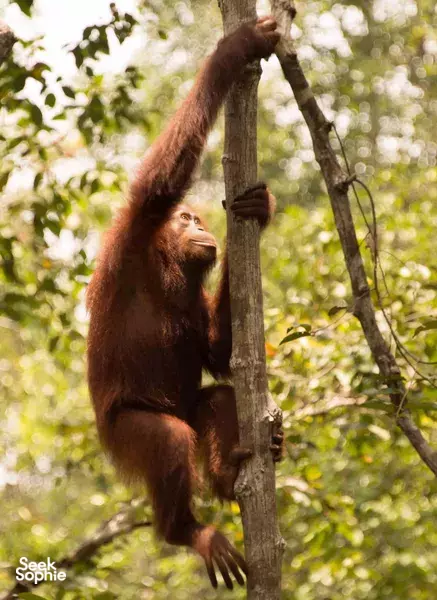
First, many orangutans here were rescued from the pet trade decades ago and never properly learned how to forage in the wild.
Second, large-scale habitat loss from palm oil plantations has reduced the number of fruiting trees. Without some supplemental feeding, food shortages could lead to more competition, injuries and declining numbers.
Finally, the feeding stations are linked to rehabilitation programmes run by the Orangutan Foundation International. Rescued orangutans go through “forest school” where they relearn survival skills before returning to the wild.
So while feeding wildlife is usually a red flag, this is one of the rare places where it’s part of a long-term conservation strategy to help a vulnerable population survive.
It’s not a perfect system. But from what we’ve seen on the ground, it’s a genuine attempt to protect orangutans in a landscape already heavily shaped by humans.