Tanjung Puting National Park: Everything You Need to Know
One of the best places in the world to see orangutans in their natural habitat
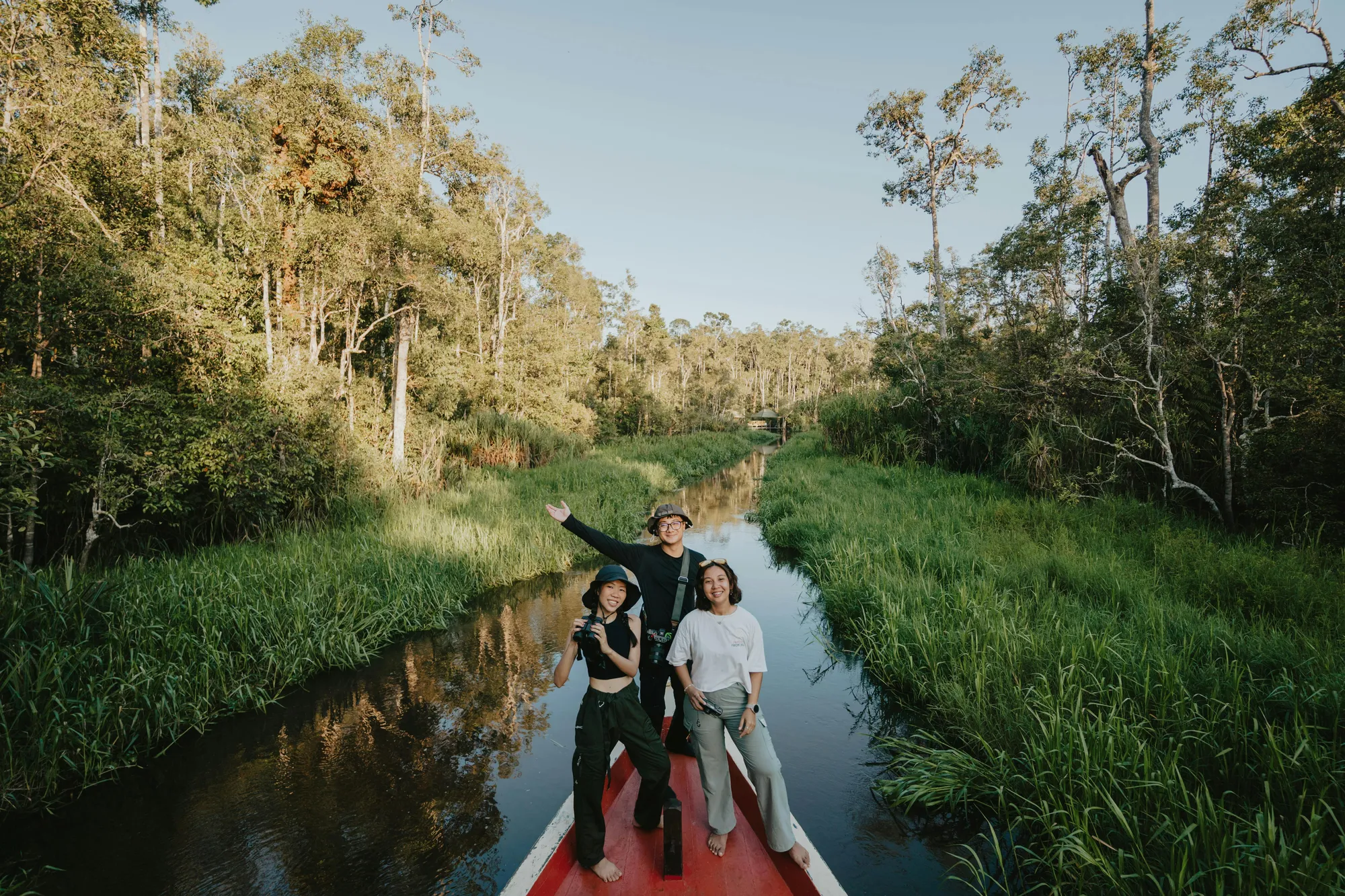
If you’ve ever dreamt of drifting down a jungle river while spotting orangutans in the wild, Tanjung Puting National Park in Borneo is the place to make that dream come true. And with the largest concentration of orangutans in the world, at over 6000 individuals, you have the best chance to see them here!
Tucked deep in the heart of Central Kalimantan, this hidden gem is one of Indonesia’s best eco-adventures. Whether you’re a wildlife enthusiast, a conservation-minded traveler, or just looking for a truly unique escape, Tanjung Puting is the place for you.
The Basics
What is Tanjung Puting
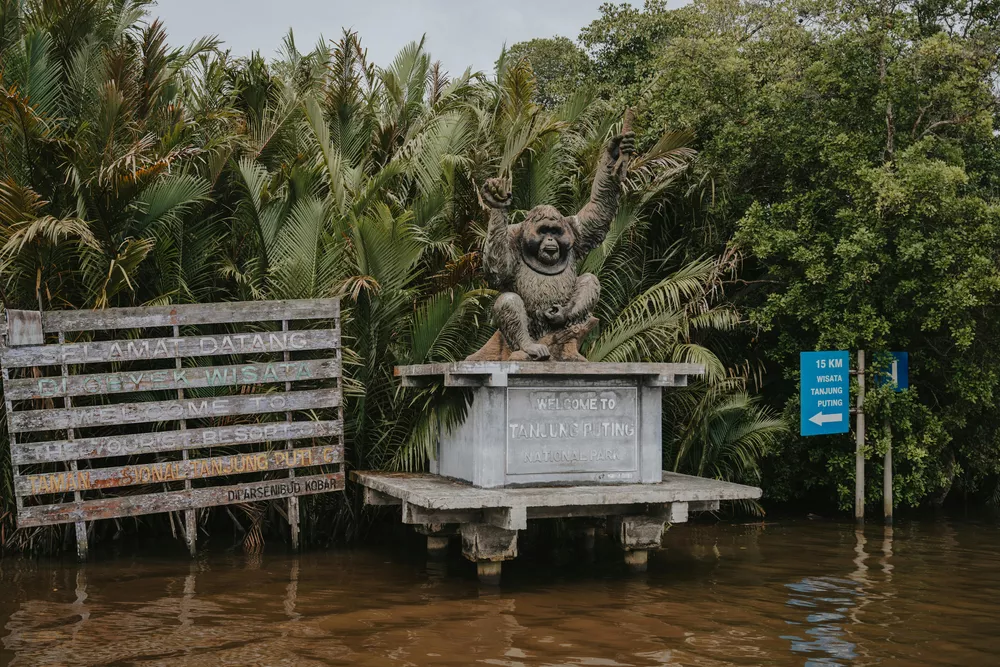
Tanjung Puting National Park is a lush, biodiverse tropical rainforest located in Central Kalimantan, Borneo, Indonesia. It’s one of the few places in the world where you can see orangutans in their natural habitat. Originally protected in 1936 and declared a national park in 1996, this park is now a UNESCO recognized biosphere reserve and home to thousands of plant and animal species.
It is also home to Borneo Foundation International an organisation founded by Dr Birute Galdikas, for the purpose of orangutan research and conservation efforts. Here you will be able to see both wild and rehabilitated primates along the Sekonyer river and at feeding stations.
What to do Here
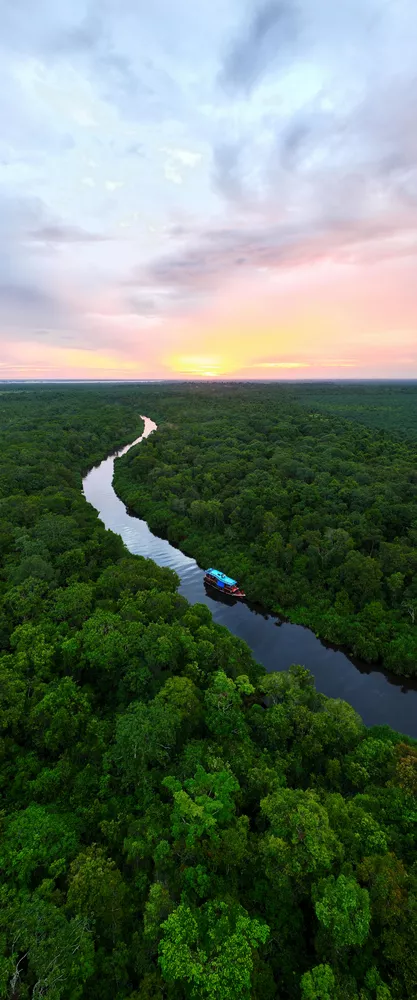
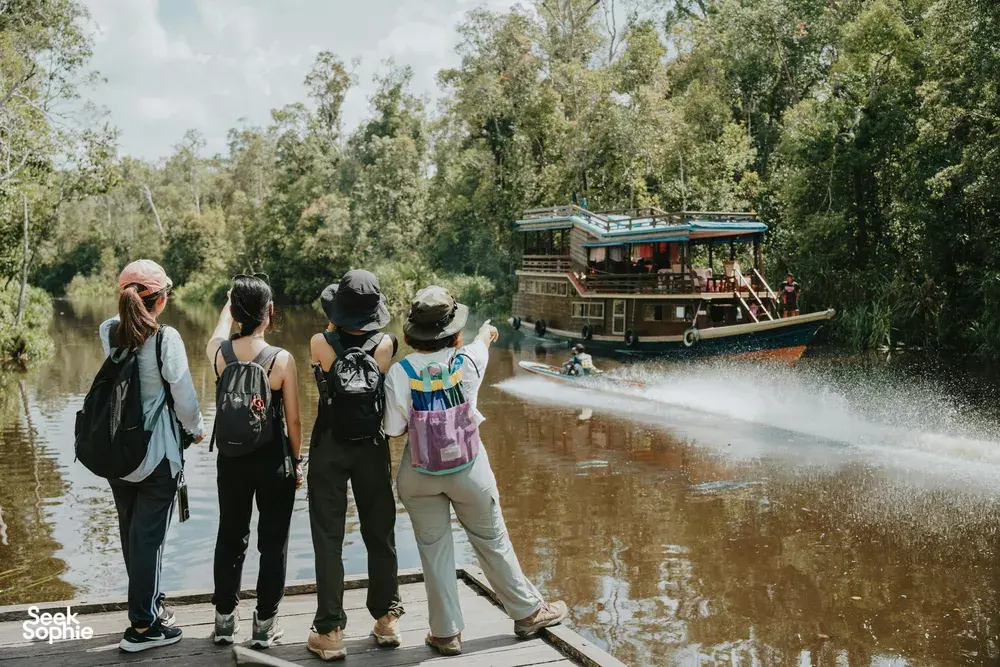
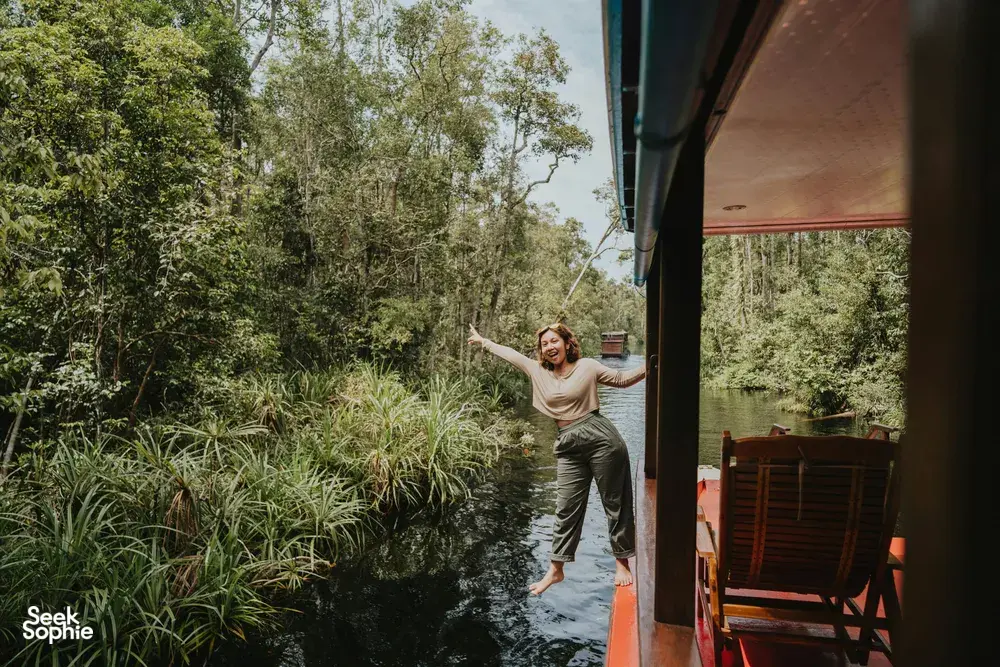
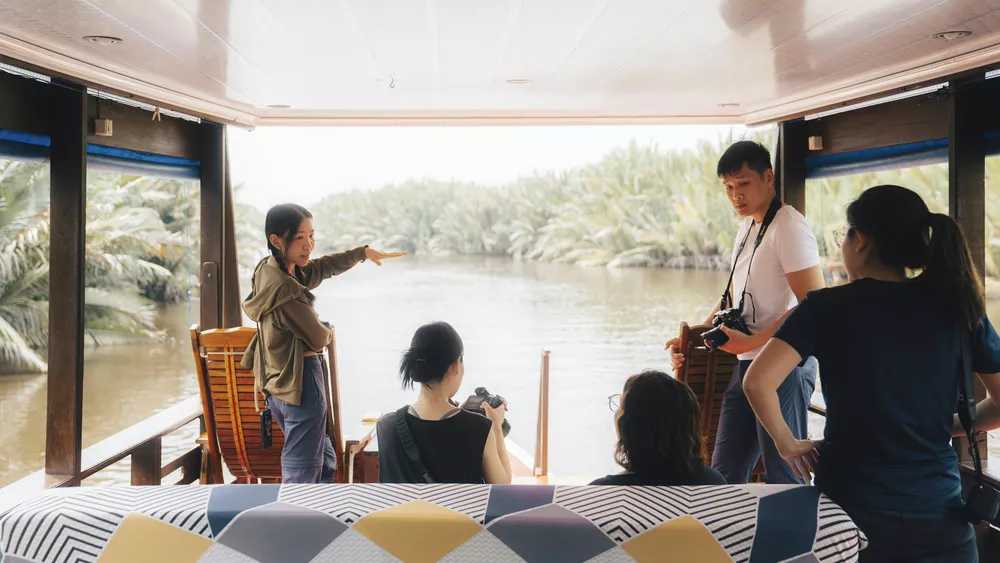
A multi day houseboat cruise on the Sekonyer River is the most common way to explore the park. You’ll glide past dense jungle on a traditional houseboat (locally known as klotok), spotting Bornean orangutans, proboscis monkeys, macaques, gibbons, hornbills and so much more. Most itineraries will include visits to feeding stations like the famous Camp Leakey as well as short hikes through the rainforest.
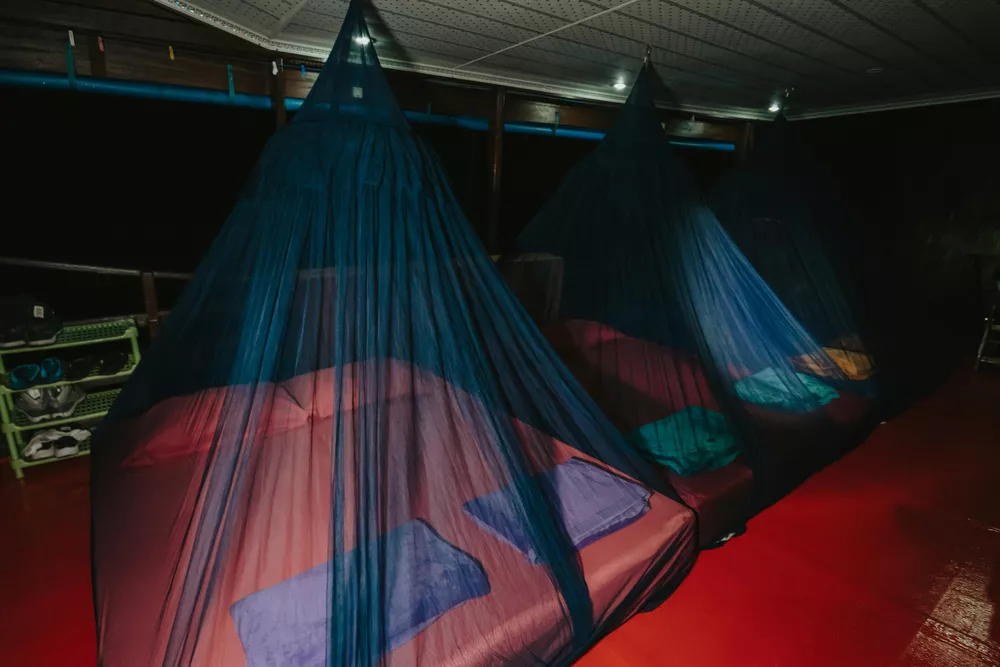
Do note that the houseboats are rather rustic, providing for a basic sleeping arrangements (mattresses on the deck with mosquito nets) with typical amenities including a western style toilet and shower. Most operators will include all meals onboard along with some side excursions such as night treks and canoe rides.
Is it Worth Going
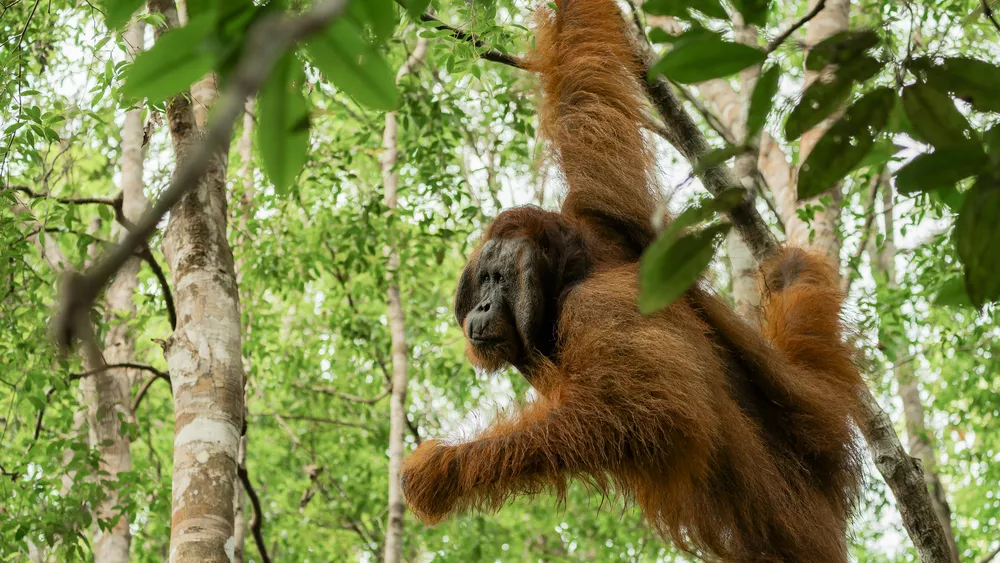
If you love wildlife, this place is a dream. Tanjung Puting is one of the best destinations in the world to see both semi wild and wild orangutans up close while supporting vital conservation efforts. In fact, one of our favourite parts of this destination is how involved the local community is in wildlife conservation, with some tour operators contributing part of their profits to buy back land for orangutan habitat.
Who is it For
This adventure is perfect for nature lovers, eco-travelers, and anyone seeking something meaningful and immersive. It’s great for couples, families with older children (we recommend 10 years and up), and even solo female travelers (there are a few female led companies with women guides!). Be ready for a bit of rustic charm—this isn’t luxury travel, but it’s rich in experience.
How to Get There
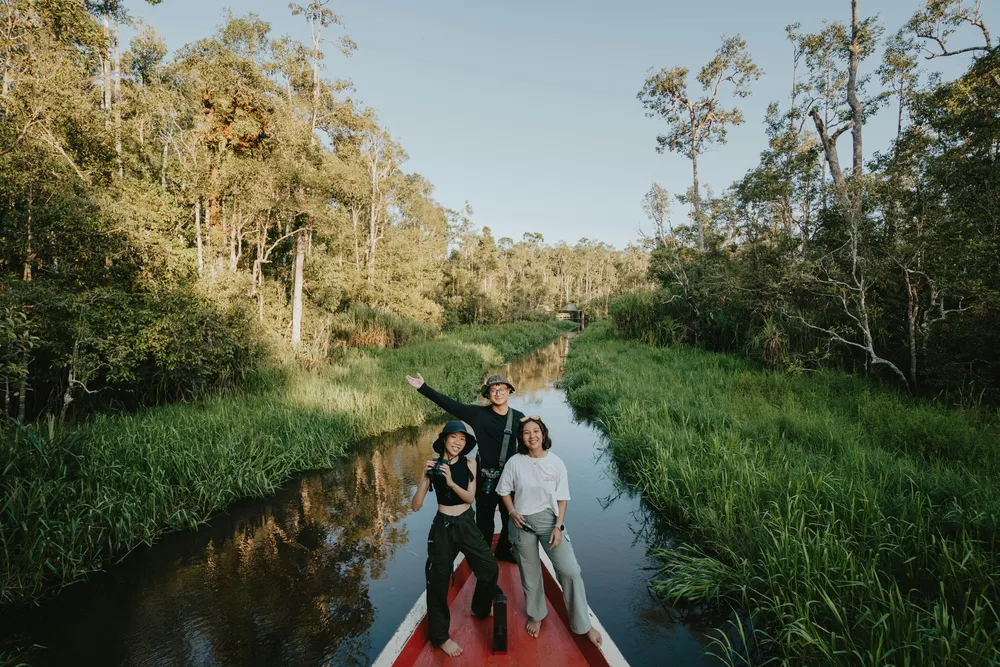
Fly into Iskandar Airport in Pangkalan Bun, there are daily flights from Jakarta and Surabaya. Batik Air is your best bet for reliability, however Nam Air also operates this route. From the airport, you will either be picked up by your guide or you can take the official taxi into town. Tours usually start from nearby Kumai, and your tour operator will arrange a transfer from your hotel to the boat.
Best Time to Go
The dry season from June to September is the most popular time, with pleasant weather and high wildlife visibility. For fewer crowds, consider March to May—especially during fruiting season, when orangutans gather near the river. The rainy season from December to February can be quite wet but still offers a good opportunity to spot these great apes and avoid the crowds.
How Much Time to Spend
Most visitors choose a three-day, two-night river cruise, which is enough to visit key sites and soak in the jungle vibes. But we would really recommend taking an extra day and opting for the 4 day, 3 night which allows for a quieter, less rushed experience with more chances to connect with the park’s rhythms and see more wildlife along the river.
Top Things to do in Tanjung Puting
Visit the Feeding Stations
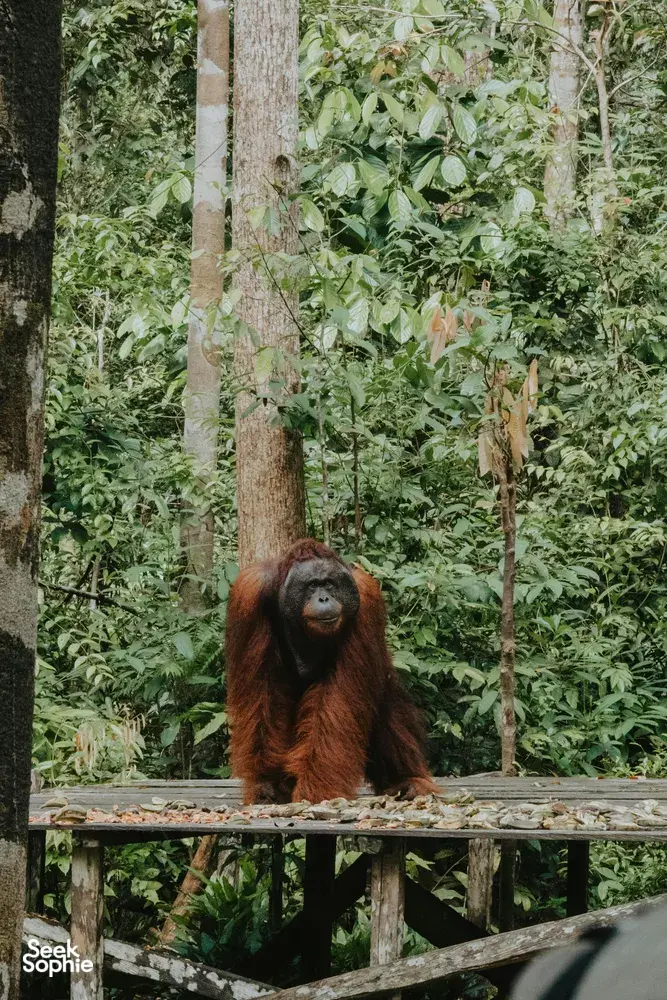
Most itineraries include visits to three main feeding stations: Tanjung Harapan, Pondok Tangui, and Camp Leakey. Camp Leakey is the most famous of the three, but in practice there isn’t a huge difference between what you’ll see at each - they’re simply feeding points in different parts of the park.
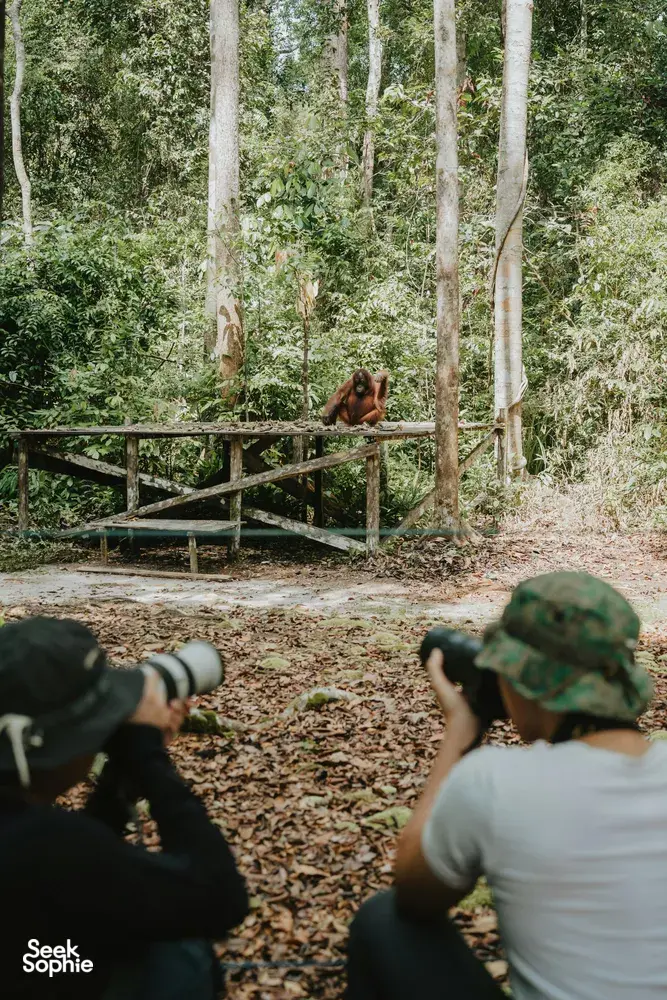
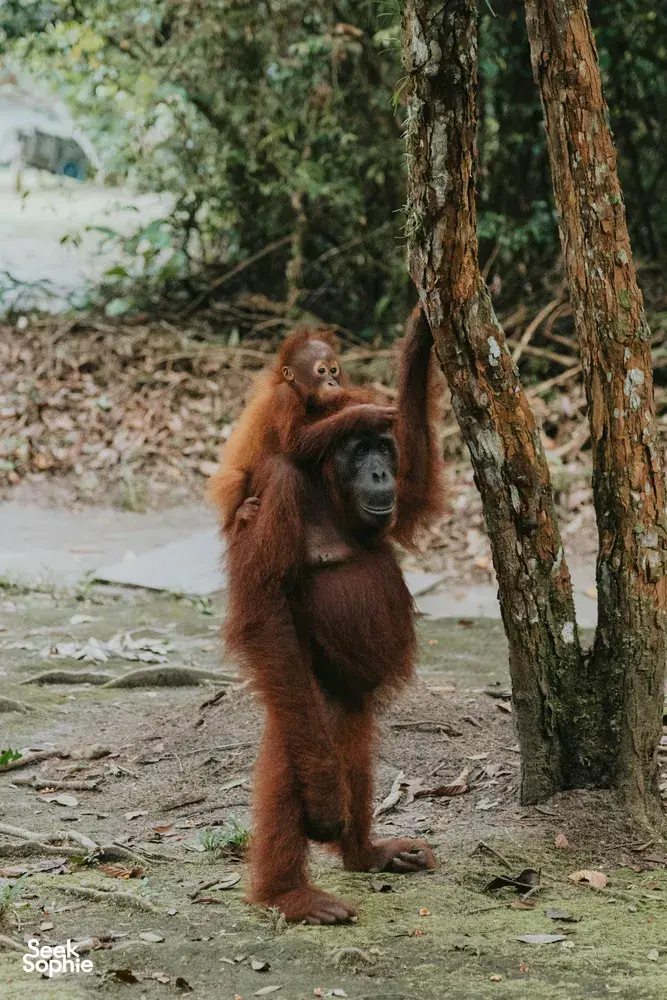
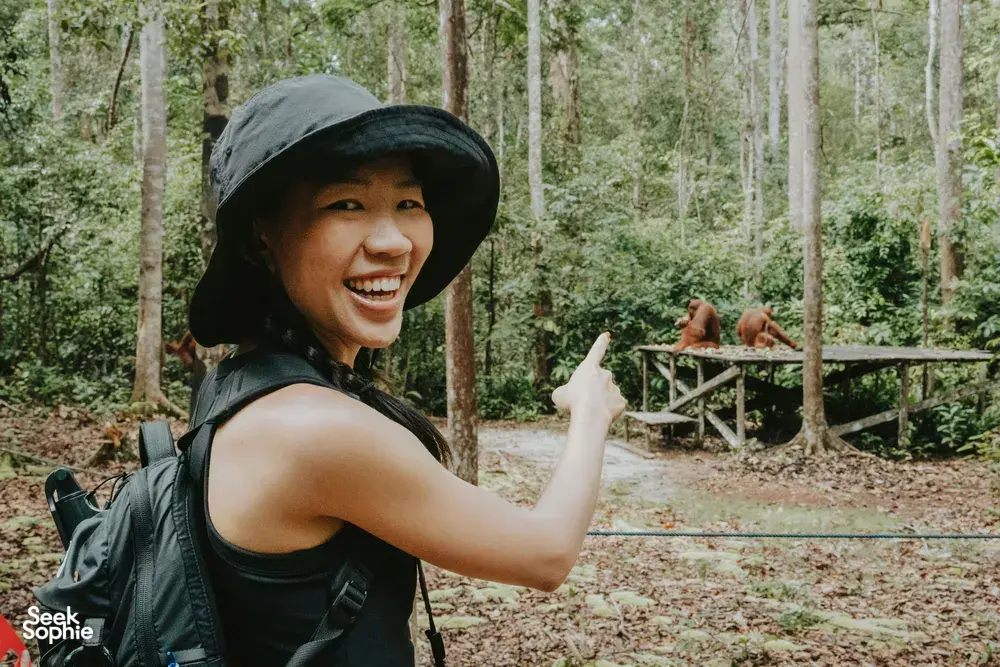
At each station, you may see rescued and released orangutans coming in for their morning or afternoon feeds. These orangutans are semi-wild and still partly rely on human support after rehabilitation, which also allows for relatively close observation.
Plant a Tree
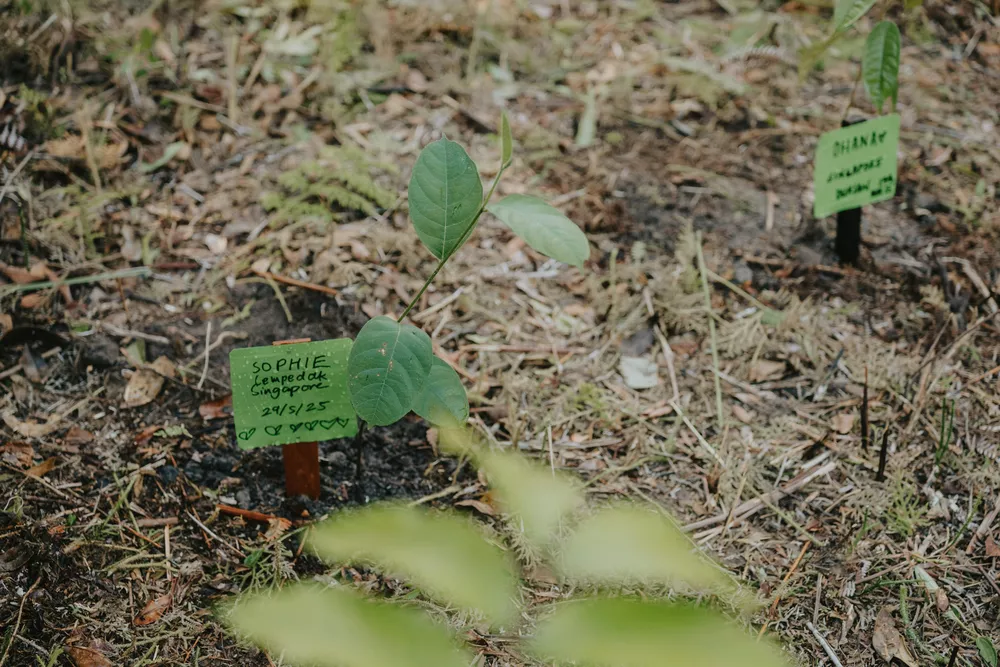
There are a lot of reforestation projects going on in the area, helping to recover the land formerly owned by palm oil plantations and mining projects. If you would like to contribute, you can opt for an itinerary that includes a tree planting experience.
Take a Cooking Class
If you're a foodie, don't miss the opportunity to take away some lessons from your klotok cook. A few of the boat tours offer cooking classes which will introduce you to the native ingredients of Borneo and how they are used by locals in their dishes. This is also a great way to support the women in the Pangkalan Bun community who have only recently joined the tourism industry as cooks and guides.

Enjoy a Night Jungle Walk
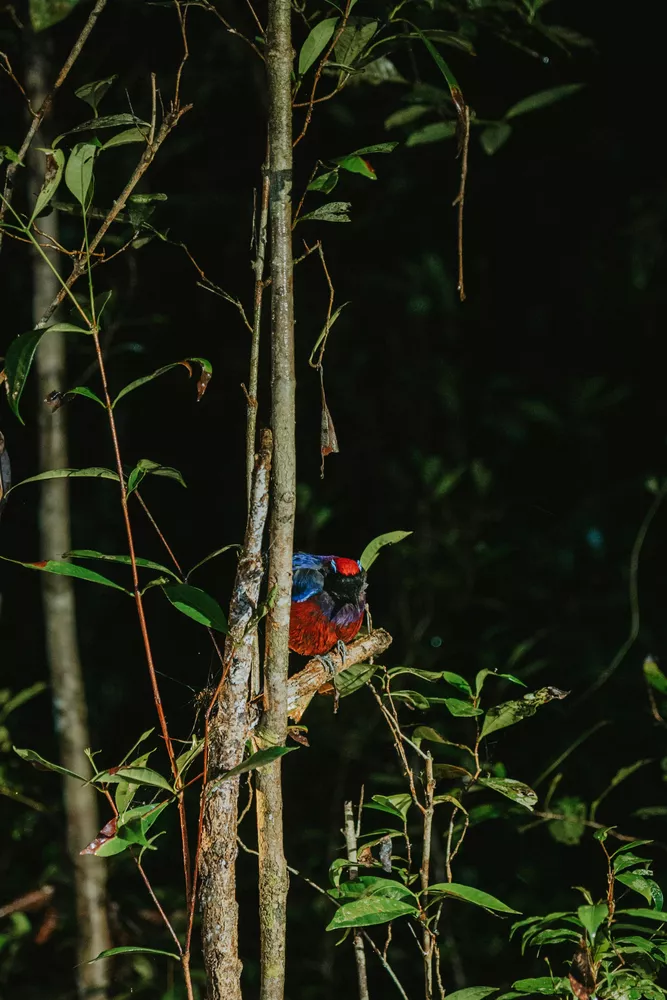
Don't go to sleep too early! Head out after dinner to see the interesting critters of the night. With the keen eyes of the ranger you will be able to see active night animals such as snakes, various insects, lesser mouse deer, and even glow in the dark mushrooms!
Canoe Down a Quiet Stream
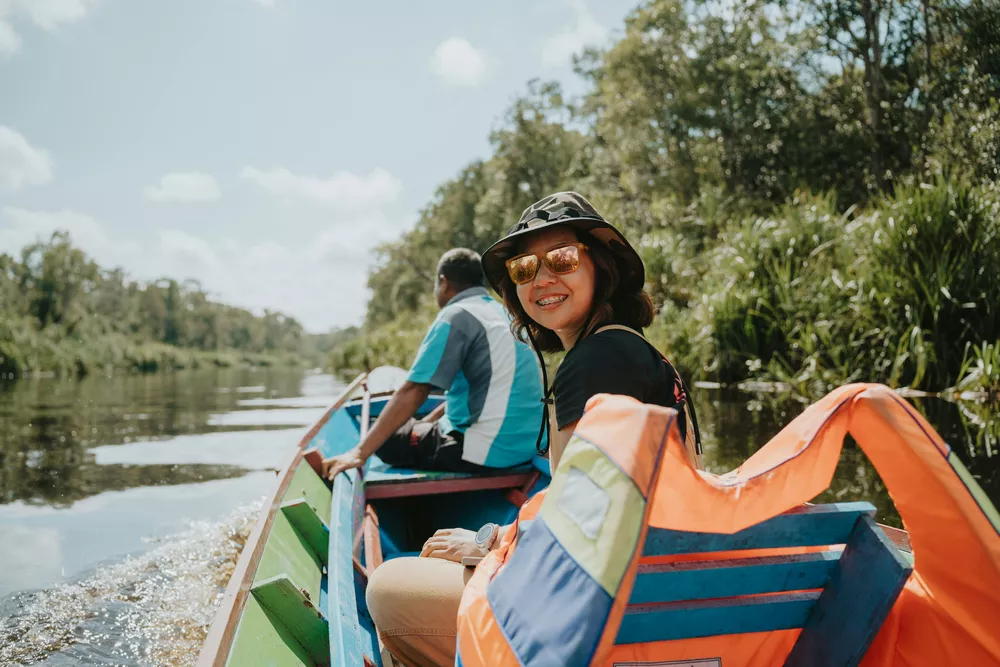
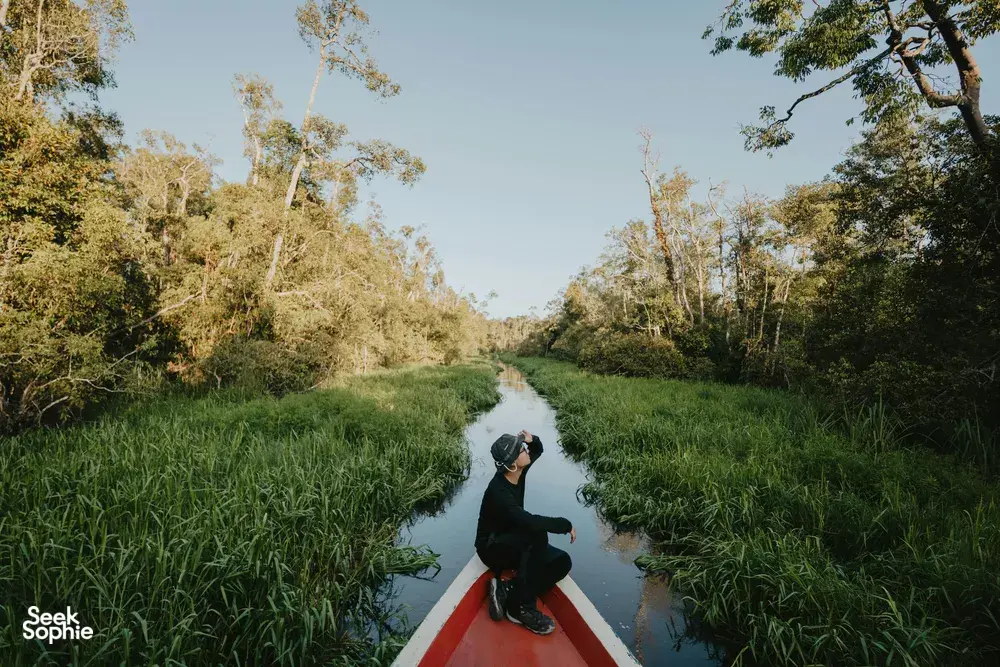
Most orangutan tour operators can arrange for a canoe ride which will take you into the quieter streams lined with mangroves where you can see even more wildlife as they are undisturbed by the bigger boats passing by.
This is also a great way to engage the local community, as the klotok owners work with the villagers living along the river to operate the canoes. This gives them an opportunity to earn income form tourism and continue to be invested in the preservation of wildlife of Tanjung Puting.
Visit Sekonyer Village
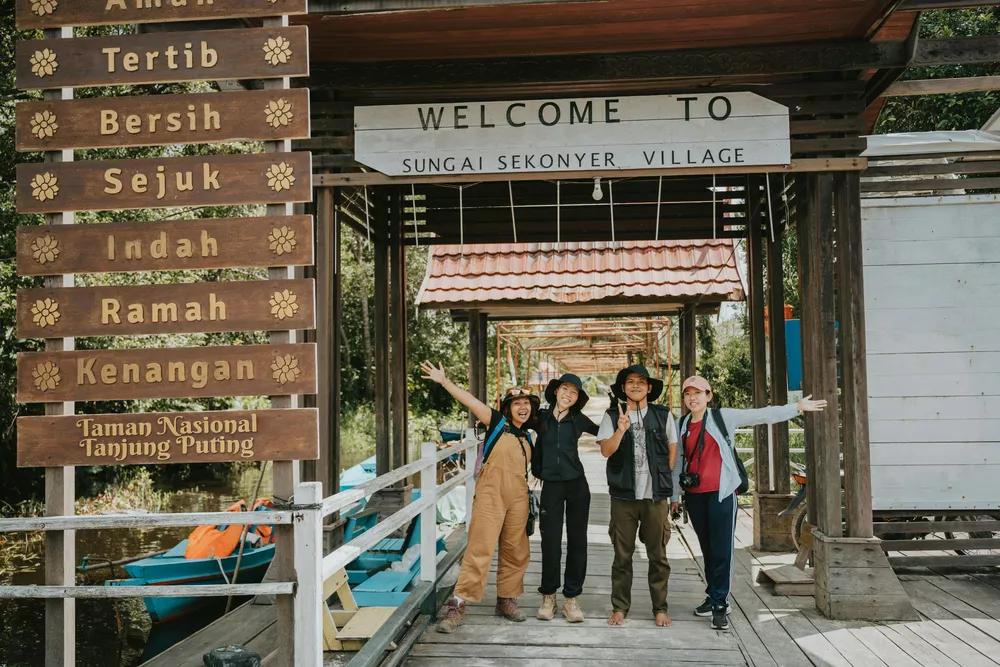
While floating down the river you will come across a small village called Sekonyer. Here you can take a few moments to walk through and have your guide tell you about the people that still call this place their home and perhaps even meet a few of them outside their homes.
Take a Pangkalan Bun Day Trip
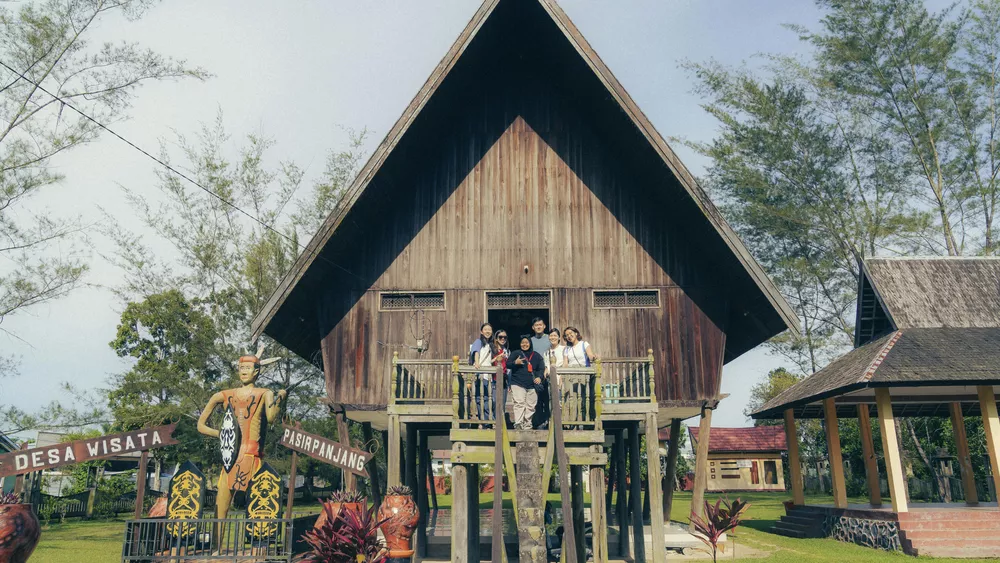
Before you head off to Tanjung Puting National Park (or after you come back), you can take a day trip around the town of Pangkalan Bun, once home to Kalimantan royalty. During the tour you will learn more about the native Dayak tribe history and culture and explore a local wet market. This is a great way to get a better sense of the local culture before diving into the nature.

Planning Your Trip
Where to base yourself for a Tanjung Puting trip
You have two main options. You can stay in Pangkalan Bun if you want time before or after your houseboat trip, or if you prefer staying in town and doing a short day trip instead of staying on a boat. Alternatively, you can fly in, board a houseboat on the same day, and fly out once the trip ends - in which case, there’s no need to stay in Pangkalan Bun town at all.
Itinerary Ideas
We recommend spending at least 4 days. The first day will give you a chance to experience the culture and ease into the tropical weather, as well make sure you don't miss a day of the main event, i.e. the houseboat trip, in the event your flight is delayed:
Day 1: Taking a day tour of Pangkalan Bun to experience the local culture
Day 2-4: Head out to Tanjung Puting National Park on a 3D2N houseboat river safari
Pair it with a Bromo Trip
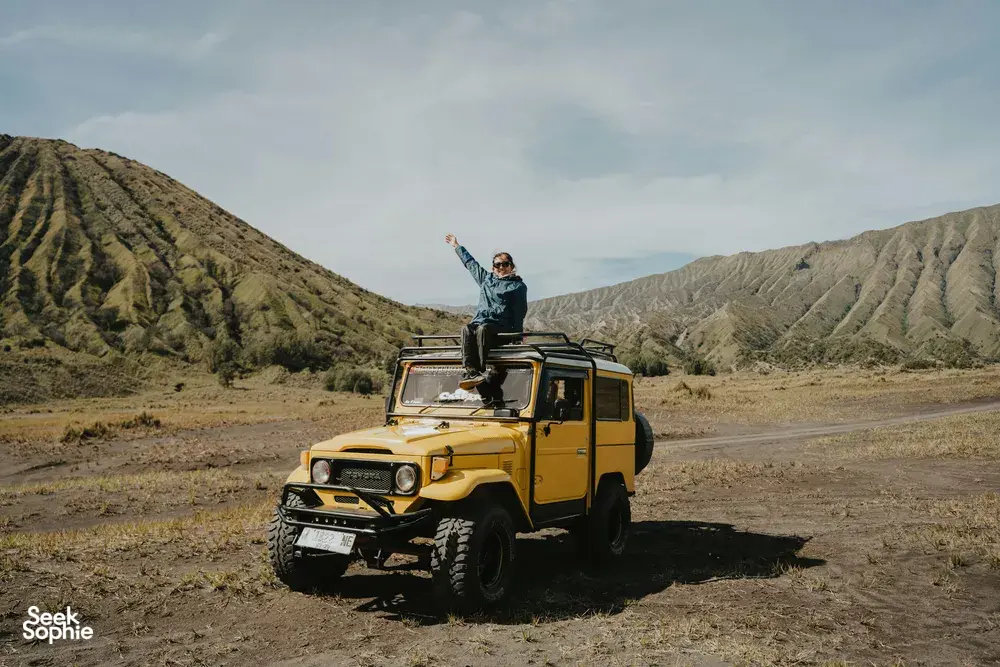
If you’re planning your trip around Tanjung Puting and are where else nearby is worth going to, we highly recommend Bromo. If you’re flying in or out of Surabaya, Bromo’s right there, so why not make the most of it! Mt Bromo is what we’d call a low-effort, high-reward kind of trip: no real hiking involved, with seriously amazing views.
We especially love this Seek Sophie Mt Bromo Sunrise & Stargazing — it's a slightly different take on doing Bromo.
Check out all our Mt Bromo experiences, and our full guide Mt Bromo: Everything You Need to Know + Avoid the Crowds
Helpful FAQs
Is it ethical to see Orangutans at Tanjung Puting?
Yes, visiting Tanjung Puting can be an ethical experience—especially when done with responsible tour operators. The park is a hub for orangutan conservation, largely supported by tourism. Visits help fund the Orangutan Foundation International and empower local communities through jobs and eco-tourism initiatives. While orangutans at feeding stations are semi-wild, they live freely in their natural habitat. Choosing operators who prioritize wildlife respect, avoid overcrowding, and engage local guides ensures your trip supports rather than harms the ecosystem.
What's the difference between the Tanjung Puting houseboats?
1. Amenities: Most houseboats (klotoks) are quite basic, and from an amenities point of view, there isn’t much difference between them. A small number do have air-conditioning, which can make the trip more comfortable, but otherwise expectations should be simple.
2. Guide: This is the most important difference. A good guide can make or break the experience. We work only with the best hosts in Tanjung Puting. We have a host involved in reforestation work, a host who supports women guides and a host who is deeply passionate about conservation. Choose based on the mission you feel most aligned with.
3. Itinerary & activities: Routes are broadly similar, with most boats visiting the same three main highlights in Tanjung Puting. What can differ are the extra activities - some boats include things like an onboard cooking class or a village visit, so it’s worth choosing based on what you’re keen to do.
What should I pack?
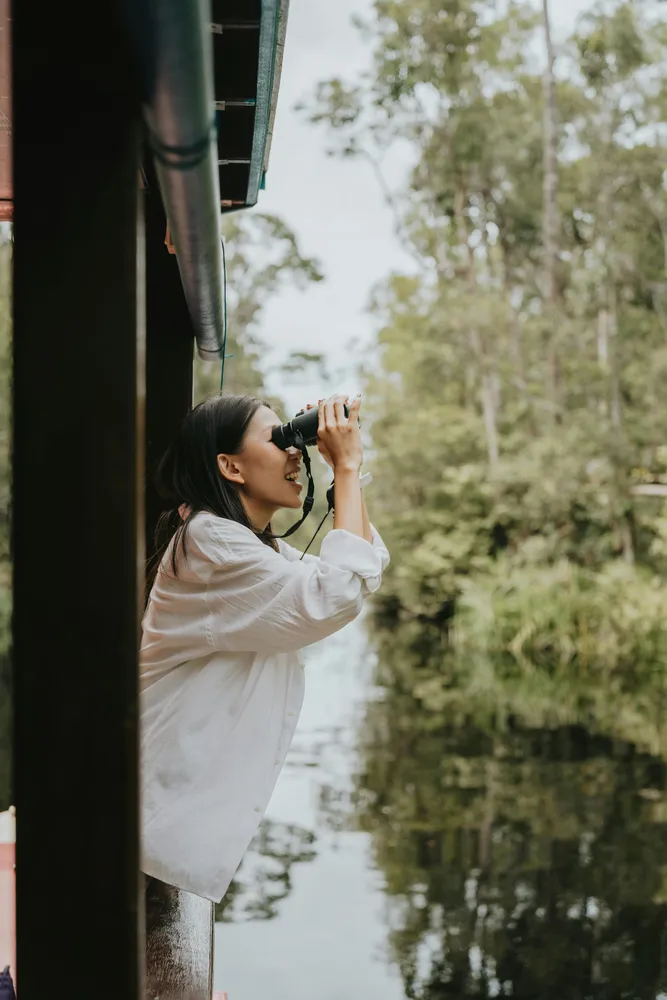
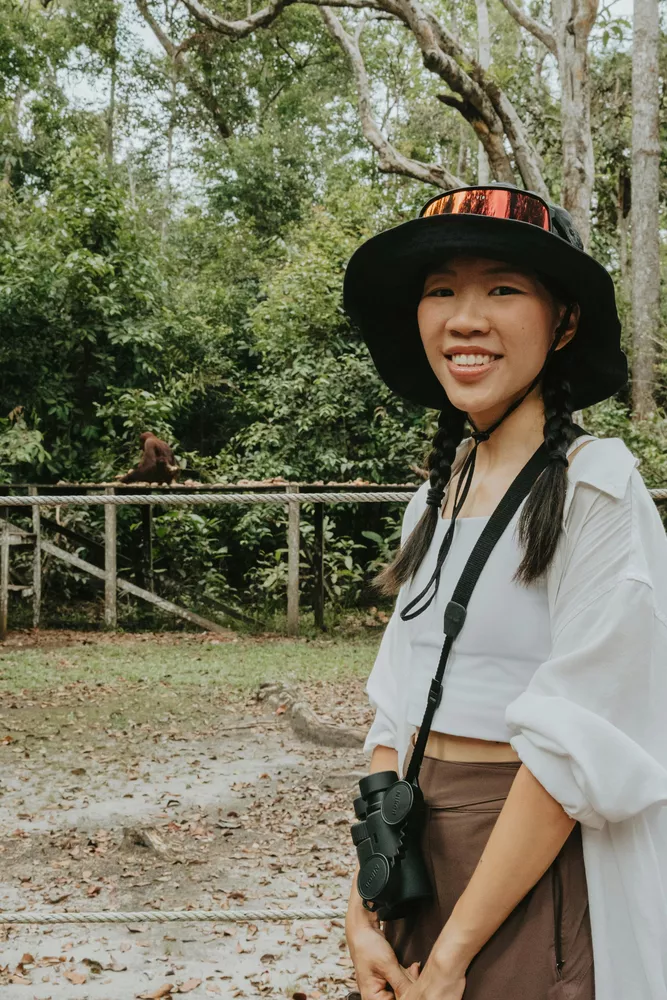
Bring bug spray, long sleeves, and light pants to protect from mosquitoes. A refillable water bottle, binoculars, rain gear, and a good camera are must-haves. A wide-brim hat, sunglasses, and comfortable walking/hiking shoes will keep you cool and ready for jungle walks and boat rides. There are some leeches around, you may want to bring some leech socks. We'd also recommend bringing a few extra pieces of clothing for changing after getting caught in the rain or heavy sweating.
Is there AC on the boat?
As this area is known for its ecotourism, most of the klotok boats do not have air conditioning onboard and the sleeping arrangement is typically on the main deck of the houseboat which is not enclosed by walls, but you do have the protection of a mosquito net while you sleep. There are a few operators that offer enclosed cabins with AC onboard. If keeping it cool at night is a must for you, we recommend you go for this AC houseboat.
What are the toilets like on the boat?
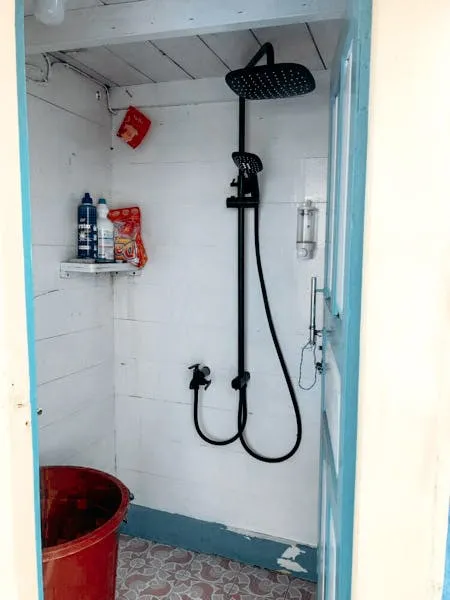
Toilets on the houseboats are basic but functional. Showers are cold water only, which actually feels refreshing in the humid weather at Tanjung Puting National Park. Most boats have a proper toilet (not a squat toilet), with the shower in the same space - there’s usually no separate wet and dry area. While simple, it's actually more spacious than many of the other liveaboards we've been in!
There are no toilets at the feeding stations, so you’ll be using the boat’s toilet throughout the trip.
What's the wifi and data situation?
Once you get on the boat tour, say goodbye to Wifi. Mobile data works well in Pangkalan Bun and Kumai, but don’t count on staying connected once you sail past the first feeding station (Tanjung Harapan) and even before then you may lose connection depending on your provider. It’s the perfect time to disconnect and immerse yourself in the natural world. Let your friends and family know in advance that you'll be off the grid.
Can I Do a Day Tour?
Yes, day tours are possible if you don't want to stay on a houseboat.
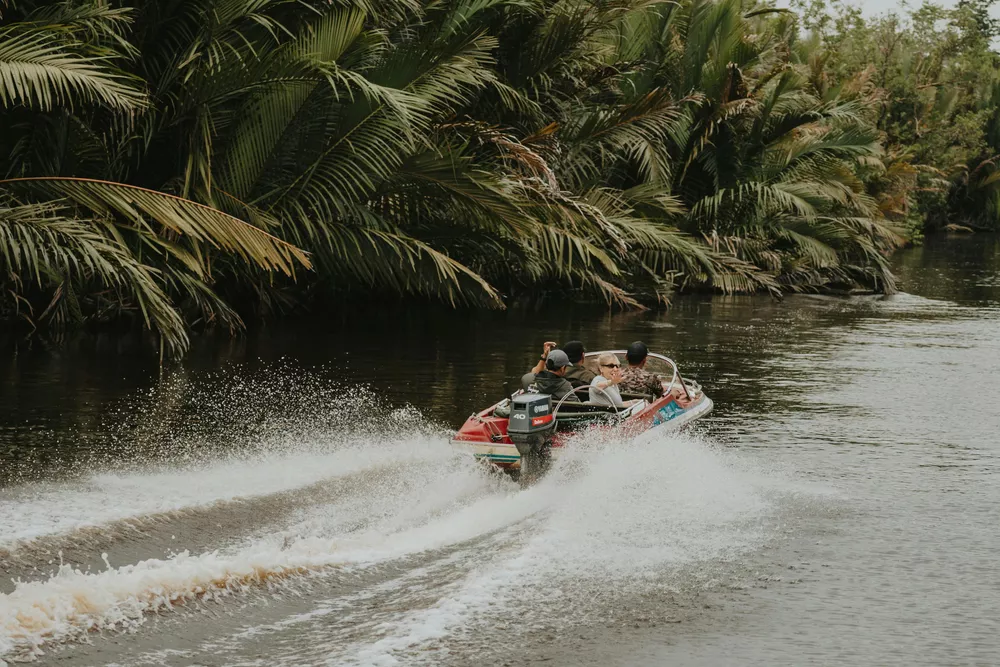
We don't recommend doing a day tour as the beauty of Tanjung Puting is best enjoyed slowly over a few days on a houseboat. But if you are really short on time you can take a speedboat from Kumai which will still take you to 2 feeding stations of Pondok Tanggui and Camp Leakey.
How Can I Avoid the Crowds?
Tanjung Puting isn't very touristy generally. But during the summer months of June-September, it can still get quite crowded (e.g. 50 boats on the water).
To skip the high season, consider visiting in the shoulder season of March to May or October to November and booking a 4-day trip that lets you offset your feeding station visits. Early morning departures and smaller boats also help you experience the park in a more peaceful, personal way.
Can I Fly a Drone?
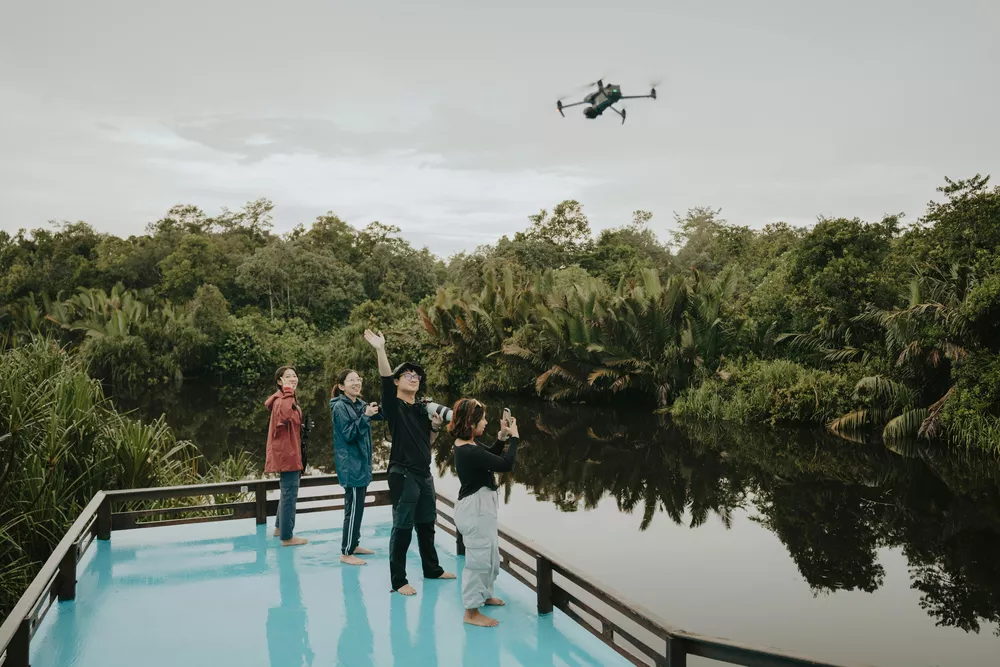
Yes, you can! Just let your guide know in advance so they can arrange the permit for you. It costs 2,000,000 IDR per day. Do note that you can only fly drones along the Sekonyer river, not over the National Park itself.

![Ethical Places to Spot Orangutans in Southeast Asia [2026]](https://d18sx48tl6nre5.cloudfront.net/webp_xl_2e78af4a2c06449cbda3a3d258d4dac1.webp)
![Komodo Islands: Everything You Need to Know & How to Avoid the Crowds [2026]](https://d18sx48tl6nre5.cloudfront.net/webp_xl_d9b99943af4ed7cc753b66ce9ba57eda.webp)
Tanjung Puting National Park Experiences FAQs
How to get to Tanjung Puting?
Fly into Iskandar Airport (Pangkalan Bun). There are daily flights from Jakarta and Surabaya — Batik Air is usually the most reliable, though NAM Air also flies this route. If you’re connecting, leave a generous buffer. Domestic flights in Indonesia are often delayed
From the airport, your guide will usually pick you up, or you can take the official taxi into town. Most orangutan trips start from the nearby port of Kumai, and your tour operator will arrange the transfer from your hotel to the boat.
Is there aircon on the houseboat?
Most klotok houseboats don’t have air-conditioning. You’ll usually sleep on the open upper deck, under a mosquito net, with jungle views and river breeze.
A few boats offer enclosed cabins with AC. If you prefer a cooler, more private sleeping space, it’s best to choose one of these AC houseboats.
Are the feeding stations ethical?
We’re generally against feeding wildlife. In fact, we didn’t list Tanjung Puting on Seek Sophie for years because we were uncomfortable with the idea.
We only reconsidered after visiting several times and speaking directly with conservationists to understand the situation. Tanjung Puting is a very unusual case where feeding stations are used as a survival tool, not a tourist gimmick.
First, many orangutans here were rescued from the pet trade decades ago and never properly learned how to forage in the wild.
Second, large-scale habitat loss from palm oil plantations has reduced the number of fruiting trees. Without some supplemental feeding, food shortages could lead to more competition, injuries and declining numbers.
Finally, the feeding stations are linked to rehabilitation programmes run by the Orangutan Foundation International. Rescued orangutans go through “forest school” where they relearn survival skills before returning to the wild.
So while feeding wildlife is usually a red flag, this is one of the rare places where it’s part of a long-term conservation strategy to help a vulnerable population survive.
It’s not a perfect system. But from what we’ve seen on the ground, it’s a genuine attempt to protect orangutans in a landscape already heavily shaped by humans.
What are the toilets like on the houseboat?
They're pretty simple, but clean. And don’t worry - no squatting required! Most boats have a regular toilet (not squat) and a simple cold-water shower in the same space, with no separate wet and dry area. There are no toilets at the orangutan feeding stations, so you’ll use the boat’s toilet throughout the trip.
Is there wifi on the boat?
Nope - it’s a good time to switch off and enjoy the jungle! Once you’re on the boat, you’ll mostly be offline. Mobile data works in Pangkalan Bun and Kumai, but signal usually disappears once you cruise past the first feeding station (Tanjung Harapan), sometimes even earlier depending on your provider.

![Ethical Places to Spot Orangutans in Southeast Asia [2026]](https://d18sx48tl6nre5.cloudfront.net/webp_md_26a1e349373ffec8569b965090d516ed.webp)

![Komodo Islands: Everything You Need to Know & How to Avoid the Crowds [2026]](https://d18sx48tl6nre5.cloudfront.net/webp_md_03b20b0ee11bb155c80ce9e618c3cbe5.webp)