Kinabatangan River

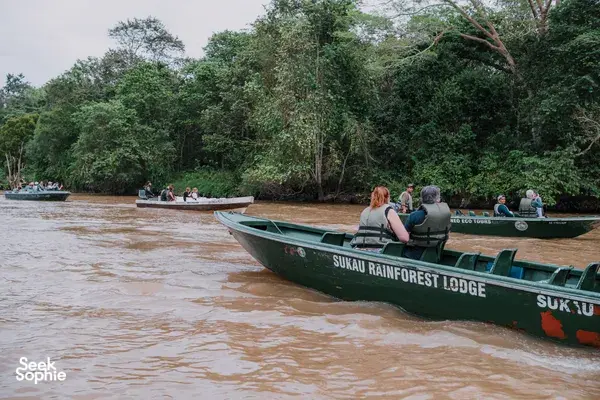


Top Kinabatangan Safaris

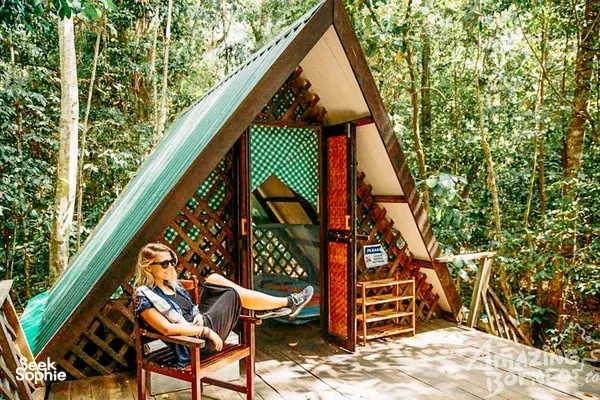
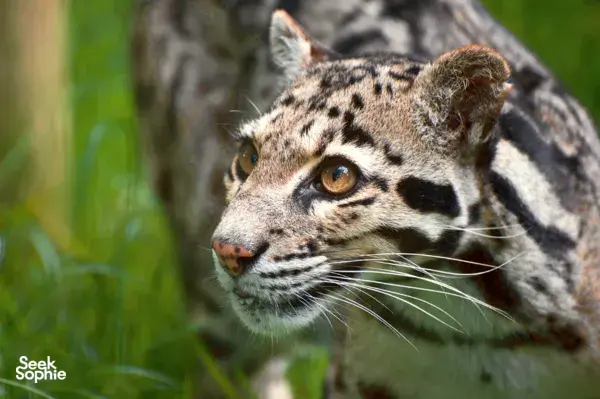

All Kinabatangan River Experiences

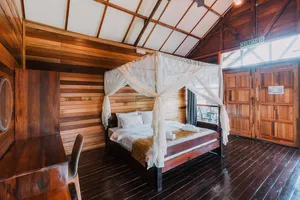
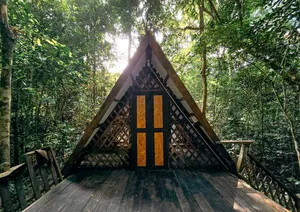

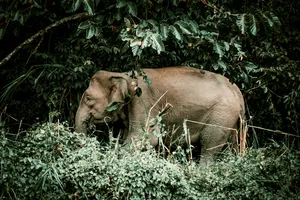
All Experiences

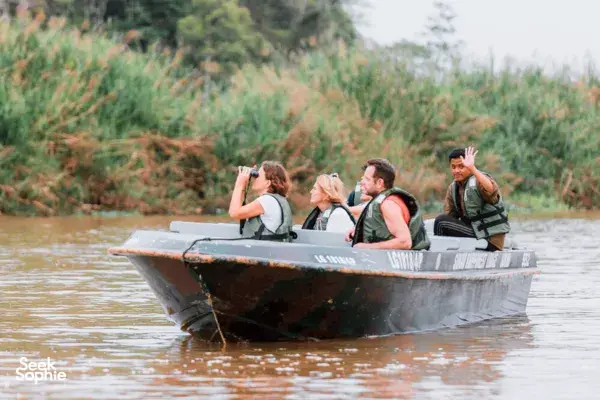


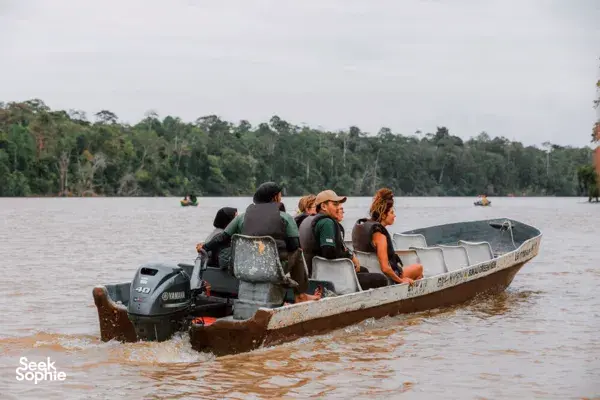

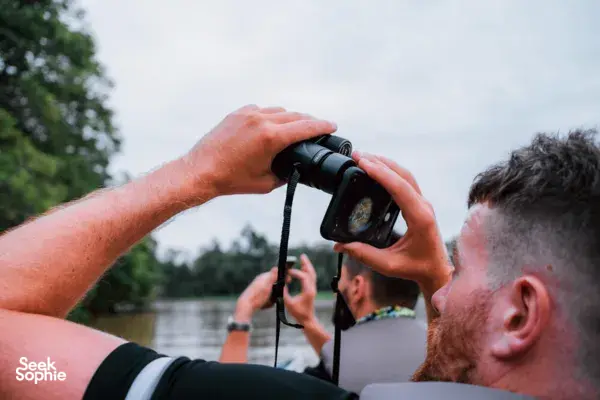

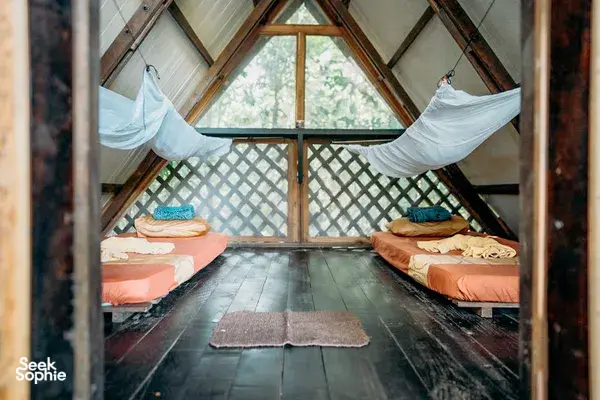
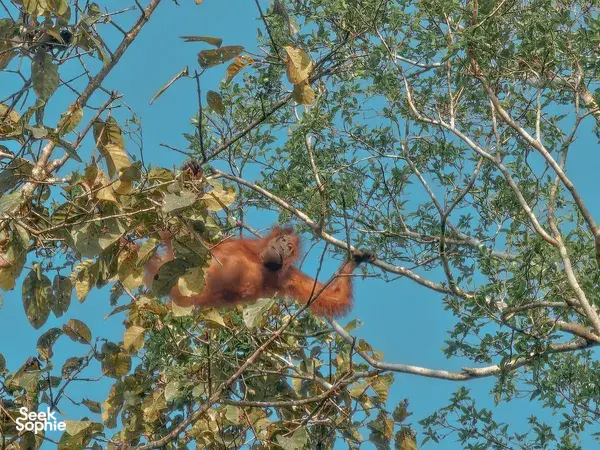
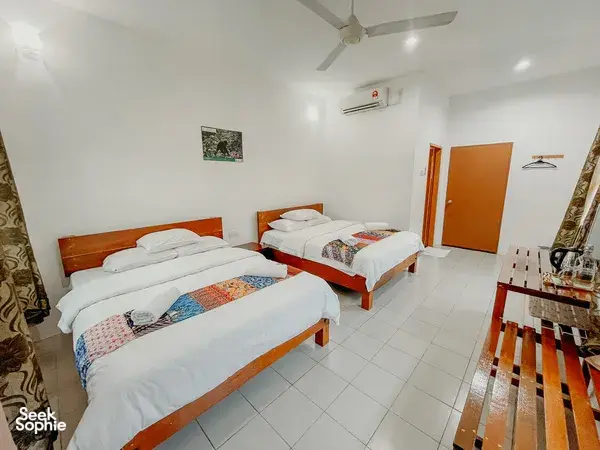
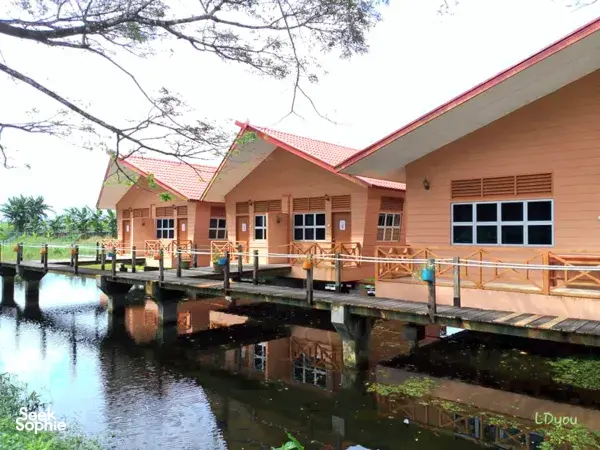
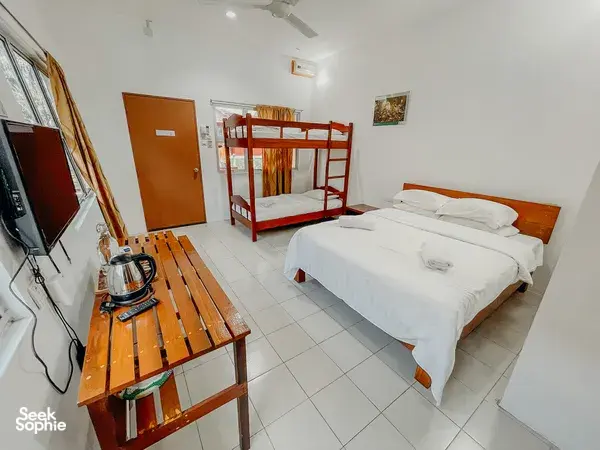

















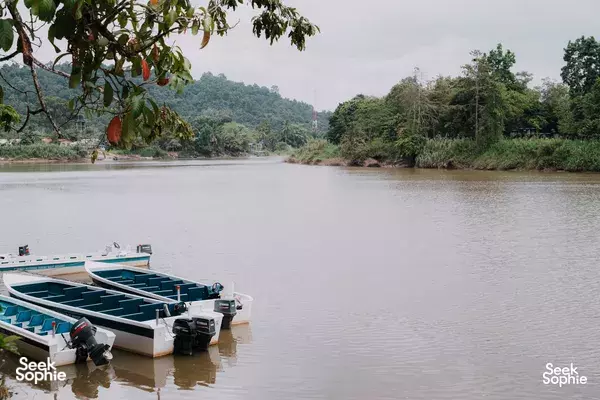
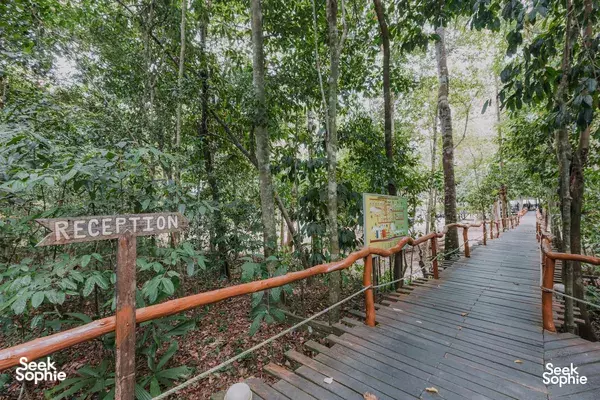



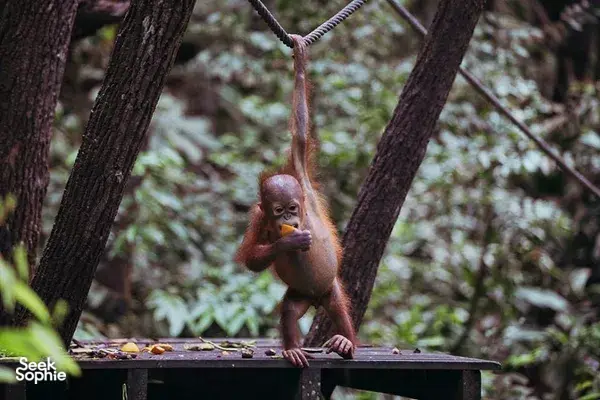



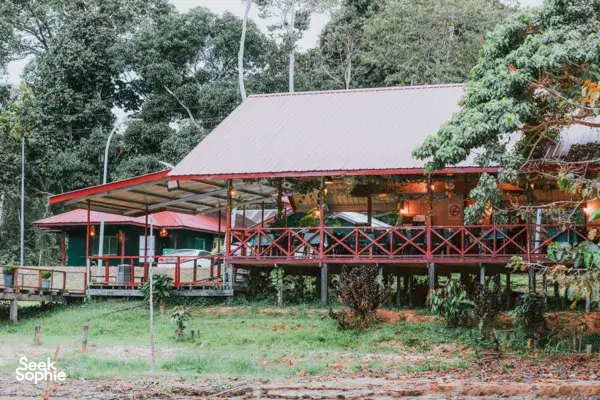






Visiting Kinabatangan River

Why These Experiences Made Our List
We’ve visited Kinabatangan many times to try the lodges and safaris ourselves. The three things we look for are great wildlife guides, fewer crowds, and lodges that benefit local communities. The ones we chose here have consistently excellent guides - often Orang Sungai locals who know the forest deeply. This makes all the difference for a wildlife experience.
Many are also community-run, and a few also take you to quieter parts of the river away from the usual boat traffic (bonus!).
Best Time to Go
The dry season, from March to September, is generally considered the best time to visit. During this period, wildlife tends to congregate around the river to drink, so you'll get a better chance of sightings. The weather is also more predictable, making river cruises and jungle treks more enjoyable. If you go in the peak months of June to August, expect heavier crowds!
How to Avoid the Crowds
When we first visited Kinabatangan years ago, there was no one there. Now in June-August, there are lots of boats all crowding in the same areas. This is great because tourism here directly helps protect the wildlife from losing their home. But we don't love crowds either!
To avoid the crowds:
- Visit in March–May (shoulder season) for good wildlife sightings with fewer boats.
- Choose a lodge that explores quieter stretches of the river, away from the main wildlife areas that get crowded.
How Many Days to Plan for
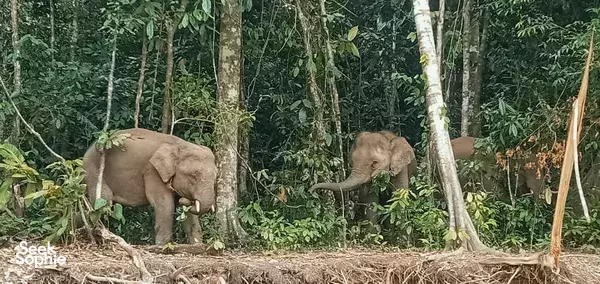
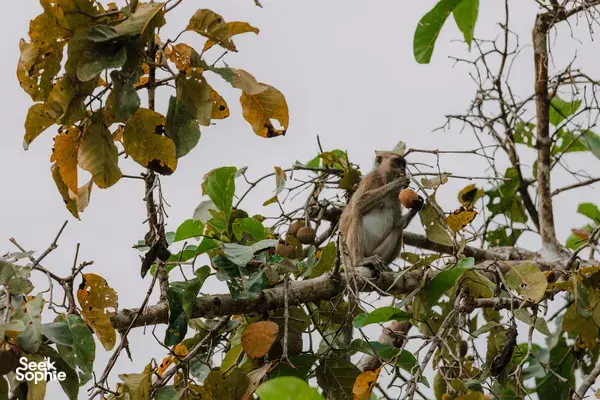
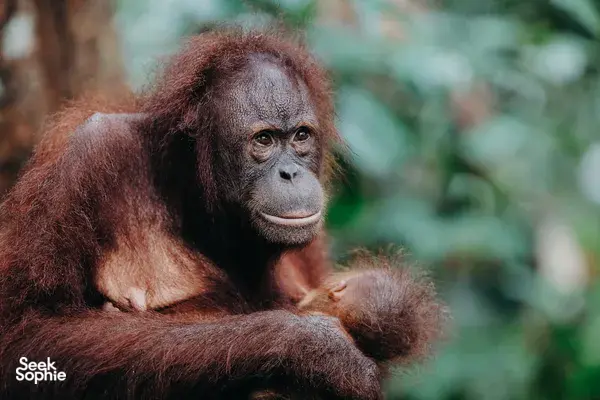
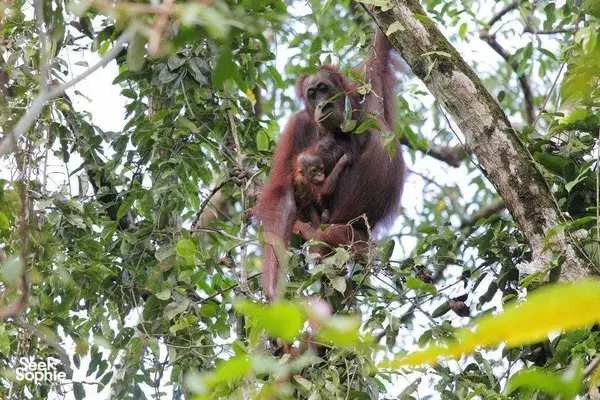
Wildlife sightings are always unpredictable, so the more time you have, the better your chances of spotting the Borneo Big 5.
The shortest time you need is 1 day as you can visit Kinabatagan as a day trip from Sandakan. This only includes one river cruise so your chances to spot wildlife are limited.
We recommend at least 2 to 4 days here. You'll get 1-2 river safaris a day and jungle walks. The longer you stay, the higher your chances of seeing elephants and orangutans.
How to Choose a Kinabatagan Lodge
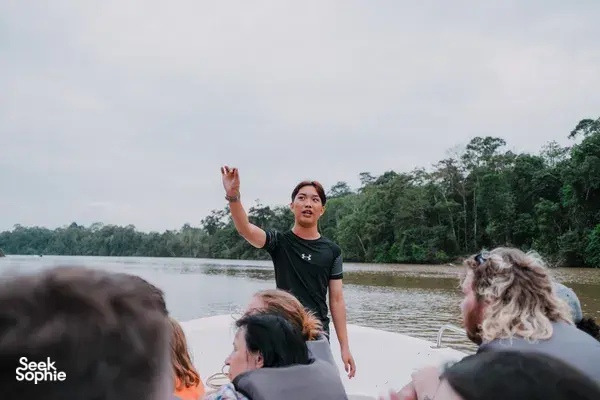
The most important factor on a Kinabatangan safari is the guide. A great guide can spot wildlife you’d completely miss otherwise. We’ve done that groundwork for you - the lodges here have consistently great guides, many from the local Orang Sungai community.
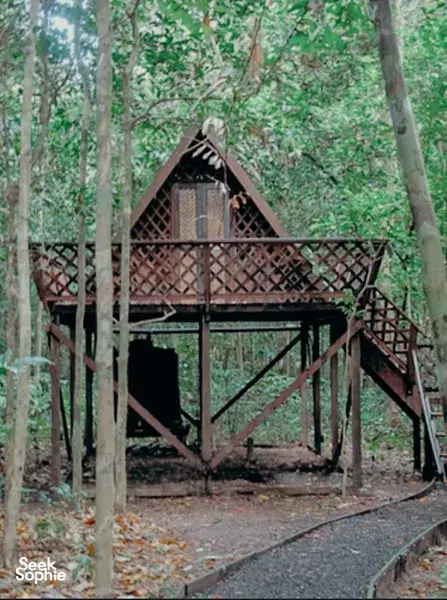
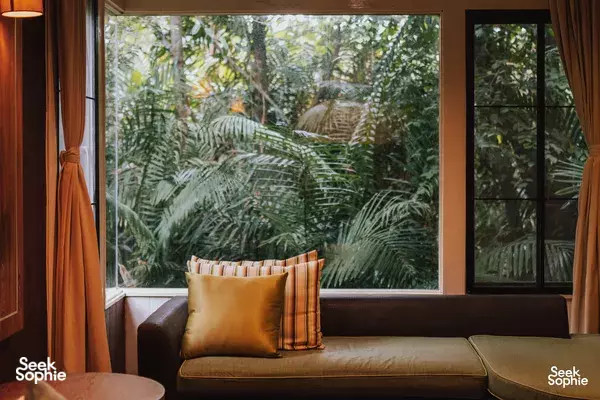
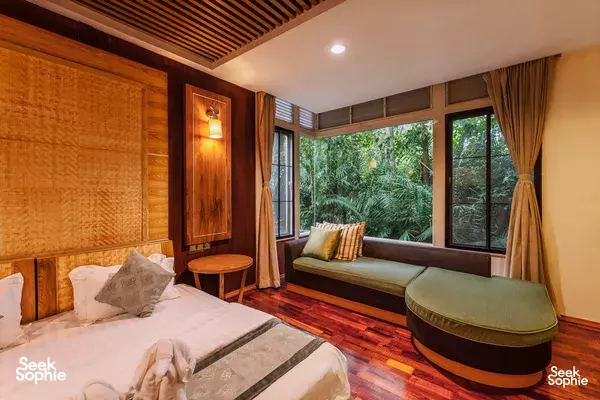
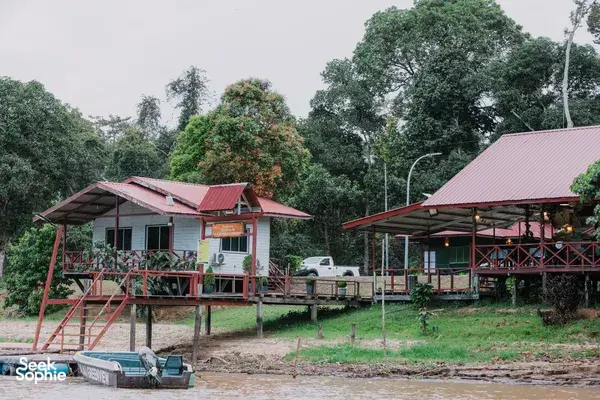
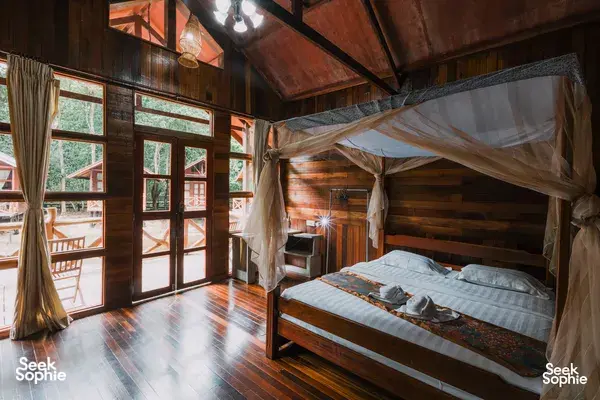
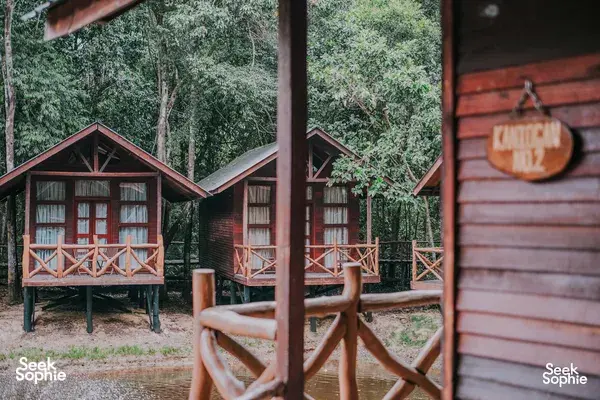
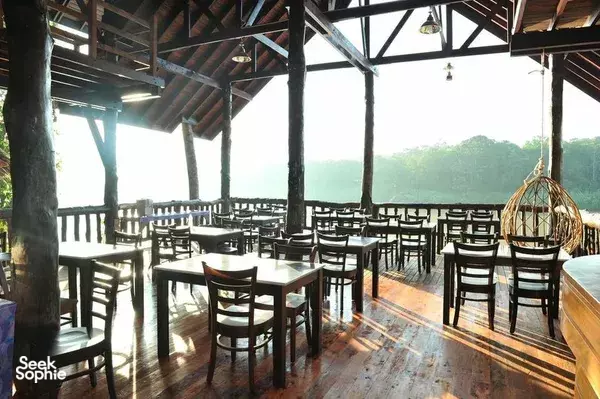
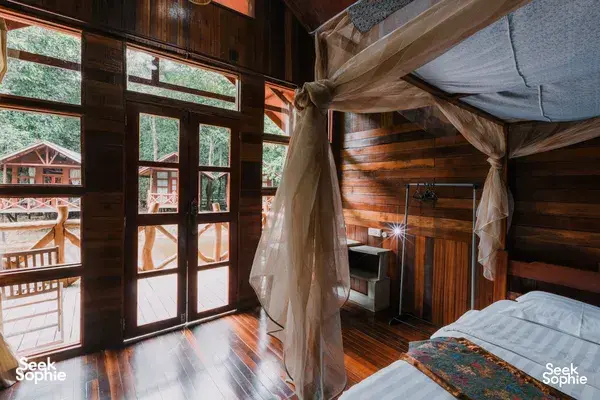
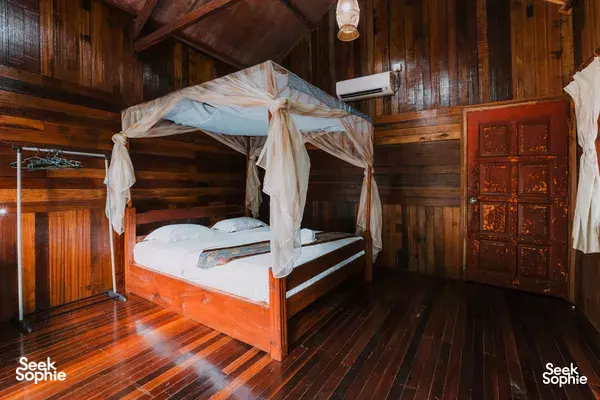
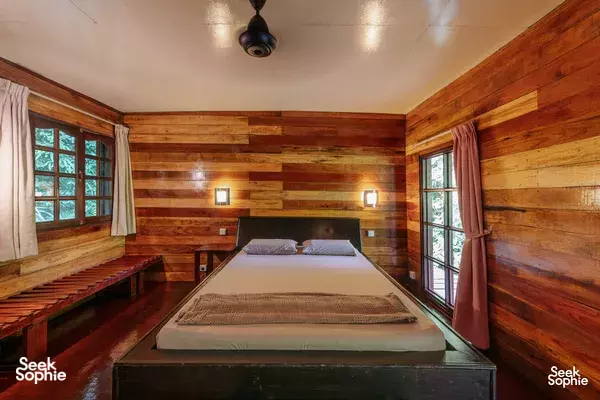
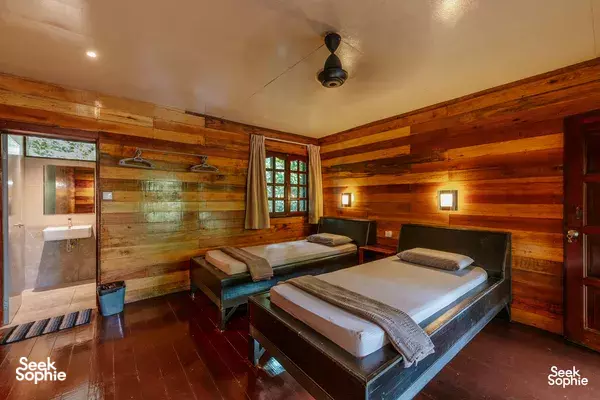
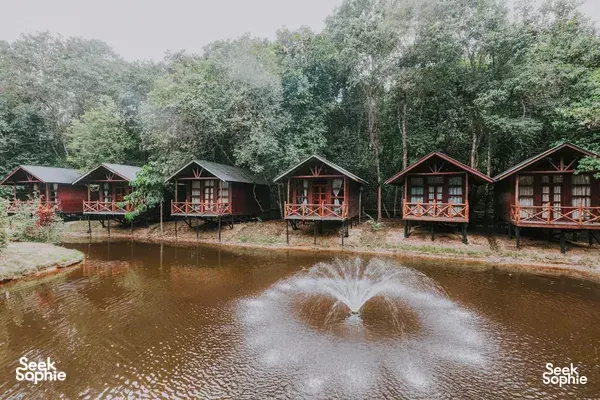
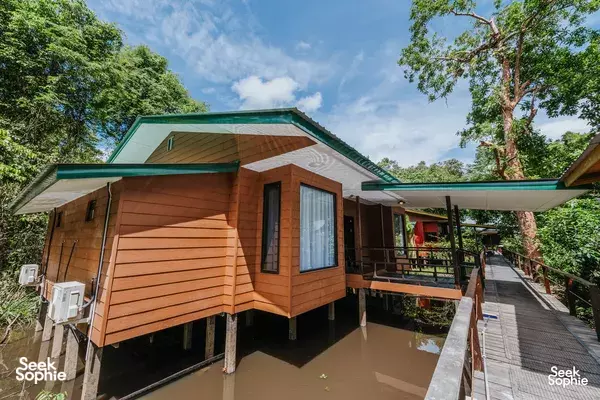
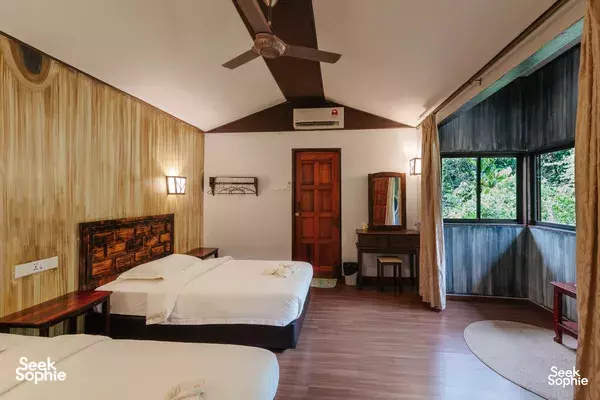
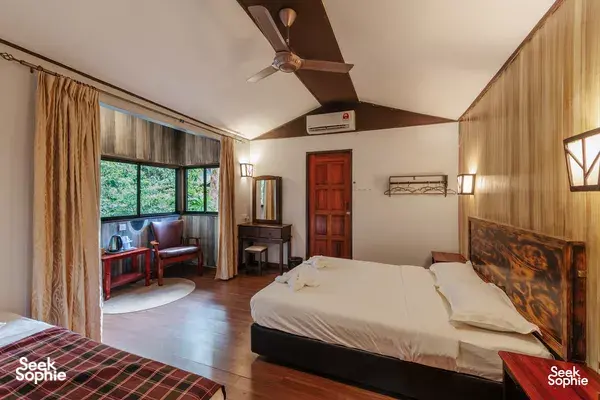
So when choosing between them, focus on what suits you best: your budget, comfort level, and the itinerary. Lodges here range from simple B&B-style stays to comfortable eco-lodges, and each offers slightly different activities.
Top things to see & do