Why are Komodo Boats Sinking? What Travellers Should Know
What you should know, and how to choose a safer boat
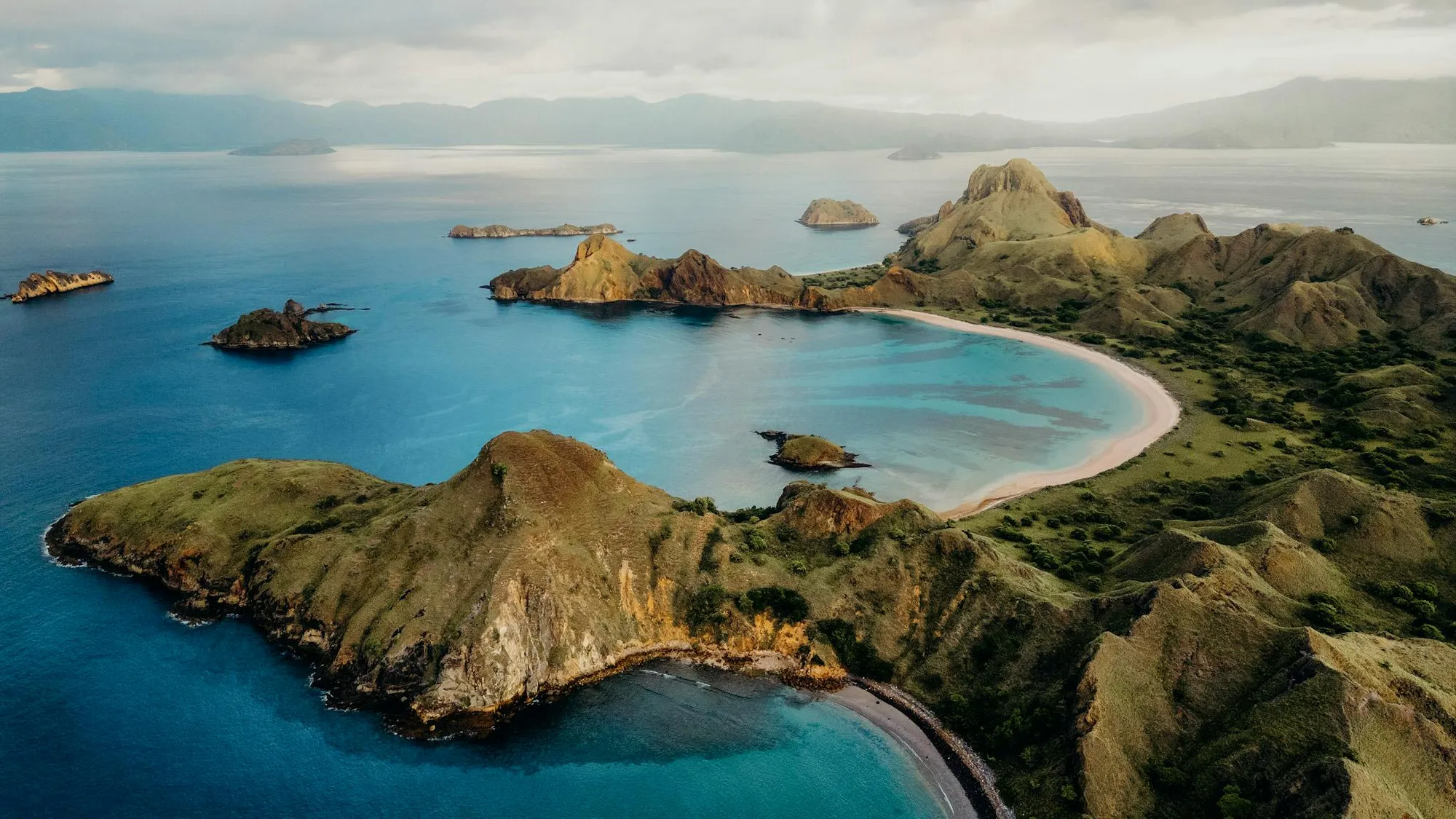
Komodo National Park is one of the most beautiful places on earth and it's one of our favourite places to visit. But it also has had a worrying run of boat accidents in recent years. Over the past three years alone, there have been at least 25 reported boat incidents, from engine failures and fires to boats capsizing and sinking. Some passengers have had to be rescued at sea, and in the worst cases, people have lost their lives.
Most travellers only hear about these incidents when a dramatic video goes viral, so they can easily look like one-off accidents. But they’re not.
So why does this happen, and what should you actually look out for when choosing a Komodo boat trip?
At a glance
- Safety standards can vary hugely between Komodo boat operators. So do your research, and be careful when picking a boat.
- Why accidents occur: Accidents are usually caused by a mix of irregular maintenance, engine problems, boat stability, inexperienced crews and bad decisions in rough weather.
- What to look out for: Read reviews for crew quality, don't go for the cheapest last minute boats, and ask questions on safety standards.
- Seek Sophie ensures boat quality by regularly inspecting and mystery shopping the Komodo boats we work with. We remove any that don’t meet our standards.
Why are boats in Komodo sinking?
There isn’t one simple reason why boats in Komodo sink. From speaking to local operators, it could be any of these reasons: poor maintenance, engine problems, boat stability, crew training and how the captain responds when conditions turn bad.
In the past few years, tourism in Komodo has exploded, and we’ve seen lots of boat companies pop up very quickly to meet the demand. At the cheapest end, these are often very basic boats sold last-minute along the streets of Labuan Bajo. Some squeeze 30–40 people onto one boat, sleeping together on deck.
The reason some of the trips can be sold so cheaply is that running a boat properly is expensive. Boats need to be dry docked and inspected, engines need regular servicing, safety equipment needs checking, and crews need to be properly trained and paid. When operators compete mainly on price, these are also the areas where corners can get cut.
Crew matters too. On some budget boats, turnover can be very high. We’ve even seen crew quit on the day of sailing. And when something goes wrong at sea, you really want an experienced captain and crew who know the boat, know how to respond, and are willing to make the call not to sail if conditions aren’t safe.
The operators we work with take this very seriously. They check their boats before and after every trip, inspect engines and safety equipment regularly, and run emergency training several times a year. Others dry dock twice a year, so they can inspect and repair the hull, propellers and other parts that are usually underwater before small issues become safety risks.
Are the Komodo accidents caused by bad weather?
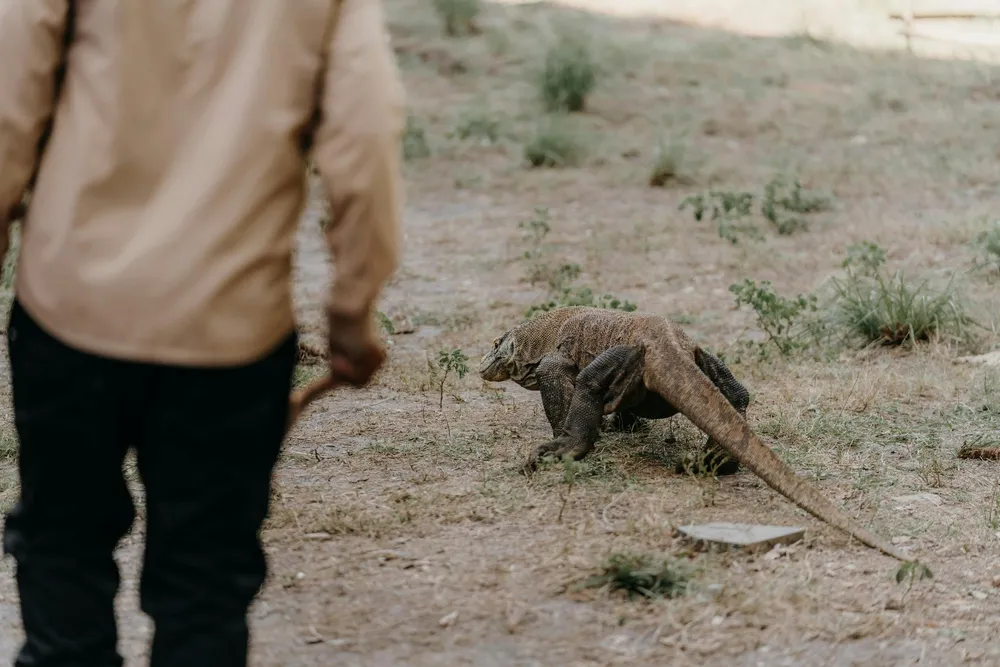
Bad weather is often given as the reason a boat sinks, but that doesn't really explain why one boat gets through rough conditions while another gets into trouble.
A lot depends on how the boat is built and maintained, and how experienced the crew is. A well-built Phinisi made from strong, well-cured ironwood is more durable and better able to withstand tough conditions than a poorly built or badly maintained boat. The engine also needs to be regularly serviced — because losing your engine in rough seas means losing your ability to manoeuvre. One of the recent Komodo accidents happened when engine failure combined with rough conditions and the boat eventually capsized.
The crew matters just as much. Are they experienced? Do they regularly practise what to do if there's a fire, engine failure or someone needs rescuing? Are there proper emergency procedures in place? And does the captain have the experience — and authority — to turn back or cancel the trip before conditions become dangerous? The better operators we work with run emergency training several times a year and give their captains full authority to reroute or stop sailing when conditions aren't safe.
So bad weather itself isn't the whole problem. You can't control the sea, but you can control the quality of the boat, how well it's maintained, how prepared the crew is, and whether sensible decisions are made when conditions change.
Be careful with the cheapest Komodo boats
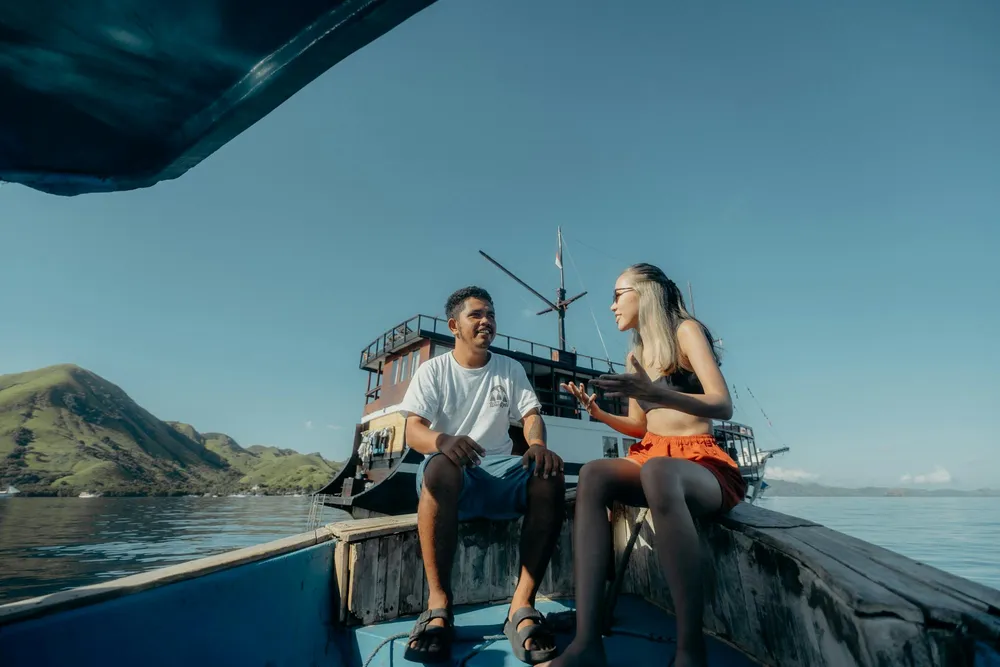
If you search for Komodo advice online, you’ll still find people recommending that travellers wait until they arrive in Labuan Bajo and book the cheapest boat they can find. On TikTok, these trips are romanticised - sleep on deck, make new friends and see Komodo for almost nothing.
The problem is that you can’t see safety standards in a TikTok video. You don’t know when the engine was last serviced, when the boat was last dry docked, what condition the hull is in, or how experienced the crew are.
A cheap boat isn’t automatically unsafe. Some are cheaper simply because they’re very basic, with 30–40 people sleeping on deck, simple food and few amenities.
But there are also costs you can't see when you're comparing boats online. Good-quality wood and boat construction cost more. So does regular dry docking, engine servicing and replacing worn parts. Experienced captains and crew cost more to hire and retain, and proper emergency training takes time and money. Good operators also spend money checking safety equipment, maintaining life rafts and fire extinguishers, and having people on land monitoring trips and helping if something goes wrong. Our partners, for example, carry out regular engine and safety checks, emergency training and dry docking throughout the year.
Those are exactly the things that can be cut when an operator is trying to offer the lowest possible price. So if one trip is dramatically cheaper than the others, we’d want to know why. Saving money because you’re happy to sleep on deck is one thing. Saving money because the boat is poorly maintained or the crew are inexperienced is very different.
How can travellers choose a safer Komodo boat?
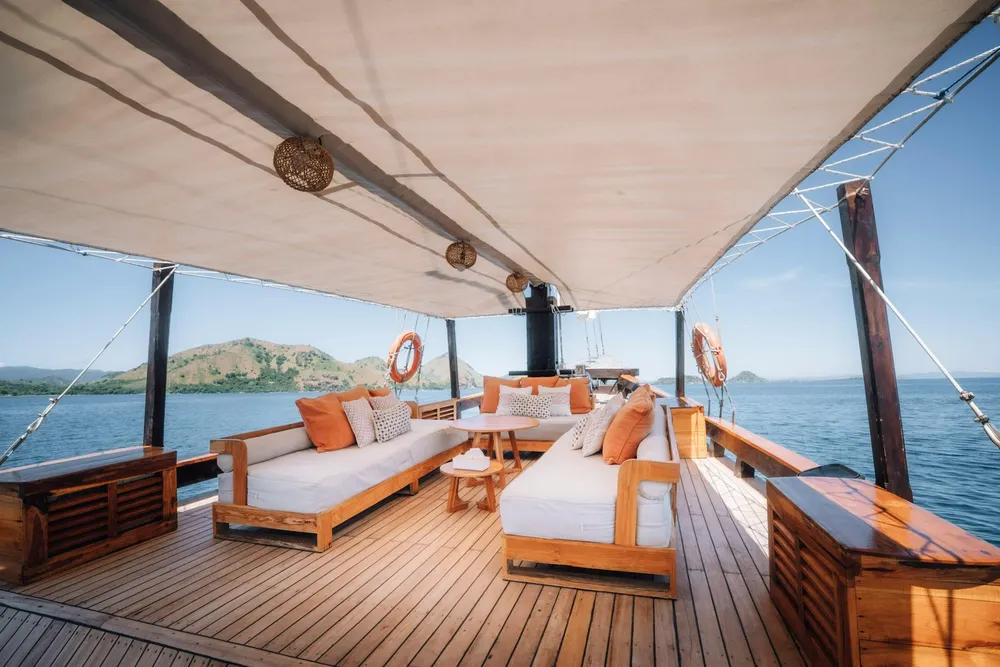
There’s no way for most travellers to properly inspect a boat before booking, but you can ask a few simple questions: When was the boat last dry docked? How often is the engine serviced? How often does the crew do emergency training?
You can also ask what wood the boat is made from. There isn’t one government standard for the wood used to build these boats, so quality varies. Some of the operators we work with use older, well-cured ironwood because it’s stronger and more durable.
And read the reviews carefully. Look beyond whether the food was good or the rooms were nice. Check for mentions of engine problems, breakdowns, safety briefings, crew experience and how the captain handled bad weather.
How does Seek Sophie choose its Komodo boats?
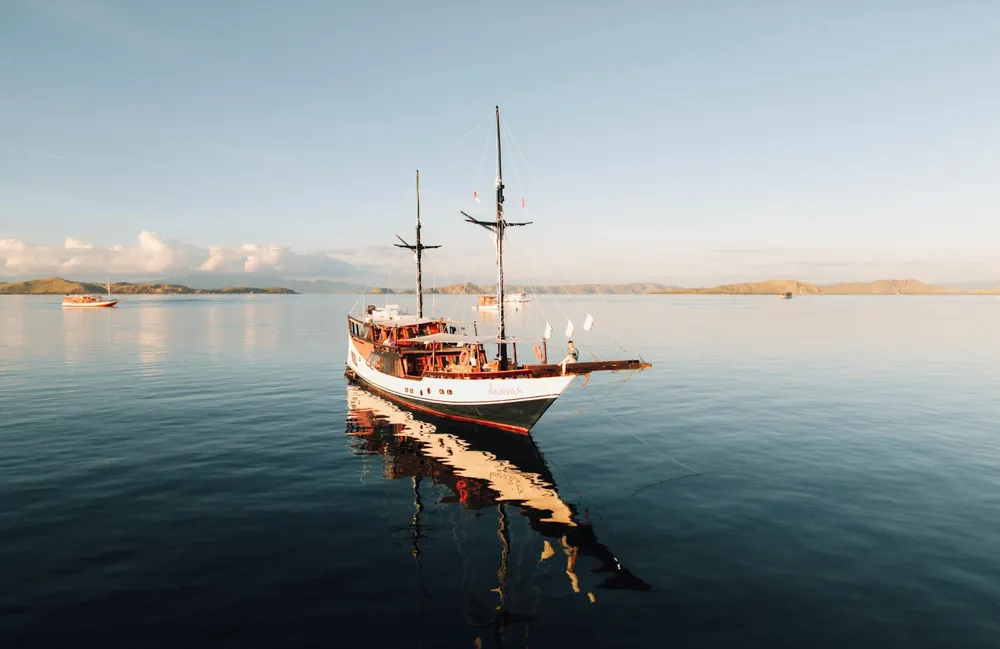
We’ve been to Komodo over 25 times, and safety here isn’t something we take for granted. That’s why Seek Sophie handpicks every Komodo boat we work with rather than simply listing any operator that wants to sell a trip.
We regularly inspect the boats, check that they’re well maintained, look at engine rooms and dry-docking schedules, and ask about crew experience and emergency training. We also mystery shop trips to see what the experience is actually like when no one knows we’re checking.
If a boat doesn’t meet our standards, we remove it. This is also why Seek Sophie doesn't offer the very basic overnight boats commonly sold last-minute around Labuan Bajo.
No boat trip is ever completely risk-free. But there’s a huge difference between accepting the risks you can’t control, and taking unnecessary risks because someone decided to cut corners.
Ready to book your Komodo boat trip?
Here are our favourite Komodo National Park boats. Ask us any questions about their maintenance, their crew and safety standards, and we'd be happy to answer them.

![Komodo Islands: Everything You Need to Know & How to Avoid the Crowds [2026]](https://d18sx48tl6nre5.cloudfront.net/webp_xl_d9b99943af4ed7cc753b66ce9ba57eda.webp)
![Best Things to Do in Labuan Bajo [2026]](https://d18sx48tl6nre5.cloudfront.net/webp_xl_6a7b2411dddfb5a78d68026829099637.webp)
Komodo National Park Experiences FAQs
How much are the Komodo park fees?
Park fees are separate from your boat tour and change frequently, so always check before your trip.
- As of January 2026, Komodo park fees for Foreigners/Kitas holders are IDR 250,000 per person for the 1 day trip and IDR 650,000 per person for the 3D2N trip.
- The park fees for locals are IDR 150,000 for the 1 day trip and IDR 350,000 per person for the 3D2N trip.
- Please note this can change at any time without notice. Best to check with your boat company host a day or two before if there have been any recent changes.
💡 Important to know:
- Fees vary depending on the island and activities (e.g., diving costs more).
- Weekends are more expensive than weekdays.
- Cash only – No credit cards accepted. Bring enough IDR before heading out!
- Many of our boats now include park fees in the price - please check in the inclusions to see if park fees are now included.
Do I need to pay extra park fees based on my itinerary?
Yes, but you don’t need to pay separately for each island or activity. Your boat crew will collect the full Komodo Park fee in advance, which is why the price is given as a range. The total amount depends on the specific islands and activities included in your itinerary.
If you plan to bring a drone, there is an additional fee, and you’ll need to apply for a permit at least 3 days in advance (see details below).
What is this mysterious Komodo park fee?
This is the mandatory entrance fee for Komodo National Park, and it’s usually not included in your boat price. As of 2026, foreigners typically pay about IDR 250,000 for a 1-day trip and around IDR 650,000 for a 3D2N trip. The exact amount can vary depending on the islands visited and whether you're there on a weekend or weekday. Your boat operator will confirm the final amount before your trip.
Do I need to pay park fees in cash?
Park fees will be paid in cash only. Note that there are no ATMs on Komodo Islands so you need to bring enough IDR before heading to the islands (i.e. before your boat trip starts). Note that many of our boats now include park fees in the price - please check in the inclusions to see if park fees are now included.
How do I get from Labuan Bajo to Komodo National Park?
By boat! It takes 1–2 hours depending on whether you are taking a slow boat or a speedboat. You can choose between:
- Speedboat (1-day trip) – Fast, covers more places in a day. You can cover 6 islands in Komodo National Park in 1 day on a speedboat trip.
- Slow boat / Phinisi (overnight trip) – Slower traditional boats - you can cover 3 islands in Komodo National Park in 1 day on a traditional boat.

![Komodo Islands: Everything You Need to Know & How to Avoid the Crowds [2026]](https://d18sx48tl6nre5.cloudfront.net/webp_md_4b03f3324bc1312da4fb5e7ea97b89e4.webp)
![Best Things to Do in Labuan Bajo [2026]](https://d18sx48tl6nre5.cloudfront.net/webp_md_fbeccdf94f72d3ced7a242b51a7ec1af.webp)