The Bidayuh host who keeps bringing strangers home
Her village thought she was sleeping with her guests, but she was building a future for her village.

When Seek Sophie host, Saloma first turned her father’s house into a homestay, some people in her village thought she was sleeping with the guests.
It was 2012, and the idea of strangers paying to stay in someone’s family home was still unfamiliar in Kampung Sadir, a Bidayuh village outside Kuching. Suddenly travellers were turning up at Saloma’s door, and the rumours started.
“They think I sleep with everyone who comes to the house, and that I have so many boyfriends,” she says.
The rumours were part of a bigger problem Saloma would spend years dealing with: people simply didn’t understand what she was trying to build. When she brought new ideas to village meetings, she says older people would sometimes dismiss her because she was young.
When new people like me come to the village meetings and give ideas, they will tell us that we're very young and don't know anything. We have to convince very hard and prove to them that we can do it
Her friends saw something she didn't
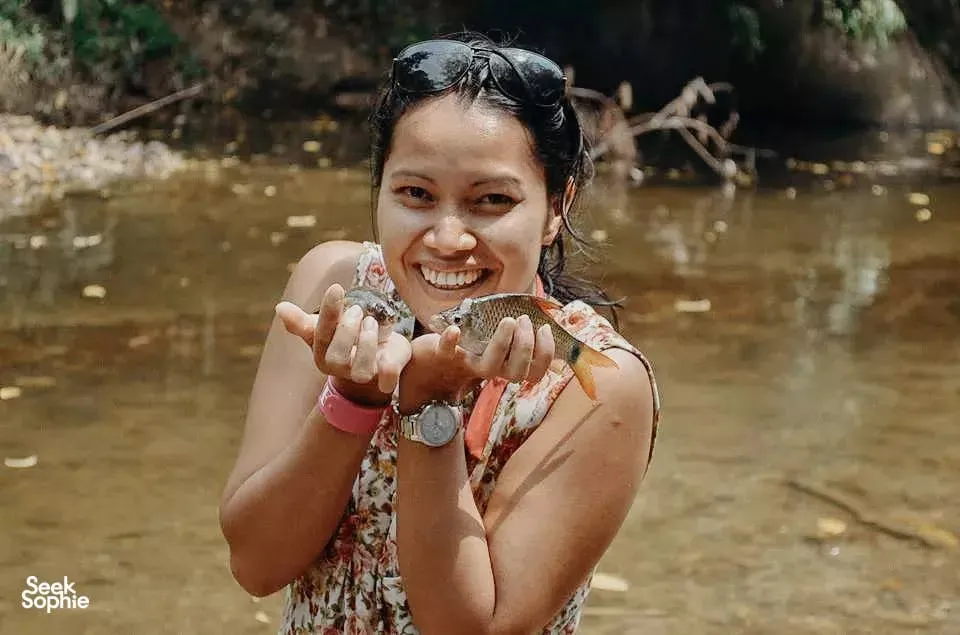
Saloma is Bidayuh, born and raised in Kampung Sadir, a village about 90 minutes from Kuching. She had actually been bringing outsiders home for years. After moving to Kuching to study, she would bring friends back to Kampung Sadir for Gawai, Christmas or a few days away from the city. To her, it was just home. Her friends kept telling her other people would want to stay there too.
Then she stayed at a homestay in Sapa, Vietnam, and saw what that could look like: instead of checking into a hotel, travellers could stay inside someone’s home and get to know the family living there. In 2012, she renovated her father’s house and opened Saloma Villagestay.
But starting the homestay also meant coming home herself.
She chose the village, but she really missed the city
By then, Saloma had spent roughly a decade living in the city, and moving back to Kampung Sadir was harder than she expected. She remembers the first six months being particularly difficult. “It was a big sacrifice coming home. Sometimes I miss the city.”
She still loved travelling and meeting new people. In fact, that’s what she says she loves most about hosting: finding out what people do, where they’ve been and how they live. Coming home didn't mean she suddenly wanted a smaller world.
There were also times when building the homestay felt difficult enough that she nearly stopped.
Sometimes I almost give up. You have to be very strong. If you're not, you cannot do this.
But then she'd go out, meet the village kids, work on her projects and she finds herself not missing the city anymore. That seems to be the thing that kept pulling her back: there was always something else she wanted to do here.
Building it, mostly alone
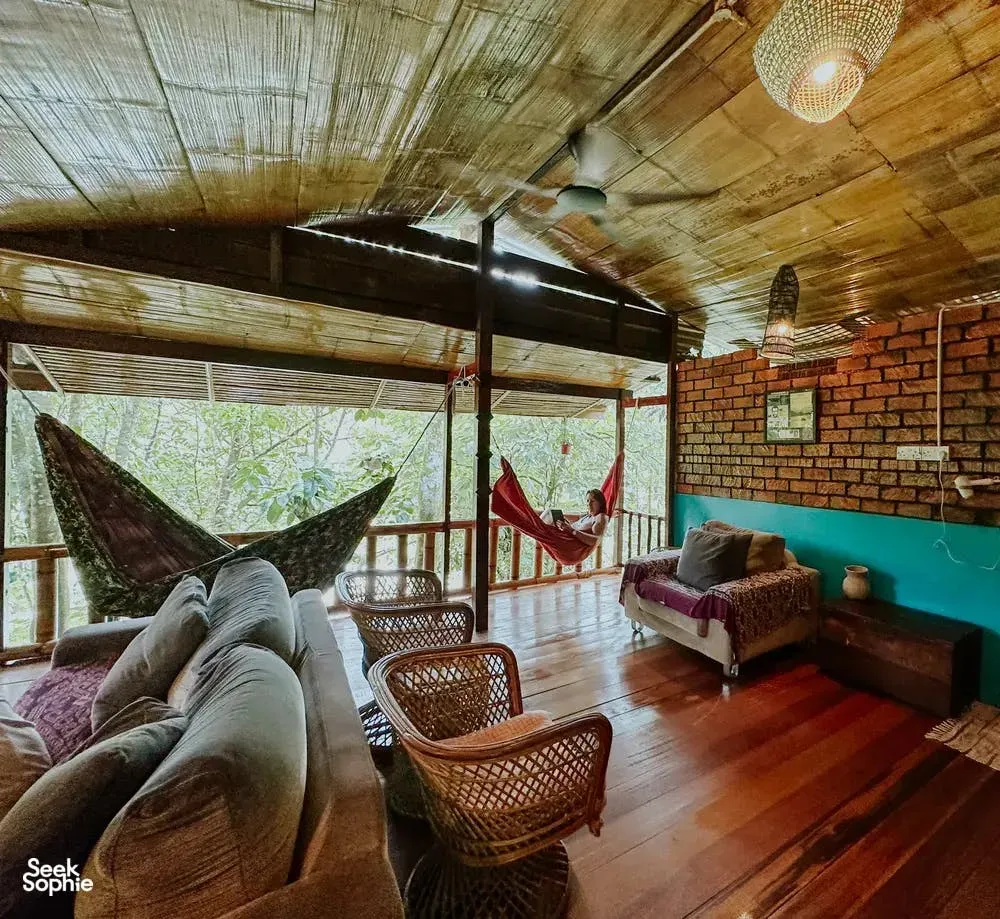
For the first three years, Saloma ran the homestay herself with her family. There were no staff and no villagers hired to help.
The physical build took even longer. What's now several guest rooms took seven years to finish, alongside the rest of the expansion around it, including an open, tree-house-style building with mosquito-netted beds and shared bathrooms.
It's really lovely to know that you're staying in a place built with so much care by Saloma and her family!
A bigger mission emerges for her
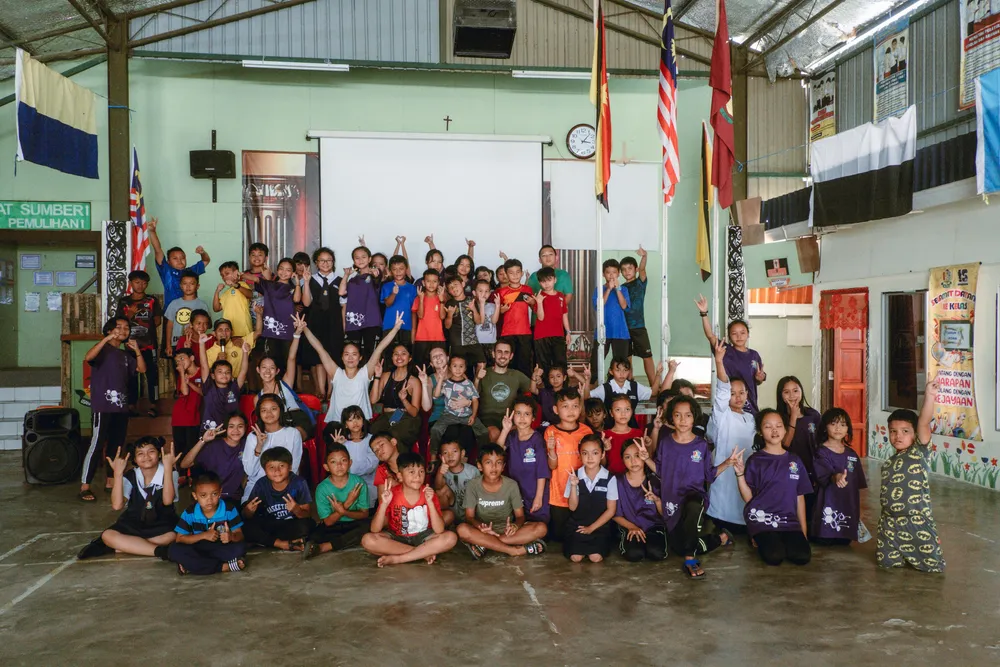
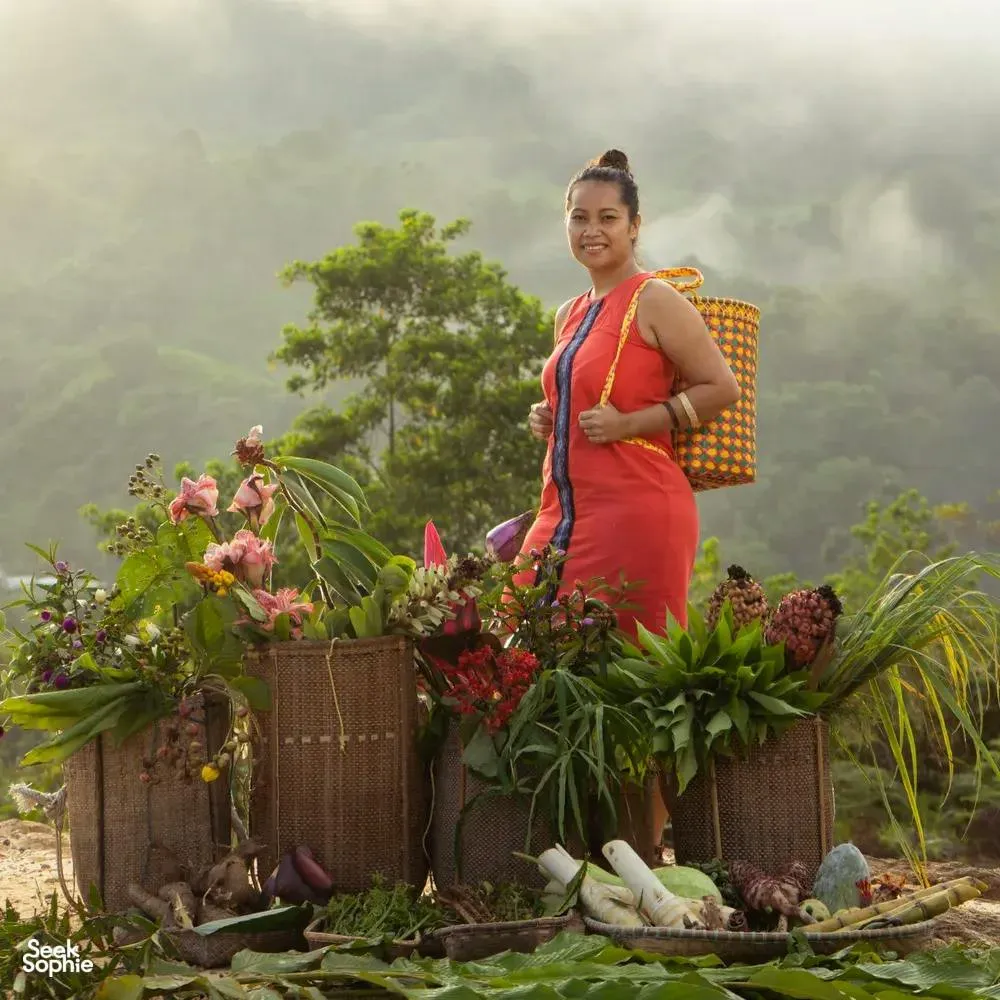
After those first few years, Saloma started hiring villagers to take guests hiking and show them the surrounding forest. Her sister cooks for guests, pepper comes from neighbouring farms, and she encouraged women in the village to make handicrafts that travellers could buy.
Saloma had watched young people leave Kampung Sadir for school and work, with many not returning, and she wanted tourism to create more opportunities at home.
I don’t want this to only benefit me and my family. I want the community to benefit too. If having people come here means we can create more opportunities for the village, while protecting our culture, then that’s something I really believe in.
So she started looking for small ways the homestay could create more opportunities at home.
She encouraged women in the village to weave and make handicrafts that guests could buy as souvenirs. Guests also bring second-hand children's books, which go into a small library at the homestay. Even the food at Saloma's stays close to home. Her sister does most of the cooking, and guests have been known to go back for three servings of the same meal. The pepper comes from neighbours' farms. Other ingredients are bought from people around the village.
It's a small, informal economy, but every tiny little bit goes back to the local community - which is exactly what Saloma wants.
What guests actually experience here
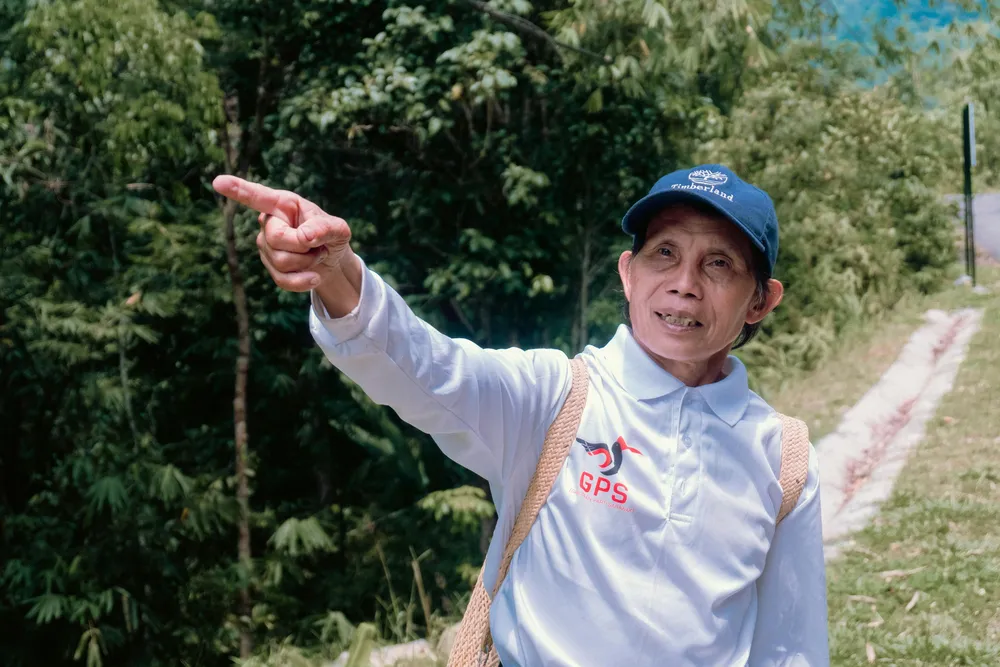
Guests spend most of their time around Saloma's home and the village itself - trekking to one of two nearby waterfalls, visiting the village school, learning how to forage, or watching someone start a fire the same way they've done it for years.
It doesn't feel like a performance put on for visitors. These are things that are simply part of village life, and guests get to be part of it for a short while.
The guides are locals too, and each brings something of their own to the experience. Saie has been known to carve a bamboo flute for a guest while waiting for the kettle to boil. William, their super star jungle guide who also happens to be the village pastor, knows the plants and history of the area, instinctively often stopping mid-walk to pull something from the ground and show guests what they're looking at.
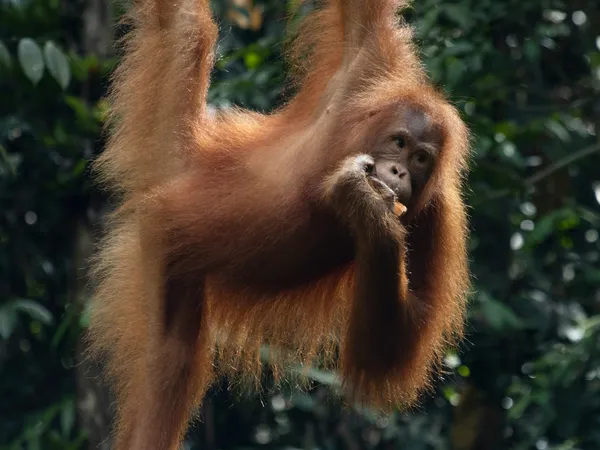
There are also trips out to Semenggoh to see the orangutans, and visits to an actual Bidayuh longhouse, giving guests a chance to see another side of the community beyond Saloma's home.
Stay with Saloma
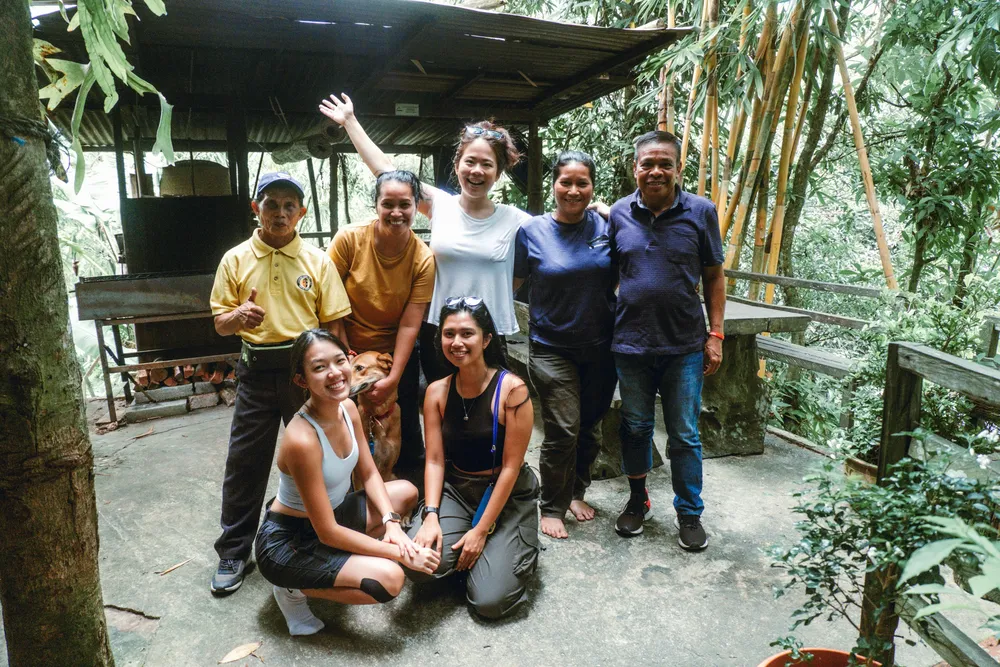
If you want to meet Saloma, we’d choose the 3D2N Seek Sophie village stay if you have the time.
We found trying to fit the village into a day pretty rushed, and Saloma herself recommends staying longer. With two nights, there’s time to trek with local guides like William, eat her sister’s cooking, explore the village and nearby longhouse, and still have time to sit around and actually talk to people.
There’s also a 2D1N Seek Sophie homestay if you’re shorter on time. And there's also a day-trip option if you just want a taste of village life.
Your stay supports more than Saloma’s family: local guides earn from the walks, her sister cooks, neighbouring farmers supply food, and other people in Kampung Sadir have become part of the tourism Saloma spent years trying to convince the village could work.


![Your Cheat Sheet to Planning a Mount Kinabalu Climb [2026]](https://d18sx48tl6nre5.cloudfront.net/webp_xl_4f7a99703162889f64480dfe3c00a2a5.webp)
Kuching FAQs
Is Kuching worth visiting?
We think so! In our opinion, Kuching is one of Malaysia’s most underrated destinations - it has wild orangutans, fascinating indigenous culture and super yummy food!
It’s perfect for travelers who love nature and authenticity - and it’s great for everyone from families to solo travellers.
Unlike major tourist hotspots, Kuching has a relaxed, small-town charm with friendly locals, making it a great place for a laid-back yet adventure-filled trip.
How many days do you need in Kuching?
A long weekend (3-4 days) is enough to see Kuching’s highlights—orangutans at Semenggoh, kayaking in the rainforest, Bako National Park, and indulging in its amazing food. If you want a deeper experience, a week allows you to explore more remote longhouses, spot dolphins at Satang, and take day trips to nearby villages.
What is the best time to visit Kuching?
The best time to visit is during the dry season from March to October, when the weather is warm and rainfall is lower. As a lot of the activities are outdoors, avoiding rainy season is a good idea!
Note that if you do plan to go to Semenggoh Orangutan Reserve, you may also want to avoid fruit season (September–November). When it's fruit season, orangutans at Semenggoh are more likely to forage for their food in the wild (instead of coming out when the rangers feed them), making sightings less frequent.
Is Kuching safe for tourists?
Yes, Kuching is one of the safest cities in Malaysia. Locals are friendly, and crime rates are low. As with any destination, take standard precautions like avoiding unlit areas at night and keeping an eye on your belongings.
What are some other ethical wildlife experiences in Kuching?
- Bako National Park: Proboscis monkeys, wild boars, and bearded pigs in their natural habitat.
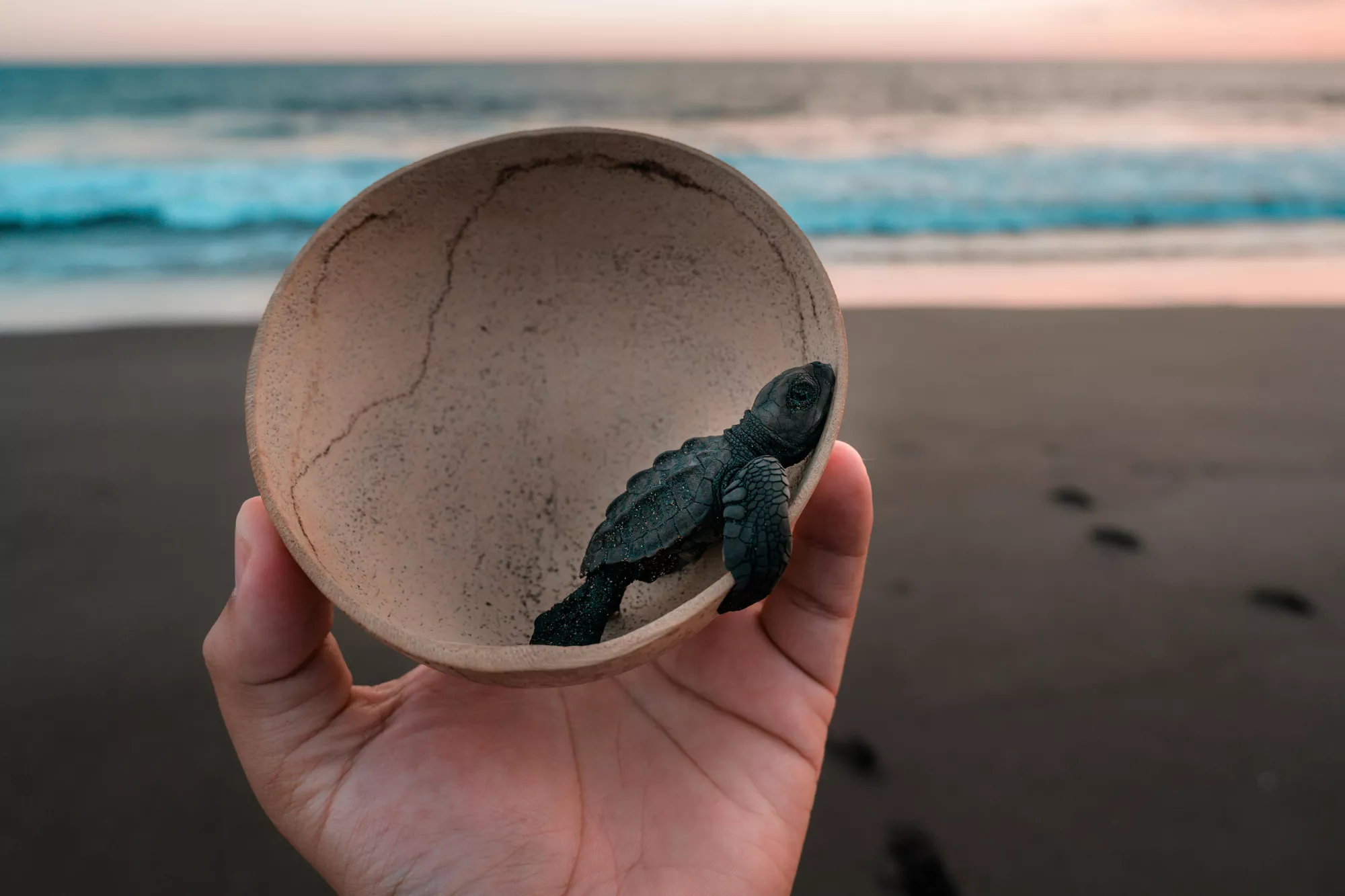
- Satang Island Turtle Sanctuary: A conservation project protecting critically endangered hawksbill turtles.
- Semadang River Kayaking: A low-impact, eco-friendly adventure with local Bidayuh communities.


![Your Cheat Sheet to Planning a Mount Kinabalu Climb [2026]](https://d18sx48tl6nre5.cloudfront.net/webp_md_a10c55f3056c54ea5b7ba426705a0b23.webp)