Why you shouldn't do the Komodo Island tour from Lombok
and why we stopped offering it on Seek Sophie.
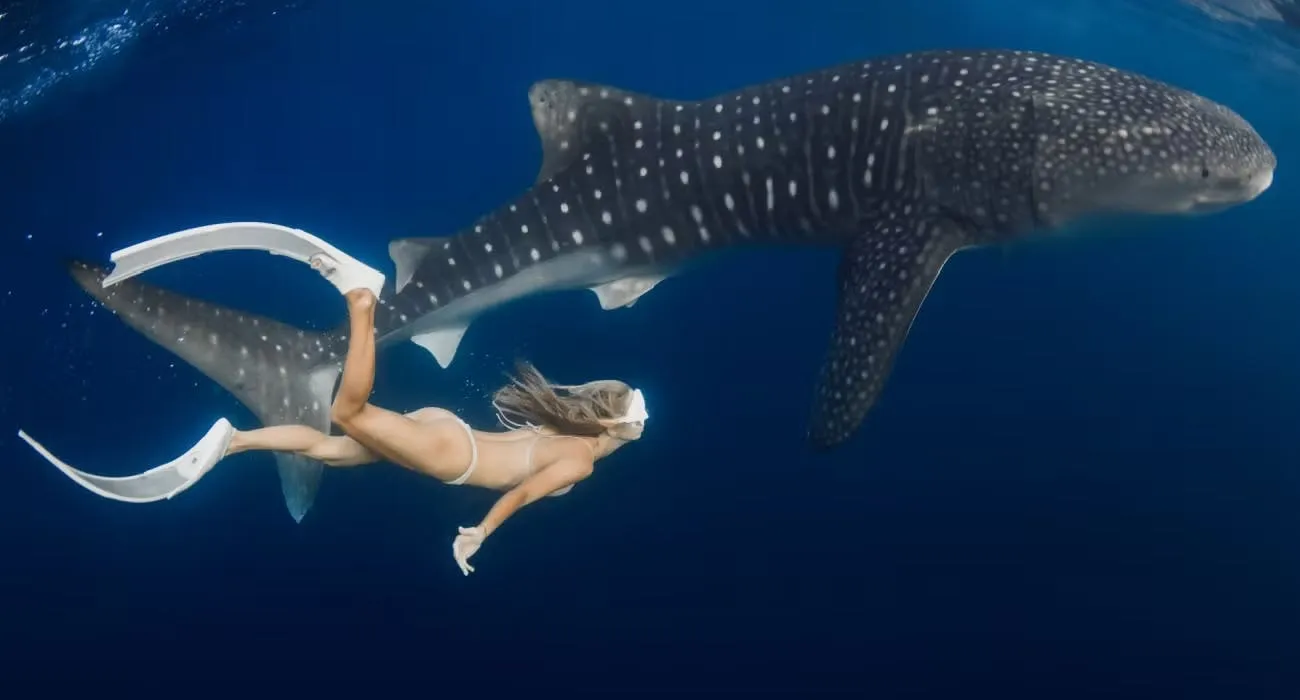
Do you have any boat trips from Komodo to Lombok? This is one of our most frequently asked questions—we still get asked about it every week. And the answer is no, not anymore.
A few years ago, the Komodo-Lombok boat trip was our best-selling Komodo boat trip on Seek Sophie, known for its stunning landscapes, vibrant marine life, and the main draw: whale sharks. But then we started hearing concerning feedback from customers, we knew something was off.
The more we learned, the clearer it became that we couldn’t, in good conscience, continue offering this Komodo adventure on Seek Sophie.
About the Komodo-Lombok Boat Trip
How is it different from the other Komodo Boat Trips?
Most Komodo boat trips depart from Labuan Bajo, but a few companies offer boat trips from Lombok to Komodo (and vice versa).
These trips are especially popular with travellers looking to continue their Indonesia journey in Lombok, where the Gili Islands (Gili Air, Gili Trawangan, Gili Meno) are, or those coming from East Lombok and heading to Komodo National Park.
And, of course, you get to see whale sharks — which is a huge bucket-list draw.

Why You Shouldn't Do the Komodo Lombok Trip
Feeding Whale Sharks
One of the main reasons people book Komodo-Lombok boat trips is to see whale sharks up close in Saleh Bay, Sumbawa. It wasn’t until one of our customers pointed it out that we realised what was actually happening:
Local fishermen were feeding whale sharks to guarantee sightings. It might sound harmless at first. But in reality, this has serious consequences.
Research shows that feeding whale sharks disrupts their natural behaviours. These migratory creatures travel thousands of kilometers annually, but artificial feeding alters their routes, causing them to stay in areas they would naturally leave. This can affect their natural feeding and breeding cycles, making them dependent on human-provided food.

Touching Whale Sharks
Another troubling aspect of these boat tours was how close people are allowed to get to the whale sharks. People could swim right up to them and even touch them, which is harmful for several reasons:
1. Human Safety: While whale sharks are gentle, they are massive creatures. Repeated exposure to human interaction can cause stress to whale sharks. A sudden movement from one of these giants could accidentally injure a swimmer.
2. Physical Harm: Human touch can remove the protective mucus layer on a whale shark’s skin, making them more vulnerable to infections and injuries.

Let's Talk About Ethics
Is Whale Shark Feeding Ever Ethical?
This is a tough question. On one hand, before tourism, some fishermen in Sumbawa hunted whale sharks. Now, instead of poaching them, they make money by feeding them for tourism.
Some travel agencies and local operators market this as "responsible tourism," but we’re skeptical. Feeding any kind of wildlife is not responsible tourism.
So far, we have not come across a truly ethical whale shark encounter in Indonesia or even in Southeast Asia.
As much as we loved this trip, we realised that responsible travel sometimes means saying no — even to popular experiences. As travellers, we have the power to choose experiences that protect wildlife rather than harm it.
That’s why we made the decision to stop offering this tour on Seek Sophie.

What Else is Not Ethical? (Avoid these)
Whale shark feeding (Lombok-Komodo trips) – Some tour packages feed whale sharks to attract them for tourists. This disrupts their natural behaviour and makes them dependent on humans. We do not recommend the Lombok-Komodo boat trip for this reason.
Manta ray overcrowding – Some guides allow snorkellers to chase and crowd manta rays, which stresses them out. If you see this happening, speak up—guides will usually listen if tourists raise concerns.
Komodo dragon chasing – Some rangers on Komodo and Rinca Islands chase or provoke dragons to get them to move for better tourist photos. This stresses the dragons and is not good practice. If you see this, say something to the guide and fellow travellers.
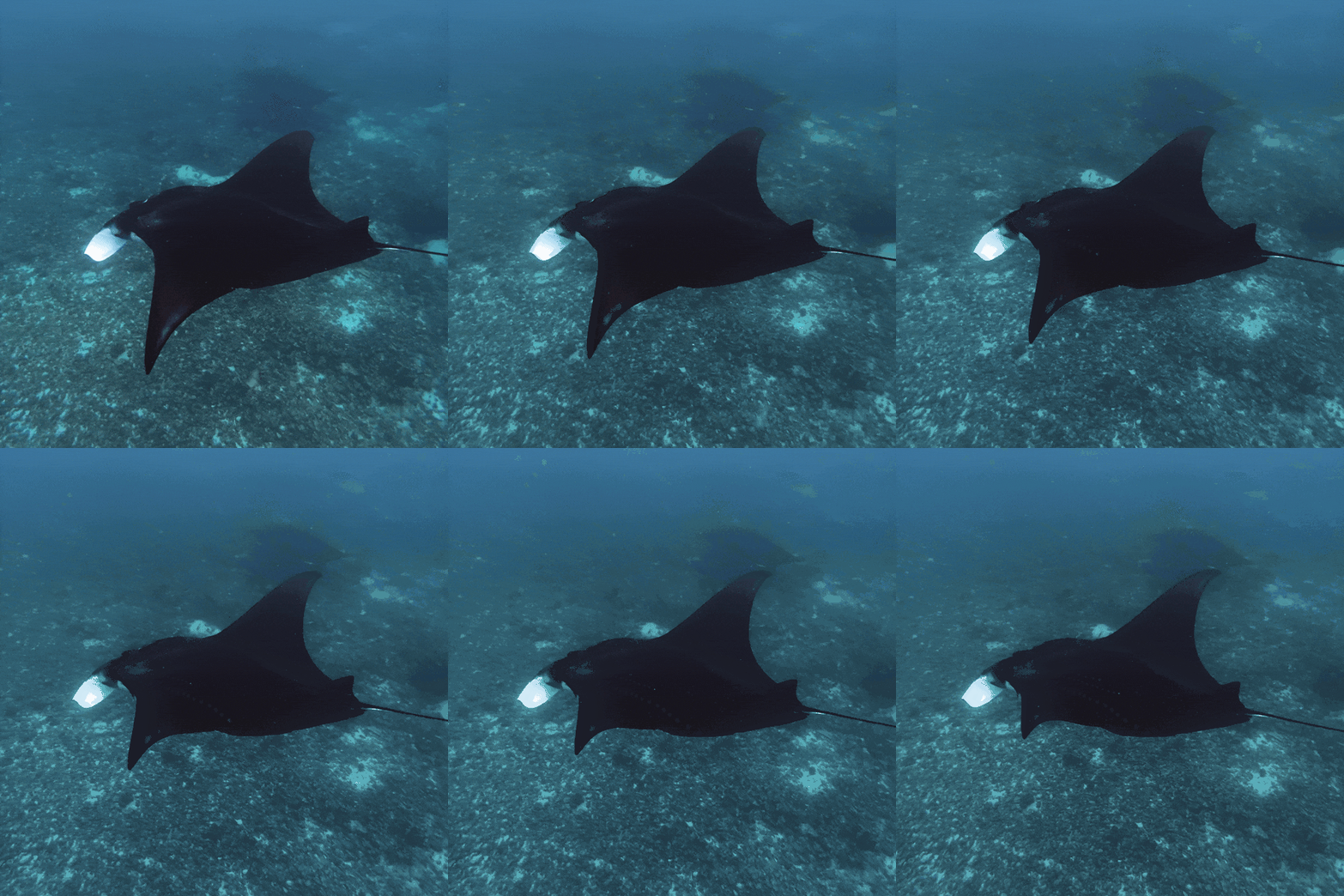
What Can We Do When We See Unethical Behaviour?
It's important to understand that Komodo National Park is still quite undeveloped, and many rangers and guides are not well-trained in wildlife conservation. A lot of poor practices continue because travellers expect and demand them and guides want to please their guest.
So the best way to help is to avoid booking unethical tours, and sound out to your guides and rangers when you see something wrong.
The more we push for responsible tourism, the better it will be for wildlife — and for future travelers.

Alternative Komodo Boat Tours (More Ethical!)
Responsible Komodo Tours
The best way to protect Komodo National Park is by supporting local Indonesian, community-led conservation efforts. That’s why we’ve chosen to work with organisations that hire and train local guides, teaching them how to interact with wildlife responsibly.
When you choose these businesses to explore Komodo National Park, you're helping build a more sustainable future for Komodo:
Seek Sophie Komodo Boat Trips range from a day tour on a speedboat to 3D2N phinisi liveaboards with private cabins. All of them depart from Labuan Bajo, and cover the highlights like trekking with Komodo Dragons on Komodo Island or Rinca Island to see them in their natural habitat, hiking to the sunrise viewpoint at Padar island, and seeing Pink Beach, snorkelling at Manta Point.
If you’re short on time, do a day trip. If you have more time, we highly recommend doing a 3D2N Seek Sophie Komodo boat trip. This will allow you to enjoy more hiking to Kelor Island, and more snorkelling at Kanawa Island / Kenawa Island, and see the magical exodus of bats from Kalong Island at sunset (one of our favourites!).

Useful Komodo Tips & Resources
Essential Resources for Your Komodo Adventure
Our team has been to Komodo over-15 times. Check out our tips here 👇
Getting there: How to get to the Komodo Islands & Insider Tips
Best Tours: 10 Best Komodo Island Tours
Itinerary breakdown: What to Expect on a 3 Day Komodo Boat Trip
Planning your trip? Check out our Komodo Islands Cheat Sheet for expert tips for an unforgettable experience!

How does Seek Sophie pick its Komodo boats?
We’ve been to Komodo over 25 times, and safety here isn’t something we take for granted. Boat accidents happen every year, and standards vary widely between operators.
That’s why we handpick every boat on Seek Sophie for safety and quality. We inspect boats regularly, check that they’re well maintained, and mystery shop trips to see what the experience is really like. If a boat no longer meets our standards, we remove it. We only list boats we’d be comfortable putting our own friends and family on.
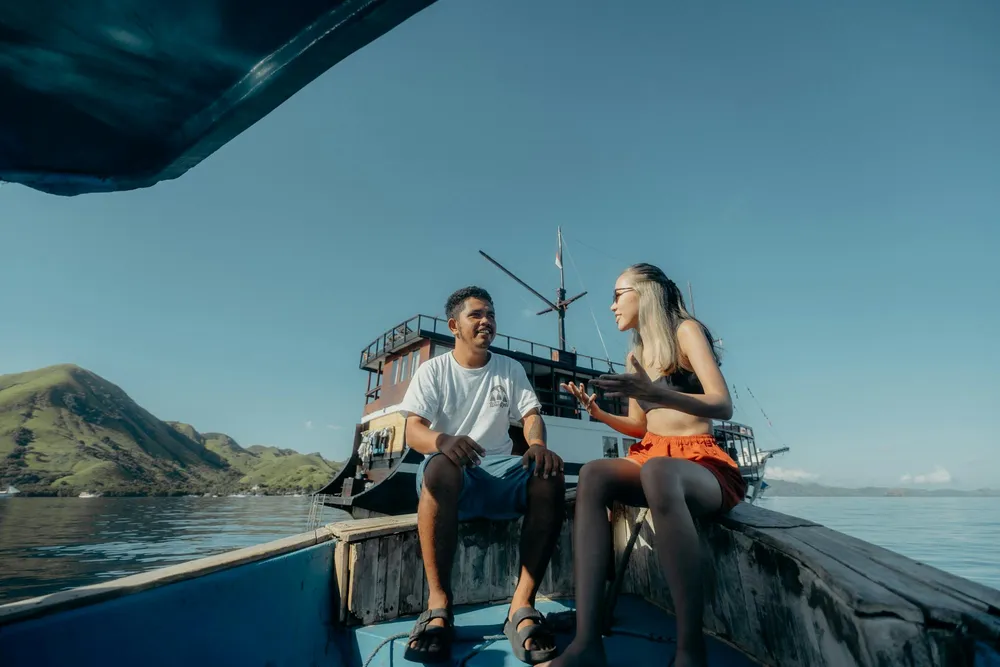
Ready to book a Seek Sophie Komodo boat trip?
👇 Check out the best Seek Sophie boat tours in Komodo National Park here!

![Komodo Islands: Everything You Need to Know & How to Avoid the Crowds [2026]](https://d18sx48tl6nre5.cloudfront.net/webp_xl_d9b99943af4ed7cc753b66ce9ba57eda.webp)
![Best Things to Do in Labuan Bajo [2026]](https://d18sx48tl6nre5.cloudfront.net/webp_xl_6a7b2411dddfb5a78d68026829099637.webp)

Komodo National Park Experiences FAQs
How much are the Komodo park fees?
Park fees are separate from your boat tour and change frequently, so always check before your trip.
- As of January 2026, Komodo park fees for Foreigners/Kitas holders are IDR 250,000 per person for the 1 day trip and IDR 650,000 per person for the 3D2N trip.
- The park fees for locals are IDR 150,000 for the 1 day trip and IDR 350,000 per person for the 3D2N trip.
- Please note this can change at any time without notice. Best to check with your boat company host a day or two before if there have been any recent changes.
💡 Important to know:
- Fees vary depending on the island and activities (e.g., diving costs more).
- Weekends are more expensive than weekdays.
- Cash only – No credit cards accepted. Bring enough IDR before heading out!
- Many of our boats now include park fees in the price - please check in the inclusions to see if park fees are now included.
Do I need to pay extra park fees based on my itinerary?
Yes, but you don’t need to pay separately for each island or activity. Your boat crew will collect the full Komodo Park fee in advance, which is why the price is given as a range. The total amount depends on the specific islands and activities included in your itinerary.
If you plan to bring a drone, there is an additional fee, and you’ll need to apply for a permit at least 3 days in advance (see details below).
What is this mysterious Komodo park fee?
This is the mandatory entrance fee for Komodo National Park, and it’s usually not included in your boat price. As of 2026, foreigners typically pay about IDR 250,000 for a 1-day trip and around IDR 650,000 for a 3D2N trip. The exact amount can vary depending on the islands visited and whether you're there on a weekend or weekday. Your boat operator will confirm the final amount before your trip.
Do I need to pay park fees in cash?
Park fees will be paid in cash only. Note that there are no ATMs on Komodo Islands so you need to bring enough IDR before heading to the islands (i.e. before your boat trip starts). Note that many of our boats now include park fees in the price - please check in the inclusions to see if park fees are now included.
How do I get from Labuan Bajo to Komodo National Park?
By boat! It takes 1–2 hours depending on whether you are taking a slow boat or a speedboat. You can choose between:
- Speedboat (1-day trip) – Fast, covers more places in a day. You can cover 6 islands in Komodo National Park in 1 day on a speedboat trip.
- Slow boat / Phinisi (overnight trip) – Slower traditional boats - you can cover 3 islands in Komodo National Park in 1 day on a traditional boat.

![Komodo Islands: Everything You Need to Know & How to Avoid the Crowds [2026]](https://d18sx48tl6nre5.cloudfront.net/webp_md_4b03f3324bc1312da4fb5e7ea97b89e4.webp)
![Best Things to Do in Labuan Bajo [2026]](https://d18sx48tl6nre5.cloudfront.net/webp_md_fbeccdf94f72d3ced7a242b51a7ec1af.webp)