This Guerilla Gardener Sold His Car to Build a Home for Wildlife
A gardener in Woodlands is quietly rewilding Singapore - one species at a time.
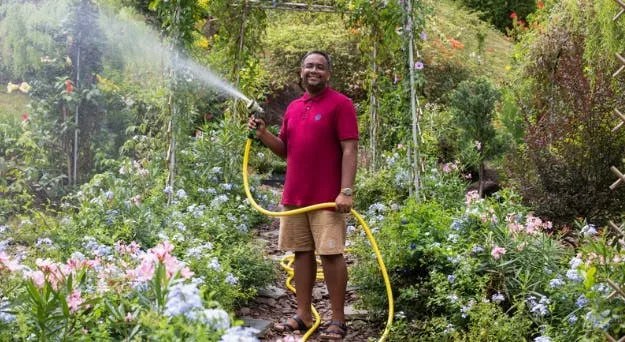
Singapore has cleared more than 99% of its original rainforest. Most of what used to live here is gone.
So it's strange that on a slope behind an HDB block in Woodlands (barren just a few years ago!), there are now 85 species of butterflies - more than the entire UK. Eagles circle overhead. Rare damselflies that have vanished almost everywhere else in Singapore live in its pond.
A former chemistry professor named Ganesh built it. He sold his dream car to pay for the pond. He didn't set out to do any of this.
The Kampong Kid Who Became a Chemistry Professor
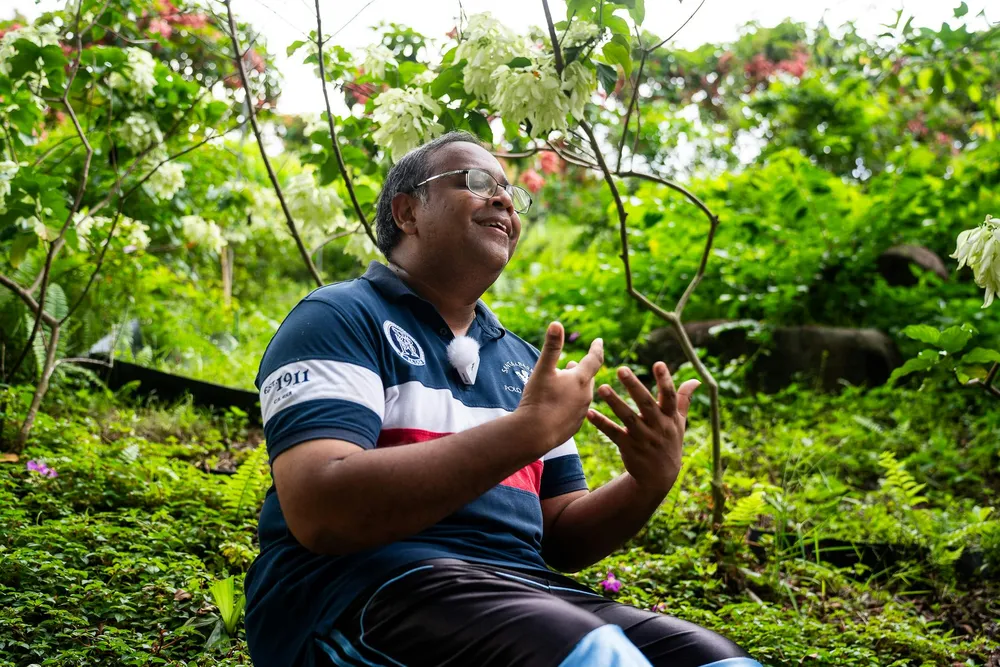
Ganesh grew up in a kampong, in a family with a big garden and gates that were always open. Anyone could wander in to look at the plants. That's where his instinct for gardening came from — not from books, but from being surrounded by it as a child.
He went on to become a chemistry professor at NUS. Which matters, because what he's doing in this garden isn't sentimental. He understands food chains, soil systems, the chemistry of why one plant feeds an insect and another doesn't. The kampong gave him the love. The lab gave him the rigour.
Then, a few years ago, his mother passed away.
Ganesh became the only breadwinner in his family. He had people to look after. There wasn't really space to grieve — grief is something you do when the rest of life agrees to wait, and life rarely does.
It all started with One Hibiscus
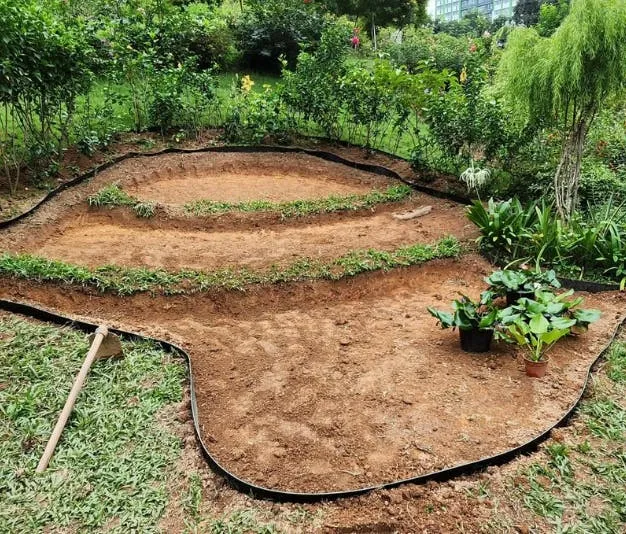
Then Covid happened. Everything stopped.
In that strange suspended moment that the rest of us spent baking sourdough and reorganising our cupboards, Ganesh planted one hibiscus on the slope behind his block. It was his mother's favourite flower and he wanted a way to remember her.
The hibiscus was for his mental health, not for anything bigger than that. He wasn't building a garden.
Then residents started noticing. People walking past would stop to tell him it looked nice, and would stay for a chat. He loved how a simple hibiscus bush seemed to be bringing his community together, so he kept planting. One hibiscus became a few. A few became a slope.
It was almost all torn down
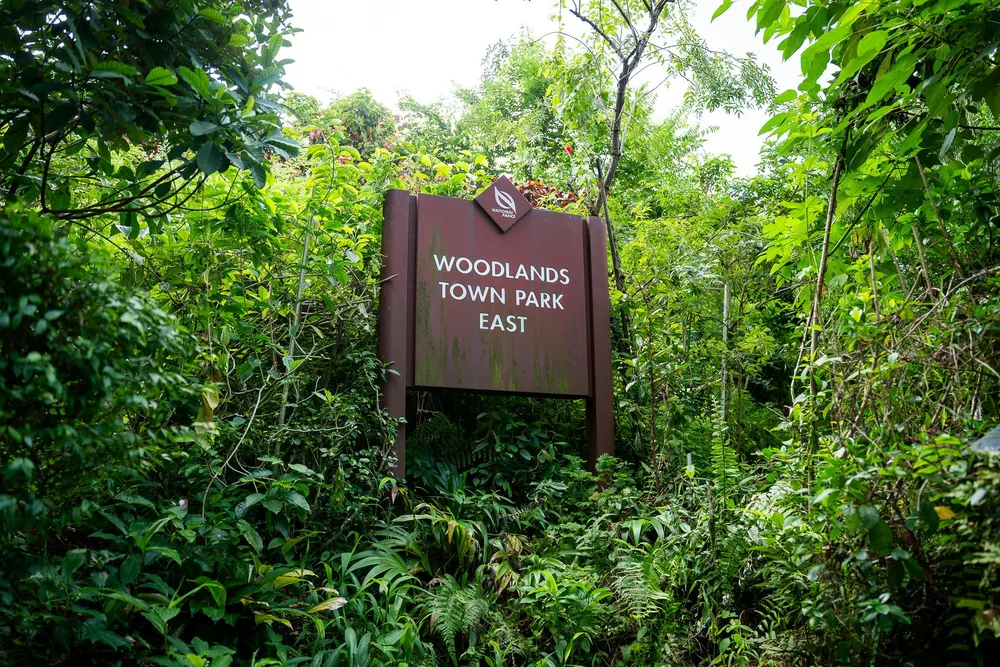
That's when NParks turned up.
The garden wasn't officially approved. An NParks officer came by and told Ganesh the plants might have to be removed. He wasn't allowed to be doing what he was doing.
He didn't argue. He said if they had to be removed, then he would remove them.
But the officers noticed what was happening on the slope. Butterflies were everywhere. A small ecosystem was quietly assembling itself on a patch of ground that had been bare a few months earlier. They realised that something special was happening.
The officer then told Ganesh to email NParks and make it official. Ganesh thinks nature did most of the convincing that day, not him. NParks didn't just back off — they became supporters. The garden got approved. The grief project became a real thing.
The Difference Between Pretty and Useful
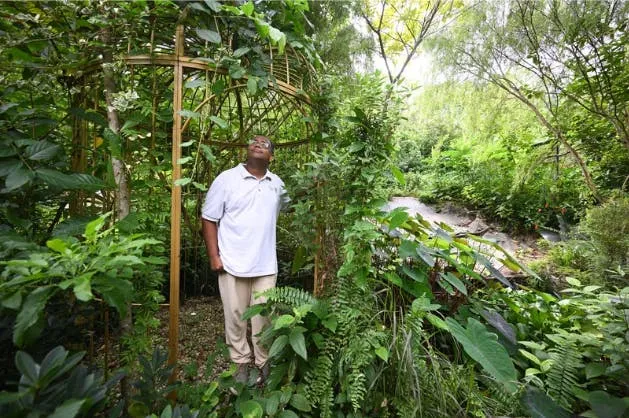
Most community gardens in Singapore look the way you'd expect: orderly rows of bok choy, neat little plots, things humans want to eat or look at. They're grown for us.
Ganesh's garden is grown for everything else.
This is the thing most people miss about biodiversity gardening - what's pretty to a human is often useless to an animal. A manicured ornamental flower might give nothing back to the ecosystem. A scrappy native shrub that nobody would put on Instagram might feed dozens of caterpillar species, whose adult moths feed birds, whose chicks feed predators further up the chain.
Ganesh calls this generous planting. Plants that give. Leaves that feed caterpillars. Flowers that feed bees. Berries that feed birds. The garden looks scruffier than the average HDB plot for exactly this reason: it isn't trying to look like anything. It's trying to feed something.
There's a detail here that captures the whole philosophy. When a bee is born, it imprints on the first type of flower it sees leaving the hive. That bee will, for the rest of its life, only drink from that one species. So Ganesh plants in batches — large clusters of the same flower, instead of mixed beds — because it's easier for the bees, even though it looks less pretty to us.
That's the trade-off in miniature. Almost everything in the garden works this way.
The Butterfly that wasn't supposed to be here
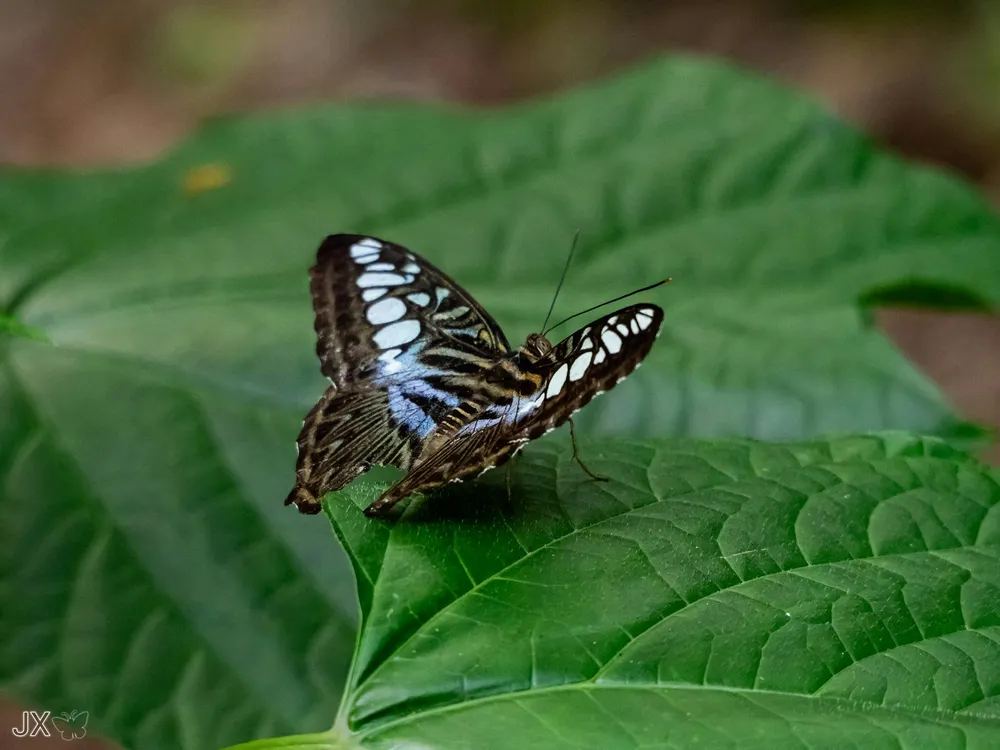
One morning, on his way to work, Ganesh spotted a butterfly he didn't recognise. Big. Striking. He took a quick photo and posted it in the Nature Society group.
The replies came fast. It was a Clipper, a species many people believed had disappeared from Singapore entirely.
He's matter-of-fact about it. He thinks it might have escaped from somewhere. But what stayed with him wasn't the discovery. It was what happened next. The butterfly didn't leave. It lived out its full two-week adult life in his garden. People came looking for it. They found it.
That, to him, is the whole point. Not the rare sighting. The fact that something rare chose to stay.
He didn’t plan for it to become a community garden
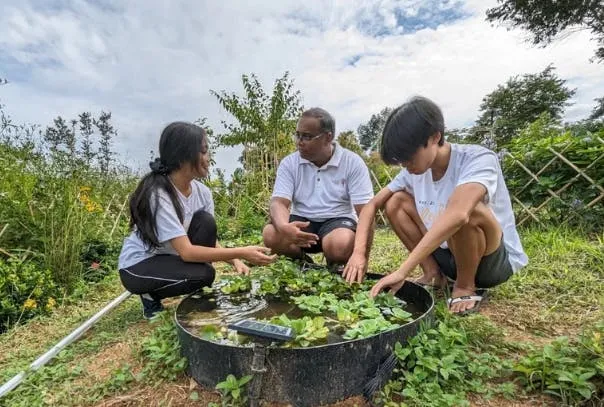
Ganesh didn’t plan for it to become a community garden.
At first, it was simply a collaboration between his family and NParks. But about six months in, people began asking if they could help. Today, he estimates around 150–200 volunteers have come through.
Unlike many community gardens, there are no individual plots. No “this is yours, that is mine”. The whole space belongs to everyone.
Ganesh says that keeps the garden peaceful.
Guerilla gardening means letting nature decide
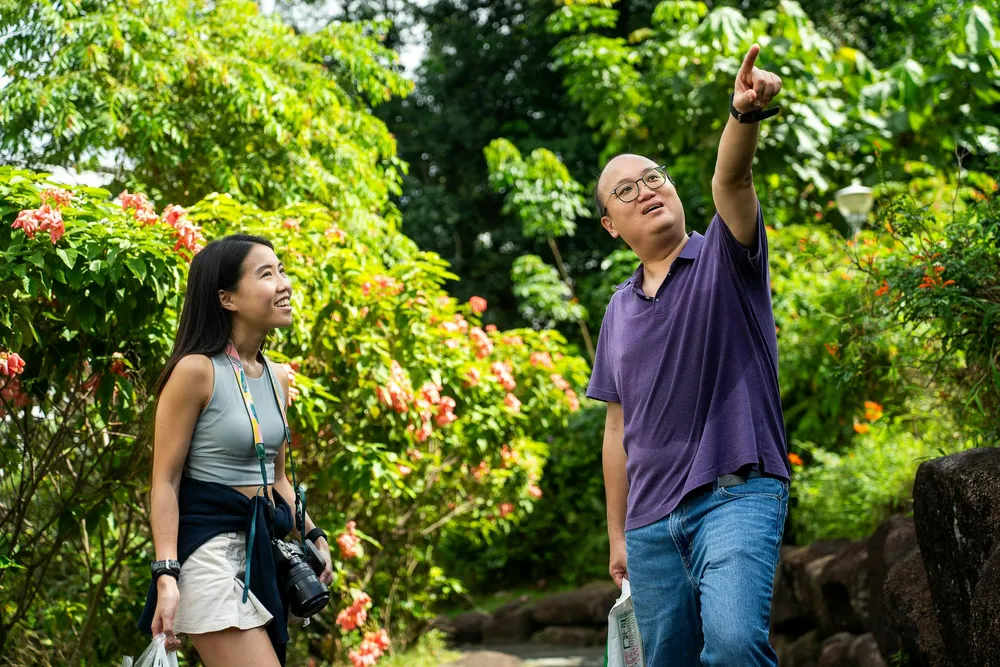
The garden has one rule beyond that: don't force it.
Ganesh doesn't introduce species. Whatever shows up, shows up on its own. If a plant struggles, he might try once more. If it still doesn't take, he stops. "Don't force nature," is how he puts it.
It's a philosophy that runs against most of how Singapore approaches greenery. Our parks are beautifully designed — manicured, intentional, photogenic. Ganesh's garden isn't trying to look like anything. It's just letting things come and go, on their own terms.
He calls it guerrilla gardening, but more as restoration than rebellion. He's not trying to fight the system. He's trying to show it something.
He sold his dream car to build a pond
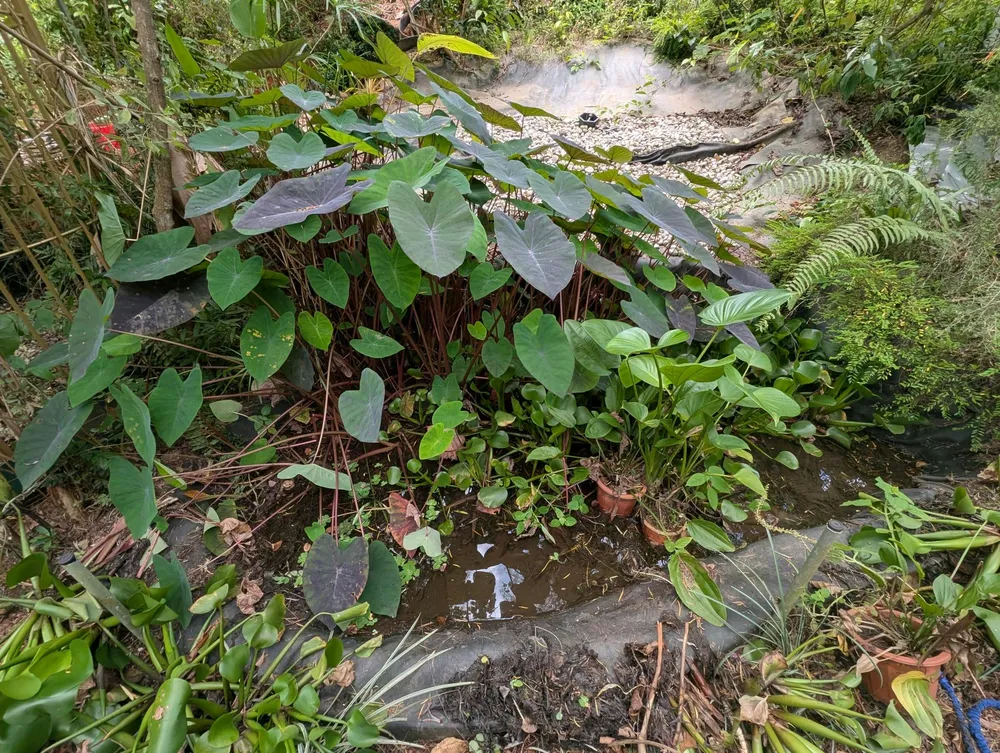
One of the garden’s key features today is a small pond that attracts dragonflies and damselflies. Ganesh decided to build it after a moment that stayed with him: during a drought, workers came asking for water for a nest with two chicks that were crying out.
It made him realise how easily animals lose access to water as forests and streams disappear.
The pond was expensive to build. To pay for it, Ganesh sold his dream car. He says it still makes him a little sad — but he has no regrets. To him, the animals mattered more.
Why It Matters
There's a question a lot of us hold quietly: is what we've lost gone for good?
This garden says no.
It says that a single person, with no special funding and no institutional backing, can rebuild something most of us assumed only governments and conservation organisations could touch. It says you don't need a forest. You don't need policy. You just need some patience, and a willingness to give up things you wanted.
Ganesh's hope is that the garden becomes a model — proof that any community garden in Singapore could be doing this if it wanted to. That ground-up change is possible. That biodiversity isn't something you wait for the government to bring back.
He started planting because he was sad. He kept planting because something started to come back.
If You Want to See It Yourself
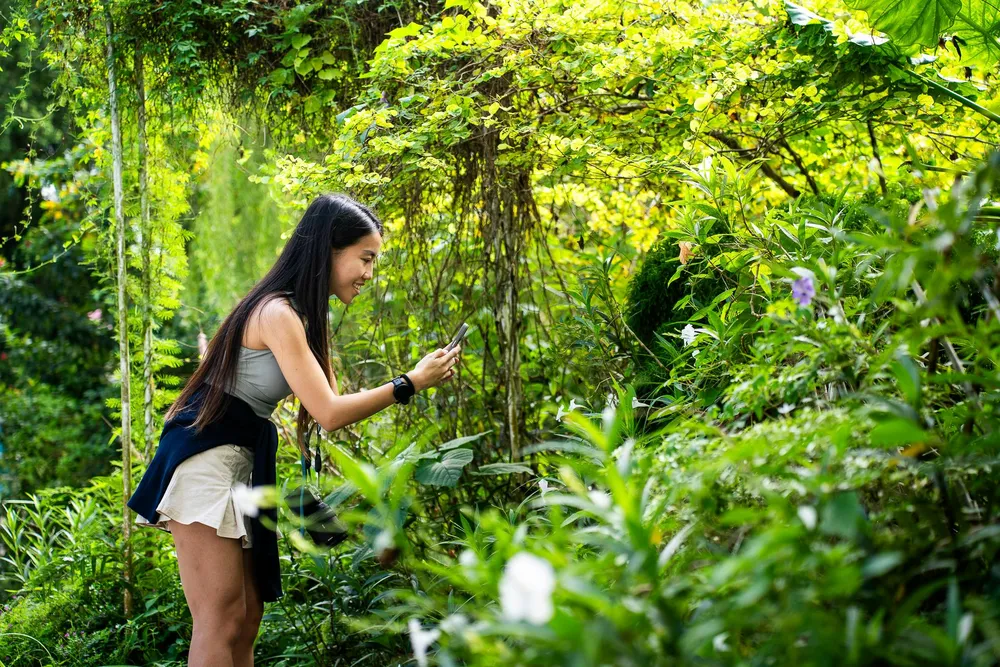
Most people in Singapore have no idea the garden exists, which is part of why we're writing about it.
Seek Sophie runs a private guided walk through the garden with Wilson. He'll point out the damselflies, walk you through the citizen-science app the volunteers use to log sightings, and let you pot up a plant from the garden trimmings to take home. It runs about two hours. No fitness level needed — just a gentle uphill walk.
Top Tip: Go on a sunny morning if you can. Butterflies and damselflies are most active in warm, dry weather. Overcast days are still pleasant but quieter.
You won't need mosquito repellent. The damselflies handle it. 🌱

![51 Seriously Cool Things to Do in Singapore [2026]](https://d18sx48tl6nre5.cloudfront.net/webp_xl_1ecaacf5cf85c36de180e069ab90f7c1.webp)
![49 Seriously Cool Team Building Activities in Singapore [2026]](https://d18sx48tl6nre5.cloudfront.net/webp_xl_9b6b91c45ce5e474536be9a574c17ff7.webp)
![36 Unique and Cool Creative Workshops in Singapore [2026]](https://d18sx48tl6nre5.cloudfront.net/webp_xl_bef0f01057ada958b6bede4ccd0f72c2.webp)
![44 Best Date Ideas in Singapore (More than Just a Meal) [2026]](https://d18sx48tl6nre5.cloudfront.net/webp_xl_1f54cc8f00d758a127ea1c3bfbcb992c.webp)

![51 Seriously Cool Things to Do in Singapore [2026]](https://d18sx48tl6nre5.cloudfront.net/webp_md_27b525142ba22035c61783c5d4d33e82.webp)
![49 Seriously Cool Team Building Activities in Singapore [2026]](https://d18sx48tl6nre5.cloudfront.net/webp_md_4ec76d807cb8804bb63f2fe3e67f3167.webp)
![36 Unique and Cool Creative Workshops in Singapore [2026]](https://d18sx48tl6nre5.cloudfront.net/webp_md_e690bec7d72d1b3b7d8adf53780633f9.webp)
![44 Best Date Ideas in Singapore (More than Just a Meal) [2026]](https://d18sx48tl6nre5.cloudfront.net/webp_md_be3dc2026b4daffec3a22323f1ddf363.webp)